


Here’s the thing about book banning in America right now. It’s not slowing down. In 2025, book censorship in the United States is rampant and common, with more books systematically removed from school libraries across the country than ever before in the life of any living American. Since 2021, nearly 23,000 book bans have been documented in public schools nationwide, which honestly sounds crazy until you start looking at the actual data. The landscape has shifted dramatically from individual parent complaints to something far more organized and calculated. The majority of book censorship attempts are now originating from organized movements, with pressure groups and government entities initiating roughly three quarters of demands to censor books.
What makes this wave different from past censorship campaigns is the sheer scale and the mechanisms driving it. State legislatures are passing sweeping laws, activist groups are using coordinated tactics, and entire categories of books are disappearing from shelves based on themes rather than individual reviews. The targets remain consistent though. Books featuring LGBTQ+ characters, stories about race and racism, and anything deemed sexually explicit are facing the chopping block at unprecedented rates.
All Boys Aren’t Blue by George M. Johnson

George M. Johnson’s memoir has been a target of book challenges for years, and it was the most challenged book of 2024. This young adult memoir explores what it means to grow up Black and queer in America, combining personal narrative with broader cultural observations. The book tackles everything from first crushes to experiences with racism and homophobia, never shying away from the messier parts of adolescence.
Critics often cite specific passages they deem sexually explicit as justification for removal. Yet those same critics frequently admit they haven’t read the entire book, just isolated excerpts shared on social media or partisan book rating sites. What gets lost in the controversy is the book’s core purpose: giving young people who feel different a roadmap for navigating identity in a world that doesn’t always make space for them. A majority of the titles challenged were either about queer people or people of color, and this memoir sits squarely at that intersection.
Gender Queer by Maia Kobabe

Gender Queer by Maia Kobabe has been one of the most frequently challenged books, occupying the top spot for consecutive years before being narrowly displaced. This graphic memoir chronicles Kobabe’s journey toward understanding eir nonbinary identity, using illustrations to convey experiences that words alone sometimes can’t capture. Kobabe wrote the book primarily as a way to explain eir identity to family members who struggled to understand what being nonbinary meant.
The author has said that if e had been able to find a book like Gender Queer as a teenager, it would have meant the world because e was desperate to figure out who e was. The controversy typically centers on a handful of illustrations depicting sexual content out of hundreds of drawings total. Despite many decisions to ban Gender Queer, numerous schools and libraries in districts where the book has been challenged have opted to keep it on shelves after review, from Maine to Wyoming to Illinois, Kentucky and Texas. Those who actually read the full memoir often recognize its value for young people questioning their identity.
The Bluest Eye by Toni Morrison

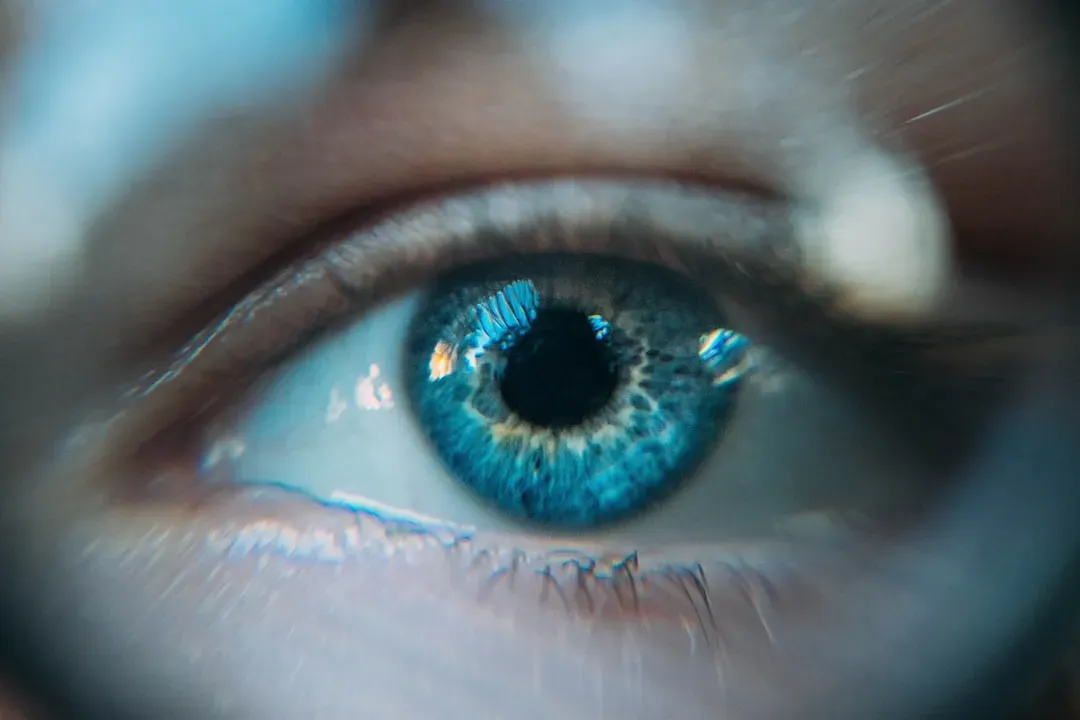
Toni Morrison’s first novel has been teaching uncomfortable truths about racism, colorism, and sexual violence since 1970. The Bluest Eye tied for third place among the most challenged books of 2024. The story follows Pecola Breedlove, a young Black girl who internalizes white beauty standards to such a devastating degree that she yearns for blue eyes, believing they would make her worthy of love and acceptance.
Morrison never intended this book to be comfortable. She wrote it to expose the psychological damage inflicted by racism and the internalized self-hatred it can produce. The novel includes a graphic depiction of sexual abuse, which is precisely what challengers cite when demanding its removal. They argue the content is too mature, too disturbing for high school students. Supporters counter that Morrison’s unflinching portrayal of trauma is exactly why the book matters, that sanitizing difficult realities doesn’t protect young people but rather leaves them unprepared to recognize and confront injustice.
The Perks of Being a Wallflower by Stephen Chbosky
Stephen Chbosky’s The Perks of Being a Wallflower appears among the frequently challenged books, despite being a beloved coming-of-age story for generations of readers. The epistolary novel follows Charlie, an introverted freshman navigating high school while processing past trauma. Through letters to an anonymous recipient, Charlie shares his experiences with friendship, first love, mental health struggles, and the lasting effects of childhood sexual abuse.
The book resonates deeply with teenagers because Chbosky captures the emotional turbulence of adolescence with raw honesty. It addresses depression, suicide, drug use, and sexuality in ways that feel authentic rather than preachy. The most common justifications for censorship include false claims of illegal obscenity for minors, inclusion of LGBTQIA+ characters or themes, and covering topics of race, racism, equity, and social justice. For many young readers dealing with similar issues, seeing their struggles reflected in literature can be genuinely lifesaving. Removing books like this from libraries doesn’t eliminate the problems they address; it just isolates kids who are already struggling.
A Court of Thorns and Roses series by Sarah J. Maas

Sarah J. Maas, who skyrocketed to fame with the help of BookTok, was the third most frequently banned author of the 2024-25 school year. Two books in the Court of Thorns and Roses series appear among the most banned books. These fantasy romance novels reimagine fairy tales with mature themes, featuring complex female protagonists navigating magical worlds filled with political intrigue and romantic tension. The series has developed a massive following among young adult and adult readers alike, particularly on social media platforms where readers enthusiastically discuss their favorite characters and plot twists.
The bans typically target the series for sexual content, which becomes more explicit as the books progress and the protagonist ages. Here’s where things get interesting though. These books weren’t written exclusively for teenagers; they appeal to a broad age range and contain content appropriate for older teens and adults. Yet they’re being removed from school libraries based on the assumption that any book a teenager might access must be sanitized for the youngest possible reader. The popularity of BookTok has made these books highly visible, which paradoxically makes them easier targets for organized censorship campaigns.
Tricks by Ellen Hopkins

Tricks by Ellen Hopkins ranked fifth among the most challenged books of 2024. Hopkins writes verse novels that tackle devastating subject matter: addiction, abuse, sex trafficking, survival. Tricks follows five teenagers from different backgrounds whose lives intersect in the world of prostitution in Las Vegas. Each character arrives at this point through different circumstances, creating a mosaic that reveals how vulnerability, desperation, and manipulation can trap young people in exploitation.
Hopkins based her novels on extensive research and real stories from teenagers who lived through these experiences. She’s never been shy about depicting the brutal realities her characters face, arguing that pretending these things don’t happen to young people is far more dangerous than writing honestly about them. Ellen Hopkins had two books among the most challenged, with Tricks at number five and Crank also appearing in the top ten. Critics of her work claim the graphic nature crosses a line, that teenagers shouldn’t be exposed to such dark content. Hopkins and her supporters maintain that for teens already living these realities, seeing their experiences validated in literature can provide desperately needed connection and hope.
Looking for Alaska by John Green

Looking for Alaska by John Green tied for sixth place among the most challenged books of 2024. Green’s debut novel follows Miles Halter as he leaves home for boarding school seeking what the poet François Rabelais called the “Great Perhaps.” There he meets Alaska Young, whose charisma and unpredictability captivate him completely. The novel is structured around a tragic event that splits the narrative into “Before” and “After,” exploring themes of grief, guilt, and the search for meaning.
The book contains scenes of underage drinking, smoking, and sexual activity, which predictably draws challenges. There’s also a scene involving oral sex that critics frequently cite as evidence the book is pornographic. Green has defended the book by explaining that he wrote it for the teenager he was, someone grappling with loss and trying to understand how to move forward after devastating events. The emotional complexity is what makes it resonate. It’s a book about how young people process trauma and search for forgiveness, both from others and themselves. Reducing it to a list of objectionable content misses the entire point.
Crank by Ellen Hopkins

Crank by Ellen Hopkins tied for eighth place among the most challenged books. Written in verse, this novel tells the story of Kristina Snow, a straight-A student who becomes addicted to methamphetamine after meeting “the monster” during a summer visit with her father. Hopkins based the book on her own daughter’s struggle with addiction, channeling her experience and research into a narrative that traces Kristina’s descent with unflinching detail.
The story depicts how Kristina Snow, the perfect daughter and gifted high school junior, meets the monster called crank, and what begins as a wild, ecstatic ride turns into a struggle through hell for her mind, her soul, and her life. The verse format makes the book accessible while the content remains devastatingly heavy. Hopkins doesn’t glamorize drug use; she shows the destruction it causes to Kristina’s relationships, her health, her sense of self. For parents of teens struggling with addiction or for young people watching friends spiral, the book offers a mirror that reflects reality rather than after-school-special moralizing.
A Clockwork Orange by Anthony Burgess
The Anthony Burgess classic A Clockwork Orange appears among the most banned books in the 2024-2025 school year as an influential dystopian satire depicting a world where teen protagonist Alex creates mayhem before undergoing aversion therapy. This novel has been controversial since its 1962 publication, with its invented slang, graphic violence, and troubling questions about free will versus social control. The protagonist is an unrepentant sociopath who narrates his crimes in a bizarrely poetic voice, creating a reading experience that’s simultaneously repulsive and strangely compelling.
Burgess intended the book as a philosophical exploration: Is it better to choose evil freely or be conditioned to behave virtuously without choice? The novel gained renewed notoriety through Stanley Kubrick’s 1971 film adaptation, which Burgess himself felt missed the redemptive final chapter that many editions excluded. Schools banning it now cite the extreme violence and sexual assault Alex commits. Yet this is a book that’s been taught in college courses for decades precisely because it raises profound questions about morality, autonomy, and state power. Treating it as simply too violent for educational settings ignores its literary and philosophical significance.
Forever by Judy Blume

Judy Blume’s 1975 Young Adult novel has been a target of censorship for 50 years, with Blume saying she wrote it because her daughter wanted to read something where kids could have sex without either of them having to die. That might sound flippant, but Blume was responding to a real gap in young adult literature. Before Forever, most YA books that included teen sex ended in pregnancy, disease, death, or moral collapse. Blume wanted to write about responsible teenage sexuality where the characters use contraception, communicate about their relationship, and make thoughtful choices.
The novel follows Katherine and Michael as they fall in love during high school and decide to have sex. Blume depicts their relationship with care and frankness, including the physical details that make some adults deeply uncomfortable. The book doesn’t punish Katherine for her choices; it simply follows her as she navigates this relationship and eventually realizes it might not be forever after all. For half a century, adults have tried to keep this book away from teenagers, apparently believing that reading about responsible sexual decision-making will somehow be more harmful than the alternative of remaining uninformed.


