Music has always been more than just entertainment. It’s a weapon, a voice, a rallying cry for those who feel unheard. Throughout history, artists have used their platforms to challenge authority, question injustice, and inspire change. What started with folk singers strumming acoustic guitars in smoky coffeehouses has transformed into hip-hop artists delivering scorching verses over hard-hitting beats.
The protest song has worn many faces over the decades, but its heart remains the same. It speaks truth to power. It makes the comfortable uncomfortable. From the civil rights movement to Black Lives Matter, these songs have soundtracked revolutions both big and small. So let’s dive into how protest music evolved from Bob Dylan’s poetic anthems to Kendrick Lamar’s complex narratives.
The Folk Foundation: Bob Dylan and the 1960s

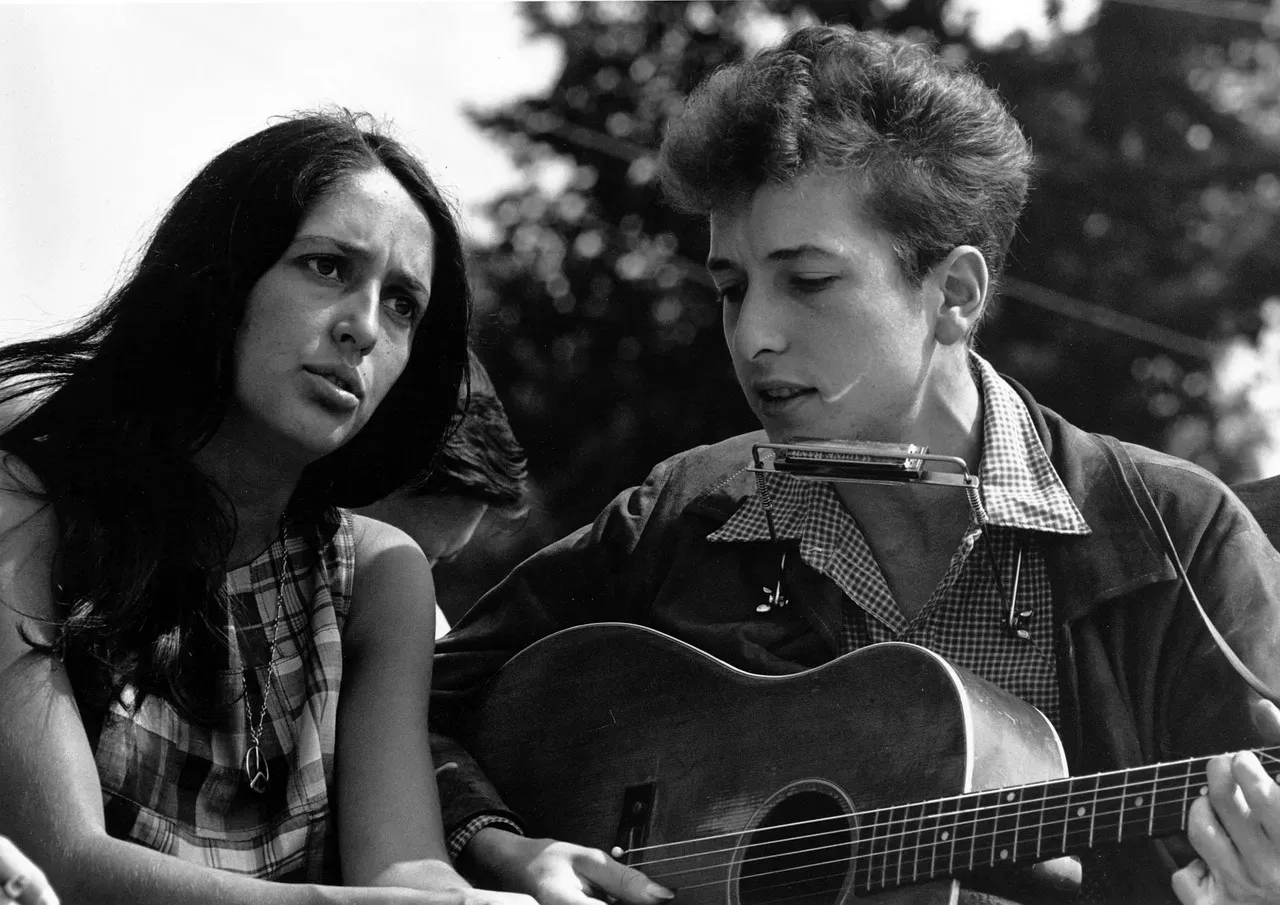
Bob Dylan didn’t invent the protest song, but he certainly perfected it. When he released “Blowin’ in the Wind” in 1963, he captured the frustration and hope of a generation demanding change. His lyrics were simple yet profound, asking questions that America couldn’t ignore. The civil rights movement found its soundtrack in songs like “The Times They Are A-Changin'” which warned the old guard that their era was ending.
Dylan’s genius was in his ambiguity. He never spelled everything out, letting listeners fill in the blanks with their own experiences. His voice wasn’t polished or pretty. It was raw, honest, and utterly human. Other folk artists like Joan Baez and Phil Ochs followed his lead, turning Greenwich Village into ground zero for musical activism.
These songs weren’t just background noise at protests. They were anthems that united crowds, gave them courage, and reminded them why they were fighting. The folk movement proved that you didn’t need a full orchestra to change hearts and minds. Just a guitar, some truth, and the guts to say it out loud.
Vietnam and the Psychedelic Shift

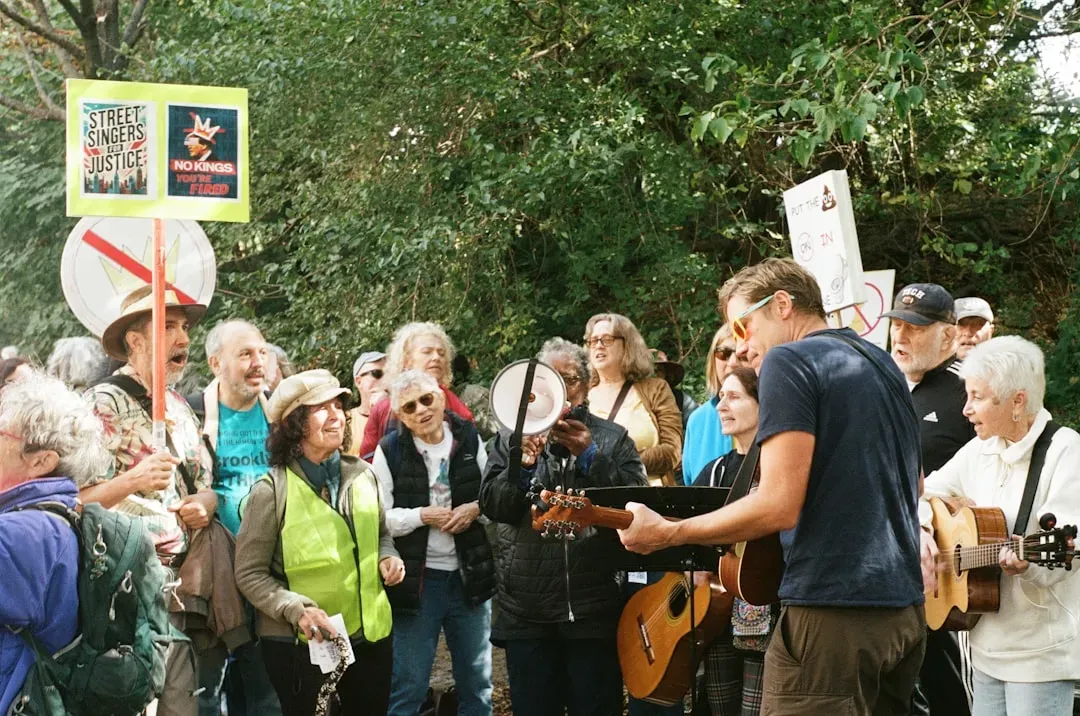
As the Vietnam War dragged on, protest music got louder and more aggressive. Rock bands like Creedence Clearwater Revival delivered “Fortunate Son,” a blistering critique of wealthy kids dodging the draft while working-class boys died overseas. The sound changed from acoustic introspection to electric fury.
Jimi Hendrix’s rendition of “The Star-Spangled Banner” at Woodstock in 1969 remains one of the most powerful protest statements ever made. Without singing a single word, he channeled the chaos and violence of the war through his guitar. It was confrontational, unsettling, and impossible to ignore.
Artists weren’t subtle anymore. Country Joe and the Fish asked “What are we fighting for?” while Jefferson Airplane sang about political awakening. The establishment labeled these musicians as troublemakers and tried to dismiss their influence. That only made the songs more powerful.
Punk Rock and Raw Anger

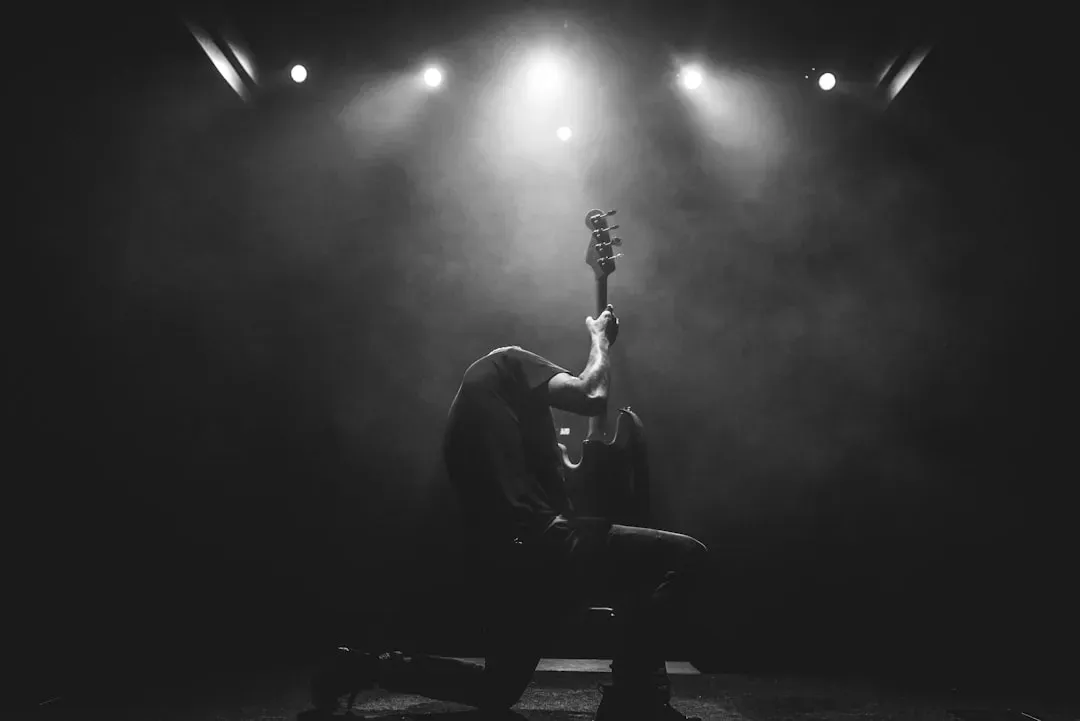
The 1970s brought economic recession and political disillusionment. Punk rock emerged from this frustration, stripping music down to its most basic elements and screaming about everything wrong with society. The Clash sang about unemployment, racism, and class warfare with three-chord fury.
Punk didn’t care about being palatable or radio-friendly. Songs like “God Save the Queen” by the Sex Pistols attacked British institutions with such venom that the BBC banned it. Dead Kennedys took aim at American capitalism and hypocrisy with satirical precision. These bands proved that protest music didn’t need to be gentle to be effective.
The movement was short-lived in its purest form, but its influence echoed for decades. Punk showed that anger could be art, that three minutes of noise could say more than hours of polished corporate rock. It democratized music making. Anyone with something to say and basic instruments could start a band and challenge the status quo.
Hip-Hop Takes the Microphone

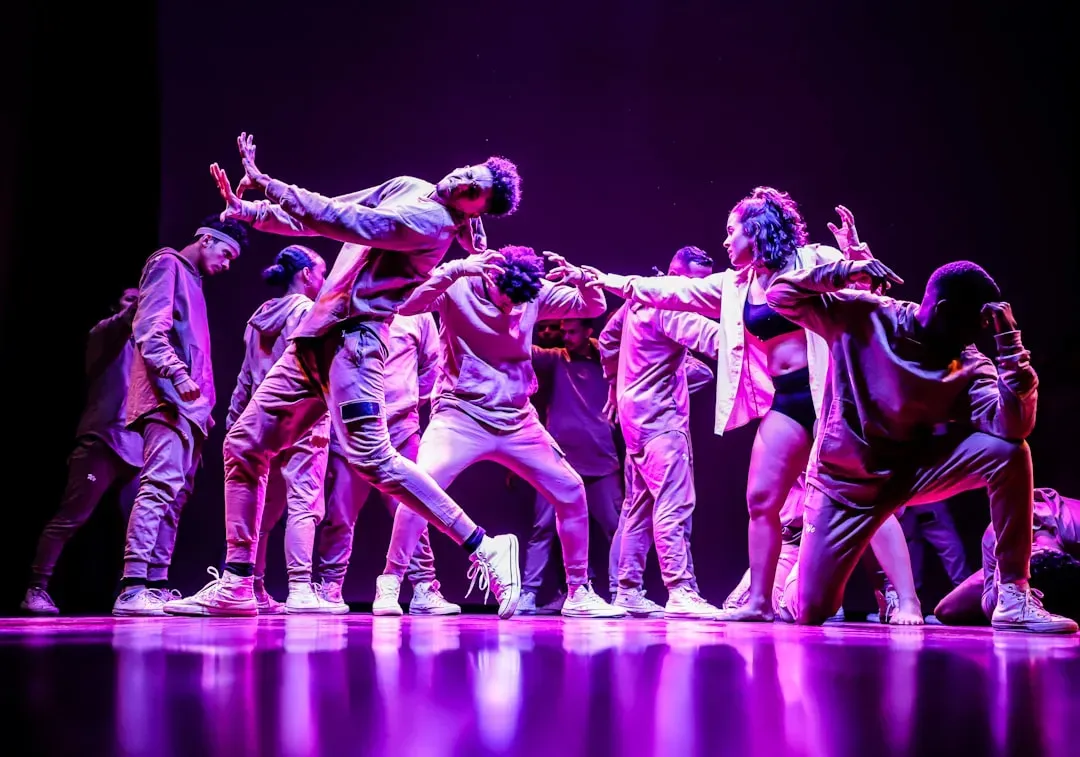
When hip-hop emerged from the Bronx in the late 1970s, nobody predicted it would become the dominant voice of protest music. Yet by the mid-1980s, groups like Public Enemy were delivering some of the most politically charged music ever recorded. Chuck D called hip-hop “the CNN of the streets,” and songs like “Fight the Power” backed up that claim.
Grandmaster Flash and the Furious Five’s “The Message” painted a vivid picture of inner-city poverty that mainstream America preferred to ignore. N.W.A.’s “Straight Outta Compton” confronted police brutality with unflinching directness. These weren’t polite folk songs asking rhetorical questions. They were testimonies from the front lines.
Hip-hop’s strength was in its specificity. While Dylan spoke in universal metaphors, rappers like Ice Cube named names and described exact situations. The production got more complex, but the message remained clear. Society was failing entire communities, and these artists refused to stay quiet about it.
Rage Against the Machine and Genre-Bending Protest

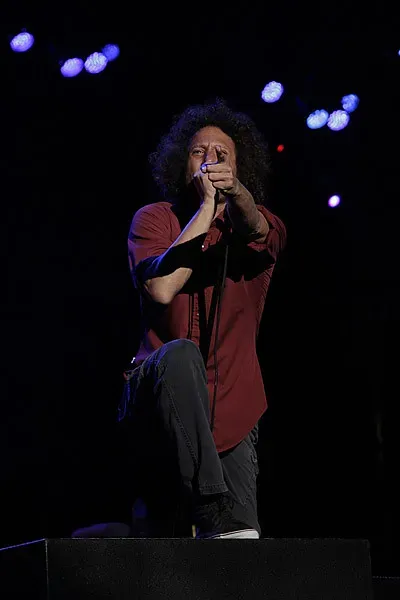
The 1990s saw Rage Against the Machine fuse rock, hip-hop, and pure revolutionary fervor into something entirely new. Zack de la Rocha’s lyrics read like manifestos while Tom Morello’s guitar work pushed sonic boundaries. Their self-titled debut album was a sonic assault on capitalism, imperialism, and systemic racism.
What made Rage different was their unwillingness to compromise. They donated profits to activist groups, turned awards shows into political demonstrations, and encouraged fans to actually organize rather than just listen. “Killing in the Name” became an anthem against authority precisely because it was so aggressive and uncompromising.
The band proved that protest music could be commercially successful without diluting its message. They sold millions of albums while literally telling fans to wake up and fight back. Their influence showed in countless bands that followed, from System of a Down to Rise Against.
Partner offer

The Post-9/11 Landscape

After September 11, 2001, criticizing American foreign policy became almost taboo. Radio stations banned certain songs, and artists who questioned the wars in Iraq and Afghanistan faced backlash. Still, musicians found ways to speak out. Green Day’s “American Idiot” became a surprise hit by questioning blind patriotism and media manipulation.
Indie rock bands like Arcade Fire and Bright Eyes tackled themes of war anxiety and political disillusionment with more subtlety than their punk predecessors. The Dixie Chicks faced career-threatening consequences for criticizing President Bush, showing how risky protest could be during that era. Yet they refused to apologize, standing by their convictions.
This period proved that the appetite for protest music hadn’t disappeared. It just had to navigate a more complicated landscape where dissent was often labeled unpatriotic. Artists adapted, using metaphor and allegory when directness seemed too dangerous.
Kendrick Lamar and Modern Complexity

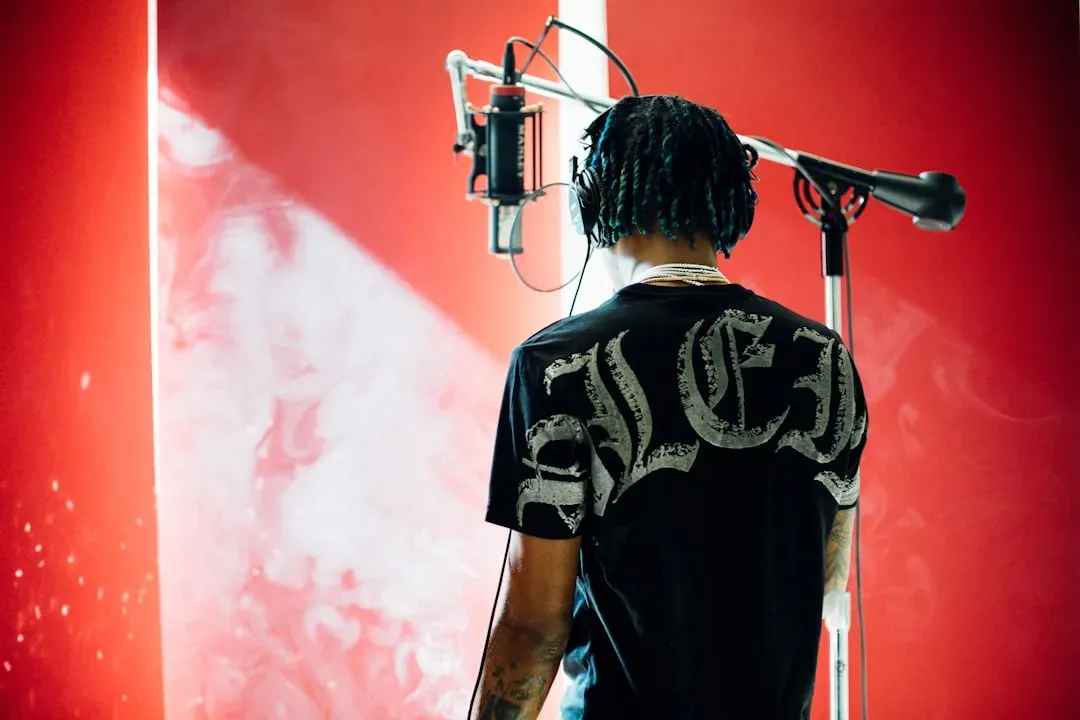
Kendrick Lamar represents the evolution of protest music into something more layered and introspective. His 2015 album “To Pimp a Butterfly” examined systemic racism, police violence, and black identity with unprecedented depth. “Alright” became the unofficial anthem of the Black Lives Matter movement, chanted at protests nationwide.
What sets Kendrick apart is his willingness to examine internal contradictions alongside external injustices. He doesn’t present himself as a perfect revolutionary but as a flawed human trying to make sense of an unjust world. Songs like “The Blacker the Berry” confront self-hatred and hypocrisy within his own community while still demanding accountability from the system.
His musical palette is vast, incorporating jazz, funk, soul, and spoken word. The production is as complex as the lyrics, creating soundscapes that demand repeated listens. Kendrick proved that protest music in 2026 could be just as commercially successful as it is artistically ambitious and politically radical.
Childish Gambino’s Visual Revolution

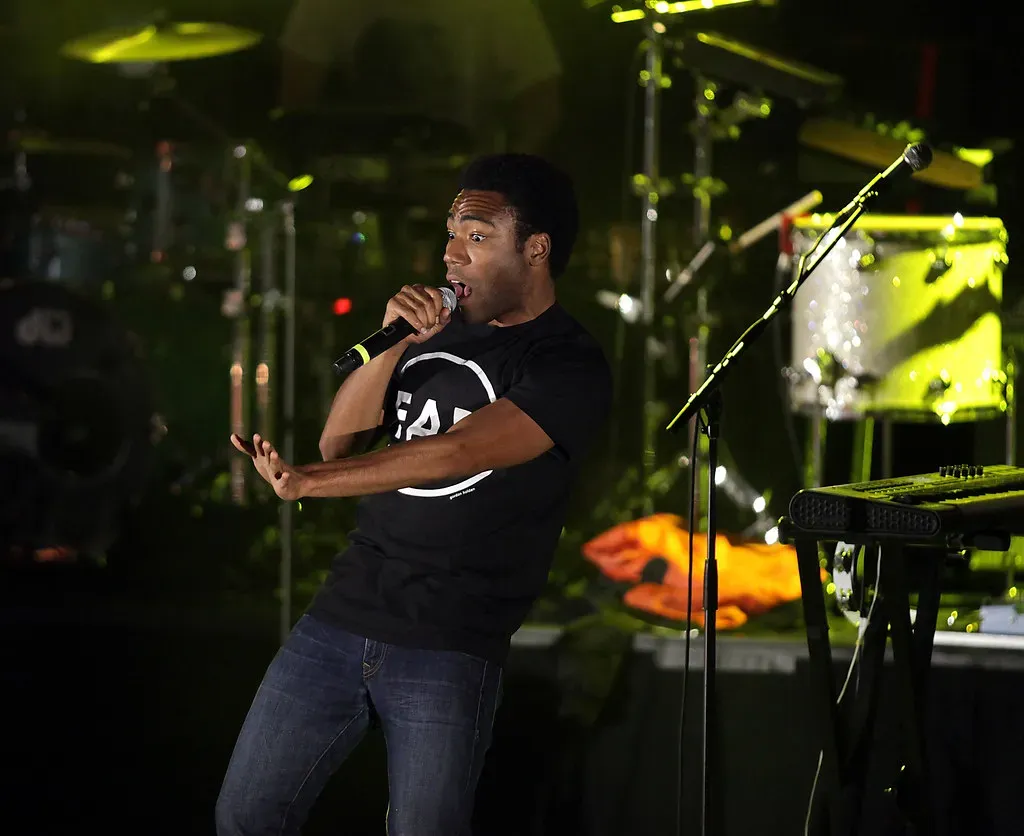
Donald Glover’s “This Is America” in 2018 showed how protest music had evolved beyond just audio. The accompanying music video became arguably more important than the song itself, creating a visual commentary on gun violence, entertainment as distraction, and the commodification of black bodies. It sparked countless analyses and debates.
The song’s structure intentionally shifts between joyful, danceable sections and moments of jarring violence. This mirrors how American society moves quickly from tragedy to entertainment, never fully processing the violence that permeates daily life. Glover didn’t offer solutions or clear answers, instead creating a piece that forced viewers to confront uncomfortable realities.
This approach represented a new form of protest art. It wasn’t enough to just say something was wrong. Modern protest music needed to create an experience that made people feel the weight of injustice in ways that traditional song structures couldn’t achieve.
Women Reclaiming the Narrative
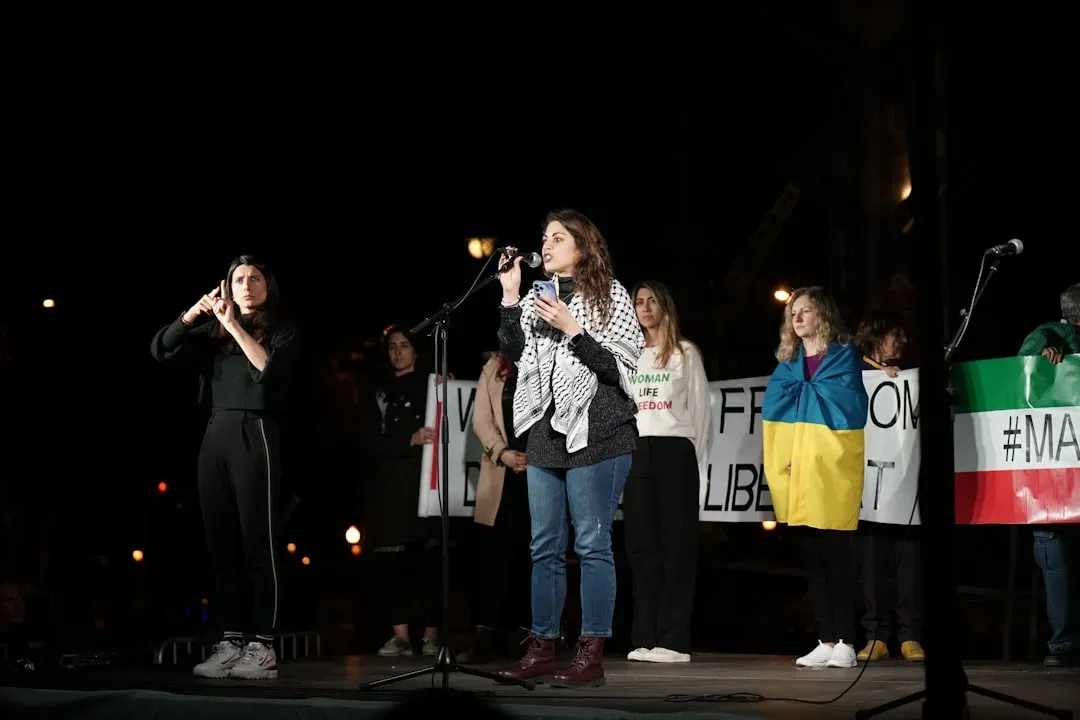
While early protest music was dominated by male voices, contemporary artists like Beyoncé have shifted that dynamic. Her visual album “Lemonade” explored black womanhood, infidelity, generational trauma, and resilience through multiple musical styles. “Formation” celebrated black southern culture while directly addressing police violence and Hurricane Katrina’s aftermath.
Artists like Janelle Monáe have used science fiction concepts to address very real issues of identity, sexuality, and freedom. Her “Dirty Computer” album created an alternate reality to comment on discrimination and surveillance in our own world. This imaginative approach made heavy topics more accessible while losing none of their power.
Lizzo’s body-positive anthems might not seem overtly political, but celebrating self-love in a society that profits from insecurity is its own form of protest. The breadth of what qualifies as protest music has expanded, recognizing that personal liberation is connected to larger systemic change.
Looking Forward

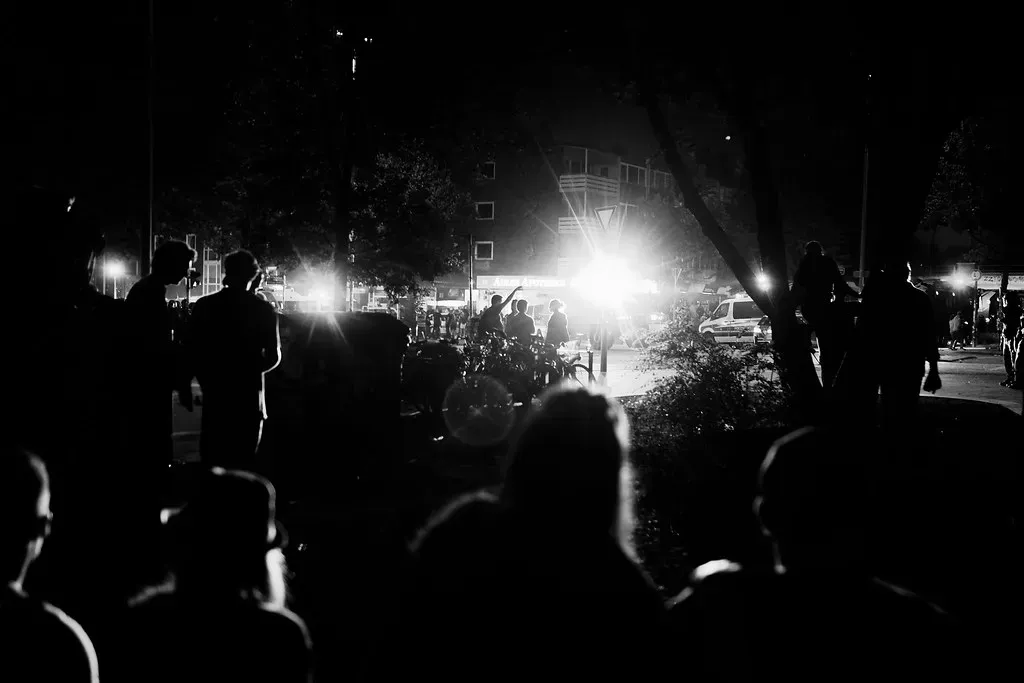
As we stand in 2026, protest music continues evolving in unexpected directions. Young artists are using AI tools, virtual reality experiences, and interactive platforms to create immersive protest art. Climate change has joined racial justice and economic inequality as dominant themes. The core mission remains unchanged even as the methods transform beyond recognition.
What started with Bob Dylan’s acoustic guitar has become a vast, interconnected ecosystem of resistance art. Each generation adds new chapters while honoring what came before. The protest song refuses to die because injustice refuses to die. As long as people suffer under unfair systems, artists will find ways to document that suffering and imagine alternatives.
From folk to hip-hop, punk to R&B, the protest song has proven adaptable and resilient. It has survived attempts at censorship, co-option, and dismissal. The medium changes but the message persists. Music remains one of humanity’s most powerful tools for challenging power and building movements for change.
The evolution from Dylan to Kendrick isn’t a straight line but a sprawling network of influences, innovations, and responses to specific moments in history. Each artist built on what came before while speaking to their own present. That tradition continues today, carried forward by artists we know and countless others still finding their voices. What comes next is anyone’s guess, but one thing seems certain: the protest song will keep evolving as long as there’s something worth protesting. What do you think the next chapter will sound like? Share your thoughts in the comments.
Partner offer
Planning a trip to Vegas?
Compare hotel rates and show tickets on VEGAS.com.