Test screenings have a strange power in Hollywood. A film can look finished, locked, ready to ship, and then a room full of strangers with comment cards changes everything. Sometimes it’s a tweak. Other times, entire endings get torn out and rebuilt from scratch, often with the studio footing a bill nobody budgeted for. What follows is a look at ten films where directors, sometimes willingly and sometimes under heavy pressure, went back and reshot their final act after audiences reacted in ways nobody expected.
1. Marc Forster – World War Z (2013)


Few productions became as publicly messy as this one. The film’s production was notoriously troubled, with the entire third act rewritten and reshot after poor test screenings, and Damon Lindelof brought in to salvage the ending. The reshoots weren’t a quick patch job either. The release was pushed back from December 2012 to June 2013 to allow for around seven weeks of extensive reshoots after the shooting script’s third act and ending had been rewritten.
Damon Lindelof and Drew Goddard were brought on to construct a new, quieter third act, and Paramount spent a rumored twenty million dollars on the reshoots. Forster later pushed back on the idea that this was a fight against his own vision. He insisted that what Damon and Drew wrote ended up being exactly the movie he had in his head all along.
2. Adrian Lyne – Fatal Attraction (1987)

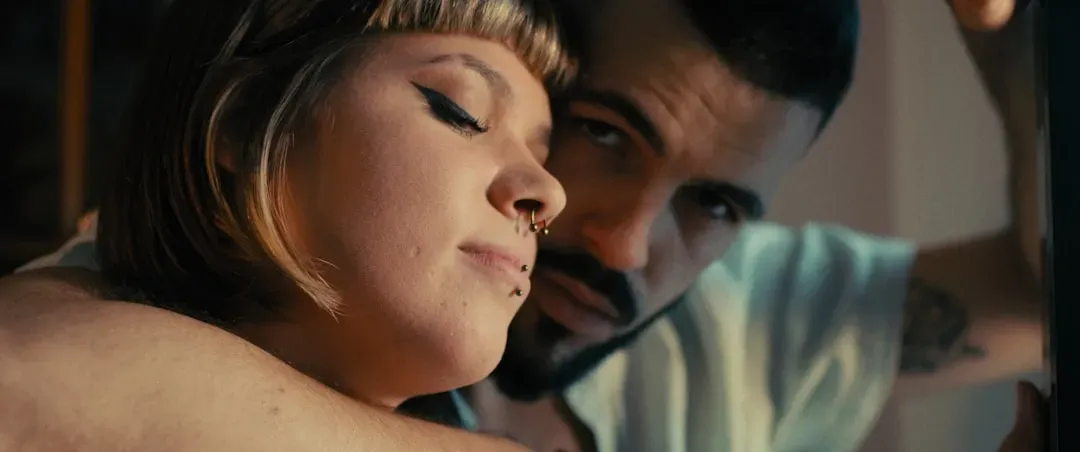
The original ending of this psychological thriller was far quieter and darker than what audiences eventually saw. In that version, Glenn Close’s character was portrayed as a mentally ill woman who frames Michael Douglas’s character for murder before taking her own life. Test audiences did not accept it. They were dissatisfied, feeling that Alex deserved a more violent demise for her disturbing actions.
What replaced it became one of the most quoted climaxes of the eighties. When test audiences didn’t like the original, the studio reshot the ending, with Dan’s wife Beth shooting and killing Alex, a change Close initially protested. Lyne has always maintained the switch wasn’t purely commercial. He described it as not something that had to be reshot but a choice, insisting people who assumed it was about squeezing another nickel out of the film missed the point, calling it an emotional and dramatic decision rather than a financial one.
3. Frank Oz – Little Shop of Horrors (1986)


Oz had shot the film’s climax exactly as the stage musical intended, with the carnivorous plant devouring its creators and taking over the world. Warner Bros forced him to change the ending so that Seymour and Audrey would survive, based on complaints from test audiences. It wasn’t a fluke reaction either. Audiences simply wouldn’t accept seeing the two leads die, and Oz requested a second test screening just to be sure, getting the same response from an entirely different crowd.
The reshoot that followed gave the film its now-iconic happy ending. Oz reshot a new ending in which Seymour electrocutes Audrey II and then lives happily ever after with Audrey, and that’s the version audiences saw in theaters. The original 23-minute apocalyptic finale was believed lost for years before a restored version eventually surfaced on home video.
4. Francis Lawrence – I Am Legend (2007)

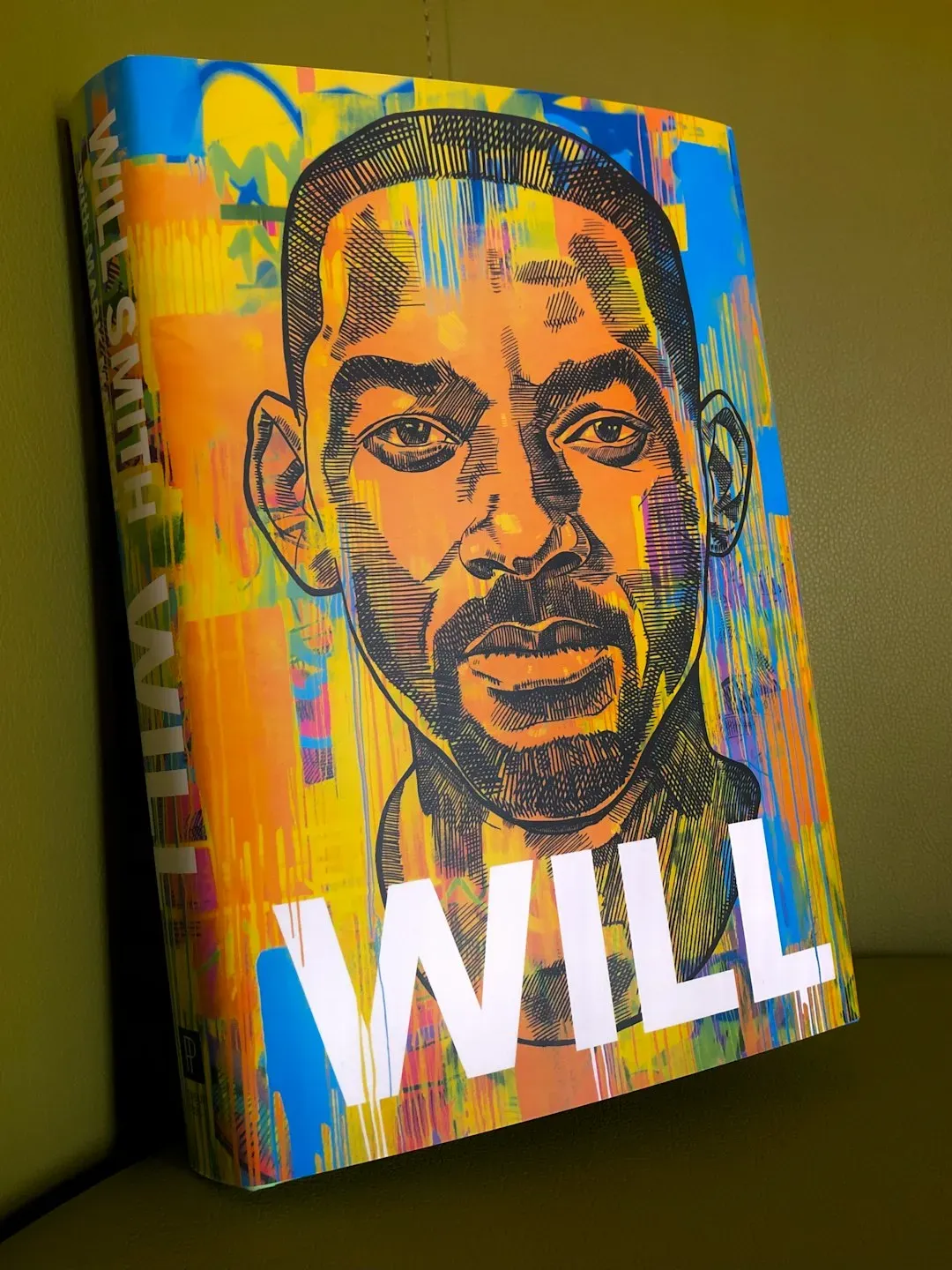
Will Smith’s post-apocalyptic drama went through a quiet but significant ending swap before release. The theatrical release was a hit despite quibbles with its CGI and ending, where the original theatrical cut had featured evidence that the infected retained human qualities and a more hopeful conclusion. Test screenings pushed the studio toward a simpler, more conventional sacrifice ending instead.
Lawrence himself has since admitted he preferred the version that never made it to theaters. He told ScreenRant in 2018 that he agreed it was the better ending, calling it the more philosophical version. The alternate cut eventually found its way onto home video releases, letting fans compare both versions for themselves.
5. Howard Deutch – Pretty in Pink (1986)

This one is perhaps the most famous ending swap in eighties teen cinema. Andie and Duckie ended up together in the original cut, but during the first test screening, the young audience booed when Andie chose Duckie over Blane. The reaction was loud and immediate, catching Deutch and writer John Hughes completely off guard.
Deutch recalled the screening being like a rock concert right up until the ending, when the booing started. With Andrew McCarthy already having shaved his head for a Broadway role, the crew scrambled. They had one day to reshoot the entire ending, according to Deutch’s account to USA Today. The rebuilt finale, paired with a new song from Orchestral Manoeuvres in the Dark, became the version audiences know today.
6. Edgar Wright – Scott Pilgrim vs. the World (2010)

Wright’s comic-book adaptation initially closed with Scott Pilgrim reuniting with an earlier love interest rather than the character he’d been chasing throughout the film. Test audiences responded far more strongly to a pairing with Ramona Flowers instead, and Universal listened. Wright and his team reshot the ending, swapping Knives out for Ramona.
The change reoriented the emotional arc of the whole film, tying Scott’s journey of self-improvement to the relationship the story had actually been building toward. It’s a smaller-scale example than some of the others on this list, but it shows how even a beloved cult director wasn’t immune to test-screening feedback reshaping his final cut.
7. Jake Schreier – Thunderbolts* (2025)

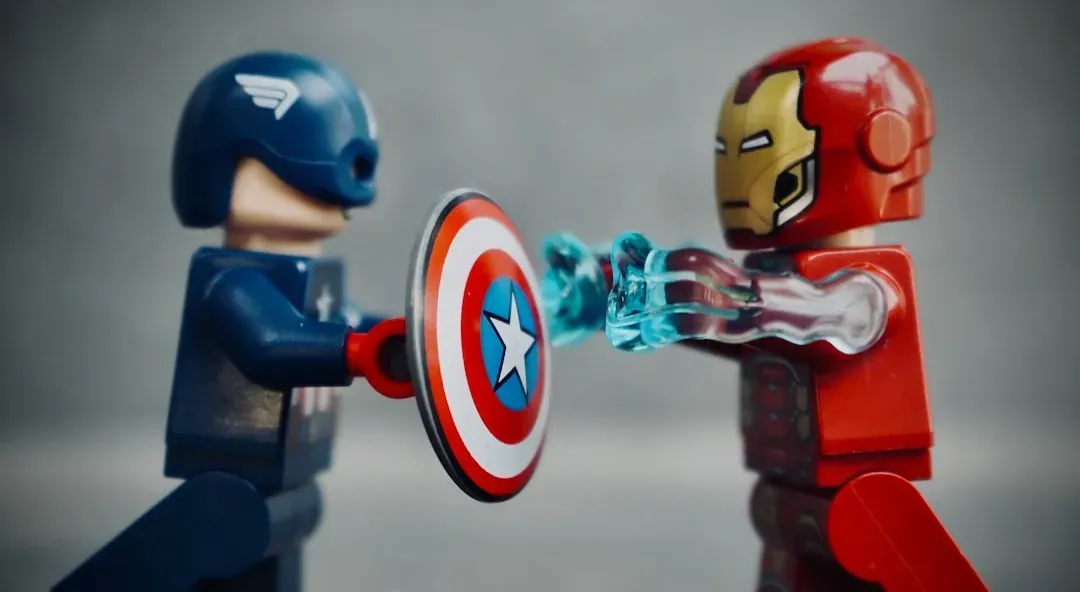
Marvel’s team-up film ran into trouble with how it wrapped up its story for audiences unfamiliar with the group’s underdog status. Marvel Studios changed the way the film presented its end credits, ultimately rolling them over skeptical headlines questioning this group of heroes as the official new Avengers team. The first version simply didn’t land the way the filmmakers hoped.
Once the tone was adjusted, the response shifted noticeably. The newly altered ending landed with test audiences on the second pass, and that’s the version Marvel ultimately went with. It’s a modern reminder that test-screening driven changes haven’t gone away just because franchise filmmaking has become more data-driven.
8. Ridley Scott – Blade Runner (1982)

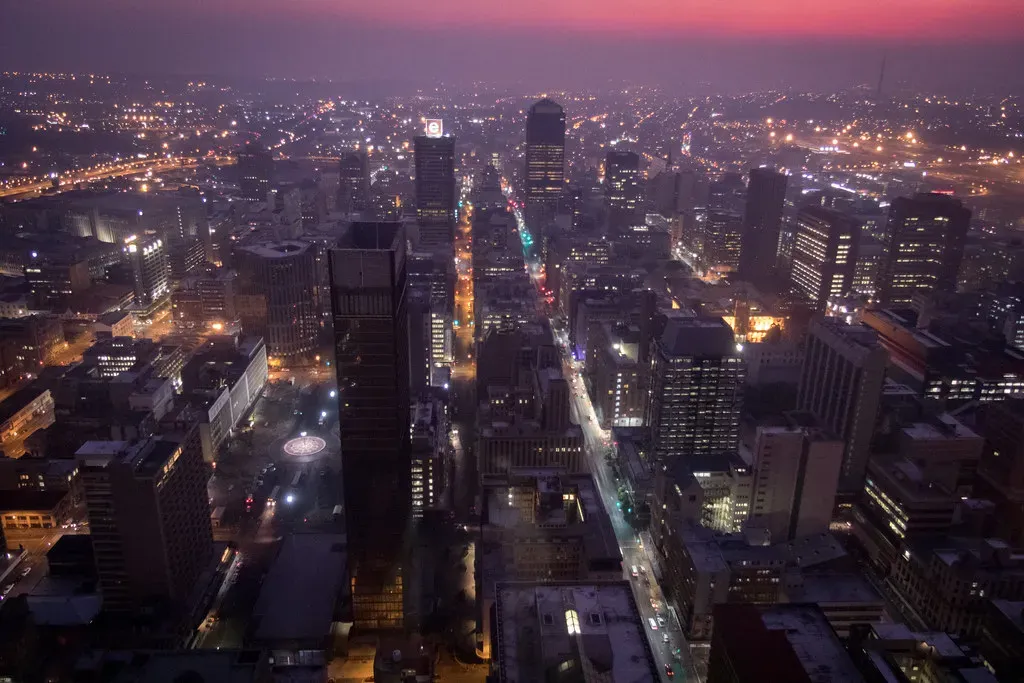
Scott’s original vision for this science fiction landmark ended on a deliberately ambiguous, unresolved note. Early test screenings in Denver and Dallas confused and frustrated audiences who wanted clearer answers about what they’d just watched. The studio pushed for a voiceover narration to explain the plot and a tacked-on happy ending, reportedly using unused aerial footage originally shot for a different film. Scott resisted much of the change but ultimately allowed the reshaped ending into the theatrical cut, a version he later disowned once he was given creative control over the 1992 Director’s Cut and the 2007 Final Cut. Those later versions stripped the narration and restored the ambiguity he’d wanted from the start, making Blade Runner one of the clearest examples of a director eventually reversing a test-screening compromise years after the fact.
9. Eric Bress and J. Mackye Gruber – The Butterfly Effect (2004)

This time-travel thriller originally ended on a startlingly dark note, with its protagonist traveling back in time to prevent his own birth. Test audiences found the ending too bleak, and the filmmakers went back to shoot several alternate versions before settling on a softer resolution for the theatrical release. The directors ultimately kept the story’s fatalistic tone while pulling back from its most extreme conclusion, landing on a version where the main character simply avoids ever meeting the girl he loves. The unrated home video release later restored a version closer to the original darker ending, giving fans a chance to see what test audiences had rejected.
10. David Ayer – Suicide Squad (2016)

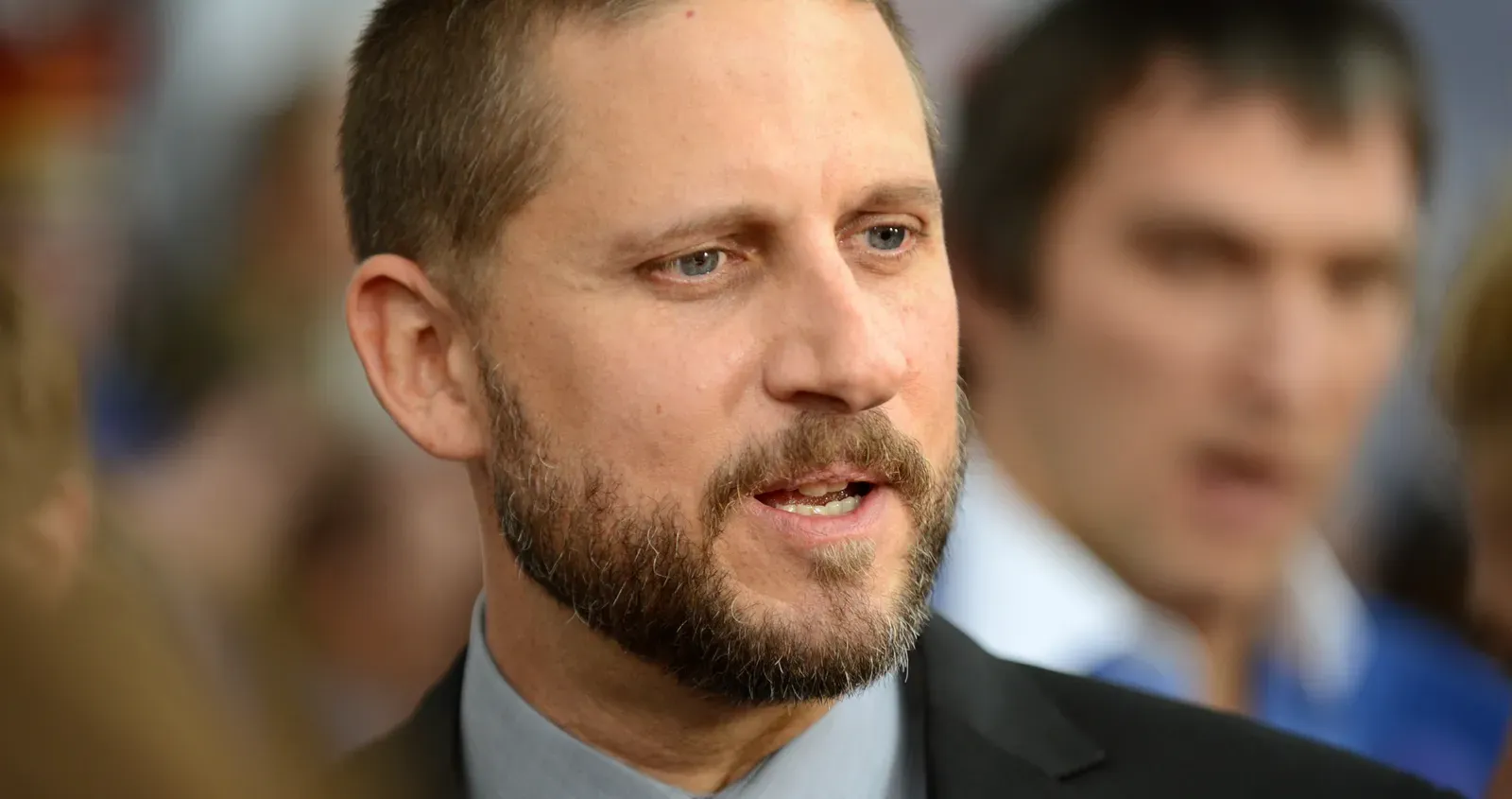
Warner Bros found itself with a film that tested inconsistently, with reactions swinging between confusion over tone and requests for more humor. Reports at the time described extensive post-production reshoots ordered after test screenings, aimed at lightening the film’s mood and reworking its climactic battle sequence. The result was a theatrical cut that blended Ayer’s darker original footage with newly shot, more comedic material, a combination that drew criticism for feeling disjointed. Years later, Ayer released his own cut of the film, restoring the tone and structure he’d originally intended before the test-screening driven changes reshaped the ending audiences saw in 2016.
Test screenings will keep doing what they’ve always done: exposing gaps between what a filmmaker imagines and what an audience actually feels in the room. Some of these swaps aged into classics nobody would trade back. Others remain contested, debated in forums and video essays decades later by people wondering what might have been. Either way, the reshoot has become one of Hollywood’s quieter but most consequential tools, often deciding a film’s legacy long after the cameras first stopped rolling.