


Twenty five years is a strange amount of time. Long enough for a debut record to become a reference point, short enough that plenty of people who bought it on release day are still spinning it today. In 2001, a handful of albums landed with such force that they reshaped entire genres, launched arguments about what music could sound like, and gave a generation of listeners a soundtrack they still return to.
These six records, all celebrating their 25th anniversary in 2026, did not just sell copies. They changed how artists approached rap, garage rock, electronic music, and pop, and their fingerprints are still audible in what gets released today.
1. Jay-Z, The Blueprint


Released on September 11, 2001, Jay-Z’s sixth studio album arrived on one of the most disorienting days in recent American history, yet it still managed to dominate conversation. The record introduced a young producer named Kanye West alongside Just Blaze, and their soul-sample-heavy sound became the template for mainstream hip hop production for years afterward. Tracks like “Izzo (H.O.V.A.)” and “Song Cry” showed a rapper at the peak of his storytelling powers, blending commercial appeal with genuine lyrical depth.
The album is frequently cited by critics and fellow artists as one of the strongest hip hop records of its era, and its influence on the sound of the 2000s is hard to overstate. It cemented Jay-Z’s reputation as one of the genre’s defining voices and helped kick off a run of career highs that stretched through the following decade. For anyone tracing the lineage of modern rap production, The Blueprint remains a foundational text.
2. The Strokes, Is This It


The Strokes’ debut, released in the United States in October 2001, is widely credited with sparking the early 2000s garage rock revival. Its stripped down guitar tones, deadpan vocals, and tight songwriting felt like a direct rebuttal to the polished pop and nu metal dominating radio at the time. Songs such as “Last Nite” and “Someday” became instant touchstones for a wave of bands that followed, from Franz Ferdinand to Arctic Monkeys.
Critics have consistently ranked Is This It among the most important rock records of the 2000s, and its lean, unfussy production style influenced how a generation of indie bands approached recording. The album’s cover art was even altered for its US release following the September 11 attacks, a small but telling detail of how closely tied the record is to that specific cultural moment. A quarter century later, its influence on indie rock’s aesthetic and attitude is still easy to trace.
3. Daft Punk, Discovery

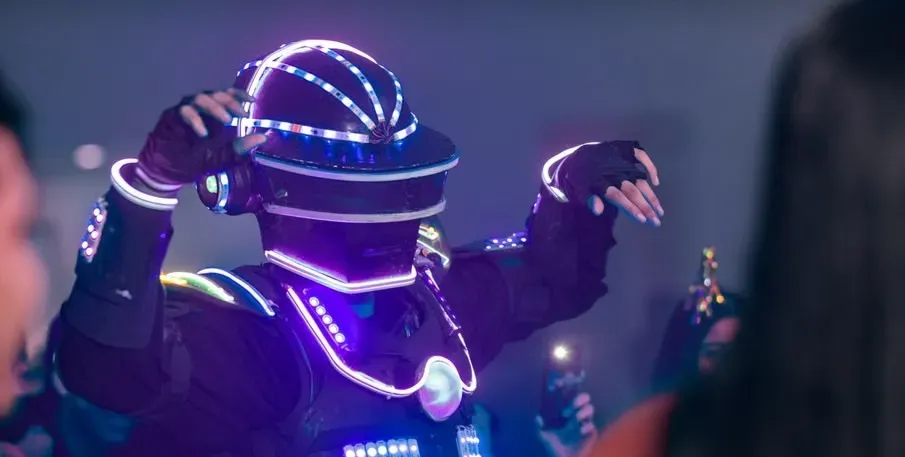
Daft Punk’s second album, released in March 2001, took the duo’s earlier house sound and layered it with disco samples, vocoder effects, and unabashedly melodic hooks. Tracks like “One More Time” and “Harder, Better, Faster, Stronger” became global hits and later found new life through Kanye West’s sampling and Daft Punk’s own collaborations. The record’s accompanying anime film, Interstella 5555, added another layer to how the duo presented their work as a complete audiovisual experience.
Discovery is often pointed to as a pivotal moment in electronic music’s move toward mainstream pop acceptance, blurring the line between dance music and radio friendly pop in a way few records had before. Its influence stretches across genres, from French house to the electro pop revival of the 2010s. Many producers working today still cite the album’s blend of nostalgia and futurism as a reference point.
Partner offer

4. System of a Down, Toxicity


System of a Down’s second album, released in September 2001, pushed heavy metal into stranger and more political territory than most of its contemporaries. The single “Chop Suey!” became a defining rock anthem of the era, and the band’s mix of thrash riffs, Armenian folk influences, and abrupt tempo shifts stood apart from the more straightforward nu metal sound dominating the charts. The album debuted at number one on the Billboard 200, a rare feat for a band this experimental.
Toxicity’s willingness to tackle political themes, including commentary on incarceration and social control, gave it a weight beyond typical metal releases of the time. It has remained a staple of rock radio and streaming playlists ever since, introducing new listeners to the band’s unusual sound long after its release. For many metal fans, it remains the record that proved heavy music could be both commercially massive and genuinely strange.
5. Alicia Keys, Songs in A Minor

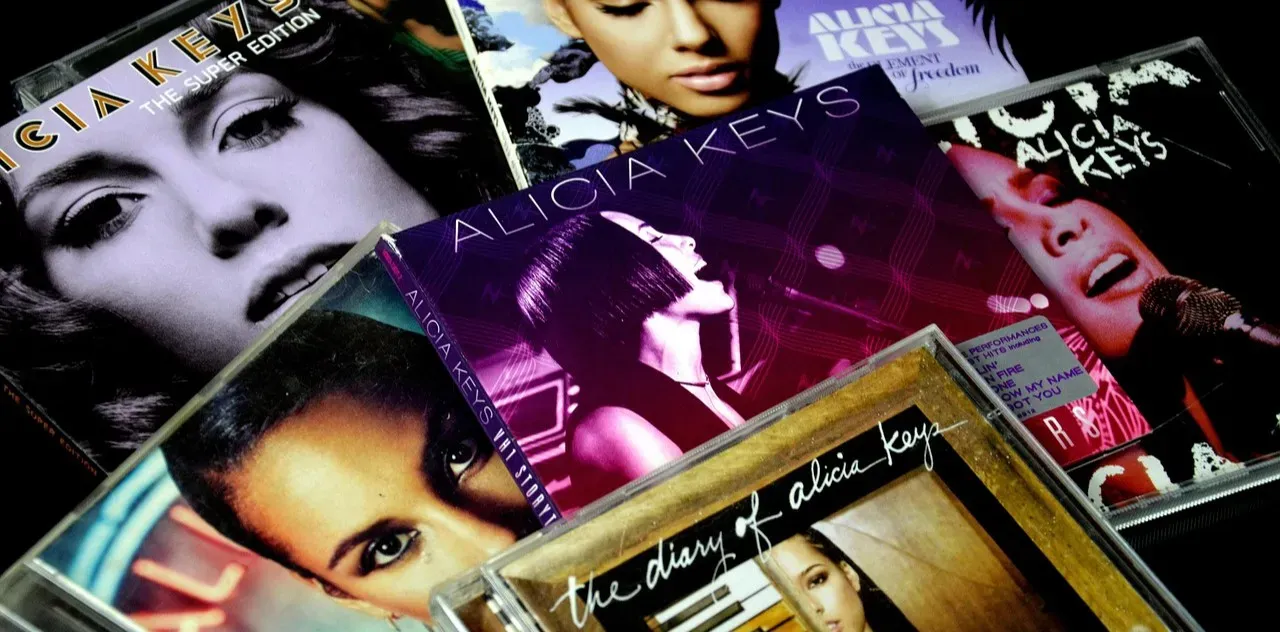
Alicia Keys’ debut album, released in June 2001, blended classical piano training with R&B, soul, and hip hop influences in a way that felt fresh against the pop landscape of the early 2000s. The lead single “Fallin'” showcased her songwriting and vocal range, and the album went on to win multiple Grammy Awards, including Best New Artist and Song of the Year. Her ability to write, produce, and perform her own material set her apart from many of her pop peers at the time.
Songs in A Minor helped usher in a wave of neo soul influenced R&B that dominated much of the 2000s, paving the way for artists who followed with a similar mix of classic songwriting and contemporary production. It sold millions of copies worldwide and remains one of the most successful debut albums by an R&B artist. Twenty five years later, it’s still regarded as one of the genre’s most complete and confident first statements.
6. Weezer, Weezer (The Green Album)

After a five year gap following their difficult second record Pinkerton, Weezer returned in May 2001 with a self titled album that fans and critics nicknamed the Green Album for its simple cover art. Produced by Ric Ocasek of The Cars, the record stripped the band’s sound back to short, hook driven power pop songs, with “Hash Pipe” and “Island in the Sun” becoming radio staples. Its concise fourteen minute runtime for the singles heavy tracklist was almost a statement in itself after Pinkerton’s more sprawling, emotionally raw approach.
The Green Album’s back to basics approach helped define the power pop revival of the early 2000s and reintroduced Weezer to a mainstream audience that had drifted after Pinkerton’s initial commercial disappointment. Its influence can be heard in the melodic, guitar driven pop punk and alternative rock that followed throughout the decade. For many fans, it marked the moment Weezer rebuilt their commercial footing while staying true to their melodic instincts.
Twenty five years on, these six records still get pulled into playlists, sampled by newer artists, and argued about in comment sections whenever someone tries to rank the best albums of the early 2000s. That staying power says something simple but real: the music mattered then, and it still holds up now.
Partner offer
Planning a trip to Vegas?
Compare hotel rates and show tickets on VEGAS.com.


