Some of the world’s most iconic products started as complete disasters. It’s hard to imagine now, considering how deeply they’ve embedded themselves into our daily lives. These stories remind us that failure isn’t always the end of the road. Sometimes it’s just the beginning of something incredible.
Netflix: The DVD Company Nobody Wanted to Buy

In 2000, Netflix co-founder Reed Hastings walked into Blockbuster’s Dallas headquarters with a proposition to sell his struggling DVD-by-mail company for $50 million, and John Antioco, then CEO of Blockbuster, said no. Let’s be real, it seemed like a smart decision at the time. Blockbuster was a colossus with over 9,000 stores, 60,000 employees, and $6 billion in annual revenue, while Netflix was a niche operation with fewer than 300,000 subscribers, burning cash and struggling to compete.
Netflix launched its streaming service in 2007, allowing subscribers to watch content instantly on computers, and this pivot from physical DVDs to digital streaming would prove to be one of business history’s most successful strategic transformations. The irony is almost too much. Blockbuster filed for Chapter 11 bankruptcy in September 2010. Today, Netflix dominates the streaming landscape worldwide with hundreds of millions of subscribers.
LEGO: The Brick That Nearly Crumbled


In 2003, LEGO was hemorrhaging money at an alarming rate, losing USD 1 million per day, drowning in USD 800 million of debt and teetering on the edge of bankruptcy. It sounds crazy when you think about it. The company that defined childhood creativity for generations was days away from disappearing. After a sales slump in 1993, the firm tripled its offerings, and in 2000 went on a binge of innovation, adding LEGO-branded electronics, amusement parks, interactive video games, jewelry, education centers, and alliances with the Harry Potter franchise and Star Wars movies. They spread themselves way too thin.
In 2004, Jørgen Vig Knudstorp, a former McKinsey consultant, took over as CEO and asked one crucial question that changed everything: What if the problem is LEGO itself? Knudstorp started by asking a fundamental question: What do people love about LEGO? The answer was clear: creative play and imagination. The turnaround was remarkable. By 2024, LEGO achieved record revenue of $10.8 billion (DKK 74.3 billion), up 13% from 2023, with operating profit reaching $2.8 billion.
Nintendo Switch: Rising From the Ashes of the Wii U

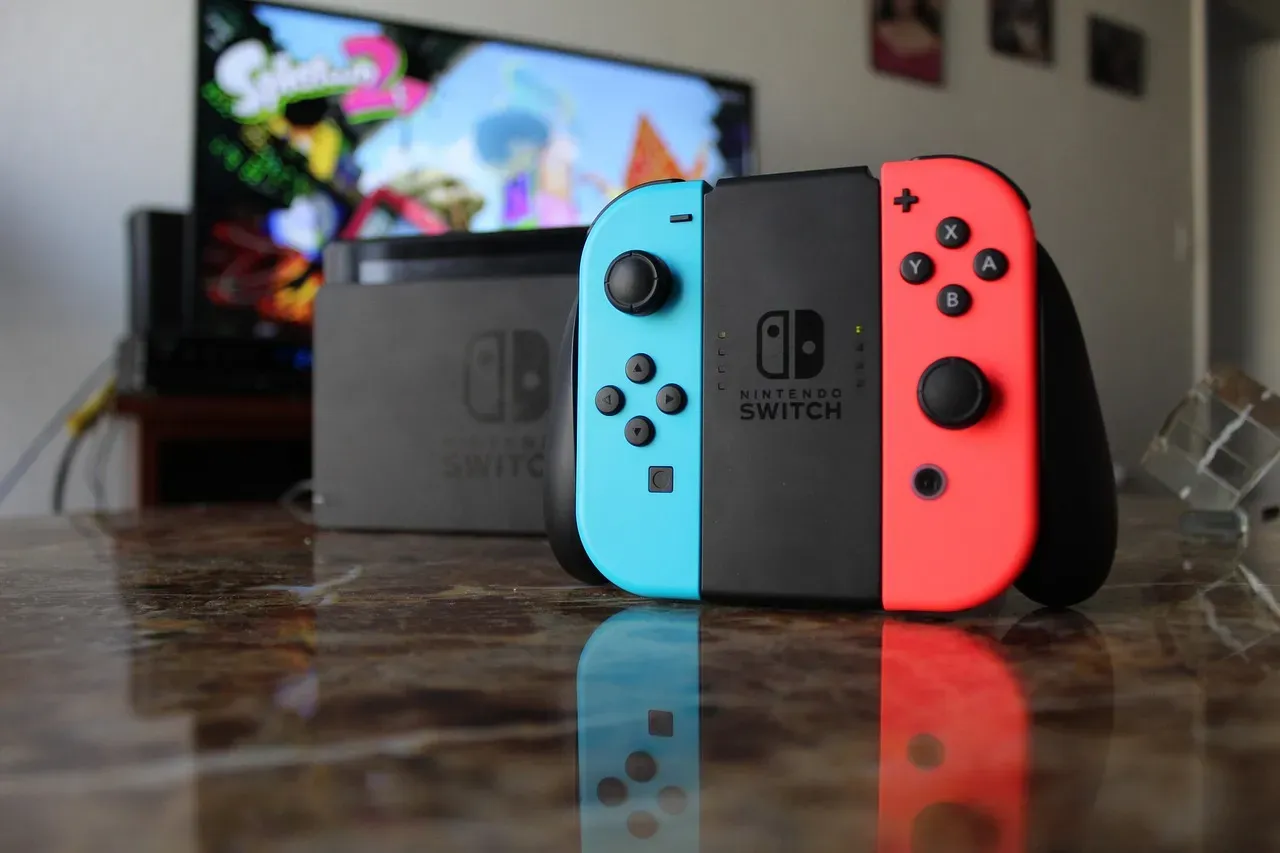
The Wii U is considered a commercial failure, with 13.56 million units sold worldwide before it was discontinued in January 2017, primarily credited to a weak lineup of launch games, limited third-party support, and poor marketing that failed to clearly distinguish the system from its predecessor. I think it’s fair to say most people thought Nintendo was done as a home console manufacturer. The confusion around whether the Wii U was even a new console or just an accessory killed it before it even had a chance.
The Switch was a return to form after the Wii U disaster and even ended up overtaking the Wii as Nintendo’s most successful home console ever in terms of sales, with more than 140 million units sold, making it not only Nintendo’s greatest hit, but also the second most successful console of all time, trailing only the PlayStation 2. Nintendo learned from every mistake. They marketed it clearly, built it for third-party developers, and released it at the perfect time. The Switch proved that one massive failure can teach you everything you need to build the next massive success.
Post-it Notes: The Glue That Wouldn’t Stick

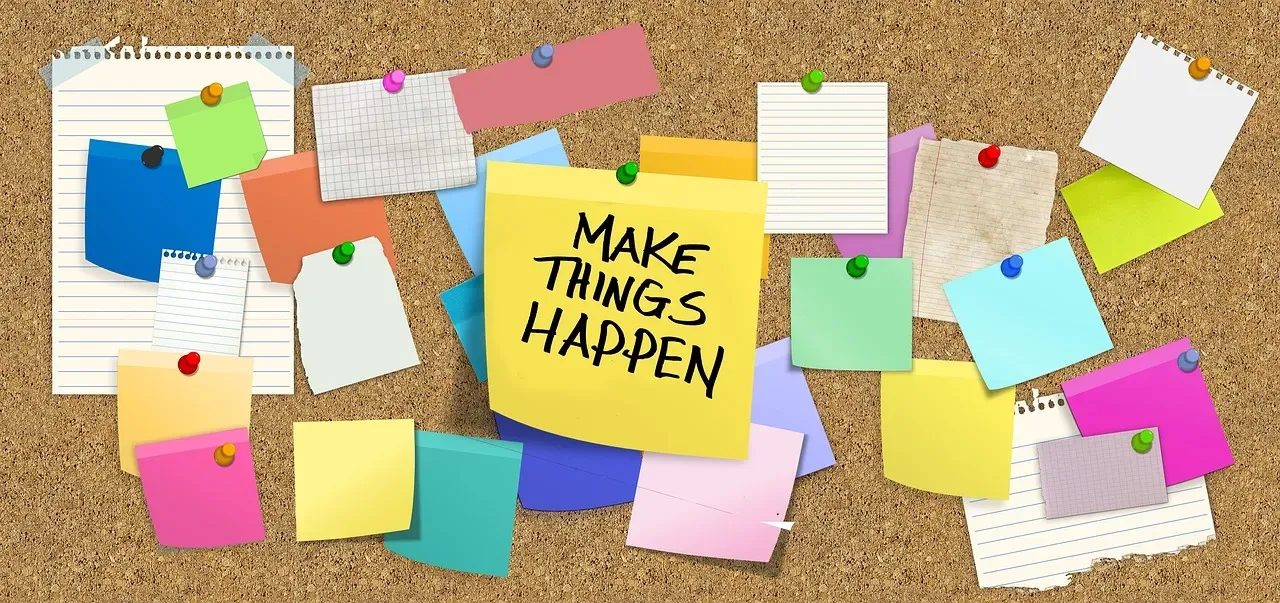
Scientist Spencer Silver was trying to develop super-strong adhesives for 3M Laboratories in 1968 when he accidentally created a weak adhesive that stuck to surfaces without bonding tightly to them. Here’s the thing: 3M management didn’t see value in a non-sticky adhesive, and so it did not have any internal senior support, which lasted for 5 years until 1973 when a change in management allowed Silver to convince the new products laboratory manager to give it a go.
In 1974, Arthur Fry came up with the idea of using the adhesive to anchor his bookmark in his hymn book, then utilized 3M’s sanctioned “permitted bootlegging” policy to develop the idea. Even then, the road was rough. In 1977, 3M launched a trial version of the product in four test markets under the name Press’n Peel, but the launch flopped as consumers didn’t understand the product or its use. After giving free samples to offices in Boise, Idaho, more than 90 percent that received samples re-ordered them, and 3M released Post-it Notes nationally in 1980. Since then, 3M produces and sells more than 50 billion individual notes per year.
Dyson Vacuums: Five Thousand Reasons to Quit

James Dyson’s journey is the kind of story that makes you question whether you’d have the grit to keep going. The man reportedly created over 5,000 prototypes before achieving success. That’s not a typo. Five thousand attempts at getting it right. Most of us would have given up after maybe ten, honestly.
Traditional vacuum cleaner manufacturers rejected his bagless cyclone technology over and over again. They didn’t see the point. Their existing models worked just fine, they thought, so why change? Dyson was forced to manufacture and sell the vacuums himself. By the 2020s, Dyson had become a global appliance leader with products sold worldwide, and the brand became synonymous with innovative, high-end home technology. Sometimes stubbornness pays off in the best way possible.
Instagram: From Failed Check-In App to Photo Empire


Instagram started life as something completely different. The original app was called Burbn, and it was a cluttered location-based check-in service that tried to do way too many things at once. Think Foursquare mixed with a dozen other features nobody really wanted. It was confusing, and users weren’t biting.
The founders made a bold decision to strip everything away except the photo-sharing feature, which people actually seemed to enjoy. They renamed it Instagram and relaunched in 2010. The simplicity was brilliant. Within two months, Instagram had a million users. Facebook acquired the company in 2012 for roughly a billion dollars, and today it’s one of the most influential social media platforms on the planet. The lesson here is pretty clear: sometimes less really is more.
YouTube: The Video Dating Site That Wasn’t


YouTube launched in 2005 with a very different mission than the one we know today. It was supposed to be a video dating platform where people could upload videos of themselves looking for romance. Seriously. The problem was that nobody uploaded dating videos. The site sat there mostly empty, and the concept just didn’t catch on.
The founders realized they needed to pivot fast. They opened the platform to any kind of video content, and suddenly people started uploading all sorts of things: funny clips, music videos, tutorials, random moments. It exploded almost overnight. Google acquired YouTube in 2006 for $1.65 billion, recognizing the platform’s massive potential. Today, YouTube is the second most visited website in the world and has completely transformed how we consume video content.
Slack: When Your Game Fails but Your Chat Tool Doesn’t


Slack didn’t start as a workplace communication tool. It originated from a failed online game called Glitch, which shut down in 2012 after failing to attract enough players. The game itself was quirky and creative but just couldn’t find its audience. Most companies would have called it quits and moved on.
The team behind Glitch had built an internal communication tool to coordinate their work during game development, and they realized that tool was actually more valuable than the game itself. They polished it up, rebranded it as Slack, and launched it to the public in 2013. Within a year, Slack was being used by thousands of companies. Today, millions of people use Slack daily for workplace communication, and Salesforce acquired the company in 2021 for nearly $28 billion. Sometimes your side project becomes your main success.
Apple iPhone: The Phone Without a Keyboard

When the iPhone launched in 2007, many analysts and tech experts were skeptical. The main criticism? No physical keyboard. BlackBerry dominated the smartphone market at the time, and most people couldn’t imagine typing on a touchscreen. Industry veterans dismissed the iPhone as a luxury gadget that would never appeal to business users or mainstream consumers.
Steve Jobs and Apple ignored the critics and pushed forward with their vision. The touchscreen interface, combined with the App Store launched in 2008, completely revolutionized the mobile industry. By 2024, Apple reported over 2.3 billion iPhones sold globally since launch. The iPhone didn’t just succeed; it created an entirely new category of device and changed how we interact with technology forever. Sometimes the experts are dead wrong.
Play-Doh: From Wallpaper Cleaner to Childhood Staple

Play-Doh wasn’t originally a toy at all. It was created in the 1930s as a wallpaper cleaner, designed to remove coal residue from walls when homes were heated with coal furnaces. When natural gas and electric heating became standard in the 1950s, the product became essentially obsolete. The company faced a serious problem: their main product had no market anymore.
A family member noticed that teachers were using the cleaning compound as a modeling clay in schools because it was safer and easier to use than traditional clay. The company quickly pivoted, removed the cleaning chemicals, added colors and a fresh scent, and rebranded it as a children’s toy. Play-Doh became a massive hit and has been a staple of childhood creativity for generations. Hasbro now owns the brand, and it’s sold in dozens of countries worldwide. Who would have thought wallpaper cleaner could become one of the most beloved toys of all time?
These ten products prove something important about innovation and perseverance. Failure doesn’t have to be final. Sometimes the initial concept is wrong, the timing is off, or the market just isn’t ready. What matters is the willingness to adapt, pivot, and keep pushing forward even when things look bleak. The next time you use a Post-it Note, watch something on Netflix, or snap a photo on Instagram, remember that each of these started as something that didn’t work. What do you think is the most surprising turnaround story? Did any of these catch you off guard?