Books have a funny way of getting under people’s skin. Sometimes that’s intentional. Other times, a novel or memoir ends up banned for reasons nobody saw coming. We hear a lot about the usual suspects when it comes to censorship, but what about those literary works that flew under the radar until someone decided they were too controversial?
The year 2024 was another record-breaking period for book challenges in American schools and libraries. In 2024, 2,452 unique titles were challenged, making it the third highest number of book challenges since tracking began in 1990, with ALA recording 821 attempts to censor library books across all library types. Let’s be real, these aren’t just numbers on a page. Each one represents a story someone tried to silence.
Cat’s Cradle by Kurt Vonnegut

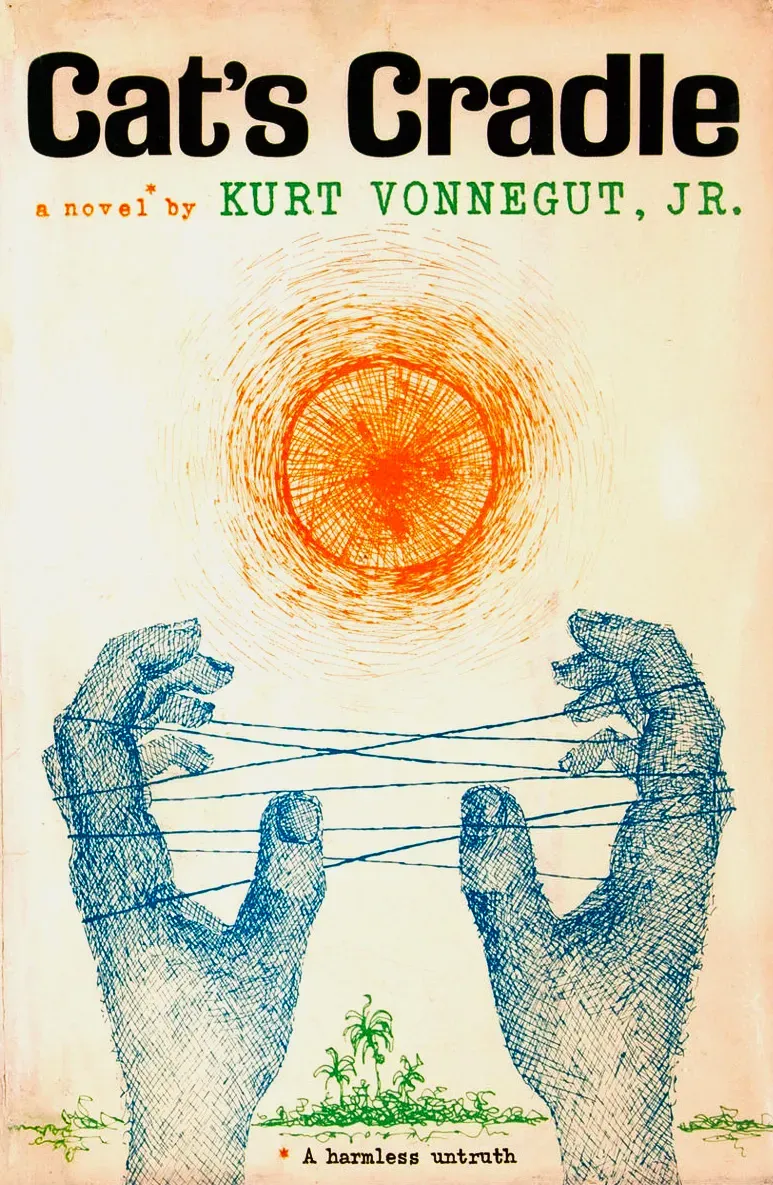
Cat’s Cradle is a satirical, dark comedy written by Kurt Vonnegut in 1963 that uses an unconventional narrative structure to explore existential themes and a fear of technology. The book follows John, a writer researching the fathers of the atomic bomb, as he uncovers a fictional religion and a substance that could end all life on Earth. People tend to think of Slaughterhouse-Five when they talk about banned Vonnegut, but Cat’s Cradle has quietly faced its own battles with censors.
Cat’s Cradle has not been as widely banned or read as Vonnegut’s most popular work Slaughterhouse-Five, but it has still faced a variety of censorship issues, with many critics and scholars praising it for the same things that got it banned in the first place. The satire cuts too deep for some. Its mockery of religion, science, and human hubris made it a target in communities that didn’t appreciate Vonnegut’s dark humor about the end of the world.
Mrs. Dalloway by Virginia Woolf

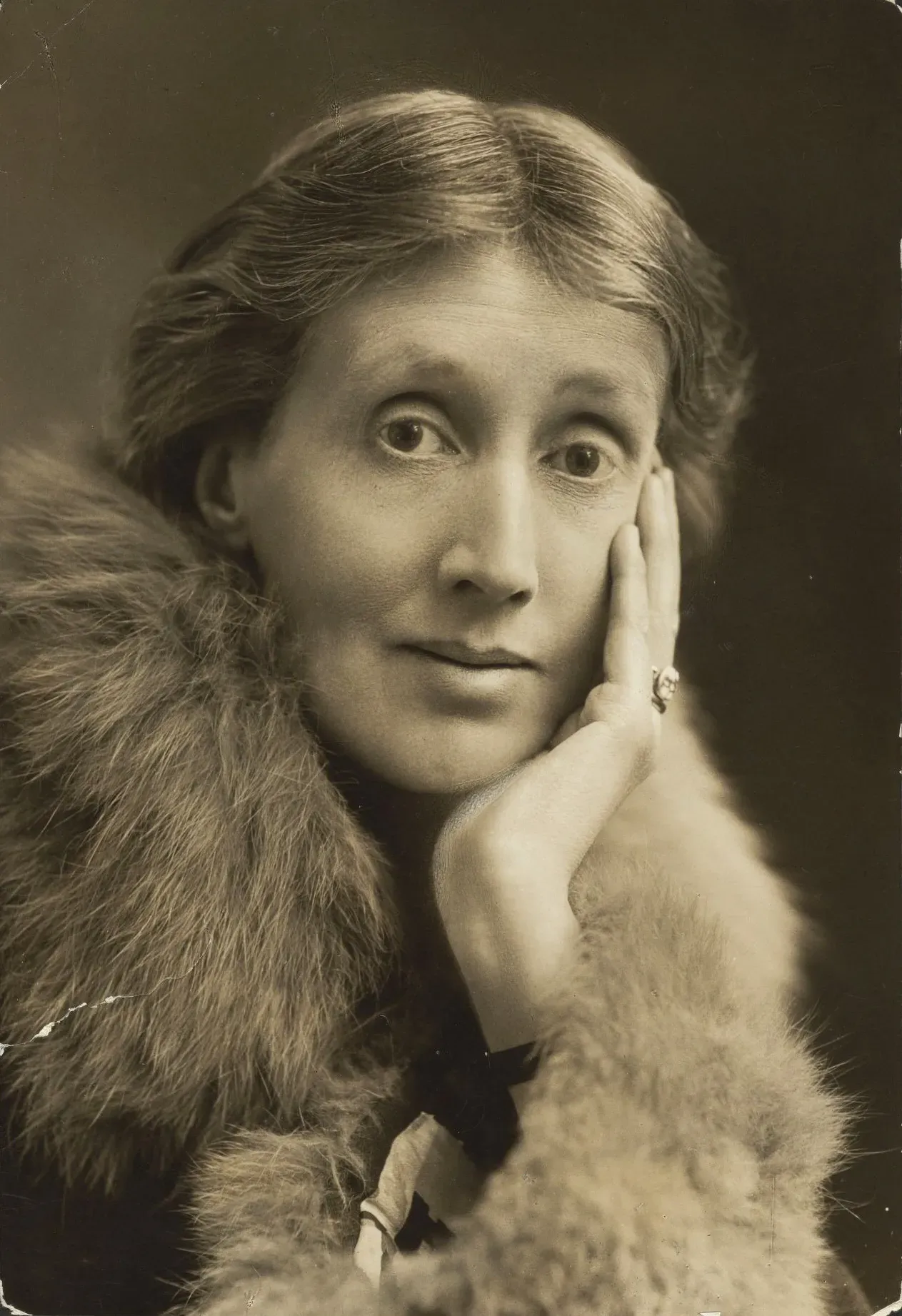
Mrs. Dalloway by Virginia Woolf is often a staple book in classrooms around the world, however, since this modern novel was first published in 1923 it has been subject to much censorship. The stream-of-consciousness narrative follows Clarissa Dalloway through a single day in London as she prepares for a party. Seems innocent enough, right?
Woolf’s novel was banned for homosexual overtones, specifically the part of the story when the protagonist Clarissa expresses desire for another woman, with Clarissa kissing the woman in a seemingly platonic context while her sexual desire is revealed through her first-person thoughts. That brief moment of same-sex attraction was enough to get the book pulled from shelves in various places over the decades. It’s honestly remarkable how a fleeting passage in a literary masterpiece could provoke such strong reactions.
The Bluest Eye by Toni Morrison

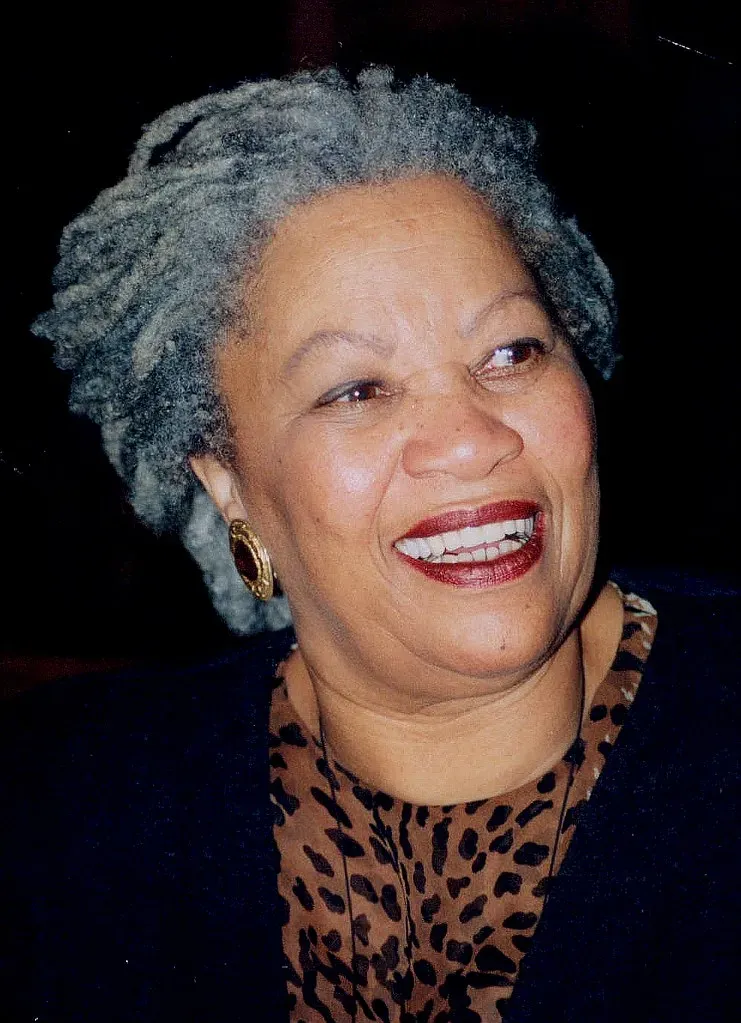
The Bluest Eye by Toni Morrison is her first novel published in 1970 that tells the story of a young, African-American girl from the author’s hometown of Loraine, Ohio who comes of age in 1941 following the Great Depression. Pecola Breedlove, the protagonist, prays desperately for blue eyes, believing that’s what she needs to be considered beautiful and worthy of love.
The novel was banned on multiple fronts and continues to be challenged by schools and school boards, particularly in the USA, frequently banned for one particular depiction of a graphic and incestuous rape scene experienced by the protagonist. Since its publication in 1970, there have been and continue to be numerous attempts to ban The Bluest Eye from schools and libraries because of its depictions of sex, violence, racism, incest, and child molestation. Morrison’s unflinching portrayal of trauma isn’t easy to read. That’s the point.
The Diary of a Young Girl (Graphic Adaptation)

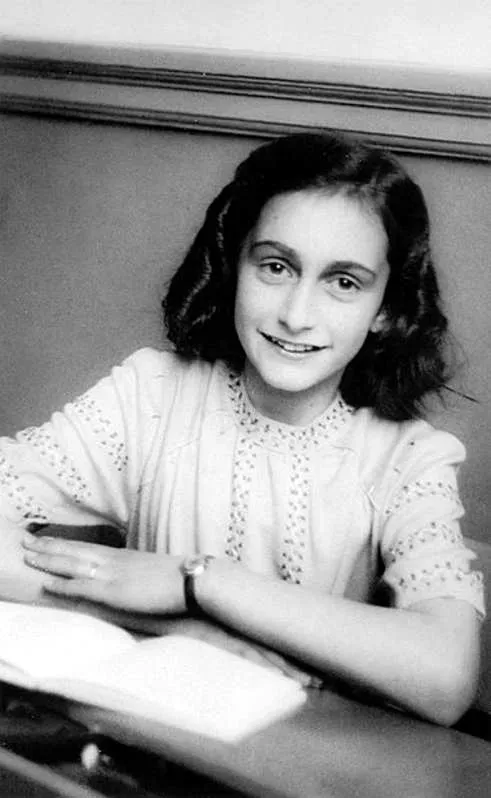
Anne Frank’s diary is practically synonymous with Holocaust education, so it’s hard to imagine anyone challenging it. Yet that’s exactly what happened with a 2018 graphic novel adaptation. Published in 2018, “Anne Frank’s Diary: The Graphic Adaptation” is a new, abridged version of Frank’s famous diary presented in comic-book format, authorized by the Anne Frank Fonds, the Switzerland-based foundation started by Anne’s father Otto Frank.
Partner offer

A recent graphic adaptation of Frank’s diary has been removed from several schools in Florida and elsewhere, because some parents and legislators have objected to its illustration of sexual passages from her book. A handful of parent activists, the largest “parents’ rights” group in the country and at least one Republican state lawmaker have specifically gone after “Anne Frank’s Diary: The Graphic Adaptation,” with their efforts gaining steam in recent months. Even more striking, Escambia County marks the first instance in which Frank’s original diary is known to have been removed from schools since the “parents’ rights” movement driving the book purge gained steam in 2021.
Naked Lunch by William S. Burroughs

William S. Burroughs wrote Naked Lunch as a fragmented, surreal exploration of addiction and societal control. Published in 1959, the novel defies conventional narrative structure entirely, jumping between bizarre, often disturbing scenes. Naked Lunch deals with post-absurdist themes and was heavily influenced by the works of Franz Kafka, portraying twisted, often grotesque depictions of hallucinations that stem from the vivid remembrances of the author’s own experience with heroin addiction.
In 1962, the German translation of the text left large sections of text in English, in an attempt to censor some of the more explicit portions of the novel. The book faced obscenity trials in the United States, with authorities arguing it had no redeeming social value. Courts eventually ruled in its favor, but not before it became a lightning rod for debates about literary freedom. Reading it today, you can see why it made people so uncomfortable.
One Flew Over the Cuckoo’s Nest by Ken Kesey

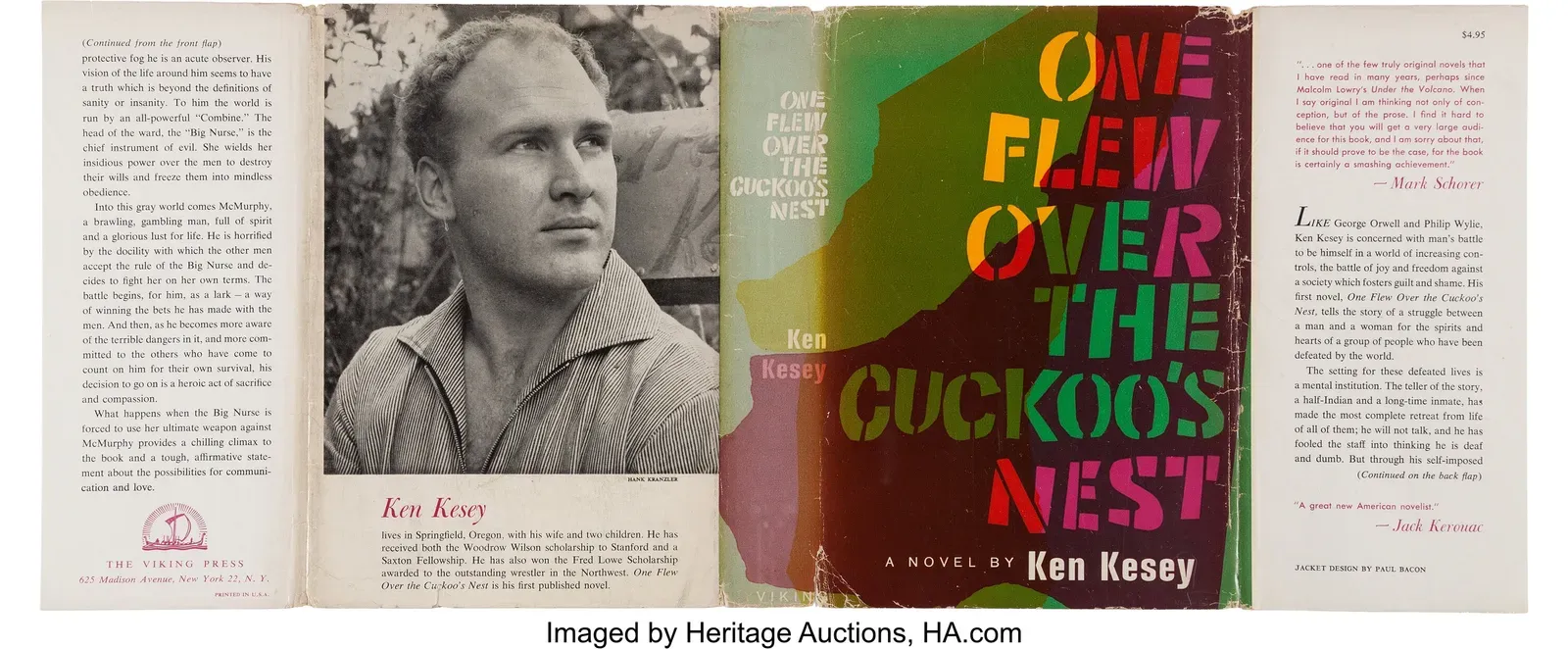
One Flew Over the Cuckoo’s Nest was Ken Kesey’s first novel and it was both critically and financially successful, following the story of Randle McMurphy, a criminal who has received state-mandated treatment in a psychiatric ward for criminal activity, as he causes chaos in the institution and tries to help other patients run away. The novel has become a cultural touchstone, largely thanks to the 1975 film adaptation starring Jack Nicholson.
Still, the book has faced repeated challenges over profanity, sexual content, and its unflattering portrayal of authority figures, particularly Nurse Ratched. Schools and libraries across the country have pulled it from shelves, citing concerns that it glorifies rebellion and contains inappropriate language. Here’s the thing, though: the book’s critique of institutional power and the treatment of mental illness remains as relevant today as it was in the 1960s.
The Ongoing Battle Against Censorship

During the 2023-2024 school year, PEN America recorded 10,046 instances of book bans. These numbers aren’t slowing down. In the 2024-2025 school year, PEN America recorded 6,870 instances of book bans affecting nearly 4,000 unique titles, with Florida being the No. 1 state for book bans with 2,304 instances, followed by Texas with 1,781 bans and Tennessee with 1,622.
The data shows that the majority of book censorship attempts are now originating from organized movements, with pressure groups and government entities that include elected officials, board members, and administrators initiating 72% of demands to censor books in school and public libraries. This isn’t spontaneous outrage from individual parents anymore. It’s coordinated.
What Makes a Book Dangerous?

Honestly, it’s hard to say for sure what pushes a book over the line from provocative to banned. Book bans have predominantly targeted books with themes related to race, sexuality, and gender identity. Books are increasingly being censored that depict topics young people confront in the real world, including experiences with substance abuse, suicide, depression and mental health concerns, and sexual violence.
The pattern is clear: books that challenge the status quo, that offer perspectives from marginalized voices, or that deal honestly with difficult topics get targeted. Sometimes the censors are upfront about their reasoning. Other times, they wrap their objections in vague language about age appropriateness or community standards.
Partner offer
Planning a trip to Vegas?
Compare hotel rates and show tickets on VEGAS.com.