Publishing houses receive thousands of manuscripts every year, yet some of the most celebrated works in literary history were initially rejected, sometimes dozens of times. The path from manuscript to bestseller is rarely straightforward, and even the most talented authors have faced crushing rejection letters. These stories remind us that persistence can matter just as much as talent, and that the publishing industry doesn’t always get it right the first time around.
1. Harry Potter and the Philosopher’s Stone by J.K. Rowling

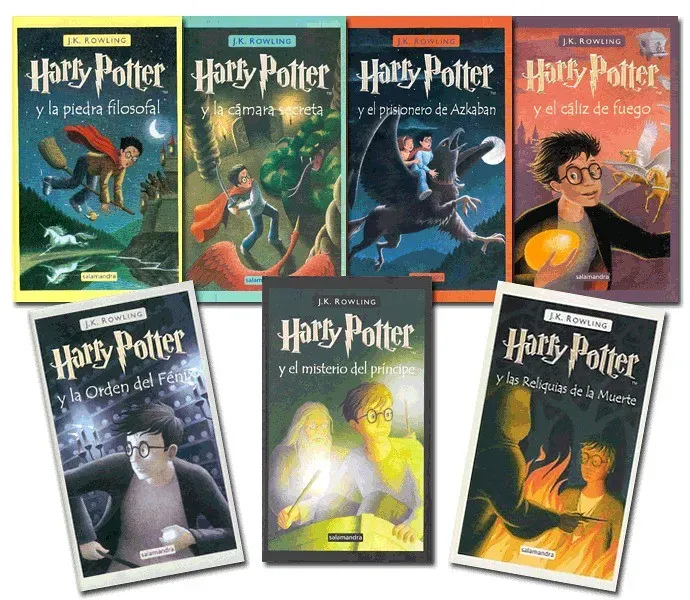
J.K. Rowling’s manuscript about a young wizard faced rejection from twelve different publishers between 1995 and 1997, with several citing the book’s length and complexity as unsuitable for children. Bloomsbury Publishing finally took a chance on the book in 1997, reportedly after chairman Barry Cunningham’s eight-year-old daughter read the first chapter and demanded the rest. The initial print run was just 500 copies, and Rowling was advised to get a day job because she had little chance of making money in children’s books. The Harry Potter series has since sold over 600 million copies worldwide, making it the best-selling book series in history, and proving every single rejection letter spectacularly wrong.
2. The Diary of a Young Girl by Anne Frank

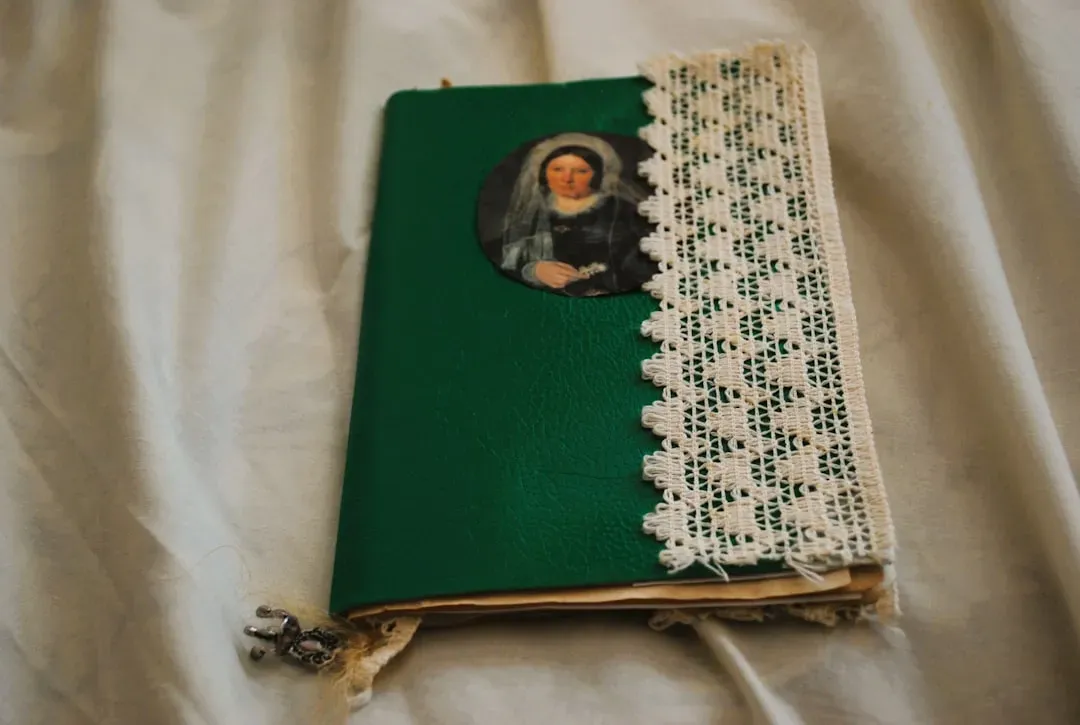
Anne Frank’s powerful wartime diary was rejected by approximately fifteen publishers in the late 1940s and early 1950s, with many editors claiming there was no market for Holocaust narratives so soon after World War II. Otto Frank, Anne’s father and the diary’s custodian, faced repeated dismissals before Uitgeverij Contact in Amsterdam agreed to publish it in 1947 in Dutch. American publishers initially showed no interest, with one editor at Knopf writing that the diary was “a dreary record of typical family bickering, petty annoyances, and adolescent emotions.” The book has now been translated into more than 70 languages and has sold over 30 million copies, becoming one of the most important historical documents of the twentieth century.
3. Dune by Frank Herbert


Frank Herbert’s science fiction epic faced rejection from roughly twenty publishing houses between 1963 and 1965, with editors complaining the manuscript was too long, too complex, and too philosophical for the sci-fi market. Major publishers like Analog Science Fiction serialized portions of the story but refused to publish the complete novel, citing concerns about its unmarketable length of over 400 pages. Chilton Book Company, primarily known for auto repair manuals, finally took a risk on Dune in 1965, becoming an unlikely home for what would become a literary phenomenon. The novel went on to win both the Hugo and Nebula awards and has sold millions of copies worldwide, spawning a massive franchise that includes films, television series, and video games.
4. The Help by Kathryn Stockett


Kathryn Stockett collected sixty rejection letters over three years before finding a publisher willing to take on her debut novel about Black maids in 1960s Mississippi. Literary agents told her the Southern dialect was too difficult to read, the multiple perspectives were confusing, and that stories about race relations wouldn’t sell in 2008-2009. One rejection letter simply stated that the agent didn’t feel personally invested enough in the characters to represent the book. Amy Einhorn Books finally published The Help in 2009, and it spent more than 100 weeks on The New York Times bestseller list, sold over 10 million copies, and was adapted into an Academy Award-winning film in 2011.
5. A Time to Kill by John Grisham


John Grisham’s first novel received rejection letters from approximately twenty-eight publishers and dozens of agents between 1987 and 1989, with most citing the legal thriller genre as oversaturated. Wynwood Press, a small publisher, eventually accepted the manuscript and released 5,000 copies in June 1989, which Grisham personally sold out of the trunk of his car at garden clubs and book signings. The book barely made a ripple initially, selling fewer than 1,000 copies in its first year on shelves. However, after Grisham’s second novel The Firm became a massive success in 1991, A Time to Kill was republished by Doubleday and became a bestseller, ultimately selling millions of copies and launching Grisham’s career as one of the world’s most successful authors.
6. Carrie by Stephen King


Stephen King famously threw his manuscript for Carrie in the trash after receiving around thirty rejections in 1973, believing the story about a bullied girl with telekinetic powers was worthless. His wife Tabitha rescued it from the garbage and convinced him to finish it and keep submitting, seeing potential in the horror narrative that King himself doubted. Doubleday finally accepted the novel in 1974, offering a modest $2,500 advance that King used to pay overdue bills. The paperback rights later sold for $400,000, with King receiving half, and Carrie went on to sell millions of copies and was adapted into the classic 1976 Brian De Palma film, establishing King as a master of horror fiction.
Partner offer

7. The Notebook by Nicholas Sparks

Nicholas Sparks faced rejection from roughly twenty-five literary agents in 1994 and 1995 before one finally agreed to represent his romantic novel about an elderly man reading to his wife with dementia. Publishers initially dismissed the manuscript as too sentimental and lacking the edge that was popular in mid-1990s fiction. Warner Books purchased the rights in 1995 for what was considered a small advance at the time, with modest expectations for sales. The Notebook went on to spend over a year on The New York Times bestseller list after its 1996 publication, has sold millions of copies worldwide, and the 2004 film adaptation became one of the highest-grossing romantic dramas ever made.
8. Gone with the Wind by Margaret Mitchell

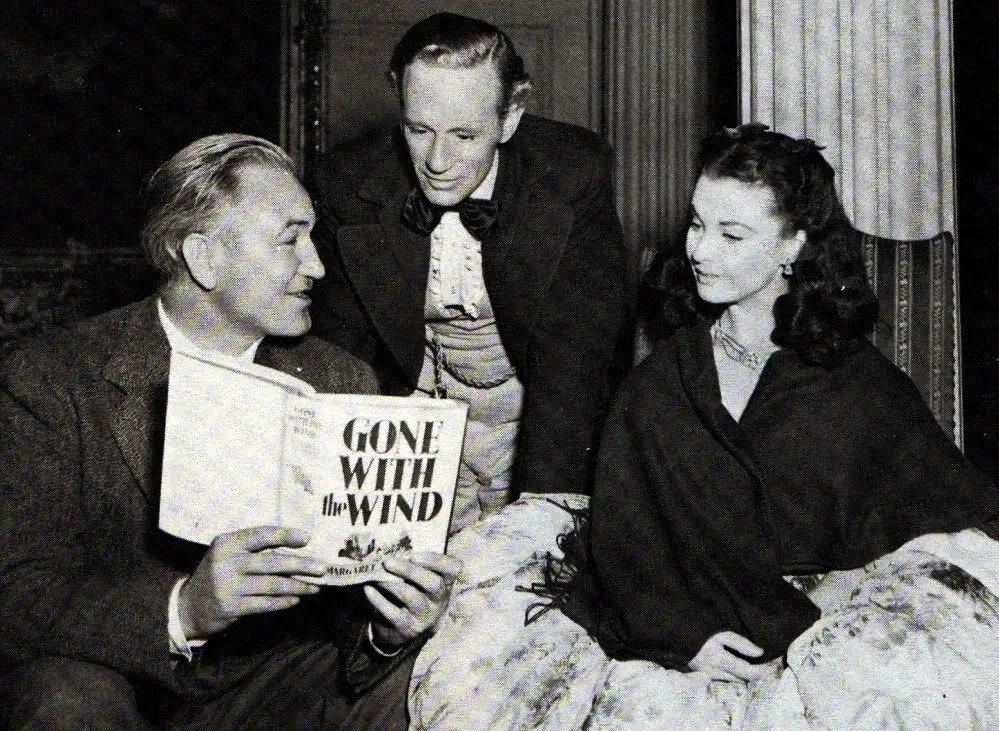
Margaret Mitchell’s Civil War epic was rejected by several publishers in the mid-1930s who thought the thousand-page manuscript was far too long and that readers had no interest in historical Southern fiction. Mitchell herself was deeply insecure about the novel and almost didn’t submit it at all, keeping the manuscript hidden in her apartment for years. Macmillan editor Harold Latham discovered the manuscript during a 1935 trip to Atlanta and convinced Mitchell to let him read it, recognizing its potential despite its length. Published in 1936, Gone with the Wind won the Pulitzer Prize, sold over a million copies in its first six months, and eventually sold more than 30 million copies worldwide, becoming one of the best-selling novels of all time.
9. The Tale of Peter Rabbit by Beatrix Potter

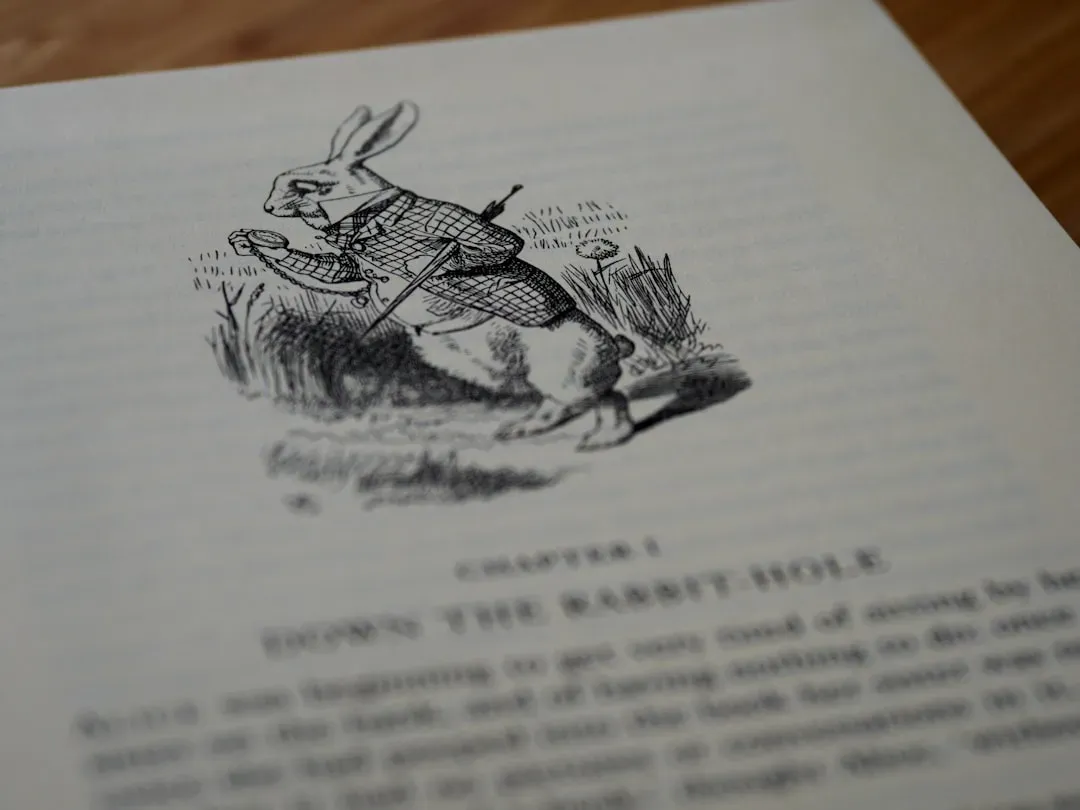
Beatrix Potter’s charming story about a mischievous rabbit was rejected by at least six major publishers between 1900 and 1901, with editors claiming the book was too short and the illustrations were unmarketable. Frederick Warne & Co. sent a particularly dismissive rejection, stating there was no commercial appeal in publishing books about animals in clothing. Potter decided to self-publish 250 copies in December 1901 using her own money, which sold out quickly among friends and family. After seeing the book’s grassroots success, Frederick Warne ironically reversed their decision and published it officially in 1902, launching one of the most beloved children’s book series ever created, with over 45 million copies sold across various editions.
10. Zen and the Art of Motorcycle Maintenance by Robert Pirsig

Robert Pirsig’s philosophical novel holds what may be the record for most rejections, with 121 publishing houses turning it down between 1972 and 1974, according to The Guinness Book of Records. Editors complained the book was too abstract, combining motorcycle maintenance with metaphysics in a way that wouldn’t appeal to any identifiable audience. William Morrow eventually published it in 1974 with extremely low expectations, printing only a small initial run. The book defied all predictions by becoming a massive bestseller, spending ten weeks at number one on The New York Times bestseller list, and has since sold over 5 million copies worldwide, proving that sometimes the most unconventional books can find the biggest audiences.
The Persistence Behind Publication

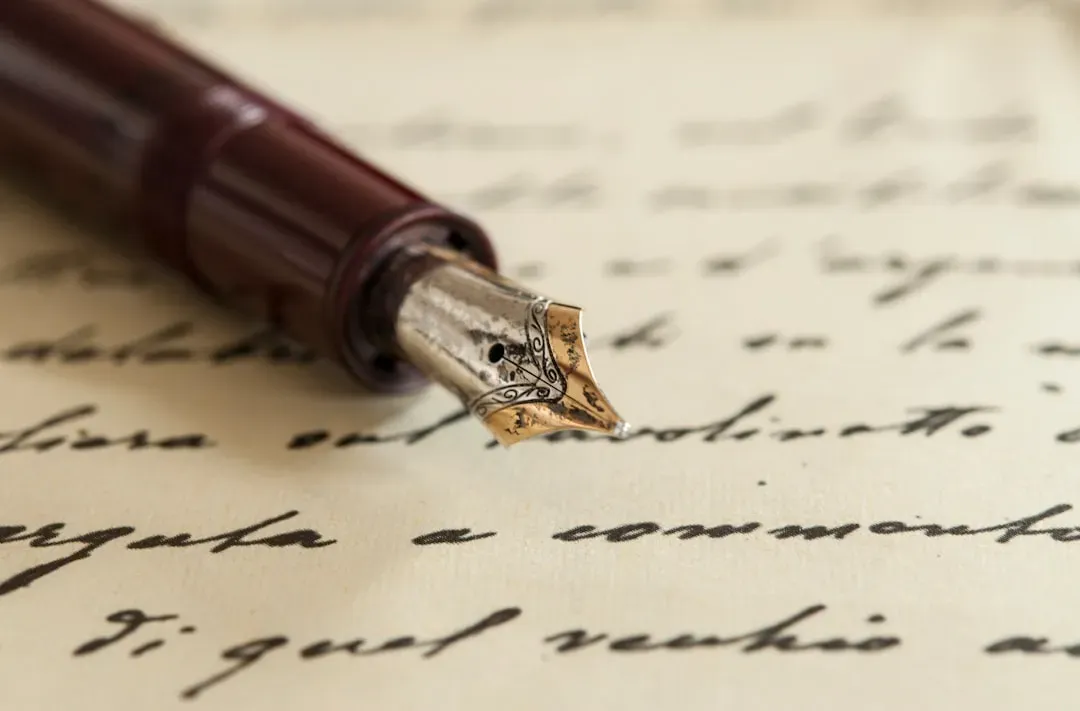
These stories reveal a pattern that should encourage every aspiring writer facing rejection: the publishing industry often misjudges manuscripts, even when those books go on to become cultural phenomena. Editors and agents, despite their expertise, are still making subjective decisions influenced by market trends, personal taste, and commercial pressures that don’t always align with what readers actually want. The common thread among all these authors wasn’t just talent, it was an almost stubborn refusal to accept that their work wasn’t good enough, coupled with the determination to keep submitting despite mounting rejection letters.
What’s striking is how many of these rejections cited concerns that now seem absurd – a children’s book about wizards being too complex, a Holocaust diary having no market, or a romantic novel being too sentimental. These dismissals remind us that gatekeepers can be wrong, sometimes spectacularly so. The next time you’re wondering whether that manuscript in your drawer deserves another chance, remember that some of the most successful books in history were once considered unpublishable failures. Would you have bet on a book about motorcycle maintenance and philosophy becoming a bestseller?
Partner offer
Planning a trip to Vegas?
Compare hotel rates and show tickets on VEGAS.com.