There’s something almost sacred about holding a book that has survived centuries, influenced millions, and shaped how we think about everything from love to revolution. These aren’t just stories bound in paper – they’re cultural monuments, philosophical time capsules, and creative explosions that refuse to fade. Some you’ve probably heard of since childhood, others might surprise you with their enduring relevance.
What makes a book truly “great” anyway? Is it sales numbers, critical acclaim, or the way it burrows into your mind and refuses to leave? For this list, we’re looking at works that changed literature itself, sparked movements, or captured the human experience so perfectly that generations keep returning to them. Let’s dive in.
1. Don Quixote by Miguel de Cervantes


Published in two parts between 1605 and 1615, this Spanish masterpiece is widely considered the first modern novel. Cervantes created something revolutionary – a story that mocked the chivalric romances of his time while simultaneously celebrating the power of imagination. The tale of a deluded nobleman who believes he’s a knight-errant has influenced everyone from Dostoyevsky to Salman Rushdie.
Literary scholars at the Cervantes Institute note that over 500 million copies have been sold worldwide, making it one of the bestselling books in history. The novel’s genius lies in how it balances comedy with genuine pathos, turning what could have been simple satire into a meditation on idealism versus reality. Honestly, if you can get past the 17th-century prose, you’ll find humor that still lands today.
2. To Kill a Mockingbird by Harper Lee


Harper Lee’s 1960 novel continues to sell roughly one million copies annually according to HarperCollins publisher data from 2024. Set in 1930s Alabama, this coming-of-age story tackles racism, moral courage, and the loss of innocence through young Scout Finch’s eyes. What makes it extraordinary is how Lee never preaches – she shows the ugliness of prejudice through the perspective of children trying to make sense of an unjust world.
The book won the Pulitzer Prize in 1961 and has been translated into over 40 languages. Atticus Finch became a cultural icon of integrity, though recent decades have brought more nuanced readings of his character. Schools across America continue teaching it despite periodic challenges, with the American Library Association reporting it remains one of the most frequently taught novels in U.S. high schools as of 2025.
3. One Hundred Years of Solitude by Gabriel García Márquez


This 1967 Colombian masterpiece sold over 50 million copies and practically invented magical realism as we know it. García Márquez chronicles seven generations of the Buendía family in the fictional town of Macondo, blending the fantastical with the mundane so seamlessly you forget where reality ends. Flying carpets, prophetic manuscripts, and characters who live for over a century coexist with brutal civil wars and desperate poverty.
The novel was finally adapted into a Netflix series announced in 2024, testament to its enduring relevance. Critics from The New York Times to El País consistently rank it among the most important Spanish-language novels ever written. Its influence on Latin American literature cannot be overstated – it put an entire continent’s storytelling tradition on the global map.
4. 1984 by George Orwell

Published in 1949, Orwell’s dystopian nightmare became disturbingly prophetic. Sales spiked dramatically in 2013 following Edward Snowden’s NSA revelations, and again in 2017 when the term “alternative facts” entered political discourse, according to Penguin Random House sales data. The novel introduced terms like “Big Brother,” “thoughtcrime,” and “doublethink” into everyday language.
What’s terrifying is how relevant it remains. Surveillance technology, government propaganda, and the manipulation of truth feel less like fiction and more like a playbook in 2025. A 2024 study by the University of Cambridge found that nearly 68 percent of high school students surveyed could identify parallels between Orwell’s world and current social media algorithms. The book serves as both warning and instruction manual, which makes it essential rather than just important.
5. Pride and Prejudice by Jane Austen

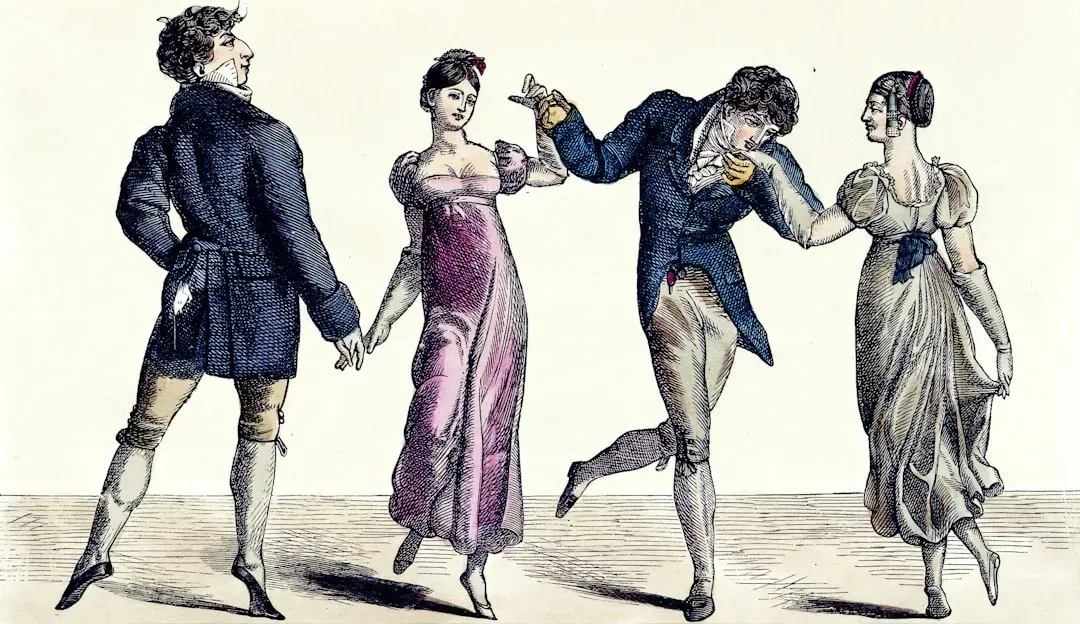
Jane Austen’s 1813 romantic comedy is deceptively simple on the surface but devastatingly clever underneath. Elizabeth Bennet and Mr. Darcy’s relationship has been adapted countless times – BBC reports over 200 film and television adaptations exist – yet the original novel remains unmatched. Austen’s wit cuts through class pretensions and social hypocrisy with surgical precision.
The novel consistently ranks among the most beloved books worldwide, with Oxford University Press reporting steady sales of around 50,000 copies annually in English-speaking countries alone. What makes it timeless is Austen’s understanding of human nature – pride, prejudice, misjudgment, and growth are as relevant now as they were two centuries ago. Modern readers discover that beneath the period drama lies a sharp commentary on economics, women’s limited choices, and the performance we all engage in to navigate society.
6. The Great Gatsby by F. Scott Fitzgerald


Fitzgerald’s 1925 jazz age tragedy flopped initially, selling fewer than 24,000 copies during his lifetime. Now? Scribner reports it sells roughly half a million copies yearly in the United States alone, making it a staple of American literature courses. The story of Jay Gatsby’s obsessive pursuit of Daisy Buchanan became the definitive portrait of the American Dream’s dark side.
What Fitzgerald captured was the hollowness behind the glamour – money can’t buy love, the past can’t be recreated, and the wealthy are often the most morally bankrupt. The 2013 Baz Luhrmann film adaptation introduced a new generation to the green light, wild parties, and tragic ending. Literary critic Maureen Corrigan called it “the great American novel” in her 2014 book “So We Read On,” and it’s hard to argue against that assessment.
7. War and Peace by Leo Tolstoy


This 1869 Russian epic is famously intimidating – roughly 1,200 pages covering five aristocratic families during the Napoleonic Wars. Yet those who actually read it often describe it as surprisingly engaging and deeply humane. Tolstoy weaves together romance, philosophy, battle scenes, and social commentary into something that feels both massive and intimate.
According to Penguin Classics, sales increased by nearly 40 percent following the BBC’s 2016 adaptation. The novel explores free will, history’s patterns, and what gives life meaning through dozens of interconnected characters. It’s less a novel and more a universe you inhabit for weeks. Honestly, the length becomes irrelevant once you’re absorbed in Tolstoy’s world – and finishing it feels like a genuine accomplishment.
8. The Catcher in the Rye by J.D. Salinger

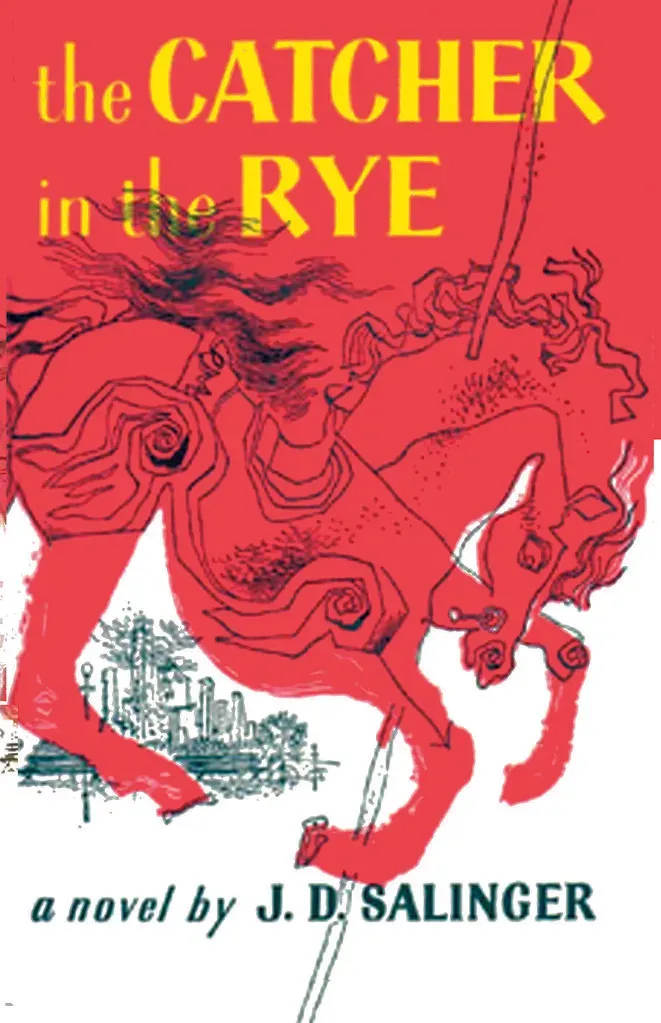
Salinger’s 1951 novel about teenage alienation has sold over 65 million copies worldwide according to Little, Brown and Company. Holden Caulfield’s voice – cynical, vulnerable, desperate – captured something essential about adolescent angst that still resonates. The book was revolutionary for its authentic teenage narrator and frank discussion of sex, depression, and societal phoniness.
It’s also one of the most banned books in America, challenged frequently for profanity and sexual content despite its obvious literary merit. A 2023 survey by the National Coalition Against Censorship found it remained in the top ten most challenged books in U.S. schools. What makes it great isn’t just the rebellious attitude but Salinger’s ability to show the pain beneath Holden’s sarcasm – the grief, confusion, and fear of growing up that every generation experiences differently yet recognizes completely.
9. Beloved by Toni Morrison


Morrison’s 1987 masterpiece won the Pulitzer Prize and later helped her secure the Nobel Prize in Literature in 1993. Based on the true story of Margaret Garner, an enslaved woman who escaped to Ohio, “Beloved” confronts slavery’s psychological horrors through the haunting of 124 Bluestone Road. The novel is difficult, deliberately fragmented, and refuses to make trauma digestible.
A 2006 New York Times survey of writers and critics named it the best work of American fiction in the past 25 years. Morrison’s prose is poetic yet brutal, forcing readers to confront what she called “the interior life of slavery.” Vintage Books reports consistent sales particularly in academic settings, where it’s taught in African American literature, women’s studies, and contemporary fiction courses. The ghost story framework makes the historical horror accessible without diminishing its weight.
10. One Thousand and One Nights

This collection of Middle Eastern folktales has no single author or definitive version – it evolved over centuries through oral tradition across Persia, Arabia, India, and beyond. Stories like “Aladdin,” “Ali Baba,” and “Sinbad the Sailor” entered global culture so completely that many don’t realize their origins. The frame narrative of Scheherazade saving her life through storytelling is itself a powerful testament to narrative’s importance.
Scholars at Harvard’s Center for Middle Eastern Studies note that the work has influenced everyone from Edgar Allan Poe to Jorge Luis Borges. Countless editions and translations exist, with Oxford World’s Classics reporting steady sales of their scholarly versions. The tales blend adventure, romance, comedy, and moral lessons in ways that modern fantasy fiction still imitates. These stories proved that narrative could literally be life-saving, which feels metaphorically true for readers across centuries.
11. Crime and Punishment by Fyodor Dostoyevsky

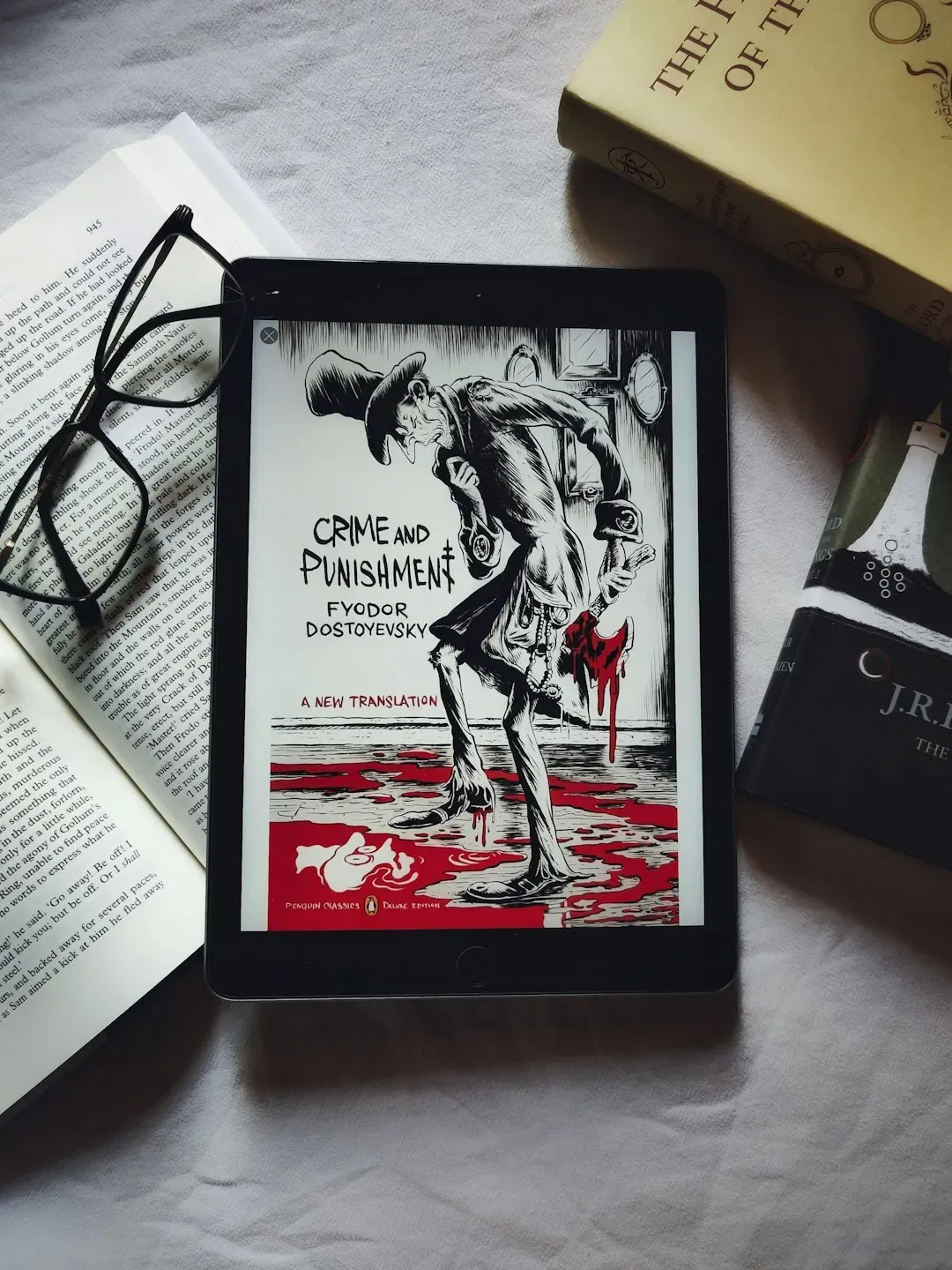
Dostoyevsky’s 1866 psychological thriller follows Raskolnikov, an impoverished student who commits murder to prove his theory about extraordinary people being above morality. What follows is one of literature’s most intense explorations of guilt, redemption, and the nature of good and evil. The novel was groundbreaking for its deep psychological realism and philosophical depth.
Modern readers are often surprised by how suspenseful it remains – this isn’t dry Russian literature but a genuine page-turner that happens to grapple with profound questions. Vintage Classics reports it consistently outsells Dostoyevsky’s other works, with approximately 200,000 copies sold annually in English translations. A 2024 article in The Guardian noted renewed interest among younger readers who discover that existential dread and moral confusion aren’t new phenomena at all.
12. The Odyssey by Homer

Composed around the 8th century BCE, Homer’s epic poem about Odysseus’s ten-year journey home from the Trojan War has influenced Western literature for nearly three millennia. The adventures – Cyclops, Sirens, Circe, the underworld – became archetypal stories that writers still reference and reimagine. Emily Wilson’s 2017 translation became a bestseller, the first English translation by a woman.
According to Penguin Classics, “The Odyssey” sells roughly 100,000 copies annually across various translations, remaining a common high school and college text. What makes it timeless is the human story beneath the mythological trappings – a man desperate to return home, a wife resisting suitors, a son searching for his father. The Mediterranean journey became a template for every quest narrative that followed, from “Lord of the Rings” to “Star Wars.”
13. Mrs. Dalloway by Virginia Woolf

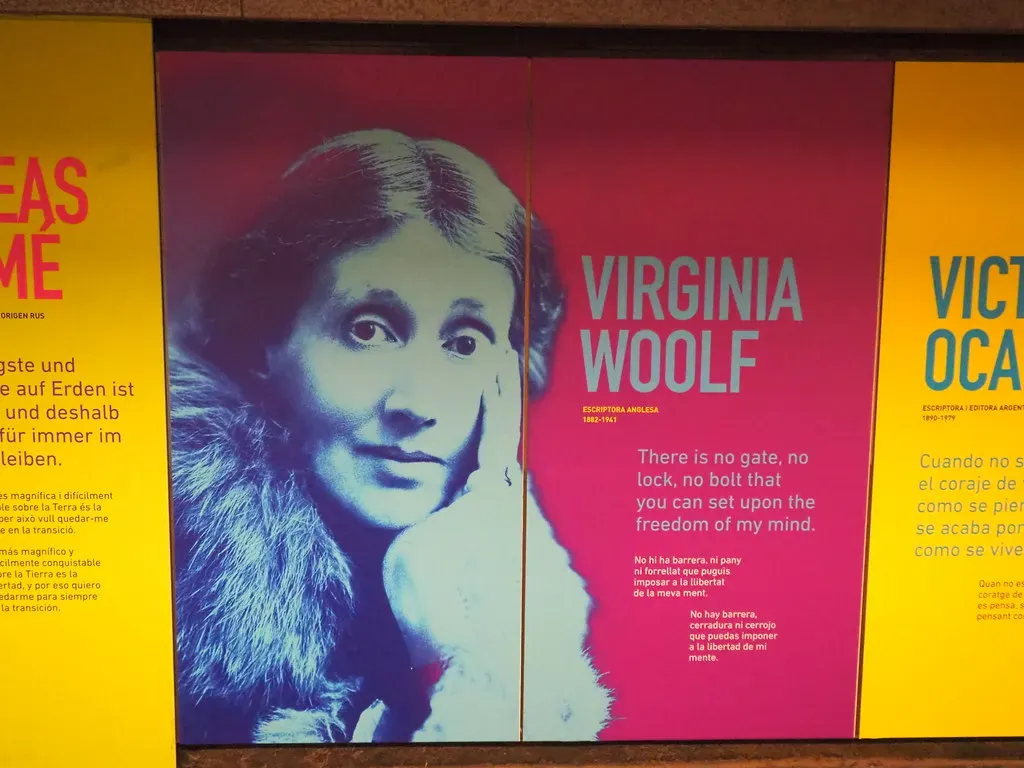
Woolf’s 1925 modernist masterpiece follows a single day in the life of Clarissa Dalloway as she prepares for a party. Using stream-of-consciousness technique, Woolf captures the flow of thoughts, memories, and perceptions in ways that feel remarkably contemporary. The novel revolutionized what fiction could do with time, consciousness, and interior life.
Partner offer

Harcourt reports steady academic and general interest sales, with approximately 40,000 copies sold annually. The parallel story of Septimus Warren Smith, a shell-shocked World War I veteran, makes the novel a profound meditation on mental health, trauma, and society’s failure to understand suffering. A 2023 BBC Culture poll of critics ranked it among the top 20 novels in English, noting its continued influence on contemporary fiction’s focus on interiority and psychological realism.
14. Things Fall Apart by Chinua Achebe


Published in 1958, Achebe’s novel was revolutionary for presenting African society through African eyes rather than colonial perspectives. Set in Nigeria during the late 19th century, it chronicles Okonkwo’s life and the arrival of European colonizers, showing the destruction of Igbo society with nuance and complexity. The title, borrowed from Yeats’s poem “The Second Coming,” captures the violent rupture colonialism caused.
The book has sold over 20 million copies worldwide according to Penguin Random House, becoming the most widely read African novel in modern literature. It’s translated into nearly 60 languages and taught extensively across African literature courses globally. Achebe’s achievement was showing that African societies had rich, complex cultures before colonialism – not the “savagery” colonial literature depicted. His prose style incorporated Igbo proverbs and oral storytelling traditions, creating something distinctly African rather than imitating European literary forms.
15. The Divine Comedy by Dante Alighieri

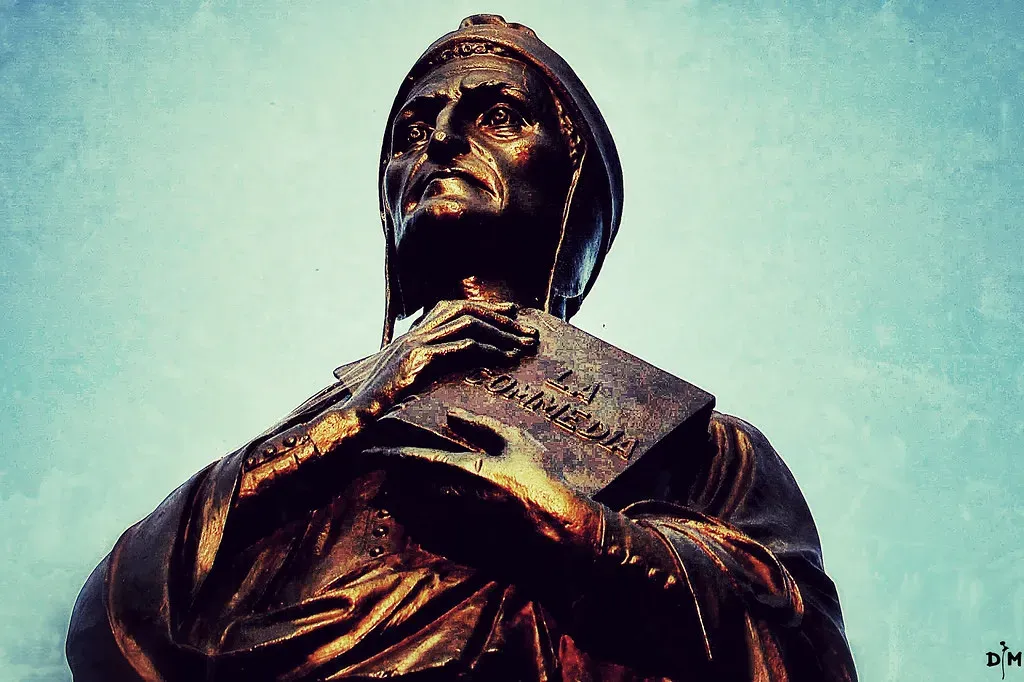
Written between 1308 and 1320, Dante’s epic poem takes readers through Hell, Purgatory, and Paradise. It’s simultaneously a love story, a political allegory, and a theological treatise wrapped in extraordinary poetry. Dante wrote in Italian rather than Latin, helping establish Italian as a literary language and making his work accessible beyond scholarly circles.
According to Penguin Classics, various translations sell approximately 75,000 copies annually, with the “Inferno” section being most popular. The vivid imagery of Hell’s nine circles has influenced art, literature, and popular culture for seven centuries. A 2024 study by the Italian Cultural Institute found that references to Dante appear in over 1,200 contemporary works across various media. The poem’s structure – a journey through darkness toward divine love – became a foundational Western narrative pattern.
16. Lolita by Vladimir Nabokov


Nabokov’s 1955 novel remains controversial for its subject matter – a middle-aged man’s obsession with a twelve-year-old girl. What makes it significant literature rather than exploitation is Nabokov’s unreliable narrator technique, forcing readers to see through Humbert Humbert’s self-justifications and recognize the horror beneath his elegant prose. It’s a study in manipulation, both of Dolores Haze and of the reader.
Vintage International reports it sells roughly 50,000 copies annually, remaining relevant in discussions of abuse, grooming, and literary ethics. The novel is a masterclass in style – Nabokov’s wordplay, allusions, and linguistic pyrotechnics are dazzling even as the content disturbs. Modern readers increasingly focus on Dolores as a victim rather than Humbert as a tragic antihero, which is precisely the point. The book forces uncomfortable questions about art, morality, and how beauty can obscure evil.
17. The Brothers Karamazov by Fyodor Dostoyevsky


Dostoyevsky’s final novel, published in 1880, is a philosophical and theological epic centered on a murder and three brothers’ vastly different worldviews. The Grand Inquisitor chapter alone has generated centuries of debate about faith, freedom, and human nature. Characters embody different philosophical positions – faith, rationalism, hedonism – in ways that feel archetypal yet deeply human.
Farrar, Straus and Giroux reports that despite its length (roughly 800 pages), it consistently outsells Dostoyevsky’s other works except “Crime and Punishment.” Psychologists, theologians, and philosophers reference it as frequently as literary scholars do. The novel grapples with questions that remain urgent – does God exist, can suffering be justified, what makes life worth living – without providing easy answers. It demands engagement but rewards it with profound insights into belief, doubt, and moral responsibility.
18. Moby-Dick by Herman Melville


Melville’s 1851 novel about Captain Ahab’s obsessive hunt for a white whale was a commercial failure initially, selling fewer than 3,200 copies in Melville’s lifetime. Now it’s considered among America’s greatest novels, with Penguin Classics reporting approximately 60,000 copies sold annually. The book is part adventure story, part philosophical treatise, part encyclopedia of whaling.
What makes it remarkable is its ambition – Melville wasn’t content to tell a simple revenge tale but instead created a meditation on obsession, nature, fate, and the American character. The digressions on whale biology and maritime procedures that frustrated early readers now feel like part of the novel’s strange genius. Honestly, it’s a weird book that shouldn’t work but somehow does if you surrender to its unusual rhythm. Ishmael’s famous opening line “Call me Ishmael” has become one of literature’s most recognizable sentences.
19. Ulysses by James Joyce
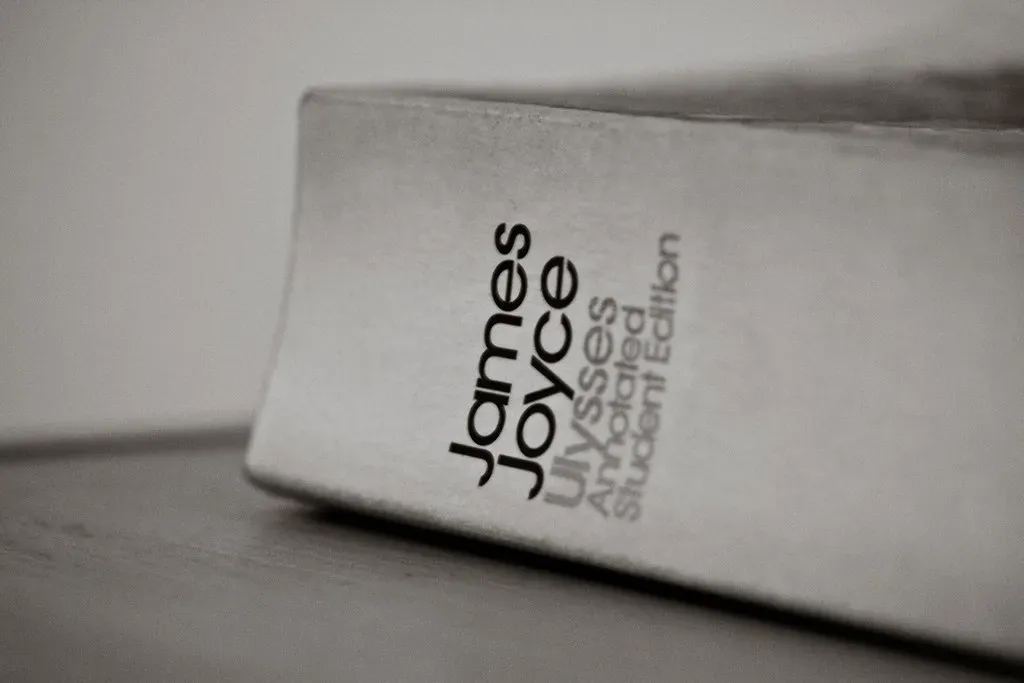
Joyce’s 1922 modernist epic follows Leopold Bloom through a single day in Dublin, June 16, 1904. It’s famously difficult – stream-of-consciousness technique, countless literary allusions, experimental styles that change with each chapter. Yet it’s also hilariously human, dealing with jealousy, mortality, bodily functions, and desire with unprecedented honesty.
According to Random House, “Ulysses” sells roughly 30,000 copies annually, mostly to literature students and devoted readers willing to work for their rewards. Modern Library’s 1998 poll of scholars ranked it the greatest English-language novel of the 20th century. The book was banned for obscenity until 1933, and reading it still feels transgressive – Joyce refused to prettify human existence. Its influence on experimental fiction cannot be overstated, showing writers that novels could do absolutely anything if executed with sufficient skill and vision.
20. Anna Karenina by Leo Tolstoy

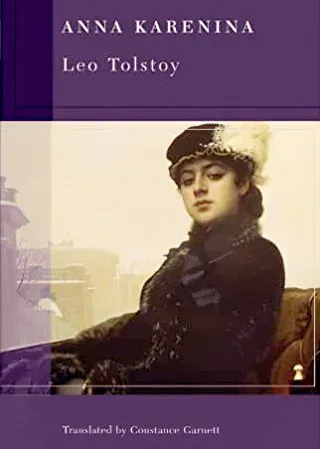
Tolstoy’s 1878 novel opens with the famous line “All happy families are alike; each unhappy family is unhappy in its own way,” then proceeds to prove it through Anna’s tragic affair and Levin’s search for meaning. It’s a massive social novel covering marriage, religion, politics, agriculture, and Russian society with Tolstoy’s characteristic insight into human nature.
Penguin Classics reports approximately 45,000 copies sold annually, with Oprah’s 2004 book club selection significantly boosting awareness. The novel’s power lies in Tolstoy’s refusal to judge Anna simply – she’s neither villain nor pure victim but a complex woman trapped by social conventions and her own passionate nature. Meanwhile, Levin’s spiritual journey provides a counterpoint that makes the novel more than melodrama. It’s a study of how we live, what we value, and whether happiness is even possible.
21. The Grapes of Wrath by John Steinbeck


Steinbeck’s 1939 novel about Oklahoma farmers fleeing the Dust Bowl for California captured the Great Depression’s human cost. The Joad family’s journey became an American epic of hardship, resilience, and the failure of the American Dream to protect its most vulnerable citizens. Steinbeck’s naturalistic prose and social outrage made it both literature and activism.
According to Penguin Books, it sells roughly 40,000 copies annually and remains widely taught in American schools despite periodic challenges for profanity and alleged socialist sympathies. The novel won the Pulitzer Prize in 1940 and significantly influenced Steinbeck’s 1962 Nobel Prize. A 2024 article in The Atlantic noted renewed relevance given contemporary income inequality and climate migration. Steinbeck showed that social novels could be both artistically ambitious and politically engaged without becoming propaganda.
22. The Canterbury Tales by Geoffrey Chaucer
Written in Middle English between 1387 and 1400, Chaucer’s collection of stories told by pilgrims traveling to Canterbury Cathedral revolutionized English literature. He wrote in vernacular English rather than French or Latin, helping establish English as a literary language. The tales range from bawdy comedy to moral allegory, capturing medieval society in all its complexity.
Penguin Classics reports steady academic sales, with modern translations making the work accessible to general readers. What’s remarkable is Chaucer’s range – the Knight’s Tale is romance, the Miller’s Tale is raunchy comedy, the Wife of Bath’s Tale is proto-feminist, and the Pardoner’s Tale is dark allegory. Together they create a portrait of humanity that feels both medieval and timeless. The frame narrative structure influenced countless later works, and Chaucer’s humor still lands despite the 600-year gap.
23. Invisible Man by Ralph Ellison

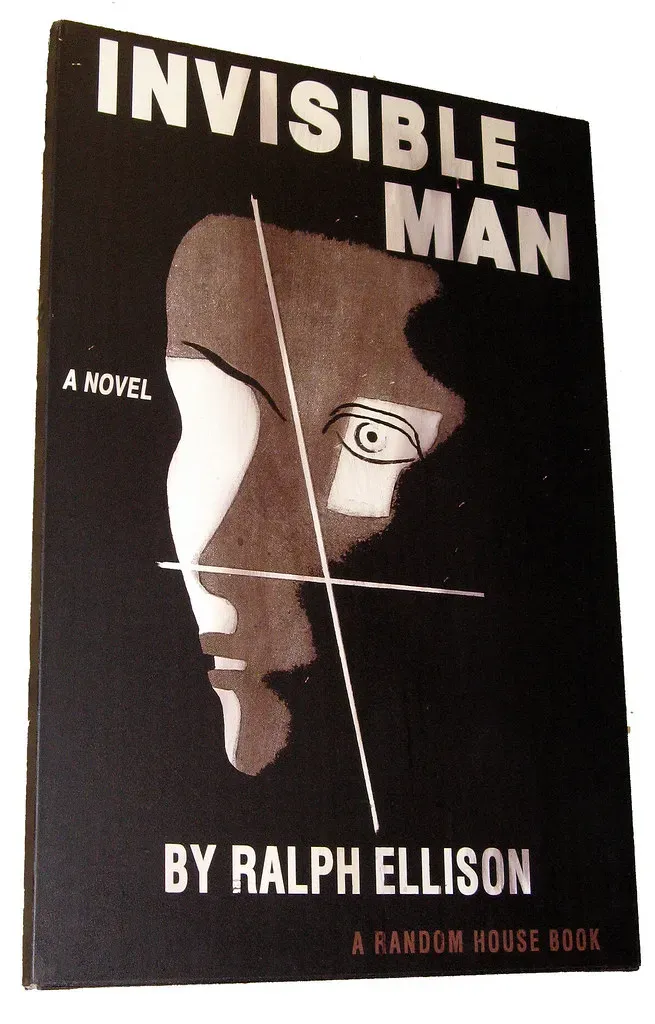
Ellison’s 1952 novel opens with an unnamed narrator living underground, invisible because people refuse to see him. The novel traces his journey from Southern college through Harlem’s radical politics, exploring African American identity, racism’s psychological effects, and American society’s blindness to Black humanity. Ellison combined naturalism, surrealism, and symbolism into something uniquely powerful.
Random House reports consistent sales of approximately 35,000 copies annually, with required reading status in many American literature courses. The novel won the National Book Award in 1953, and a 1965 poll of critics named it the most important American novel since World War II. What makes it great is Ellison’s refusal to simplify – his narrator is neither victim nor hero but a complex individual navigating impossible circumstances. The battle royal scene remains one of American literature’s most devastating sequences.
24. Madame Bovary by Gustave Flaubert
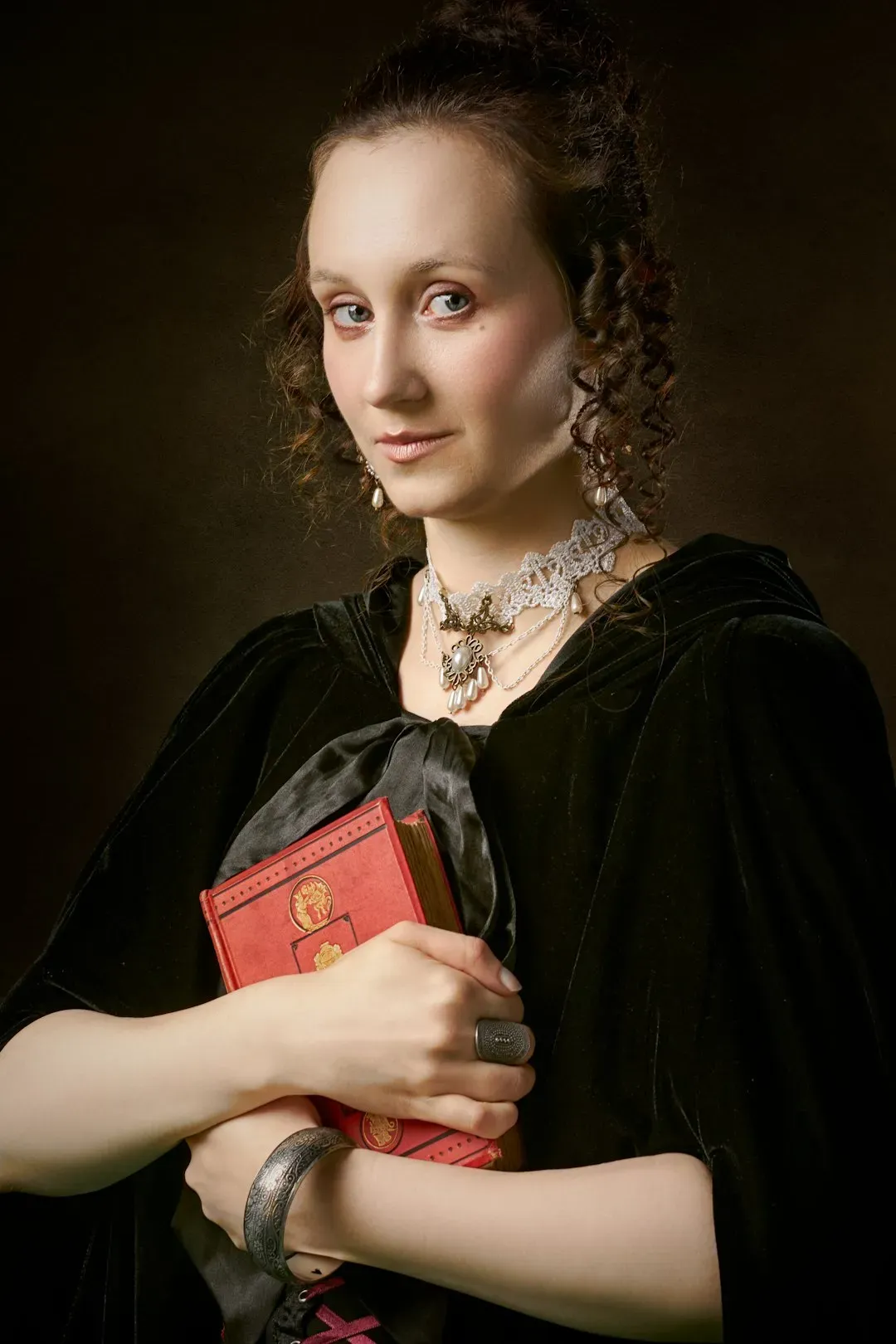
Flaubert’s 1856 novel about a doctor’s wife who seeks escape from provincial boredom through affairs and shopping scandalized French society. The government actually prosecuted Flaubert for immorality, though he was acquitted. What was revolutionary was Flaubert’s realistic, unsentimental approach and his innovation of free indirect discourse – narration that flows seamlessly between external description and character consciousness.
According to Penguin Classics, various editions sell approximately 30,000 copies annually, remaining central to courses on realism and the novel form. Emma Bovary became a cultural type – the woman destroyed by romantic illusions and materialistic desires. Yet Flaubert’s genius was showing how society created Emma’s dissatisfaction while offering women no legitimate outlets. His famous statement “Madame Bovary, c’est moi” suggested that Emma’s yearning for something beyond ordinary existence was universal, regardless of gender.
25. One Flew Over the Cuckoo’s Nest by Ken Kesey

Kesey’s 1962 novel set in a mental institution became a defining work of 1960s counterculture. Narrated by Chief Bromden, it chronicles Randle McMurphy’s rebellion against Nurse Ratched’s authoritarian control. The novel questions institutional power, sanity’s definition, and conformity’s cost with dark humor and genuine compassion for its characters.
Viking Press reports approximately 40,000 copies sold annually, with the 1975 film adaptation introducing the story to wider audiences. What makes it endure is how Kesey used the psychiatric ward as a metaphor for society itself – mechanisms of control, the punishment of individuality, and the fine line between sanity and rebellion. The ending remains devastating precisely because McMurphy’s resistance both fails and succeeds, leaving readers to grapple with what constitutes freedom and whether the cost of maintaining it is too high.
Final Thoughts

These 25 books represent different centuries, cultures, and literary movements, yet they share something essential – the ability to capture human experience so powerfully that generations keep returning to them. Some are entertaining, others demanding. Some comfort, others disturb. What they all do is remind us why literature matters beyond entertainment or education – it helps us understand ourselves and each other more deeply.
How many have you actually read, though? It’s easy to know the titles without experiencing the books themselves. Each one offers something unique, whether it’s Austen’s wit, Tolstoy’s depth, or Morrison’s unflinching confrontation with history. So what’s stopping you from picking up the ones you’ve missed?
Partner offer
Planning a trip to Vegas?
Compare hotel rates and show tickets on VEGAS.com.