Ever wonder if everything you learned in school was actually true? Turns out, history has a funny way of getting twisted over time. Some of the most famous stories we’ve all heard repeated countless times are actually completely wrong. From tiny emperors to horned warriors, the myths we believe often have nothing to do with what really went down.
Here’s the thing. These misconceptions didn’t just appear out of nowhere. Many were deliberately created by propaganda machines, misunderstood by later generations, or simply made better stories than the boring truth. Let’s dive into ten historical events that definitely didn’t unfold the way most people think.
Napoleon Was Actually Average Height, Not Short

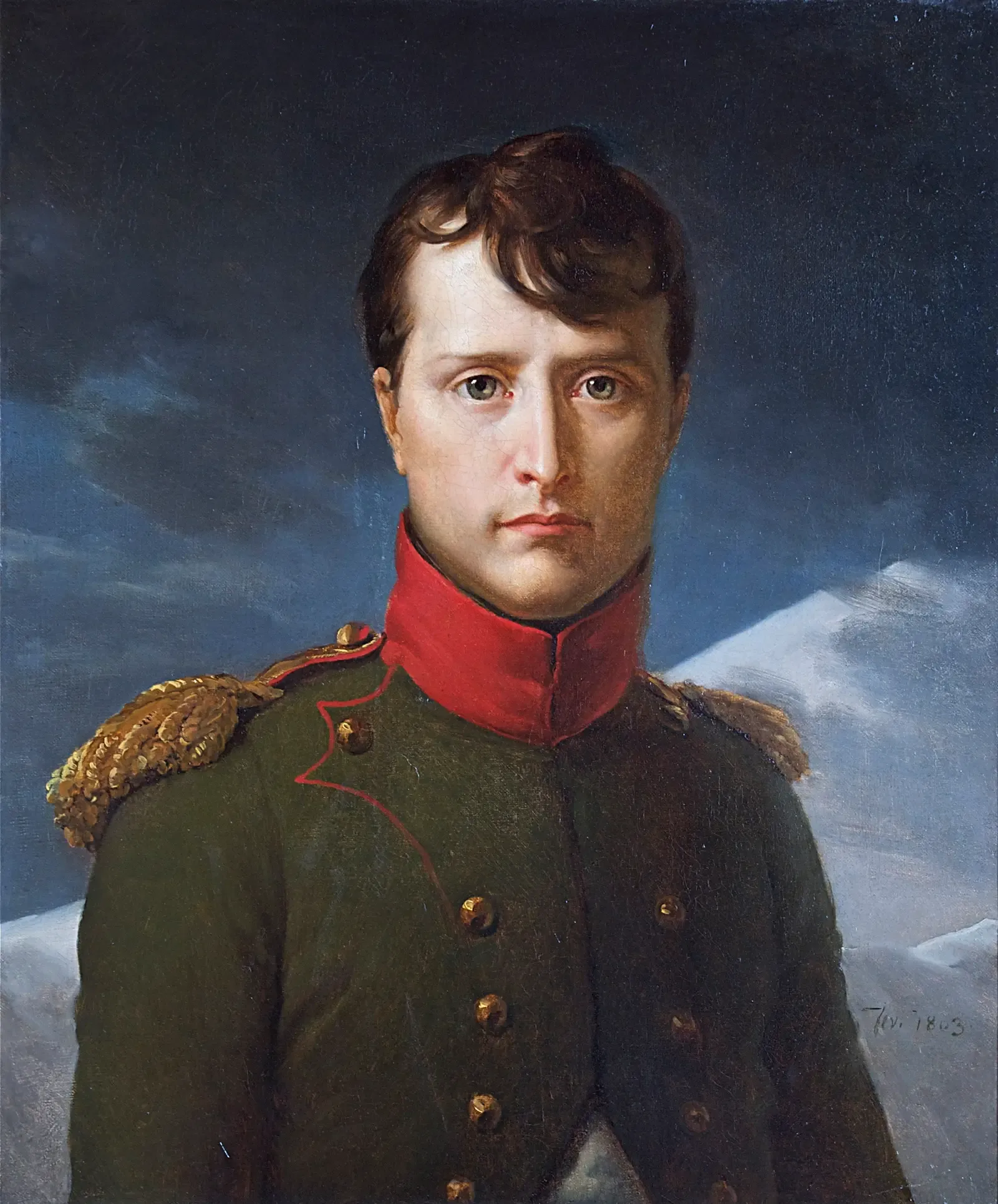
Napoleon Bonaparte was probably of average height for his time, measuring around 1.67 meters, or just under 5’6″, which was actually a little above average for a French man in the early 1800s. The confusion stems from the fact that according to pre-metric system French measures, he was recorded as 5’2″, but the French inch (pouce) of the time was 2.7 cm, while the Imperial inch was shorter, at 2.54 cm. The myth was largely the work of British cartoonist James Gillray, whose caricatural depictions were so popular and influential that Napoleon later said Gillray “did more than all the armies of Europe to bring me down.” A 2007 study by the University of Central Lancashire concluded that the Napoleon complex is a myth, discovering that short men were less likely to lose their temper than men of average height.
Vikings Never Wore Horned Helmets Into Battle

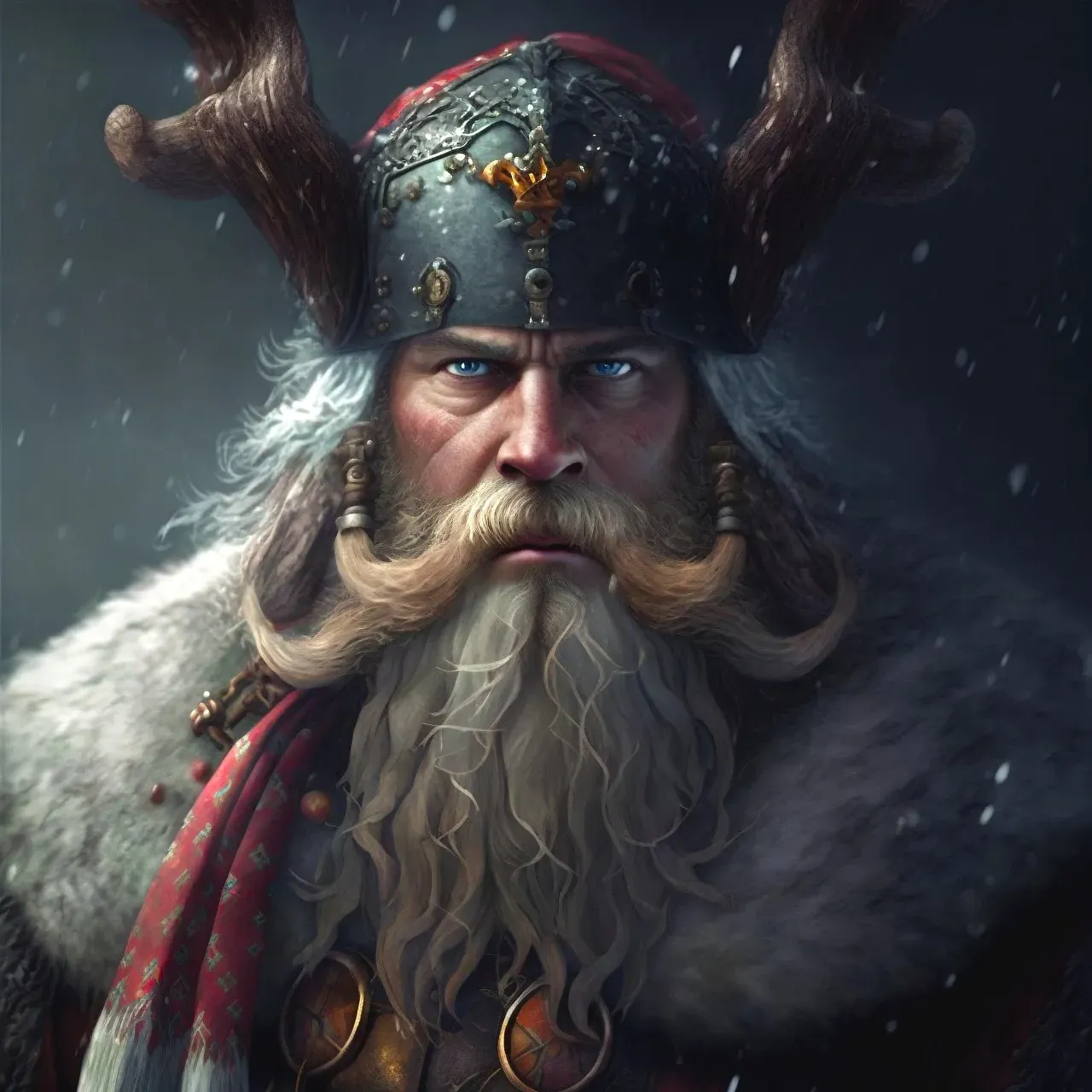
Viking society only developed in the 9th century C.E., and there is no sign that Vikings really wore horned helmets. The legend likely originated with Scandinavian artists in the 1800s, who popularized portrayals of the nomadic raiders wearing the equipment in their works. When Wagner staged his “Der Ring des Nibelungen” opera cycle in the 1870s, costume designer Carl Emil Doepler created horned helmets for the Viking characters, and an enduring stereotype was born.
Despite years of searching, archaeologists have yet to uncover a Viking-era helmet embellished with horns, and only one complete helmet that can definitively be called “Viking” has turned up. The horned helmets that do exist, decorated with curved horns, originated in the Nordic Bronze Age, dated from 1700 to 500 B.C.E., confirmed by radiocarbon dating of birch tar found on one of the horns.
The Great Wall of China Isn’t Visible From Space


You typically can’t see the Great Wall of China from space, a popular myth that was disproved when astronauts stated that the Great Wall was not visible with the naked eye from the Moon. The wall isn’t visible from the moon, and is difficult or impossible to see from Earth orbit without the high-powered lenses. Yang Liwei, China’s first astronaut to enter space aboard the Shenzhou V spacecraft in 2003, gave a definite answer of “No” to reporters after returning to the ground, clarifying that when the spacecraft rose to an altitude of over 30 kilometers above the ground, the Great Wall could no longer be observed with the naked eye.
Although the Great Wall spans some 4,500 miles, it’s constructed from materials that make it difficult to discern from space, and the wall is only visible from low orbit under a specific set of weather and lighting conditions.
Columbus Didn’t Prove the Earth Was Round


According to Stephen Jay Gould, “there never was a period of ‘flat Earth darkness’ among scholars, regardless of how the public at large may have conceptualized our planet both then and now,” and Greek knowledge of sphericity never faded, with all major medieval scholars accepting the Earth’s roundness as an established fact. Historians of science David Lindberg and Ronald Numbers point out that “there was scarcely a Christian scholar of the Middle Ages who did not acknowledge Earth’s sphericity and even know its approximate circumference.”
This modern tale was initiated by two individuals in the 19th century: Antoine-Jean Letronne and Washington Irving, who each reported this narrative in their written works – Letronne in On the Cosmographical Ideas of the Church Fathers (1834) and Irving in A History of the Life and Voyages of Christopher Columbus (1828). The argument regarding the funding of Columbus’s voyage wasn’t about the earth’s shape but about the earth’s size – especially the parts of Earth’s surface covered by sea, with Columbus arguing that Earth was smaller than was commonly believed.
George Washington Never Had Wooden Teeth

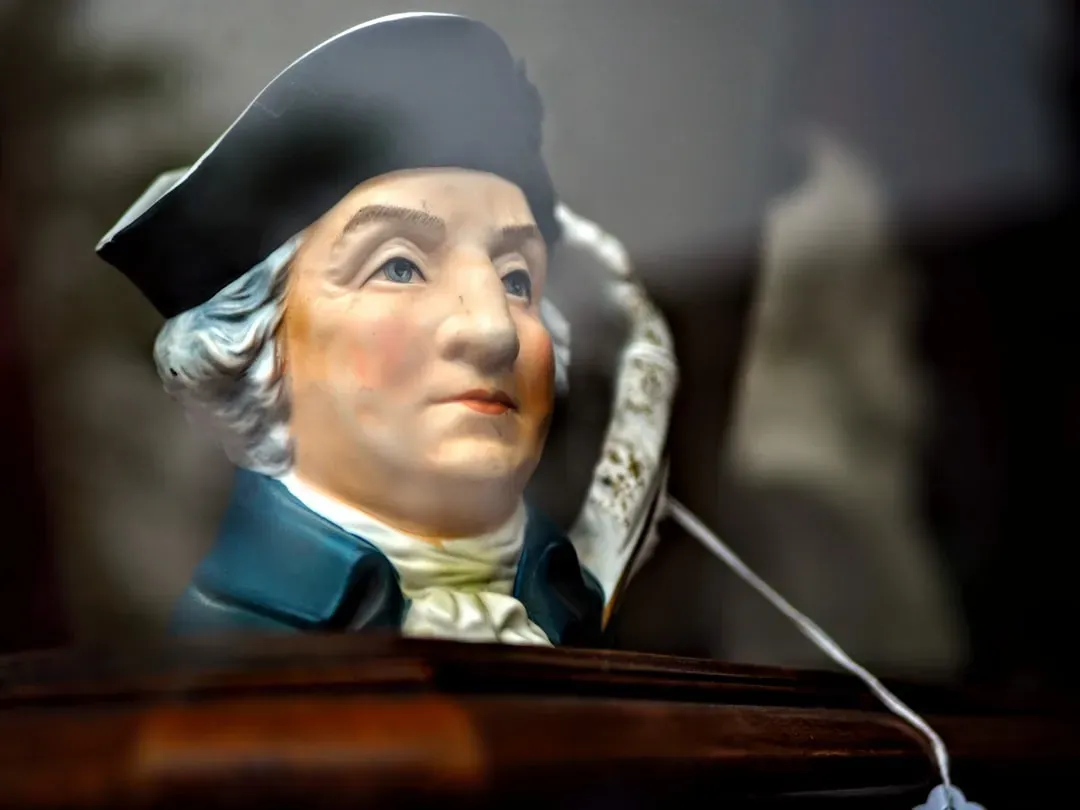
George Washington never had wooden teeth. While Washington suffered from dental problems throughout his life, his dentures were not wooden at all but were made from a combination of human teeth, cow teeth, hippopotamus ivory, and metal – as was standard for wealthier people at the time. While no one can say for sure where the myth of wooden teeth came from, there’s a good chance people mistook the discolouration of his ivory dentures for wood, leading to a misconception that still exists today, hundreds of years later.
Honestly, the idea of wooden teeth sounds pretty uncomfortable when you think about it. The reality is far more bizarre and expensive, involving exotic animal parts that only the wealthy could afford.
Ancient Statues Were Originally Painted in Bright Colors

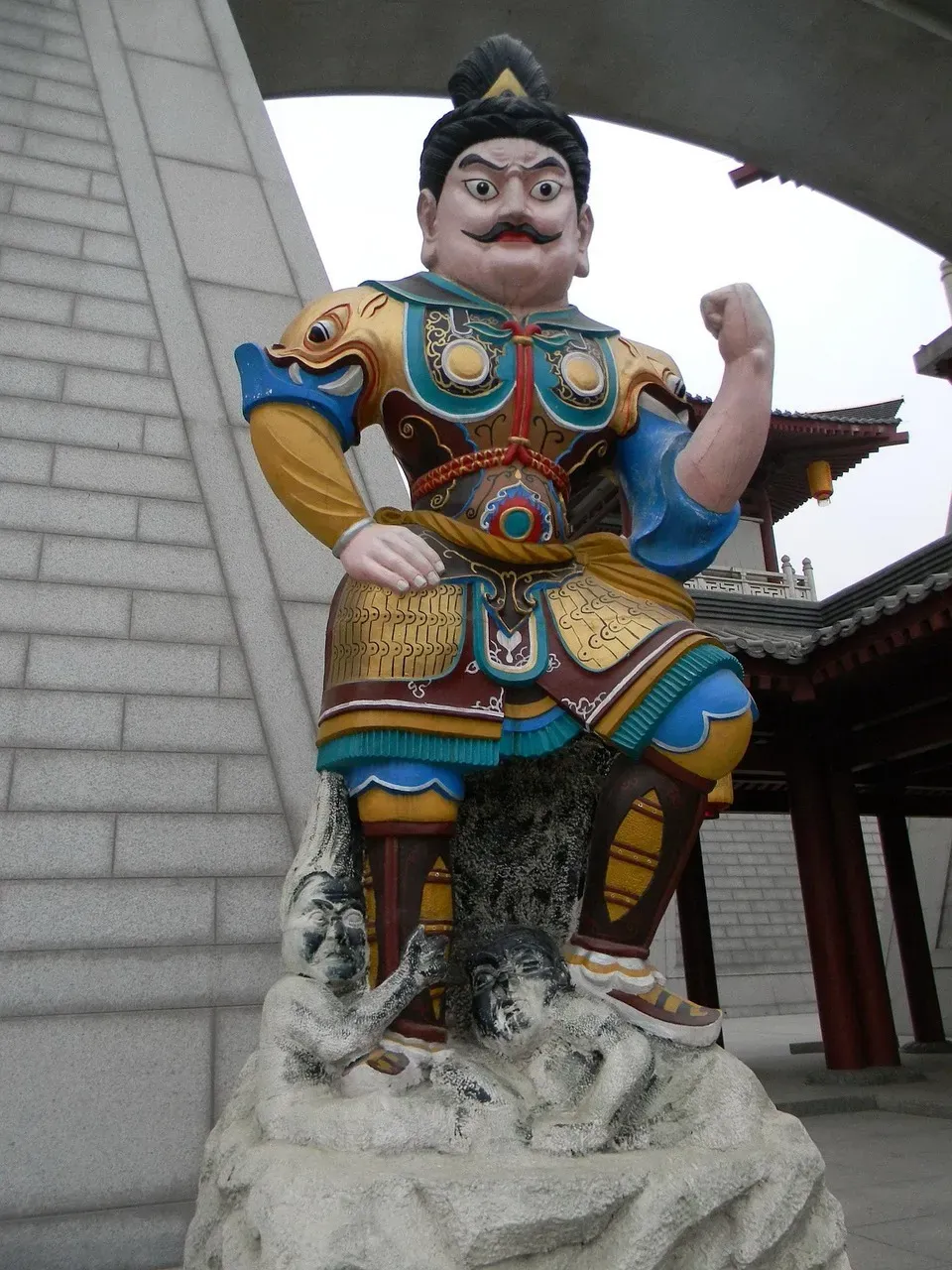
Many people naturally believe that ancient statues of stone and marble were always plain and white, as most surviving exhibits in museums are completely pale and bare, leading many to imagine ancient Greek and Roman statues as pristine white marble figures. Most ancient statues were actually painted in vibrant colours, and the plain white appearance we see today is the result of pigment deterioration over time, largely due to exposure to the elements and sunlight. Archaeological techniques such as ultraviolet light analysis have revealed traces of these original colours, allowing us to reconstruct the true appearance of many ancient sculptures.
Medieval People Actually Bathed Regularly

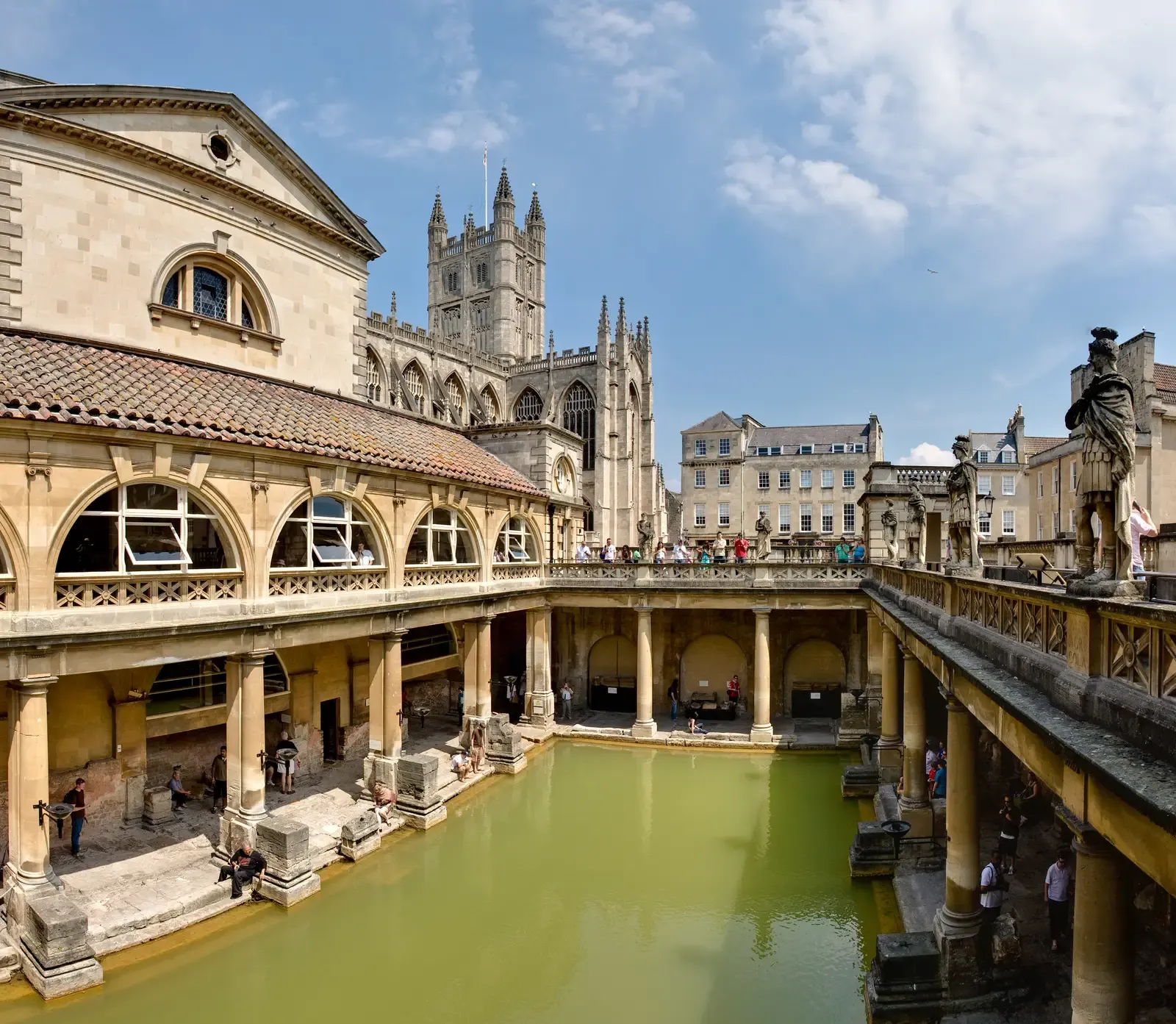
The belief that medieval people rarely bathed is a persistent myth, spread by later writers seeking to cast the Middle Ages as dirty and uncivilized, when in fact, public bathhouses and frequent washing were common in medieval Europe, and cleanliness was often linked to health and religious practice. This myth likely arose after bathhouses declined due to changing attitudes and public health fears in later centuries.
The image of filthy medieval peasants wallowing in mud has more to do with Renaissance propaganda than actual history. Think about it: would you really want to live next to someone who never bathed?
PepsiCo Never Actually Had the World’s Sixth-Largest Navy


As internet culture surged in the early 2000s, a historical myth emerged about PepsiCo and its deal with the Soviet Union that gave it the world’s sixth-largest navy, though this tale comes with a mix of truth and exaggeration. In 1989, PepsiCo along with a Norwegian shipping company did strike a deal with the Soviet Union, and in exchange for Pepsi imports, the Soviets offered seventeen submarines, a cruiser, a frigate, and a destroyer to the Norwegian Shipping company, which would then sell them and give PepsiCo 25% of the sale price. While on paper PepsiCo may have briefly jointly held possession of several once powerful military naval vessels, at the time of the trade these were old, decommissioned, and not fit for service.
Nero Didn’t Actually Fiddle While Rome Burned

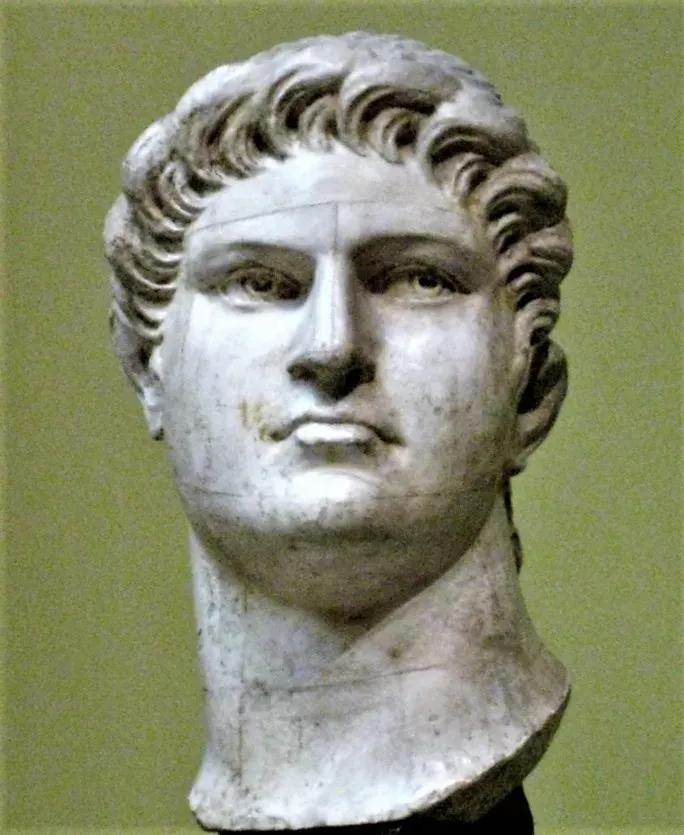
The enduring myth of Nero fiddling as Rome burned has been debunked by historical evidence and context, as the image of Emperor Nero playing the fiddle as Rome burned is iconic but entirely fabricated.
Let’s be real here: the fiddle as we know it wasn’t even invented until centuries after Nero’s death. The myth tells us more about how later generations wanted to portray Nero as a callous tyrant than about what actually happened during the Great Fire of Rome in 64 CE.
The Tet Offensive Leadership Myth

Although President Ho Chi Minh and General Vo Nguyen Giap have been credited with leading the Vietnamese communist war effort to victory over the Americans, they were actually on the losing side of a major political battle on the eve of Tet, as the victors, Le Duan and Le Duc Tho, managed to marginalize Ho and Giap, who opposed their military plans for 1968. Convinced that a nation-wide surprise attack on the cities and towns across South Vietnam to incite popular uprising would end in defeat and devastating losses, Ho and Giap failed to persuade the rest of the Party leadership to abandon course, and instead, the “comrades Le” summarily punished Ho and Giap for their defiance by arresting their closest assistants and deputies and launching the largest purge in Vietnamese communist history.
History loves its heroes, though sometimes we give credit to the wrong people. The narrative we’ve been told about who really called the shots during one of the most pivotal moments of the Vietnam War turns out to be significantly more complicated than textbooks suggest. It’s hard to say for sure why certain figures get lionized while others who wielded the real power fade into obscurity, but political convenience probably played a role.
So there you have it. Ten historical “facts” that turned out to be fiction, propaganda, or just good old-fashioned misunderstanding. The next time someone confidently tells you about Napoleon’s short-man complex or Vikings with horned helmets, you’ll know better. History isn’t just about what happened – it’s about what stories we choose to tell and retell. What other historical “truths” do you think might be myths waiting to be busted?