


Sometimes the most groundbreaking innovations emerge from spilled chemicals, forgotten lab samples, or misplaced ingredients. Scientists aiming for one thing stumble upon something completely different, yet far more valuable. These happy accidents transformed industries, saved countless lives, and changed how we live today. From antibiotics that cured deadly infections to everyday office supplies we can’t imagine working without, these discoveries prove that keeping an open mind can be more important than following a plan. Let’s dive into stories of inventions that were never supposed to exist but ended up reshaping our world in ways nobody could have predicted.
Penicillin: The Moldy Miracle That Saved Millions

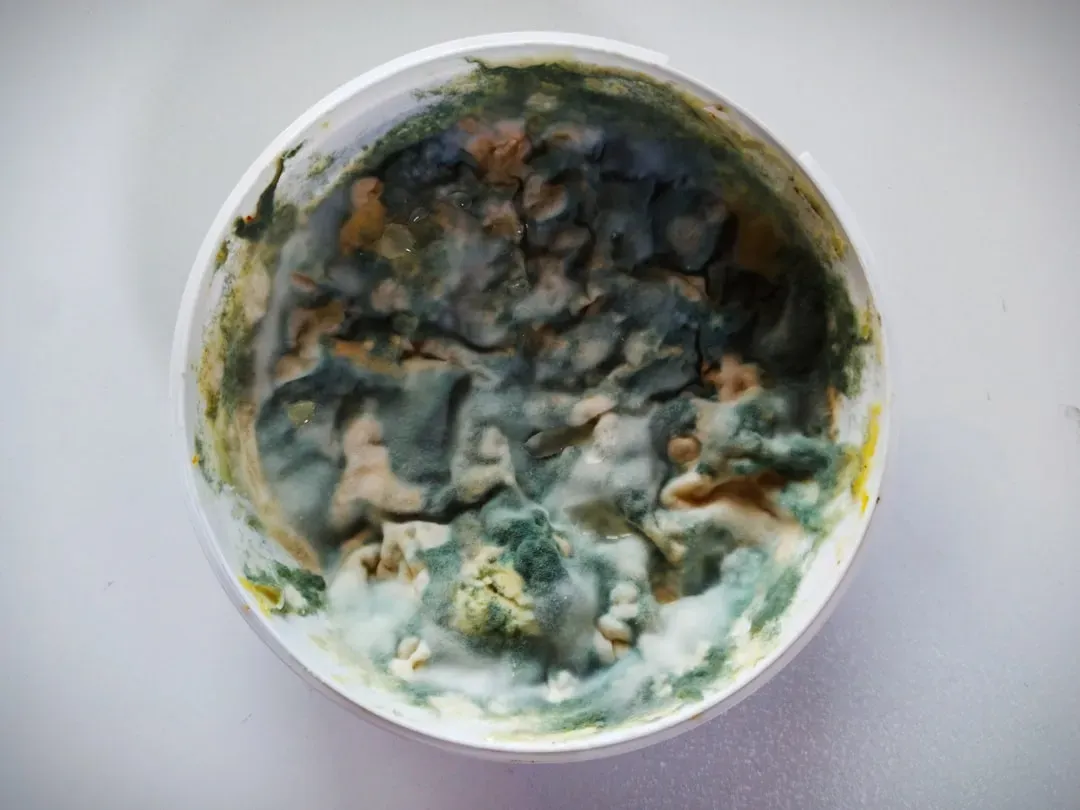
In 1928, Scottish bacteriologist Alexander Fleming returned from vacation to discover mold contaminating one of his petri dishes containing Staphylococcus bacteria. He noticed the area around the mold was free of bacteria. This wasn’t exactly the result of careful planning. Fleming’s notoriously messy lab and an open window created the perfect conditions for this accidental discovery.
Fleming named this bacteria-killing substance penicillin after the Penicillium notatum fungus. Fleming, Howard Florey, and Ernst Chain shared the 1945 Nobel Prize in Physiology or Medicine for the discovery and development of penicillin. What started as contamination became the world’s first broadly effective antibiotic, fundamentally altering medicine. The discovery has been described as the “single greatest victory ever achieved over disease.”
The Microwave Oven: Melted Chocolate Leads to Kitchen Revolution

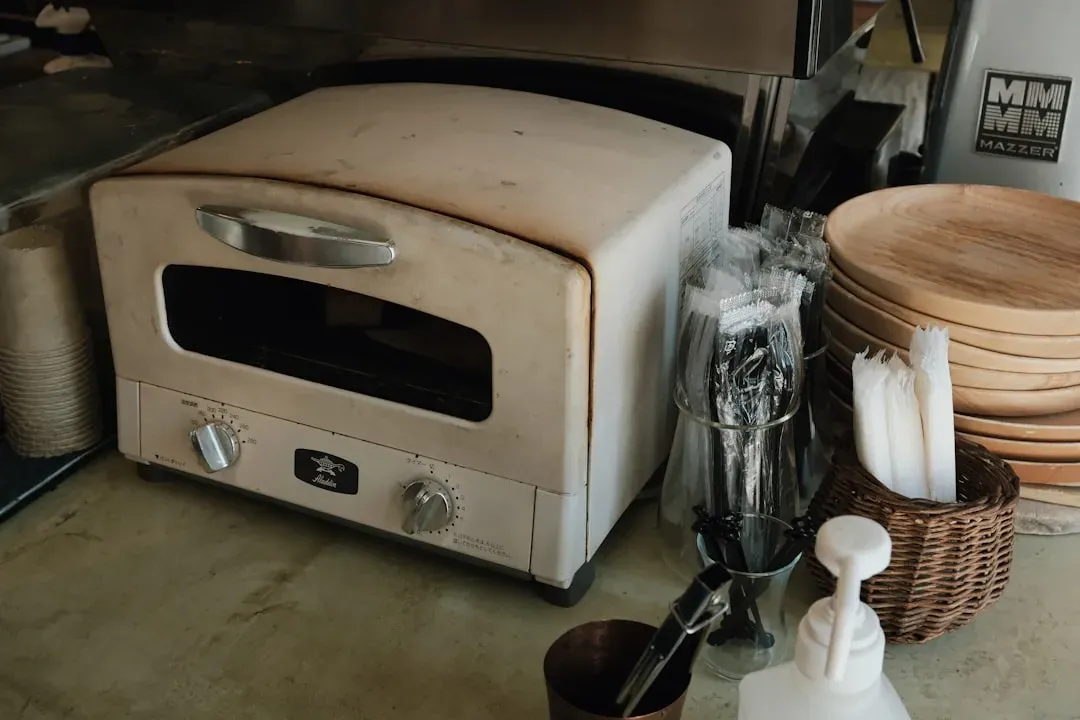
In 1945, Percy Spencer, a Raytheon engineer working with radar equipment, noticed a candy bar in his pocket had melted while he stood near an active magnetron. Spencer could have simply been annoyed about his ruined snack. Instead, his curiosity kicked in. He experimented with popcorn kernels, which became the world’s first microwaved popcorn, and discovered eggs exploded when exposed to microwaves.
Spencer filed for a patent on October 8, 1945. The first commercial microwave, called the Radarange, hit the market in 1947, weighing nearly 750 pounds and costing more than $2,000. It took decades for the technology to become affordable. It wasn’t until 1967 that the microwave caught on in American homes with Amana’s compact Radarange, and by 1975, a million units were sold annually. Today, this accidental invention sits in kitchens worldwide, heating our leftovers in minutes.
Post-It Notes: The Adhesive That Wouldn’t Stick

In 1968, Spencer Silver, a 3M researcher, was trying to create a super-strong adhesive for the aerospace industry when he accidentally created the opposite – a weak, low-tack adhesive that stuck lightly to surfaces and could be removed without leaving residue. For years, nobody at 3M saw the value. Silver promoted his “solution without a problem” within 3M for five years through seminars but failed to gain support.
In 1974, colleague Arthur Fry attended one of Silver’s seminars and realized the adhesive could anchor bookmarks in his hymn book at church. Once they started writing messages on their new notes to communicate around the office, they realized the full potential of the idea. The original canary yellow color was chosen by chance from scrap paper available in the lab next door. Post-It Notes launched commercially in 1980 and today are sold in more than 150 countries, with roughly a thousand different Post-It products available globally.
Viagra: The Heart Medication With an Unexpected Side Effect

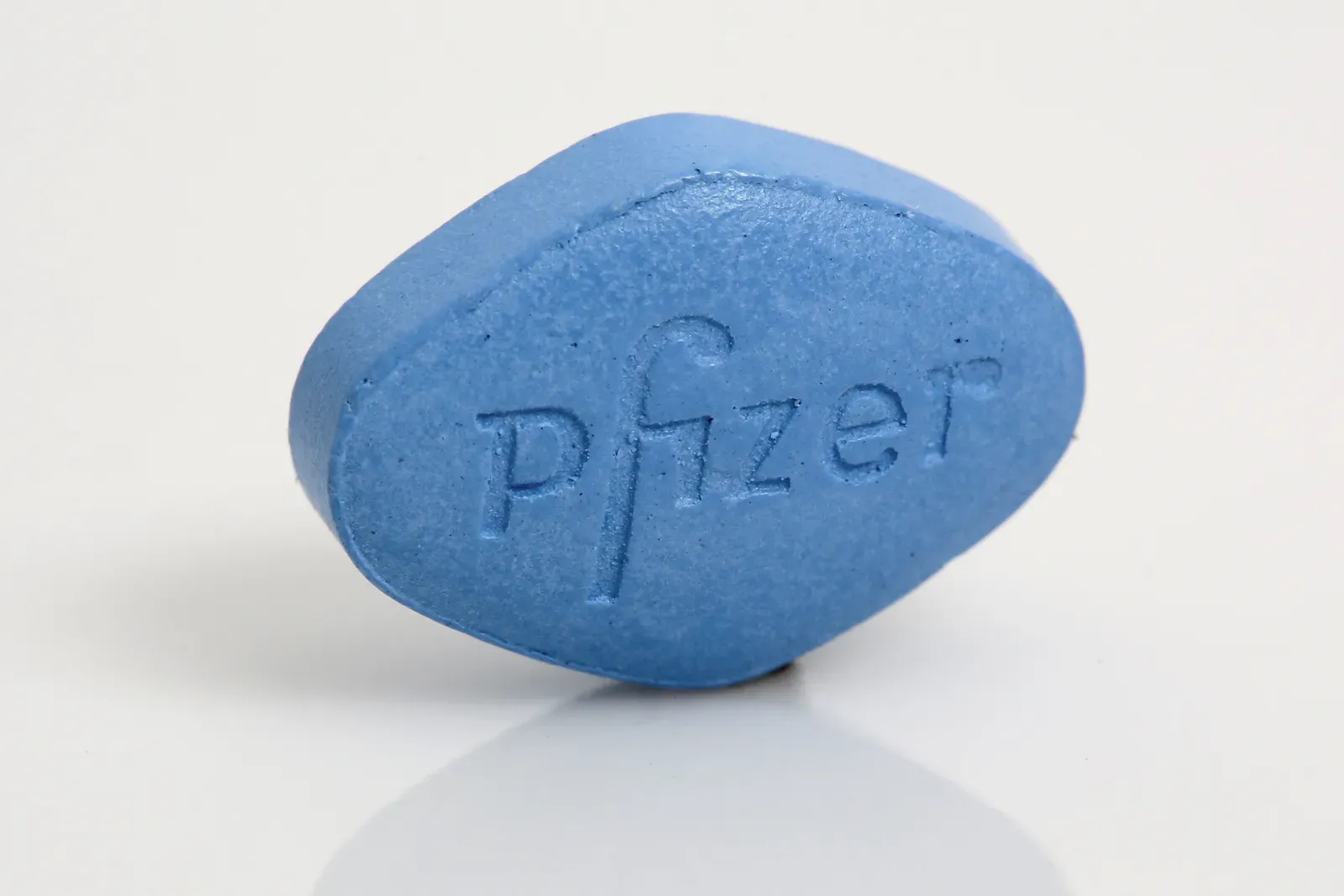
Sildenafil, the active ingredient in Viagra, was originally developed by Pfizer to treat cardiovascular problems by dilating the heart’s blood vessels through blocking the PDE-5 protein. Phase I clinical trials suggested the drug had little effect on angina, but it could induce marked penile erections, leading Pfizer to market it for erectile dysfunction instead.
According to John LaMattina, head of R&D at Pfizer during the research, nurses noticed men in the study were lying on their stomachs out of embarrassment because they were getting erections – the blood vessels dilating were in the penis rather than the heart. The drug was approved by the FDA on March 27, 1998, becoming the first oral treatment approved for erectile dysfunction in the United States. Annual sales of Viagra peaked in 2008 at nearly two billion dollars. What failed as a heart medication became one of the most recognized pharmaceutical brands in history.
X-Rays: Seeing Through the Invisible


In 1895, Wilhelm Roentgen discovered how to create an X-ray. He was experimenting with cathode ray tubes in his laboratory when he noticed a fluorescent glow on a nearby screen, even though the tube was covered. Roentgen realized he’d stumbled upon a new type of radiation that could pass through most substances, including human tissue, but not bones or metal. He called them X-rays because their nature was unknown.
His discovery led to the invention of many types of X-ray machines. Within months, doctors were using X-rays to examine broken bones and locate bullets in wounded soldiers. This accidental finding revolutionized medical diagnostics, allowing physicians to see inside the human body without surgery. Today, X-ray technology remains fundamental in healthcare, from detecting fractures to identifying tumors, all thanks to Roentgen’s curiosity about an unexpected glow.
The Pacemaker: A Wrong Resistor Saves Lives

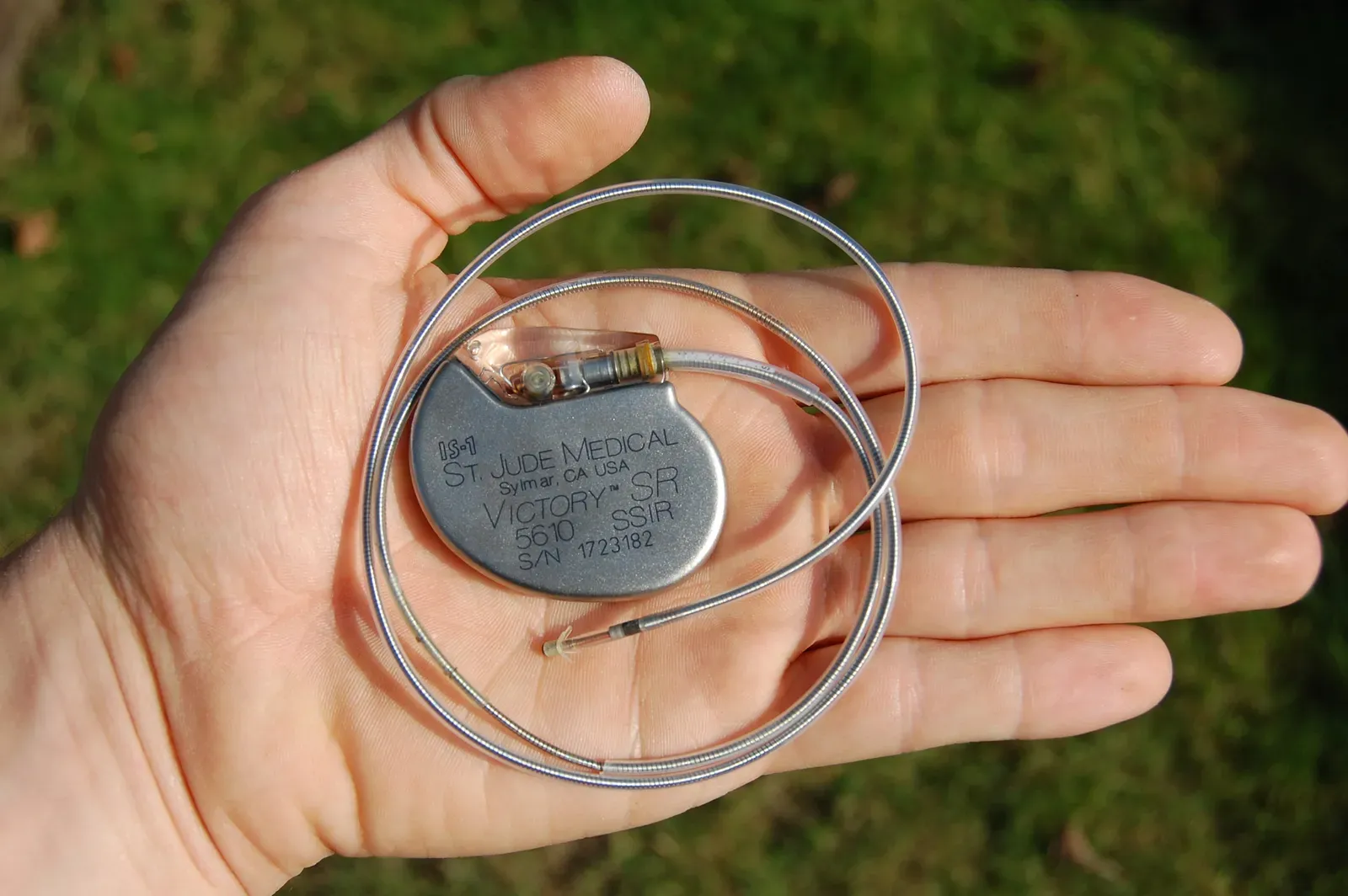
In 1956, Wilson Greatbatch, an engineering professor at the University of Buffalo, was working with an oscilloscope to listen to the heart when he mistakenly installed the wrong transistor in the device and found it gave off an electrical impulse like a heartbeat. While a kind of pacemaker existed at the time, it was large and caused dizziness, blackouts, and even death.
Greatbatch shared his invention with surgeon William Chardack at the Veterans Administration Hospital in Buffalo, and they began working together, first testing the pacemaker on dogs before testing it on people in 1957. The pacemaker allowed many individuals with heart problems to lead normal lives without worrying about the side effects caused by earlier models. This simple mistake with a resistor led to a device that has saved countless lives and continues to help people worldwide manage heart conditions effectively.
Vulcanized Rubber: The Spill That Changed Transportation

Vulcanized rubber originated from unexpected results during experiments. Charles Goodyear spent years trying to make rubber usable in different temperatures, as natural rubber became brittle in cold and sticky in heat. Legend has it that in 1839, Goodyear accidentally dropped a mixture of rubber and sulfur onto a hot stove. Instead of melting as expected, the rubber charred like leather yet remained flexible and strong.
This accident led to the vulcanization process, which made rubber durable and weather-resistant. The discovery transformed industries from automotive to manufacturing. Vulcanized rubber became essential for tires, allowing automobiles to function reliably in various climates. Without this accidental spill, modern transportation as we know it might look entirely different. Goodyear never became wealthy from his discovery, but his name lives on in one of the world’s largest tire companies.
Teflon: The Slippery Substance Nobody Planned


Teflon originated from unexpected results during experiments. In 1938, Roy Plunkett, a chemist at DuPont, was researching refrigerants when he opened a pressurized canister of tetrafluoroethylene gas and found it had mysteriously polymerized into a white, waxy substance. This strange material was incredibly slippery and resistant to heat and chemicals. Plunkett had no immediate use for it, but DuPont recognized its potential.
Initially used in the Manhattan Project for handling corrosive materials, Teflon eventually found its way into kitchens worldwide as a non-stick coating for cookware. The material revolutionized cooking, making cleanup easier and reducing the need for cooking oils and fats. From frying pans to industrial applications, Teflon’s versatility stems from a chemist’s curiosity about an unexpected substance in a gas cylinder. Sometimes the best discoveries happen when experiments don’t go as planned.
Safety Glass: A Dropped Flask Creates Protection


Safety glass originated from unexpected results during experiments. In 1903, French chemist Édouard Bénédictus accidentally knocked a glass flask off a shelf in his laboratory. When he examined the shattered flask, he noticed the glass fragments stuck together instead of scattering across the floor. The flask had previously contained cellulose nitrate, which left a plastic coating on the interior.
Bénédictus initially didn’t pursue this observation, but years later, after reading about injuries from automobile accidents involving shattered windshields, he remembered the flask. He developed laminated safety glass by placing a layer of cellulose between two sheets of glass. This invention dramatically reduced injuries in car accidents and is now standard in vehicles worldwide. A clumsy moment in the lab led to a safety feature that has prevented countless injuries and saved numerous lives on the roads.
Saccharin: The Sweet Discovery on a Chemist’s Hands

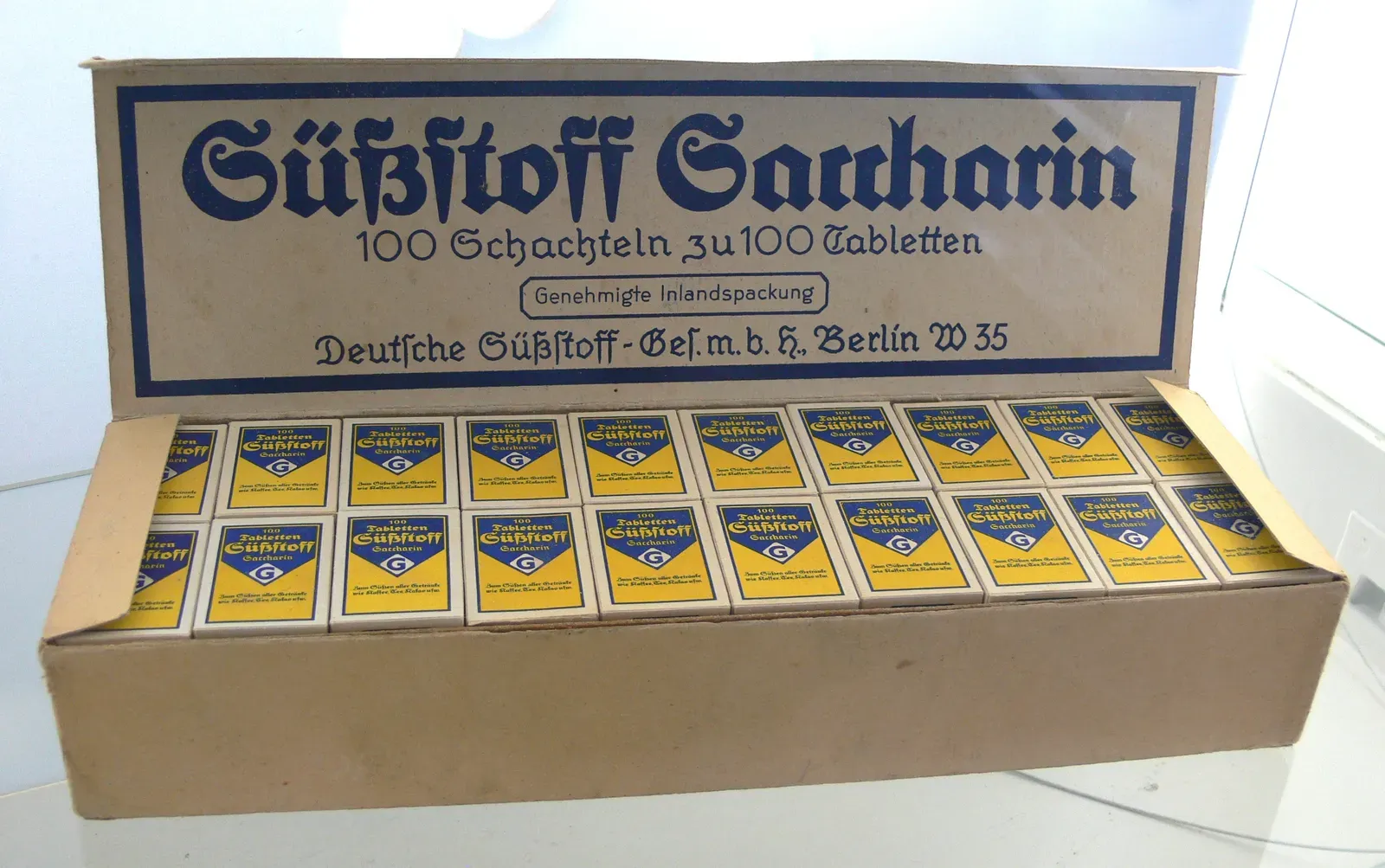
In 1879, chemist Constantin Fahlberg was researching coal tar derivatives at Johns Hopkins University. After a long day in the lab, he went home for dinner without thoroughly washing his hands. When he bit into a bread roll, he noticed it tasted remarkably sweet. Realizing the sweetness came from a compound on his fingers, he rushed back to the laboratory to identify the substance.
Fahlberg had accidentally created saccharin, the first artificial sweetener, roughly three hundred times sweeter than sugar. He patented the compound and began commercial production. Saccharin became especially popular during sugar shortages in World Wars I and II. While its safety was questioned over the years, it remains in use today in diet products and as a sugar substitute. This discovery revolutionized the food industry and gave diabetics and dieters an alternative to sugar, all because one chemist didn’t wash his hands before dinner.
Corn Flakes: A Forgotten Wheat Dough Becomes Breakfast

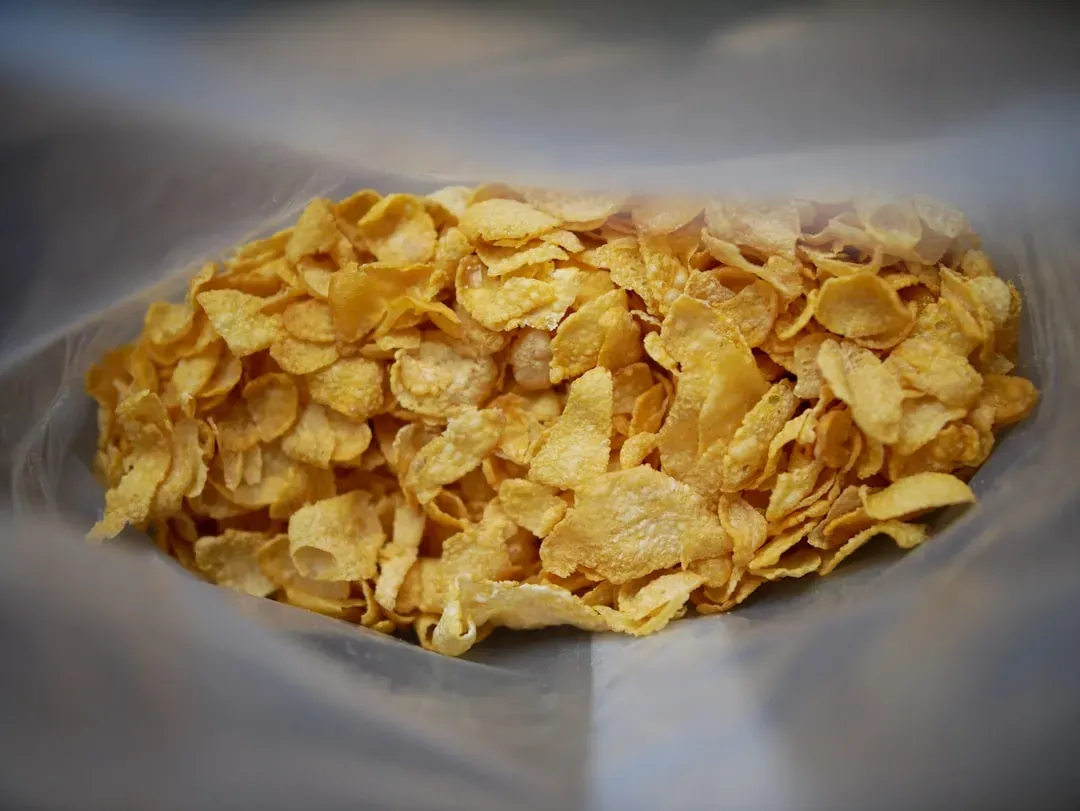
In 1894, Dr. John Harvey Kellogg and his brother Will Keith Kellogg were running a sanitarium in Battle Creek, Michigan, where they sought healthy food options for patients. While experimenting with wheat dough, they were called away unexpectedly, leaving the dough to sit out overnight. When they returned, the dough had gone stale, but rather than waste it, they decided to process it anyway.
They rolled the stale dough through rollers, expecting sheets, but instead got flakes. After toasting these flakes, they discovered they had a crunchy, tasty product. The Kelloggs initially made the flakes from wheat, but later switched to corn, creating Corn Flakes. Will Keith Kellogg founded the Kellogg Company in 1906, and the breakfast cereal industry was born. A forgotten batch of dough transformed morning meals worldwide, proving that kitchen mistakes can lead to billion-dollar industries.
Silly Putty: The Rubber Substitute That Bounced Into Toy Stores


During World War II, the U.S. government desperately needed rubber alternatives for military use since supplies from Asia were cut off. In 1943, engineer James Wright at General Electric was experimenting with silicone when he combined boric acid with silicone oil. The result was a strange, bouncy substance that stretched, bounced higher than rubber, and could copy newsprint when pressed against it.
Despite its interesting properties, the substance had no practical wartime applications. Samples were sent to scientists worldwide, but nobody found a use for it. In 1949, marketing consultant Peter Hodgson saw the potential as a toy. He packaged it in plastic eggs and named it Silly Putty. It became an immediate hit, especially after being featured in The New Yorker. The failed rubber substitute became one of the most beloved toys of the twentieth century, entertaining generations of children with its unique properties.
Champagne: The Wine That Kept Exploding


In the seventeenth century, winemakers in the Champagne region of France faced a frustrating problem. Their wines would mysteriously start fermenting again after being bottled, creating pressure that caused bottles to explode in their cellars. This secondary fermentation happened because cold winters halted the process, which then restarted in spring when temperatures rose. Winemakers considered this a disaster.
Benedictine monk Dom Pérignon initially tried to eliminate these bubbles, viewing them as a flaw. However, over time, people began appreciating the sparkling wine’s unique taste and effervescence. Winemakers learned to control the process and strengthen bottles to withstand the pressure. What was once considered a winemaking failure became one of the world’s most celebrated beverages. Champagne is now synonymous with luxury and celebration. Sometimes the best things come from embracing the unexpected rather than fighting against it. This “mistake” created an entire category of sparkling wines enjoyed globally.
The Power of Accidental Discovery
These thirteen inventions share a common thread beyond their accidental origins. They remind us that innovation doesn’t always follow a straight path. The scientists and inventors behind these discoveries possessed curiosity, flexibility, and the wisdom to recognize opportunity in unexpected outcomes. Fleming didn’t discard his contaminated petri dish. Spencer didn’t just shrug off his melted chocolate. Silver persisted with his weak adhesive for years until someone found the right application.
The lesson here extends beyond laboratories and research facilities. In our own lives, mistakes and accidents can lead to unexpected breakthroughs if we stay observant and open-minded. The next time something doesn’t go according to plan, perhaps it’s worth taking a second look. After all, the moldy dish, the melted candy bar, and the failed adhesive all seemed like setbacks at first. What accidental discovery might be waiting in your own life?


