There’s something strange about watching a film and then, years later, standing in the exact spot where a scene was shot. The light hits differently. The place feels smaller, or bigger, or just oddly familiar in a way that no photograph quite prepares you for. Some movie locations have quietly slipped into everyday travel itineraries, drawing visitors who never expected a farm, a castle, or a beach to become part of their bucket list. Below are ten places where a film didn’t just use a backdrop. It reshaped how the world sees, visits, and remembers that spot.
1. Hobbiton, New Zealand

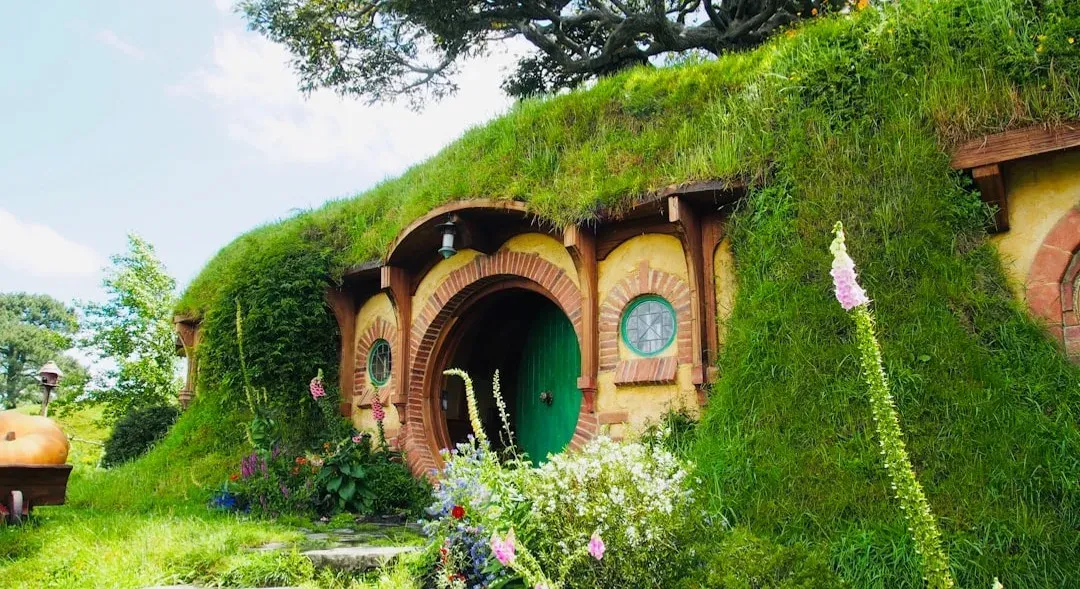
Hobbiton started as a working sheep farm in the Waikato region before Peter Jackson’s crew turned it into the Shire for the Lord of the Rings and Hobbit trilogies. Rather than tear the set down after filming wrapped, the Alexander family kept it standing, and it eventually opened to the public as a permanent attraction. The location is actually on a family’s farm that is still an active sheep farm, and after shooting the last three Hobbit movies, they decided to keep the set on location and open it to the public.
The numbers tell their own story. Hobbiton’s general manager said that about 600,000 visitors came to the movie set last year, with a similar number projected for this year, including fans making the journey for the anniversary. Tourism officials note the site’s outsized pull with American travelers specifically, since Tourism New Zealand says Hobbiton is the most recognized New Zealand location among U.S. travelers.
2. Dubrovnik, Croatia

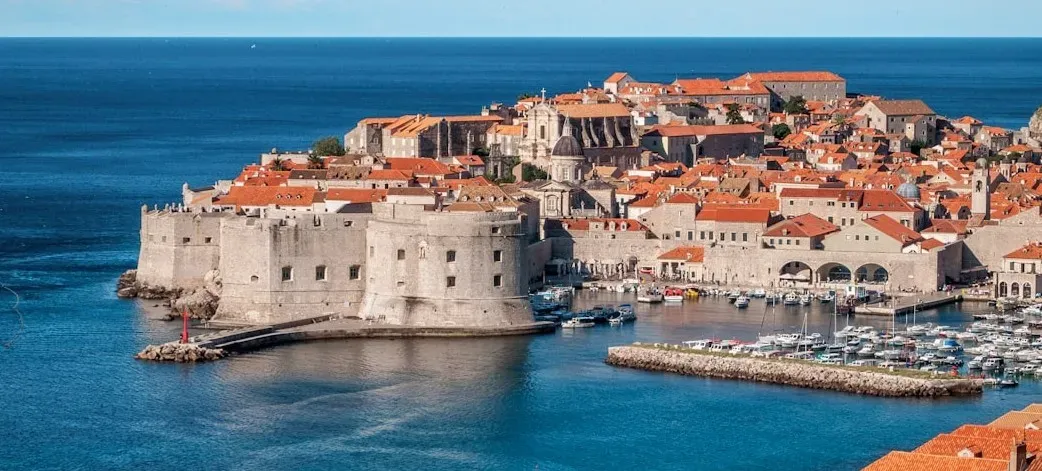
Long before cameras arrived, Dubrovnik was already a well regarded Adriatic destination with its intact medieval walls and marble streets. What changed after 2011 was the scale of interest, once the city began doubling as a fictional capital in film and television productions shot across its Old Town. The number of tourists flocking to Dubrovnik has surged in recent years, with the city recognised not only for its historical heritage but also as the backdrop of several films and TV shows.
Local officials have had to manage the surge rather than simply celebrate it. Dubrovnik’s mayor planned to cap the number of visitors scaling the city’s medieval walls at 4,000 a day, half of the number originally suggested by UNESCO. The city has also drawn feature film productions, including scenes for the Star Wars saga, adding another layer to its screen tourism appeal.
3. Alnwick Castle, England

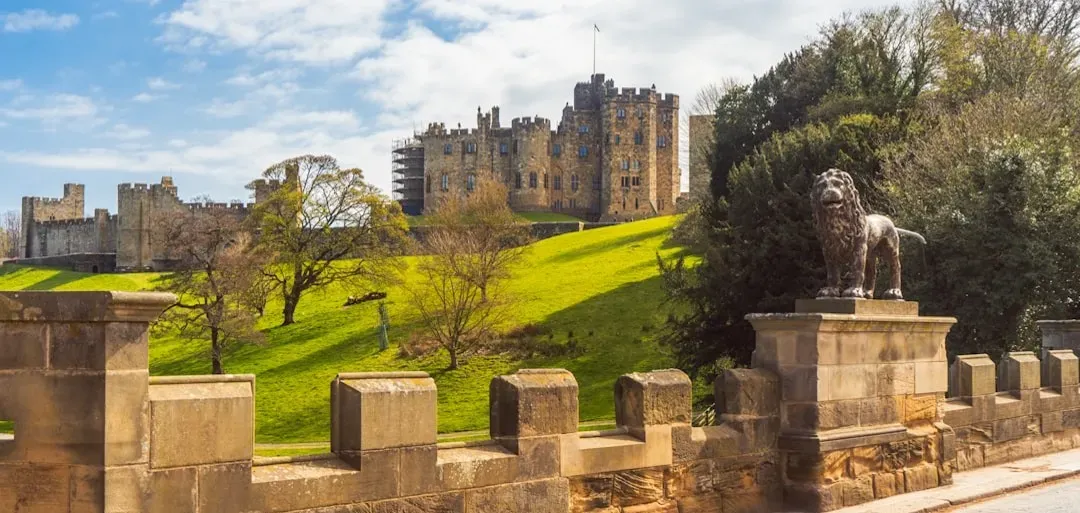
Alnwick Castle in Northumberland had centuries of history behind it long before Harry Potter arrived, but the films gave it a new identity almost overnight. Its courtyard doubled as the grounds where Harry learned to fly a broomstick in the earliest films in the series. Visitor numbers climbed sharply in the years following release, and the castle leaned into the association rather than resisting it.
Today the estate runs broomstick training sessions aimed squarely at fans rather than history buffs alone. It’s an interesting case of a stately home choosing to embrace pop culture tourism as a genuine complement to its historical tours, not a distraction from them. The castle’s owners have been fairly open about how much the films widened their visitor base beyond traditional heritage tourists.
4. Maya Bay, Thailand

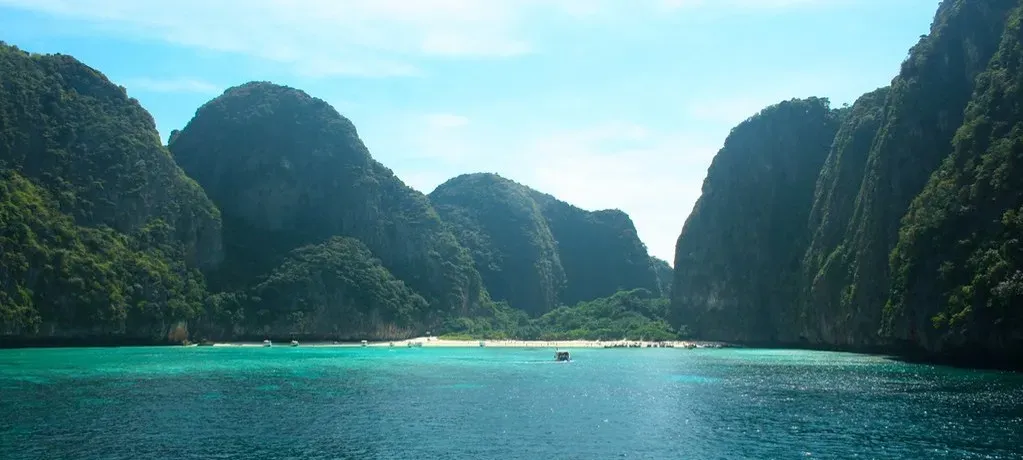
Maya Bay on the island of Ko Phi Phi Leh became globally recognizable after Leonardo DiCaprio’s 2000 film The Beach was shot there. The cove’s turquoise water and dramatic limestone cliffs were striking enough on their own, but the film turned it into a pilgrimage site for backpackers chasing a specific cinematic fantasy of escape.
The popularity eventually became its own problem. Boat traffic and swimmer numbers grew so intense that Thai authorities closed the bay entirely for several years starting in 2018 to let coral reefs and marine life recover. It reopened with strict visitor caps and a no swimming policy near the reef, a rare example of a film location prompting an actual environmental intervention.
5. Bran Castle, Romania

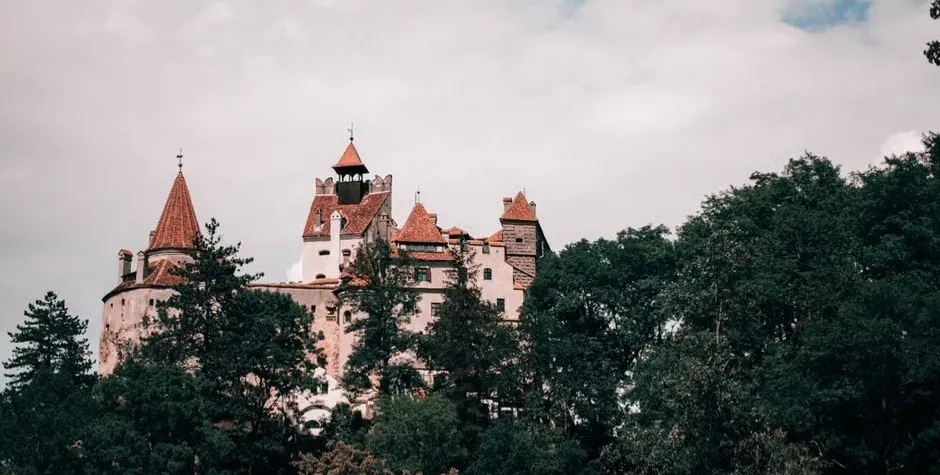
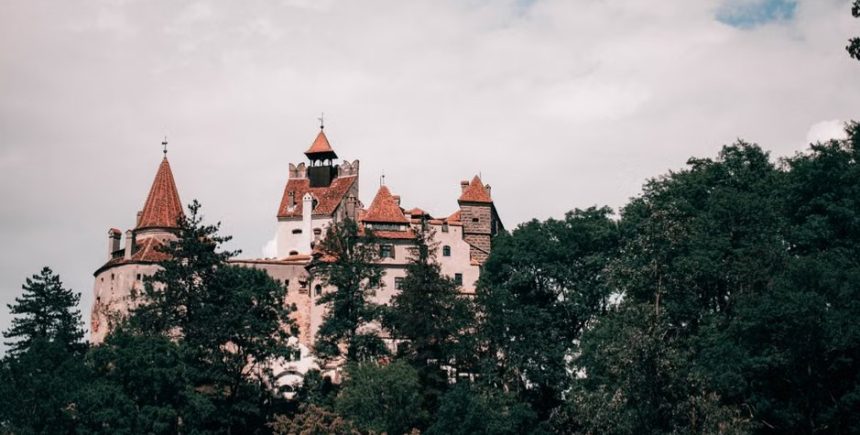
Bran Castle sits in the Carpathian foothills and has long been marketed, somewhat loosely, as the inspiration behind Bram Stoker’s Dracula, despite no strong historical link to Vlad the Impaler ever living there. Still, decades of Dracula themed films and adaptations cemented the castle’s association with the legend in the popular imagination.
Romanian tourism boards have not shied away from the connection, and the castle now draws hundreds of thousands of visitors annually, many explicitly drawn by vampire lore rather than the building’s genuine medieval history. Halloween season sees a particular spike, with themed events built around the Dracula mythology rather than the castle’s actual royal past. It’s a case where cinematic myth has outpaced documented fact, yet the tourism appeal remains entirely real.
6. Forks, Washington, USA

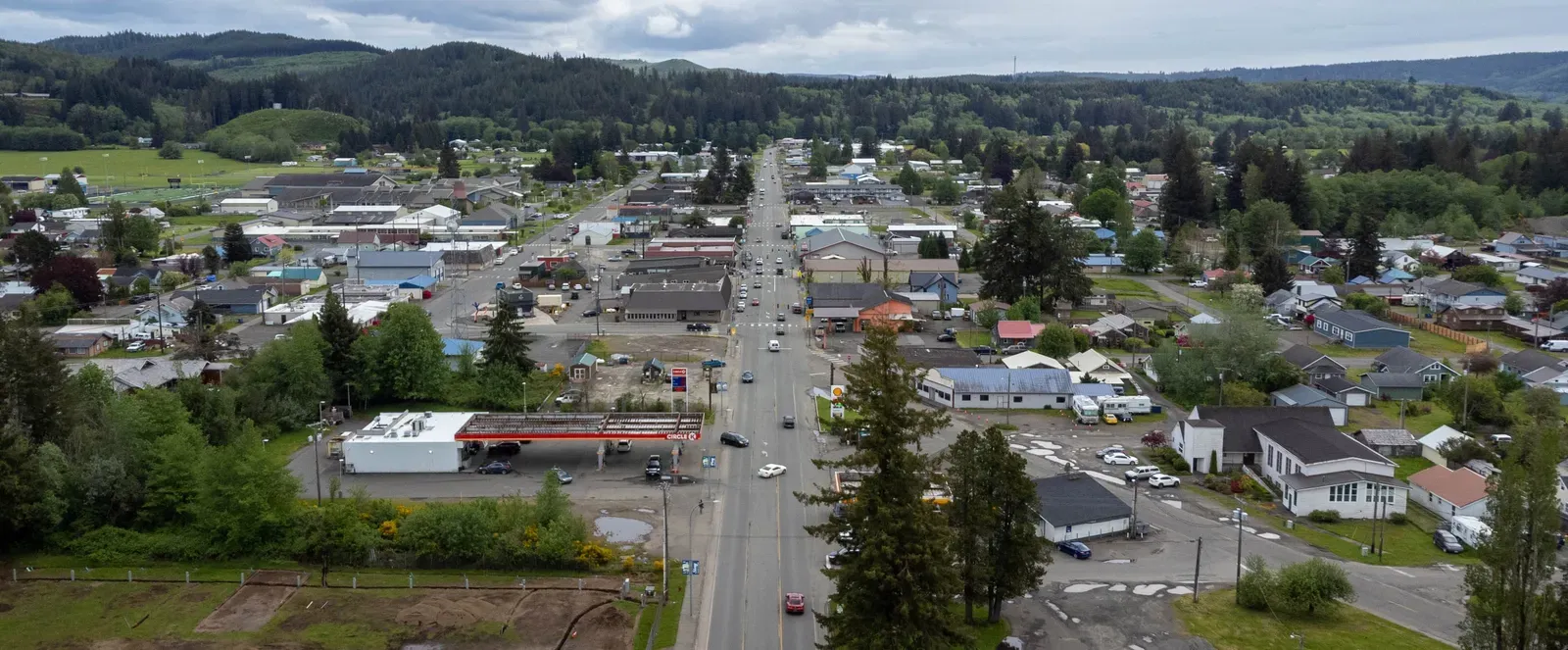
Forks was a quiet logging town in the Olympic Peninsula until Stephenie Meyer set her Twilight novels there, and the subsequent film adaptations sent fans searching for the misty, overcast setting described on the page. The town itself wasn’t actually used for most filming, yet that hasn’t stopped it from becoming the unofficial pilgrimage site for Twilight fandom.
Local businesses built an entire tourism economy around the association, including a replica of the Cullen family’s house and themed shops selling merchandise tied to the saga. Visitor numbers to the town rose noticeably during the franchise’s peak years in the late 2000s and early 2010s. Even now, well over a decade after the last film, Forks continues to draw a steady trickle of fans making the trip specifically because of the books and movies.
7. Skellig Michael, Ireland

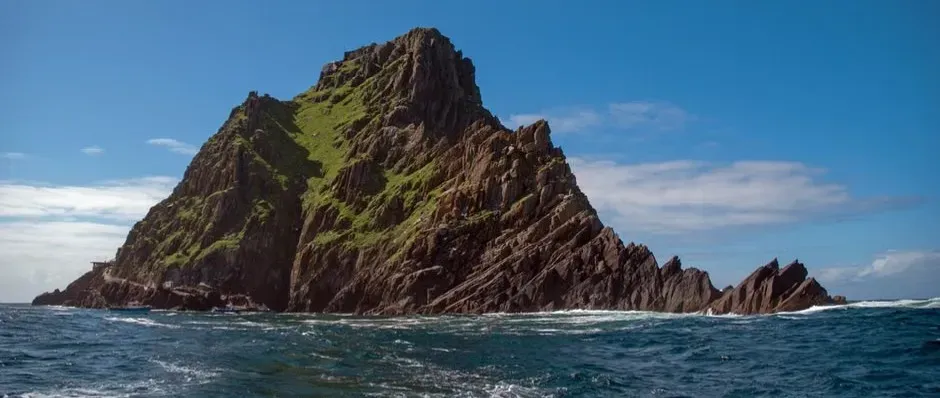
This remote island off Ireland’s southwest coast had been a UNESCO World Heritage Site for its sixth century monastic ruins long before Star Wars scouts spotted it. Its appearance as Luke Skywalker’s hideaway in The Force Awakens and The Last Jedi introduced the island to an entirely new audience with no prior interest in early Christian archaeology.
Access has always been limited by weather and boat capacity, and demand from Star Wars fans has made those already scarce landing permits even harder to secure. Boat operators running trips from Portmagee report booking out well in advance during peak summer months, driven largely by the film connection. The island’s isolation, once its main defining feature for historians, is now part of its appeal for a very different kind of visitor.
8. The Louvre, Paris, France

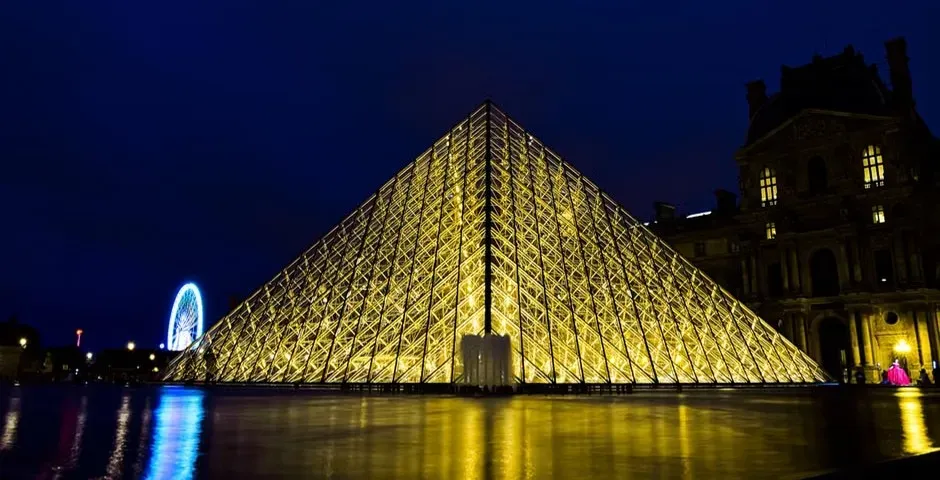
The Louvre hardly needed a boost in visibility, given its status as one of the most visited museums on earth. Still, the 2006 film adaptation of The Da Vinci Code, much of it set within the museum’s glass pyramid and galleries, sparked a distinct wave of visitors chasing the novel and film’s puzzle plot rather than the art itself.
Guided tours built specifically around the film’s storyline appeared in the years following its release, walking fans through the supposed clues embedded in the museum’s architecture. The pyramid entrance in particular became a specific photo stop tied directly to the film’s imagery. It’s a rare example of a location that was already a top tier attraction gaining a secondary, film driven layer of tourist interest on top of its existing fame.
9. Savannah, Georgia, USA

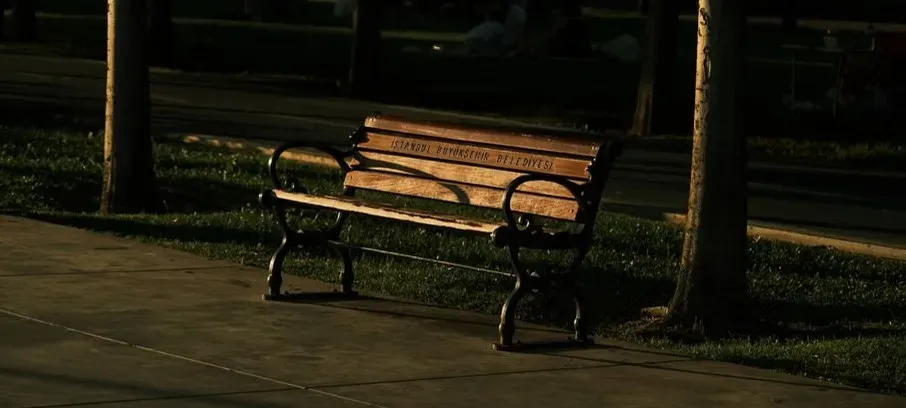
Savannah’s oak lined squares and antebellum architecture made it a natural filming location well before Forrest Gump arrived in 1994, but the film’s bench scenes, actually shot on a set built for the production rather than an existing public bench, gave the city a specific pop culture landmark almost overnight. Fans still ask locally about the bench’s whereabouts, even though the original prop moved to the Savannah History Museum decades ago. Tour companies in the city built entire itineraries around Forrest Gump filming spots, layering movie tourism onto Savannah’s already established reputation for historic walking tours. The city’s visitor bureau has leaned into the association over the years, treating it as one thread among many in Savannah’s broader tourism identity rather than the sole draw. It’s a gentler example of film tourism, one location among a city full of them rather than the single defining reason to visit.
10. Vatnajökull Glacier region, Iceland

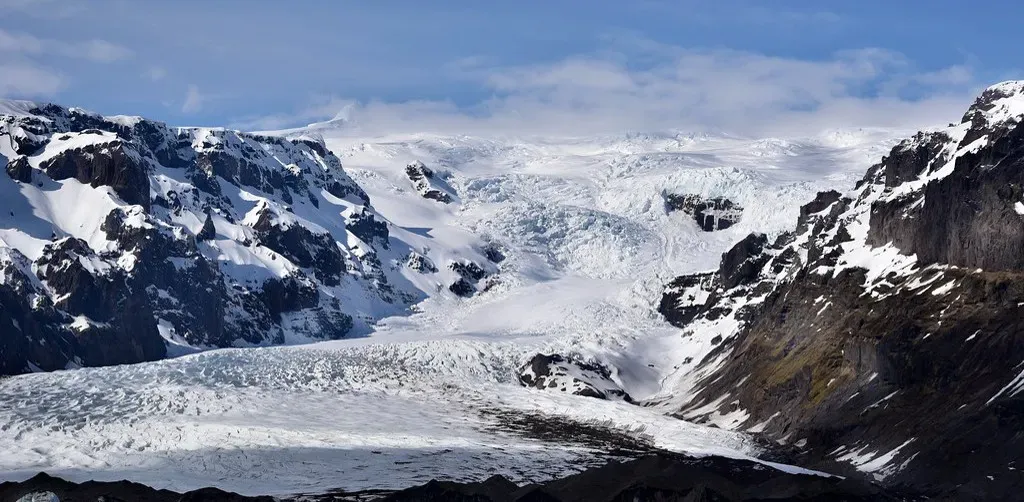
Iceland’s dramatic, otherworldly terrain has attracted filmmakers for decades, and the Vatnajökull glacier region specifically stood in for alien and icy planetscapes in films including Interstellar and scenes from the Star Wars and Batman franchises. The stark, almost lunar quality of the landscape needed little digital enhancement to look convincingly extraterrestrial on screen. Iceland’s broader tourism boom over the past decade has multiple causes, but film and television tourism is consistently cited by the country’s tourism board as a meaningful contributor, particularly among visitors specifically seeking out glacier lagoons and black sand beaches featured in famous productions. Tour operators in the region now offer itineraries explicitly marketed around filming locations, pairing natural history with movie trivia. For a country whose population is famously small relative to its visitor numbers, cinema has become one more reliable reason for people to keep arriving.
Each of these places existed long before a camera crew showed up, and each will likely outlast the specific films that made them famous. What lingers isn’t really the movie itself but the odd, durable habit travelers have of wanting to stand exactly where a story once unfolded, even a fictional one.