


Some characters just outgrow their own movies. They jump off the screen, land on t-shirts, become Halloween costumes for decades, and turn into cultural shorthand for entire personality types. Meanwhile, the actual films that introduced them get quietly forgotten by all but the most dedicated trivia enthusiasts. It’s a strange kind of fame, really. A character becomes so iconic that people quote them, reference them, or dress up as them without ever having seen the source material. Here are ten cases where the creation eclipsed its own origin story.
1. Freddy Krueger (A Nightmare on Elm Street)

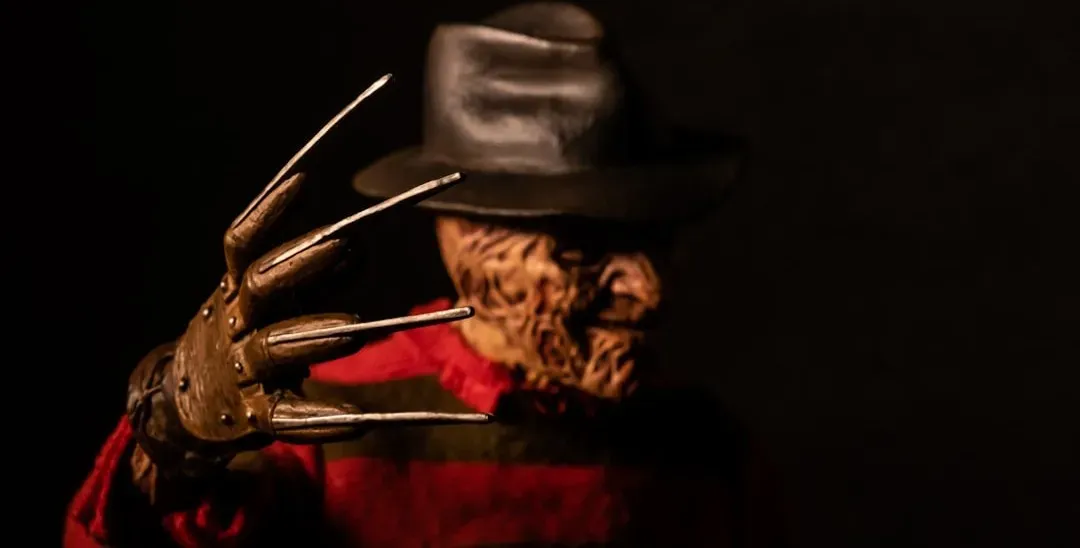
Freddy Krueger has become one of horror’s most recognizable faces, complete with the striped sweater, the burned skin, and that razor glove. While the original 1984 film is respected among horror fans, Freddy himself transcended the franchise entirely, appearing in commercials, video games, and countless pop culture references that have nothing to do with the plot.
Most people can describe Freddy’s look and his taunting voice without being able to summarize what actually happens in the first movie. He’s become shorthand for nightmare logic itself, a character so embedded in the cultural imagination that his image now exists somewhat independently from the story that created him.
2. Hannibal Lecter (The Silence of the Lambs)


Hannibal Lecter is arguably the most quoted cannibal in film history, yet ask someone to walk you through the actual plot of Silence of the Lambs beyond “FBI agent talks to serial killer” and things get vague fast. The character has spawned prequels, sequels, and an entire television series, each one leaning harder into Lecter’s persona than the original mystery that introduced him.
Anthony Hopkins won an Oscar for a role with limited screen time, which says something about how a character can dominate a narrative from the margins. Lecter’s calm menace became the template for a certain kind of movie villain, one whose fame now feels bigger than the specific story that launched him.
3. The Terminator (The Terminator)

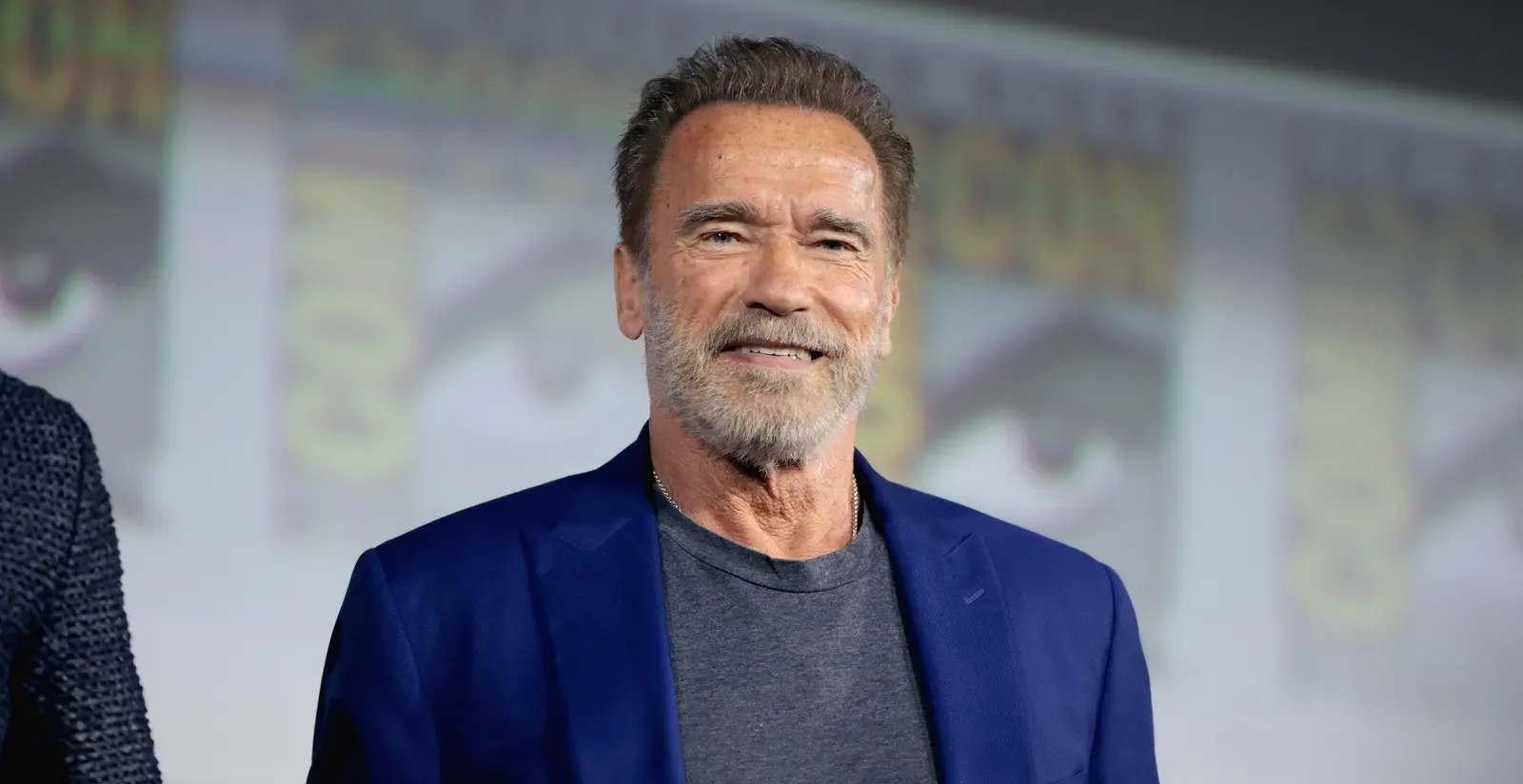
Arnold Schwarzenegger’s cyborg assassin became such a towering pop culture figure that the phrase “I’ll be back” is instantly recognizable to people who have never watched the 1984 original. The character’s silhouette, the sunglasses, the flat delivery, all of it became more iconic than the low budget sci-fi thriller that started the whole thing.
James Cameron’s original film was a modest hit before it became a classic in retrospect, but the Terminator character itself grew into something closer to a mascot for an entire genre of killer robot storytelling. Sequels, spinoffs, and endless parodies have kept the character’s fame running well past what the first movie’s box office numbers would have predicted.
4. Jack Sparrow (Pirates of the Caribbean: The Curse of the Black Pearl)

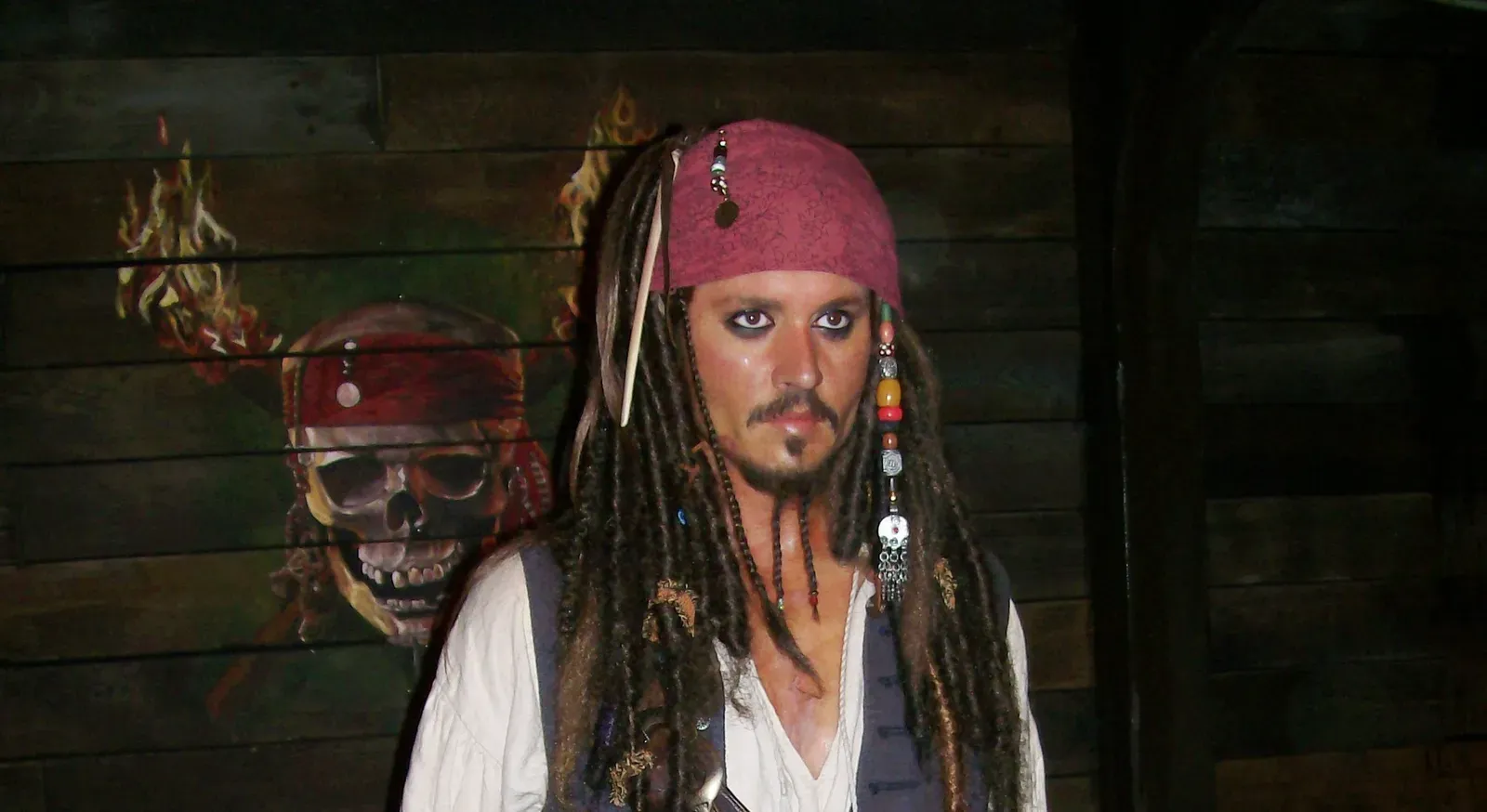
Johnny Depp’s performance as Captain Jack Sparrow was reportedly unlike anything Disney executives expected when they first saw his dailies, and the character went on to define an entire franchise built around a theme park ride. Sparrow’s mannerisms, his slurred speech, and his wobbly gait became instantly imitable, spawning a wave of impersonations at parties and school talent shows for years afterward.
The first film is genuinely well regarded, but Sparrow’s fame stretched far beyond the specifics of that plot, becoming a costume staple and a comedic reference point independent of the actual story about cursed pirate gold. He’s one of the rare cases where a supporting character effectively became the entire brand.
5. Chucky (Child’s Play)

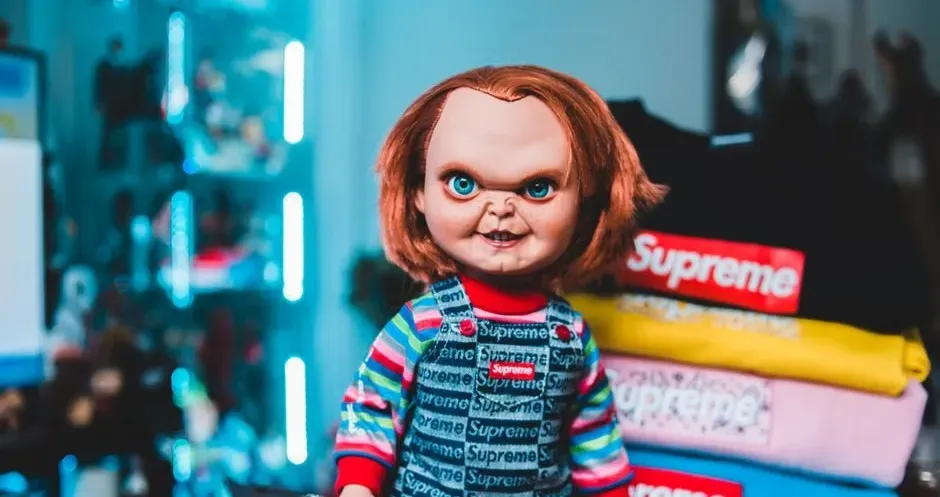
A killer doll voiced with unsettling glee, Chucky became a horror icon whose face is recognizable even to people who have never sat through the 1988 film that introduced him. The character has anchored a franchise spanning multiple decades, including a recent television series that kept him relevant well into the 2020s.
Chucky’s fame rests on a simple but effective idea, a childhood toy turned menace, and that concept alone has carried him further than most people remember the specifics of the original movie’s storyline. He’s become a Halloween staple, proving that sometimes a strong visual gimmick outlasts the narrative that built it.
6. Michael Myers (Halloween)

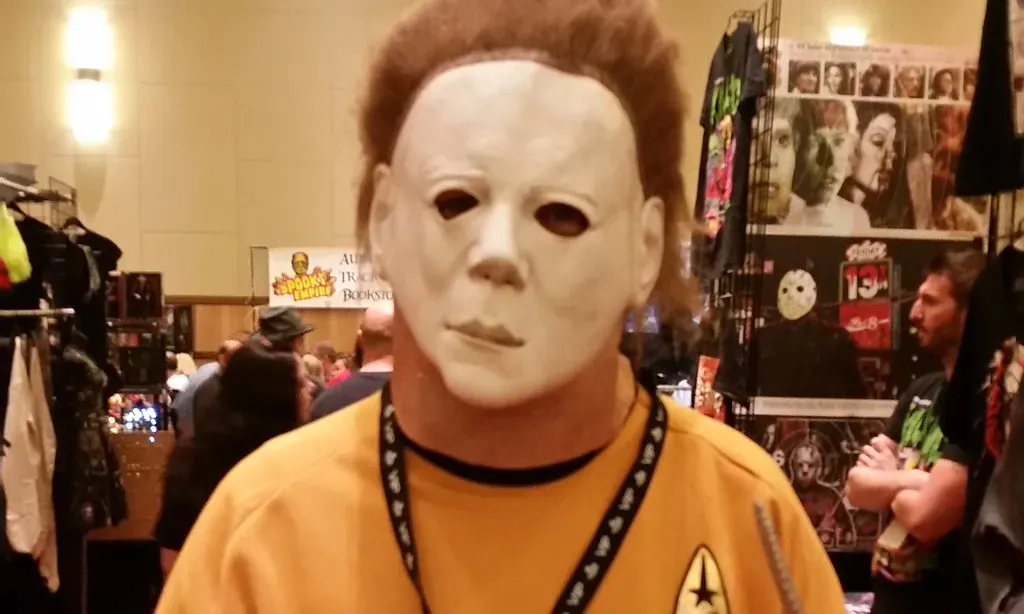
The blank white mask and slow, silent walk of Michael Myers turned into one of horror’s most enduring images, arguably surpassing general public memory of the 1978 film’s actual plot details. John Carpenter’s low budget slasher became a genre-defining hit, but it’s Myers himself, wordless and relentless, who became the lasting cultural symbol.
Decades of sequels, reboots, and a 2018 direct sequel that ignored most of the other films kept Myers in the spotlight long after casual audiences forgot the specifics of Laurie Strode’s babysitting night. The mask alone has become a recognizable Halloween decoration independent of any single film’s narrative.
7. Norman Bates (Psycho)


Alfred Hitchcock’s Psycho is a landmark of cinema, but Norman Bates as a character, particularly his relationship with his mother and the Bates Motel, took on a life that extended well beyond the 1960 film itself. The character inspired a prequel television series, Bates Motel, that ran for five seasons and explored his backstory in ways the original movie never did.
Anthony Perkins’ portrayal became shorthand for a specific type of psychological horror villain, one whose fame is now tied more to the general concept of a disturbed motel owner than to the specific twists of Hitchcock’s plot. Even people unfamiliar with the shower scene’s context know the name Norman Bates as a kind of cultural reference point.
8. Ferris Bueller (Ferris Bueller’s Day Off)

Ferris Bueller became the platonic ideal of the charming teenage schemer, a character whose day off from school turned into one of the most referenced high school movie premises of all time. Matthew Broderick’s performance, combined with quotable lines and that famous parade sequence, gave Ferris a cultural footprint that arguably exceeds how often people actually rewatch the full 1986 film.
The character’s name alone has become synonymous with skipping responsibilities in style, showing up in unrelated pop culture references decades after the movie’s release. Ferris represents a case where the vibe of a character outlived the specific narrative details of his one adventurous day.
9. Gollum (The Lord of the Rings: The Two Towers)

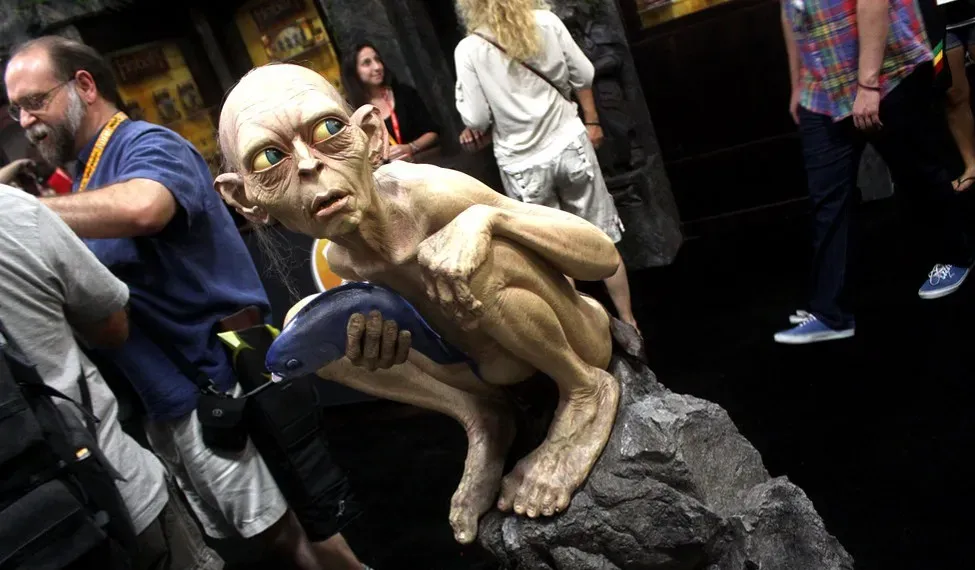
Andy Serkis’s motion capture performance as Gollum became a technical marvel that reshaped how audiences thought about digital characters in film, and Gollum’s split personality dialogue turned into one of the most quoted bits in fantasy cinema. While The Two Towers itself is well loved by fans of the trilogy, Gollum’s specific scenes and mannerisms have taken on an internet life of their own, separate from the broader plot about the Ring’s journey to Mordor.
Gollum memes, parodies, and impressions have circulated for over two decades, often stripped of any context about the larger story of hobbits and orcs. The character became a symbol of internal conflict and obsession that resonates even with people who couldn’t summarize the trilogy’s full narrative arc.
10. The Babadook (The Babadook)


The 2014 Australian horror film The Babadook received strong critical praise, but the titular monster took on a completely unexpected second life online starting around 2017, when internet communities began jokingly claiming the Babadook as a symbol within LGBTQ pride culture. This meme driven fame quickly outpaced general audience familiarity with the film’s actual story about a grieving mother and her troubled son.
The Babadook became such a recognizable internet figure that Netflix even acknowledged the joke by briefly listing the film under LGBT categories, which the streaming platform later confirmed was accidental due to metadata tagging. Today, plenty of people recognize the top hatted, clawed figure from memes and merchandise without having ever watched the film that created him.
Fame in film doesn’t always follow the movie itself. Sometimes a mask, a voice, a signature line, or a single unforgettable scene takes on a momentum all its own, carrying a character into cultural memory long after the specifics of the story fade. These ten cases show just how unpredictable that afterlife can be, with characters becoming bigger symbols than the narratives that gave them life in the first place.

