There’s a particular kind of longing that kicks in after you close a really good book. Not just the usual post-reading emptiness, but something more specific: the wish that the place you just left actually existed somewhere, in some form. That you could book a train ticket, pack a bag, and actually go there.
Some fictional worlds are constructed with such detail and such conviction that they feel more tangible than plenty of real destinations. These settings range from entirely invented worlds, as seen in high fantasy novels like J.R.R. Tolkien’s Middle-earth in “The Lord of the Rings,” to smaller, made-up towns situated within the familiar confines of our own planet, such as Gabriel García Márquez’s Macondo in “One Hundred Years of Solitude.” Here are ten of the most beloved fictional places that readers, generation after generation, simply can’t stop wanting to visit.
1. Middle-earth (The Lord of the Rings by J.R.R. Tolkien)
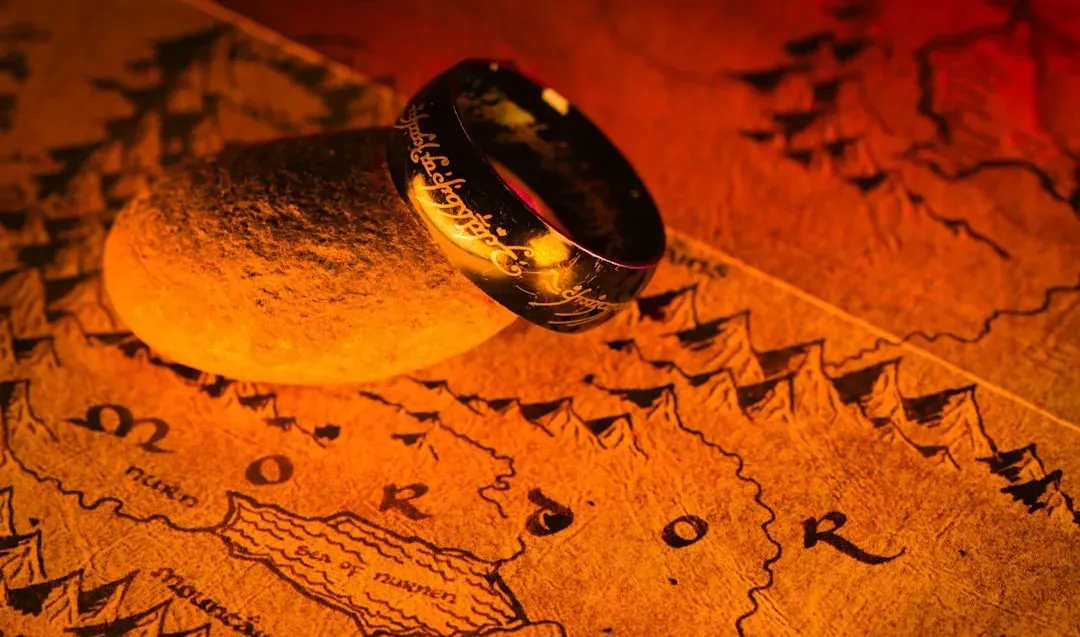
One of the most detailed imaginary places ever created, Middle-earth is the setting for some of history’s most famous fantasy fiction. Tolkien drew detailed maps of his magical world, and there’s a great deal to explore. For an enjoyable adventure, you could skip through the lush, green fields of the Shire with its friendly hobbits, or visit the breathtaking wood elves in the golden kingdom of Lothlórien. If you’re in the mood for something darker, there’s always Mordor.
Middle-earth offers something for everyone, from the elegant Rivendell, home to the elves, to the hobbit holes of the Shire. Tolkien’s attention to detail lets readers lose themselves in this world, imagining journeys across wild mountains or ancient forests. For many readers, Middle-earth is the gold standard for fictional realms, a place where the impossible feels possible and every journey is epic.
2. Hogwarts School of Witchcraft and Wizardry (Harry Potter by J.K. Rowling)
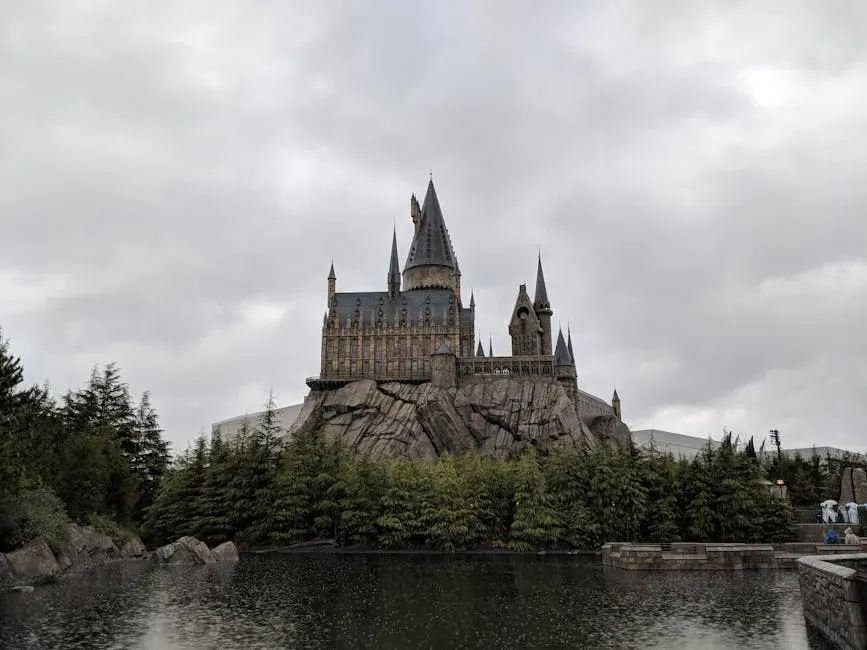
It’s hard to imagine anyone who has read the Harry Potter series not dreaming of walking through the great stone archways of Hogwarts. The castle itself feels alive, with staircases that shift, paintings that talk, and secret passageways waiting to be discovered behind every suit of armor. The idea of sitting in the Great Hall as floating candles flicker above, or attending a Defense Against the Dark Arts class, is pure magic for millions.
J.K. Rowling created a world filled with magic, complex and relatable characters, and exciting storylines that play to every fantasy-lover, especially if they grew up with the books. The film adaptations brought the wizarding world to screens and helped fans visualize the places in the pages. Even outside the pages, Hogwarts has captured hearts, and the popularity of places like the Wizarding World theme parks is proof that this fantasy endures. For some, Hogwarts isn’t just a school; it’s a second home, a place where outcasts find belonging and courage is found in the unlikeliest places.
3. Narnia (The Chronicles of Narnia by C.S. Lewis)
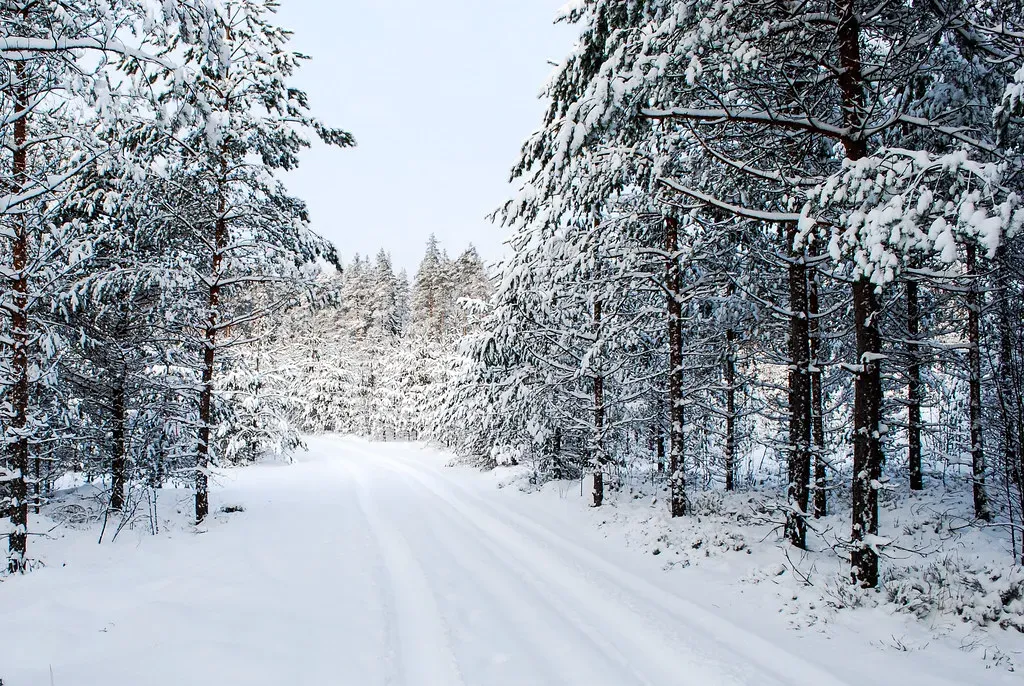
Stepping through a wardrobe into Narnia is one of fiction’s most exhilarating moments. C.S. Lewis’s world is full of talking animals, magical winters, and grand adventures that ask what it means to be brave and good. From the lamppost in the snowy woods to the majestic castle of Cair Paravel, Narnia is a place where the ordinary rules of reality don’t apply.
The mystical world of Narnia has a sky like a huge dome and is filled with magical beings called Star People, talking animals, and underground worlds to explore. Despite being full of danger and hazards, everyone wishes Narnia was just a short trip through their own wardrobe. Sure, there’s the terrifying White Witch and her haunting sorcery to watch out for, but there are also tonnes of snow and mythical creatures.
4. The Shire (The Lord of the Rings and The Hobbit by J.R.R. Tolkien)
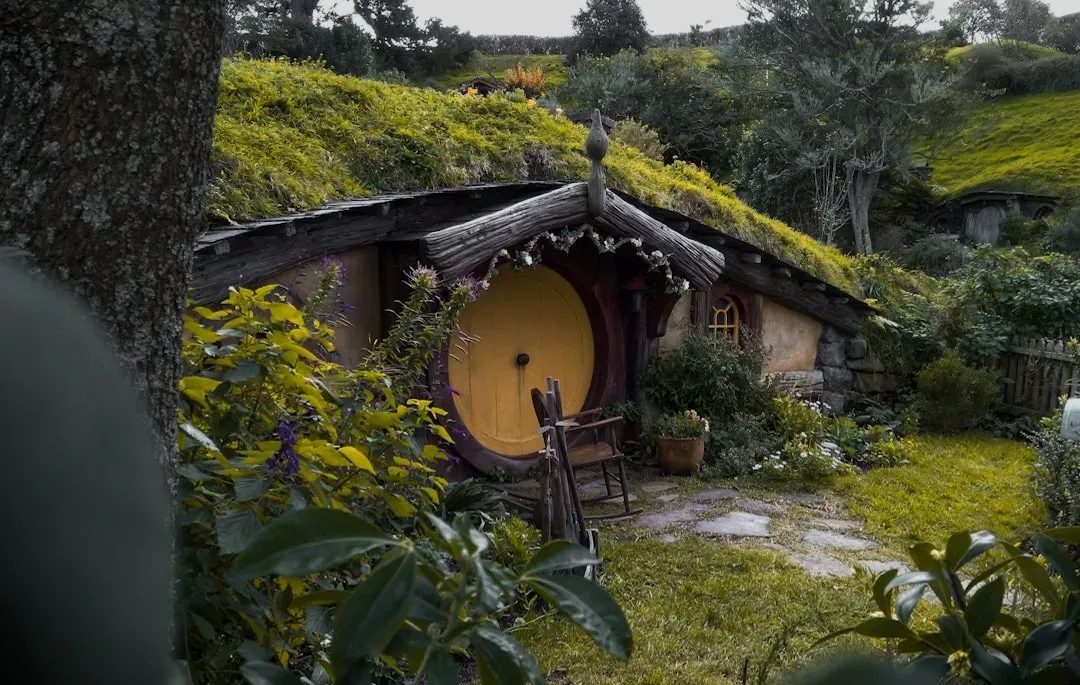
The Shire occupies a particular corner of readers’ hearts that Mordor, Rivendell, and even Minas Tirith simply can’t reach. It’s the home you already knew before you arrived: rolling green hills, round doors, pipe smoke, and second breakfasts. There’s a line in Tolkien’s work that captures it perfectly: “I feel that as long as the Shire lies behind, safe and comfortable, I shall find wandering more bearable: I shall know that somewhere there is a firm foothold, even if my feet cannot stand there again.”
The Shire’s appeal isn’t really about adventure. It’s about comfort and rootedness, a pastoral quietness that feels almost nostalgic for something you never actually had. The Lord of the Rings trilogy was filmed entirely in New Zealand, and the country’s natural beauty and stunning landscapes made Middle-earth come vividly to life. If you love the outdoors and want to live out your best Lord of the Rings life, heading to New Zealand to check out the real film locations is as close to the real thing as you’ll get.
5. Wonderland (Alice’s Adventures in Wonderland by Lewis Carroll)

Introduced to us by Lewis Carroll in his phenomenal Alice in Wonderland books, this fictional location is a land where there’s no telling what might happen when you go down the rabbit hole, but perhaps it’s just the thing you need to start seeing the world from a different perspective. Visiting Wonderland would be a wild, colorful adventure full of surprises. You might find yourself growing taller or smaller, enjoying tea with the Mad Hatter, or encountering the playful Cheshire Cat. It’s a realm where logic takes a backseat and surprises await around every corner.
Wonderland attracted considerable attention in a fictional worlds study, garnering a high score and inspiring millions of Instagram posts thanks to its “continuously unfolding kaleidoscope of vibrant colors and dream-like events, which clearly strike a chord with fans.” Carroll’s genius was in making the irrational feel completely coherent within its own rules, which is precisely why readers still feel that pull toward the rabbit hole more than 160 years after the book was first published.
Partner offer
6. Macondo (One Hundred Years of Solitude by Gabriel García Márquez)
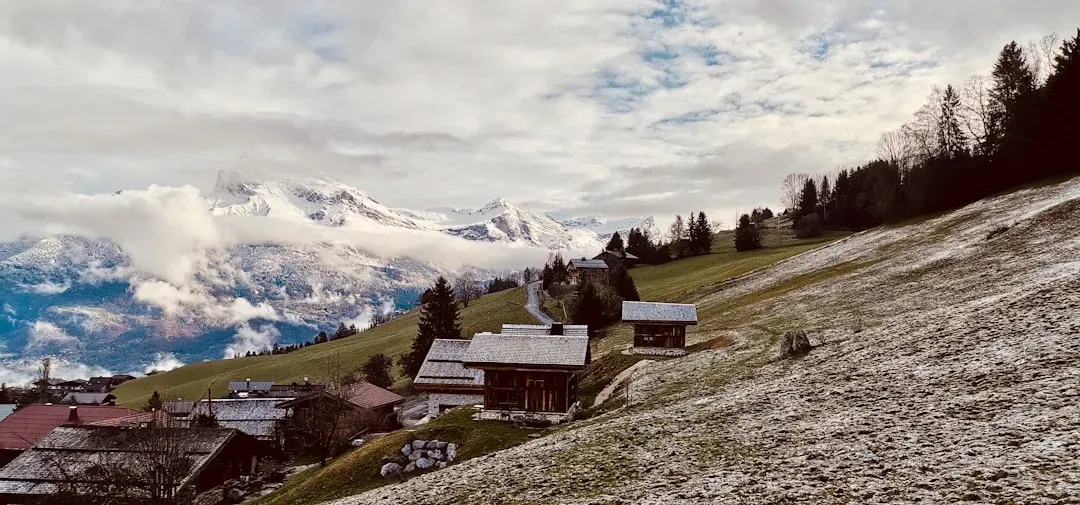
The town of Macondo is isolated from the outside world, except for a band of gypsies who bring the wonders of the world to the townspeople. Founded by the Buendía family, Macondo is depicted as an Edenic place, initially isolated from the outside world, where no one has died and the community is young and vibrant. Macondo maintains a delicate balance, making supernatural events feel as credible as the ordinary.
Characters in Macondo experience ghostly visitations, alchemists’ experiments, and inexplicable phenomena like rains of yellow flowers. These events are described with the same matter-of-fact tone as everyday occurrences, making the extraordinary seem ordinary. This approach allows the novel to explore deeper truths about human nature and history without being confined by strict realism. Macondo is widely thought to draw from García Márquez’s own childhood town, Aracataca, situated near Colombia’s Caribbean coast, which gives the place a grounded, specific quality that purely invented worlds sometimes lack.
7. Willy Wonka’s Chocolate Factory (Charlie and the Chocolate Factory by Roald Dahl)

The primary setting in Roald Dahl’s novel is Wonka’s Chocolate Factory, protected with large iron gates and a wall. From the outside, you can hear strange whizzing sounds, see smoke rising from the chimneys, and smell chocolate from half a mile away. Charlie’s family claims that it’s the largest chocolate factory in the world, fifty times as big as any other.
Inside, there’s a chocolate river, and a room where everything is edible and chocolate is mixed by a waterfall. The factory has a mountain made of fudge, a lake of hot caramel, and a village of Oompa-Loompas. There’s also a room that houses Television Chocolate where the chocolate “works by television” according to Willy Wonka. Part of the reason for the factory’s lasting appeal is that it’s magical even if you don’t eat any of the candy. Most visitors would settle for just taking a ride in the great glass elevator.
8. Westeros (A Song of Ice and Fire by George R.R. Martin)
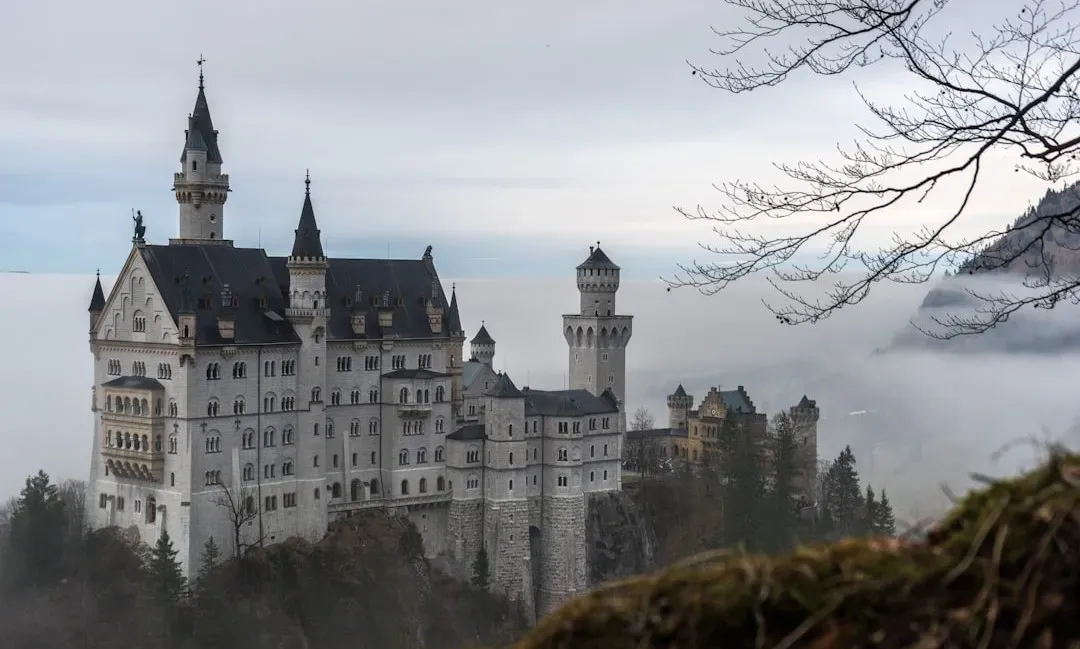
Westeros is a place of towering castles, shadowy forests, and ancient ruins steeped in centuries of conflict. The political intrigue is as thick as the mist in the North, and every corner has its own story. While it’s definitely not the safest place to vacation, the allure is undeniable: who wouldn’t be awestruck by the sight of King’s Landing or the icy Wall?
Scenes in King’s Landing were initially filmed in Mdina, Malta, but were relocated to Dubrovnik, Croatia, where the red roofs became instantly recognizable as the capital of the fictional Seven Kingdoms of Westeros. Westeros feels like a medieval tapestry come alive, with all the beauty, brutality, and complexity that entails. It may be dangerous, but it’s exactly that edge that makes it so hard to resist.
9. Ankh-Morpork and the Discworld (Discworld series by Terry Pratchett)
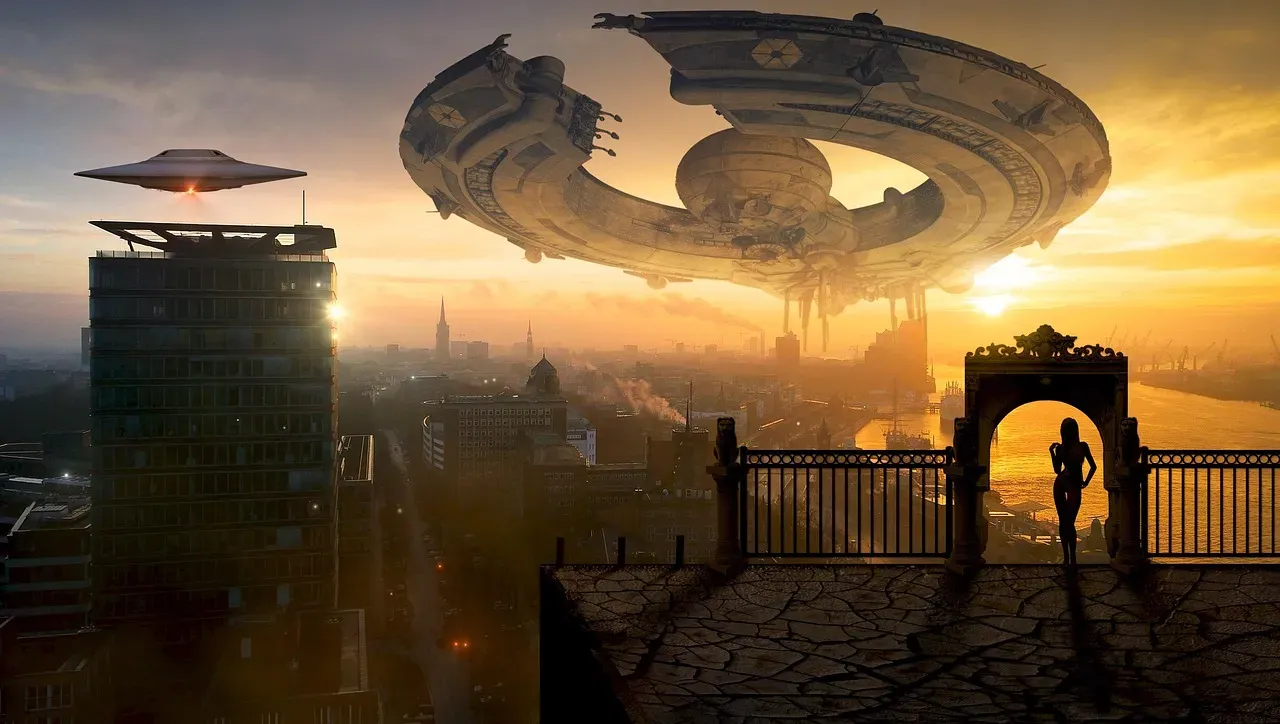
The city-state of Ankh-Morpork is a mess, but if you’re visiting Terry Pratchett’s Discworld, you won’t want to miss it. It’s rife with violence and corruption, but in a fun way. You can take a class at Unseen University, or grab a drink at Biers. As the biggest city in all of Discworld, Ankh-Morpork is filled with all manner of humans, dwarves, wizards, and other fantasy characters, both living and undead.
Visiting Pratchett’s Discworld might be a bit of a risk, but it’s especially appealing as it appears in the later books when there’s a little more stability and such modern conveniences as the Disc’s first train and the clacks towers for sending messages at long distances. There are also the Pyramids in Ephebe, Unseen University in Ankh-Morpork, and the vast plains of Sto Lat. Pratchett built a world that satirizes everything from politics to religion to tourism itself, which somehow makes it more inviting, not less.
10. The Emerald City and the Land of Oz (The Wonderful Wizard of Oz by L. Frank Baum)
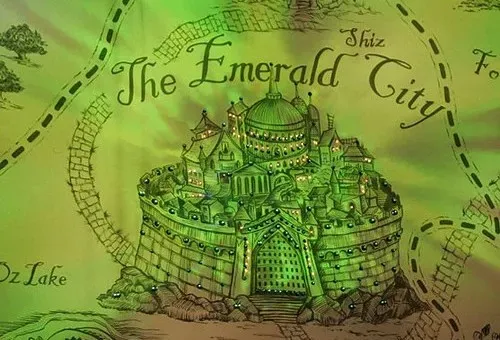
The Emerald City is the capital city of the fictional Land of Oz from L. Frank Baum’s children’s novel The Wonderful Wizard of Oz, which was first published in 1900. The Emerald City is distinctive for its radiant green glow and its quirky rules. The journey to reach it by following the yellow brick road adds to its allure, making it one of the most iconic cities in fantasy.
Beyond the Emerald City, the Land of Oz is brimming with talking animals, friendly creatures, and all sorts of bizarre sights. From unicorns to living paper dolls, it’s a whimsical and imaginative world waiting to be discovered at every corner. Sure, it’s ruled by a shyster and you have to wear those green tinted glasses, but it sounds like the most fun you can have in Oz without running afoul of a witch or her winged primates. Plus, unlike the more medieval fantasy worlds, the Emerald City seems like a place with up-to-code restaurants and running water.
What all ten of these places share is something harder to define than magic or adventure. Fictional worlds capture our imagination in ways real places sometimes can’t. They offer adventure without limits where dragons soar, spells work, and the rules of reality bend. We fall in love with these places because they connect to something deeper, reflecting real human emotions of loss, hope, courage, and belonging. The best fictional settings don’t just give us somewhere to escape to. They show us something about where we already are.
Partner offer
Planning a trip to Vegas?
Compare hotel rates and show tickets on VEGAS.com.