Most sequels arrive within a few years, while the audience still remembers the first film. A few take far longer. Some show up after a generation has grown up, and the studio has to bet that the old story still means something.
The ten films below all reached theaters at least two decades after the movie they follow. Some were warmly received, some divided people, and each shows a different way of bringing an old story back.
The Color of Money (1986)
This follow up to The Hustler came out twenty five years after the 1961 original. Martin Scorsese directed, and Paul Newman returned as pool shark “Fast Eddie” Felson. Tom Cruise played the young talent Eddie takes under his wing.
The film isn’t a remake. It picks up Eddie as an older man who has lost his edge. Newman won the Academy Award for Best Actor for the role, which is a rare honor for a sequel performance.
Tron: Legacy (2010)
Disney released this film twenty eight years after the original Tron of 1982. Joseph Kosinski directed, and Jeff Bridges came back as Kevin Flynn. Garrett Hedlund played his son, who is pulled into the digital world his father built.
The original was known for early computer imagery, and the sequel pushed the look further with a polished neon style. Daft Punk composed the score, which became one of the film’s best known features. Reviews of the story were mixed, but the visuals and music won a loyal following.
Star Wars: The Force Awakens (2015)
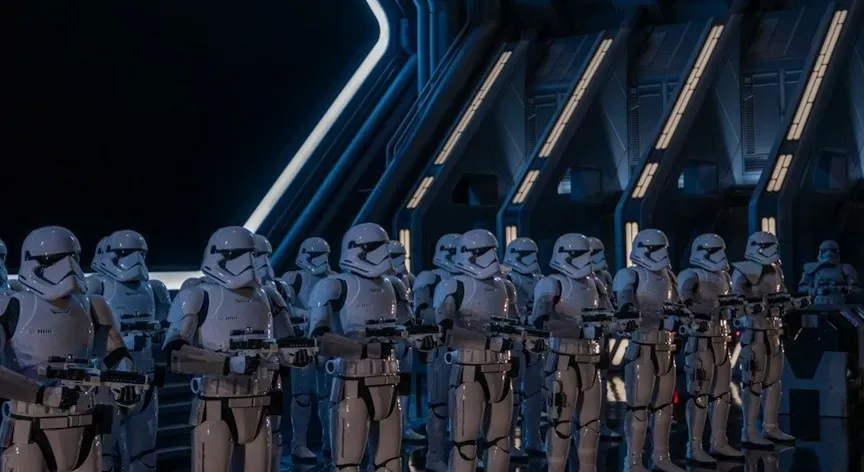
This was the first Star Wars film in the main saga since Return of the Jedi in 1983, so the gap was thirty two years. J.J. Abrams directed it. Harrison Ford, Carrie Fisher, and Mark Hamill returned alongside new leads such as Daisy Ridley and John Boyega.
The story is set about three decades after the events of the earlier trilogy, which matched the real world gap. The film opened to enormous crowds and became one of the highest grossing releases in cinema history at the time. It also launched a new trilogy.
Blade Runner 2049 (2017)
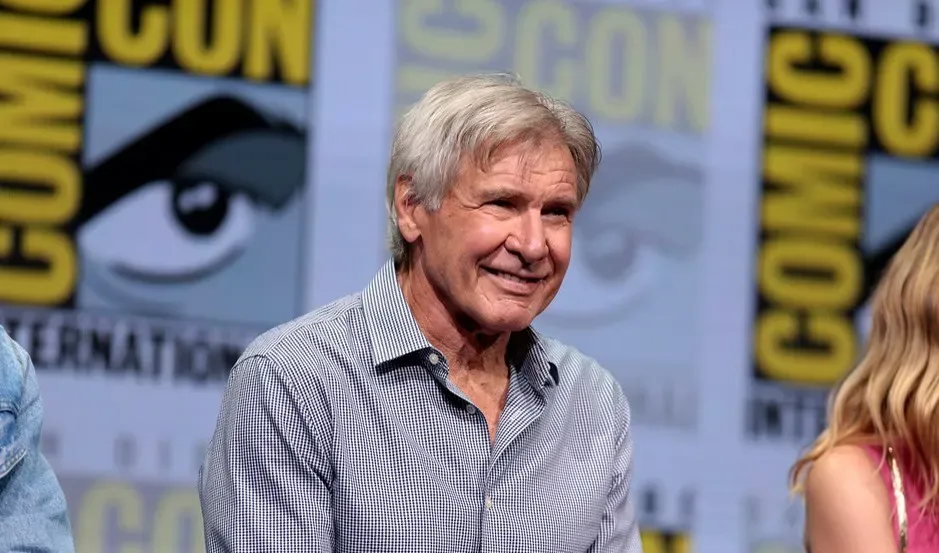
Ridley Scott’s Blade Runner reached theaters in 1982, and its sequel followed thirty five years later. Denis Villeneuve directed, with Ryan Gosling as a new replicant hunter and Harrison Ford returning as Rick Deckard. The story is set thirty years after the first film’s events.
Critics praised the slow, atmospheric style and the visuals. It won Academy Awards for cinematography, credited to Roger Deakins, and for visual effects. Ticket sales were modest compared with its cost, yet its reputation has grown steadily since.
Mary Poppins Returns (2018)
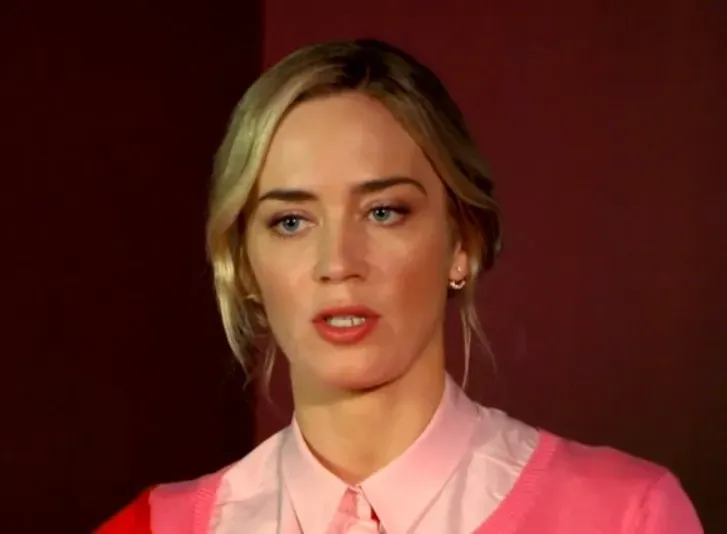
Disney’s original Mary Poppins came out in 1964, which left a gap of fifty four years. Rob Marshall directed, and Emily Blunt took over the title role. The story moves the Banks family to the Depression era, with the original children now grown.
Dick Van Dyke appeared in a brief cameo, which linked the two films across more than half a century. Like the first movie, it leaned on hand drawn animation sequences and original songs. Blunt earned a Golden Globe nomination for her performance.
Top Gun: Maverick (2022)
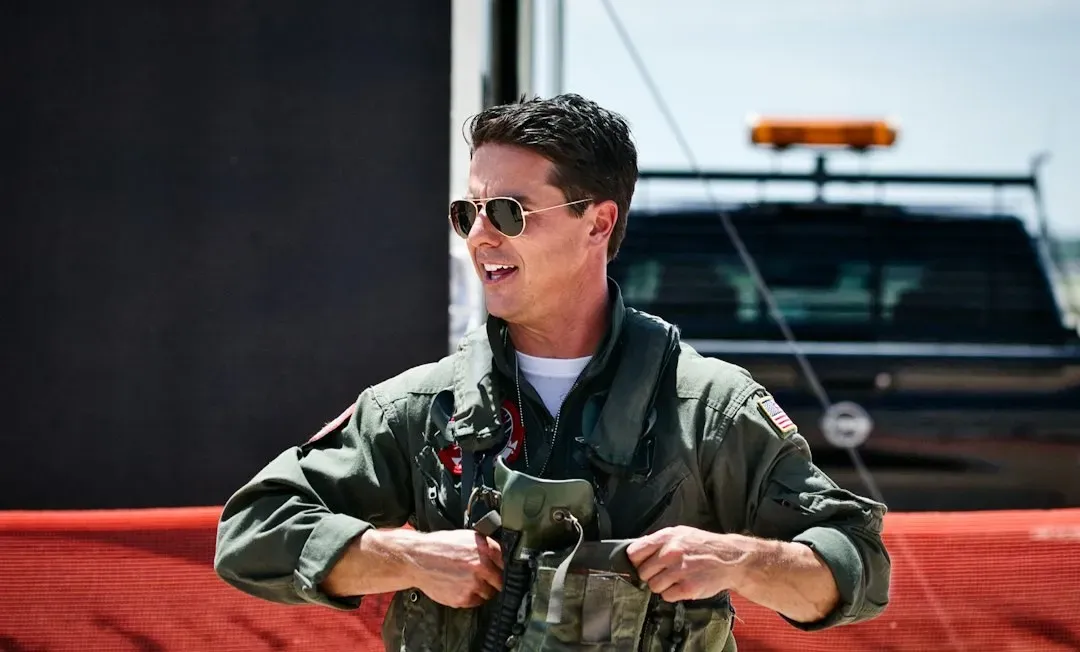
The original Top Gun was released in 1986, and Maverick arrived thirty six years later. Tom Cruise returned as Pete “Maverick” Mitchell, with Joseph Kosinski directing. The production put actors in real fighter jets for much of the flying footage, which became a major selling point.
The film earned roughly one and a half billion dollars worldwide, making it Cruise’s biggest hit. It received a Best Picture nomination at the Academy Awards. It also won the Oscar for sound.
Ghostbusters: Afterlife (2021)
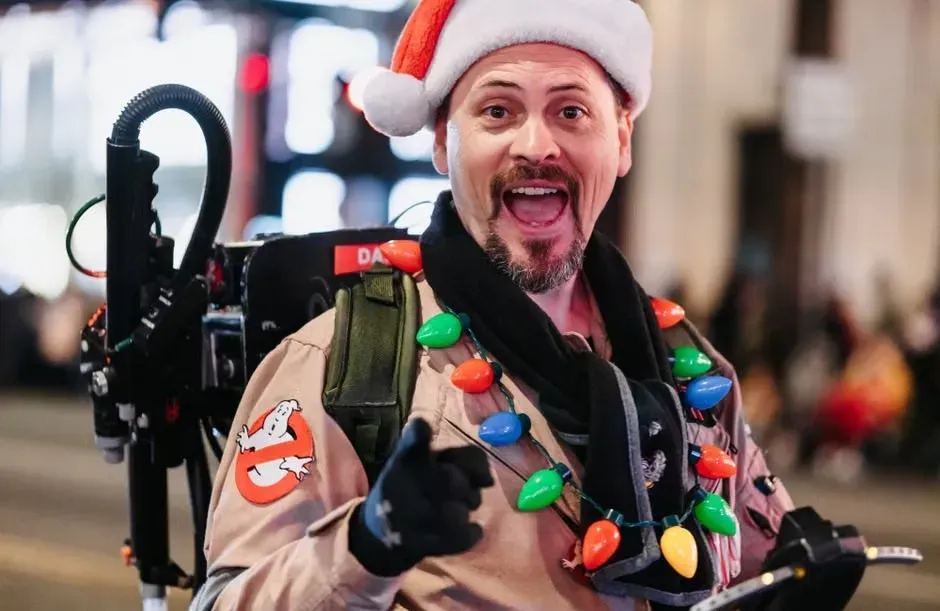
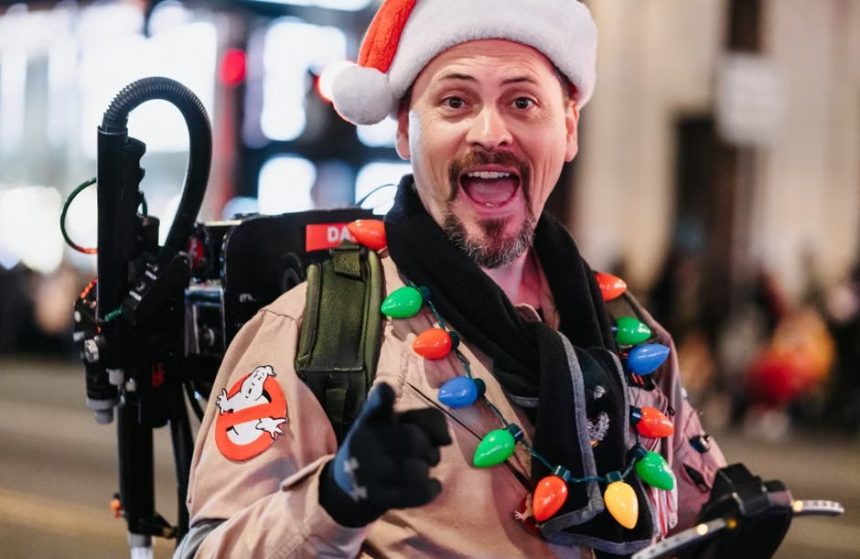
The first Ghostbusters opened in 1984, so this film came thirty seven years later. It was directed by Jason Reitman, whose father Ivan directed the first two films. The story follows a single mother and her children who inherit a rural farmhouse tied to the original team.
Several surviving cast members from the 1984 film appeared, including Bill Murray, Dan Aykroyd, and Sigourney Weaver. The movie was delayed from 2020 because of the pandemic. It was positioned as a direct continuation and set aside the 2016 reboot.
Beetlejuice Beetlejuice (2024)
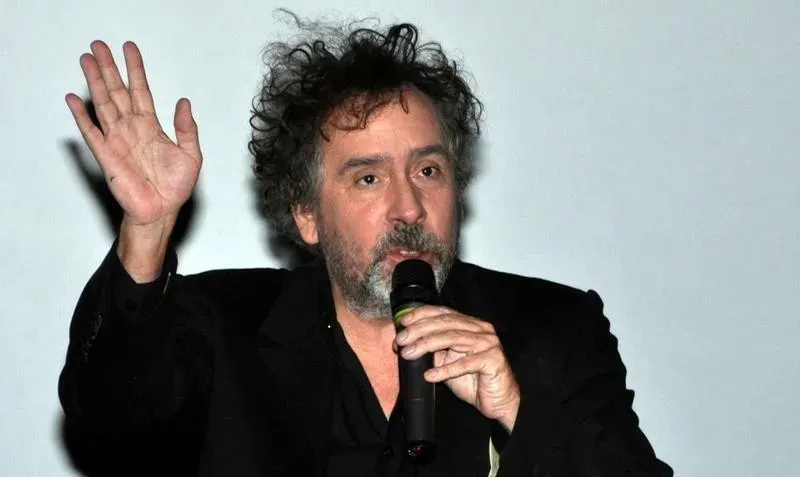
Tim Burton’s original Beetlejuice came out in 1988. The sequel opened in September 2024, thirty six years later. Michael Keaton and Winona Ryder returned, and Jenna Ortega joined as Ryder’s character’s daughter.
The film opened at the top of the North American box office with an opening weekend of around one hundred million dollars domestically. Burton relied heavily on practical effects, which echoed the handmade feel of the first movie. Reviews were generally positive, though many felt it was busier than the original.
Gladiator II (2024)
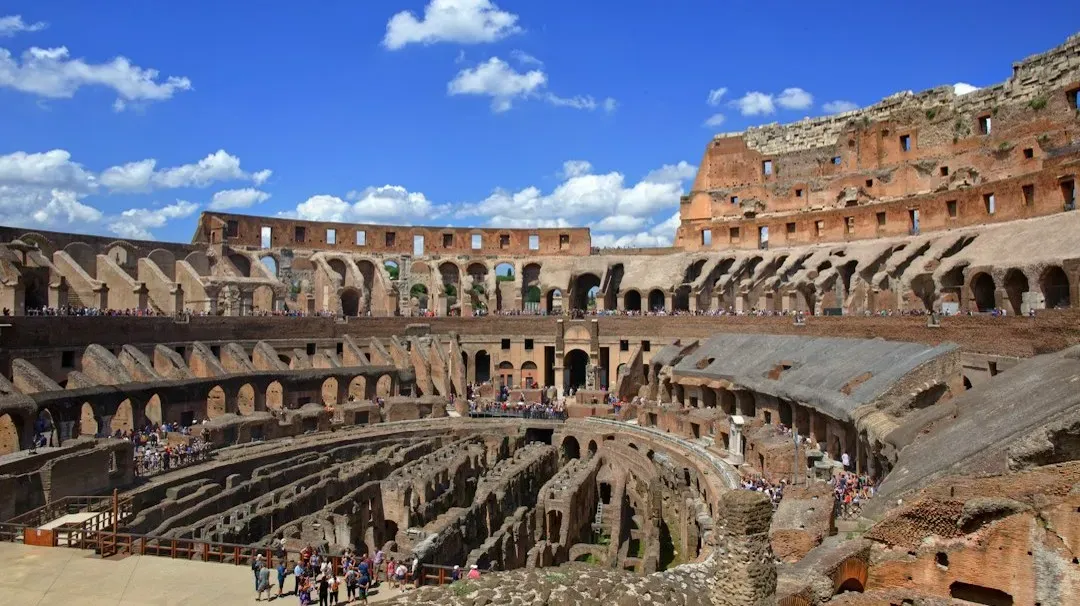
Ridley Scott’s Gladiator won Best Picture for the year 2000, and the sequel arrived in November 2024, twenty four years later. Paul Mescal starred as Lucius, a character who appeared as a boy in the first film. Denzel Washington and Pedro Pascal were also in the cast.
Scott returned to direct. The film brought back the arena battles and political intrigue of ancient Rome on a large scale. Critics were divided on the story but often praised Washington’s performance.
Twisters (2024)
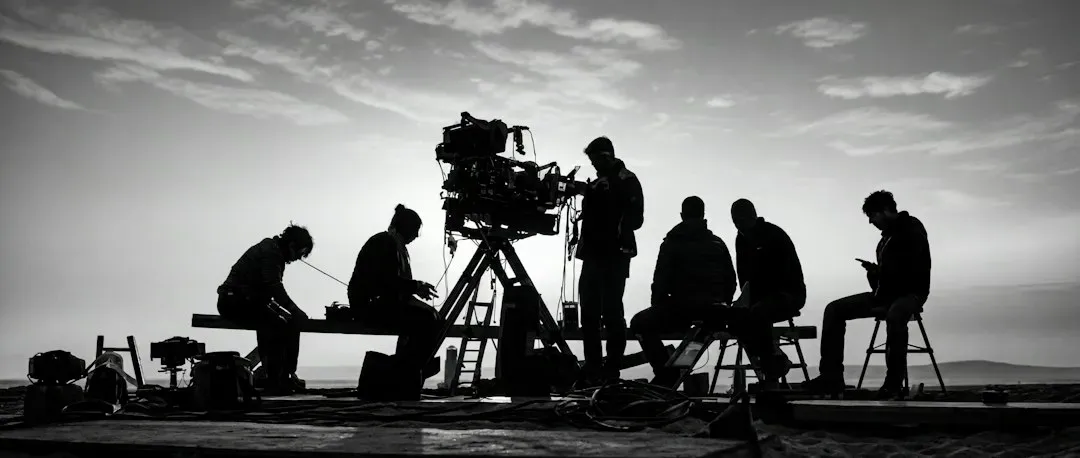
The original Twister was released in 1996, and this follow up opened in July 2024, twenty eight years later. Lee Isaac Chung directed, with Daisy Edgar Jones and Glen Powell in the lead roles. It is a standalone story set in the same world, not a direct continuation of the first plot.
The film was a summer hit, earning well over three hundred million dollars worldwide. Much of the storm action was staged with real effects work in Oklahoma. The approach kept it close in spirit to the original disaster adventure.