Silent cinema has a reputation for being slow, stiff, and a little dusty. That reputation mostly comes from people who haven’t sat down with the right film. Many of these movies move quickly, make you laugh out loud, and tell their stories almost entirely through image and gesture.
The nine titles below are good places to begin. They range from comedies to horror to science fiction, and most are easy to find through restorations, libraries, and streaming services. Running times vary by restoration and projection speed, so treat the lengths mentioned as approximate.
The General (1926)
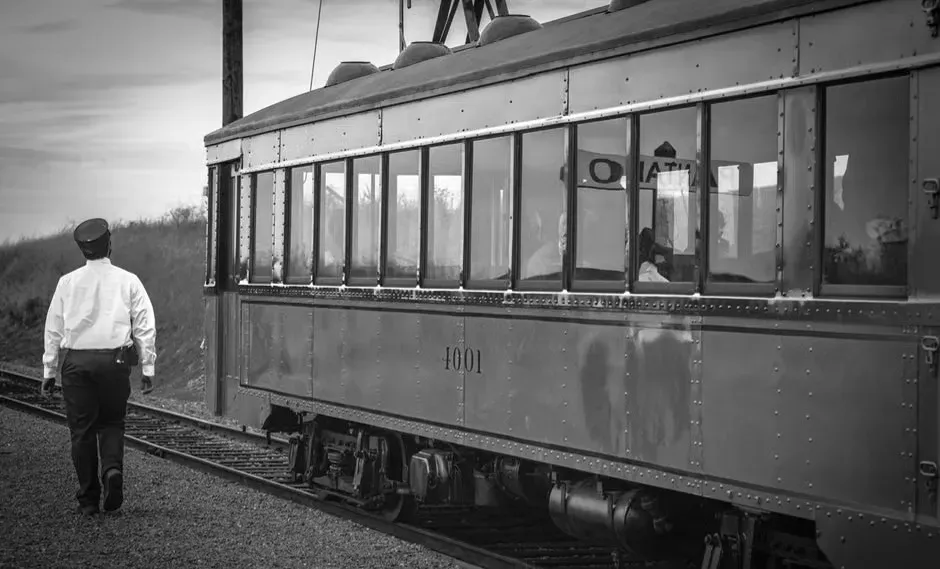
Buster Keaton stars in and co directed this Civil War comedy with Clyde Bruckman. It follows a railroad engineer who chases after his stolen locomotive. The story is loosely inspired by a real wartime episode from 1862, often called the Great Locomotive Chase.
It’s a very good entry point because the plot is simple and the action is physical. Keaton performed daring stunts with trains and large sets, and the film is built on clear, continuous pursuit. It struggled with critics and audiences on release, but it has since become one of the most admired films of the silent era.
Sherlock Jr. (1924)
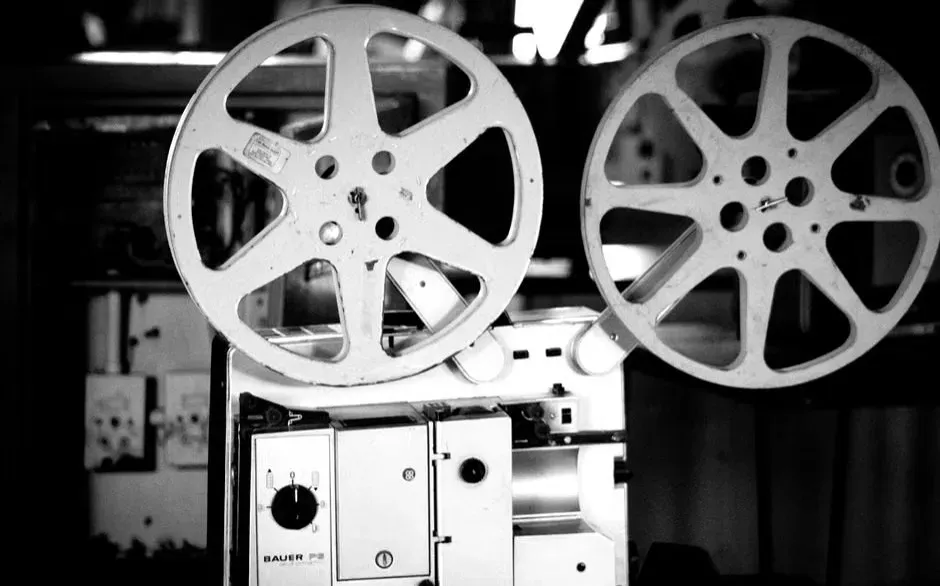
Keaton plays a movie theater projectionist who dreams himself into the film on the screen. At roughly forty five minutes, it’s one of the shortest ways to see why he mattered. The idea of a character stepping into a movie still feels inventive a century later.
The short running time makes it low risk for a first viewing. Its trick sequences were achieved through camera and editing work rather than digital effects, which makes them even more fun to watch closely. If you only have an evening to spare, this is a sensible place to start.
The Kid (1921)
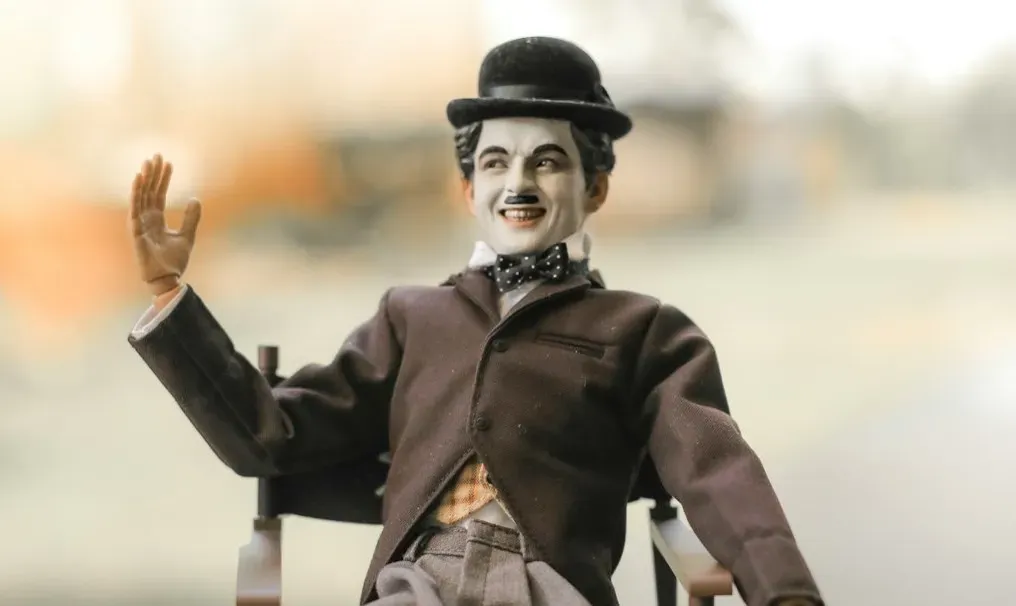
Charlie Chaplin directed, wrote, and starred in this story of a tramp who raises an abandoned child, played by Jackie Coogan. It runs about an hour, and it blends slapstick with sentiment. Chaplin was already famous, but this was among his first full length features as a director.
Newcomers often find it warmer and more emotional than they expected. The comedy relies on easy to read situations, so you don’t need any background in film history. It also shows how silent filmmakers could shift between laughter and tenderness within a single scene.
Safety Last! (1923)
Harold Lloyd plays a small town young man trying to impress people in the big city. The film is best known for its climbing sequence, in which Lloyd ends up hanging from a clock high above the street. That single image is among the most recognized in all of silent comedy.
Lloyd’s screen persona was an ordinary, eager, bespectacled everyman, which makes him easy to relate to. The film builds its tension step by step, so even viewers unused to older movies can follow the escalation. It works as a reminder that Chaplin and Keaton weren’t the only comic stars of the period.
City Lights (1931)
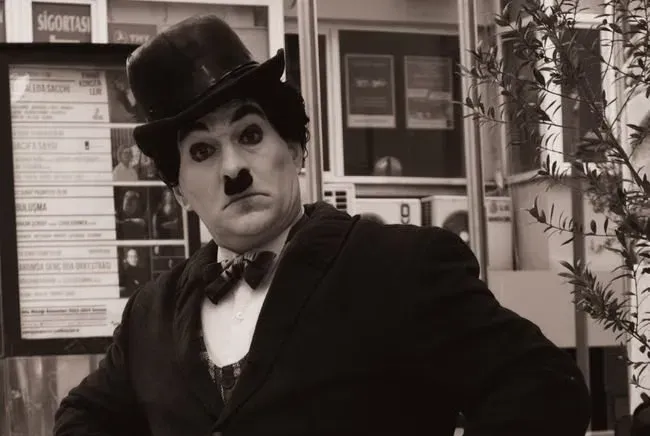
This one comes with a small caveat. It was released after sound films had arrived, yet Chaplin made it with synchronized music and sound effects but no spoken dialogue. It’s essentially a silent film in spirit, which makes it a gentle bridge for newcomers.
The story follows the Tramp as he befriends a blind flower seller and tries to help her. Chaplin composed the score himself, and the final scene is widely praised for its restraint. Because the music guides the mood so clearly, many first time viewers find it more accessible than earlier films.
Metropolis (1927)
Fritz Lang’s science fiction epic imagines a city divided between wealthy planners above and exhausted workers below. Its sets, crowd scenes, and robot design influenced generations of later filmmakers. It’s long and ambitious, so it suits viewers ready for something grander than a comedy short.
The film’s history is part of its appeal. Footage once thought lost was found in an archive in Buenos Aires in 2008, and a restored version incorporating it was presented in 2010. If you can, look for that restoration, since earlier cuts were noticeably more fragmentary.
Nosferatu (1922)
F. W. Murnau directed this German horror film, an unauthorized adaptation of Bram Stoker’s Dracula. The Stoker estate pursued legal action, and courts ordered copies destroyed, though some survived. That survival is why we can still watch it today.
Its imagery, especially the shadow of the vampire on a staircase, remains eerie without any sound at all. Interest in the film rose again with Robert Eggers’ remake, released in late 2024. Watching the original first gives you a clear sense of where much of modern screen horror began.
The Cabinet of Dr. Caligari (1920)
Robert Wiene’s film is a landmark of German Expressionism. Its painted sets, slanted buildings, and sharp shadows create a deliberately warped world. The story involves a sinister showman and a sleepwalker, and it concludes with a twist that shapes how you read everything before it.
It’s short enough, at around seventy minutes, to feel manageable. The look is so distinctive that you’ll understand the style within minutes, even if you’ve never read about the movement. Many later horror and fantasy films borrowed from its visual language.
A Trip to the Moon (1902)
Georges Méliès made this French short about a group of astronomers who travel to the Moon in a capsule fired from a cannon. It runs around fifteen minutes, depending on the print and speed. The image of the capsule striking the Moon’s face is one of cinema’s best known early pictures.
It’s a useful look at the very beginnings of film as spectacle, with painted sets, stage tricks, and playful editing. Many prints were originally hand colored, and a color restoration was completed and premiered in 2011. Martin Scorsese’s film Hugo, also from 2011, brought Méliès to a new generation of viewers.