Walk under a glowing marquee and the ordinary evening changes a little. The ceiling is higher than you expected, the lobby is more ornate than a multiplex would ever bother with, and the film hasn’t started yet. That feeling is what the movie palace was built to deliver.
The peak came in the late 1920s, when hundreds of these theaters opened every year between 1925 and 1930. Television and then the multiplex pushed many of them out. Many were razed or converted into multiple screens or performing arts venues, though some were restored and reopened. The ten below are still screening films.
Tampa Theatre, Tampa, Florida

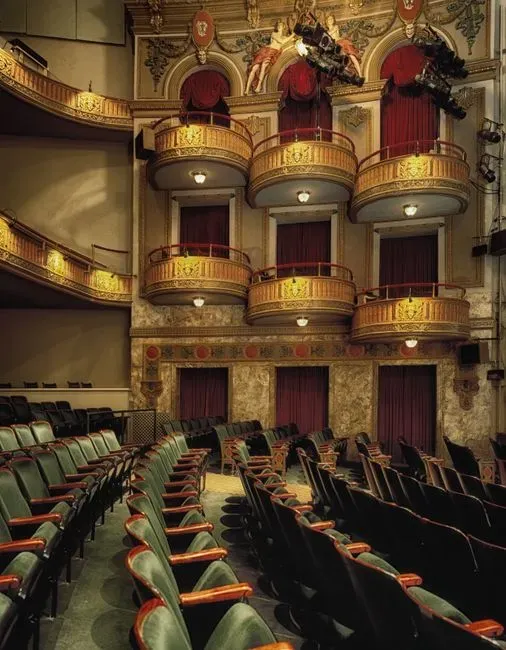
Tampa Theatre was built in 1926 and uses a bring the outdoors inside theme. Inside the auditorium, Mediterranean walls and backdrops sit beneath a mock night sky. It’s a textbook example of the atmospheric style, in which the ceiling is meant to read as open air.
The theater still shows classic and first run films. Before almost every screening, the original Mighty Wurlitzer organ fills the auditorium with music. Few places keep that pre-show ritual going so consistently.
Castro Theatre, San Francisco, California

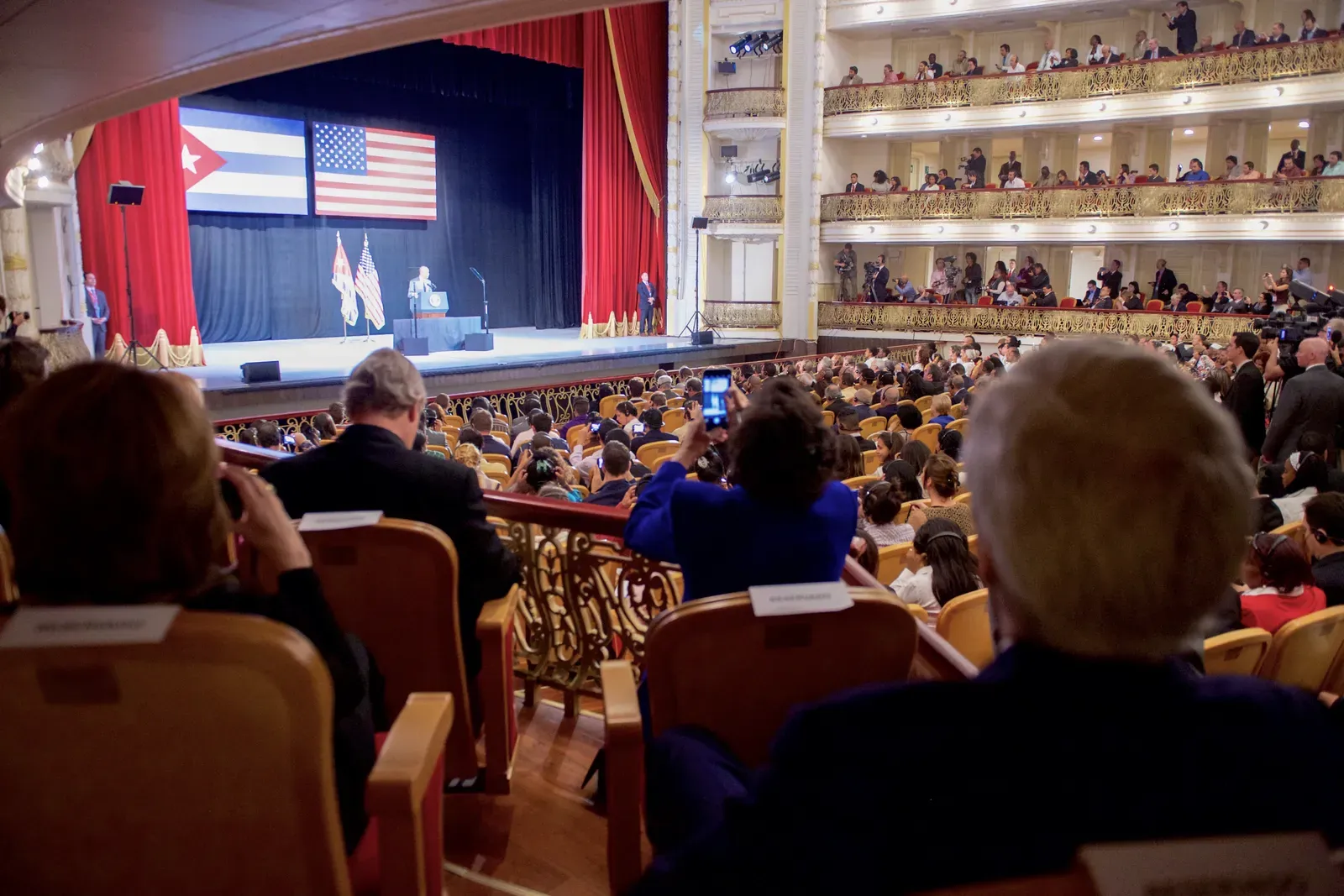
The Castro’s most recent chapter was a long and contested one. After closing for two years for a $41 million renovation, it reopened on February 6, 2026, with a ribbon cutting and a benefit screening. That makes it one of the newest returns on this list.
The renovation drew real argument. Plans to remove main floor seating for standing room music shows prompted a campaign, and the Save the Seats effort argued that the movie palace seating was integral to the theater’s historic integrity. Seating in the balcony was preserved. If you plan a visit, check the current schedule for the seating setup and film lineup.
The Senator Theatre, Baltimore, Maryland

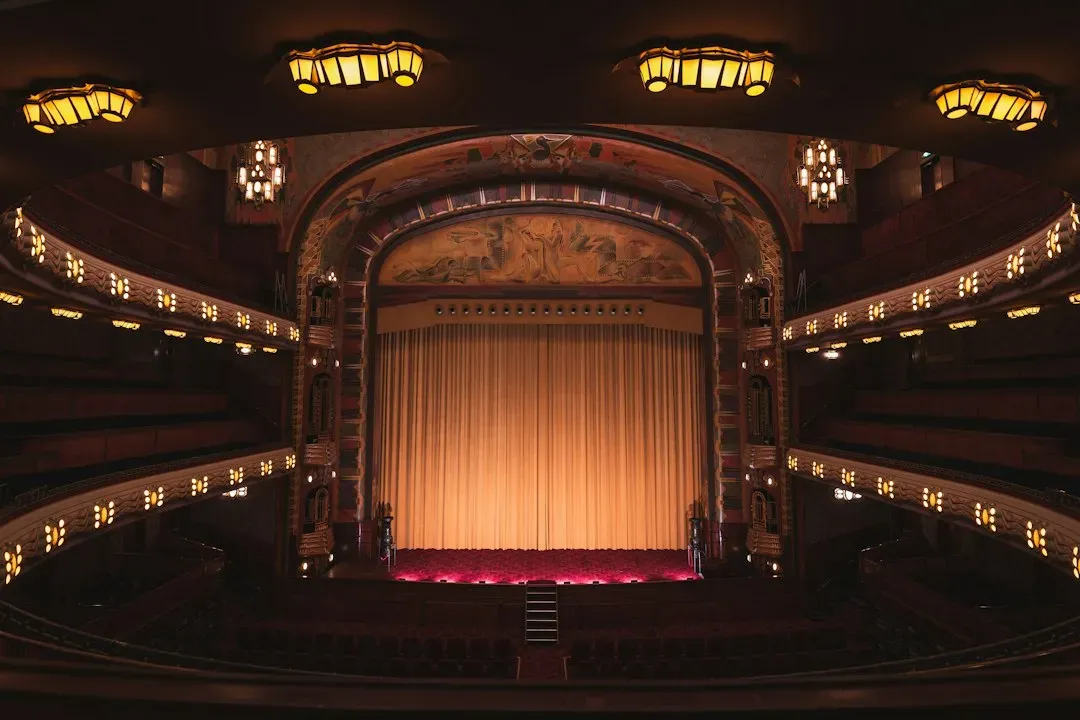
The Senator began its run in Baltimore cinema in 1939, and it still has a strong film focus. It’s a Art Deco era house, from the years when theaters were designed to feel sleek and modern rather than European and ornate.
The programming is mixed. Independent and Hollywood productions play on updated screens, while red velvet seats and swirling wallpaper still define the look. That blend of vintage atmosphere and current projection is the reason it works as a neighborhood cinema.
Hollywood Theatre, Portland, Oregon
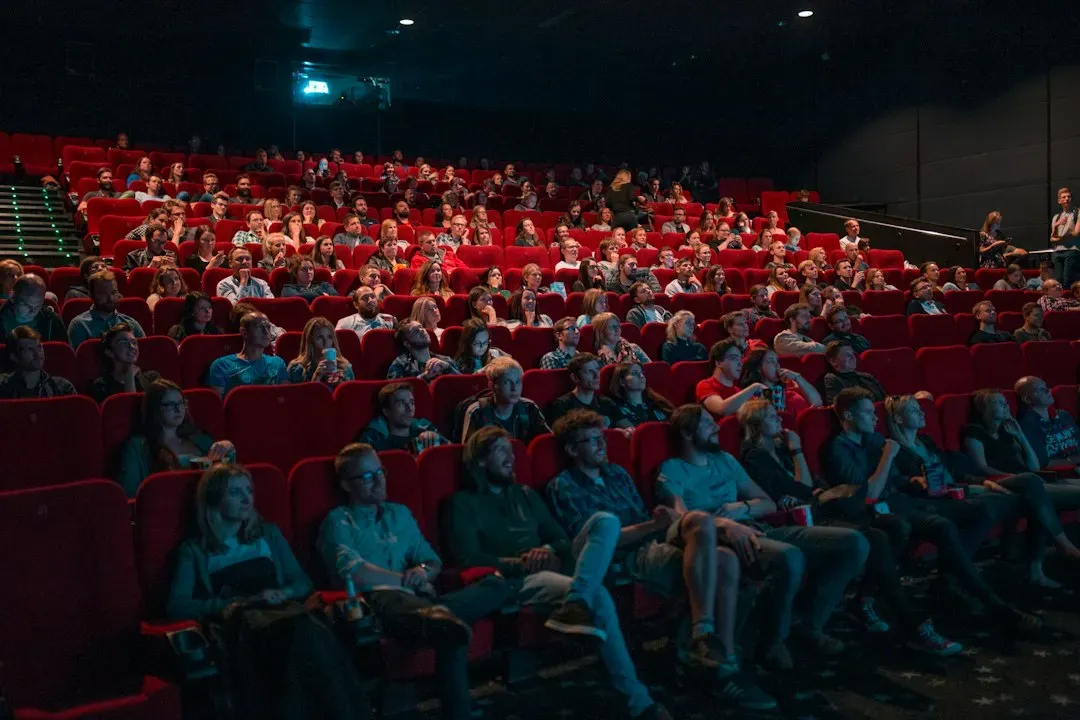
Despite the name, this one is nowhere near Los Angeles. It sits in Portland and features a castle like exterior and a moody interior. The theater was commissioned by the Jensen and Herberg chain.
It’s a serious place for film formats. It screens movies in 16mm, 35mm and 70mm, alongside digital projection. As of 2026, it is the only theater in Oregon showing movies in 70mm film. For people who care how a movie is projected, that matters.
Loew’s Jersey Theatre, Jersey City, New Jersey

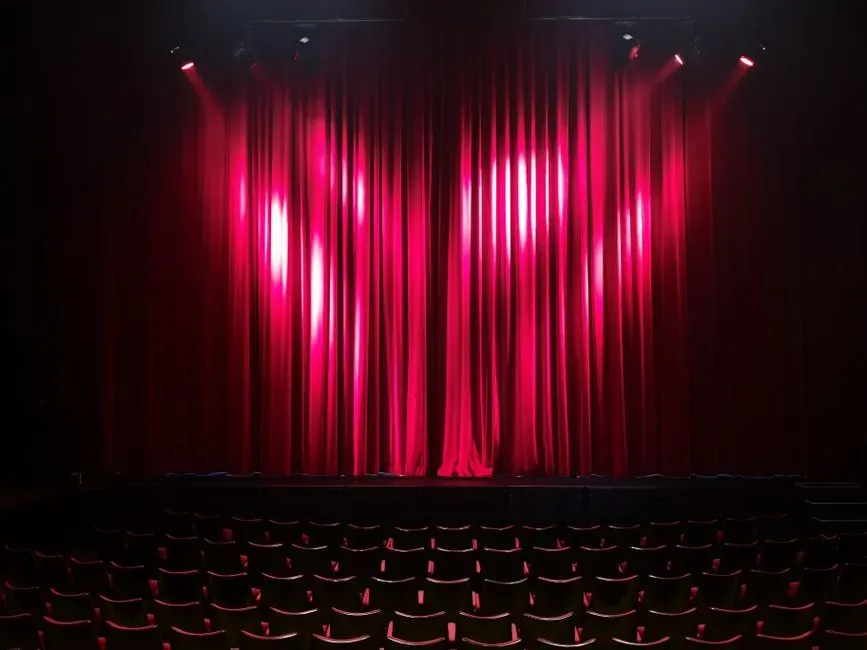
Loew’s Jersey is one of the grand wonder theaters of the 1920s. It has been lovingly restored, with its high ceilings, sparkling chandeliers and grand staircases intact. It stands in Journal Square, a part of Jersey City long tied to the theater.
Partner offer

Its calendar is a mix. Like many old theaters, it holds both live shows and classic movie nights. Film is only part of the schedule, so look at upcoming listings before you plan around a particular title.
Bama Theatre, Tuscaloosa, Alabama
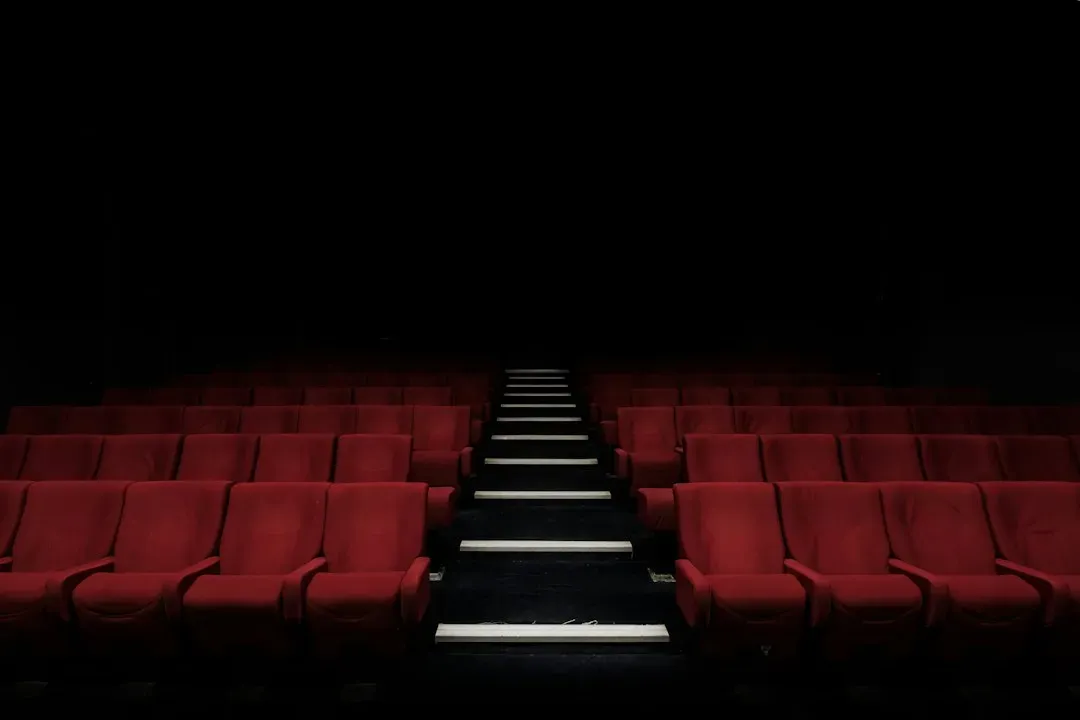
The Bama was built in 1937 and 1938 with funding from Franklin D. Roosevelt’s New Deal. It was one of the last movie palaces built in the South. That timing makes it a late arrival, built when the Depression was reshaping what people could afford.
Today it leans toward the art house. The theater hosts the Bama Art House Film Series, which screens independent, documentary and foreign films. It’s a good fit for a college town that wants something beyond the usual releases.
Del Mar Theatre, Santa Cruz, California
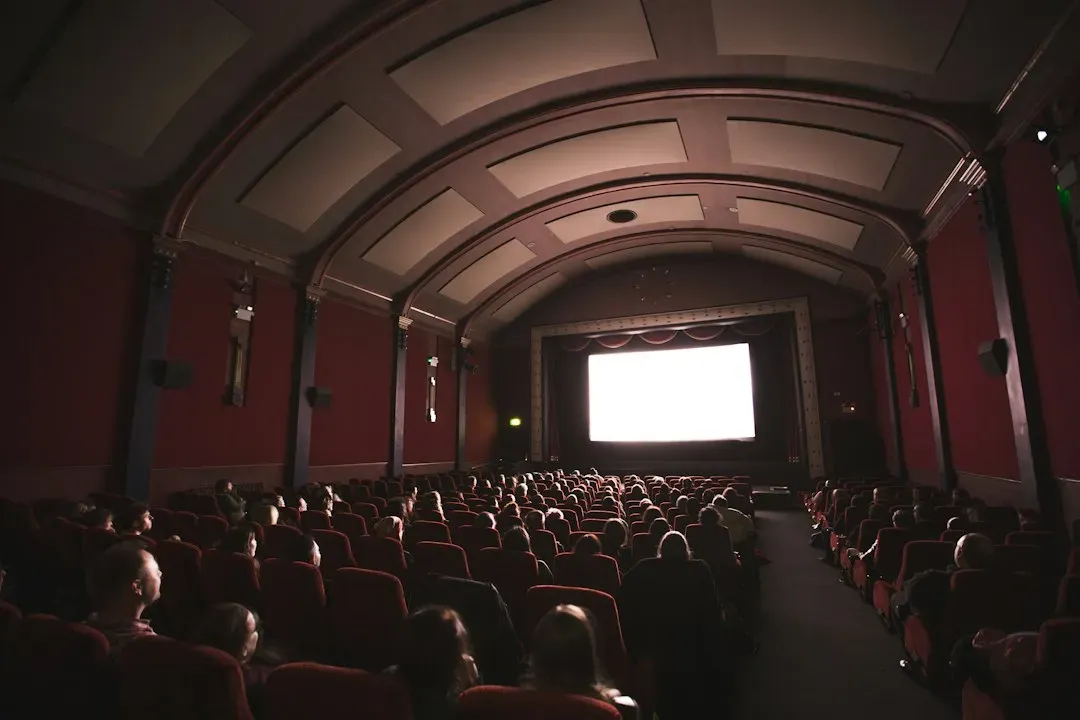
The Del Mar was built in 1936 and was frequented by Alfred Hitchcock when he lived in Scotts Valley. It sits on Pacific Avenue in downtown Santa Cruz. The street is lively, which suits a theater that has stayed part of local life.
The building went through extensive renovation in 2002 and still shows weekly midnight movies along with a wide variety of big budget and independent films. That range keeps it from feeling like a museum. It operates as a working cinema.
TCL Chinese Theatre, Hollywood, California

This is probably the best known movie palace in the country. Its forecourt is famous: visitors can find handprints and footprints of stars from yesterday and today. The theater opened in 1927 and has long been a place for major premieres.
It’s also a working theater with modern technology. More than four million people visit each year, and it has one of the largest IMAX auditoriums in the world. The mix of Hollywood tradition and giant screen presentation is its main draw.
Tennessee Theatre, Knoxville, Tennessee

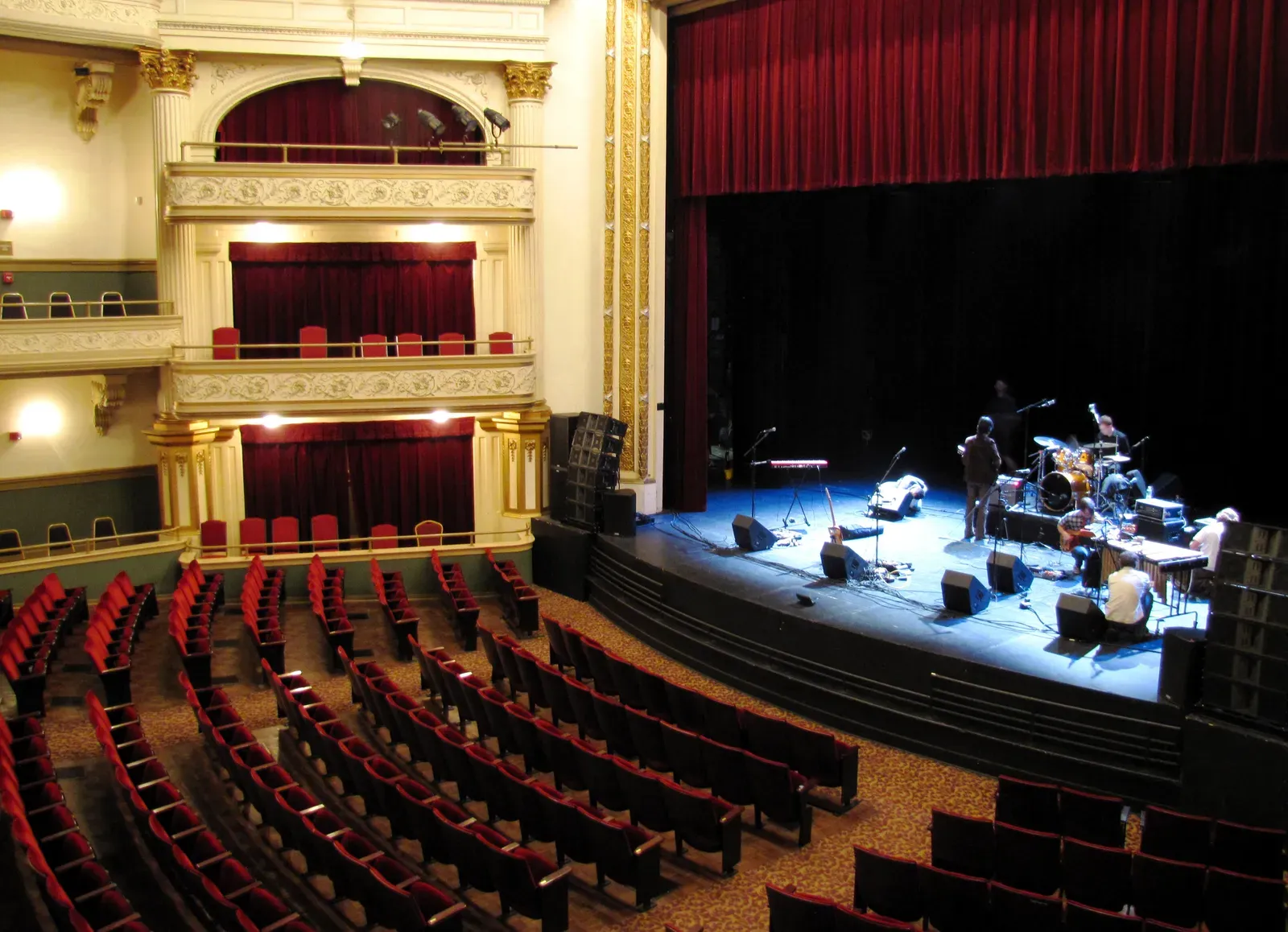
The Tennessee Theatre opened in 1928 and has become a symbol of downtown Knoxville. It has been restored and run as a nonprofit venue, with a calendar that includes concerts, touring shows and film screenings.
Scale is part of its appeal. The 2,600 seat theatre still draws crowds. Film screenings are only one part of its calendar, so check the schedule for classic movie dates.
Texas Theatre, Dallas, Texas

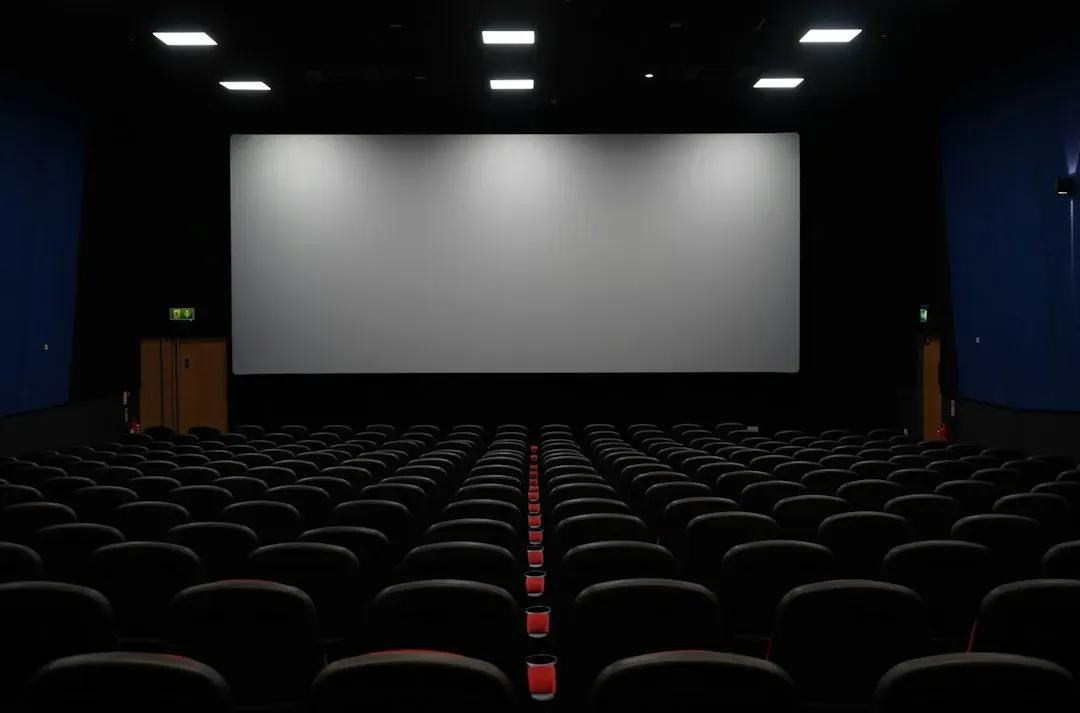
The Texas Theatre in Oak Cliff opened in 1931. It is best known as the place where Lee Harvey Oswald was arrested in 1963, which gives it an unusual spot in American history. The building has also remained a movie house for decades.
It is on a Texas tourism list of historic Texas theaters that still show movies just like they did when originally built. Today it mixes repertory screenings, new releases and special events. As with the others, the current listings are the best guide to what’s playing.
Partner offer
Planning a trip to Vegas?
Compare hotel rates and show tickets on VEGAS.com.