Sales numbers in the first few weeks can make an album look like a failure. Over the years, plenty of records from the 2000s have shown that first impressions don’t always last. Some were dropped by labels, some were misunderstood, and some simply arrived at the wrong moment.
The nine albums below all started quietly or disappointed expectations. Each one found a bigger audience later, through word of mouth, film and television placements, touring, or critics changing their minds. Where exact figures are fuzzy, the details stay general.
Wilco, Yankee Hotel Foxtrot (2002)


Wilco’s label, Reprise, rejected the finished album in 2001 and parted ways with the band. The group then streamed the record on its own website. Nonesuch, a sister label under the same corporate parent, later picked it up and released it in 2002.
The saga drew attention that no marketing budget could have bought. The album became the band’s highest charting release in the United States at the time, and it’s now regularly named among the best albums of the decade. It’s an odd case where the early rejection ended up helping the legend.
The Postal Service, Give Up (2003)

This was a side project between Ben Gibbard of Death Cab for Cutie and Jimmy Tamborello, working largely by mailing files back and forth. Sub Pop released it in early 2003, and expectations for it were modest. It was never planned as a major commercial release.
Sales built slowly through songs placed in film, television, and commercials, and “Such Great Heights” spread well beyond indie circles. The album was eventually certified platinum in the United States, which is rare for a Sub Pop release. A reunion tour in 2013 showed that its audience had only grown.
Jimmy Eat World, Bleed American (2001)

After Jimmy Eat World left Capitol Records, the band funded much of this album on its own and later signed with DreamWorks. The record came out in 2001 with little commercial momentum. After the September 11 attacks, the album’s original title was dropped from later pressings, and it became known simply as Jimmy Eat World.
Its fortunes changed when “The Middle” took off on radio and television in 2002. The album went on to be certified platinum in the United States. For many listeners, it became a defining record of early 2000s emo and pop punk.
MF Doom and Madlib, Madvillainy (2004)

Madvillainy came out on the independent label Stones Throw, with no radio push and no major label machinery behind it. Its dense wordplay and Madlib’s cut up, sample heavy beats didn’t fit what hip hop radio was playing. Sales were modest in comparison to major releases of the time.
The album’s reputation grew through underground word of mouth and eventually through critics’ lists. Today it’s often cited as one of the finest hip hop albums of its decade. Since MF Doom’s death in 2020, interest in it has only deepened.
Partner offer

Daft Punk, Human After All (2005)

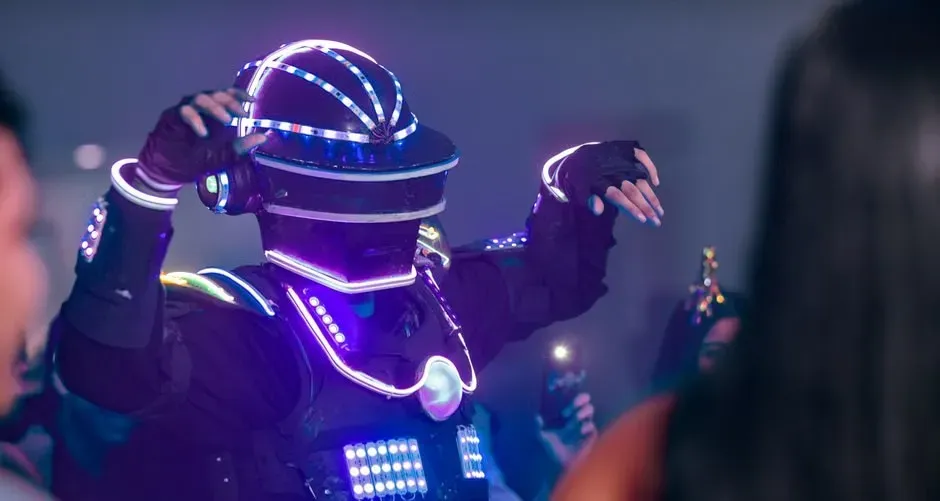
Daft Punk made this album in a matter of weeks, and it showed in the stripped, repetitive sound. Reviews were mixed to negative when it arrived in 2005, and it didn’t match the success of the duo’s earlier work. Many fans of Discovery were openly disappointed.
The turning point came with the 2006 and 2007 live shows, including the famous pyramid set. Tracks like “Robot Rock” and “Human After All” sounded enormous in that setting, and the Alive 2007 release helped cement them. Critics have since been kinder, and the album is seen as a rougher but more influential record.
Britney Spears, Blackout (2007)

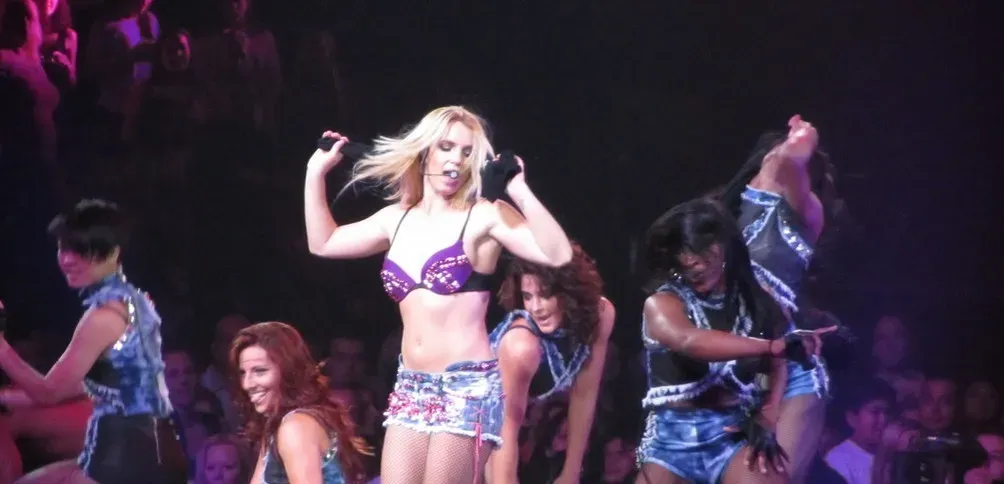
Blackout arrived in late 2007 during a highly publicized and difficult stretch of Britney Spears’s life. Although it debuted at number two on the Billboard 200, its sales fell well short of her earlier albums. Promotion was limited, and many reviewers were distracted by the headlines around her.
Over time, critics and fellow musicians began praising the album’s glossy, club ready production. It’s now frequently described as one of the most influential pop records of its era. Few releases have been reassessed as thoroughly as this one.
Clipse, Hell Hath No Fury (2006)

Clipse spent years in label limbo before this album finally came out in late 2006. Pusha T and Malice rapped over stark Neptunes production, and the result was far colder and more uncompromising than radio friendly rap. Sales were lower than the duo and their label had hoped for.
Critics loved it, though, and its reputation kept growing in the years after. Many now point to it as a high point of the decade’s street rap. Pusha T’s later solo career has also sent new listeners back to it.
The Shins, Oh, Inverted World (2001)


The Shins’ debut came out on Sub Pop in 2001 and found a small but devoted indie audience at first. It was a lo fi, melodic record by a band from Albuquerque, New Mexico, with no major promotional push. Early sales were modest.
The film Garden State, released in 2004, featured the song “New Slang,” and a character in the film suggested it would change your life. That scene introduced the band to a much larger audience, and the debut found many new listeners. The record is now widely regarded as a landmark of the decade’s indie rock.
The National, Boxer (2007)


The National spent years as a respected but small band, and its earlier albums didn’t bring big sales. Boxer, released in 2007 on Beggars Banquet, was a quiet, slow burning record without an obvious radio hit. Its pace and subtle arrangements made it a hard sell at first.
Word of mouth did the work over the following years, along with relentless touring. Songs like “Fake Empire” gained wide exposure through television and political campaign use. The album is now considered the turning point that carried the band to larger venues and festival headline slots.
Partner offer
Planning a trip to Vegas?
Compare hotel rates and show tickets on VEGAS.com.