


You know that feeling when life gets hectic? When the days blur together and you’re craving an escape but simply don’t have time to commit to a sprawling novel? Here’s the thing: some of the most powerful stories don’t need hundreds of pages to leave their mark.
The beauty of a short book lies in its precision. There’s no room for filler, no meandering subplots that go nowhere. Every sentence has to earn its place. As ‘#ShortReads’ dominated BookTok in 2024, readers are rediscovering the magic of books that can be devoured in a single sitting. January 2025 has seen a surge in readers seeking shorter books. According to Goodreads data, books under 300 pages are being added to “Want to Read” lists at twice the usual rate.
Let’s be real, though. The average silent reading speed for an adult person is 238 wpm for non-fiction, according to a meta-analysis of 190 studies on reading speed. The average reading speed for fiction is 260 wpm. That means most of us can comfortably finish a book of around 150 pages in about three to four hours. Perfect for a lazy afternoon, right?
Orbital by Samantha Harvey


More recently, Samantha Harvey’s Booker Prize 2024 winner Orbital, at just 136 pages, proves that sometimes small but mighty novels pack the most powerful punch. This isn’t your typical space adventure. Six astronauts circle Earth sixteen times in twenty-four hours, witnessing sunrises and sunsets every ninety minutes. Harvey captures something profound about perspective, about seeing our planet from the outside looking in. The prose feels almost meditative, pulling you into the rhythm of orbit itself. It’s one of those books where you finish the last page and immediately want to sit in silence for a while, just processing what you’ve experienced.
Small Things Like These by Claire Keegan

At a mere 116 pages, Claire Keegan’s Small Things like These became the shortest book ever to be nominated for the Booker Prize when it made the shortlist in 2022. Set in 1985 Ireland during the weeks before Christmas, the story follows Bill Furlong, a coal merchant who uncovers something disturbing at the local convent. Keegan’s writing is spare but devastating. She doesn’t waste a single word, yet the emotional weight of the story stays with you for days.
The novel touches on Ireland’s dark history with the Magdalene Laundries without ever becoming preachy or melodramatic. Furlong is just an ordinary man trying to provide for his family, confronting a moral dilemma that could upend everything. The quiet tension builds page by page until you realize you’ve been holding your breath.
Convenience Store Woman by Sayaka Murata


At 176 pages, this Japanese novella offers something refreshingly different. Keiko has worked at the same convenience store for eighteen years, and she’s perfectly content with her routine. Society, however, expects more from her. Friends and family pressure her to move on, to get a “real” job, to conform to what a woman in her thirties should be doing.
A dry, funny novel about, well, a woman who works in a convenience store. Murata’s protagonist doesn’t understand society’s expectations, and honestly, by the end of the book, you might question them yourself. The story explores neurodiversity and social norms in ways that feel both alien and deeply familiar. It’s quietly subversive, gently challenging readers to think about what it means to live a meaningful life on your own terms.
The Sense of an Ending by Julian Barnes


Julian Barnes’ novella of two parts moves from the hedonistic days of sixth form to the subdued years of retirement, where protagonist Tony must question his own morality while confronted with his role in the life-changing events of others. Barnes’ powerful exploration of the subjectivity of memory is intricately pieced together, while written with the pin-sharp concision of a writer at the top of his game. This one won the Booker Prize in 2011, and deservedly so.
Tony Webster receives a mysterious letter that forces him to reconsider everything he thought he knew about his past. The structure is brilliant, divided into two parts that mirror each other in unexpected ways. Memory, it turns out, is unreliable. We cast ourselves as heroes in our own stories, conveniently forgetting the moments when we failed or hurt others. Barnes manages to pack decades of life, regret, and revelation into roughly 150 pages, and the ending will make you want to immediately flip back to the beginning to catch all the clues you missed.
The House on Mango Street by Sandra Cisneros


This coming-of-age classic weighs in at just 101 pages. Written in a series of vignettes, it follows Esperanza Cordero, a young Latina girl growing up in Chicago. Each short chapter reads almost like a prose poem, capturing moments that are by turns joyful, heartbreaking, and revelatory.
Cisneros has an incredible gift for distilling complex emotions into simple, beautiful language. Esperanza’s journey toward understanding herself, her identity, and her place in the world feels both specific to her experience and universally relatable. The book has remained a staple of American literature since its publication because it speaks truths that don’t age. You’ll race through it in an afternoon, yet certain passages will stick in your mind for years.
We Have Always Lived in the Castle by Shirley Jackson

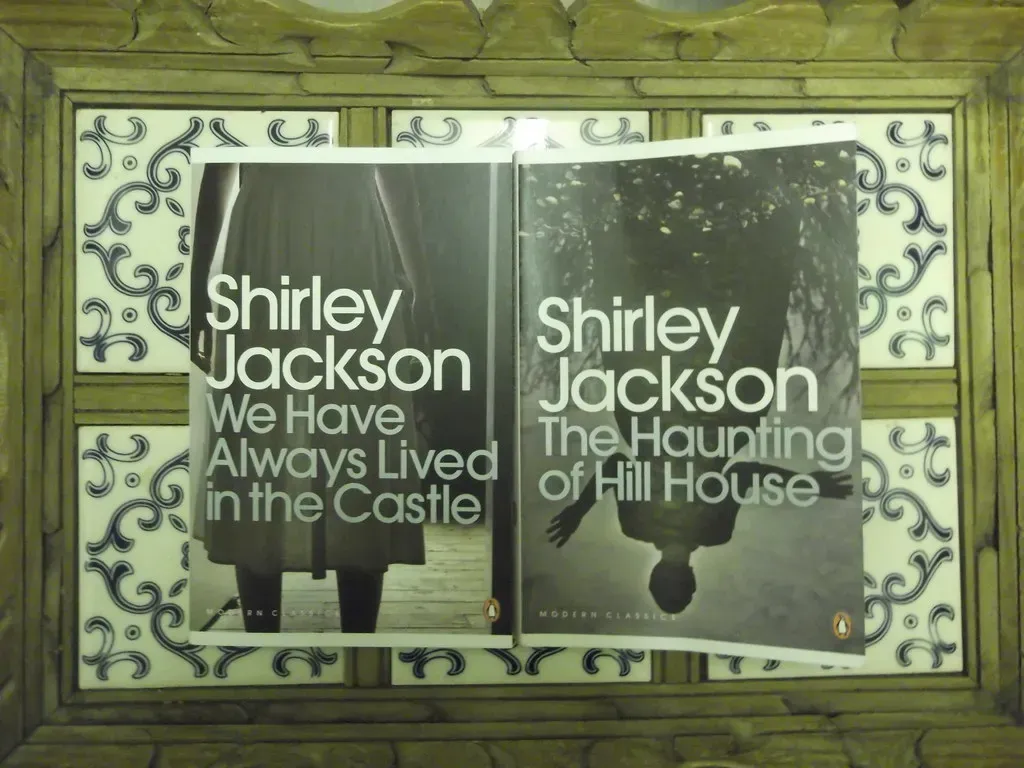
If you’re in the mood for something darker, this gothic novella at 146 pages delivers perfectly crafted unsettling atmosphere. Merricat Blackwood lives with her sister Constance and their uncle in a house on the edge of town. The townspeople shun them. Years ago, most of the family died from poisoning, and secrets lurk in every corner of their secluded existence.
Jackson is the undisputed queen of American gothic fiction, and this is arguably her masterpiece. The prose is deceptively simple, almost childlike at times, which makes the darkness underneath all the more disturbing. Merricat is an unreliable narrator who believes in magical protection and harbors deep resentments. The tension builds gradually, and by the final pages, you’ll be completely under Jackson’s spell. It’s chilling without being overtly horror, unsettling in ways that are hard to pin down.
Mrs. Dalloway by Virginia Woolf


Honestly, I know Woolf can seem intimidating, but this 194-page modernist classic is more accessible than you might think. The entire novel takes place over a single day as Clarissa Dalloway prepares to host a party. Woolf weaves together two seemingly unrelated storylines: one following Mrs Dalloway, an upper class woman preparing to host a dinner party, and the other her “double,” a shell-shocked WWI vet contemplating suicide. Woolf used stream-of-consciousness style to explore the inner workings of the mind; this pioneering technique had a lasting effect on fiction as we know it.
The novel flows between different characters’ perspectives, dipping in and out of memories and present moments. It requires some patience at first, but once you adjust to Woolf’s rhythm, the experience is mesmerizing. She captures the texture of consciousness itself, how thoughts drift and connect and circle back. For a book published in 1925, it feels remarkably modern, surprisingly intimate.
Of Mice and Men by John Steinbeck

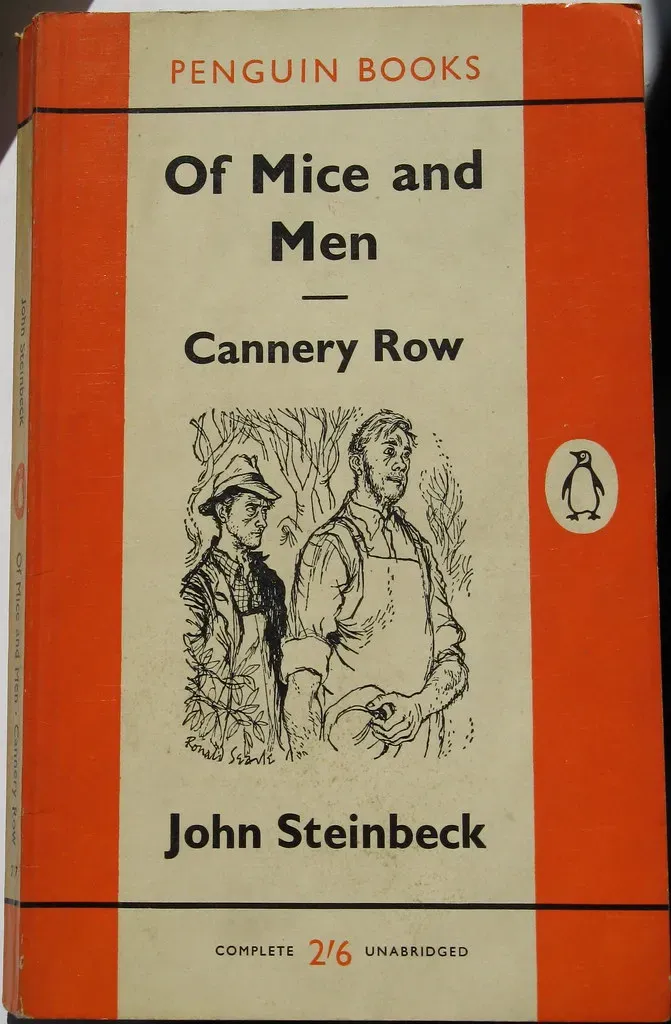
This American classic sits at around 107 pages, yet it packs an emotional gut punch that rivals novels three times its length. George and Lennie are migrant workers during the Great Depression, dreaming of owning their own piece of land. Lennie has an intellectual disability and doesn’t understand his own strength, which leads to tragedy after tragedy.
Steinbeck’s prose is clean and direct, almost cinematic. The story moves quickly, building toward an ending that you sense coming but hope desperately to avoid. It’s brutal, honestly. The themes of friendship, loneliness, and impossible dreams feel as relevant now as they did in 1937. Fair warning: this one will break your heart, but in that cathartic way that reminds you why literature matters.
Fever Dream by Samanta Schweblin

Fever Dream is one of those books that gives meaning to the phrase ‘small but perfectly formed’. Translated from Spanish, this Argentine novella runs about 183 pages and reads like a fever dream indeed. The narrative structure is disorienting, told as a dialogue between a dying woman named Amanda and a strange boy named David.
Something terrible has happened, something involving Amanda’s daughter Nina, but the truth emerges slowly, fragmented. Schweblin creates an atmosphere of creeping dread that never lets up. The translation by Megan McDowell preserves the uncanny quality of the original Spanish. It’s unsettling, surreal, and entirely unique. You won’t be able to stop turning pages, desperate to understand what’s happening even as the story resists easy answers.
Animal Farm by George Orwell

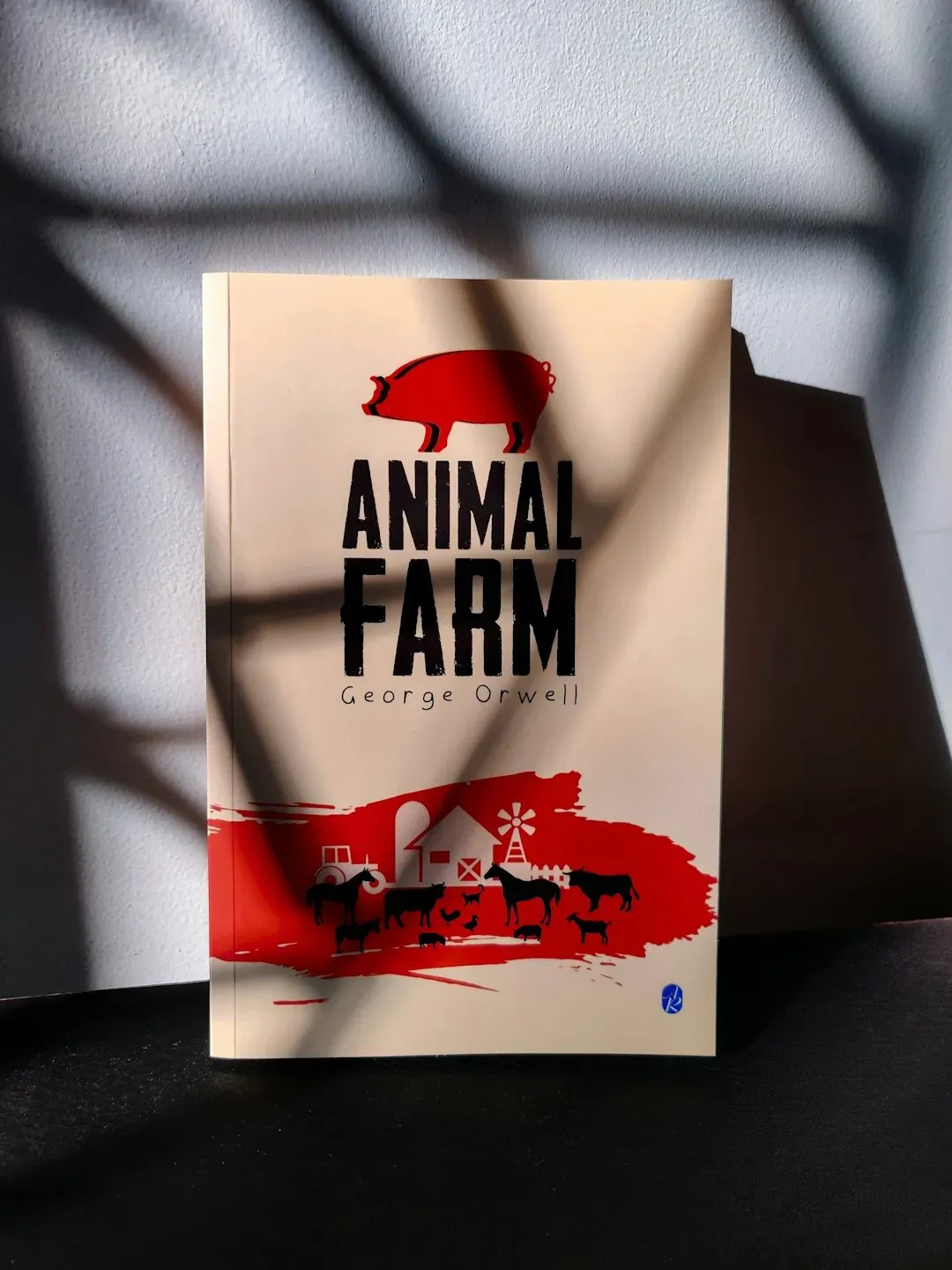
Orwell famously argued that language and stories should be simple, appealing to the broadest possible audience, and Animal Farm is an excellent example of this. A fable for children and a satirical allegory for adults, the novella appeals to so many, so perfectly. At just 112 pages, this political satire disguised as a farmyard fable remains devastatingly relevant.
The animals overthrow their human farmer, dreaming of equality and freedom. Slowly, inevitably, the pigs consolidate power, and the revolutionary ideals crumble. If you read this in school, it’s worth revisiting as an adult. The satire cuts deeper when you understand more about how power corrupts and revolutions fail. Orwell’s prose is crystalline, his message brutally clear. The ending is bleak, unforgettable, and perfect.
So there you have it. Ten remarkable books, none longer than 200 pages, each capable of being finished in a single afternoon but powerful enough to occupy your thoughts for weeks. The next time you find yourself with a few free hours and need an escape, skip the endless scrolling and pick up one of these instead. Sometimes the shortest books leave the longest shadows. Which one will you read first?


