


Music has always been more than just entertainment. Throughout history, it’s sparked revolutions, challenged governments, and pushed the boundaries of what society deemed acceptable. Some songs, though, went too far for the establishment. They were silenced, banned, censored, or pulled from airwaves because they threatened the status quo.
What makes a song so dangerous that entire nations ban it? Sometimes it’s the lyrics. Other times it’s the timing, the artist, or just the raw nerve it hits. From anti-monarchy punk anthems to civil rights ballads that made listeners weep, these tracks faced censorship, threats, and even violence. Yet they refused to be silenced. Here are the stories behind the most controversial songs ever written.
Strange Fruit by Billie Holiday – A Haunting Portrait of Racial Violence

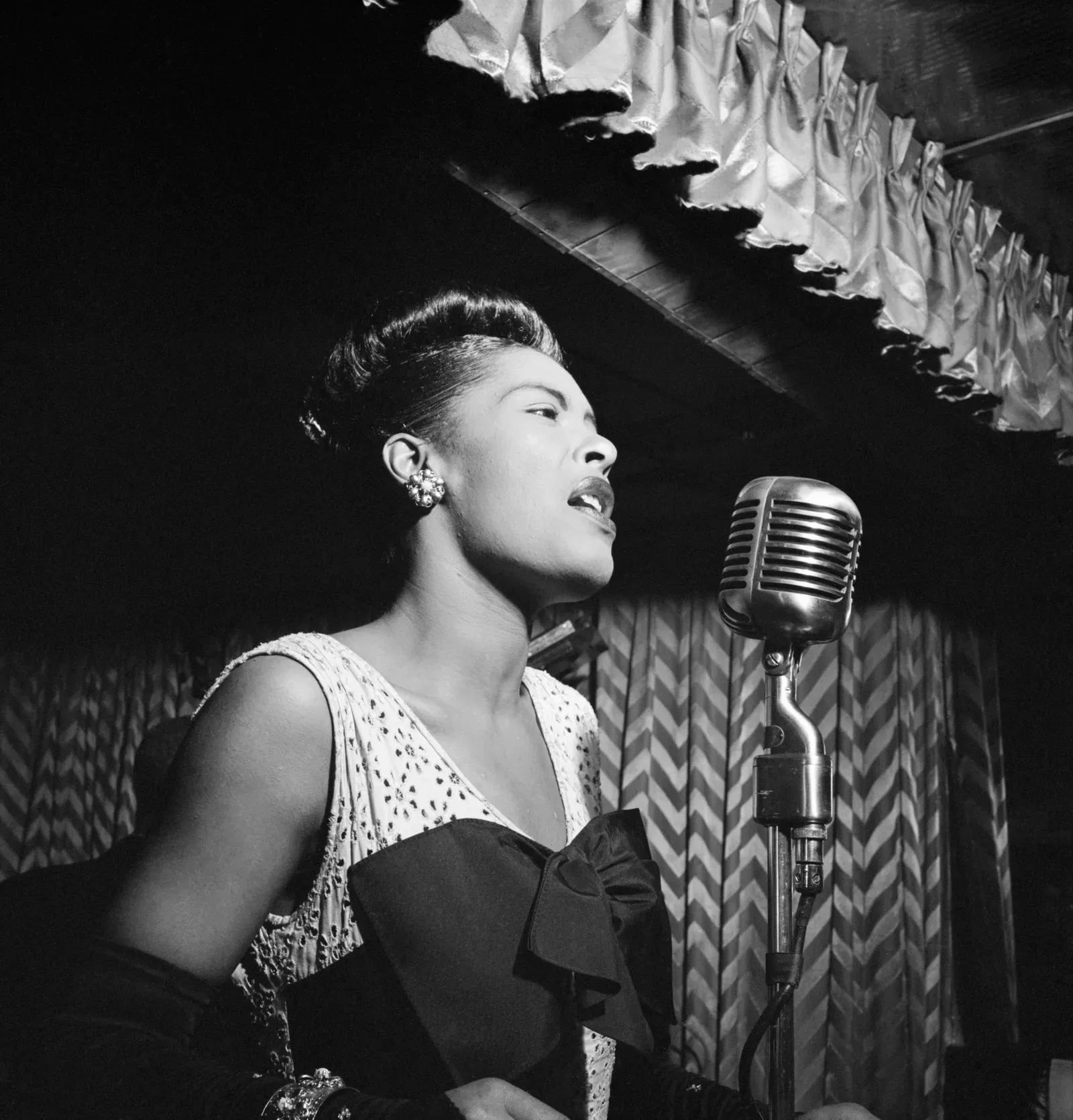
Billie Holiday’s “Strange Fruit” is among the most haunting and controversial songs ever recorded and performed, addressing the graphic and upsetting subject matter of Black Americans being lynched. The song’s roots begin not with Holiday, a Black woman, but a man named Abel Meeropol, a Russian-Jewish immigrant who observed the racially segregated U.S. and wrote a poem dealing with the subject, eventually converting the poem to lyrics and setting it to music.
Radio stations banned the song and many patrons of integrated nightclubs who were otherwise fans of Holiday would leave when she started to perform it. The imagery was too raw, too real for audiences in the late 1930s. Blocked from radio over the content of the lyrics, which recount the horrific lynching of two African-American men, Billie Holiday’s unsparing song is still remarkably powerful. It remains one of the most powerful protest songs ever written.
God Save the Queen by The Sex Pistols – Punk’s Most Explosive Moment

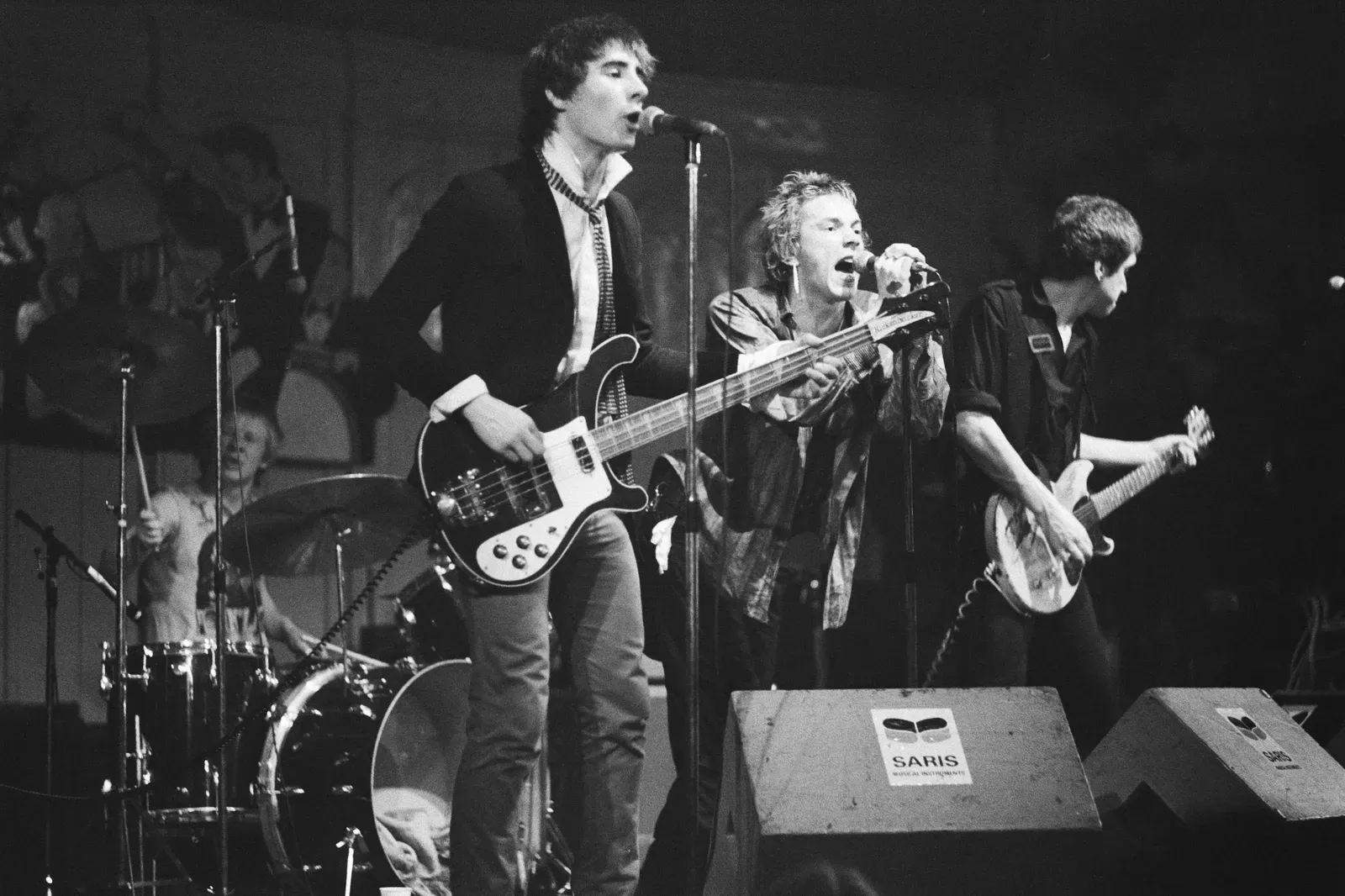
Released during Queen Elizabeth II’s Silver Jubilee in 1977, the song was controversial at the time as both the British Broadcasting Corporation and the Independent Broadcasting Authority refused to play the song, including a total ban of its airing by the BBC. In response to lyrics like “God Save The Queen/She ain’t no human being,” the BBC labeled the record an example of “gross bad taste”.
Even with the radio ban in place, and with major retailers like Woolworth refusing to sell the controversial single, “God Save The Queen” flew off the shelves of the stores that did carry it, selling up to 150,000 copies a day in late May and early June. The censorship only fueled the fire. According to music critic Alexis Petridis, it was “the most heavily censored record in British history”. A month after this was released, some members of the band were attacked by men who supported the British monarchy, and Johnny Rotten’s hand was permanently damaged.
F*** Tha Police by N.W.A – Hip Hop’s Controversial Call to Action

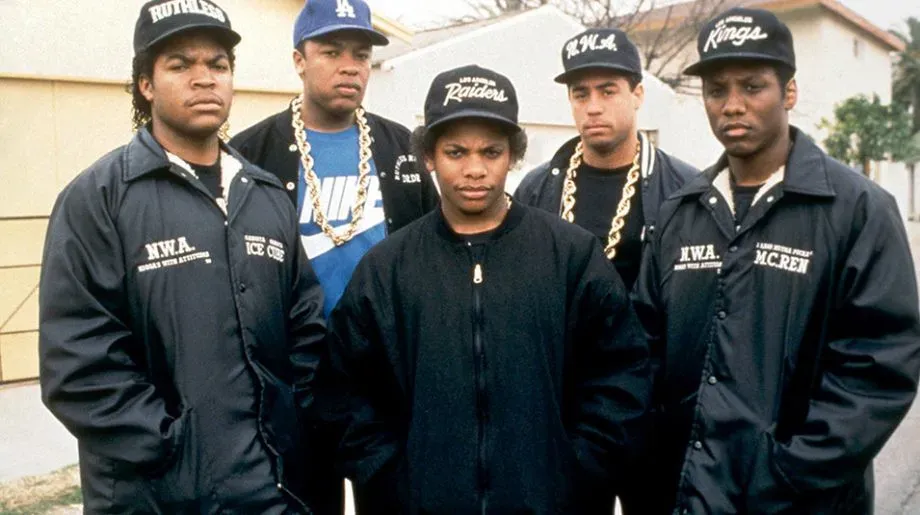
For young black men living in LA in the late 80s, police harassment was a fact of life, as the LAPD’s Operation Hammer, launched in 1987, had arrested over 50,000 people by the following year. The uncompromising track that boldly called the authorities out helped to cement NWA’s position as “The World’s Most Dangerous Group” and the record was banned from radio play, thus ramping up its notoriety.
Infamously, copies of the lyric were faxed by police forces from city to city ahead of the band’s tour dates, increasing hostility and making it difficult for venues to find security. The group even received a warning letter from the FBI, a rare and chilling rebuke. The song became a defining moment in protest music.
Imagine by John Lennon – The Peace Anthem That Radio Rejected

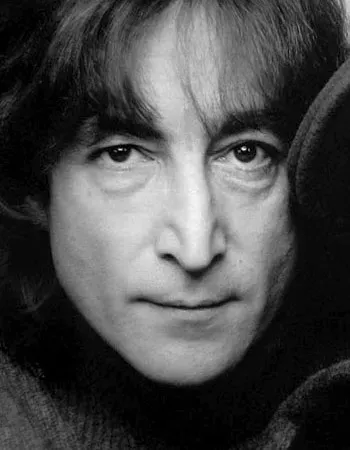
You might be surprised to learn that one of the most beloved songs of all time was actually banned. Two major radio stations that banned the song from the airwaves were Clear Channel Communications (now iHeart Media) and the BBC, with Clear Channel Communications banning the song after 9/11. The BBC banned the song in 1991 during England’s participation in the Persian Gulf War.
The reasoning? Both stations felt the song’s peaceful, anti-nationalist message contradicted wartime patriotism. Though the song was banned from radio in the immediate aftermath of 9/11, Neil Young recognized its potency, singing it at a memorial concert, America: Tribute To Heroes. Let’s be real, the fact that a song about peace could be seen as threatening says everything about how society reacts during times of crisis.
Cop Killer by Body Count – When Music Sparks National Outrage

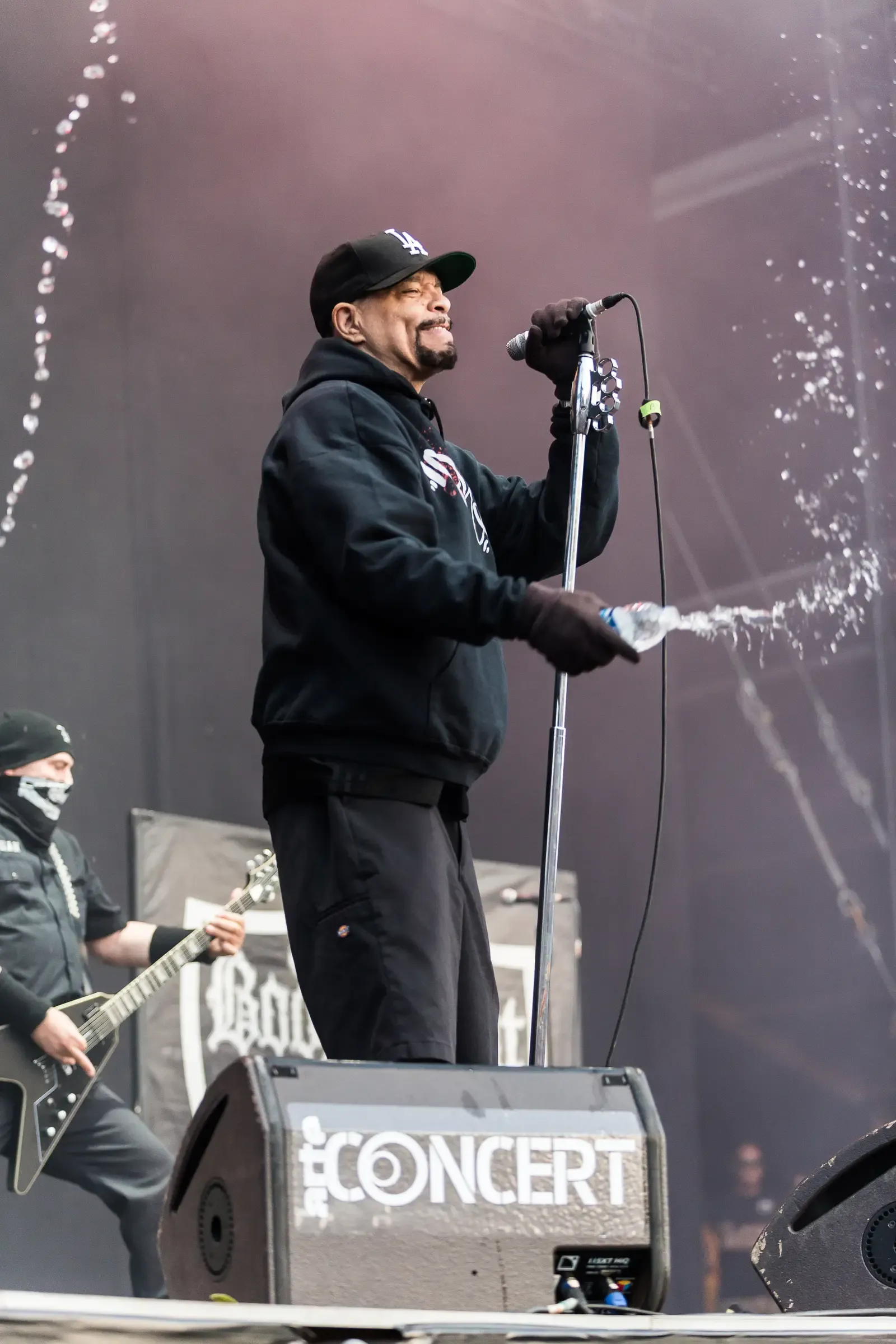
Recorded by Ice-T’s rock group Body Count, “Cop Killer” is a heated song about a victim of police brutality who violently takes matters into his own hands. The song faced criticism from law enforcement agencies, the Parents Music Resource Center, President George H.W. Bush and the public in general, with some people responding through protests and boycotts of any company associated with the distribution of the record.
This caused sales to skyrocket, but also prompted certain stores to take the album off their shelves, with some countries, such as New Zealand, attempting to have the song and the rap group itself completely banned, while stockholders threatened to pull out from Warner Bros Records and executives received death threats. It’s hard to think of another song that generated such intense controversy from every angle.
The Real Slim Shady by Eminem – Even the Clean Version Got Banned

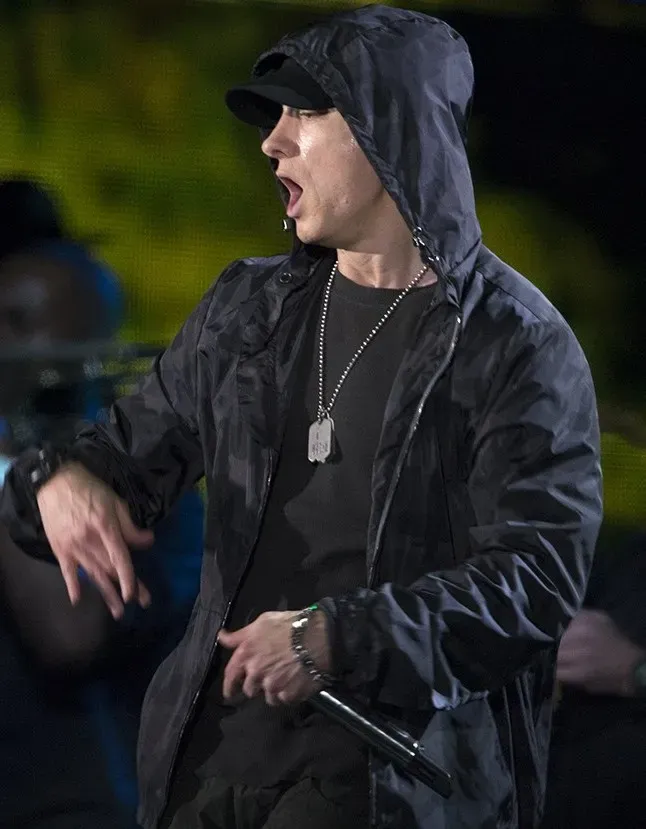
Here’s where things get truly absurd. The FCC fined two radio stations $7,000 for playing rapper Eminem’s breakout hit “The Real Slim Shady,” as the “clean” version of the song, intended for radio, doesn’t have outright banned words that can’t be broadcast, but the agency said the song included sexual innuendo not allowed under broadcast rules it updated earlier that year.
The commission put guidelines in place earlier in 2001 stating that context and innuendo alone could get a station in trouble for violating its decency standards. Think about that for a moment. They literally censored the censored version. The FCC later dropped the fine, but the damage was done, creating yet another chapter in Eminem’s reputation as one of music’s most controversial figures.
Relax by Frankie Goes To Hollywood – The Ban That Made Them Superstars

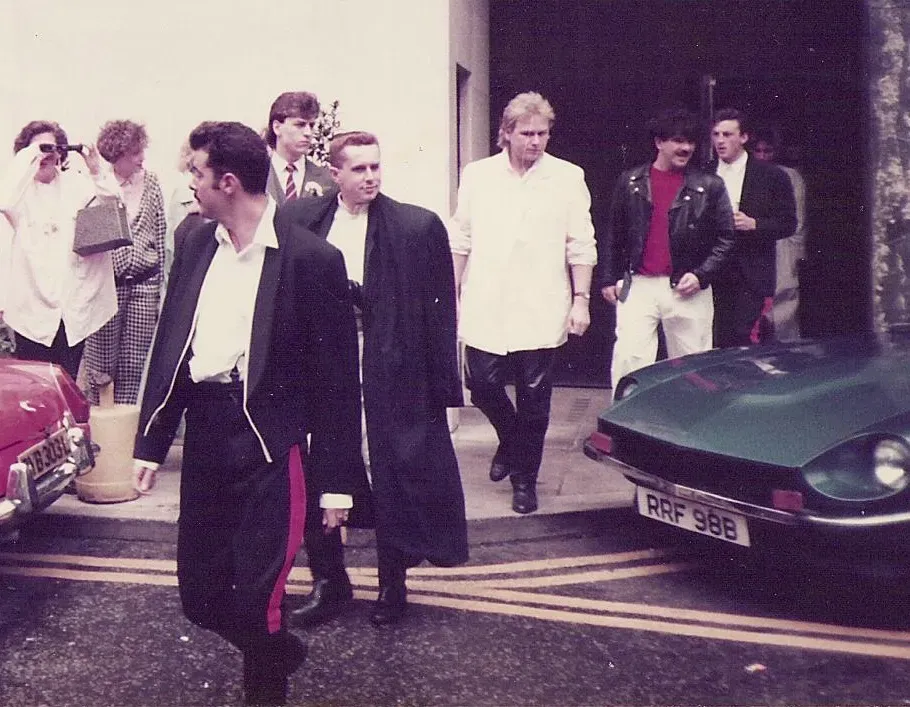
Frankie Goes To Hollywood’s debut single, “Relax,” had spent a couple of months ambling up the UK Top 100 singles chart until it hit the Top 40, earning itself a spin on DJ Mike Read’s BBC Radio 1 chart rundown, when midway through the track, Read cut the song short, having apparently just realized the Olympian level of innuendo at play.
In January 1984, Radio 1’s Mike Read refused to play the song on his mid-morning show, declaring it “overtly obscene”, a decision which the BBC then followed. The “ban” worked wonders: “Relax” spent five weeks at No.1 in the UK before becoming a worldwide hit, launching Frankie Goes To Hollywood as a pop phenomenon. Sometimes controversy really does work better than any marketing campaign money can buy.
My Generation by The Who – Banned for Stuttering

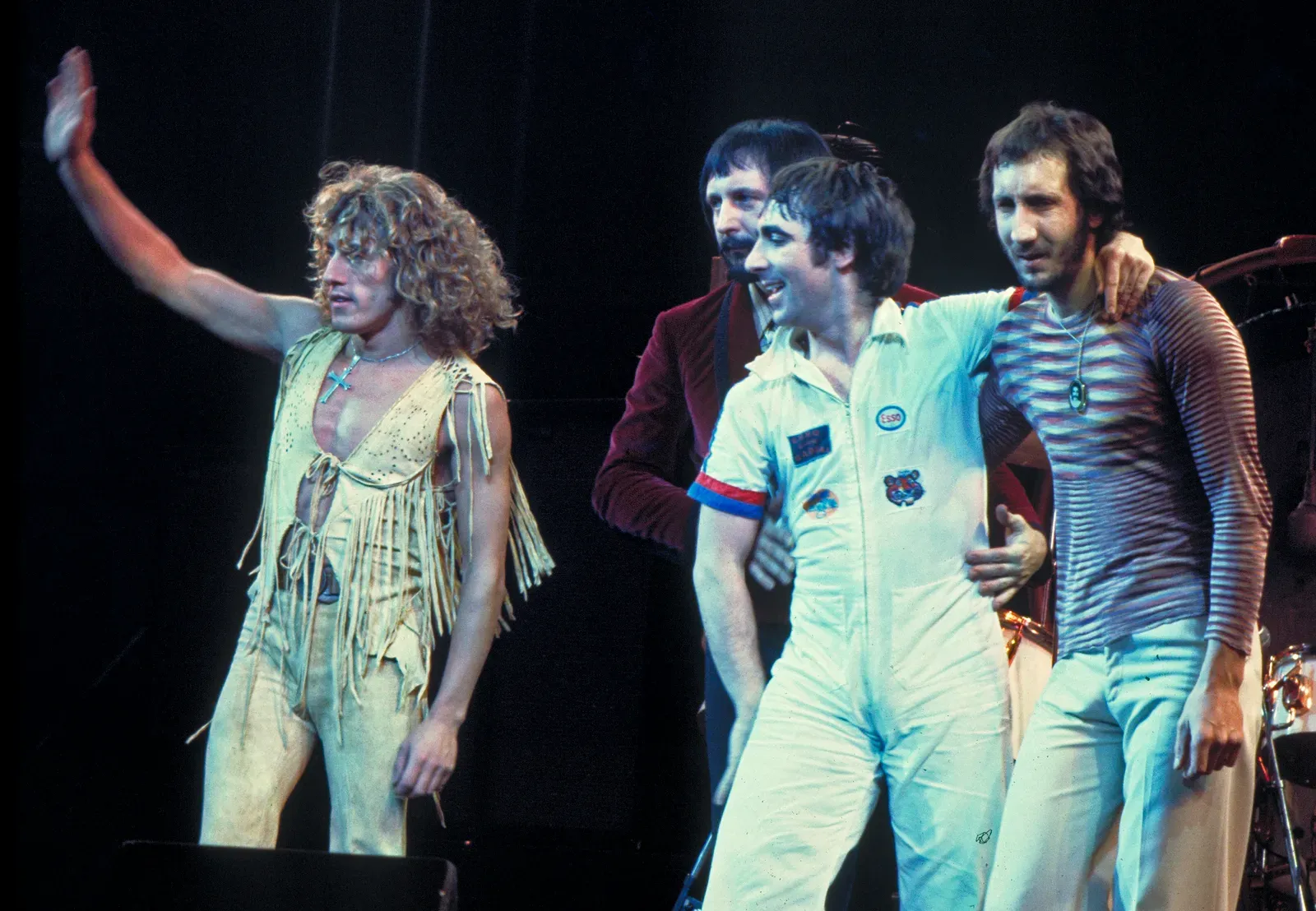
This one’s genuinely bizarre. A rather unique case, “My Generation” was banned from the radio for a reason unrelated to its lyrical content, as the song featured vocals that resembled stuttering and the BBC prohibited the song from receiving airplay because they were afraid to offend people with actual stuttering problems.
No sex, no drugs, no political revolution. Just Roger Daltrey’s deliberate vocal stutter mimicking teenage frustration. Later, when the song proved to be a huge hit, they allowed it. The whole episode perfectly captures how ridiculous censorship can become when authorities try too hard to protect everyone from offense.
Lola by The Kinks – Banned for Mentioning Coca-Cola

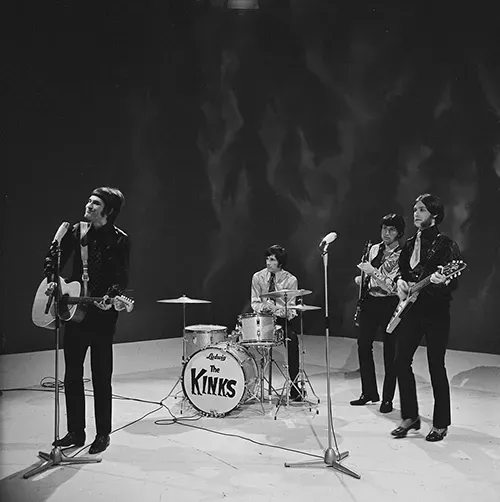
Surprisingly, the reason that the BBC banned singer Ray Davies’ tale of ambiguous lust wasn’t the subject matter as such, as despite detailing a coming-of-age moment in which the narrator is shocked then accepting of the subject of his boozy affection’s gender, the song was pulled up because of the offending lyric “Where they drink champagne and it tastes just like Coca-Cola,” which mentions a specific product.
The original studio recording contained the word “Coca-Cola” in the lyrics, and since this was a violation of BBC radio’s policy against product placement, Ray Davies was forced to interrupt the Kinks’ American tour in order to change it to “cherry cola” for the single’s release. Honestly, the irony is almost laughable. The BBC was fine with a song about gender fluidity in 1970, but a brand name? That crossed the line.
Conclusion

Looking back at these banned songs, one thing becomes crystal clear. Censorship rarely works the way authorities intend. More often than not, banning a song only amplifies its message and increases its popularity. From Billie Holiday’s devastating anti-lynching ballad to the Sex Pistols’ anti-monarchy punk anthem, these tracks refused to be silenced.
The reasons for banning them ranged from legitimate concerns about explicit content to absolutely absurd worries about brand names and stuttering. Yet all these songs share something powerful: they made people uncomfortable, they challenged norms, and they sparked conversations that needed to happen. Music’s greatest power lies not in making us feel good, but in making us think, question, and sometimes rage against injustice. What’s your take on music censorship? Should any song ever be banned, or does freedom of expression always win?


