Most of us meet a movie character in their finished form and assume they always looked and sounded that way. Behind the scenes, the people on the page are often nothing like the ones on screen.
Names get swapped, personalities get sanded down or sharpened, and whole species change. Here are ten characters whose early versions went in a very different direction.
Han Solo, Star Wars
George Lucas’s early treatments for Star Wars included a character named Han Solo who looked nothing like the smuggler we know. In one early draft, Solo was a huge alien with green skin and gills. The human, roguish version came later as the story took shape.
Harrison Ford’s version kept the name but gained the swagger and the sarcasm. It’s a good reminder that the Han Solo audiences love is largely a product of rewriting and casting rather than the original concept.
Ellen Ripley, Alien
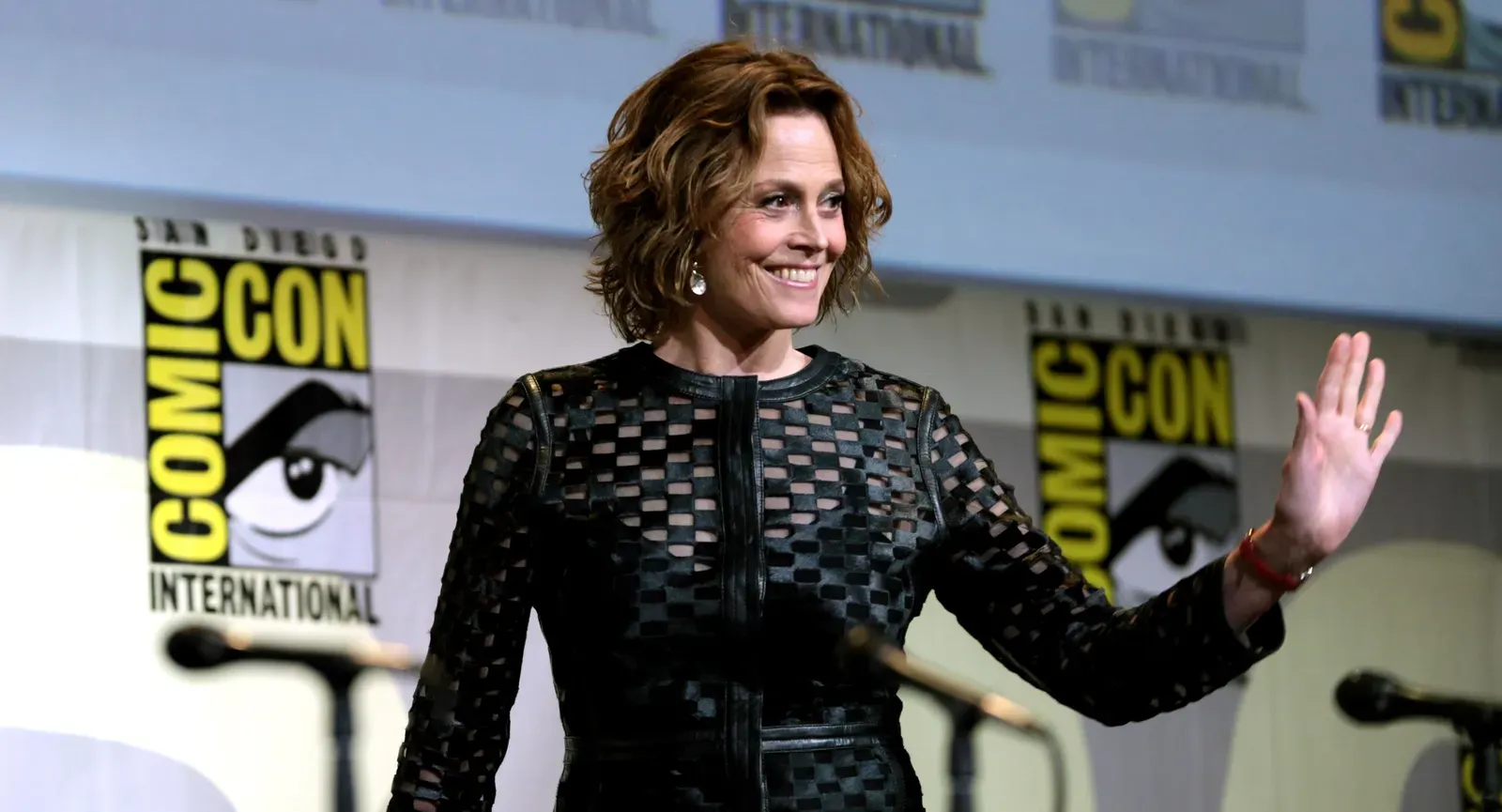
The screenplay by Dan O’Bannon and Ronald Shusett described the Nostromo crew as interchangeable between men and women. Ripley was not written with a specific actress in mind, and the role could just as easily have gone to a male actor. The script treated gender as open from the start.
That openness helped Sigourney Weaver land the part in 1979. Ripley became one of cinema’s best known action heroes, partly because the writers hadn’t boxed her in with expectations.
Indiana Jones, Raiders of the Lost Ark
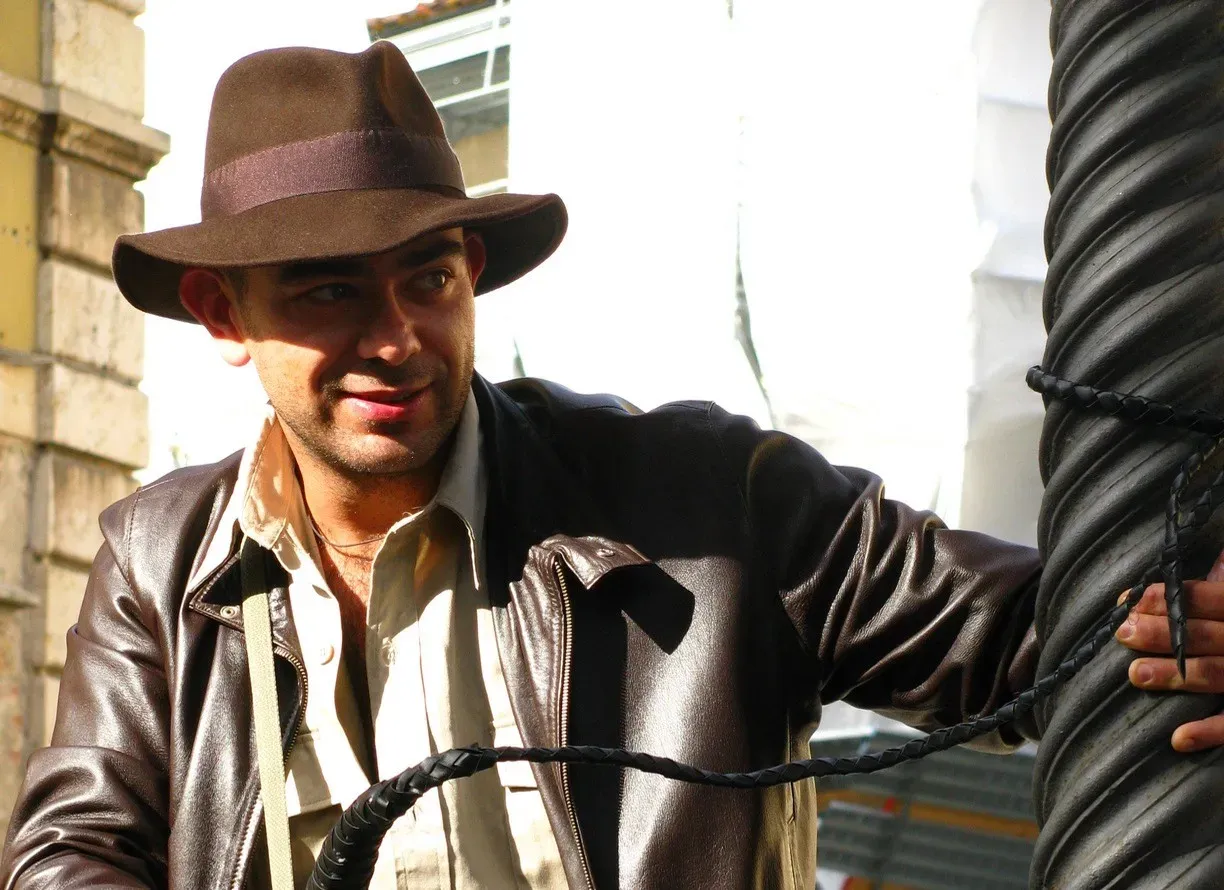
The famous archaeologist began life as Indiana Smith. Lucas took the name Indiana from his Alaskan malamute, who also inspired Chewbacca. Steven Spielberg reportedly didn’t care for the surname Smith, and it was changed to Jones.
It’s a small edit, yet it’s hard to picture the hat and whip attached to any other name. The change gave the character a sharper, more memorable ring.
Rocky Balboa, Rocky
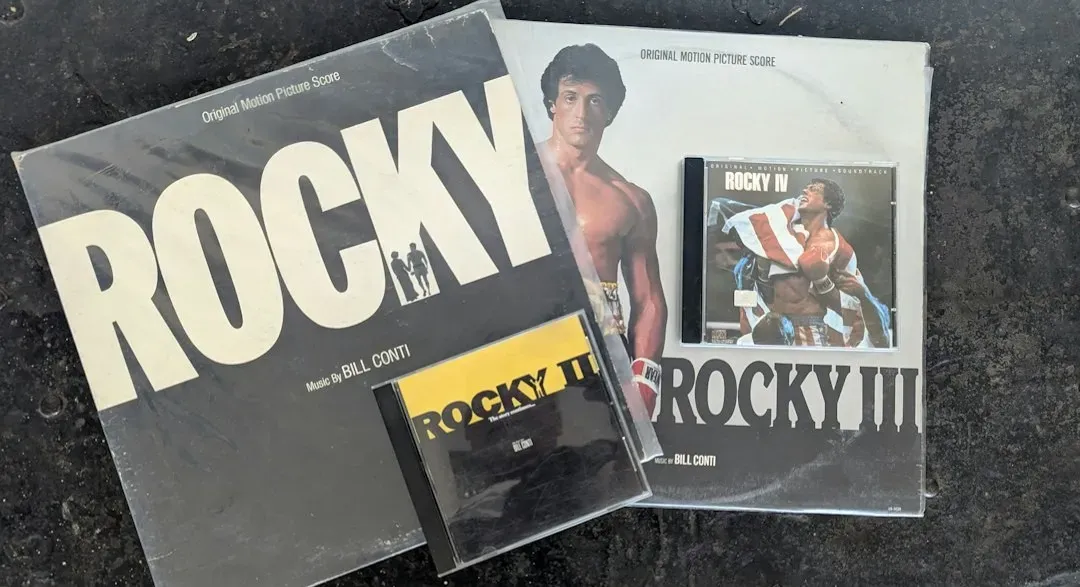
Sylvester Stallone wrote the script for Rocky himself, and the early version of the character was reportedly tougher and less likable. Accounts of the early draft describe a Rocky who worked as a thug and who ended up throwing his big fight. The finished film softened him into a decent, underdog figure who simply wants to go the distance.
Producers reportedly wanted to buy the script and cast an established star in the lead. Stallone held out to play the role himself, and the film won the Academy Award for Best Picture for 1976.
Forrest Gump, Forrest Gump
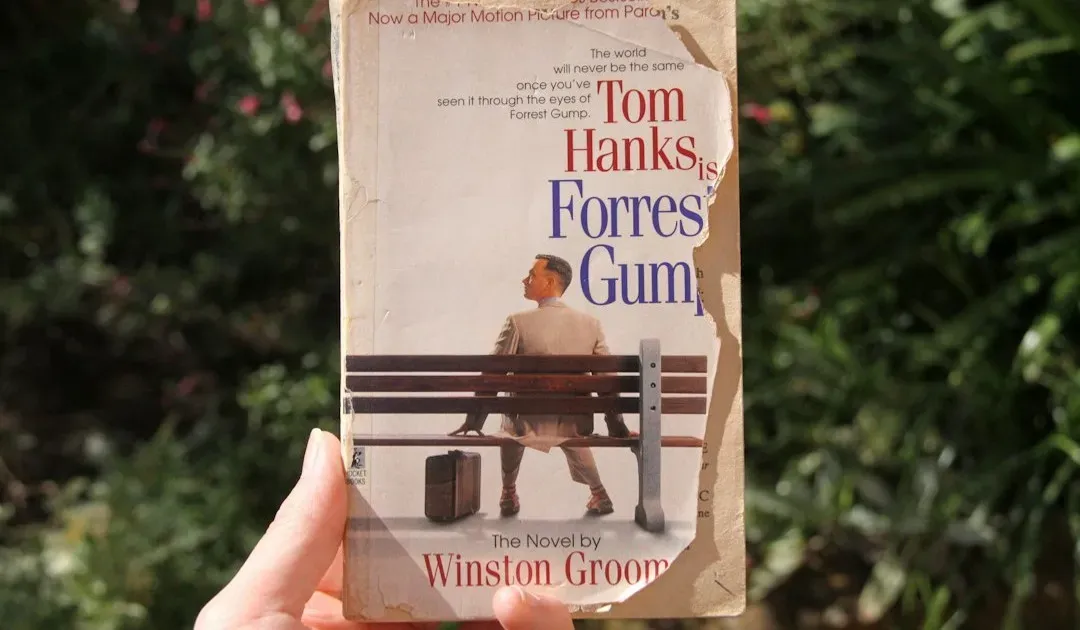
Winston Groom’s novel presents Forrest as an idiot savant who is cruder, more chaotic, and far more outlandish than the film version. In the book, he even spends time living among cannibals during a space mission. Screenwriter Eric Roth reshaped the story into something warmer and more sentimental.
Partner offer
Roth kept the historical tour but gave Forrest a gentler personality and a clearer emotional core. The 1994 film went on to win the Academy Award for Best Picture, so the softer approach clearly resonated.
Shrek, Shrek
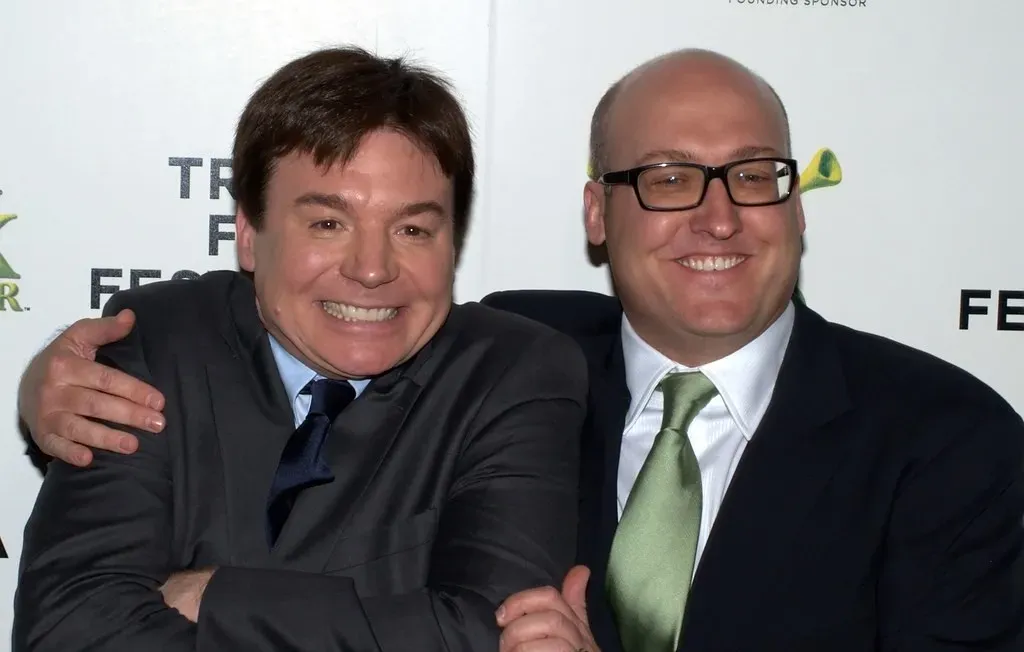
Chris Farley was originally cast as the voice of Shrek and recorded a large portion of the dialogue before his death in 1997. DreamWorks then brought in Mike Myers, who re-recorded the role. Myers chose to give Shrek a Scottish accent, which changed the character’s tone entirely.
The film’s story and humor were reworked around Myers’s performance. The ogre who reached theaters in 2001 was shaped as much by that late casting change as by the written page.
Woody, Toy Story
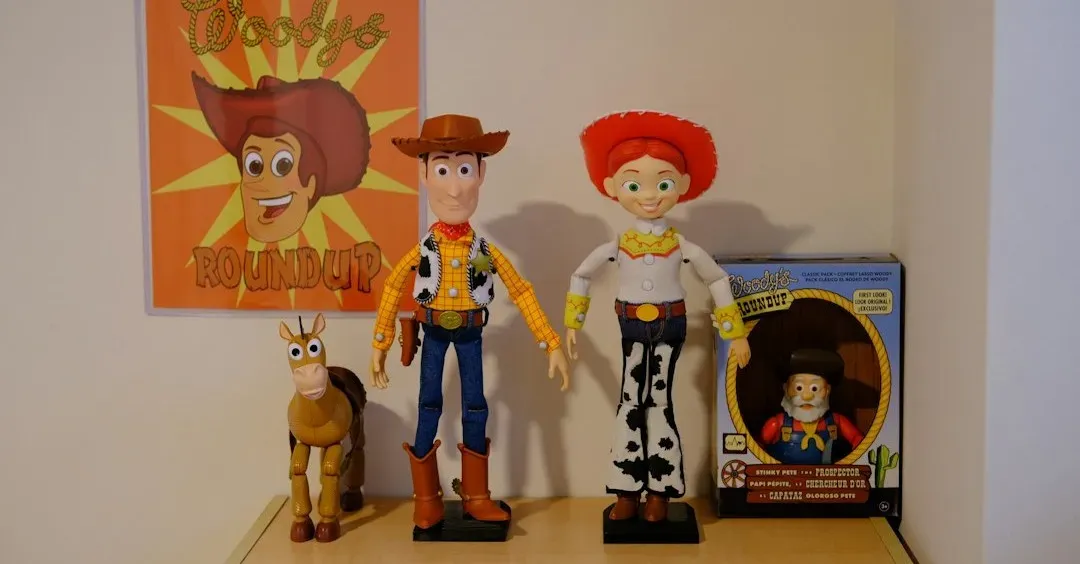
An early story version of Toy Story gave Woody a much meaner streak. He was more of a sarcastic bully than a loyal leader, and he treated the other toys harshly. Disney executives reacted badly to that tone during a notorious early screening of the story reels.
Pixar reworked the script to make Woody flawed but sympathetic, driven by insecurity instead of cruelty. The film was released in 1995, and that retooling is widely credited with saving it.
Vivian Ward, Pretty Woman
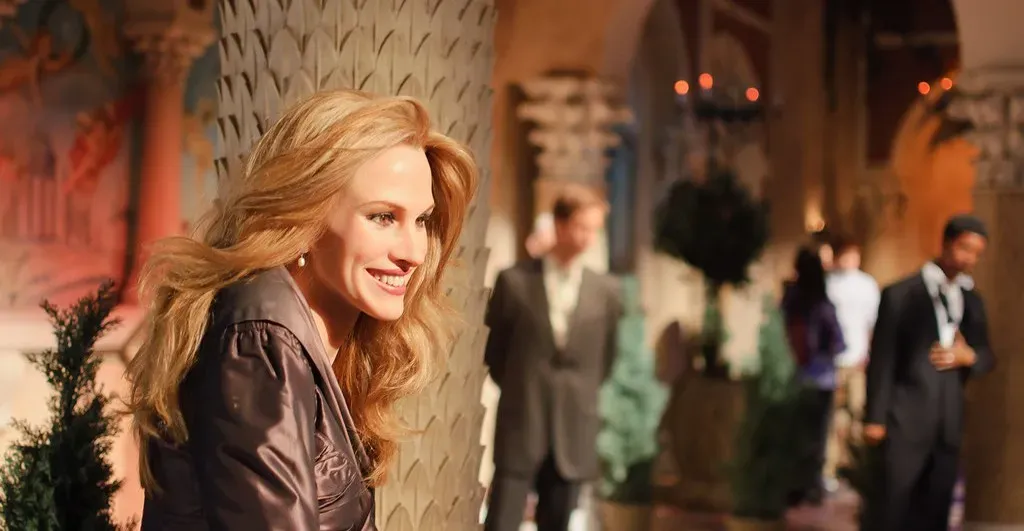
The film began as a darker script titled 3000, which treated Vivian’s life as a sex worker with far more grit. It dealt with drug use and poverty, and it did not end with a romantic rescue. The tone was much closer to a cautionary drama than a fairy tale.
Disney’s rewrite turned it into the romantic comedy released in 1990. Julia Roberts’s performance helped make the lighter Vivian a defining screen role of her career.
Doc Brown, Back to the Future
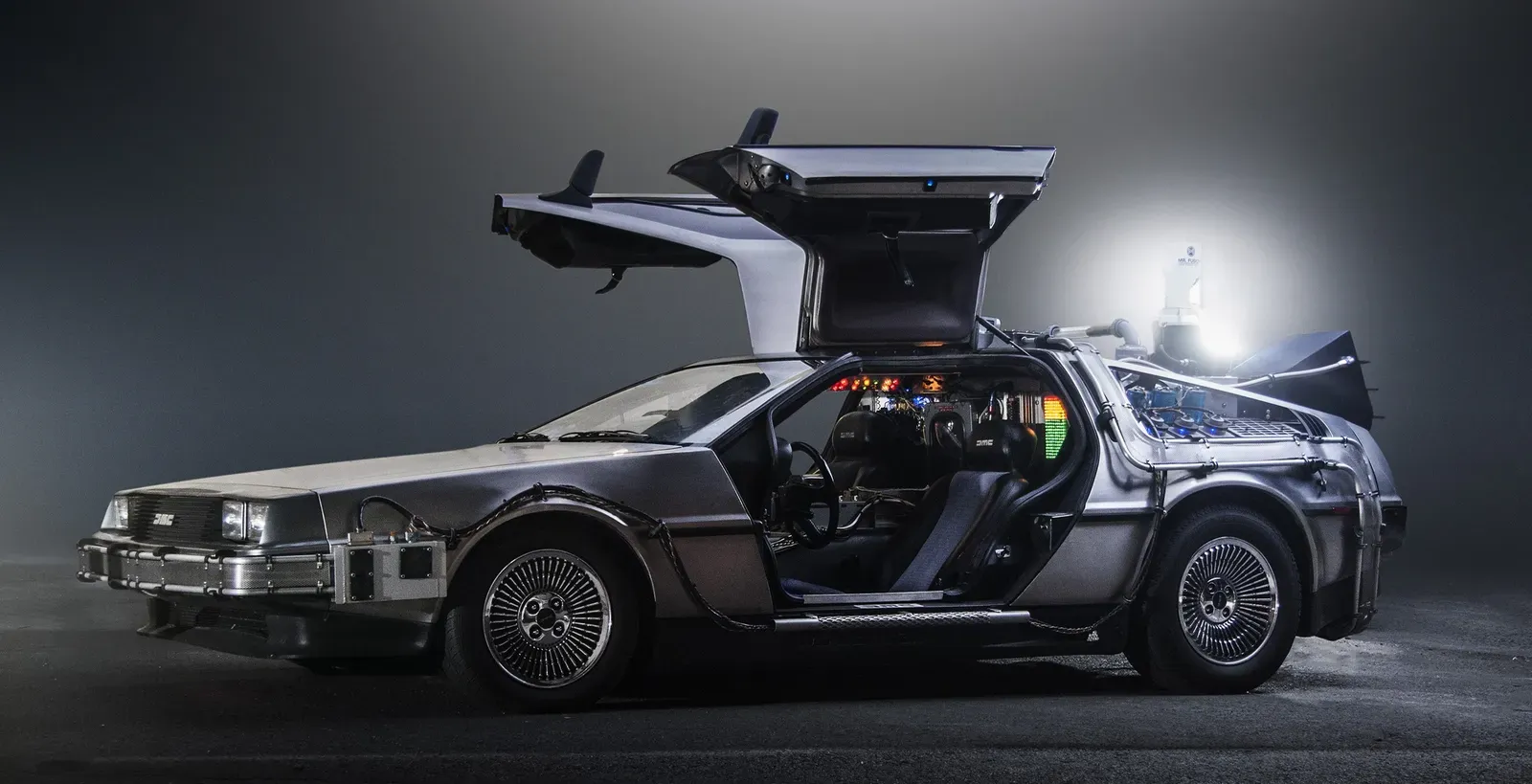
In early drafts of Back to the Future, Doc Brown’s companion was a pet chimpanzee rather than a dog. The writers later changed it to Einstein the dog, who became a lovable part of the final film. The time machine itself was also originally imagined as a refrigerator before becoming the DeLorean.
Those changes shaped Doc’s world as much as his own dialogue did. The 1985 film kept his eccentric energy while moving him into a more grounded, visually iconic setup.
The Terminator, The Terminator
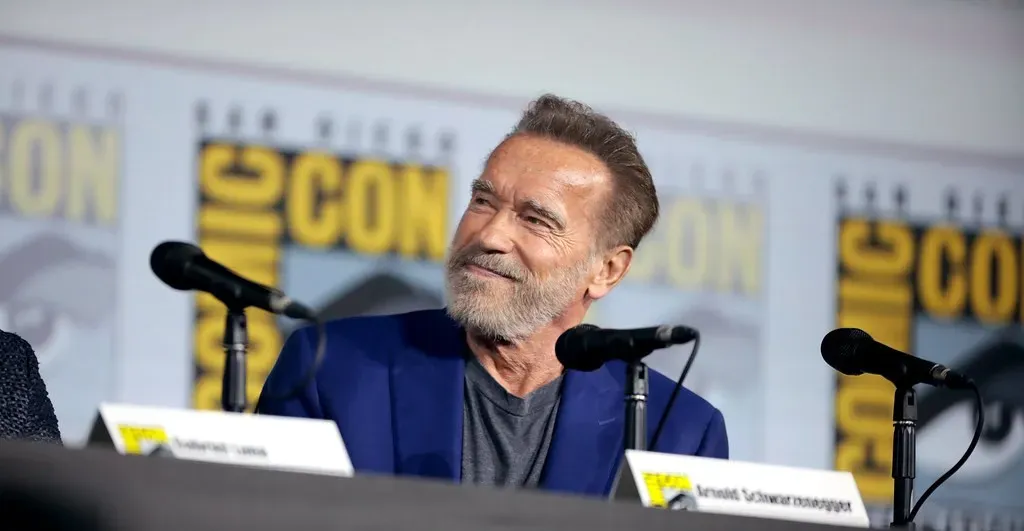
When James Cameron developed The Terminator, he imagined the killer machine as an infiltrator who could blend into a crowd. Lance Henriksen was considered for the part, and he reportedly even did early concept work for the film. Arnold Schwarzenegger was initially considered for the hero, Kyle Reese.
After Cameron met Schwarzenegger, the casting flipped. The towering, unstoppable presence of the 1984 film’s Terminator came from that decision, and it turned the character into something far more physically imposing than the original idea.
Partner offer
Planning a trip to Vegas?
Compare hotel rates and show tickets on VEGAS.com.