There’s a particular kind of pressure that comes with fame, and for many celebrities, no scrutiny has been more relentless than the question of why they haven’t had children. The comments range from concerned to condescending, the tabloid headlines rarely stop, and the cultural expectation that success must eventually come packaged with a family remains stubborn. Yet a growing number of A-listers have not just quietly lived without children – they’ve spoken about it plainly, often defiantly, on magazine covers, in interviews, and on podcasts. Some of the most famous people in the world have made a personal choice that surprises many fans: they decided not to have children. For these celebrities, going child-free was not about circumstance but about a clear, thoughtful decision. What makes their stories worth revisiting is not the decision itself, but how openly and confidently they’ve defended it in public life.
Jennifer Aniston: Decades of Scrutiny, One Powerful Reply
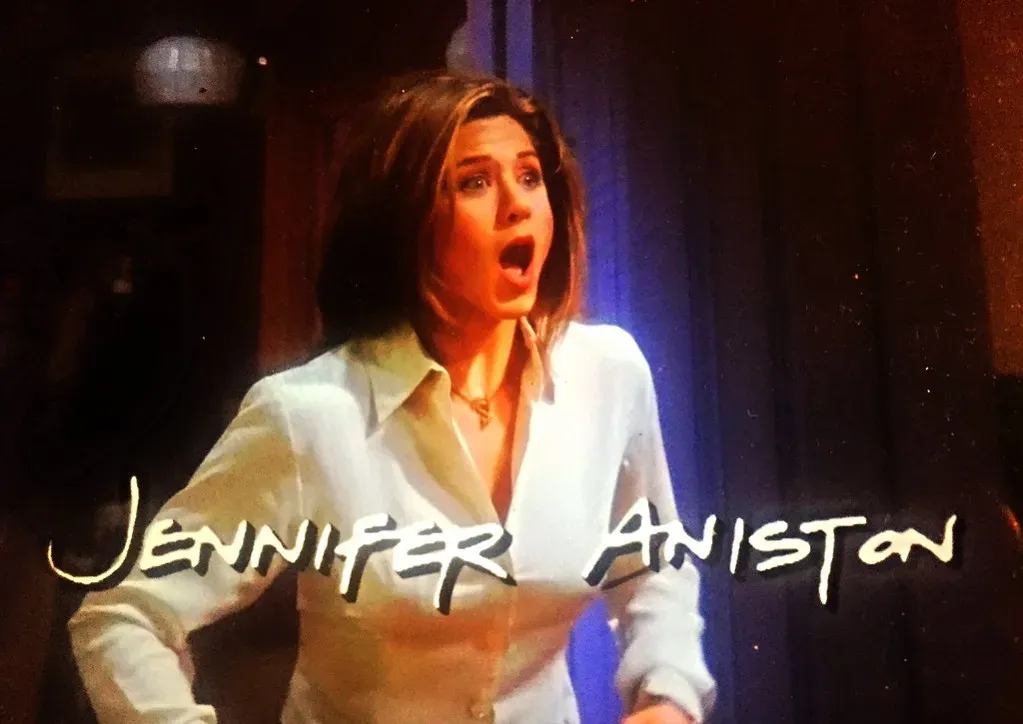
Few celebrities have endured more sustained public pressure over the question of children than Jennifer Aniston. She has lived most of her life under a microscope, with people projecting entire narratives onto her, especially around motherhood. Despite that pressure, she built an identity that isn’t shaped by public demand or cultural expectations. The tabloid machine ran pregnancy rumors for years, often framing her choices as personal failure.
Aniston opened up about the scrutiny she faced over the years from the public for not becoming a mother. In an interview with Harper’s Bazaar, she got candid about her struggles with fertility and in vitro fertilization treatments, which she says she kept out of the spotlight for decades. She penned a passionate essay in the Huffington Post in 2016, in which she called out the media for its inappropriate fixation on her reproductive choices, writing that women “don’t need to be married or mothers to be complete” and that they “get to determine our own ‘happily ever after’ for ourselves.”
Dolly Parton: Freedom as a Calling
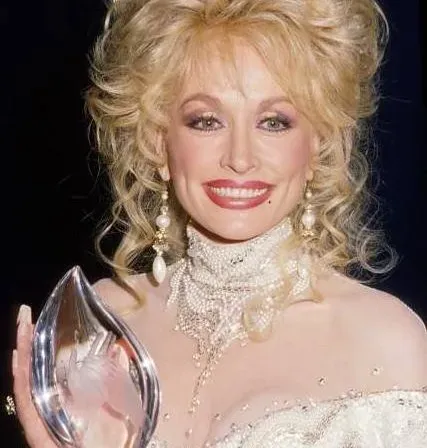
Country music icon Dolly Parton discussed her decision not to have children in an intimate interview with Oprah Winfrey. The country star was married to her husband Carl Dean for decades, yet the two of them never had children. Her explanation, when it finally came, was deeply personal and rooted in something close to spiritual conviction.
Parton told Winfrey that she didn’t have children because she believed God didn’t mean for her to have kids so everybody’s kids could be hers, so she could do things like the Imagination Library – because if she hadn’t had the freedom to work, she wouldn’t have done all the things she did. The Imagination Library is a charity that provides books for children from infancy to the age of five free of charge in communities across the U.S., Canada, the United Kingdom, Australia, and the Republic of Ireland. It’s a remarkable reframe – choosing not to be a mother to one, so she could give something to millions.
Oprah Winfrey: A Sacrificial Calculation
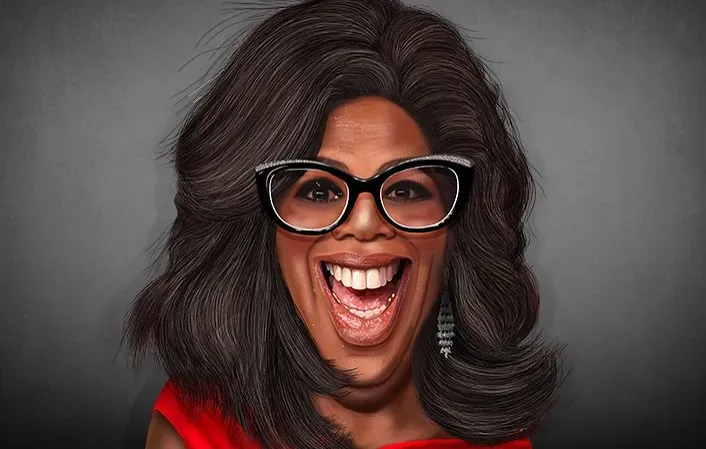
Oprah has always been candid about not wanting children. She says she never had the desire and didn’t think she could give her children the attention they would deserve due to the demands of her career. That honesty has been consistent across decades of public conversation about her life choices.
In a documentary about Barbara Walters, Winfrey explained her reasoning plainly: “You are a pioneer in your field, and you are trying to break the mold for yourself and for women who are going to follow you, then something is going to have to give for that. And that is why I did not have children. I knew I could not do both well.” It’s one of the more honest things any public figure has said about this topic – not framed as a feminist statement, just a clear-eyed assessment of trade-offs.
Helen Mirren: Zero Regrets, Zero Apologies
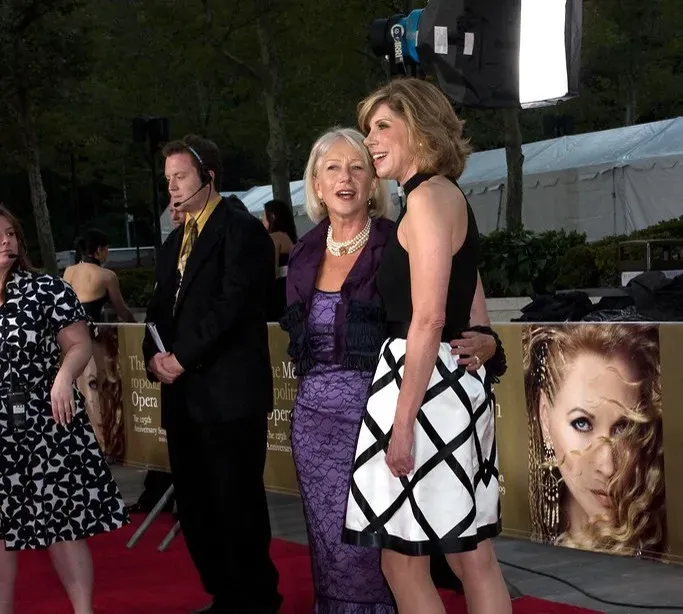
Dame Helen Mirren has never been one to follow the crowd, and her decision not to have children is no exception. The Oscar-winning actress has said she never had a maternal instinct and has never regretted her choice for a single day. In interviews, she has been refreshingly matter-of-fact about it, explaining that she simply did not want children and saw no reason to pretend otherwise.
Hollywood actress Helen Mirren has spoken about her experience of being constantly questioned about her family plans. Speaking to British Vogue, she explained how motherhood was not her “destiny,” before admitting she kept thinking it would be, waiting for it to happen, but it never did, and she didn’t care what people thought. In an industry that tends to romanticize motherhood, that level of calm candor is still somewhat rare.
Chelsea Handler: Vocal, Unapologetic, and Occasionally Hilarious
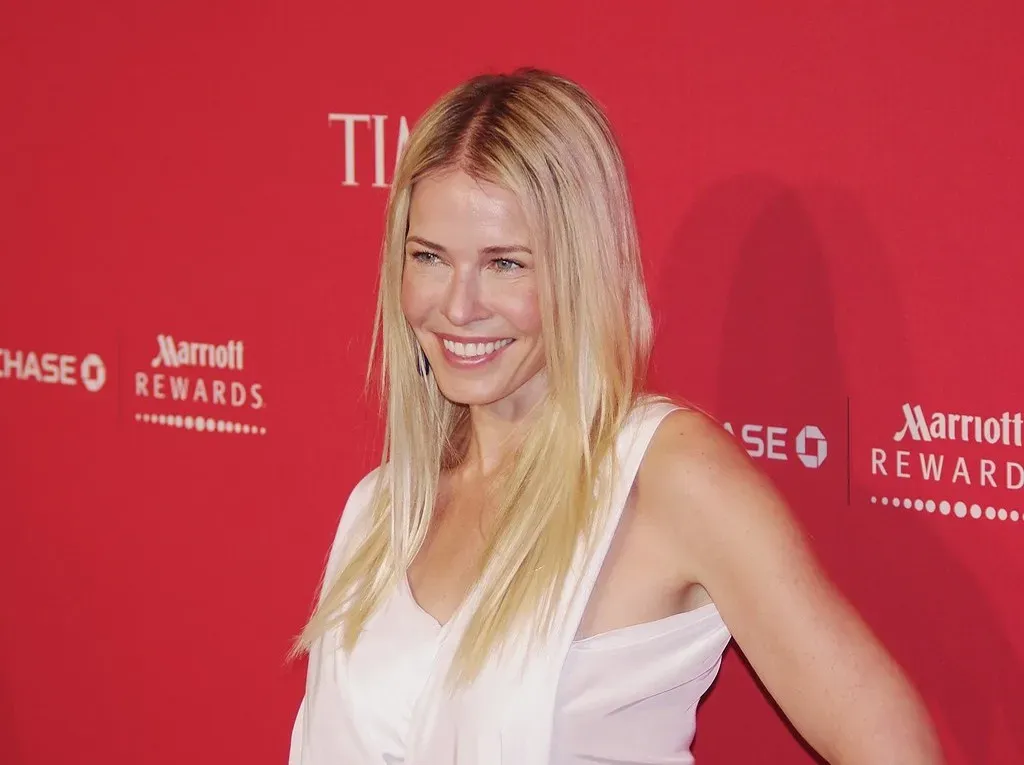
A decade before Chelsea Handler went viral on TikTok for her “A day in the life of a childfree woman” video, she made it abundantly clear to audiences she had no desire to become a mom, providing practical reasons why she came to that decision. Handler has never treated the subject as sensitive – she’s been remarkably consistent over the years about where she stands.
Fearlessly outspoken against social convention, Handler knows how to ruffle a feather or two with her words – always with a touch of dry humor. On the subject of children, her repartee is rooted in profound opinions against the patriarchy that conducts people toward parenthood. She has told audiences that people “are not defined by the children that you bring into the world” and urged people not to think of having children as a necessary milestone.
Sarah Paulson: Honest About the Internal Conflict
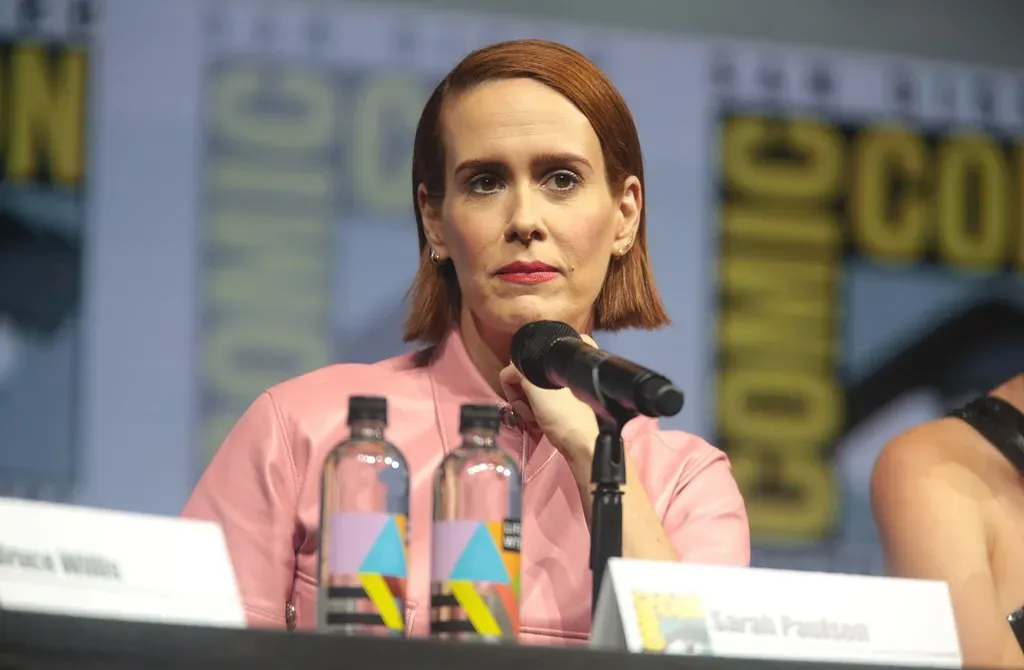
Sarah Paulson is another star who chose work over motherhood, telling Town and Country in 2018 she felt she wouldn’t have been able to dedicate the time necessary to care for a child. What makes her comments stand out is how vulnerable they are – she didn’t frame it as a neat, confident lifestyle choice. She talked about the genuine tension involved.
Partner offer
Paulson acknowledged watching her own mother struggle as a working parent, and that experience shaped her sense of what parenthood would actually require of her. For her, going child-free was not about circumstance but about a clear, thoughtful decision. There’s something grounding about hearing a public figure admit that the choice came from self-knowledge rather than indifference.
Andrew Garfield: Rethinking Fatherhood at 40
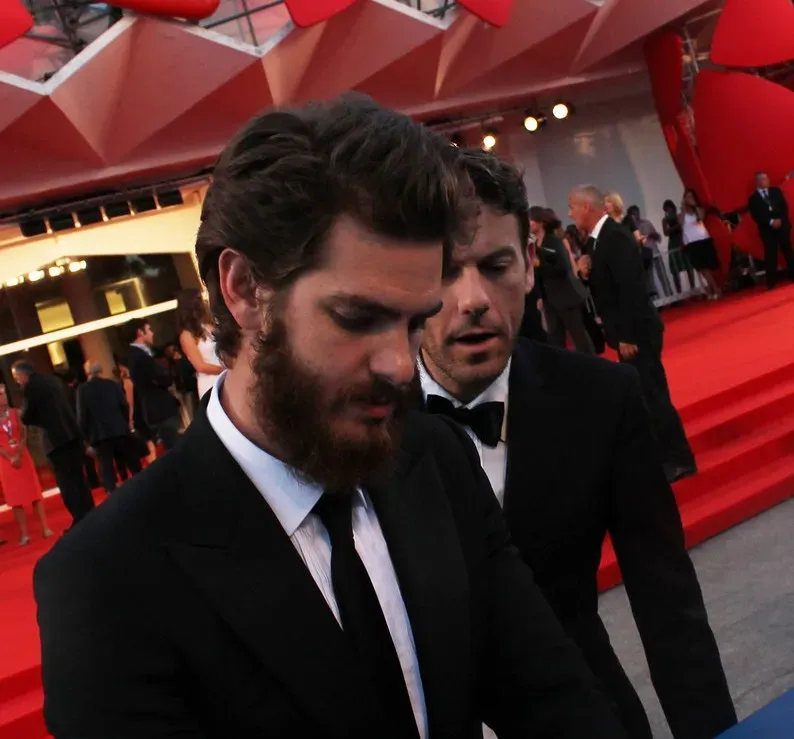
After toying with the idea of fatherhood for years and thinking he wanted to be a dad, Andrew Garfield told Esquire in October 2024 that, after turning 40 and playing yet another dad on screen, he wasn’t sure he wanted to be one in real life. It’s an unusually candid admission from a male A-lister – most tend to leave the topic vague.
In that October 2024 interview, Garfield discussed the topic of fatherhood, saying he’s “already a tired guy” and doesn’t want to be a tired dad. He further acknowledged that raising a child in the spotlight is a task that heavily factors into his decision, noting that “particularly bringing new life into the context of my life, there’s a heavy burden there.” That kind of specificity – acknowledging the unique weight of celebrity parenthood – is something few stars say out loud.
Seth Rogen: Happier With Every Passing Year
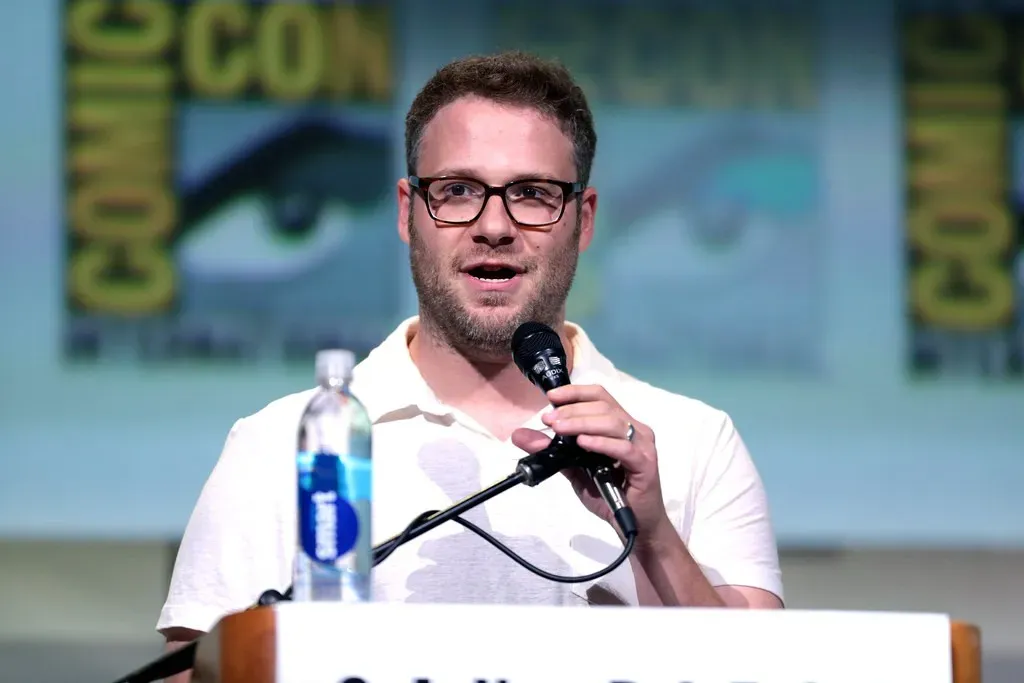
Appearing on a podcast in 2023, Seth Rogen opened up about his and his wife Lauren Miller’s decision to remain child-free, saying the older they get, the more happy and reaffirmed they are with their choice. It was something they talked about more, wondering if they had made the right choice and if they were sure. The uncertainty itself is worth noting – it wasn’t a decision locked in from the start.
He continued by saying that now, more than anything, the conversation between him and his wife is: “Honestly, thank God we don’t have children.” There’s something refreshingly unguarded about a couple publicly saying that their conviction has only deepened over time, rather than performing contentment they may not actually feel.
Kim Cattrall: Challenging the Narrow Definition of Womanhood
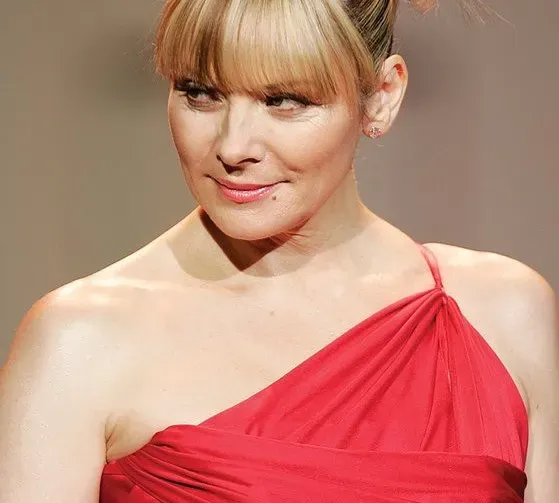
Best known for her role as Samantha Jones on Sex and the City, Kim Cattrall has spoken about the pressures of motherhood and how her demanding career didn’t align with raising children. She’s been vocal about society’s narrow definition of womanhood. For Cattrall, speaking up on the topic has always felt connected to something larger than personal preference.
Her character Samantha was, for a generation of viewers, one of the first unapologetically child-free women on mainstream television – thriving, self-directed, and entirely unbothered by what society expected of her. The line between the character and the actor has always been somewhat thin in that regard. Cattrall’s real-life perspective has consistently matched the confidence she projected on screen, making her one of the more visible advocates for redefining what a fulfilling life for a woman can look like.
Ava DuVernay: Knowing Yourself Early
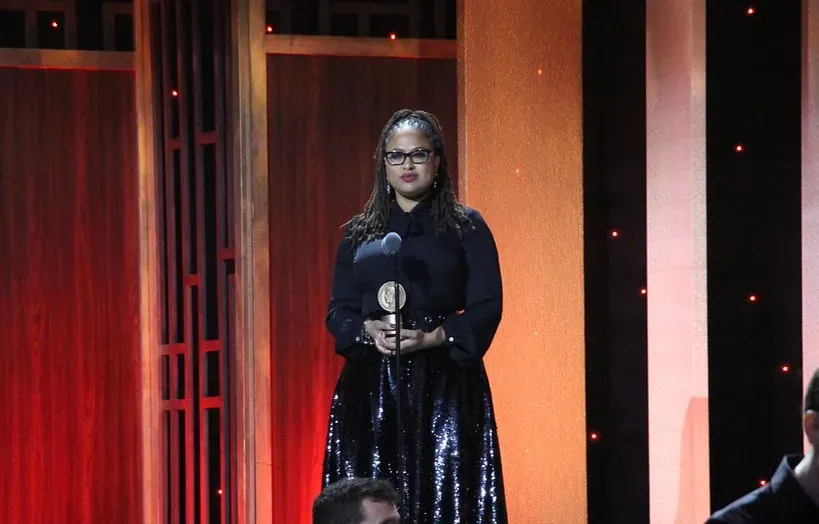
Award-winning filmmaker Ava DuVernay was put off the idea of motherhood early in her life. As the oldest of five siblings, her exposure to the demands of small children happened a long time ago and cemented her desire to join the no-kids camp. There’s no dramatic turning point in her story – just a long accumulation of self-knowledge.
DuVernay, who has also chosen to stay unmarried on account of a busy career and general disinterest in fulfilling traditional roles, didn’t mince her words while explaining why she is unwilling to try out parenthood. She said simply: “I don’t feel like I would be a good mother for a child. I don’t want to do that and I think in the most ideal scenario, you should want to do that.” That last line is particularly sharp – the idea that wanting it is itself a prerequisite, not just a nice bonus.
Anna Kendrick: Naming the Double Standard
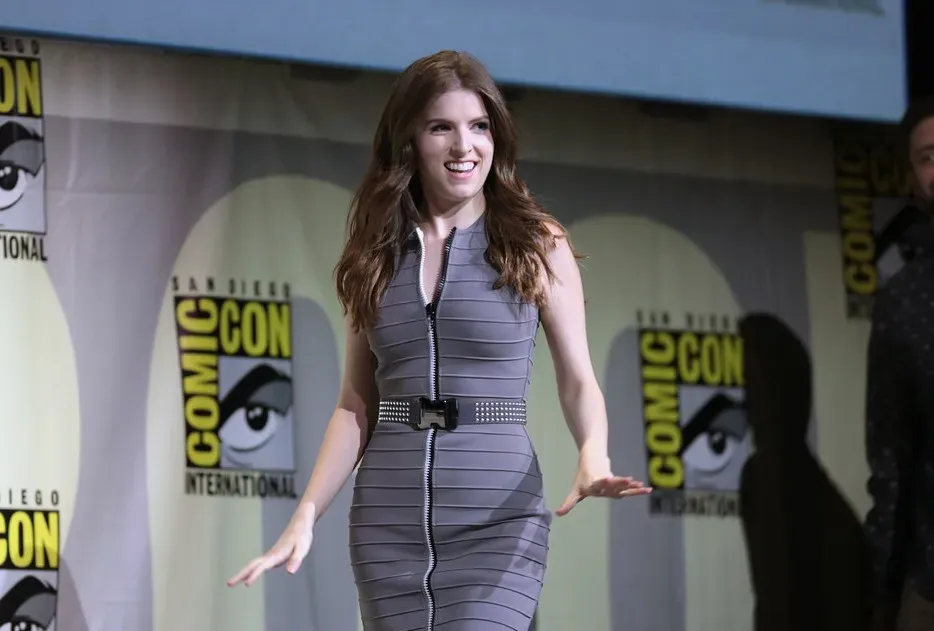
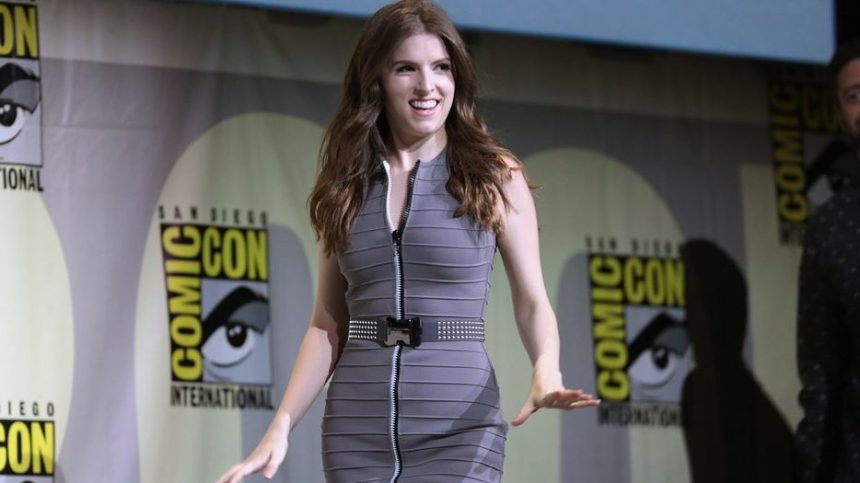
Anna Kendrick has embraced the “childless cat lady” moniker for a while, stating in her 2016 memoir Scrappy Little Nobody that “motherhood isn’t for me.” In an October 2024 interview with Flow Space, the Pitch Perfect alum shared how she feels about the double standard women and men face when it comes to their aspirations for future children.
She told the outlet she had been thinking recently about a phrase she’s heard men say about their desire to have children in the future, and it occurred to her that she doesn’t think she’s ever heard a woman say it. The observation is simple and pointed – the casual ease with which men imagine parenthood as a distant, pleasant possibility rarely extends to women, who tend to feel the weight of the decision far more immediately. Kendrick naming that gap openly is exactly the kind of thing that makes these conversations matter. Taken together, these stars represent something shifting, slowly but genuinely, in how public figures talk about family. The decision not to have children is no longer something that needs to be whispered or justified with an apology. For this group, it was arrived at thoughtfully, stated clearly, and – perhaps most importantly – defended without retreat.
Partner offer
Planning a trip to Vegas?
Compare hotel rates and show tickets on VEGAS.com.