Most people assume that every word spoken in a film was carefully written, revised, and approved before a single camera rolled. The reality is messier, and often more interesting. Some of cinema’s most unforgettable moments arrived not from a writer’s desk but from an actor’s instinct, a production mishap, or a bored star pulling a prank mid-take.
The scenes that follow didn’t exist on any page. They came from the set, from the moment, sometimes from sheer necessity. What they all share is the fact that they survived the editing room and became, in many cases, the single most quoted or remembered thing about the film they belong to.
“Here’s Johnny!” – The Shining (1980)
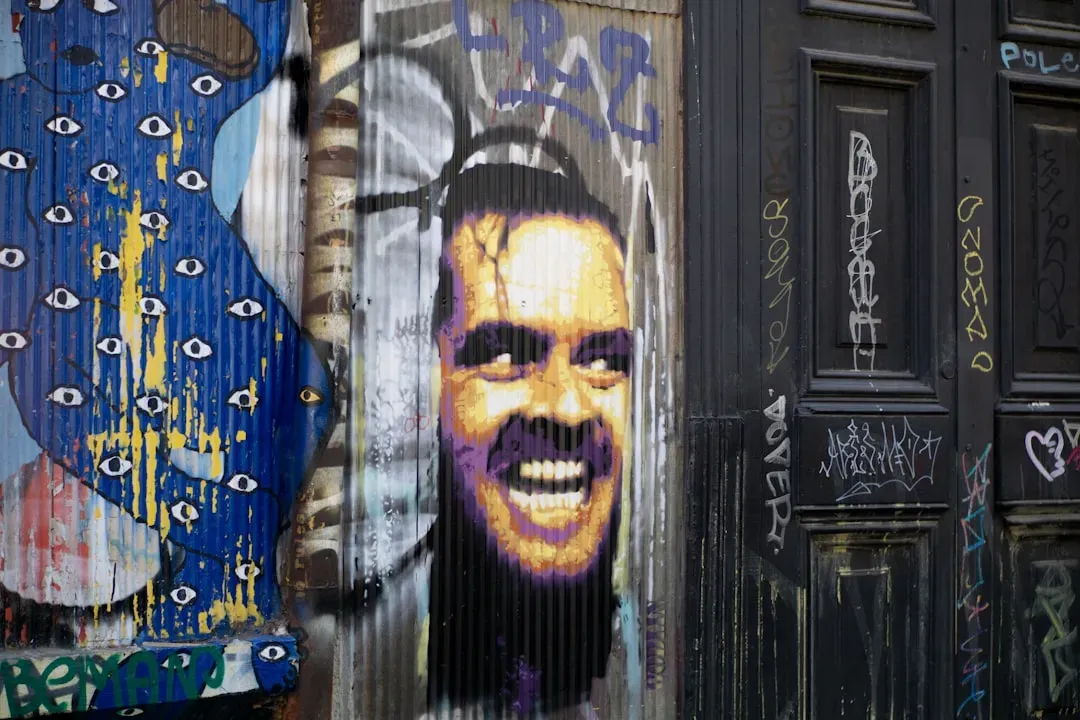
Despite being one of the most iconic moments from one of the best horror movies ever made, Jack Torrance screaming “Here’s Johnny!” after axing his way through a bathroom door feels slightly out of place in The Shining. That is because Jack Nicholson ad-libbed the line, which Stanley Kubrick initially did not realize was a reference to Ed McMahon’s catchphrase from The Tonight Show Starring Johnny Carson. Kubrick, a famously exacting director who typically controlled every frame of his films, was unaware of the American TV tradition the line was referencing.
Kubrick was known for hating ad-libs, but even he couldn’t deny how bone-chillingly perfect this one was. The line stayed in, and it has since become one of the most parodied and referenced moments in horror film history, appearing everywhere from Halloween costumes to late-night comedy sketches.
“You Talkin’ to Me?” – Taxi Driver (1976)
Not only was Robert De Niro’s legendary “Are you talkin’ to me?” speech from 1975’s Taxi Driver not in Paul Schrader’s script, but the entire scene almost did not happen because the film was behind schedule. The script just said, “Travis speaks to himself in the mirror.” Scorsese gave De Niro complete freedom with that description, and the actor ran with it.
On one of the last days of shooting, De Niro improvised one of the most iconic movie quotes of all time. In the improvised scene, De Niro talks to himself in front of a mirror while drawing his gun. The script stated simply that he talks to himself. It was up to De Niro to improvise. De Niro has stated that his inspiration for the famous line came from hearing something that Bruce Springsteen had said one time while onstage.
“Funny How?” – Goodfellas (1990)
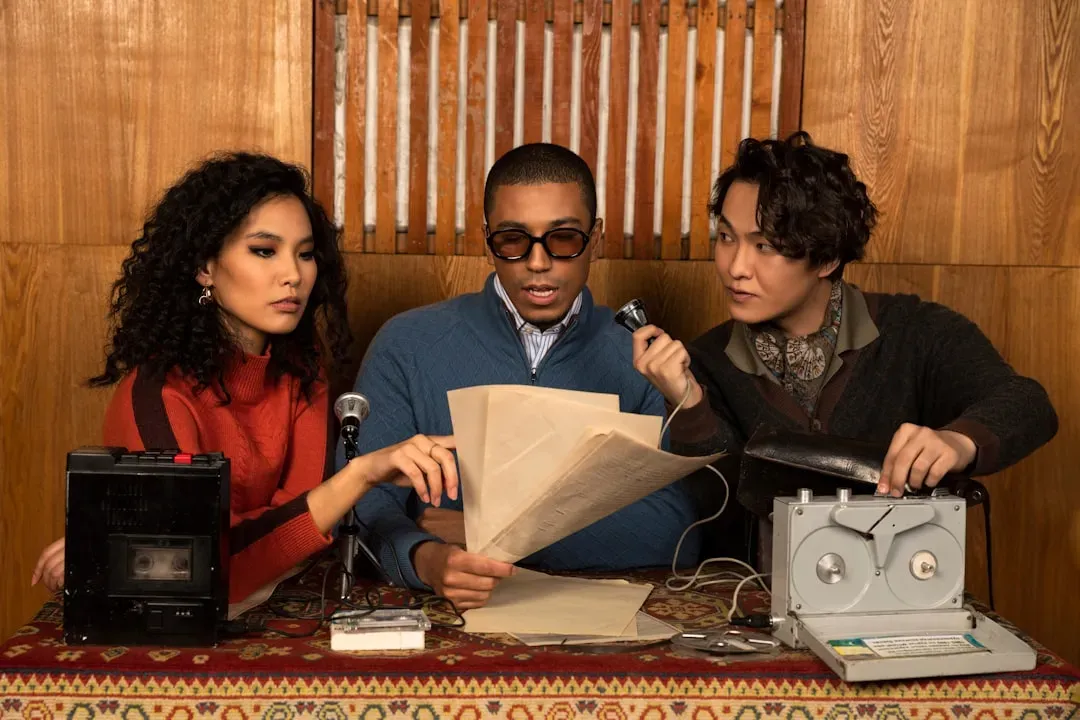
When Pesci was young, he worked as a waiter at a restaurant. While attending a mobster, he made a compliment by saying the man was “funny,” but the comment wasn’t taken well. When working on Goodfellas, Pesci shared this anecdote with Scorsese, who liked it so much he decided to add it to the film. However, he didn’t include it in the shooting script, so only Pesci and Liotta knew what was happening in the scene, and it was improvised and rehearsed by them, but kept a secret from the rest of the actors in order to catch their genuine reactions.
Scorsese wanted to see the genuine, spontaneous reactions from the other actors in the scene, their surprise turning to fear at a situation that could turn explosive in the blink of an eye. To ensure those faces made it into the final cut, the director resisted the temptation for close-ups, shooting the scene with only medium takes so all their reactions were clearly visible. The scene’s one Oscar gold statuette went to Pesci in the Best Supporting Actor category, and the unforgettable moment is often credited with being the reason why.
The “Tears in Rain” Monologue – Blade Runner (1982)
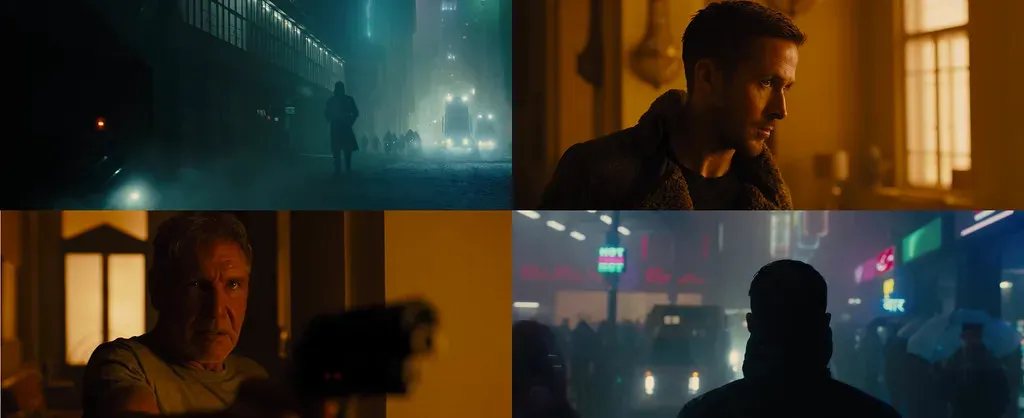
Rutger Hauer’s Blade Runner “Tears in Rain” speech was largely improvised by the actor, without the prior knowledge of director Ridley Scott or credited screenwriters Hampton Fancher and David Peoples. Hauer cut down the majority of the dialogue while keeping the tone of the speech intact, as he felt the scripted version of the speech to be “overwritten.” He then added the final line: “All those moments will be lost in time, like tears in rain… Time to die.”
Hauer’s version of the monologue brought crew members to tears by the time cameras cut, while others applauded the actor’s emotional performance, according to an interview with RadioTimes. Critic Mark Rowlands described it as “perhaps the most moving death soliloquy in cinematic history,” and it is commonly viewed as the defining moment of Hauer’s acting career.
“I Know” – The Empire Strikes Back (1980)
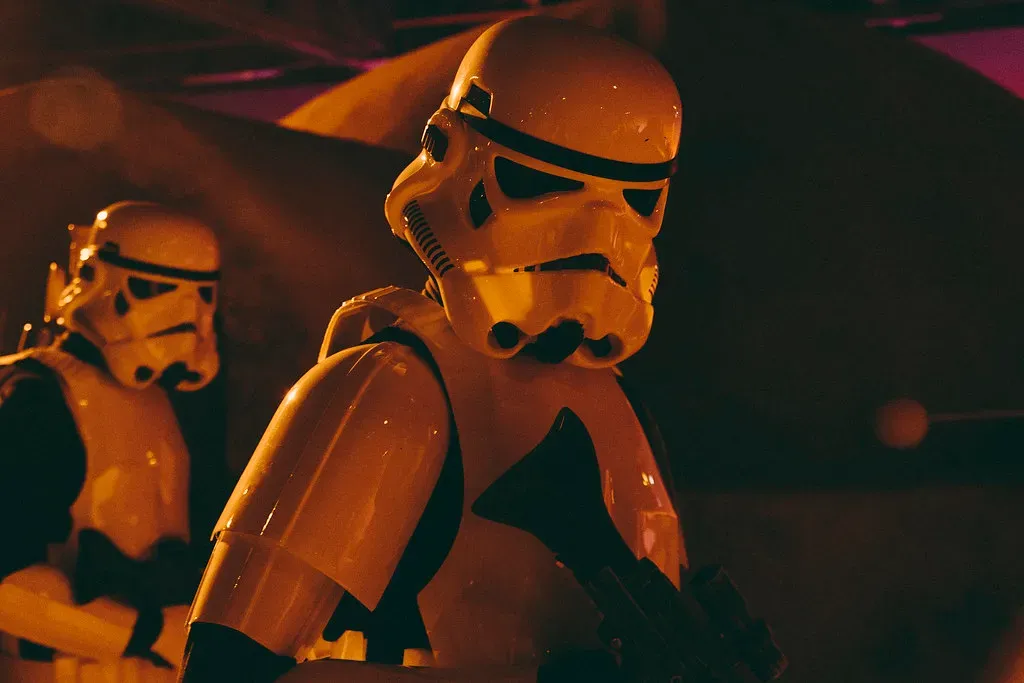
Right before Han Solo is encased in carbonite, Leia says, “I love you.” Han Solo’s scripted reply was “I love you, too,” but after numerous takes, Harrison Ford and director Irvin Kirschner felt the line just wasn’t working. Kirschner told Ford to improvise a line without thinking. Han Solo’s reply became “I know.” It was a split-second decision that redefined the character entirely.
Instead of the scripted line, Ford’s reply of “I know” was much more in line with Solo’s cocky attitude. The moment has since become one of the franchise’s most beloved exchanges, a perfect distillation of Solo’s swagger delivered in two words rather than four.
Partner offer
“Here’s Looking at You, Kid” – Casablanca (1942)

Even a golden age classic like Casablanca was not immune to the kind of movie magic that could come from a little bit of improvising. At the conclusion, when Rick helps his lost love Ilsa get onto a plane to escape authorities with her husband, he says, “Here’s looking at you, kid.” That line wasn’t . Apparently, during production, the script was still a work in progress, and Bogart ended up ad-libbing the line during a different scene, after which the screenwriters included the phrase a couple more times , and it stuck in that now-quintessential scene.
The line was improvised by Humphrey Bogart, with some reports saying he first used it when teaching Ingrid Bergman poker between takes. What began as a casual aside between scenes became arguably the most quoted farewell in film history.
“You’re Gonna Need a Bigger Boat” – Jaws (1975)
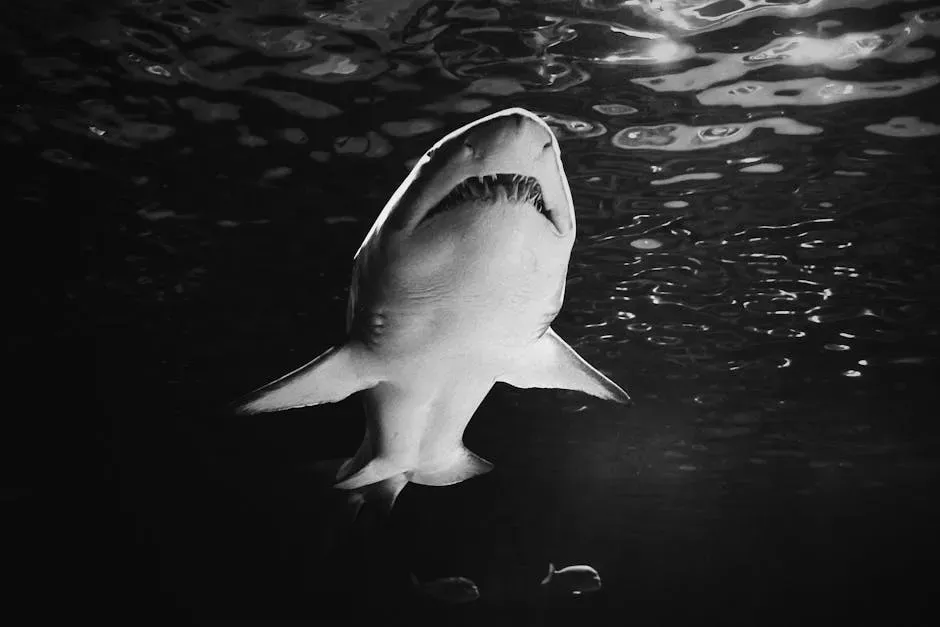
Going down as one of the most memorable quotes in movie history, “You’re gonna need a bigger boat” is completely unscripted. Apparently, the line was thrown around so many times during production, thanks to a support boat that was too small to do the job, that it became a catchphrase for when something went wrong. Roy Scheider eventually worked the running joke directly into a scene with the shark looming behind him.
This line from Jaws has become ubiquitous. Which is remarkable, considering it wasn’t even in the original screenplay. It started out as an on-set joke between the cast and crew, referencing the production team’s too-small boat. The fact that it sounds so perfectly timed and written is part of what makes the story so satisfying.
The Jewelry Box Snap – Pretty Woman (1990)
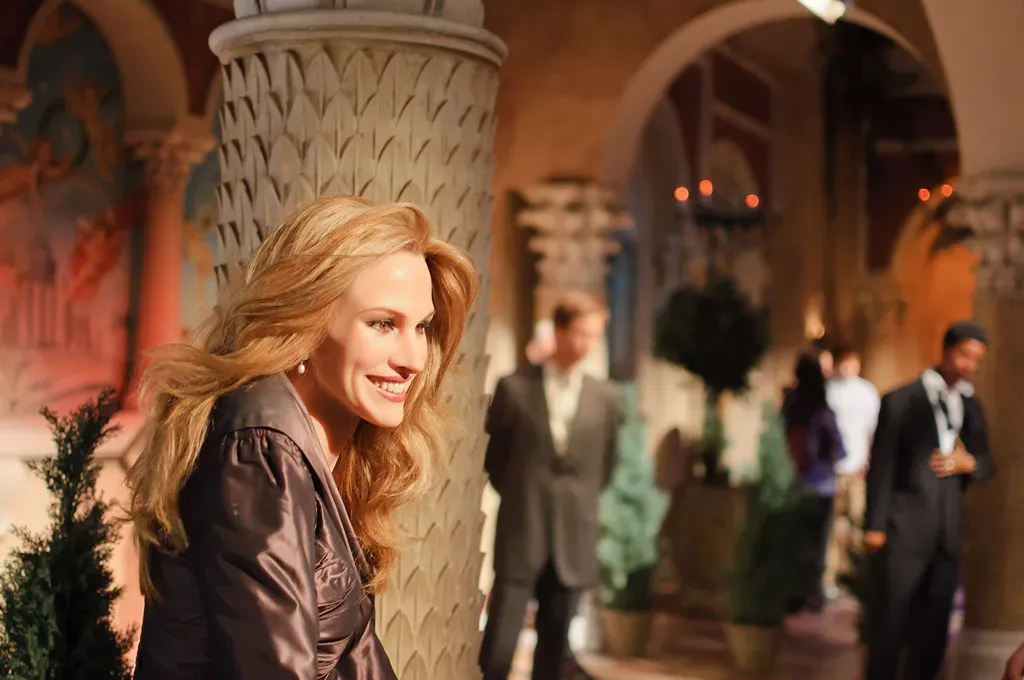
In the movie, Richard Gere’s character presents Julia Roberts’ character with a gorgeous necklace, only to snap the box shut and scare her, inducing hysterical laughter. The moment, which made audiences swoon for Roberts’ infectious smile, is iconic. It has been parodied numerous times. Gere actually closed the box as a joke because he was feeling bored on set that day. It was never even part of the script.
This Pretty Woman scene was completely unplanned, and the actress’ surprised reaction and laughter were so genuine that they made it to the final cut. It’s a small moment in the film’s runtime, but it remains one of the most warmly remembered details from the movie, precisely because Roberts’ delight reads as entirely real.
The Vito Corleone Cat – The Godfather (1972)
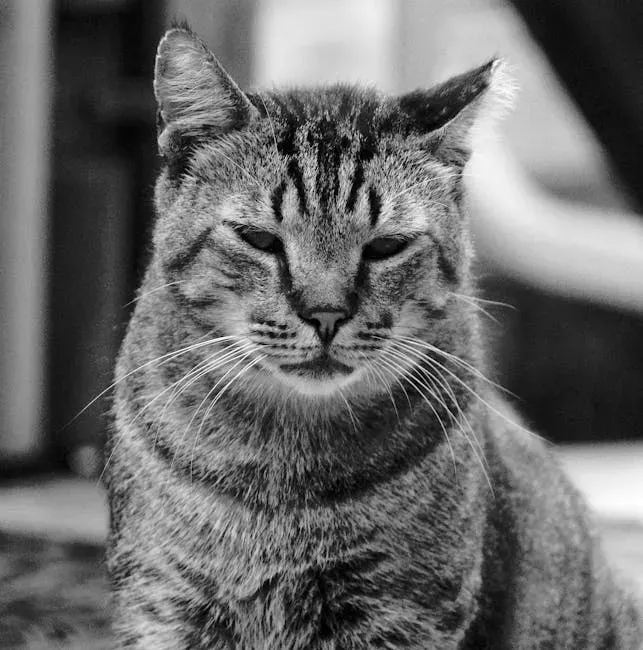
Marlon Brando’s Vito Corleone petting a stray cat during his opening scene wasn’t in the original script. This spontaneous addition brought a tender contrast to his formidable persona, infusing the scene with subtle depth. The cat had simply wandered onto the Paramount lot on the day of filming, and director Francis Ford Coppola placed it in Brando’s lap on a whim before the cameras rolled.
The image of the most powerful man in the room absentmindedly stroking a stray cat became one of cinema’s great visual contradictions. That gentle detail, born entirely from a wandering animal and a director’s instinct, now defines how audiences picture Don Corleone every time the film is mentioned.
Peter Parker’s Last Words – Avengers: Infinity War (2018)
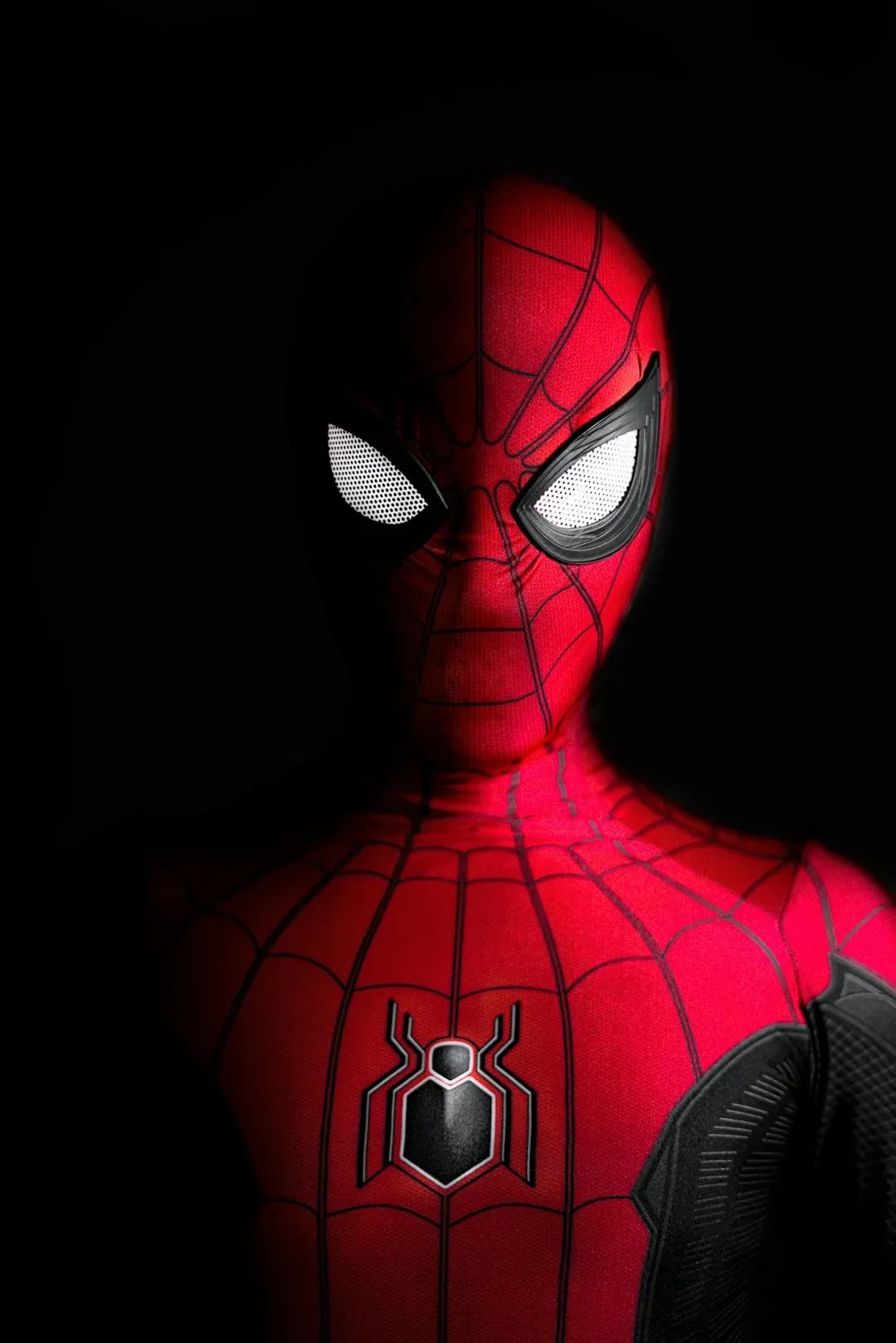
The phrase Tom Holland chose to cry on command for the scene before Peter Parker turns to dust in Avengers: Infinity War was, “I don’t want to go!” which he, instead, decided to say out loud to Robert Downey Jr.’s Tony Stark, perfecting the devastating moment from the 2018 Marvel film. The scripted scene called for a simpler reaction from Parker as he dissolved into ash following Thanos’s snap.
In between the action set pieces and goofy gags, the MCU doesn’t leave a lot of room for heart-wrenching drama. Yet when Spider-Man fades away in the Snap and tells Iron Man, “I don’t want to go. I don’t want to go. Please, Mr. Stark,” it’s one of the franchise’s saddest moments. Except it almost didn’t happen. Holland added the extra lines on a whim. The raw, childlike fear in those repeated words hit audiences in a way the film’s more polished dialogue rarely managed.
What all ten of these moments share is something hard to manufacture on purpose: genuine spontaneity. Scripts set the stage, but they can’t fully account for a bored actor with an idea, a stray cat on a film lot, or a young performer reaching for an emotion and finding exactly the right words in the wrong order. The best films tend to leave just enough room for that.
Partner offer
Planning a trip to Vegas?
Compare hotel rates and show tickets on VEGAS.com.