Every few years, a first novel arrives that makes the entire literary world stop and pay attention. Not because it fits neatly into what publishers expected, or because it ticks every box of a conventional breakout book, but precisely because it doesn’t. These are the debuts that came from nowhere and changed things quietly, or sometimes very loudly.
The decade stretching from the mid-2010s through the mid-2020s has been unusually rich in this kind of surprise. Debut novels often carry a unique energy. Unburdened by expectation or established style, first-time authors take risks, experiment with form, and pour years, sometimes decades, of lived experience into a single work. The ten books below are the ones that felt most genuinely unexpected, for reasons of form, biography, subject matter, or sheer scope of ambition.
1. The Sympathizer by Viet Thanh Nguyen (2015)

Winner of the 2016 Pulitzer Prize, The Sympathizer is a startling debut novel from a powerful new voice, featuring one of the most remarkable narrators of recent fiction: a conflicted subversive and idealist working as a double agent in the aftermath of the Vietnam War. What made it so disarming was how fully formed it arrived. Most reviews of the novel describe it as a literary response to the typically American-centric worldview of the Vietnam War in works like Apocalypse Now and Platoon.
The winner of the 2016 Pulitzer Prize for Fiction, as well as seven other awards, The Sympathizer is the breakthrough novel of the year. The Sympathizer was selected for more than 30 best-of-the-year lists, including The New York Times, The Wall Street Journal, The Washington Post, The Guardian, and The Globe and Mail. For a debut to sweep that many lists is rare. For a debut told entirely from the perspective of a Vietnamese communist spy, it was extraordinary.
2. Shuggie Bain by Douglas Stuart (2020)

Douglas Stuart wrote Shuggie Bain over a period of a decade, while balancing the demands of his successful job in fashion design. The manuscript was rejected by at least 30 publishers before it was purchased by the American independent publisher Grove Atlantic. That rejection-to-triumph arc alone made it a story worth telling, but the novel itself is what sealed its place in literary history.
The novel was awarded the 2020 Booker Prize, making Stuart the second Scottish winner of the prize in its 51-year history, following James Kelman in 1994. Based on his own childhood, it is a searing account of a young boy growing up in Thatcher’s Glasgow of the 1980s, with a mother who is battling addiction. Stuart dedicated the book to his own mother, who died of alcoholism when he was 16. The autobiographical weight behind it is impossible to miss.
3. Lincoln in the Bardo by George Saunders (2017)

Winner of the Booker Prize 2017, George Saunders’ Lincoln in the Bardo explores the intersection between life and death. Taking place in a graveyard over the course of a single evening, the book details the death of Abraham Lincoln’s young son Willie and its aftermath. Saunders had spent decades as one of the most celebrated short story writers in America, which made his sudden arrival as a novelist feel almost like a separate career launch.
A tale of grief and sorrow, Saunders’ debut was inspired by the true story of how Lincoln visited Willie’s crypt several times to hold his body. Lincoln in the Bardo is Saunders’ first full-length novel after having previously written a number of short-story collections, essays and novellas. The novel’s unusual polyphonic structure, weaving dozens of ghostly voices into a single night’s grief, was unlike almost anything that had come before it in contemporary fiction.
4. Luster by Raven Leilani (2020)
The Center for Fiction 2020 First Novel Prize was awarded to Raven Leilani for her debut novel Luster. The award was announced at The Center for Fiction Annual Awards Benefit on December 3, 2020. The novel itself, a sharp and uncomfortable story about a young Black woman navigating art, desire, and the bizarre dynamics of an open marriage, arrived with a velocity that felt almost dangerous. It made readers uneasy in ways they kept thinking about for weeks.
Edie is stumbling her way through her twenties, sharing a subpar apartment in Bushwick, clocking in and out of her admin job, making a series of inappropriate sexual choices. She is also haltingly, fitfully giving heat and air to the art that simmers inside her. What surprised critics most was Leilani’s prose: electric and precise, suggesting a writer who had been holding this particular energy for years before finally releasing it.
5. The Safekeep by Violet Moody van der Wouden (2024)
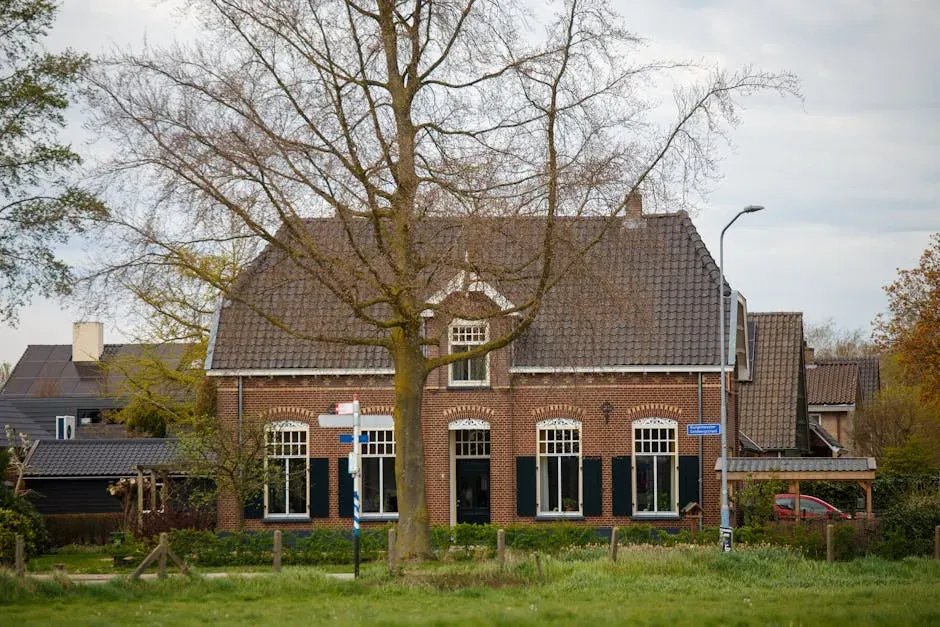
Set in the Netherlands just after the Second World War, The Safekeep is a tale of hidden desire and obsession. Repressed and isolated inside her late mother’s house, Isabel finds her world shaken up when her older brother, Louis, introduces his vivacious new girlfriend, Eva. As Eva stays with Isabel for the summer, the two women find themselves in a complicated standoff as Isabel’s strict rules start to falter.
Partner offer
Van der Wouden’s debut novel was shortlisted for the Booker Prize in 2024 and won the Women’s Prize for Fiction in 2025. It took van der Wouden six months to complete the first draft of The Safekeep while working as a creative writing teacher in the Netherlands. The speed of composition, combined with the weight of the novel’s historical and psychological themes, is one of the more quietly staggering facts about its existence.
6. On Earth We’re Briefly Gorgeous by Ocean Vuong (2019)

Those words stayed with me while reading On Earth We’re Briefly Gorgeous, Vuong’s fiction debut, which followed his critically acclaimed 2016 poetry collection Night Sky With Exit Wounds. Told in the form of a letter from the protagonist, Little Dog, to his mother, who cannot read, the book is an act of witness to the experience of life as a queer Vietnamese refugee growing up in the U.S. and was hailed from all corners of the literary world.
What disoriented the literary world was that Vuong was already famous before the novel landed. He had won a Whiting Award, a T.S. Eliot Prize, and a Pushcart Prize for his poetry. To then produce a debut novel of such lyrical density, one that read more like sustained song than conventional prose fiction, felt like a second debut from someone who had somehow outgrown their first genre entirely. It was not what anyone predicted, and it was better for it.
7. Great Black Hope by Rob Franklin (2025)
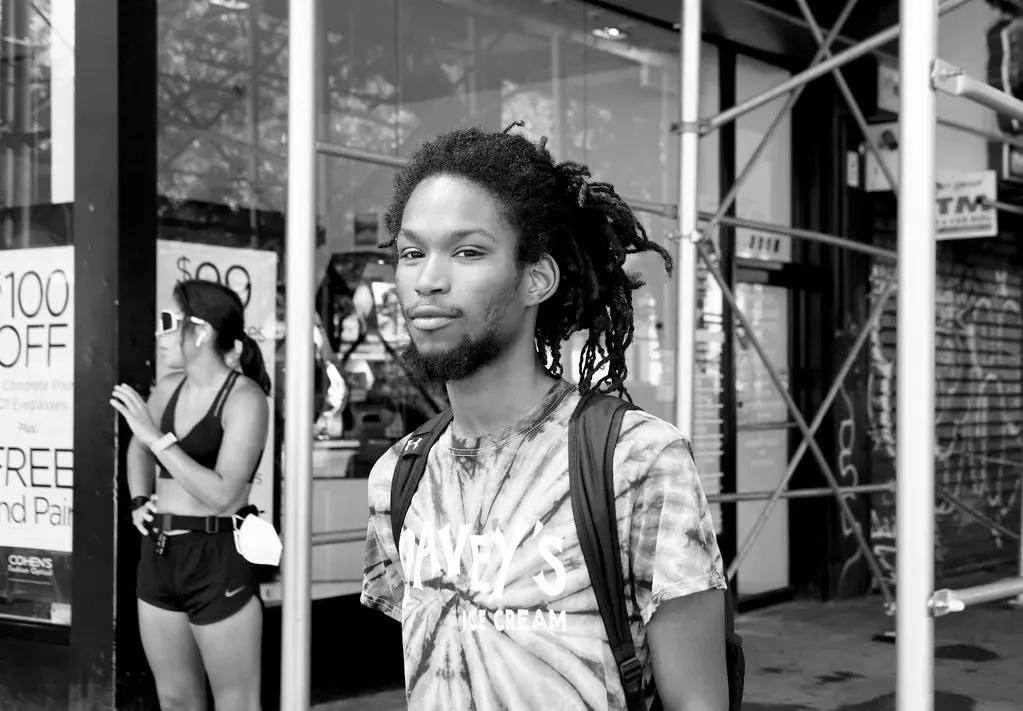
A gripping, elegant debut novel about a young Black man caught between worlds of race and class, glamour and tragedy, a friend’s mysterious death, and his own arrest. Tantalizing, to say the least. Franklin’s ability to ooze authentic charisma from the page is unparalleled. Great Black Hope by Rob Franklin combines stunning prose and a surprising plot, making it a delight to read.
Rob Franklin provides a sustained meditation on race, class, and downward spirals with Great Black Hope. The novel arrived in 2025 without the usual noise of a high-profile debut. It built its reputation steadily, through word of mouth and long essays from critics trying to explain why they couldn’t stop thinking about it. This is the perfect summer novel and one that will transport you to the sweltering subway rides while dealing with sweeping themes. Franklin could very well be our next great American writer.
8. Headshot by Rita Bullwinkel (2024)

Longlisted for the Booker Prize, an electrifying debut from an “unusually gifted writer” about the radical intimacy of physical competition. Frenetic, surprising, and strikingly original, Headshot is a portrait of the desire, envy, perfectionism, madness, and sheer physical pleasure that motivate young women to fight, even, and perhaps especially, when no one else is watching.
Few debut novels of the decade were as formally strange as Headshot. Bullwinkel structured the entire book around a women’s boxing tournament, cycling between bouts and the interior lives of the fighters with a controlled feverishness that had no real precedent. Critics struggled to categorize it and settled, eventually, on calling it essential. That’s about as good as a debut can do.
9. The Grand Scheme of Things by Warona Jay (2025)
The Grand Scheme of Things is a satirical story about an unlikely pair who join forces to expose racial bias in London’s theater scene. The heroine of Warona Jay’s debut is Botswana-born British playwright Relebogile Naledi Mpho Moruakgomo, or “Eddie” for short. Eddie has written a promising new play, but her work is rejected by multiple theater agents, and she fears that having a name that was “practically oral acrobatics” is holding her back.
After a fateful coffee shop encounter with Hugo Lawrence Smith, a wealthy white law student and professed theater lover, the two conspire to submit Eddie’s play to Britain’s most prestigious playwriting competition under Hugo’s name. It should come as no surprise that Eddie’s play wins the award, but that’s only the beginning of the chaos that ensues. Alternating between Eddie’s and Hugo’s perspectives, the story moves at a thriller-like pace. The premise is sharp enough to cut glass, and Jay executes it with a wit that suggests considerable reserves of storytelling intelligence still to come.
10. Open, Heaven by Seán Hewitt (2025)

Although this may be his debut novel, award-winning poet and memoirist Seán Hewitt is no stranger to good writing. Set in a remote English village in the early aughts, Open, Heaven perfectly captures the yearning, sorrow, and angst of exploring your sexuality and finding first love. Hewitt captures the nuance and heartbreak of young queer discovery, and also explores the often thin line between platonic and romantic entanglements.
Told in the beautiful and lyrical prose of a poet, Open, Heaven is sure to be one of the most bittersweet novels of the year. Like Ocean Vuong before him, Hewitt arrives at fiction from poetry, and the transition shows in the best possible way. Every sentence is weighted and considered. The surprise isn’t that it’s good. The surprise is how different the emotional register feels from anything else published in its year, quieter, slower, and more completely devastating for it.
Partner offer
Planning a trip to Vegas?
Compare hotel rates and show tickets on VEGAS.com.