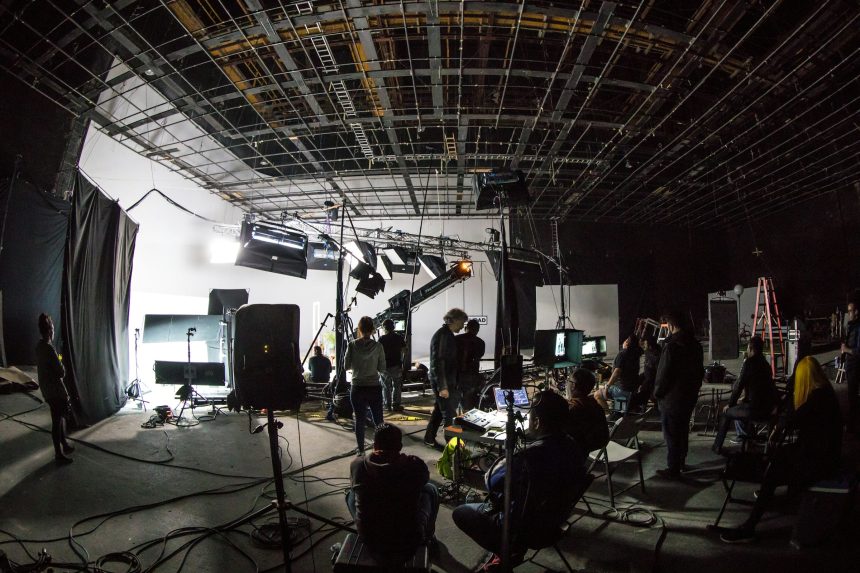
Most films reach theaters looking calm and polished, which hides how rough the making of them can be. Behind the scenes, some productions have come close to falling apart because of storms, budget crises, clashing egos and plain bad luck.
The ten productions below are well documented and often discussed by the people who worked on them. Each one nearly collapsed, yet each one ended up on screen.
Apocalypse Now (1979)
Francis Ford Coppola took his crew to the Philippines for what was planned as a short shoot. It stretched to well over a year. A typhoon destroyed sets, and the production fell far behind schedule and over budget.
Martin Sheen suffered a heart attack during filming, and Marlon Brando arrived unprepared and overweight. Coppola reworked the ending while shooting. The 1991 documentary Hearts of Darkness: A Filmmaker’s Apocalypse records much of this turmoil.
Fitzcarraldo (1982)
Werner Herzog filmed in the Peruvian Amazon and insisted on hauling a real steamship over a hill instead of using effects. The shoot was interrupted by border conflicts between local groups and by changes to the cast. Jason Robards fell ill and had to leave, and Mick Jagger also left, so Herzog recast the lead with Klaus Kinski.
Kinski’s furious outbursts were so notorious that Herzog later made a documentary about their relationship, My Best Fiend. Burden of Dreams, a 1982 documentary by Les Blank, captured the struggle on location. The finished film still won Herzog the best director prize at Cannes.
Jaws (1975)
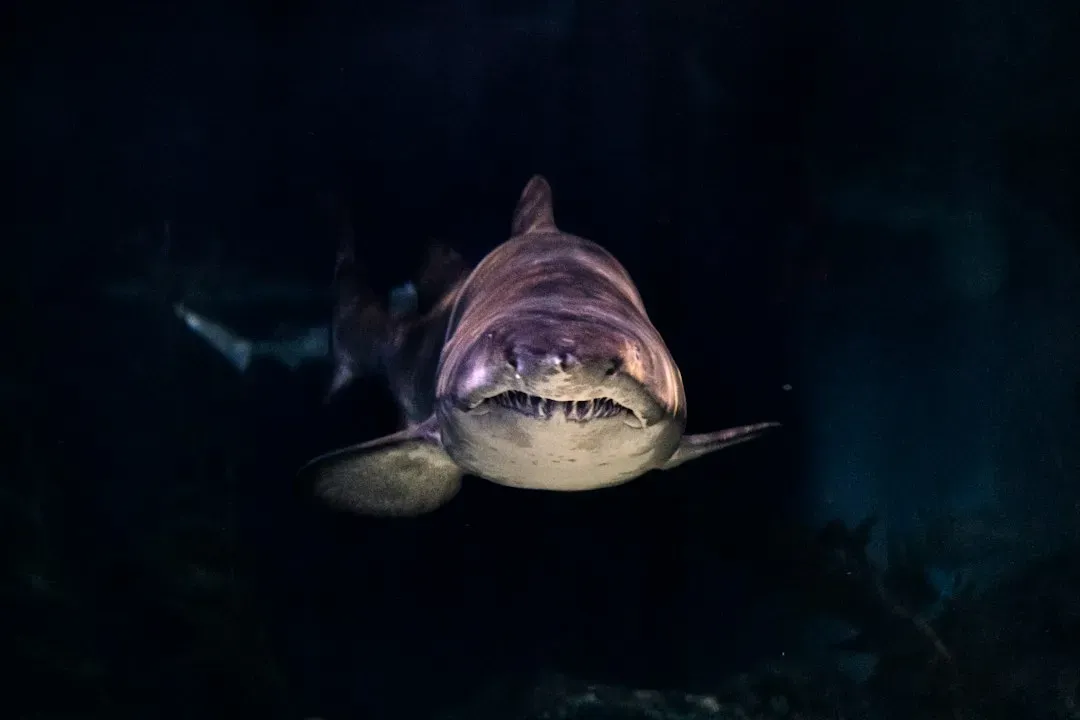
Steven Spielberg’s shark thriller was shot on the open ocean off Martha’s Vineyard, which is a hard place to film. Boats drifted into shots, and water kept damaging equipment. The mechanical shark, nicknamed Bruce, often malfunctioned in salt water.
A planned 55 day schedule grew to about 159 days. The broken shark forced Spielberg to suggest the creature rather than show it, which built suspense. Many critics now credit that limitation for making the film so effective.
Waterworld (1995)
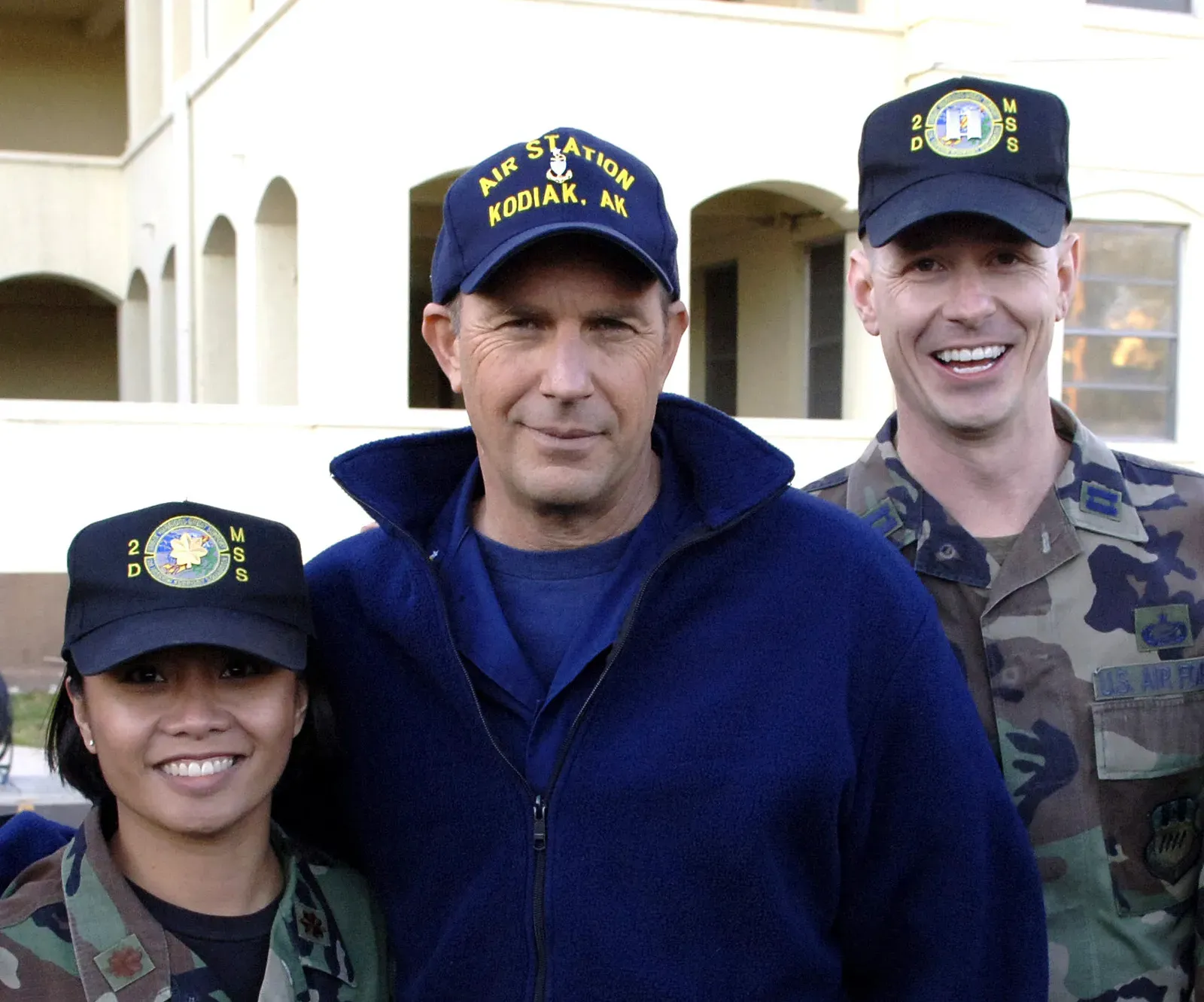
Kevin Costner’s sea epic was filmed on huge floating sets off Hawaii. Weather and the demands of working on water pushed the budget skyward, and it became one of the most expensive films of its time. A set sank during production, and the shoot ran long.
Costner and director Kevin Reynolds clashed, and Reynolds left before the final cut was finished. The film was widely mocked as a flop on release. It did eventually recoup much of its cost through international and home video revenue.
Heaven’s Gate (1980)

Michael Cimino’s western went wildly over budget, with a cost reported at around forty million dollars against an original estimate of about eleven million. Cimino was known for demanding repeated takes and waiting for ideal lighting. The studio, United Artists, grew alarmed as the schedule slipped.
The film’s first cut ran well over three hours, and critics were harsh. It failed badly at the box office and is often blamed for contributing to the sale of United Artists. Its reputation has improved over time, and a restored version has been shown to appreciative audiences.
Cleopatra (1963)
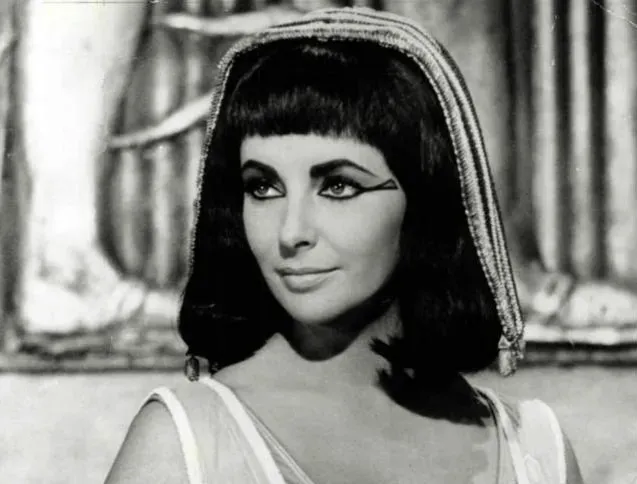
This epic began in England, where bad weather and Elizabeth Taylor’s illness halted production. The studio then moved the shoot to Rome, rebuilding sets at great cost. Directors changed, and the script was reworked during filming.
The budget swelled to a level that nearly bankrupted 20th Century Fox. The publicity around the affair between Taylor and Richard Burton added to the circus. Despite a huge box office total, the film struggled to recover its expense at first.
Mad Max: Fury Road (2015)
George Miller originally planned to shoot in Australia, but unusual rain turned the desert green. The production relocated to Namibia, and the shoot dragged on for months in harsh conditions. Development itself had taken years, with earlier attempts cancelled.
Reports of tension between Charlize Theron and Tom Hardy have been widely discussed. Miller relied heavily on practical stunts and real vehicles. The film went on to win six Academy Awards.
The Wizard of Oz (1939)
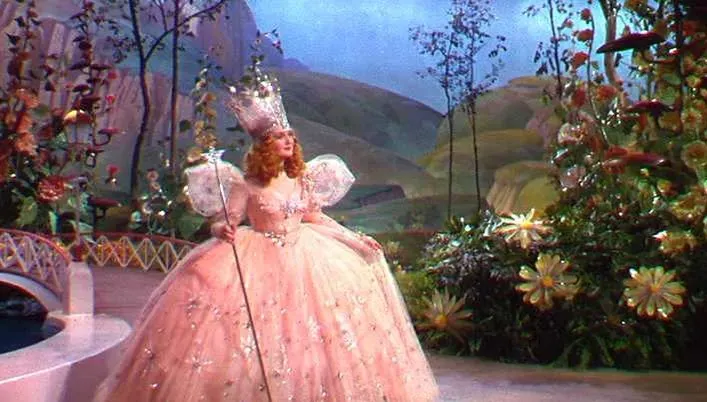
Several directors worked on the film, including Richard Thorpe, George Cukor and Victor Fleming, before it was finished. Buddy Ebsen, the first Tin Man, became seriously ill from the aluminum powder in his makeup and had to be replaced by Jack Haley. Margaret Hamilton was burned during a stunt involving a fire effect.
Long working days and heavy costumes made the set grueling. The film was not a clear financial success on its first release. It later grew into one of the best known films ever made.
The Revenant (2015)
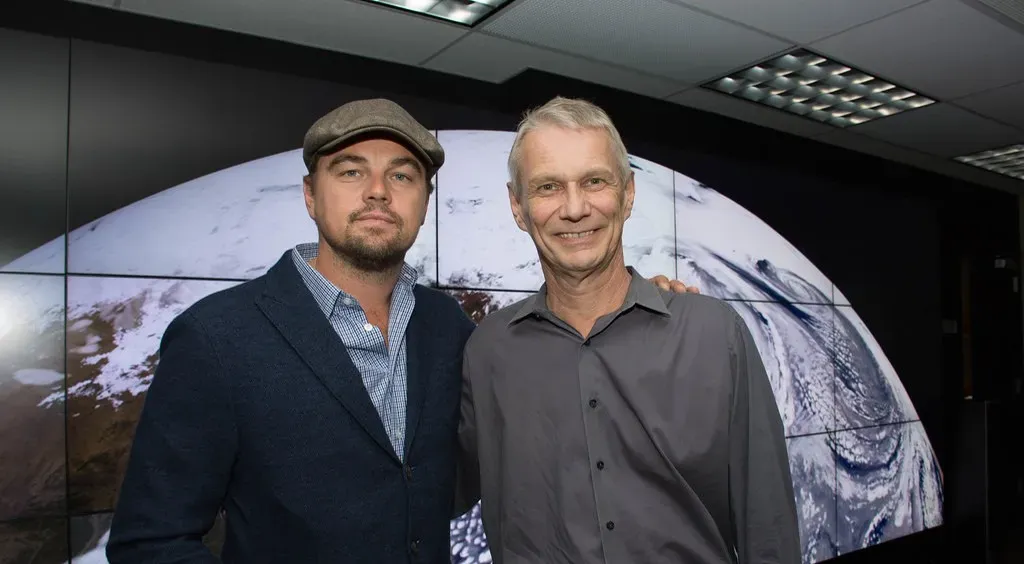
Alejandro G. Iñárritu insisted on shooting with natural light in remote, freezing locations. Cast and crew endured extreme cold, and a lack of snow in Canada forced the production to move to Argentina for the final scenes. The schedule ran well beyond the plan, and the budget grew considerably.
Leonardo DiCaprio has described the physical hardship of the role. Crew members reportedly left over the harsh conditions. DiCaprio won his first Academy Award for the performance, and Iñárritu won best director.
Titanic (1997)
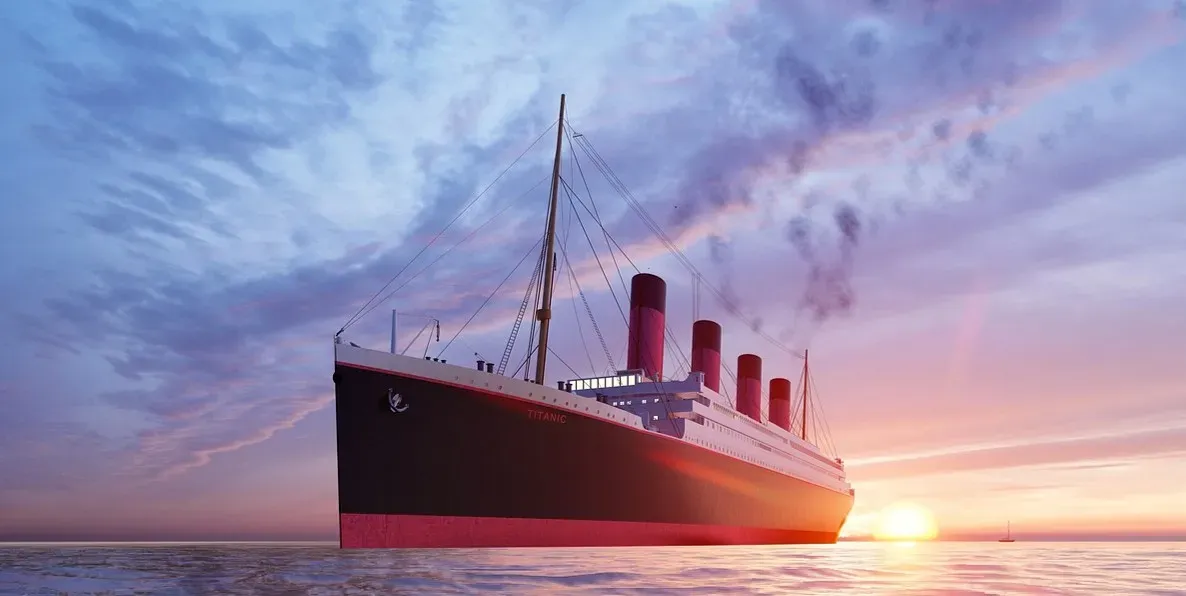
James Cameron built a massive replica of the ship in a giant water tank at Rosarito, Mexico. The production ran over schedule and far past its original budget, and it became the most expensive film made up to that time. Cold water shoots left cast and crew exhausted.
Cameron’s demanding approach was widely reported, and some people on the set were reportedly sickened after being dosed with PCP in soup during filming. Doubts about the film’s chances circulated before release. It went on to earn eleven Academy Awards and become the highest grossing film of its era.