Some films feel different the second time around. You remember the songs and the bright colors, yet a grown-up viewing tends to reveal quieter things, like grief, money worries, and the odd comfort of being understood.
The seven movies below were made for kids, but they hold up well for parents too. Each one rewards a rewatch for a different reason, and one in particular may surprise you more than the rest.
Inside Out
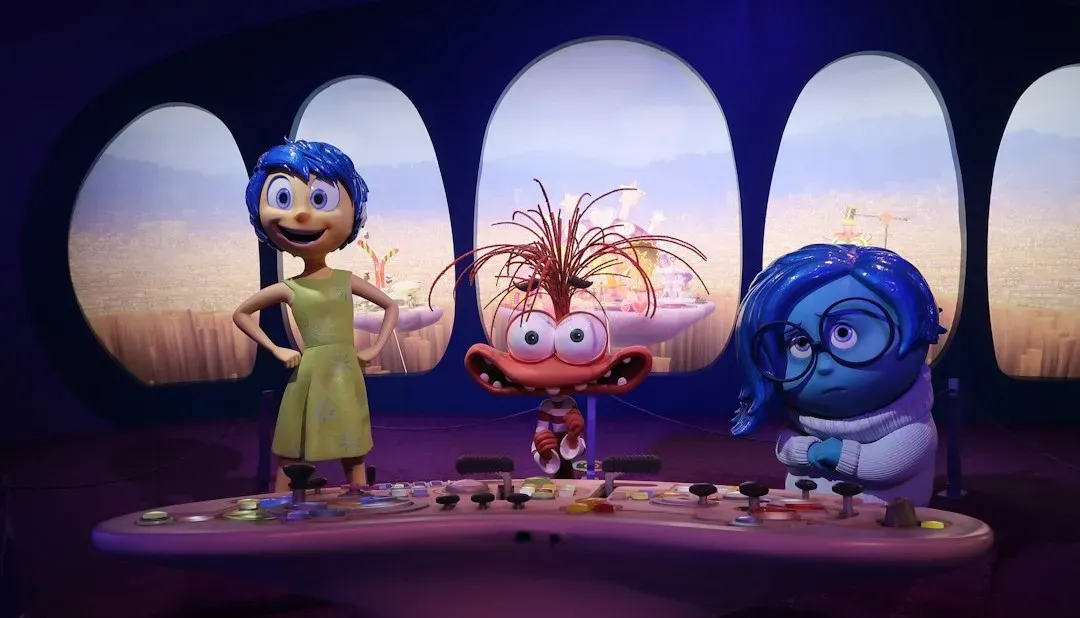
Pixar released this film in 2015, and it follows an eleven-year-old girl named Riley whose emotions run her mind like a control room. As a kid, you probably watched it for the jokes and the colorful characters. As a parent, you may notice how carefully it treats sadness.
The story suggests that sadness isn’t something to hide, and that it can bring people closer. That’s a useful idea when you’re raising a child who’s struggling and you’d rather fix things than sit with them. The 2024 sequel, Inside Out 2, added anxiety to the mix, which makes the pair a handy way to start conversations at home.
Finding Nemo
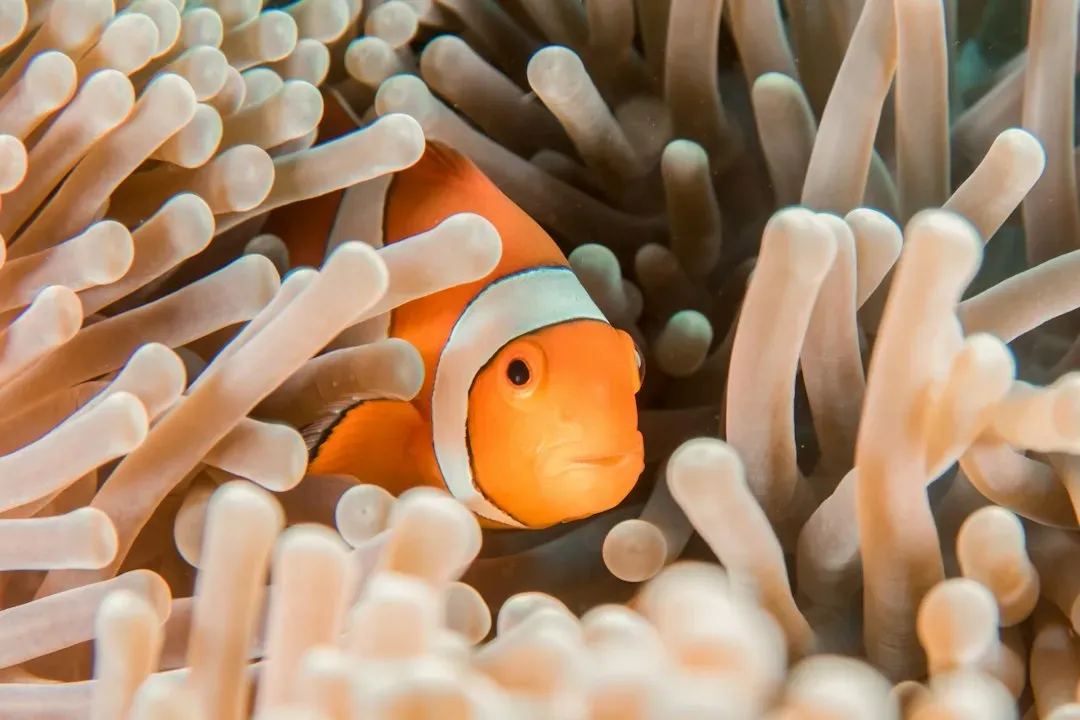
On the surface, it’s an ocean adventure about a clownfish searching for his lost son. Watch it with a child of your own, though, and Marlin’s overprotectiveness lands very differently. His fear is understandable, but the film gently shows how it can hold a kid back.
Dory’s cheerful forgetfulness also reads differently with age. She’s often played for laughs, yet she’s the one who keeps the quest moving. It’s a reminder that parenting is partly about letting go at the right moments.
Up
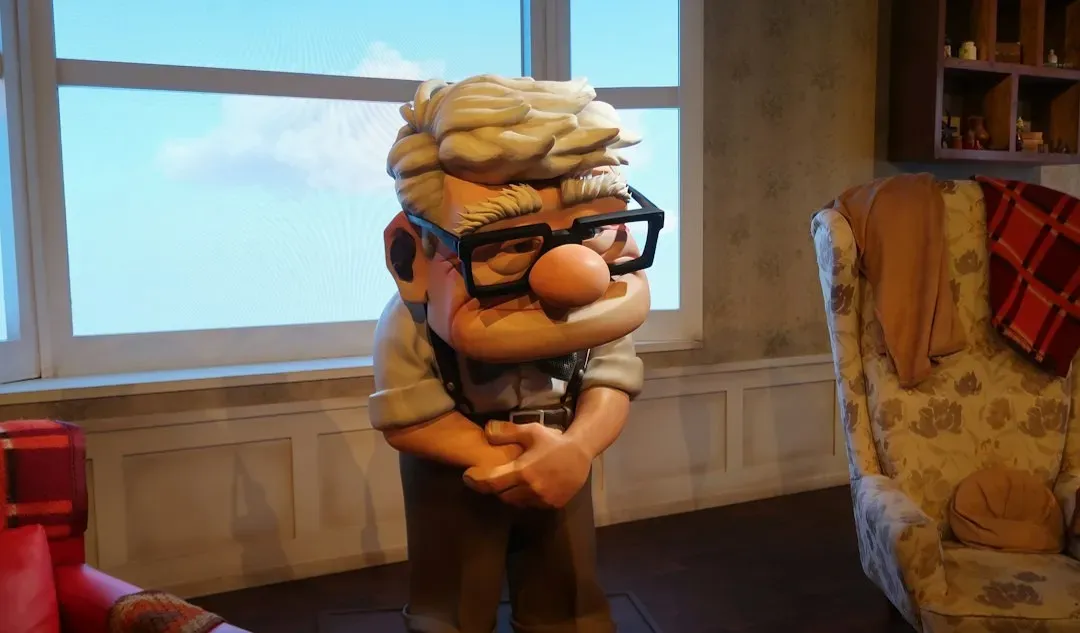
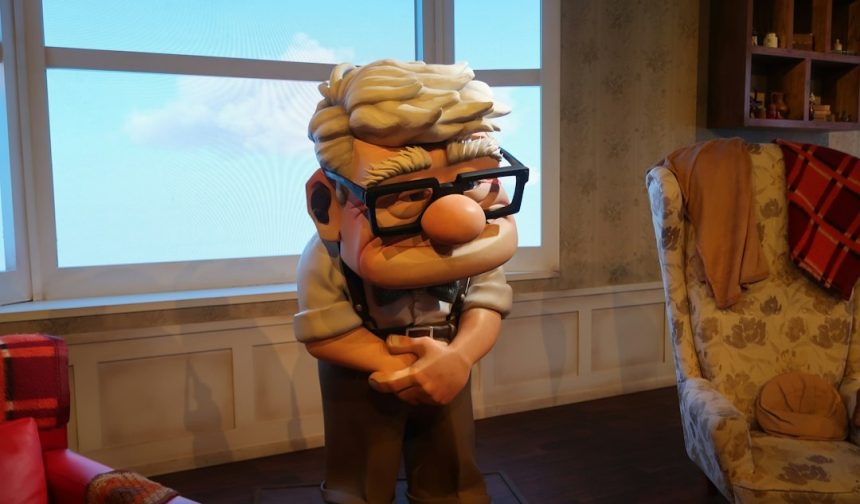
Here’s the one people warn each other about. The opening wordless montage of Carl and Ellie’s marriage runs only a few minutes, and it’s hard to get through dry-eyed once you’ve lived a little. Young viewers see a sweet old couple, while adults recognize the postponed plans and the quiet disappointments.
The rest of the story is about what to do with grief. Carl’s journey ends up being less about a floating house and more about making room for new people. It’s a gentle argument that a life can keep growing after loss.
The Lion King
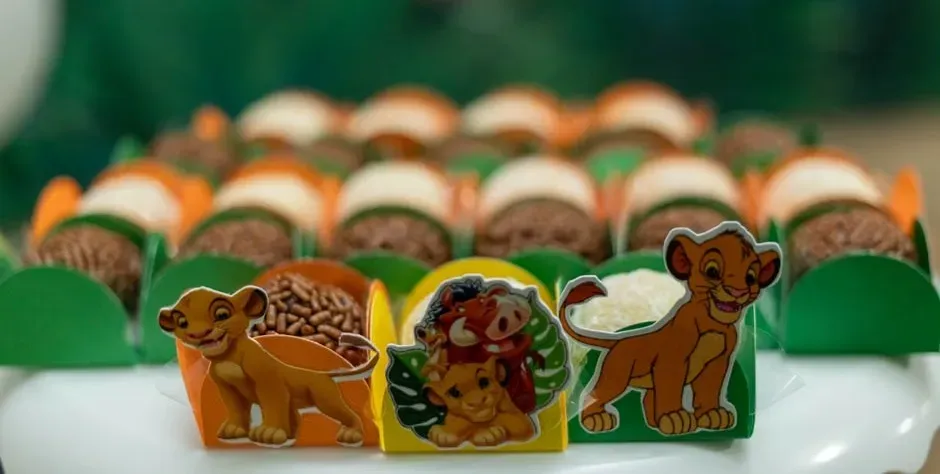
This is the one to pay extra attention to, the number three pick that the title hints at. The 1994 original tells a story that borrows from Shakespeare’s Hamlet, with a murdered king, a scheming relative, and a son who runs from responsibility. As a child, you remember Simba and the songs. As an adult, you notice how much of it is about guilt and the pressure of inheritance.
Mufasa’s death is still one of the most affecting moments in family animation. Simba’s belief that he caused it explains why he avoids going home for so long. Parents may also notice the film’s softer lesson, which is that you can’t outrun who you are, but you can choose to face it.
Toy Story 3
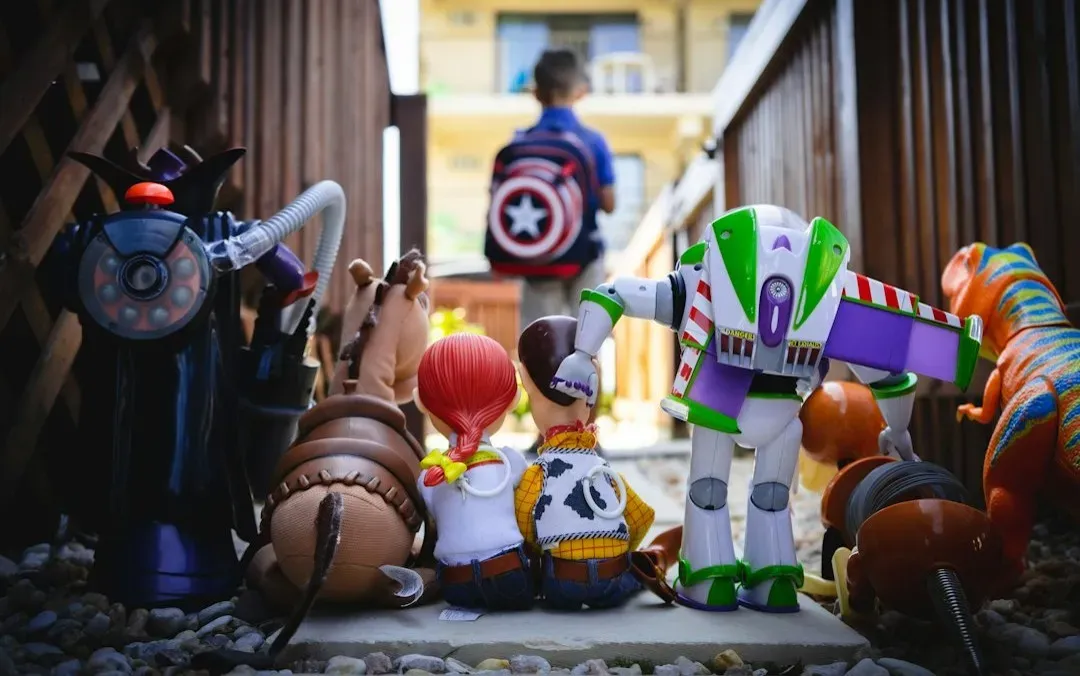
Released in 2010, this entry follows Andy as he prepares to leave for college. Kids tend to enjoy the daycare escape plot, but parents often find the ending quietly devastating. Andy handing over his toys to a new child is a small moment that carries a lot of weight.
If your own children are growing quickly, the film can feel uncomfortably close. It treats growing up as something both bittersweet and natural. Many adults who saw it as teenagers say it hits harder now, and that makes sense.
Coco

Pixar’s 2017 film is set around Mexico’s Day of the Dead and follows Miguel, a boy who wants to be a musician despite his family’s ban on music. It’s visually rich, and it handles family history with real tenderness. Parents may see themselves in both sides, the relatives who want to protect tradition and the child who wants room to be himself.
The storyline about Mama Coco and her fading memory is especially moving for anyone caring for an aging relative. The film suggests that people live on as long as someone remembers them. That’s a comforting thought, and it’s also a nudge to share family stories while you can.
Spirited Away
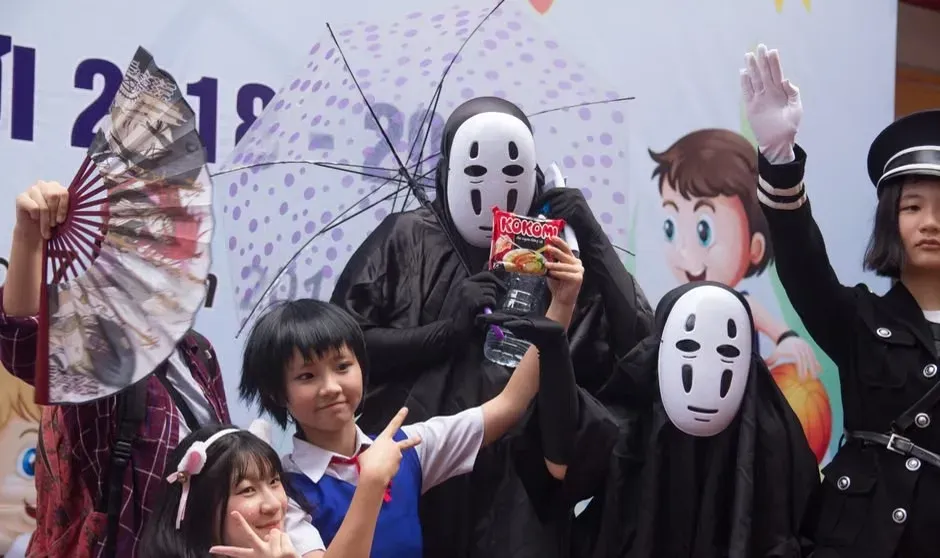
Hayao Miyazaki’s 2001 film follows ten-year-old Chihiro, who has to work in a bathhouse for spirits after her parents are turned into pigs. Kids respond to the strange creatures and the sense of wonder. Adults tend to notice the commentary on greed, consumption, and losing your sense of self.
It’s also a story about a child learning to be brave and capable without being lectured. Chihiro grows by doing small, practical things well, which is a nice contrast with louder hero stories. The film won the Academy Award for Best Animated Feature, and it rewards slow, attentive viewing.
Pick one this weekend, and let the kids choose the snacks. You may find you’re the one who ends up quietly wiping your eyes.