Most films hop between locations, but a handful stay put from the first frame to the last. These movies shot on a single set, whether a room, a building, or a stage, and still managed to hold an audience.
The constraint tends to push filmmakers toward sharper writing, tighter blocking, and performances that carry everything. Here are ten well-known examples, each with the facts behind its single-set approach.
12 Angry Men (1957)

Sidney Lumet’s courtroom drama takes place almost entirely in one jury deliberation room. Only a short opening and closing sequence step outside it. The story follows twelve jurors debating the fate of a young defendant.
Lumet is widely noted for changing lens choices as the film progressed. The camera starts higher and wider, then moves lower and tighter, so the room feels more claustrophobic as tension rises. It’s a quiet technical trick that works without the viewer noticing.
Rope (1948)

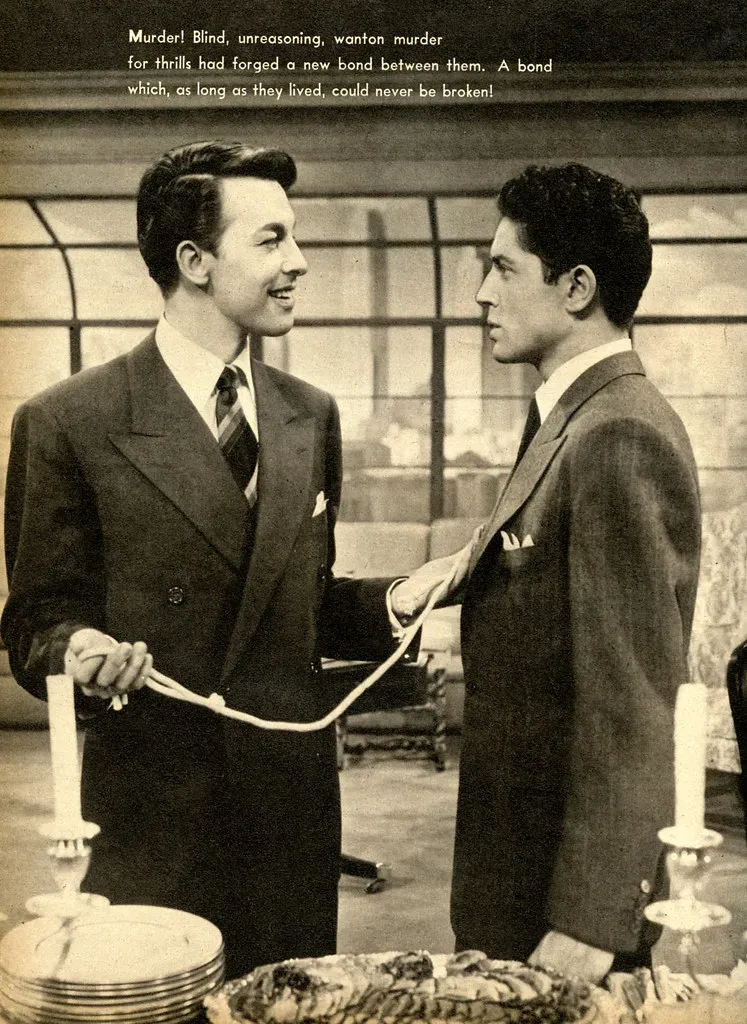
Alfred Hitchcock set this thriller in a single Manhattan apartment. It’s based on Patrick Hamilton’s stage play and follows two men who hide a murder while hosting a dinner party. The action unfolds in roughly real time.
Hitchcock designed the film to look like a handful of very long takes, hiding cuts when the camera passes behind a character’s back or a dark object. Ten-minute film reels limited how long each take could run. The apartment set was built with walls that could move out of the camera’s way.
Dial M for Murder (1954)

Another Hitchcock entry, this one adapted from Frederick Knott’s stage play. Nearly the entire story happens inside a London flat. A retired tennis player plots to have his wife murdered.
The film stays loyal to its theatrical origins, relying on dialogue and carefully planned staging. It was also shot for 3D exhibition, though it was often shown flat. The single apartment gives every clue and every key placement a clear spot in the viewer’s memory.
Reservoir Dogs (1992)

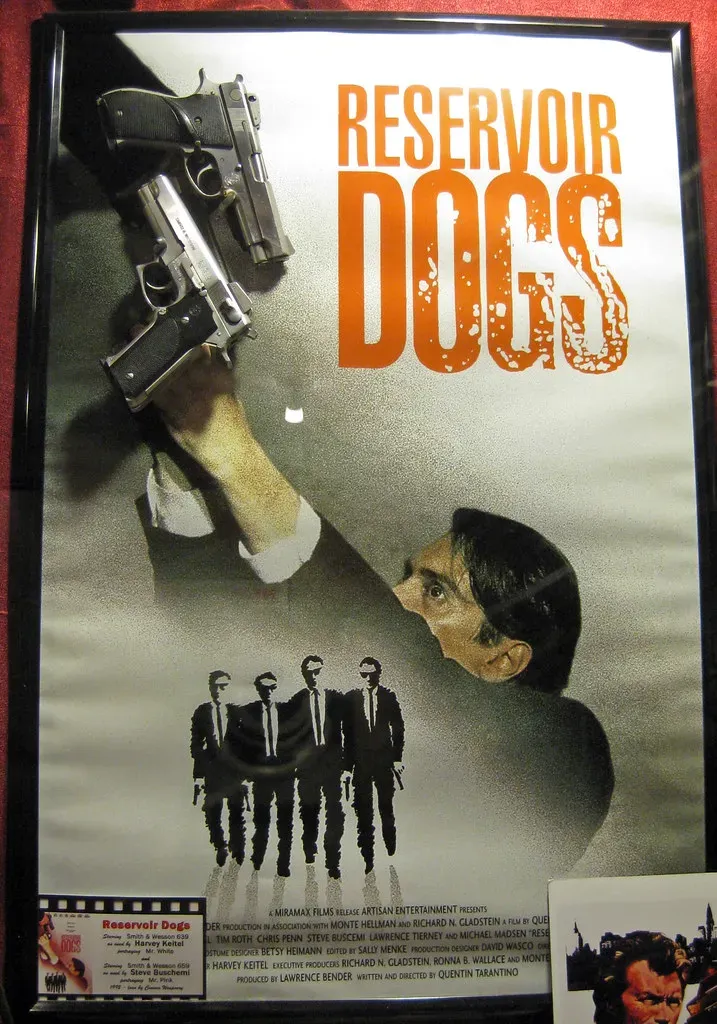
Quentin Tarantino’s debut isn’t strictly one location, but its central action is anchored in a warehouse after a botched jewelry heist. Flashbacks do break away to other places. Even so, the warehouse is where the story’s tension lives.
The film was made on a small budget, which helped shape its confined feel. The warehouse scenes carry the arguments, suspicion, and bloodshed that define the movie. It’s included here as a near example rather than a pure one.
Phone Booth (2002)

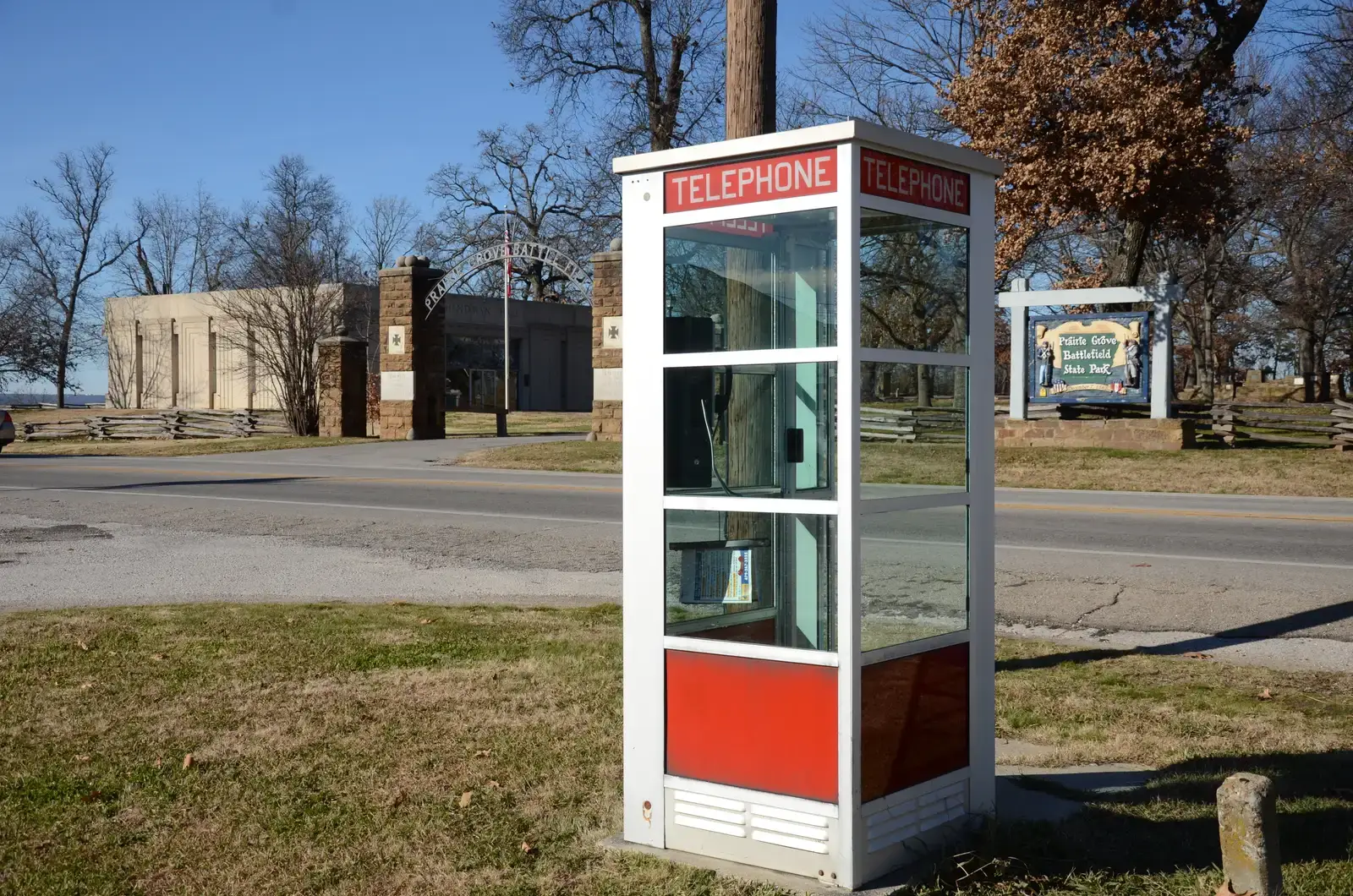
Joel Schumacher directed this thriller about a publicist pinned inside a New York phone booth by a sniper. Nearly all of the action takes place at that one spot on the street. Colin Farrell plays the lead.
Partner offer

The shoot reportedly took only about ten days, and the production built the street setting on a Los Angeles soundstage and backlot rather than filming in Manhattan. The compact schedule suited the real-time premise. The booth itself becomes the whole stage.
Buried (2010)

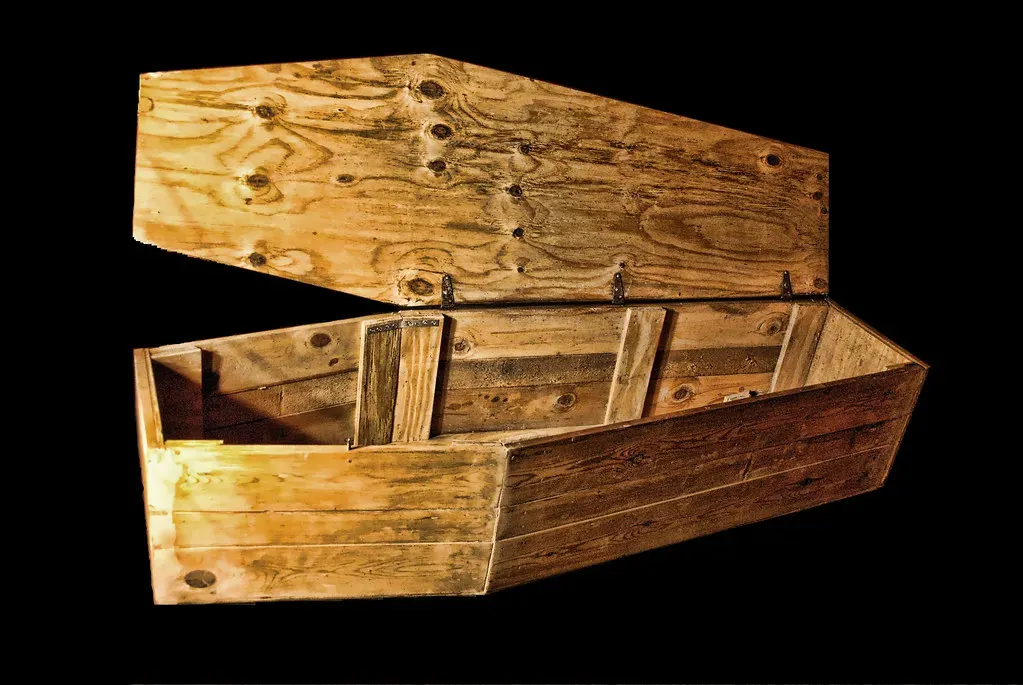
Rodrigo Cortés directed this thriller, which keeps the camera inside a wooden coffin for the whole running time. Ryan Reynolds plays a contractor who wakes up buried alive in Iraq. His lighter and phone provide the only illumination.
The film was shot in Spain on a tight schedule using a coffin built in sections so the crew could access it. The limited light source forced creative camera work. Few films push a single set this literally.
Exam (2009)
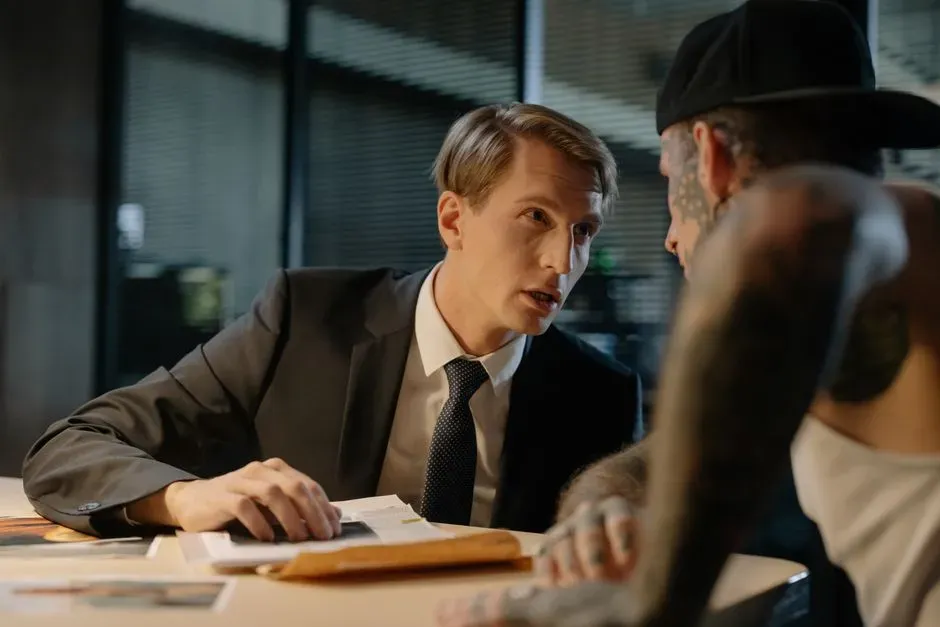
Stuart Hazeldine’s British thriller places eight job candidates in a single room with one question paper, which has no visible question. They have eighty minutes to figure out the task. The whole film plays out in that room.
The story depends on rivalry, paranoia, and rule interpretation rather than special effects. A low budget fit the premise well. It’s often cited as a model of how to build suspense with little more than a table and some desks.
Clue (1985)

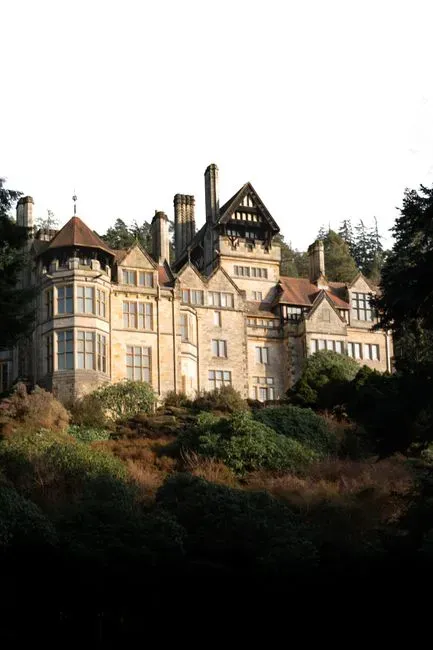
Based on the board game, Clue unfolds in a single mansion. Jonathan Lynn directed it, and the cast includes Tim Curry, Madeline Kahn, and Martin Mull. The house was built as a set on a Hollywood soundstage.
The production famously shipped to theaters with different endings, so audiences saw different conclusions depending on the cinema. Home releases later included all three. The mansion’s hallways and secret passages are essential to the farce.
The Hateful Eight (2015)

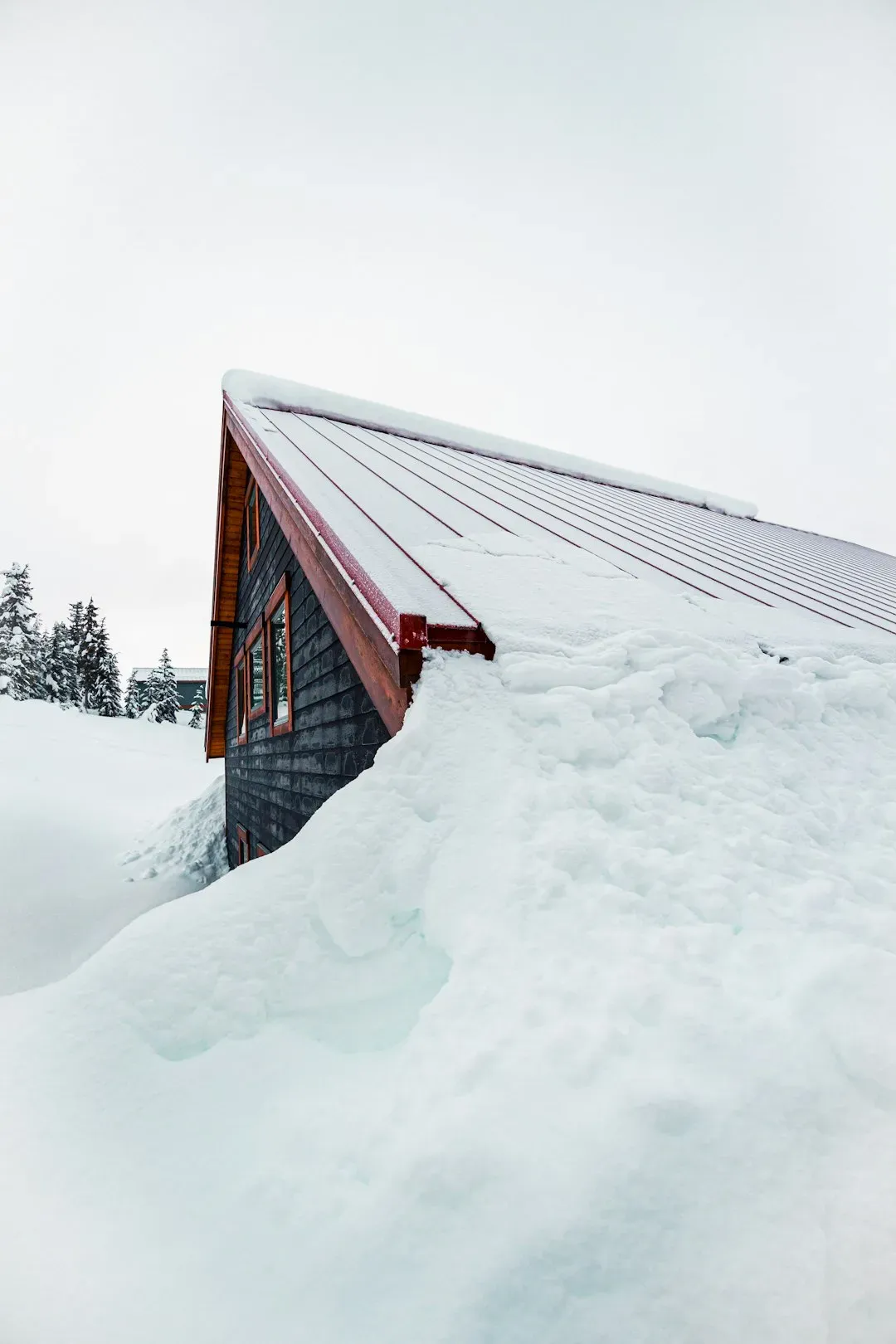
Quentin Tarantino’s western spends most of its runtime inside Minnie’s Haberdashery, a single cabin during a blizzard. A short opening on a stagecoach precedes it. After that, the story stays indoors with eight suspicious strangers.
Tarantino shot on 65mm film, which is unusual for such a confined story. The wide format lets the camera capture the whole cabin interior in detail. A roadshow release added an overture and intermission.
Locke (2013)

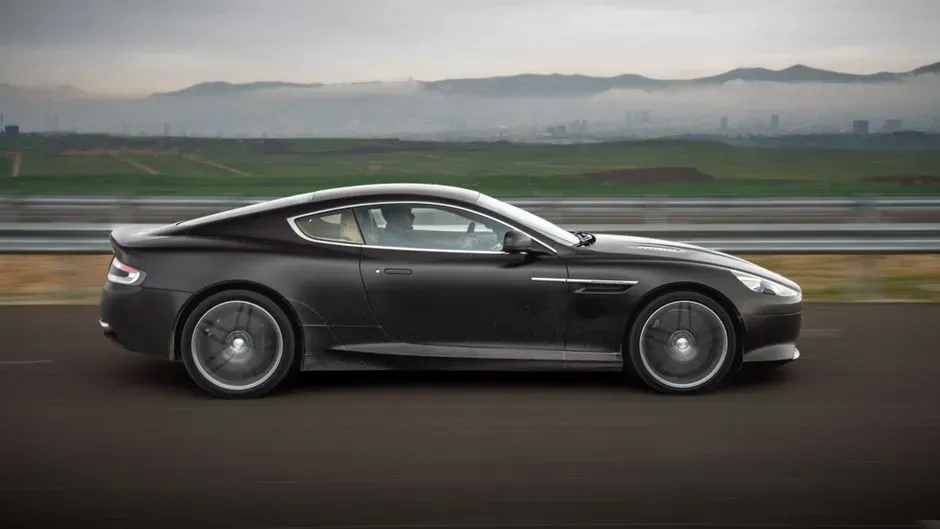
Steven Knight’s drama takes place entirely inside a car on a night drive from Birmingham to London. Tom Hardy is the only actor seen on screen. Other characters appear only as voices on the phone.
The production filmed the drive in a compact schedule, with Hardy performing the full story in continuous passes. The car works as both a set and a pressure chamber. It’s one of the cleanest modern examples of a one location film.
Partner offer
Planning a trip to Vegas?
Compare hotel rates and show tickets on VEGAS.com.