Box office numbers are a blunt measure of a film’s future. Some movies vanish after one dismal opening weekend, then return years later in sold out late night screenings, with audiences reciting the dialogue along with the actors.
The ten films below all had rough first runs, whether from poor sales, hostile reviews, or bad timing. Each one found its people afterward through repertory theaters, home video, cable, or word of mouth.
The Rocky Horror Picture Show (1975)

This adaptation of Richard O’Brien’s stage musical barely registered when 20th Century Fox released it in 1975. The studio pulled it from wide release after a weak showing, and it looked like another forgotten oddity.
The revival began in 1976, when it started playing at midnight in New York City, including at the Waverly Theater. Audiences began talking back to the screen, dressing as the characters, and using props. Screenings have continued for decades, which makes it the template for the modern midnight movie.
Blade Runner (1982)

Ridley Scott’s science fiction noir arrived in the summer of 1982, up against family friendly hits like E.T. The Extra-Terrestrial. It earned less than its production cost domestically, and critics were divided over its slow pace and dense atmosphere.
Its reputation grew through video rentals and repertory screenings. Later versions, including the 1992 director’s cut and the 2007 Final Cut, let audiences see Scott’s intended vision. The film is now widely treated as a landmark of the genre, and it led to the sequel Blade Runner 2049 in 2017.
Big Trouble in Little China (1986)
John Carpenter’s kung fu fantasy comedy stars Kurt Russell as Jack Burton, a swaggering truck driver who is far less capable than he thinks. It opened just as Aliens was drawing crowds, and it made well under its budget in theaters. Carpenter has said the disappointment contributed to his exit from big studio filmmaking.
Cable television and home video gave it a second life. Viewers enjoyed its odd mix of martial arts, monsters, and parody of action hero clichés. It now turns up regularly at late night revival screenings.
Clue (1985)
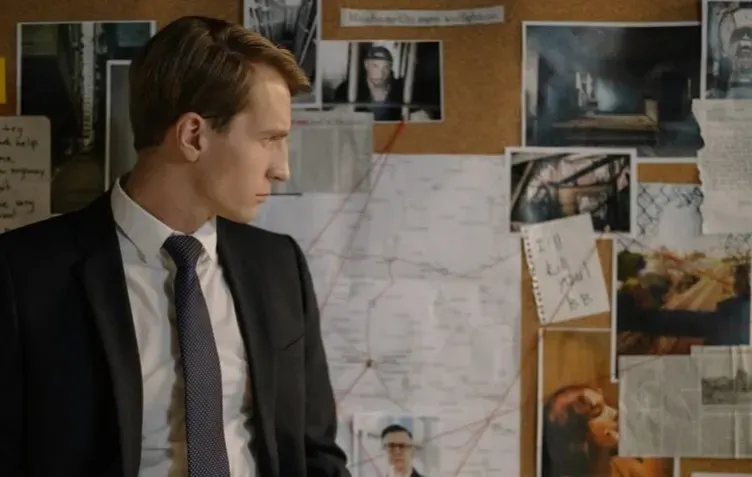
Based on the Parker Brothers board game, Clue had a gimmick: theaters received different endings, so audiences saw different solutions to the murder. The idea did not translate into ticket sales, and the film brought in less than its budget. Reviews at the time were mixed.
Cable reruns and home video changed its standing. Tim Curry, Madeline Kahn, and Christopher Lloyd deliver rapid fire comedy that holds up on repeat viewing. Quote along screenings are now a popular way to see it.
The Big Lebowski (1998)
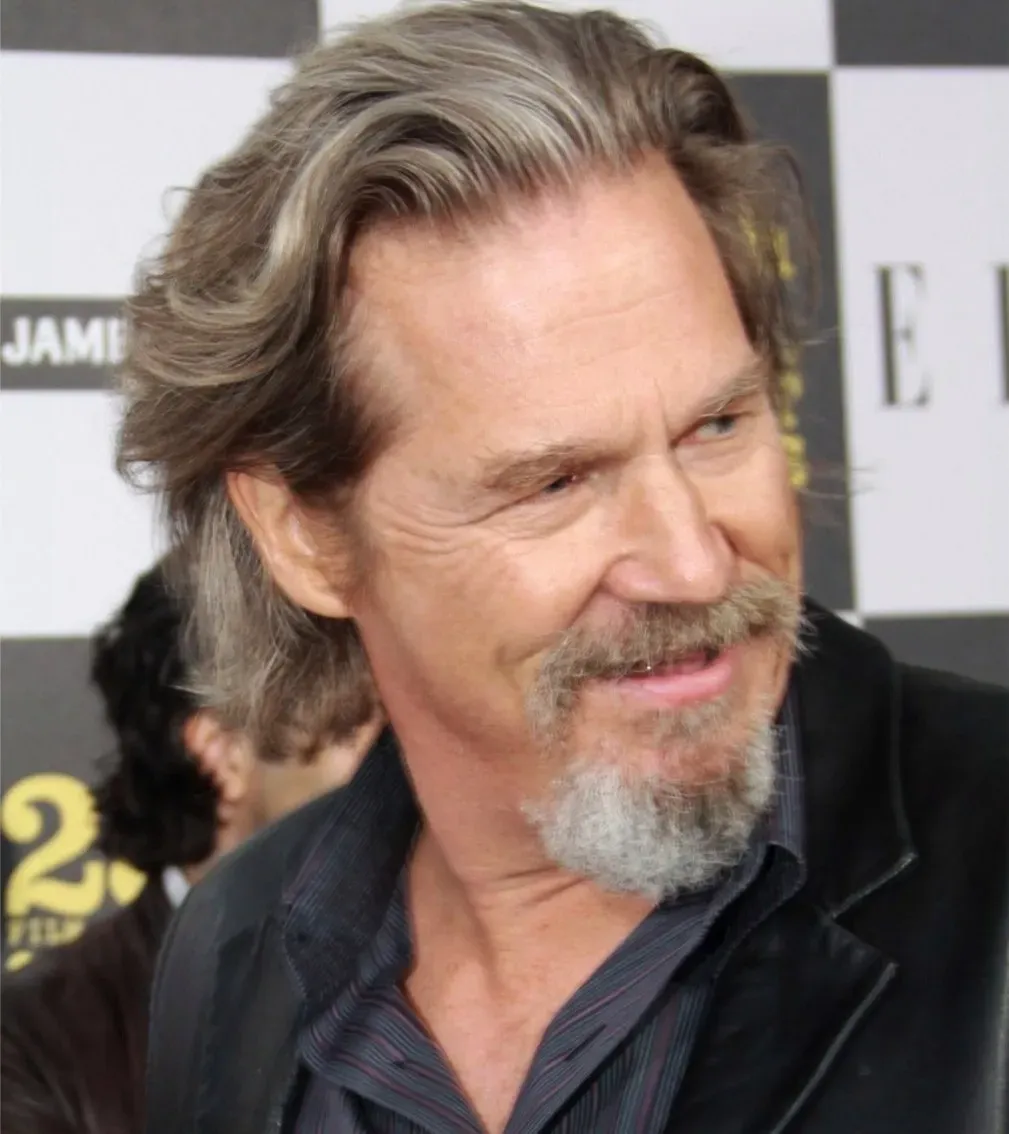
The Coen brothers followed their Oscar winning Fargo with a shaggy Los Angeles comedy about a bowling obsessed slacker known as the Dude. It made a modest sum at the box office, roughly matching its budget. Critics were lukewarm, and many wondered what the Coens were up to.
Partner offer
Home video turned it into a phenomenon. Fans held costume parties and bowling nights, and in 2002 the first Lebowski Fest took place in Louisville, Kentucky. The film was later selected for the National Film Registry, which shows how far its reputation has traveled.
Fight Club (1999)
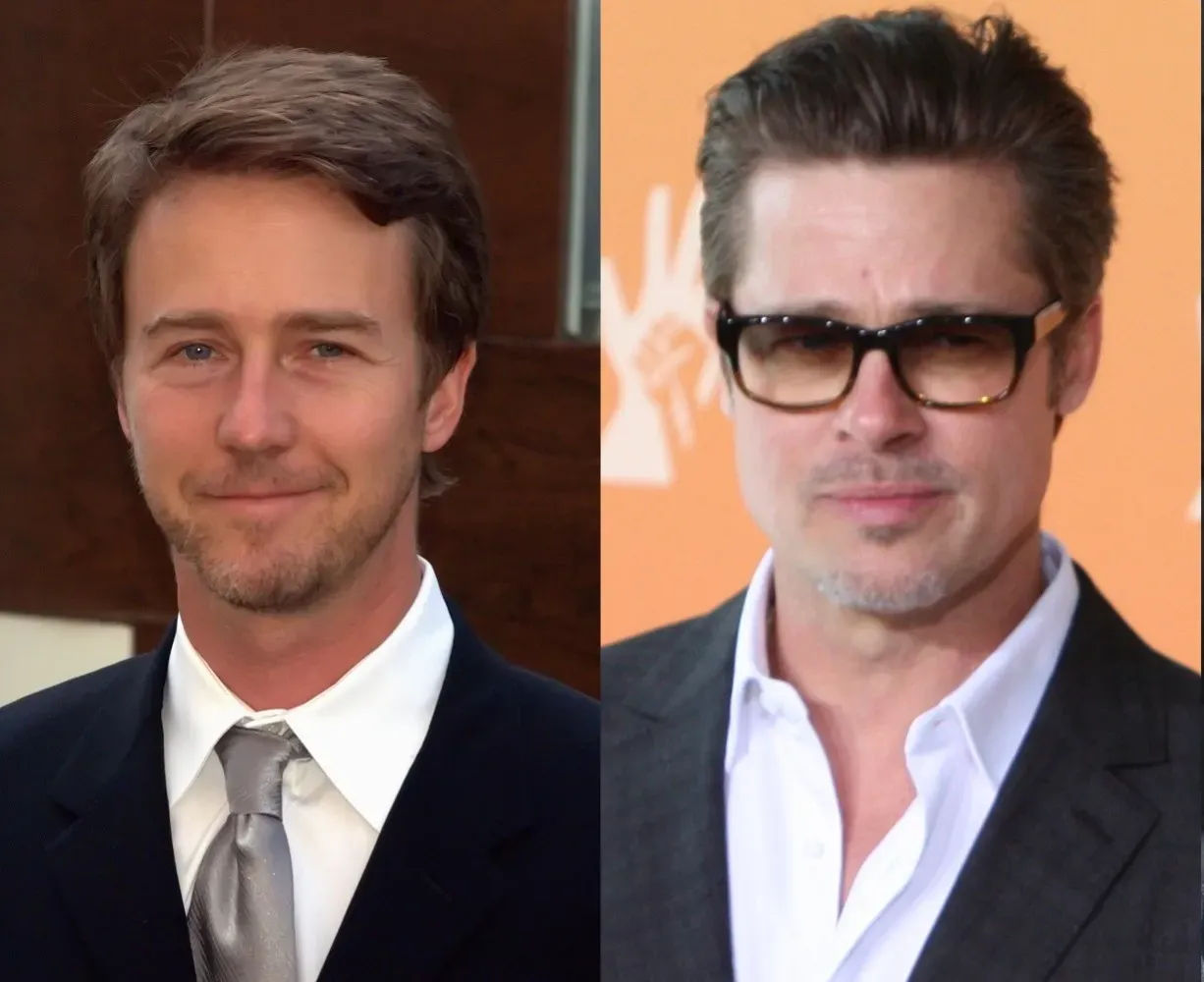
David Fincher’s adaptation of Chuck Palahniuk’s novel divided critics and underperformed in theaters. Its domestic gross came in at about the level of its production budget, which is a disappointment once marketing costs are counted. Fox executives were reportedly uneasy about how to sell it.
The DVD release changed everything. Strong sales and rentals built an audience that kept discussing the twist, the satire, and the visual style. It became a fixture of late night screenings and dorm room collections.
Office Space (1999)
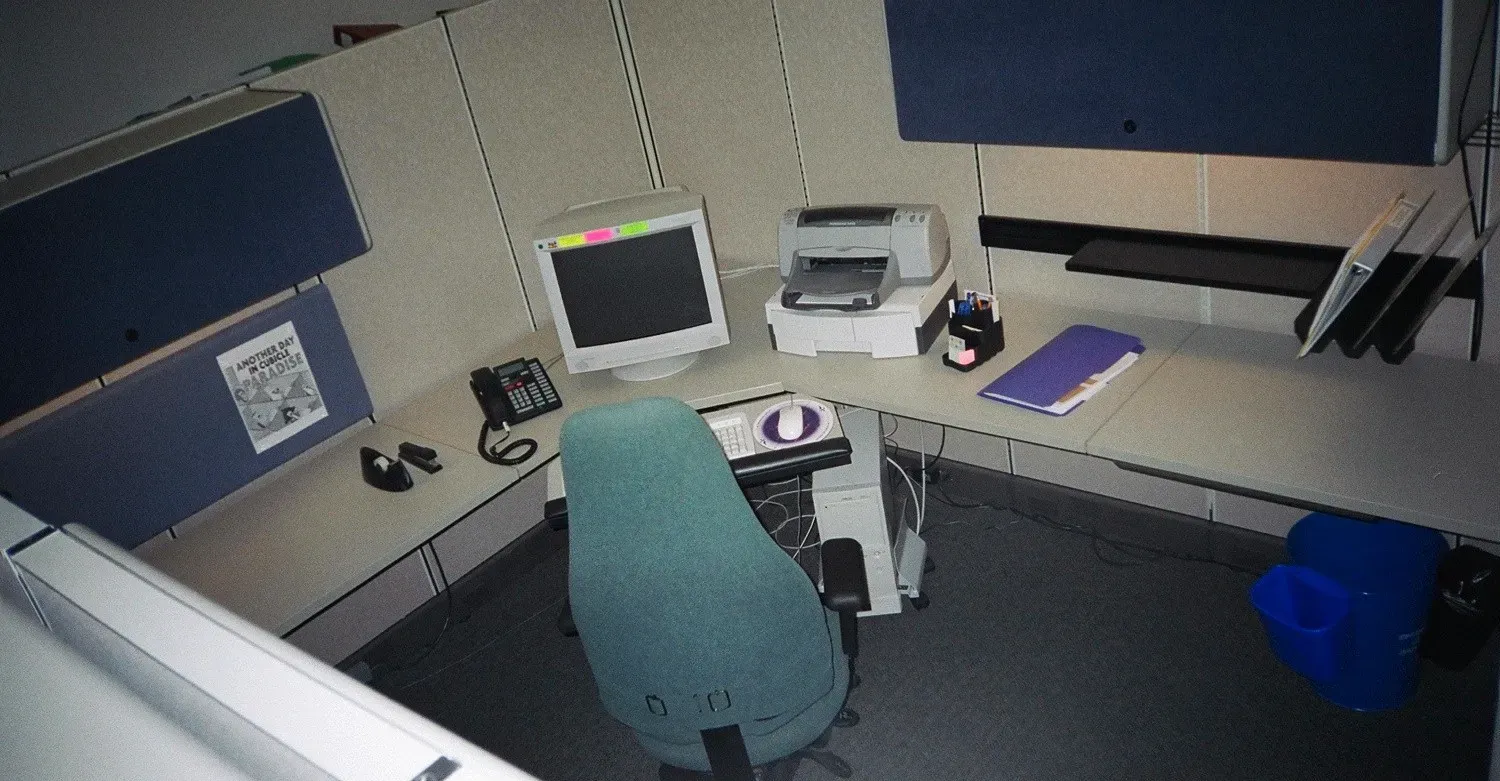
Mike Judge’s workplace comedy came from his animated shorts about a cubicle worker, and it opened to a modest response. Its theatrical gross was small, near its budget, and the studio had little faith in it. Reviews were mixed.
Cable airings and DVD sales did the work the theaters didn’t. Office workers recognized the TPS reports, the red stapler, and the printer scene from their own lives. Anniversary screenings often draw crowds who arrive knowing every line.
Donnie Darko (2001)
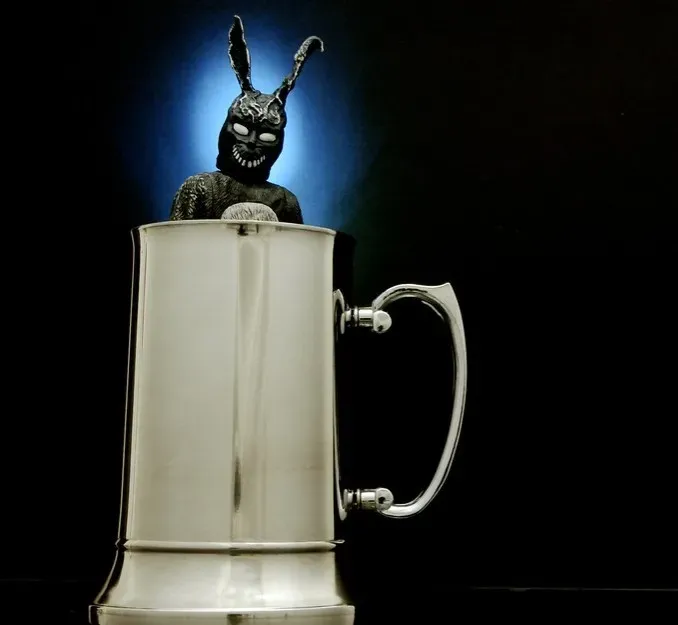
Richard Kelly’s debut film about a troubled teenager, a giant rabbit, and time travel came out in October 2001, a poor moment for a film with a plane engine crashing into a house. It grossed only a small amount in its initial release. Even the distributor was unsure how to promote its puzzle box story.
Midnight showings in cities like Los Angeles and London, plus strong DVD sales, gave it staying power. Fans debated its timeline and symbolism online. A director’s cut appeared in 2004, and the film remains a staple of late night programming.
The Room (2003)

Tommy Wiseau wrote, directed, produced, and starred in this drama about love and betrayal in San Francisco. It opened in only a couple of Los Angeles theaters and took in very little money. Critics dismissed it, and it seemed destined for obscurity.
Audiences at midnight showings instead treated it as unintentional comedy, throwing plastic spoons and shouting lines at the screen. The behind the scenes story inspired Greg Sestero’s book The Disaster Artist and the 2017 film of the same name, starring James Franco. Wiseau’s oddball drama is now a reliable draw in theaters worldwide.
Showgirls (1995)
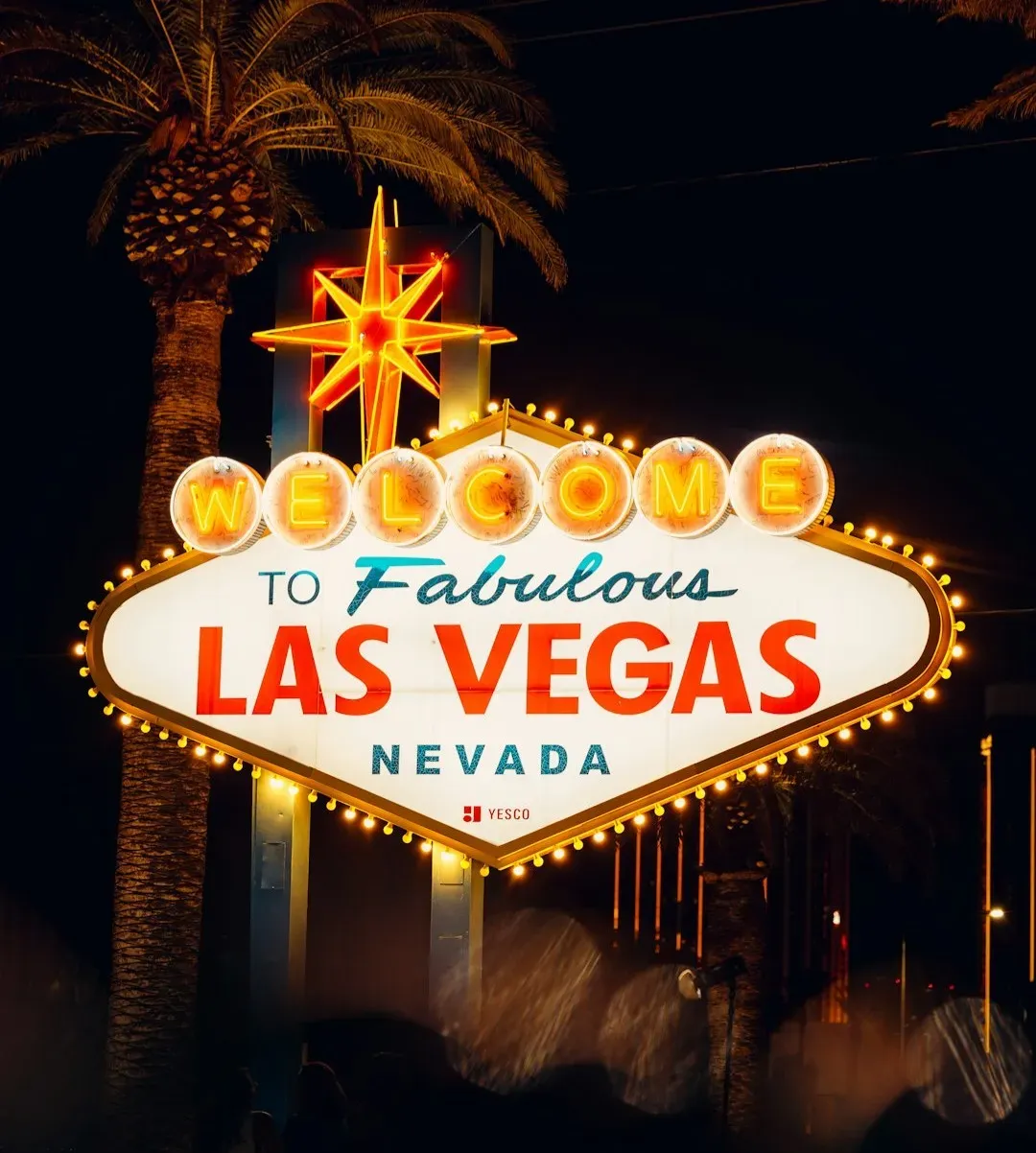
Paul Verhoeven’s NC-17 rated drama about a Las Vegas dancer was expected to be a provocative hit. Instead it was savaged by critics, swept the Razzie Awards, and disappointed at the box office. It seemed like a career ending embarrassment for its cast.
Video rentals gave it a new audience that approached it as camp. Repertory theaters began screening it with a knowing, rowdy crowd. Some critics have since argued that it works as satire, and it has been reassessed far more kindly than at its release.
Partner offer
Planning a trip to Vegas?
Compare hotel rates and show tickets on VEGAS.com.