Walk through any big toy aisle and you’ll spot boxes that look a lot like the ones your parents or grandparents owned. Some have had tidy redesigns, but the core ideas are the same. A few of them are now more than sixty years old.
The 1960s were a busy decade for tabletop play, with plastic manufacturing, television advertising and a growing family market all lining up. These nine games came out of that era and, in one form or another, remain available to buy.
Twister
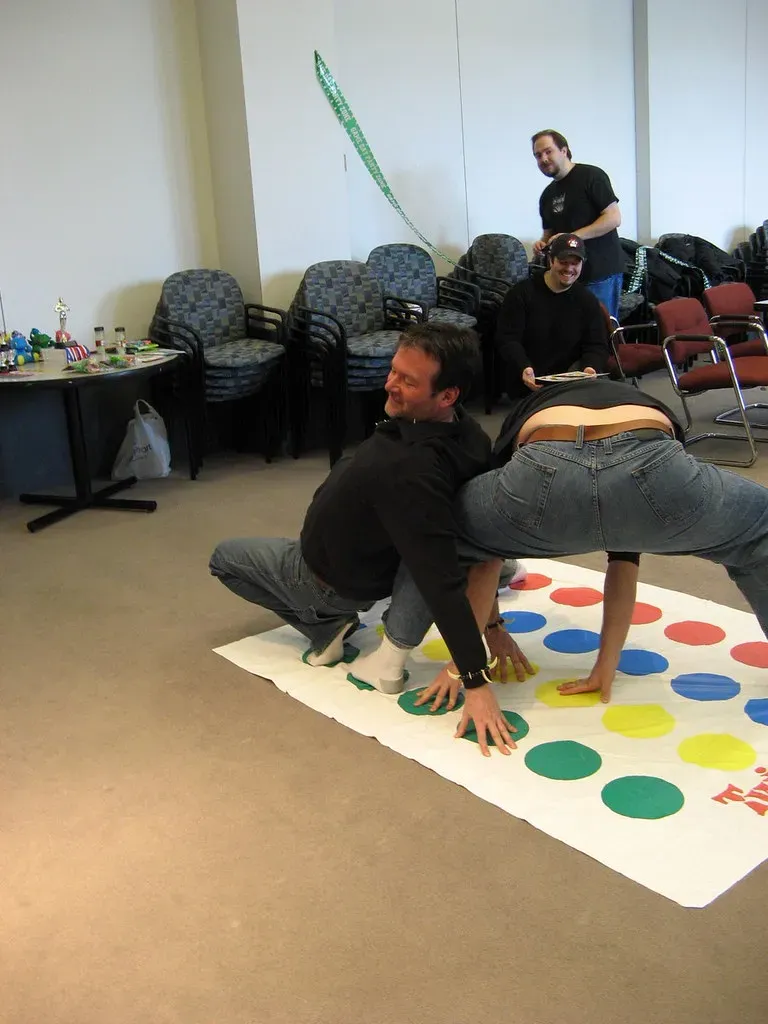
Twister arrived in 1966 from Milton Bradley, built around a plastic mat of colored circles and a spinner. It was designed by Reyn Guyer’s team and used the players’ own bodies as the game pieces, which was unusual at the time. Early retailers reportedly resisted it, and Sears was among those worried about its suggestive reputation.
A famous appearance on The Tonight Show, with Johnny Carson and Eva Gabor playing it in 1966, is widely credited with turning it into a hit. Today it’s sold by Hasbro, which has kept the original idea nearly untouched. Few games have changed so little in six decades.
Operation

Operation first hit shelves in 1965, with a cartoon patient named Cavity Sam and a pair of tweezers. Players remove odd plastic ailments without touching the metal edges, or the buzzer sounds and his nose lights up. The concept came from a University of Illinois student, John Spinello, who is often reported to have received only a small payment for it.
Milton Bradley developed and released it, and Hasbro still sells it in updated versions. The tweezers and the buzzing remain the whole point. Parents tend to be surprised how shaky their hands have become.
Mouse Trap

Mouse Trap debuted in 1963 from Ideal and became one of the first mainstream games to feature a large, three dimensional contraption. Players build a Rube Goldberg style machine piece by piece as the game goes on. The goal is to trap rival mice under a plastic cage at the right moment.
Marvin Glass and Associates, the studio behind several classic toy designs, created it. Hasbro owns the brand today and still produces the game with its crank, boot and bathtub. Critics have long said the building is more fun than the actual competing, and that’s probably part of the charm.
The Game of Life
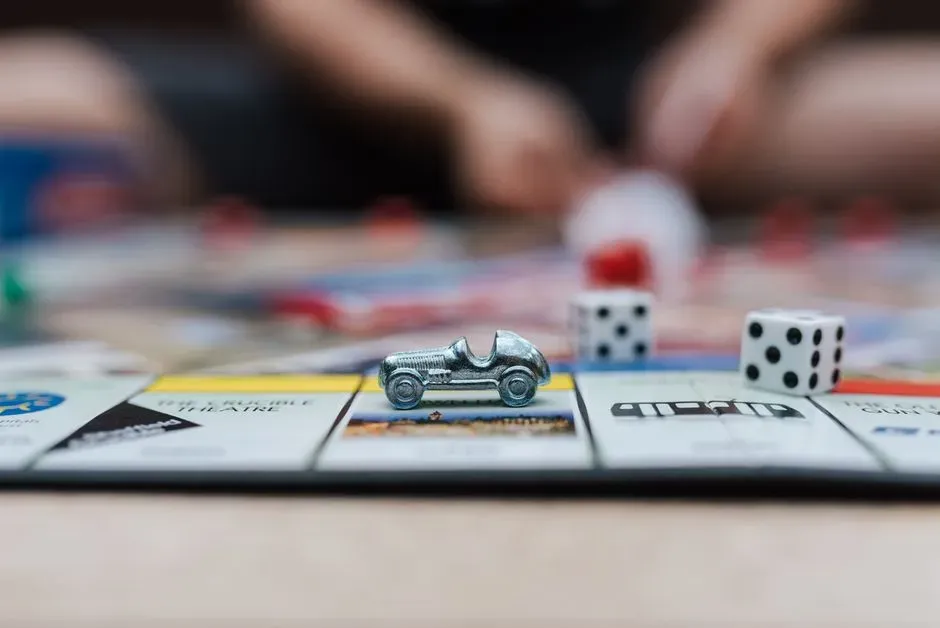
The Game of Life launched in 1960 to mark Milton Bradley’s one hundredth anniversary. It draws on the company founder’s earlier Checkered Game of Life from 1860, but the 1960 edition replaced that moral approach with a plastic road, spinner and fun career milestones. Its little cars, filled with peg people, became a signature look.
Hasbro continues to sell it, and the game has been revised many times to reflect changing jobs and lifestyles. The basic loop of choosing a path, collecting money and retiring is still intact. It’s a gentle, slightly absurd model of adult life.
Partner offer
Battleship
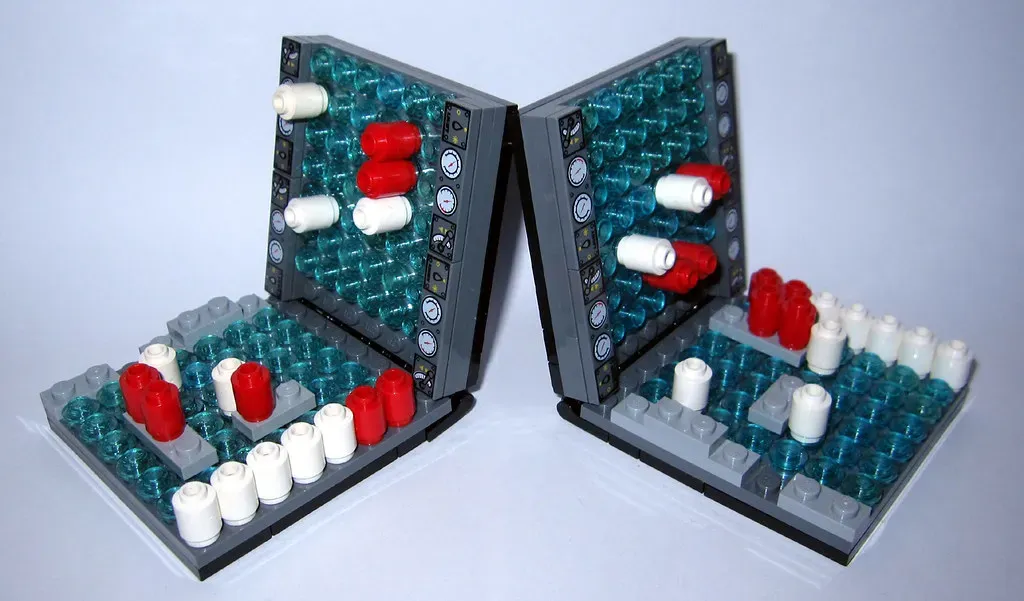
The idea behind Battleship is older than the 1960s, as it began as a pencil and paper game played by military officers early in the twentieth century. Milton Bradley released its plastic board version in 1967, with pegs, folding ship trays and hidden fleets. That edition made the guessing game a household name.
Hasbro still markets Battleship, and it has appeared in many variations, including electronic versions. A 2012 film adaptation even used the name. The original grid and call-outs remain what most people picture.
Trouble

Trouble came out in 1965 from Kohner Brothers, and its main gimmick was the Pop-O-Matic bubble, a domed dice roller in the center of the board. Pressing the bubble sends the die bouncing, which removes the chance of lost dice. It’s a race game in the tradition of Parcheesi, but it’s built around that noisy popper.
The game is now sold under Hasbro and still uses the same bubble. Its rules are simple enough for young children, and sending an opponent’s peg back to start is the main drama. It’s a light, loud and reliably quick game.
Stratego
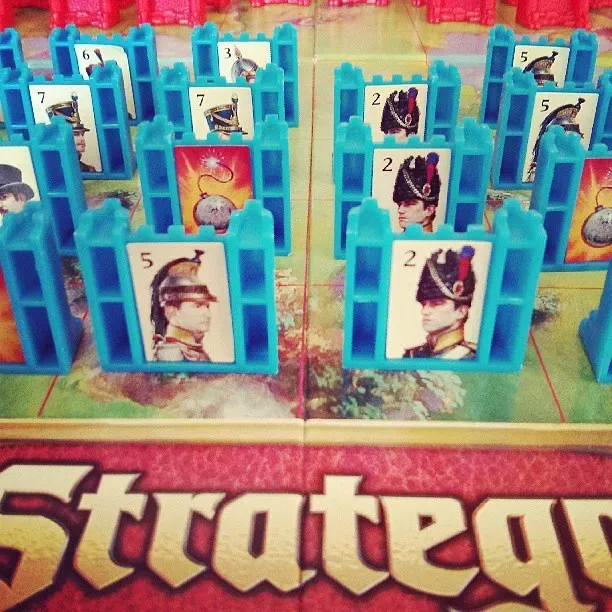
Stratego reached the American market in 1961 through Milton Bradley, although its roots lie in earlier European designs from before World War Two. Two players hide the rank of their pieces and try to capture the opponent’s flag. Bluffing and memory matter more than luck.
The game remains in print in modern editions, and there are even official competitive events. Its fixed layout and the simple rule that bombs defeat most pieces keep it easy to learn. Strategy fans often cite it as a gateway to more complex war games.
Acquire
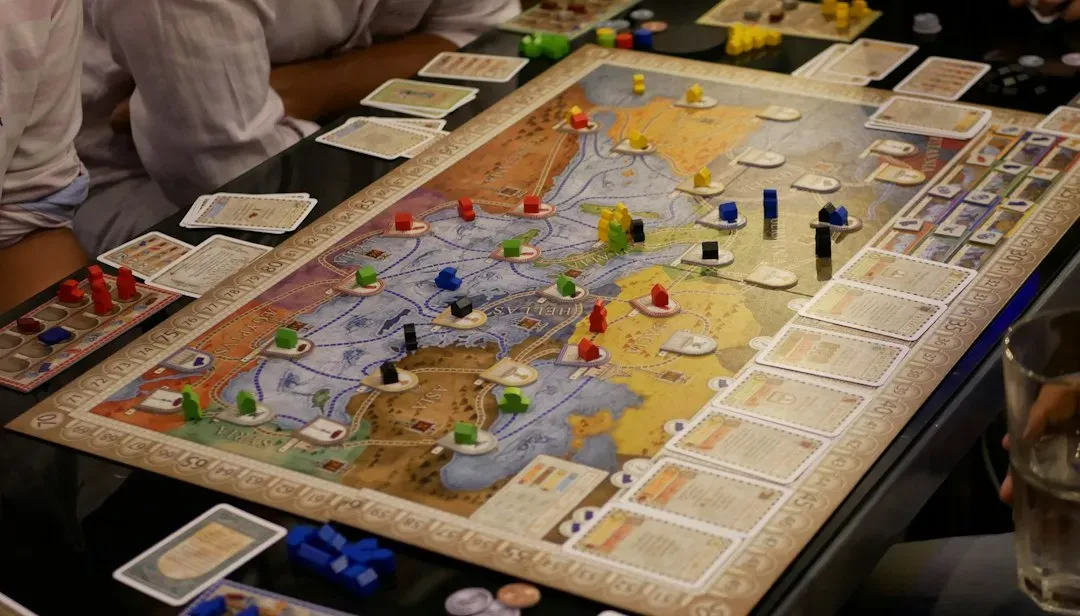
Acquire was designed by Sid Sackson and published in 1964 by 3M as part of its well regarded bookshelf game series. Players build hotel chains on a grid, merge companies and collect stock bonuses. It was one of the first mainstream games to bring a business and investment feel to the table.
The game has been reprinted by several publishers over the years, and a current edition is still sold by Hasbro’s Avalon Hill label. It’s more thoughtful than most of the other titles here. Many hobby gamers consider it a classic of modern design.
Don’t Break the Ice
Don’t Break the Ice appeared in 1968 from Schaper, with a plastic frame holding small ice blocks and a little man standing on top. Players tap out blocks with a small hammer, and whoever causes the man to fall loses. It’s a dexterity game aimed at young children.
The game continues to be sold in updated versions, and the basic activity hasn’t changed. Its charm lies in its straightforward tension, since each tap risks the whole structure. Few toys from 1968 are still this recognizable on a store shelf.
Partner offer
Planning a trip to Vegas?
Compare hotel rates and show tickets on VEGAS.com.