Most films are shot out of order. From a sheer logistics standpoint, it’s not cost effective or efficient to shoot a film in order. Crews group scenes by location, actor availability and equipment, then stitch the story together later.
A handful of directors have chosen the harder route anyway. Their reasons range from emotional realism to simple creative flexibility. Here are ten films that were filmed in story order, along with why their makers went that way.
The Shining

Stanley Kubrick’s horror film is probably the best known example. The production was only supposed to last 100 days but ran 250, and Kubrick filmed in order so he could change things along the way. That flexibility suited a director who liked to keep reworking his material.
The long shoot was famously hard on the cast. Kubrick’s compulsiveness is said to have driven Shelley Duvall to the edge. Her increasingly frayed performance builds in the same direction as the story.
The Revenant

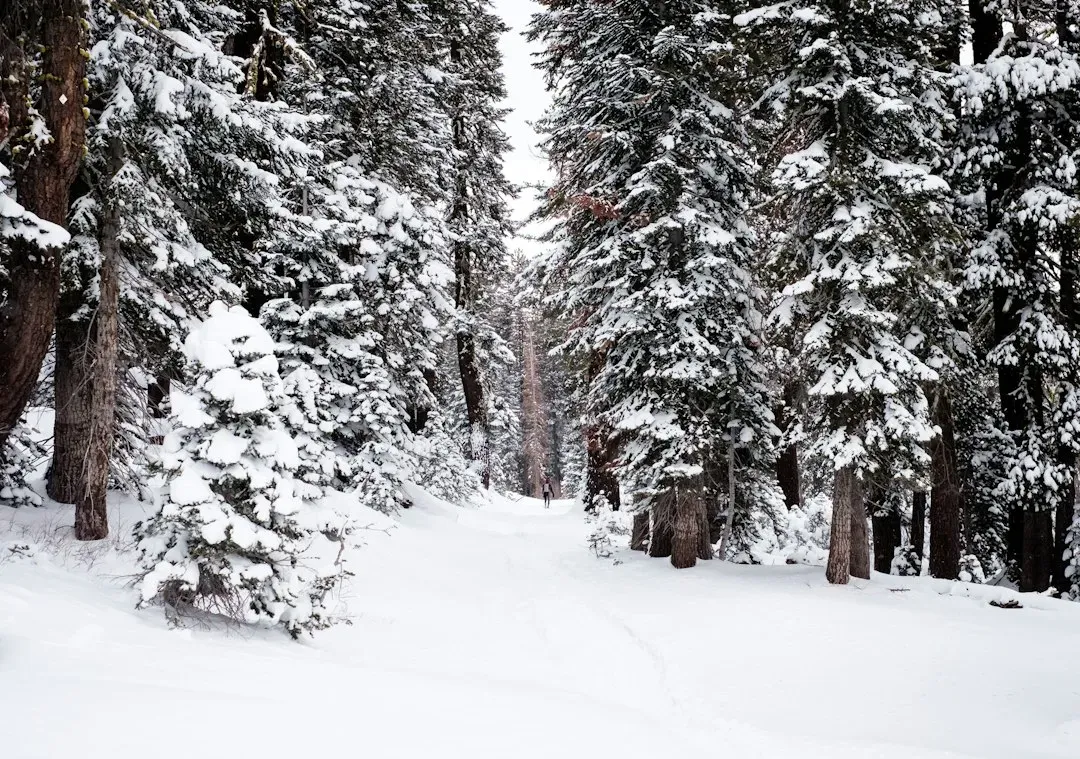
Alejandro G. Iñárritu’s survival epic was already a punishing production. Filming involved extremely cold temperatures and rocky terrain, and the director insisted on shooting in chronological order. That decision added to the difficulty of an already demanding schedule.
Iñárritu had done this before. He shot his first English language film, 21 Grams, in order too, along with The Revenant. It seems to be a method he trusts.
American Graffiti
George Lucas’s coming of age comedy drama unfolds over a single night. A group of high school friends cruise their hometown strip one last time before heading off to college. Shooting in sequence matched that structure neatly.
There was a practical payoff on screen. Lucas wanted the actors, worn down by a hectic schedule, to look more tired as the night went on. The exhaustion you see wasn’t entirely manufactured.
The Breakfast Club

John Hughes’s 1985 detention drama was a good fit for an in order shoot. From a logistical standpoint, filming it chronologically didn’t really hurt the production schedule. Most of the story takes place in one setting, so there was little location juggling to worry about.
Hughes also approached it like theater. He had the actors rehearse the whole script several times before they got on set. One fun detail: it was Judd Nelson’s first film, so he assumed all movies .
9½ Weeks

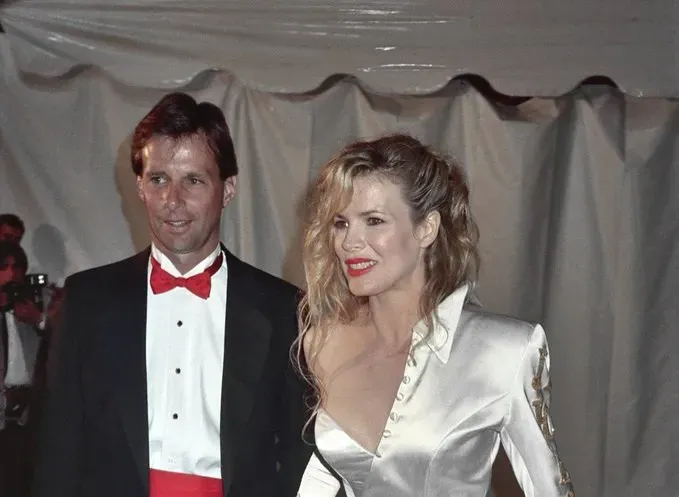
Adrian Lyne’s 1986 drama is a more uncomfortable case. Lyne felt he had to shoot in order to break Kim Basinger down emotionally, just as her character Elizabeth breaks down in the film. The method was meant to shape the performance directly.
Partner offer

It reportedly unsettled people on set. Those watching Lyne’s treatment of Basinger were said to be shocked by the intensity with which he handled the actress. It’s a reminder that this approach carries real costs for performers.
Saving Private Ryan

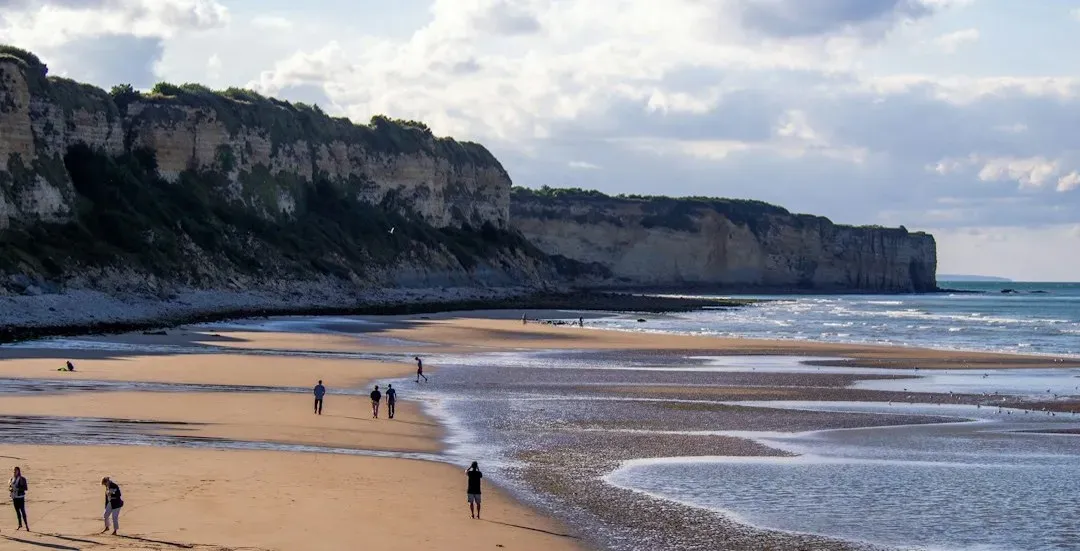
Steven Spielberg’s war film followed its story from start to finish. The entire production ran in chronological order, which Spielberg described as demoralizing. The opening battle was no exception.
The Omaha Beach sequence alone was a huge undertaking. It was filmed strictly in order over a four week period. The scene cost eleven million dollars and used more than a thousand extras.
A Beautiful Mind

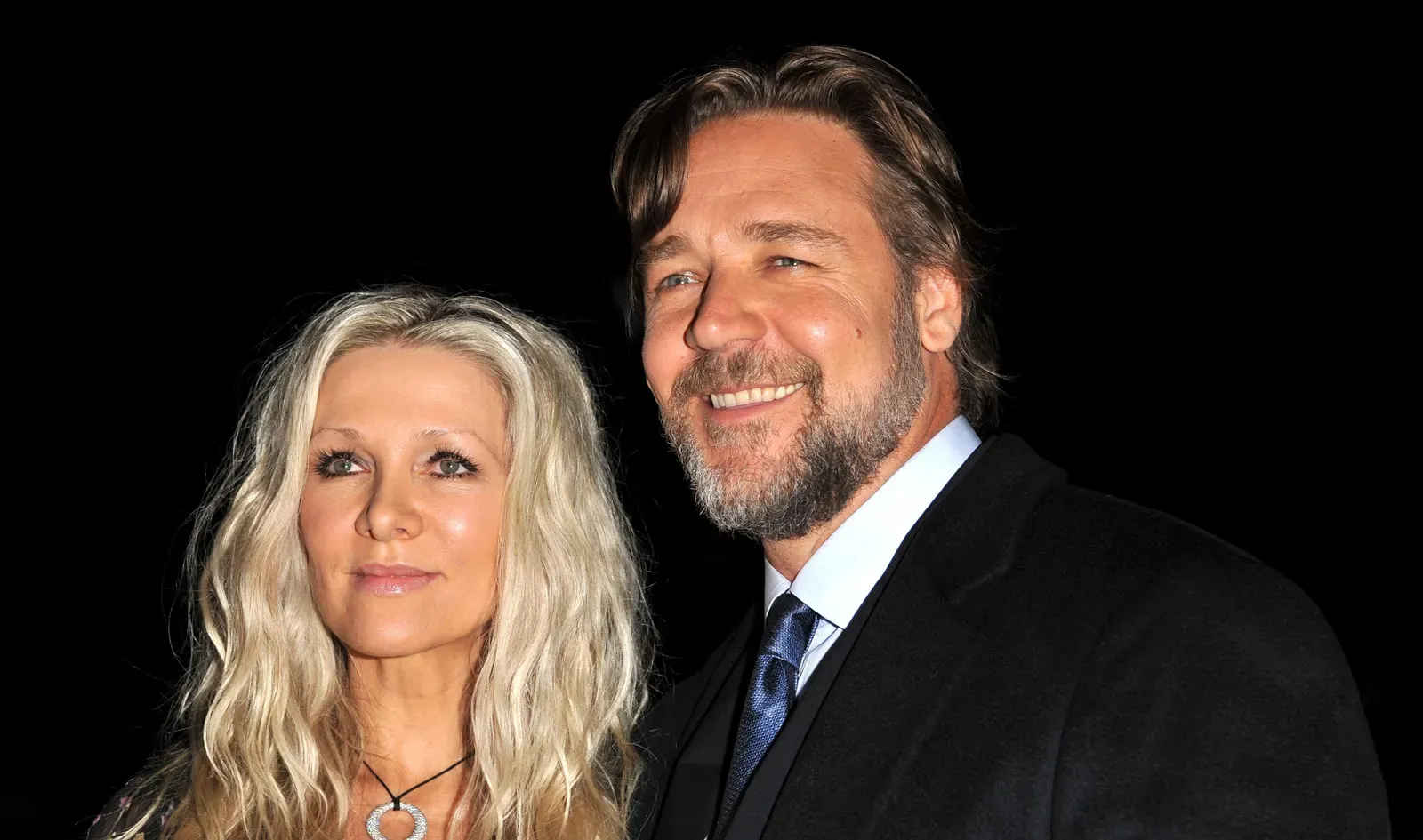
Ron Howard picked up the habit after acting in American Graffiti. Having starred in Lucas’s film, he took a page from the director’s book and filmed this one in order as well. The story called for it, since the lead character changes so much.
The goal was to help Russell Crowe. Shooting in sequence let him show the progression of John Nash’s erratic behavior. The film won four Academy Awards, including Best Director for Howard.
Platoon

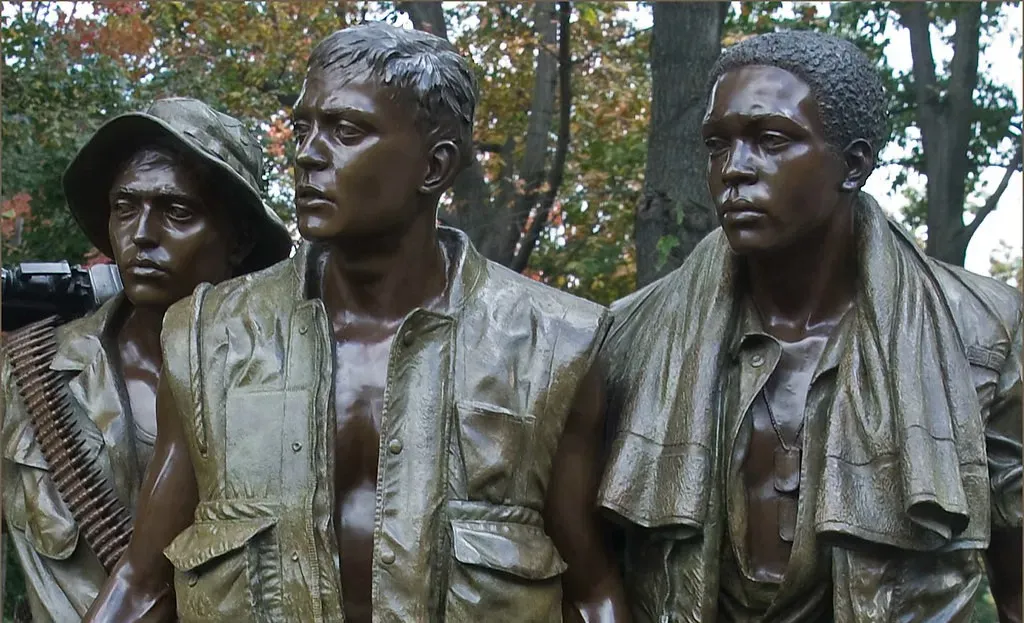
Oliver Stone drew on his own experience as an infantryman for this Vietnam War film. He filmed it in mostly chronological order to get as much emotion as possible out of each actor. The approach fit a story where the group keeps shrinking.
The effect was literal on set. Whenever a character died in battle, the actor would leave the set, go home and not return. Those who remained felt the loss build, which suited the material.
21 Grams

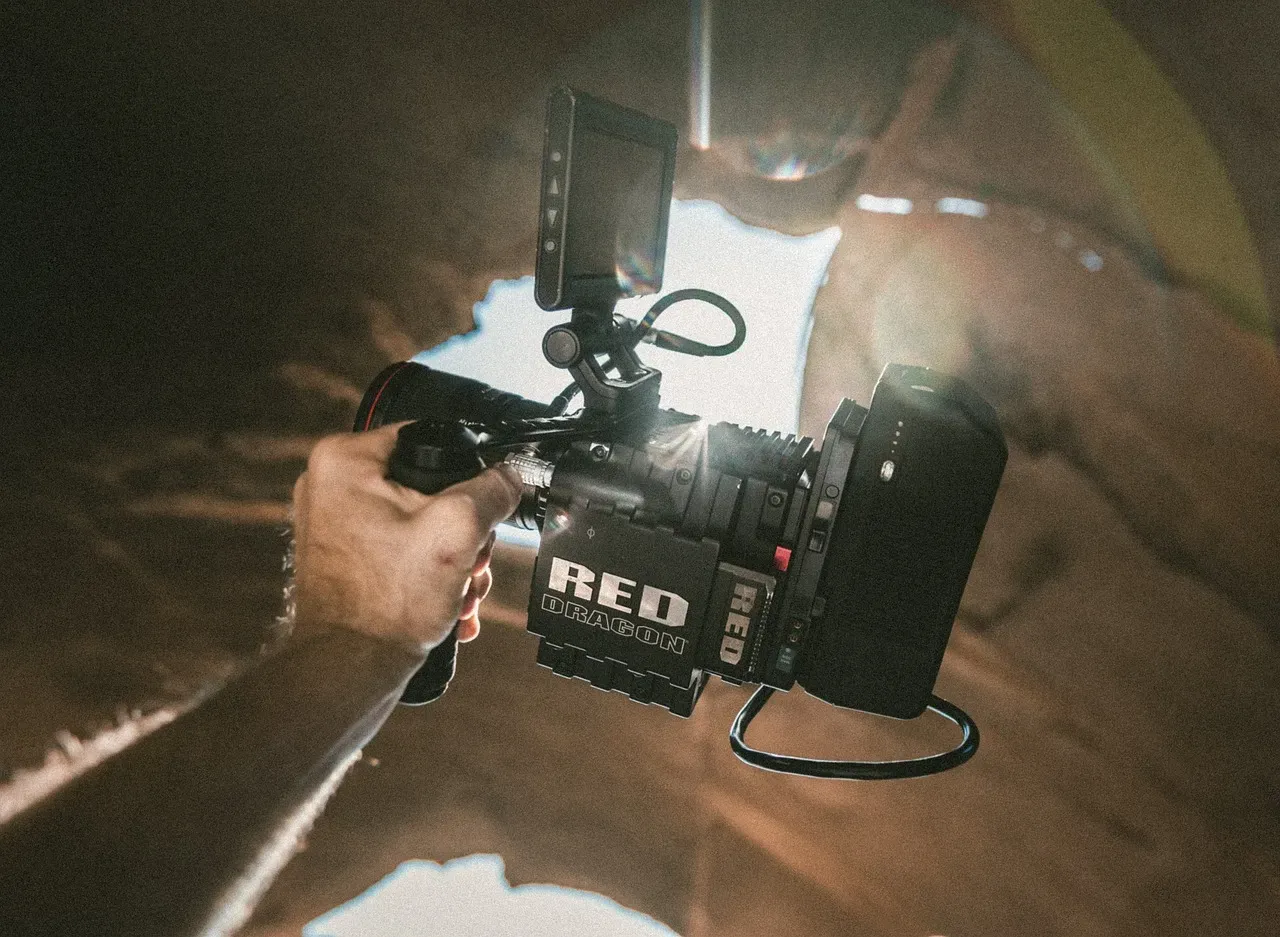
This one is a curious case, because the finished film jumbles its timeline on purpose. Yet the shoot itself went in order. Iñárritu filmed the story of three people brought together by a car accident in chronological order, using handheld cameras.
That contrast is the interesting part. The audience experiences a fractured story, while the actors lived through events in sequence. It gave the cast a clear emotional path to follow even as the edit scrambled the order.
E.T. the Extra-Terrestrial

Spielberg’s 1982 classic is listed among the films Wikipedia categorizes as shot in chronological order. That’s unusual for a film with so many effects and young performers.
The reasoning usually given is emotional. Filming mostly in sequence let the child actors build their bond with the alien over the course of the shoot, so the farewell would land more naturally.
Partner offer
Planning a trip to Vegas?
Compare hotel rates and show tickets on VEGAS.com.