This is enough grounding. I’ll write the article now.
2016 was a strange, restless year for movies, sandwiched between the blockbuster fatigue of the mid-2010s and the streaming boom that would reshape everything soon after. Looking back now, a full decade later, it’s striking how many films from that year weren’t just good for their moment but somehow anticipated where culture, technology, and storytelling were heading. These are films that critics loved at the time but that audiences are still discovering, quoting, and arguing about today.
What follows isn’t a ranking so much as a gallery of films that hold up unusually well, movies whose ideas about identity, communication, artificial intelligence, and social anxiety feel more relevant in 2026 than they did even at release. Some were awards juggernauts, others were quiet cult favorites, but all of them earned their staying power.
1. Arrival
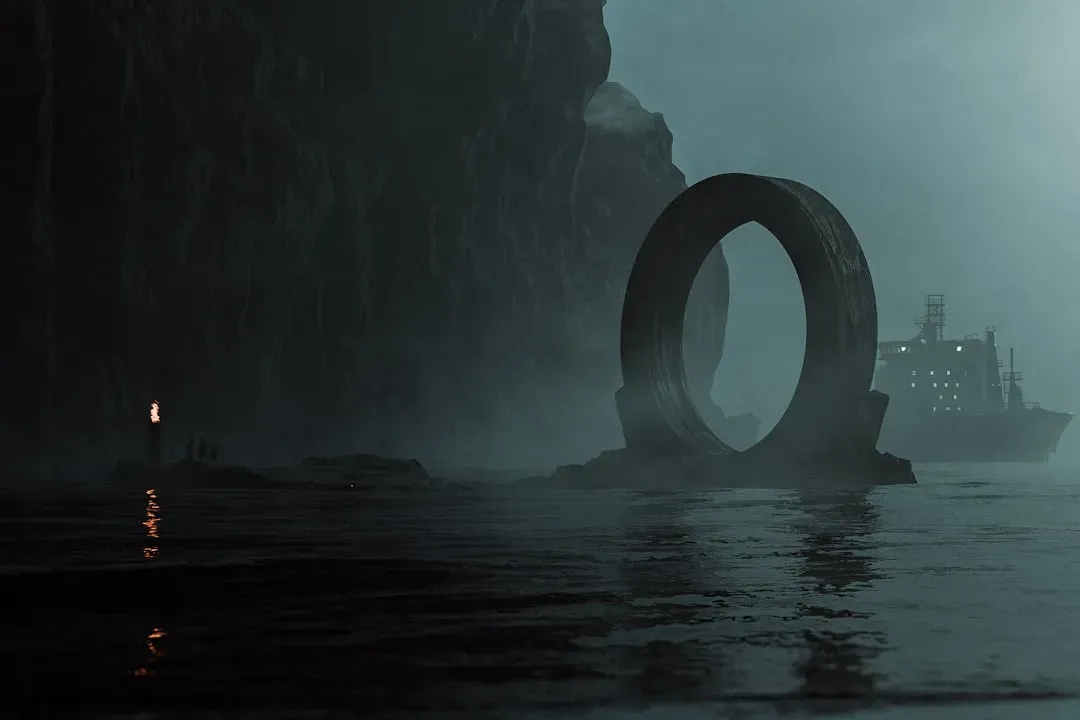
Denis Villeneuve’s meditative alien-contact drama turned the genre on its head by making a linguist, not a soldier, the hero of humanity’s first encounter with extraterrestrial life. Based on Ted Chiang’s short story “Story of Your Life,” the film follows a linguist enlisted by the U.S. Army to discover how to communicate with aliens who have arrived on Earth, before tensions lead to war. Rather than lasers and explosions, the film built its tension around misunderstanding, translation, and the fear that grips nations when they can’t understand one another.
The film’s box office success proved that thoughtful science fiction still had a mass audience. Despite being a cerebral science fiction film without action spectacle or franchise connections, “Arrival” performed impressively at the box office, grossing $203.4 million worldwide against a $47 million production budget. In an age of deepfakes, AI translation tools, and geopolitical standoffs fueled by miscommunication, Arrival’s core message about listening before reacting feels almost prophetic now.
2. Moonlight
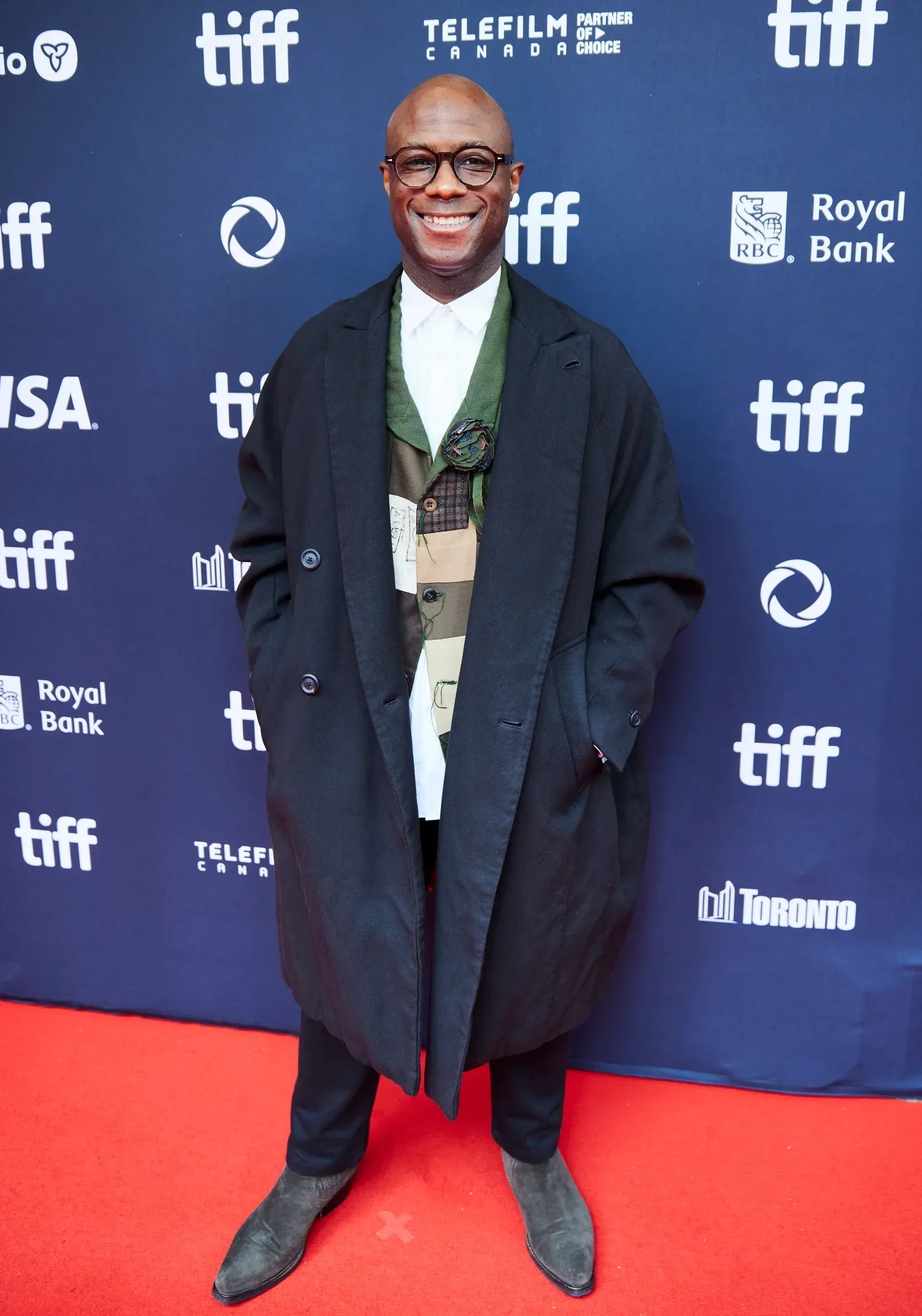
Barry Jenkins’ three-act portrait of a Black gay man growing up in Miami became one of the most improbable Best Picture winners in Oscar history, not just for its subject matter but for its scale. Barry Jenkins’ tender, bathed-in-blue coming-of-age drama, made for just $1.5 million, is an unusually small Oscar winner. That such an intimate, low-budget character study could triumph over a splashy studio musical said something about where audience taste was quietly heading.
The film’s legacy is inseparable from the chaotic envelope mix-up at the 2017 Oscars, but the movie itself has aged into something far more important than that footnote. The praise was universal; Moonlight quickly became the “movie you need to see” of 2016. Its patient, tender approach to Black masculinity and queer identity opened doors for smaller, character-driven films that studios might once have passed over, and its influence is still visible in independent cinema today.
3. Zootopia
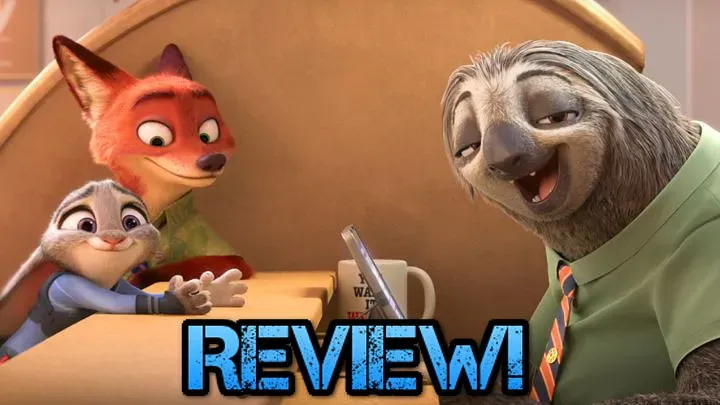
Disney’s anthropomorphic buddy-cop comedy looked, on the surface, like standard family entertainment. Underneath, it was a surprisingly pointed allegory about prejudice, profiling, and the way fear gets weaponized in public discourse. A decade later, with algorithmic outrage and viral misinformation shaping political conversations everywhere, the film’s warnings about scapegoating and manufactured panic land with even more weight than they did in theaters.
What made Zootopia stand out wasn’t just its social commentary but its craftsmanship, from the meticulously designed animal metropolis to the sharp, quotable script that worked on multiple levels for kids and adults alike. It remains one of the rare studio animated films that parents rewatch as adults and notice something new every time, which is part of why it continues to circulate widely on streaming platforms today.
4. The Handmaiden
Park Chan-wook’s lush, twist-filled adaptation of Sarah Waters’ novel “Fingersmith” relocated the story to Japanese-occupied Korea and turned it into an erotic thriller with layers of deception folded inside deception. Its bold, unapologetic depiction of a lesbian relationship as the emotional and narrative core, rather than a subplot, felt daring in 2016 and still feels fresh against a backdrop where queer stories in mainstream cinema remain frustratingly rare.
Visually, the film is a marvel of period detail and color, but its real achievement is structural. By telling the same events from multiple perspectives, it forces viewers to question who is manipulating whom, a device that countless prestige thrillers have since tried to imitate. Its reputation has only grown internationally as South Korean cinema has become a dominant global force in the years since.
5. 10 Cloverfield Lane
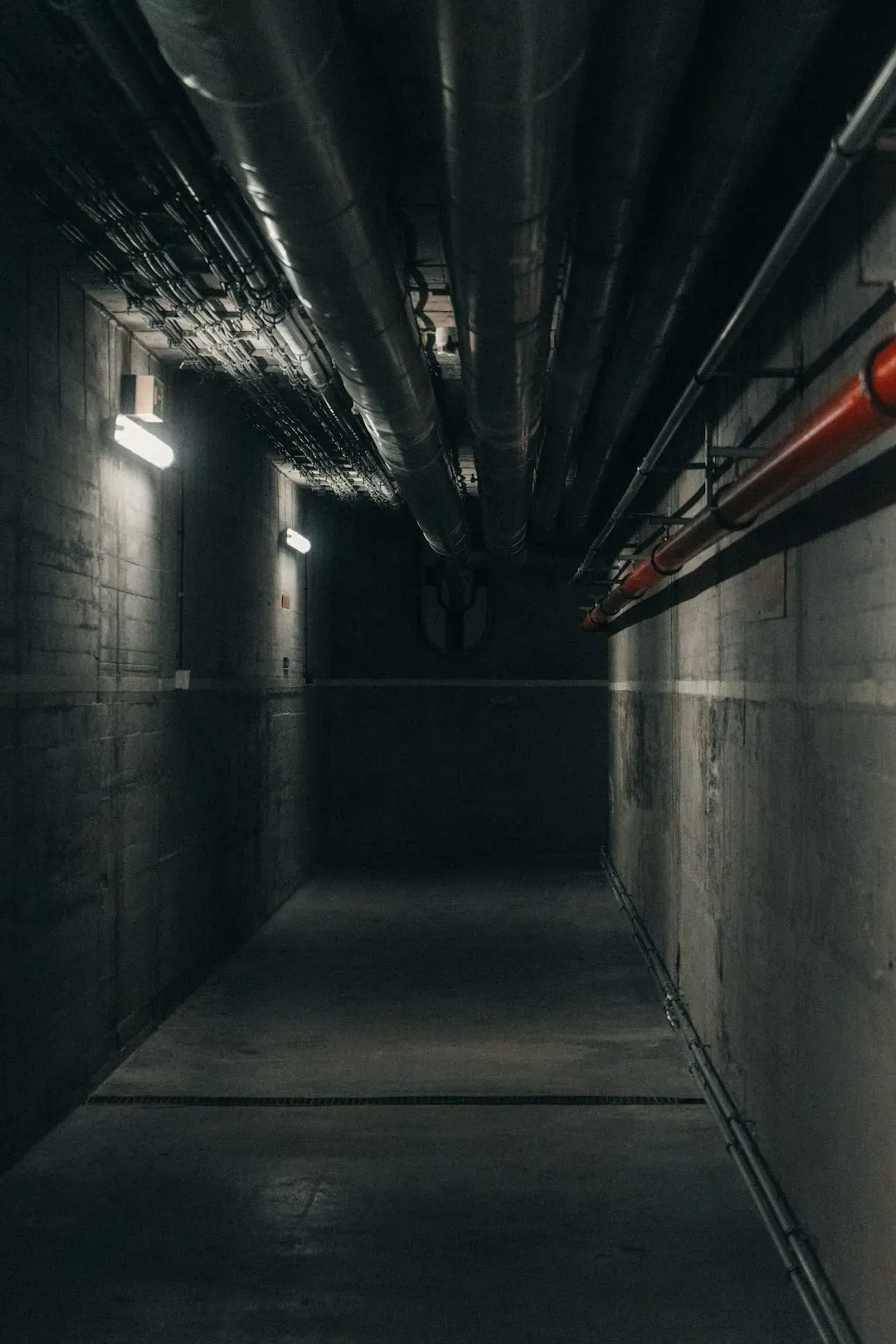
This tense, claustrophobic thriller took the found-footage franchise seeded by 2008’s Cloverfield and spun it into something almost unrecognizable, a bottle-episode survival drama set almost entirely in an underground bunker. John Goodman’s unsettling performance as a man who may be a savior or a captor made the film feel like a psychological chamber piece long before it revealed its genre twist.
What makes it feel ahead of its time now is how it anticipated a cultural moment defined by uncertainty about who to trust and what information is even real. The film’s ambiguous, paranoid atmosphere, where characters can’t tell if the outside world has ended or if they’re being lied to, mirrors a media environment a decade later where conspiracy theories and verified catastrophe often feel indistinguishable to the people living through them.
6. The Lobster
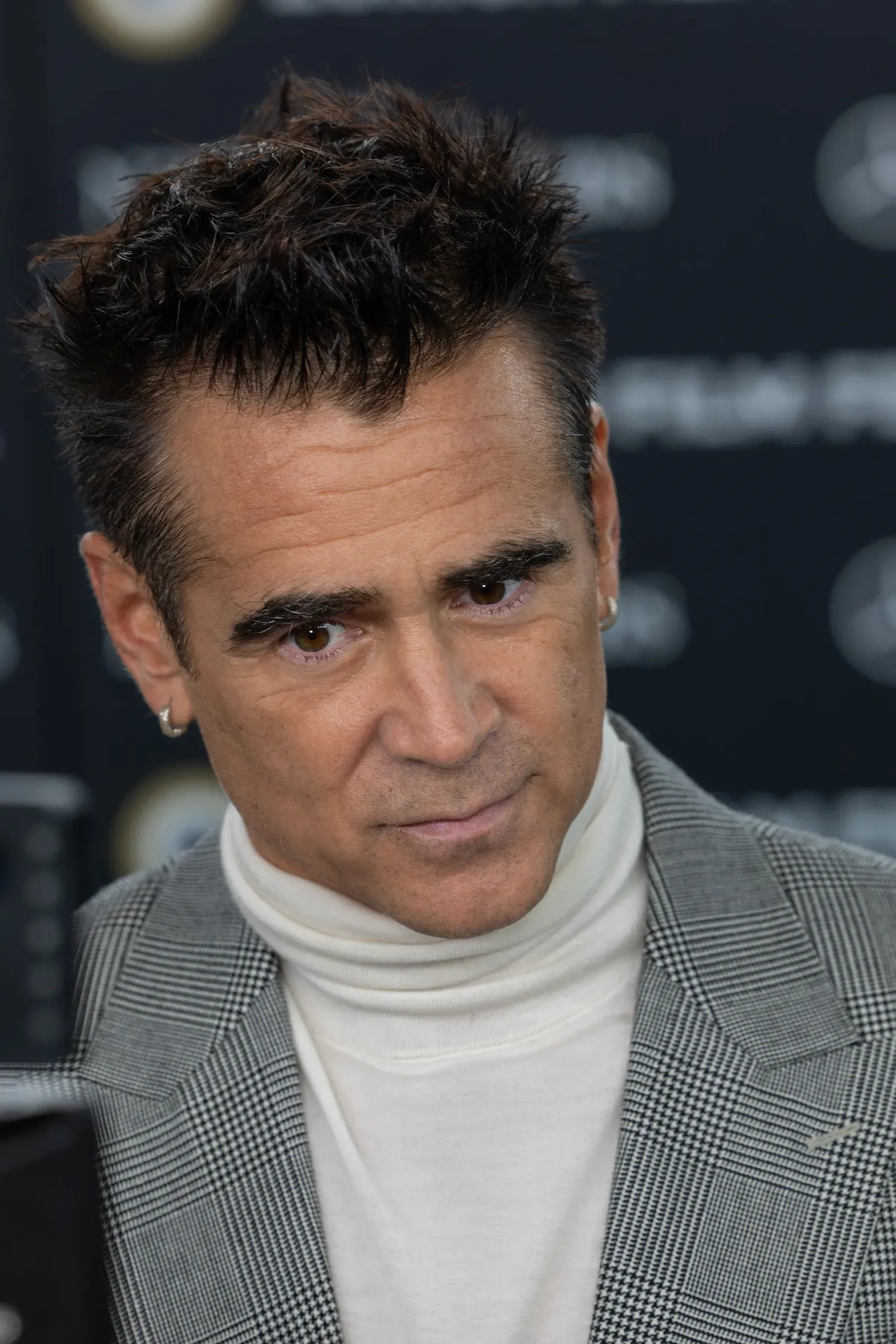
Yorgos Lanthimos’s deadpan dystopian satire imagined a society where single adults are given forty-five days to find a partner or be turned into an animal of their choosing. Absurd as that premise sounds, the film’s real target was the increasing pressure society places on romantic pairing, a pressure that dating apps and algorithmic matchmaking have only intensified since.
The film’s flat, unsettling tone and refusal to explain its own rules made it divisive at release, but that same strangeness is exactly why it has endured as a cult favorite. As dating culture has become even more transactional and quantified in the years since, The Lobster’s cold, clinical vision of forced coupling reads less like fantasy and more like a slightly exaggerated mirror.
7. Nocturnal Animals
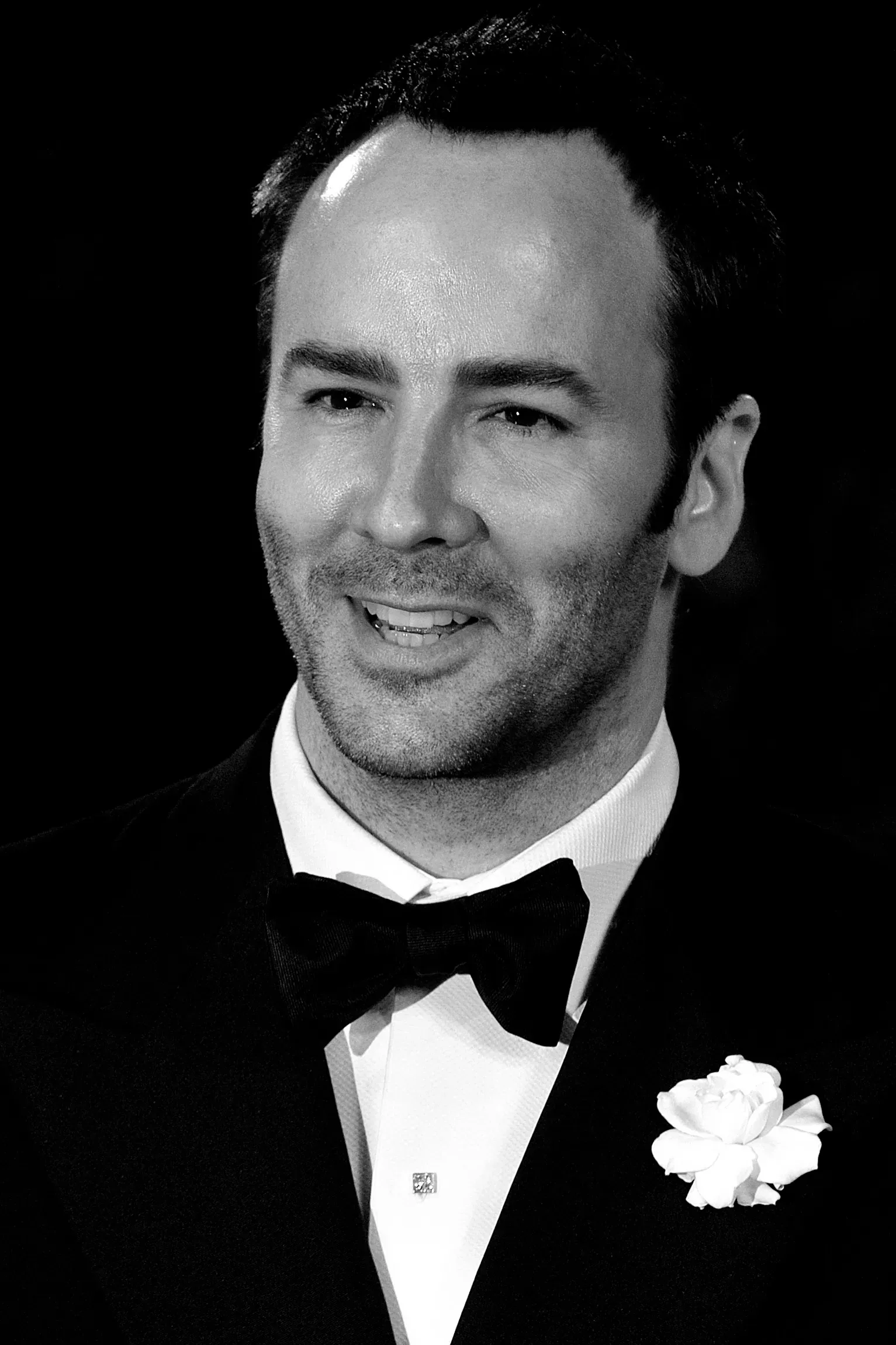
Tom Ford’s second directorial feature wove together a glossy art-world narrative with a brutal fictional novel-within-the-film, using the contrast to explore grief, regret, and the violence simmering beneath polished surfaces. Its nonlinear structure and unsettling visual style, all sharp angles and cold interiors, made it feel more like an unsettling art installation than a conventional thriller.
The film’s meditation on how art can be used as both confession and revenge feels particularly relevant now, in an era when public figures routinely process personal grievances through creative work released for mass consumption. Its exploration of class anxiety and performative success among the wealthy also anticipated conversations about privilege and image that have only grown louder since.
8. Swiss Army Man
Few films from 2016 provoked as much bewildered walkout coverage as this one, a survival story about a suicidal man stranded on a desert island who befriends a flatulent, multipurpose corpse played by Daniel Radcliffe. Beneath the shock-value premise was an earnest, strange meditation on loneliness, shame, and the human need for connection, even imagined connection.
What seemed like pure gross-out gimmickry at Sundance has since been reevaluated as a genuinely inventive piece of filmmaking, and its directors, known as the Daniels, went on to make the Oscar-sweeping “Everything Everywhere All at Once.” Watching Swiss Army Man now, its willingness to blend absurdist comedy with real emotional vulnerability looks like an early blueprint for the genre-blending style that has since become one of independent cinema’s most celebrated trends.
9. Green Room
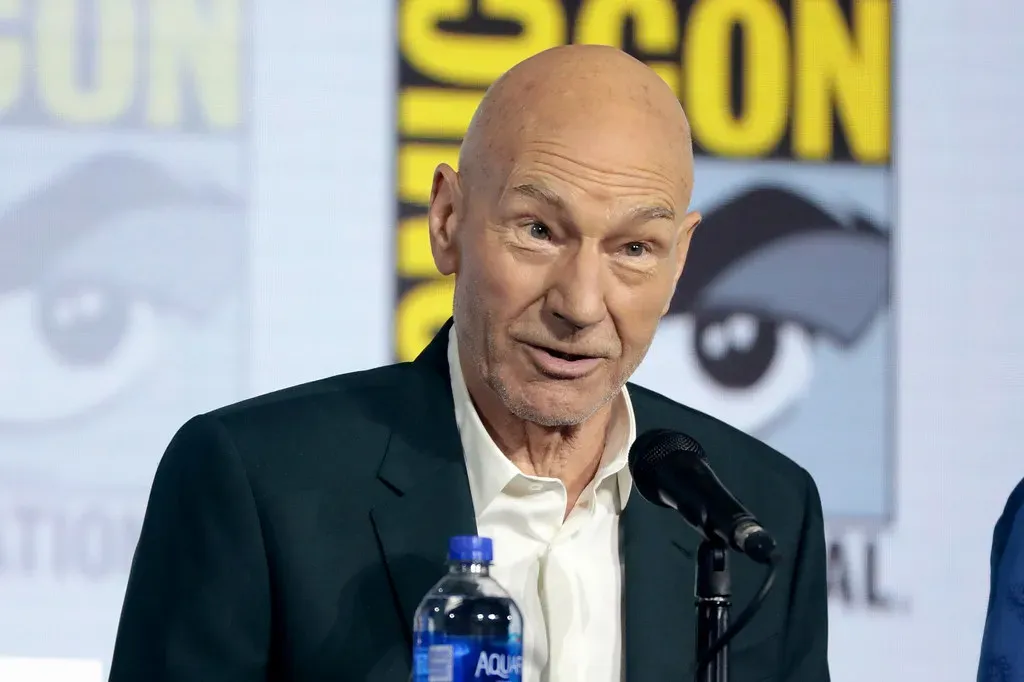
Jeremy Saulnier’s brutal siege thriller trapped a struggling punk band inside a neo-Nazi skinhead venue after they accidentally witness a murder, turning a small green room backstage into a pressure cooker of survival horror. The film’s unflinching, matter-of-fact treatment of white nationalist violence felt uncomfortably timely even in 2016, and the years since have only made its subject matter more relevant to public conversation.
Patrick Stewart’s chilling, quietly menacing performance as the group’s leader subverted expectations of what a villain in this kind of film should look like, favoring calm control over cartoonish menace. As extremist movements have become a larger part of mainstream political discourse, Green Room’s grounded, almost documentary-style depiction of radicalized violence reads less like a genre exercise and more like a warning shot.
10. Hell or High Water
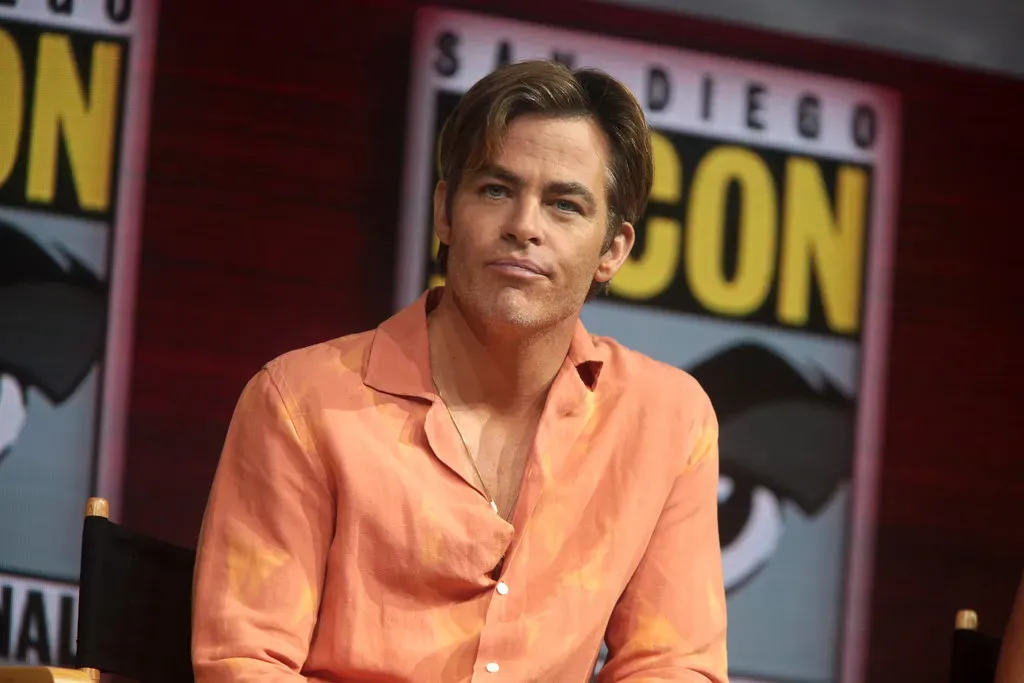
This lean, sunbaked crime drama about two brothers robbing banks across small-town Texas doubled as a sharp commentary on the 2008 financial crisis’s long tail, showing how predatory lending and foreclosure had hollowed out rural communities. Jeff Bridges’ world-weary Texas Ranger and the desperate, sympathetic bank robbers he chases gave the film a moral complexity rarely afforded to genre thrillers.
A decade on, its portrait of economic despair in overlooked American towns feels even more resonant, as conversations about rural decline, corporate banking practices, and regional inequality have only intensified. The film’s quiet fury at institutions that profit from other people’s misfortune anticipated a wave of populist anger that would shape American politics well beyond its release year.
Ten years is long enough for a movie to either fade into nostalgia or reveal itself as something sturdier, a film that was quietly diagnosing problems audiences hadn’t fully named yet. What ties these ten together isn’t genre or budget, since they range from animated blockbusters to microbudget festival oddities, but a shared willingness to sit with discomfort rather than resolve it neatly.
Revisiting them now, in 2026, it’s easy to see why they’ve lasted. They weren’t just reflecting 2016 back at audiences, they were quietly sketching out the anxieties, technologies, and social fractures that would define the decade to follow. That’s a rare kind of staying power, and it’s worth raising a glass to a year of cinema that clearly saw further ahead than most of us gave it credit for at the time.
Partner offer
Planning a trip to Vegas?
Compare hotel rates and show tickets on VEGAS.com.