Some detectives are so famous that their names float free of the books they came from. You can picture the pipe, the moustache or the rumpled trench coat without being sure who invented them. That gap between character and creator is where this little quiz lives.
Below are eight classic sleuths, each paired with the writer who dreamed them up. Try guessing before you read each answer. The details come from publication records that have been stable for decades, so nothing here depends on the latest headlines.
C. Auguste Dupin and Edgar Allan Poe
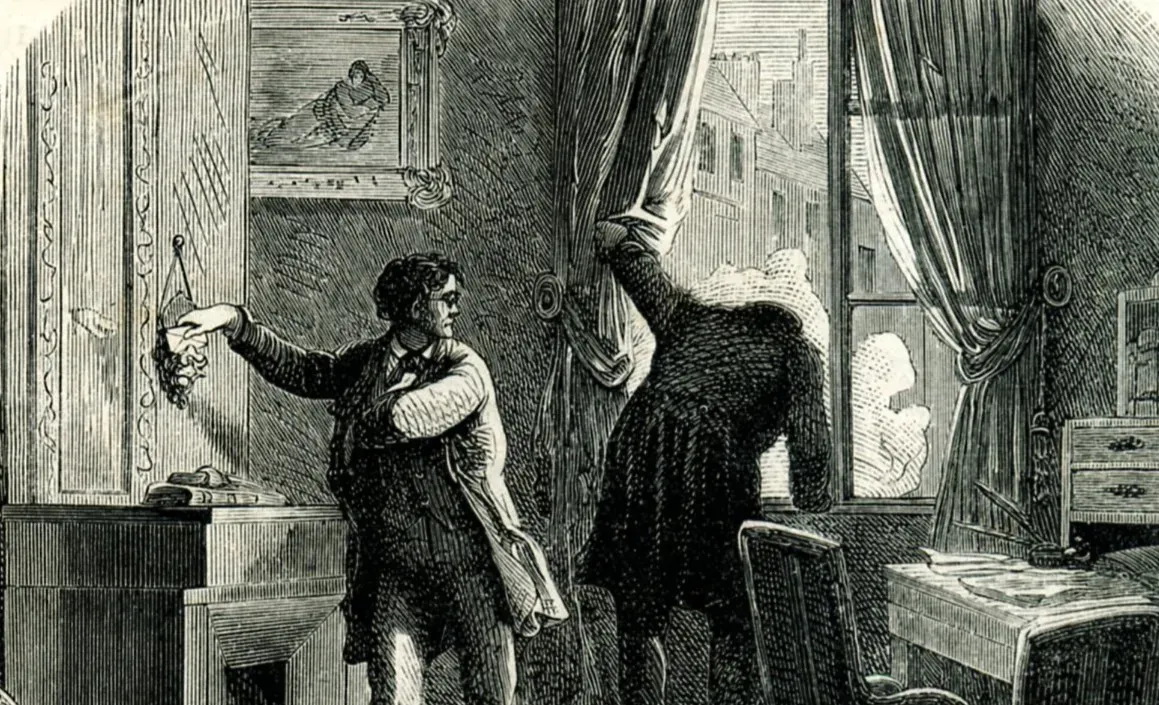
Dupin is the oldest name on this list, and arguably the blueprint for everyone after him. He first appeared in The Murders in the Rue Morgue, published in 1841. Edgar Allan Poe, better known for horror, used the story to sketch a new kind of hero who solves crimes by reasoning rather than by force.
Poe wrote only three Dupin stories in total. Still, they set up habits that crime fiction kept for generations, including the brilliant, eccentric detective and the admiring friend who narrates. If you guessed Poe, you already know where the whole genre starts.
Sherlock Holmes and Arthur Conan Doyle
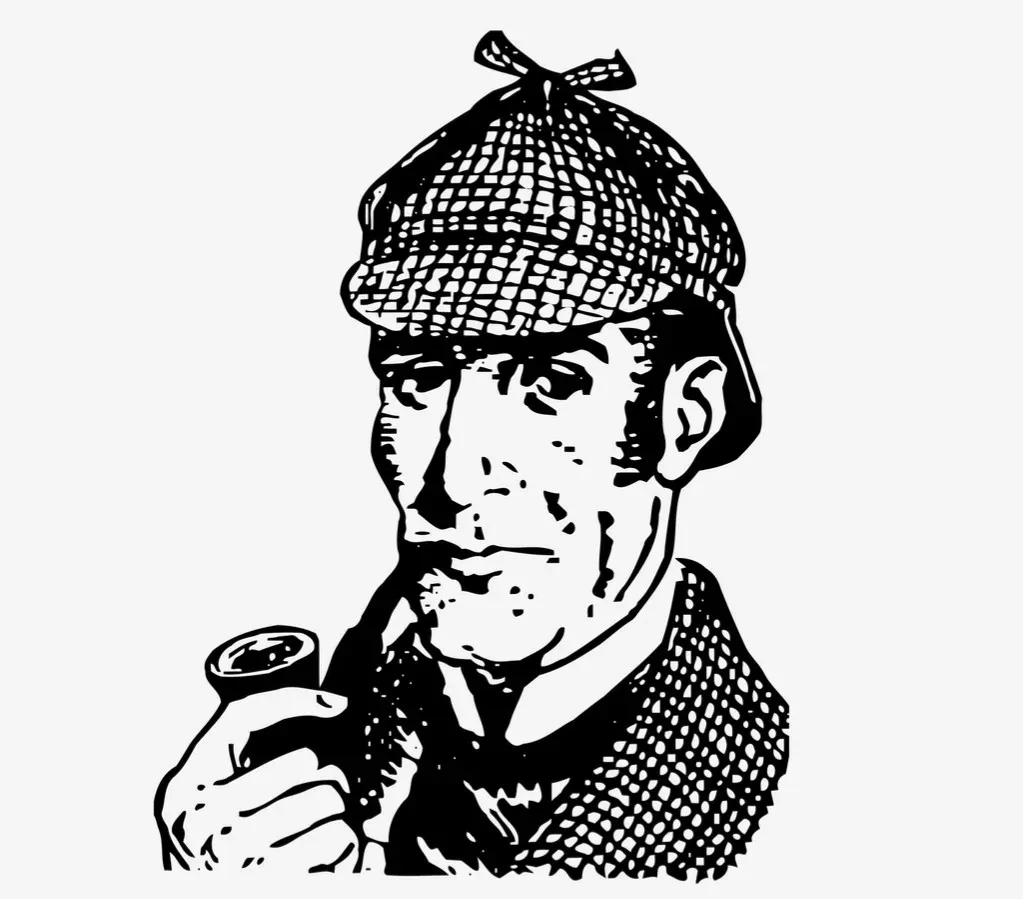
Holmes debuted in A Study in Scarlet in 1887, written by Arthur Conan Doyle, a Scottish physician. Doyle went on to produce four novels and fifty six short stories about the detective and Dr. Watson. That body of work is known as the canon.
Doyle famously grew tired of his creation and sent Holmes over the Reichenbach Falls in 1893. Readers pushed back hard enough that he brought the detective back. It’s a rare case of the audience beating the author.
Hercule Poirot and Agatha Christie
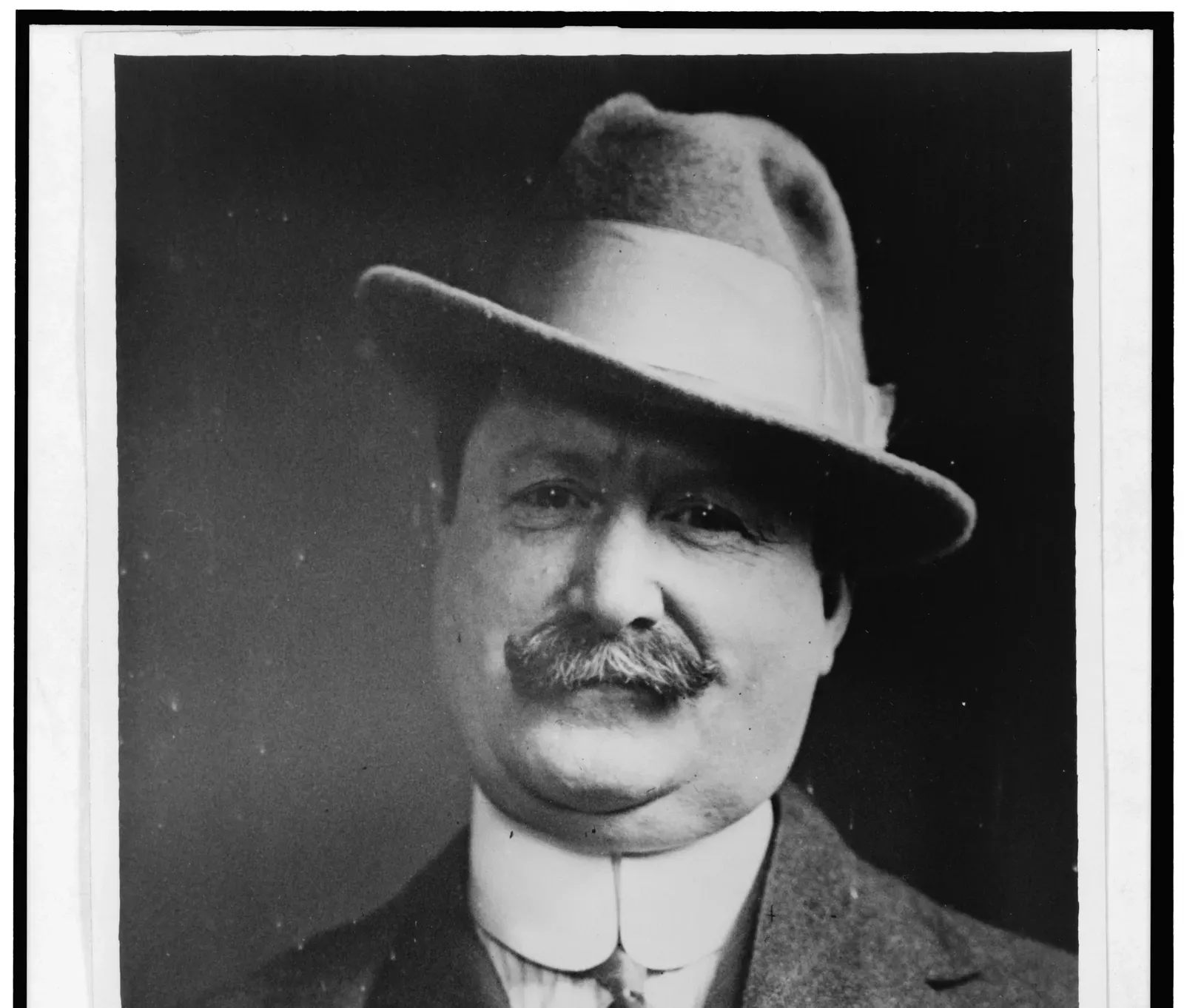
Poirot, the fussy Belgian with the magnificent moustache, first appeared in The Mysterious Affair at Styles, published in 1920. Agatha Christie wrote it, and she went on to feature him in more than thirty novels and dozens of short stories. His final case, Curtain, appeared in 1975.
Christie is often cited as one of the best selling novelists of all time. Poirot’s little grey cells are only part of the reason. Her plotting, which hides the answer in plain sight, has kept new adaptations coming well into the 2020s.
Lord Peter Wimsey and Dorothy L. Sayers
Wimsey is an aristocrat who investigates murders as a kind of serious hobby. He debuted in Whose Body? in 1923, written by Dorothy L. Sayers. She was an English crime writer, translator and scholar, and she gave him a sharp wit and a complicated inner life.
Later books, especially those featuring the mystery writer Harriet Vane, take his character in more emotional directions. Sayers treated detective fiction as something that could carry real human weight. That ambition is a big part of why her work is still discussed.
Inspector Maigret and Georges Simenon
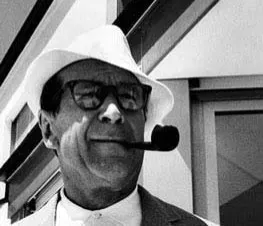
Jules Maigret is a Paris police commissioner who solves cases by absorbing the atmosphere of a place and the psychology of the people in it. His creator was Georges Simenon, a Belgian author who wrote with astonishing speed. The first Maigret novels appeared in the early 1930s.
Simenon produced dozens of Maigret novels and stories over several decades. Unlike the flashy geniuses elsewhere on this list, Maigret relies on patience and empathy. He’s less a puzzle solver than a quiet observer of human weakness.
Sam Spade and Dashiell Hammett
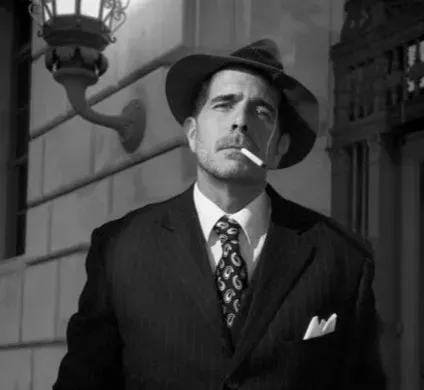
Spade is a San Francisco private eye who headlines The Maltese Falcon, published as a novel in 1930. Dashiell Hammett wrote it, drawing on his own earlier career as a Pinkerton detective. The hard, unsentimental tone helped define what we now call hardboiled fiction.
The 1941 film version with Humphrey Bogart cemented the character in popular memory. Many people picture the film’s Spade before they picture the book’s. Hammett’s spare prose, though, remains the original source of that image.
Philip Marlowe and Raymond Chandler
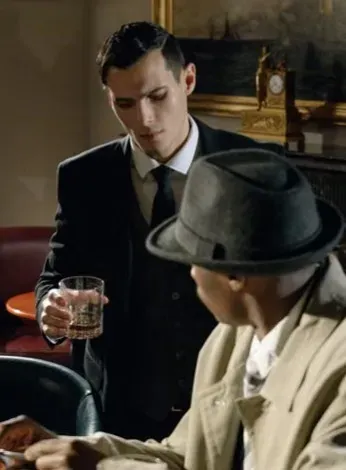
Marlowe arrived in The Big Sleep in 1939, the debut novel of Raymond Chandler. The setting is Los Angeles, and the detective is a wry, lonely knight in a morally murky city. Chandler began writing fiction relatively late in life, after losing a job in the oil business.
His similes and snappy narration have been imitated for generations. Where Hammett is clipped, Chandler is lyrical, even when describing something grim. Together the two writers shaped the American private eye.
Kinsey Millhone and Sue Grafton
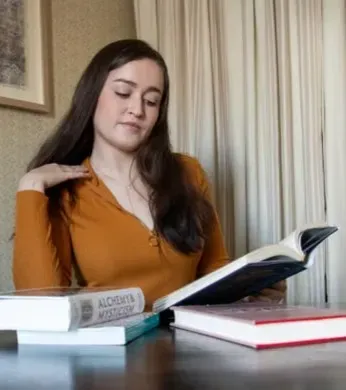
Kinsey Millhone is a California private investigator who debuted in A Is for Alibi in 1982. Sue Grafton created her and organized the series by letters of the alphabet. The set of novels reached Y Is for Yesterday in 2017.
Grafton died in 2017, and her family has said the series would not continue with a Z title. That means the alphabet stops one letter short, which is a fitting, if bittersweet, end. Millhone remains one of the most prominent female private eyes in American crime fiction.
Where to Start Reading

If this list sparked curiosity, begin at the beginning with the first book for each detective. Those debut titles are named above, and most are short enough to finish in a weekend. Many have been reissued repeatedly, so they are easy to find in libraries and bookstores.
For a quick sampler, try the Dupin stories for the origins, a Holmes short story for the classic formula, and The Big Sleep for the hardboiled tone. Each gives a clear sense of why its detective has lasted.