There’s something special about discovering a great book through the recommendation of someone you admire. When that person happens to be a Nobel Prize winner, well, the stakes feel a little higher. These literary giants haven’t just written their own masterpieces – they’ve read widely, deeply, and with a discerning eye that most of us can only aspire to. So what do they think we should read?
The most recent Nobel Prize in Literature winners include Hungarian novelist László Krasznahorkai (2025), Han Kang (2024), Jon Fosse (2023), Annie Ernaux (2022), Abdulrazak Gurnah (2021), Louise Glück (2020), Peter Handke (2019), and Olga Tokarczuk (2018). Their collective wisdom has shaped our understanding of what makes literature truly powerful. Let’s explore some of the books these laureates have pointed us toward – and a few of their own masterworks that fellow Nobel winners can’t stop talking about.
One Hundred Years of Solitude by Gabriel García Márquez
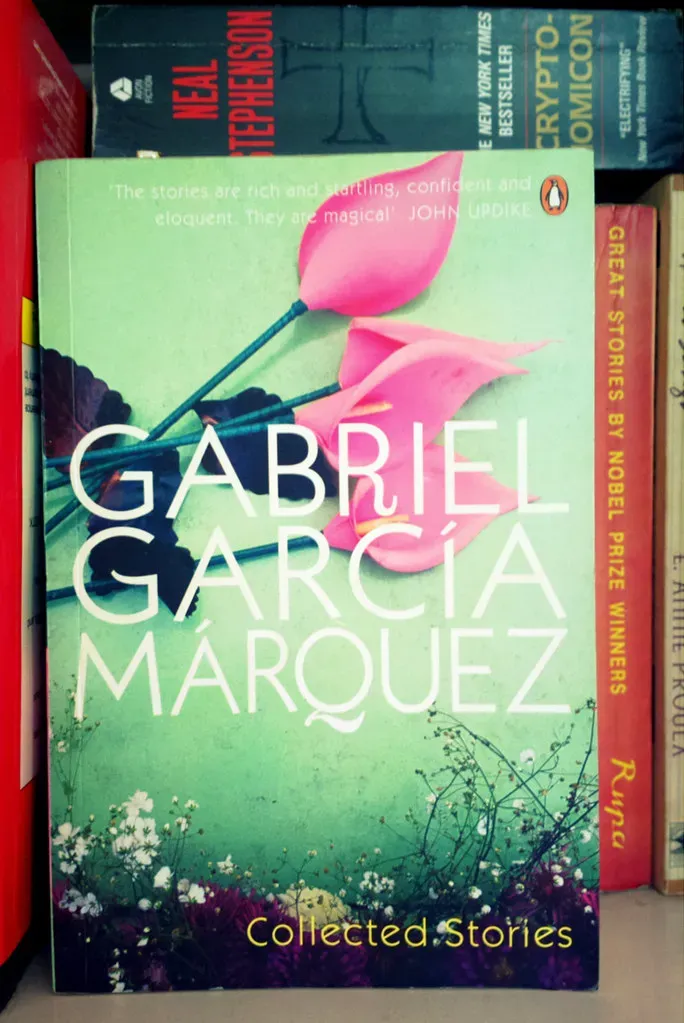
García Márquez won the Nobel Prize in 1982 for his novels and short stories, in which the fantastic and the realistic are combined in a richly composed world of imagination, reflecting a continent’s life and conflicts. This masterwork of magical realism remains one of the most celebrated novels across the literary world.
The story of the Buendía family and the fictional town of Macondo spans seven generations. It’s lush, sprawling, and impossible to forget once you’ve read it. Many readers initially find the book challenging because of its multiple characters with similar names, but that’s part of the experience – mirroring how memory and history blend together. The way García Márquez weaves together the ordinary and the fantastical shows us something fundamental about how we tell stories about ourselves and our families.
The Stranger by Albert Camus
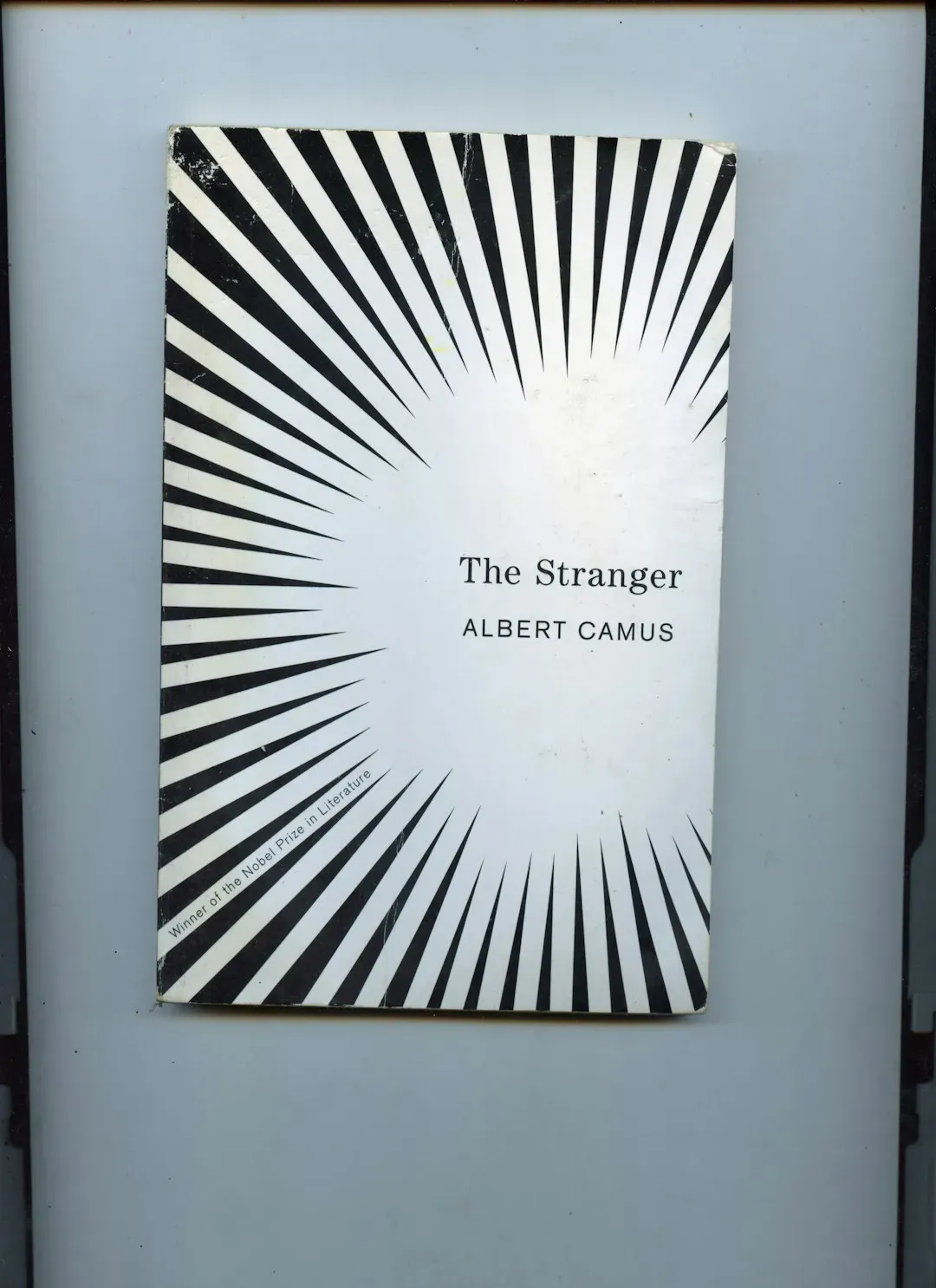
Albert Camus was born in northern Algeria in extreme poverty, but went on to become one of the best-known French philosophers of the 20th century, winning the Nobel Prize in Literature in 1957 for illuminating “the problems of the human conscience in our times”. His novel The Stranger remains one of the defining works of absurdist literature.
The book follows Meursault, a French settler in Algeria whose emotional detachment leads to a senseless crime. What makes this slim novel so powerful is how it strips away all the comfortable illusions we have about meaning, justice, and social expectations. Reading it feels uncomfortable at times, like staring directly at something we usually prefer to avoid. It’s a book that stays with you long after you’ve finished the last page, quietly challenging how you see the world.
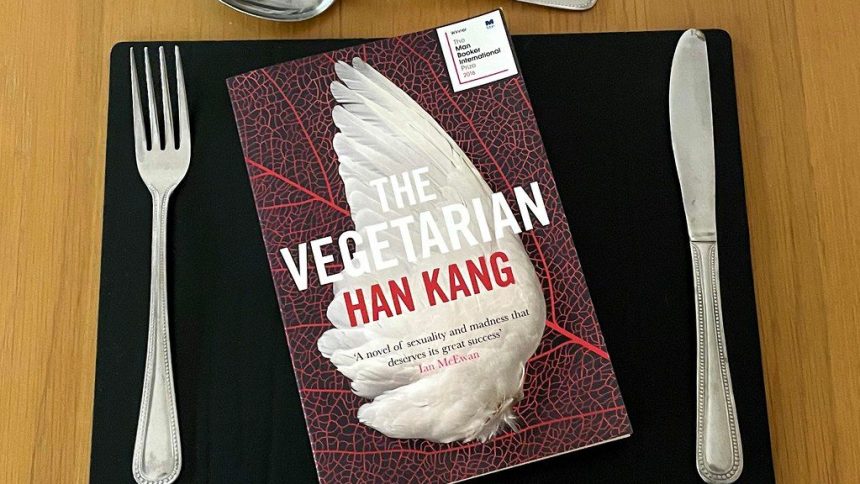
The Vegetarian by Han Kang
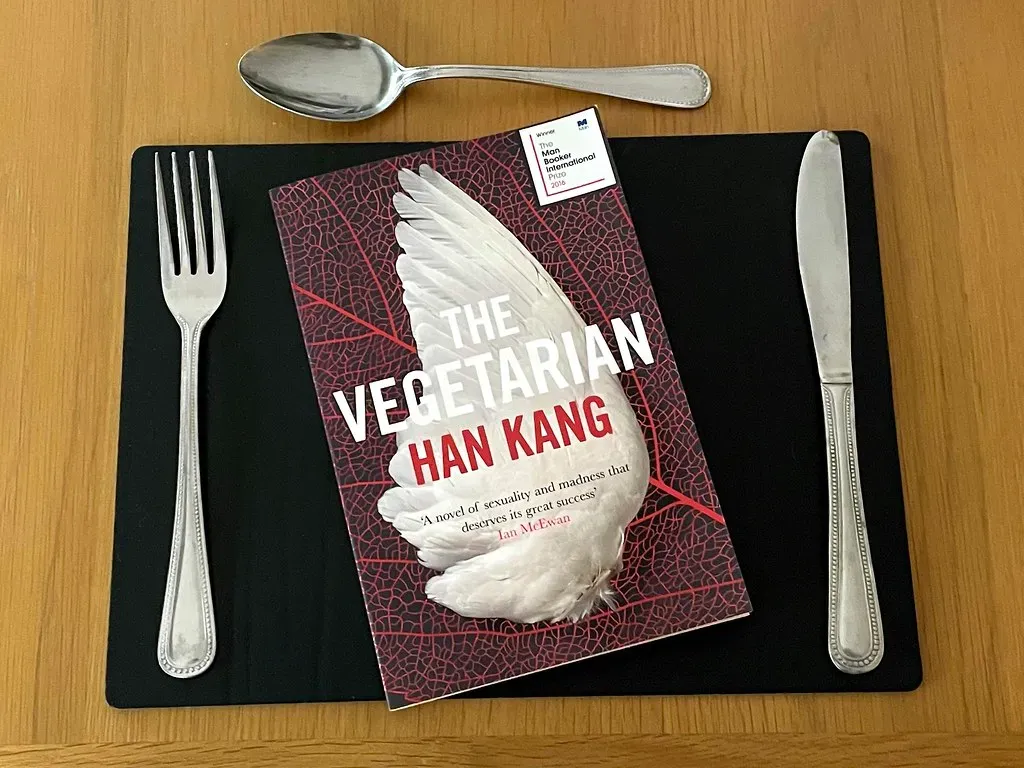
Han Kang won the 2024 Nobel Prize in Literature “for her intense poetic prose that confronts historical traumas and exposes the fragility of human life”. This breakthrough novel, which also won the International Booker Prize in 2016, tells a deceptively simple story with profound implications.
The story follows a middle-aged Korean woman who one night suddenly decides not to eat meat anymore, with her story told in three different narratives by her husband, her brother-in-law, and her older sister, whose different reactions stand in sharp contrast to the woman’s own mute refusal to back down. The novel becomes a sharp portrait of patriarchal society and rigid social norms. It’s a book about autonomy, the body, and the price of refusing to conform – themes that resonate far beyond its specific cultural context.
The Remains of the Day by Kazuo Ishiguro

Ishiguro won the Nobel Prize in 2017 for his novels of great emotional force, which have uncovered the abyss beneath our illusory sense of connection with the world. The Remains of the Day showcases his mastery at exploring memory, regret, and the stories we tell ourselves.
Set in post-World War II England, the novel follows Stevens, a butler reflecting on his life of service. Here’s the thing: it’s a novel about what we sacrifice for dignity and duty, and what we lose when we refuse to acknowledge our own feelings. The prose is elegant and restrained, just like its protagonist, which makes the moments of emotional revelation all the more devastating. Honestly, it’s one of those books that makes you think differently about how you’ve lived your own life.
The Old Man and the Sea by Ernest Hemingway
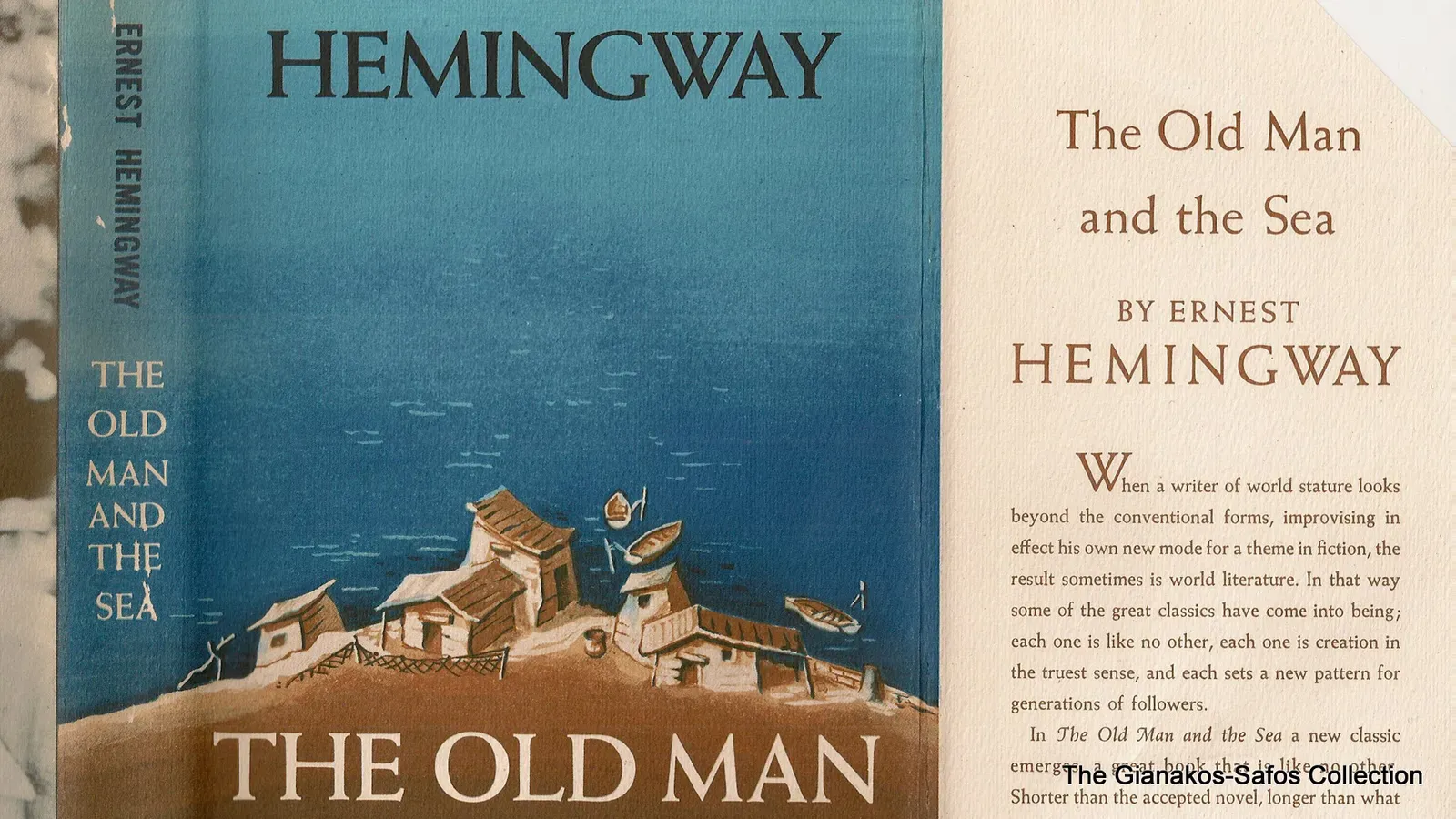
Hemingway was awarded the Nobel Prize in Literature in 1954 “for his mastery of the art of narrative, most recently demonstrated in The Old Man and the Sea, and for the influence that he has exerted on contemporary style”. This short novel represents Hemingway at his finest – spare, powerful, and deeply moving.
The story tells of an aging Cuban fisherman who struggles with a giant marlin in the Gulf Stream of Cuba. It sounds simple, and in many ways it is, but that simplicity contains multitudes. The novel explores perseverance, dignity in defeat, and the relationship between humans and nature. You can read it in an afternoon, but you’ll be thinking about it for much longer.
Partner offer
Beloved by Toni Morrison
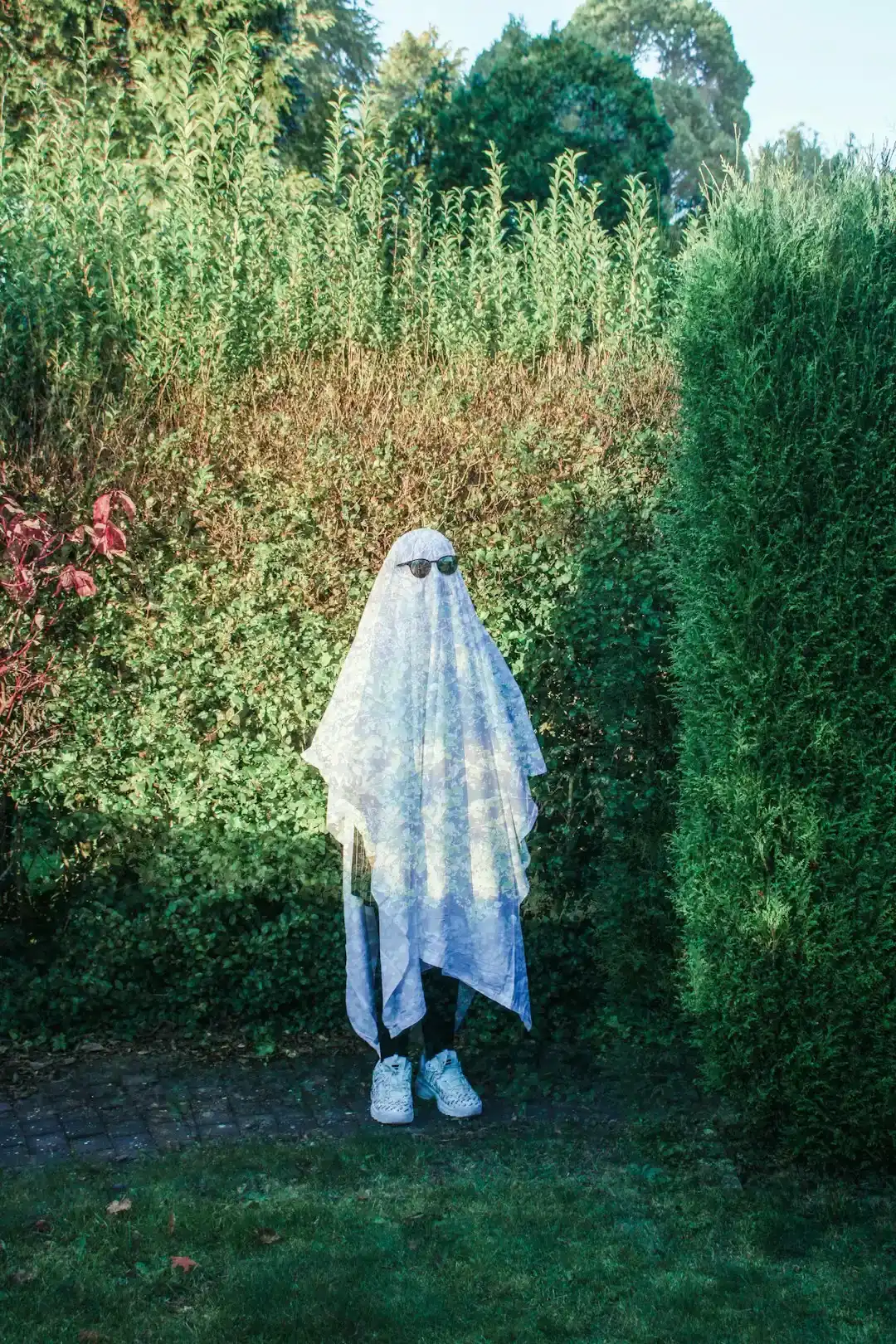
Toni Morrison’s Beloved stands as one of the most powerful explorations of slavery’s legacy in American literature. The novel draws on a real historical case to tell a story about Sethe, a formerly enslaved woman haunted by the ghost of her dead daughter. Morrison’s prose is dense and poetic, demanding your full attention, but rewarding you with insights into trauma, memory, and the impossibility of ever truly escaping the past.
The book doesn’t make reading easy, and that’s intentional. It forces you to grapple with uncomfortable truths about American history and human nature. Morrison won the Nobel Prize in 1993, and Beloved remains central to understanding her contribution to world literature.
Blindness by José Saramago

Saramago’s Blindness, published in 1995, depicts a pandemic of blindness that grips the world. The Portuguese writer won the Nobel Prize in 1998 for his “parables sustained by imagination, compassion and irony”. This novel feels eerily prescient given recent global events.
Saramago writes in a distinctive style, with long, flowing sentences and minimal punctuation. It takes a few pages to adjust, but then you’re swept into this nightmarish vision of society breaking down. The book asks what happens to civilization when our most basic sense fails us, and the answers aren’t comforting. Yet there’s also profound humanity here, moments of kindness and solidarity that shine all the brighter against the darkness.
The Melancholy of Resistance by László Krasznahorkai
In October 2025, Hungarian author László Krasznahorkai was announced the winner of the 2025 Nobel Prize for Literature, praised by the Nobel committee as “a great epic writer in the Central European tradition”. This novel showcases his distinctive apocalyptic vision and challenging prose style.
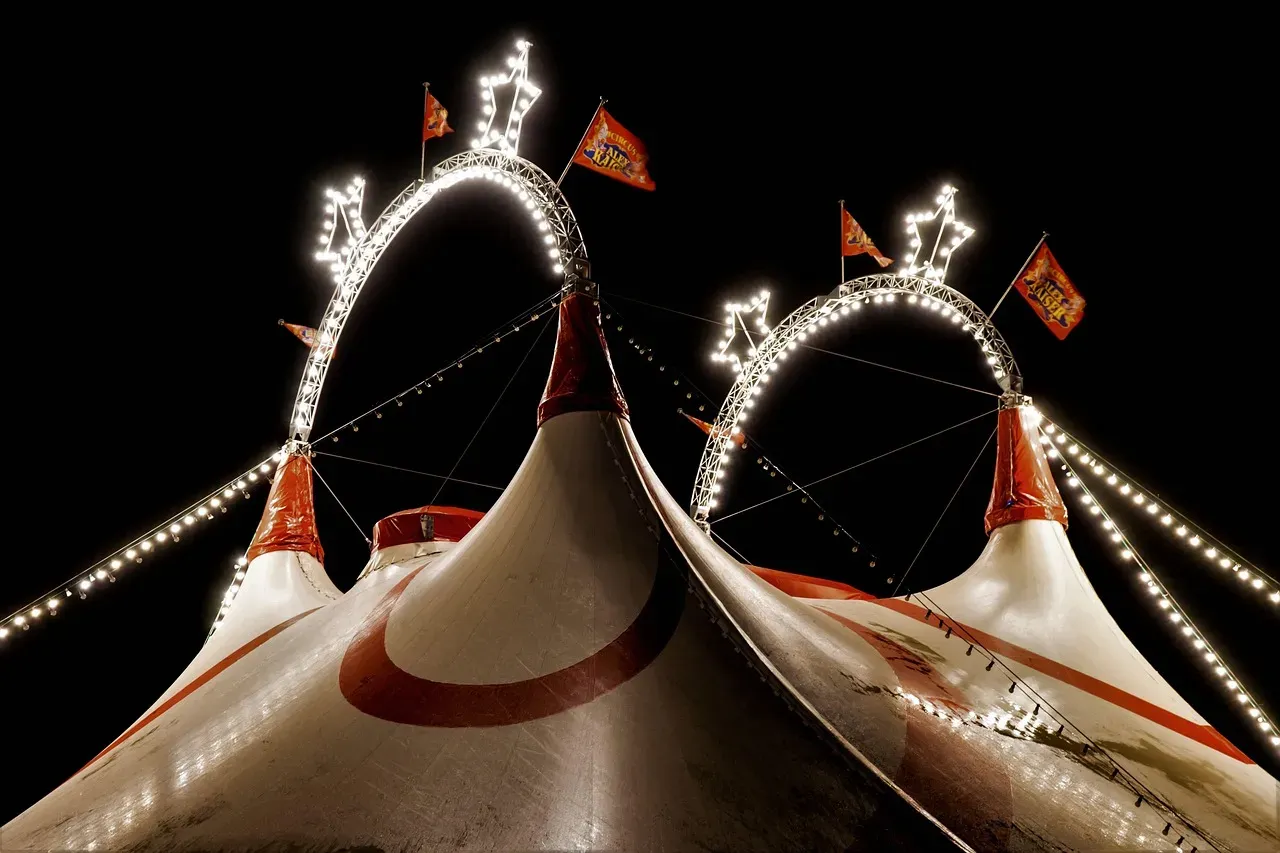
The Melancholy of Resistance was the first novel by Krasznahorkai to be translated into English in 1998, with Swedish Academy member Ellen Mattson calling it “my absolute favourite among Krasznahorkai’s novels”. Set in a Hungarian village where a circus arrives advertising the biggest whale in the world, the novel becomes a metaphor for totalitarianism and populist chaos. Reading Krasznahorkai requires patience – his sentences can stretch for pages – but the experience is unlike anything else in contemporary literature.
The Grapes of Wrath by John Steinbeck
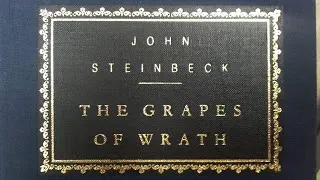
Published in 1939, The Grapes of Wrath is Steinbeck’s best-known novel, for which he received the Nobel Prize in Literature in 1962 “for his realistic and imaginative writings, combining as they do sympathetic humor and keen social perception”. This American classic remains startlingly relevant.
The novel evokes the harshness of the Great Depression and arouses sympathy for the struggles of migrant farmworkers and their subsequent hardships after migrating to California. It’s a big, ambitious book about family, survival, and the American dream gone wrong. Steinbeck’s compassion for his characters never wavers, even as he exposes the systemic injustices they face. The novel challenges us to consider what we owe each other in times of crisis.
Human Acts by Han Kang
Before winning the Nobel Prize, Han Kang had already established herself as an essential voice in contemporary literature. Human Acts takes an oblique but terrifying look at South Korea’s past, chronicling through many different perspectives the lives of people caught up in a student uprising in May 1980 in the town of Gwangju that was brutally crushed by the then ruling military junta.
The novel creates almost unbearable narrative suspense as it shifts between different voices and time periods. It’s a book about trauma, both individual and collective, and about how violence echoes through generations. The border between perpetrator and victim, body and soul, or even between living and dead, is fluctuating, which is reflected in a language both straight-forward and subtle, giving new meaning to the expression “living with the past”. Reading it feels like bearing witness to something important, even sacred.
Conclusion
These ten books represent just a fraction of the literary riches recommended and created by Nobel laureates, but they offer a remarkable starting point for any reader seeking depth, beauty, and challenge. Each one demands something from us – attention, empathy, intellectual engagement – and each one rewards that investment many times over.
What makes these books special isn’t just their technical brilliance or their authors’ accolades. It’s that they speak to fundamental human experiences: alienation and belonging, suffering and resilience, memory and forgetting, oppression and resistance. They remind us why literature matters, why stories shape how we understand ourselves and each other. Which of these will you read first?
Partner offer
Planning a trip to Vegas?
Compare hotel rates and show tickets on VEGAS.com.