There’s something a little unsettling about asking an AI to predict cultural legacy. Films that define generations rarely announce themselves on opening weekend. They seep in slowly, rewatched by teenagers who weren’t born when they first screened, quoted in arguments that have nothing to do with movies, and referenced in conversations people don’t even realize are cinematic. The question of which films will still carry that weight in 2050 is genuinely difficult – and genuinely worth asking.
So I put it to ChatGPT. The prompt was simple: which films released in the 2020s, or still vivid in recent cultural memory, have the qualities that historically separate a generational touchstone from a well-reviewed movie that everyone forgets? To stand out requires widespread critical appreciation that deepens over the years, along with enough originality in a film’s plotting or construction to keep it memorable decades later. What followed was a thoughtful, sometimes surprising list. These are the films it chose, and why each one makes a credible case.
Everything Everywhere All at Once (2022) – The Film That Captured Multiverse Exhaustion Before Anyone Had Words for It

The Daniels’ genre-scrambling family drama arrived at a precise cultural moment: a post-pandemic world saturated with franchise multiverses, existential scrolling, and generational grief. It took all of that noise and turned it into something genuinely moving. The film swept the 95th Academy Awards, winning seven Oscars including Best Picture, Best Director, Best Actress, and Best Supporting Actor, a haul that few independent-spirited films ever achieve.
Movies have always played an essential role in shaping the cultural landscape of different generations, and the films that define a generation not only entertain but provide a mirror to the world, reflecting the values and experiences of a diverse and complex group of people. Everything Everywhere All at Once does exactly that for a generation grappling with information overload, fractured identity, and the complicated love between immigrant parents and their children. It’s the rare blockbuster that made people cry about a googly eye on a rock.
Oppenheimer (2023) – A Three-Hour Ethical Reckoning That Felt Urgently Necessary

Christopher Nolan’s biographical epic about J. Robert Oppenheimer arrived when global anxiety about technology’s consequences – AI, climate, geopolitics – had never been higher. Beyond its historical significance, the movie invites audiences to contemplate complex legacies and ethical dilemmas. Oppenheimer reintroduces its viewers to historical events, sparking a renewed interest in the complexities of Oppenheimer’s life and his crucial role in developing the atomic bomb. The movie encourages profound discussions about the ethical responsibilities of scientists and the consequences of their creations.
Together with Barbie, the two films received 21 nominations at the 96th Academy Awards and won eight, seven of which went to Oppenheimer, including Best Picture. That kind of institutional recognition matters less than the film’s ability to place a genuinely hard moral question at the center of mainstream cinema. By 2050, in whatever technological landscape exists, the question of whether genius excuses catastrophe will not have become any simpler.
Barbie (2023) – The Most Culturally Discussed Film of Its Decade

The Barbenheimer cultural phenomenon surrounded the simultaneous theatrical release of Barbie and Oppenheimer on July 21, 2023. The dichotomy between Barbie, a fantasy comedy directed by Greta Gerwig, and Oppenheimer, a biographical thriller directed by Christopher Nolan, sparked widespread online engagement. Few films in recent memory generated so much conversation across so many different kinds of people. Pink outfits filled cinemas. Academics wrote think-pieces. Grandmothers and teenagers went together.
Barbie was the first mass-produced doll that invited girls to imagine adult roles for themselves outside of motherhood, emerging in tandem with the beginning of the sexual revolution, the revival of feminism, and the start of modern conversations about sex and gender. Greta Gerwig’s film took that long, complicated history and handed it back to audiences with wit, sincerity, and the good sense not to resolve everything neatly. Barbie inspired a new generation of young viewers, especially girls, to dream big, and by showcasing Barbie in various empowering roles, the film encourages children to explore any career. That combination of fun and friction is what keeps films alive long after the discourse cools.
Parasite (2019) – The Film That Permanently Changed Who Gets to Win
Bong Joon-ho’s darkly comedic thriller about class warfare became the first non-English-language film to win the Academy Award for Best Picture, in 2020. That moment wasn’t just a ceremony footnote. It marked a visible shift in what English-speaking audiences and institutions were willing to treat as universal. According to a 2024 analysis, influential movies are coming out of South Korea, Nigeria, Brazil, and beyond, sometimes overshadowing even the biggest American releases in terms of social impact.
Parasite accelerated that shift. Its story – about two families, one with everything, one with nothing, occupying the same house without fully knowing it – felt as relevant in Seoul as it did in São Paulo or Los Angeles. Sometimes, a film with a limited release can spark a firestorm if its message lands at the right cultural moment. Mainstream coverage isn’t the only marker of influence. Some films fly under the radar yet shape movements, inspire legislation, or become cult classics for entire subcultures. Parasite didn’t fly under the radar, but its underlying argument did precisely that to its audiences: it crept under the surface and stayed there.
Tár (2022) – The One That Will Reward Every Future Rewatch

At face value, Tár tells a story of a celebrated conductor rocked by scandal. Early reports suggested it was an austere arthouse spin on “cancel culture.” But as more critics warmed to writer-director Todd Field’s vision, it became obvious the movie offers far more nuance and depth. What could have been generic biopic Oscar bait proves to be an ambitious and daring picture. Cate Blanchett’s performance as the fictional conductor Lydia Tár is the kind of acting that film students will study for years.
The film’s nuance, unique blend of genres, and widespread critical acclaim will help with its legacy. Yet Cate Blanchett’s performance as the film’s titular lead is what will seal Tár’s stature over the long run, elevating the movie from a potential cult favorite to widespread respect. Blanchett is already widely regarded as one of the best actors of her generation, but she’s next level here. Films like this tend to gain stature gradually – talked about less in the year of release and more in the decade that follows.
The Zone of Interest (2023) – The Holocaust Film That Refused Every Familiar Convention
None of the Holocaust films of recent decades upend conventional narrative and aesthetic expectations the way The Zone of Interest does. Jonathan Glazer and his crew crafted an intentionally cold, dispassionate movie focusing on the commandant of Auschwitz and his family living next door to the camp. The movie never depicts the horrors of mass murder onscreen, yet they remain omnipresent as a sonic hellscape of gunshots and screams in the background. That restraint is what makes it almost unbearable to watch.
There’s a specific kind of film that future generations return to not for pleasure but for understanding: films that illuminate how ordinary life and extraordinary atrocity coexist. The Zone of Interest makes that coexistence viscerally clear. The U.S. National Film Preservation Board adds up to 25 “culturally, historically or aesthetically significant films” each year, and films like this – rigorous, uncompromising, formally inventive – are exactly what such institutions were built to preserve.
Partner offer
Sinners (2025) – An Instant Classic That Rewrote What a Horror Film Could Say
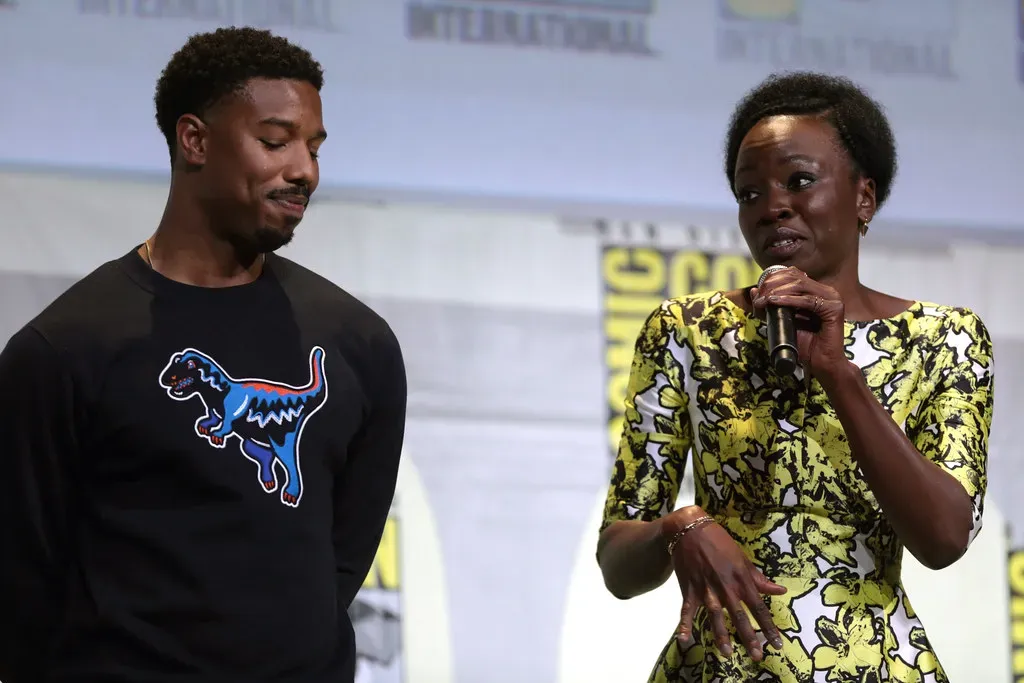
Sinners is a 2025 American horror film produced, written, and directed by Ryan Coogler. Set in 1932 in the Mississippi Delta, it stars Michael B. Jordan in dual roles as criminal twin brothers who return to their hometown in the Jim Crow South, where they are confronted by a supernatural evil. The premise sounds like a genre exercise. What Coogler actually made is something closer to a meditation on cultural inheritance, music as survival, and the violence that shadows Black American history.
Sinners explores themes of family, community, and cultural expression, tying them to the cultural history of the blues. It incorporates the vampire mythos to produce a fitting thematic antagonist who threatens the erasure of freedom, cultural history, and communal memory. It comments on the appropriation of Black art by mainstream culture and draws parallels among vampirism, organized religion, and colonialism. The film was nominated for a record-setting sixteen awards at the 98th Academy Awards, winning four, including Best Actor for Michael B. Jordan and Best Original Screenplay for Ryan Coogler. It earned those awards honestly.
Moonlight (2016) – The One That Quietly Changed Everything Before Anyone Noticed

Barry Jenkins’ intimate triptych of a young Black man growing up in Miami already belongs to the canon – but its full cultural weight will likely be felt more by 2050 than it is today. It’s the kind of film that doesn’t demand immediate loyalty; it simply stays with you. Moonlight quietly advanced LGBTQ+ representation, changing how Black queer men are portrayed in media. That shift, in retrospect, was enormous.
Movies have always played an essential role in shaping the cultural landscape of different generations. For different generations, films have been a significant source of entertainment and inspiration. Moonlight offered something that mainstream cinema rarely extends: a story about a Black gay man told entirely from the inside, without irony, without tragedy as a foregone conclusion, without an outside gaze mediating the experience. Films this careful tend to age extremely well.
Past Lives (2023) – The Quiet Film That Resonated Loudest in a Streaming World

Celine Song’s debut feature – about two childhood sweethearts separated by immigration and reunited years later – could easily have been small and forgettable. Instead it became one of the most talked-about films of 2023, not because of spectacle but because of an emotional precision that felt almost documentary in its honesty. Past Lives explored immigrant longing and diaspora with subtlety, resonating in global communities denied easy closure.
Its generational relevance lies in what it captures about the immigrant experience in a world that is more globally connected and more emotionally divided than any previous generation has known. The central tension – between the life you chose and the life you left behind – is not unique to immigration, which is part of why it landed so widely. By 2050, as migration patterns continue to reshape every major society, Past Lives will have only grown more pertinent.
The Brutalist (2024) – The Film That Took the Long View on What America Does to Artists
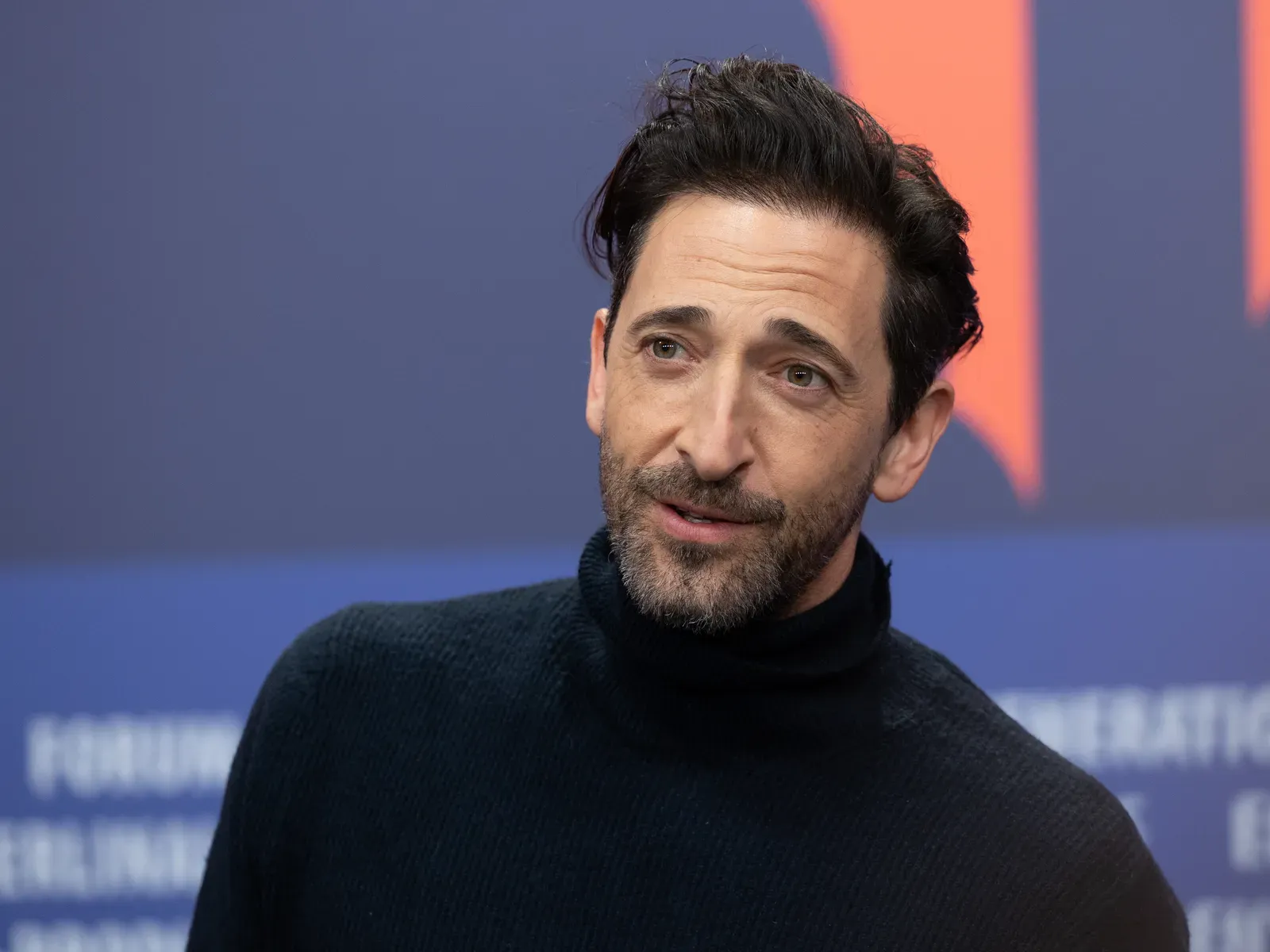
Brady Corbet’s three-and-a-half-hour epic follows a Hungarian Jewish architect who survives the Holocaust and immigrates to America with enormous ambition and enormous trauma. A deadly serious and fetishistically Euro-centric young auteur fascinated by the cyclical relationship between trauma and culture, Corbet delights in the violent cause-and-effect of the 20th century, which shook the Earth off its axis in a way that invited people to reimagine it in their own image. It’s an extraordinarily ambitious film for the current era, and that ambition is part of its cultural argument.
The Brutalist asks what happens when a person of great creative vision encounters a society that wants to use that vision rather than honor it. That question sits at the intersection of immigration, art, capitalism, and identity – exactly the kinds of debates that are intensifying, not fading. Films this formally rigorous and thematically serious are precisely the ones that film scholars return to when trying to understand a decade in hindsight.
Bodies Bodies Bodies (2022) – The Film That Spoke Gen Z’s Language Without Pandering to It
Few films have captured the rhythm and nuance of Gen-Z language and communication the way Bodies Bodies Bodies has. It helps that the actors were all familiar with the vernacular and slang of the internet. But what separates the film from a simple generational snapshot is that it also uses that language to examine the generation wearing it. The satire cuts inward, not outward.
Bodies Bodies Bodies works hard not to date itself with elements that are too rooted in the early 2020s. Many successful modern horror films are class commentaries and part of the “eat the rich” genre, and Bodies Bodies Bodies pokes fun at this trope for its often hypocritical moral condemnations. That self-awareness may be exactly what keeps it interesting in 2050, when the generation it portrays will be looking back with either recognition or embarrassed laughter – possibly both.
Eighth Grade (2018) – The Film That Understood Social Media Anxiety Before It Became a Policy Debate
Eighth Grade was the project that transformed Bo Burnham from a comedian to a filmmaker. While it’s expected to make a movie about teenagers of every generation, it’s much more difficult to tackle the rife insecurity of the middle school years. Painfully anxiety-inducing, Eighth Grade pulls no punches about how hard it is to be a thirteen-year-old girl and how much worse it’s become in the age of constant documentation and social performance.
In 2026, the conversation around social media’s effect on adolescent mental health has moved from cultural observation to legislative action in multiple countries. Eighth Grade was there first, and it was there with empathy rather than alarm. By 2050, when today’s teenagers are in their forties, this film will serve as an unusually honest record of what it felt like to grow up in the early years of the attention economy. That kind of documentary authenticity, wrapped in fiction, is rare.
A Note on What Gets Left Out
ChatGPT was candid about a few things this list can’t fully account for. Films currently in production or early release in 2026 don’t yet have the cultural track record to judge fairly. And the list inevitably skews toward English-language or festival-circuit films that received significant critical infrastructure – a reminder that generational films in Nigeria, India, South Korea, and Brazil are happening right now with no guarantee they’ll receive the same archival attention.
Now that we’re halfway through the 2020s, it’s worth thinking about which films will be regarded as the best of the decade many years from now. To stand out among tens of thousands of movies requires widespread critical appreciation that deepens over the years, along with enough originality in a film’s plotting or construction to keep it memorable decades later. That’s a genuinely high bar. Most films, even excellent ones, don’t clear it. The ones on this list, at least, are credible candidates – films that arrived with something to say and said it in a way that’s unlikely to feel finished anytime soon.
Partner offer
Planning a trip to Vegas?
Compare hotel rates and show tickets on VEGAS.com.