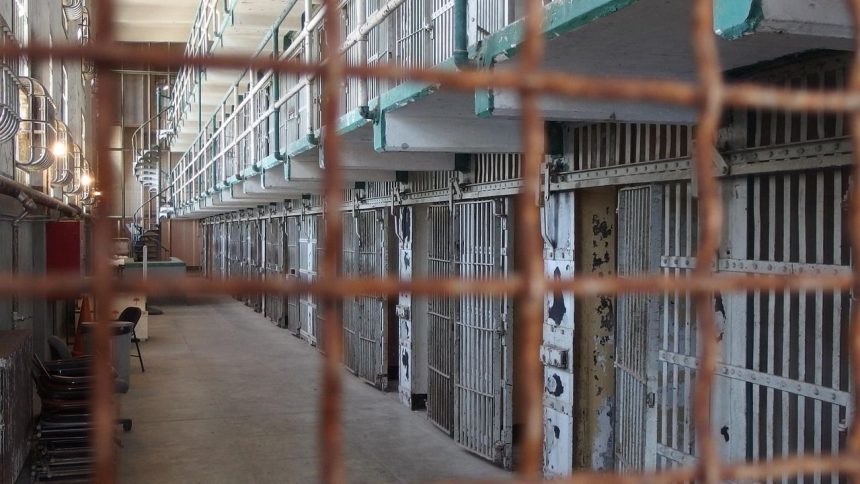
There’s something almost paradoxical about the idea that some of the world’s greatest literary works were born not in quiet libraries or cozy study rooms, but inside prison cells. Locked away, deprived of freedom, and stripped of comfort, certain writers found a strange kind of power in confinement. History is full of these stories, and honestly, some of them are downright jaw-dropping.
Books ranging from The Consolation of Philosophy to The Gulag Archipelago have conquered the world from prison. That’s not a small list. We’re talking about works that shaped civilizations, started revolutions, and kept hope alive across centuries. So let’s take a closer look at ten remarkable novels and literary works written behind bars. Be prepared to be surprised.
1. Don Quixote – Miguel de Cervantes

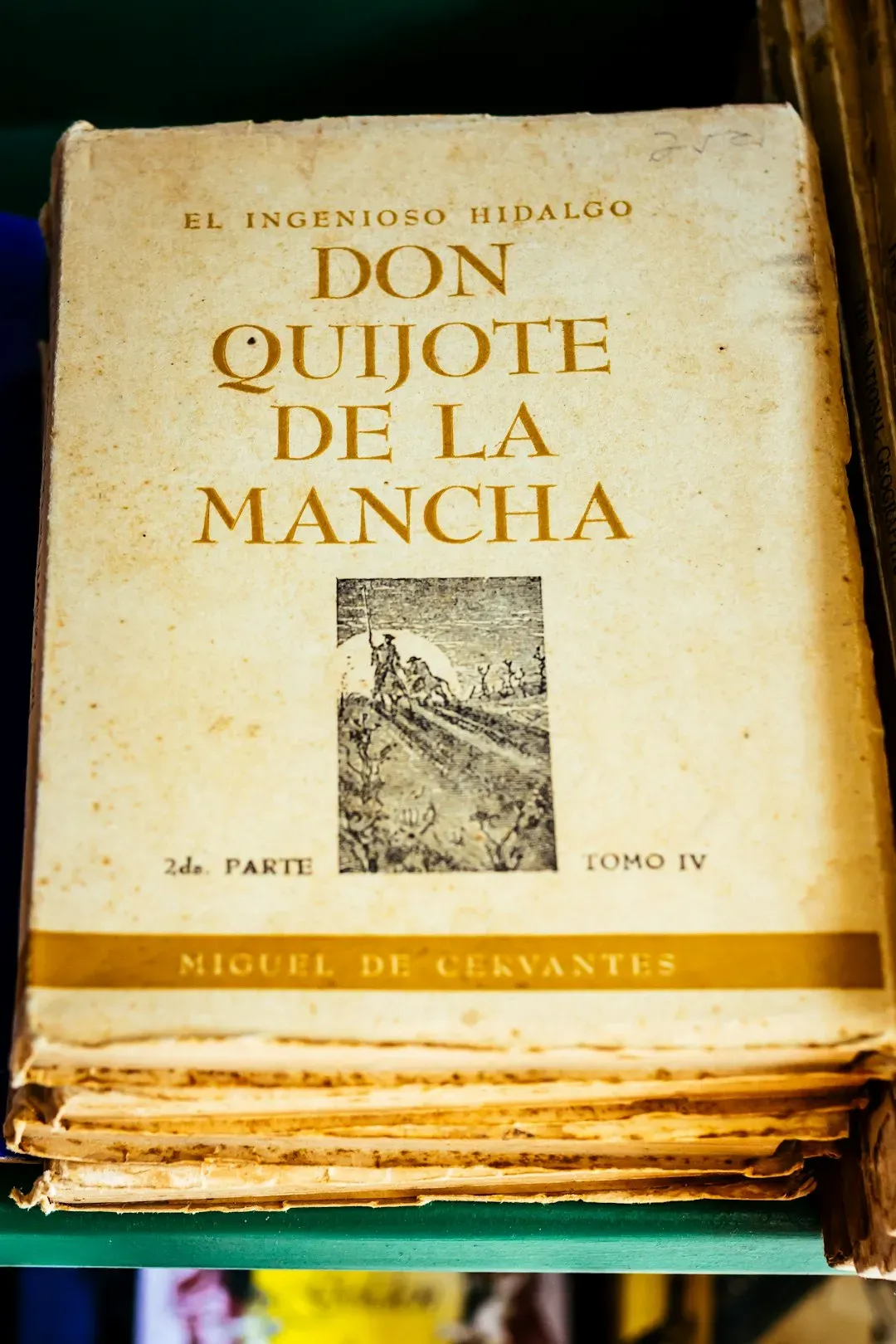
Let’s start with perhaps the most famous story behind a famous story. Don Quixote, with its full title being The Ingenious Gentleman Don Quixote of La Mancha, is a Spanish novel by Miguel de Cervantes, originally published in two parts in 1605 and 1615, and the novel is considered a founding work of Western literature and the first modern novel. It’s a book that quite literally changed how people write fiction. Forever.
When Cervantes wanted to return to Spain in 1575, he was captured for five years by privateers from Algiers. As if one time in captivity was not enough, he was captured again in 1597, but this time for unpaid debts. He decided to write a story during his imprisonment, and thus the book about Don Quixote was written in a prison. The details around exactly how much was drafted behind bars remain debated by scholars, but the connection between captivity and creativity is undeniable here.
He was for certain arrested in late 1597 and remained in a prison in Seville for several months. Most believe that this period of incarceration is where Cervantes developed the idea for Don Quixote, especially since the novel’s prologue speaks directly to prison as its birthplace. In 2002 the Norwegian Nobel Institute conducted a study among writers from 55 countries, and the majority voted Don Quixote “the greatest work of fiction ever written.”
2. The Pilgrim’s Progress – John Bunyan

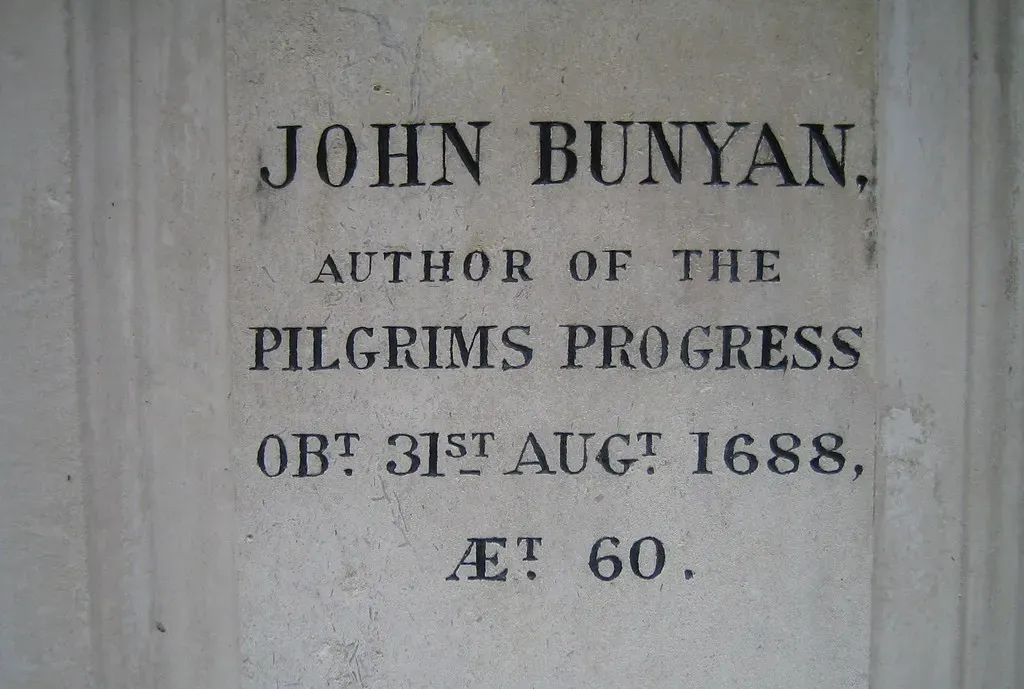
Here’s the thing about John Bunyan: he wasn’t a famous intellectual or a nobleman. He was a preacher from a humble background who ended up simply for refusing to stop preaching. After the restoration of the monarchy in 1660, when the freedom of nonconformists was curtailed, Bunyan was arrested and spent the next twelve years because he refused to give up preaching. Twelve years. That’s not a short sentence.
Bunyan began his work while in the Bedfordshire county prison for violations of the Conventicle Act 1664, which prohibited the holding of religious services outside the auspices of the established Church of England. Inside those walls, he produced something extraordinary. The Pilgrim’s Progress from This World, to That Which Is to Come is a 1678 Christian allegory written by John Bunyan. It is commonly regarded as one of the most significant works of Protestant devotional literature and of wider early modern English literature. It has been translated into more than 200 languages and has never been out of print.
By 1692, four years after the author’s death, publisher Charles Doe estimated that 100,000 copies had been printed in England, as well as editions in France, Holland, New England and Welsh. By 1938, 250 years after Bunyan’s death, more than 1,300 editions of the book had been printed. I know it sounds almost unbelievable, but a book written in a prison cell became one of the most widely read texts in the English language, second only to the Bible.
3. De Profundis – Oscar Wilde


Oscar Wilde’s fall from grace is one of literature’s most heartbreaking stories. In 1895, celebrated writer Oscar Wilde, author of The Importance of Being Earnest and The Picture of Dorian Gray, was convicted of homosexual activity and sentenced to two years, most of which he spent in the infamous Reading Gaol. He had been the toast of London’s literary scene just months before. The contrast was brutal.
Wilde was not, at first, even allowed paper and pen, but was eventually given access to books and writing materials. Between January and March 1897, Wilde wrote a 50,000-word letter to Douglas. That letter became De Profundis, one of the most emotionally raw documents in literary history. The letter’s tone changes from bitterness to resignation as Wilde acknowledges his own responsibility for his fate and extends a hopeful offer for a renewed, calmer friendship. The letter also expresses Wilde’s spirituality, with elegant ruminations on suffering, repentance, and the true life of Christ and the true life of the artist.
Bankrupt and broken by the experience of imprisonment, Wilde died in 1900 of acute meningitis brought on by an ear infection. He was just 46. De Profundis was published posthumously and remains one of the most deeply personal confessions ever written. It’s not just a letter. It’s a soul laid bare on paper.
4. The 120 Days of Sodom – Marquis de Sade

If there’s one entry on this list that could genuinely shock you, it’s this one. The Marquis de Sade is a figure history hasn’t quite figured out how to classify. Along with penning some of history’s most scandalous literature, the French writer Marquis de Sade also spent more than a third of his life for acts of sexual cruelty and violence. His personal life and his writing were equally disturbing.
During a 1785 stint in the Bastille, Sade secretly wrote “The 120 Days of Sodom,” a stomach-turning story of torture, rape and depravity that he proudly called the most impure tale that has ever been told since our world began. Sade scribbled the entire novel on a single 39-foot-long roll of paper and stashed it in a crack in the wall of his cell to prevent it from being confiscated. Forty-five feet of written manuscript, hidden in a crack. That’s commitment, however disturbing its purpose.
He lost track of the lone copy after he was transferred to a new prison during the French Revolution, and the book wasn’t rediscovered and published until decades after his death in 1814. The book has since been repeatedly banned and denounced as obscene, but in 2014, a French museum owner paid 7 million Euros to buy Sade’s original handwritten manuscript. Seven million euros for a manuscript written in a prison cell. Whatever you think of his work, you cannot deny its impact on history.
5. The House of the Dead – Fyodor Dostoevsky
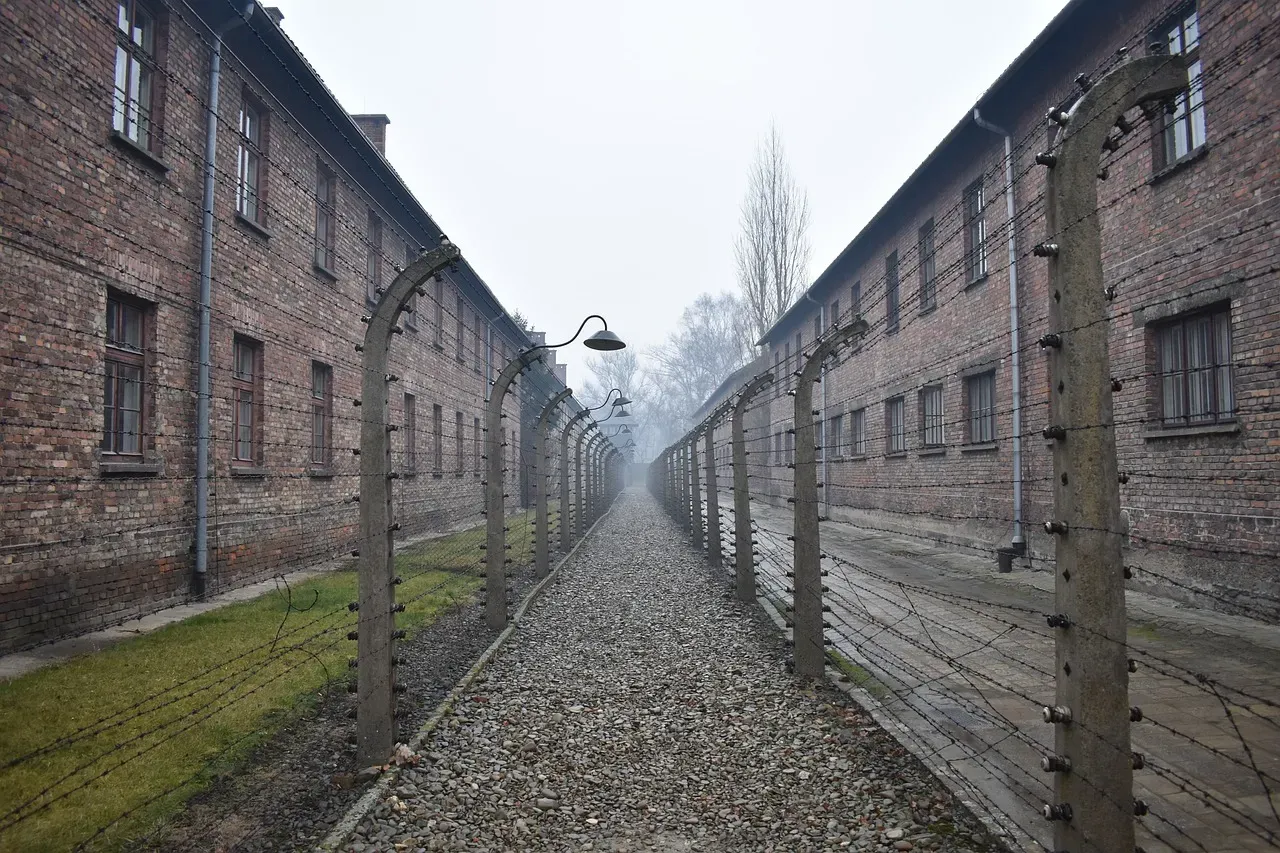
Dostoevsky’s path to literary greatness ran directly through a Siberian prison camp. It’s one of literature’s most brutal backstories. Dostoevsky’s experience in a brutal Siberian work-camp between 1849 and 1854 inspired him to write the autobiographical novel House of the Dead, sometimes rendered in English as Notes from a Dead House. He had been sentenced for his involvement in a political reading group that the Tsar deemed subversive.
The book, one of the founding texts in the sub-genre of prison literature, details the daily humiliations and drudgeries, the hunger and fear and boredom of this most unpleasant of environments, with supreme skill. What makes this novel extraordinary is its restraint. Dostoevsky doesn’t scream at the reader. He shows. Quietly. Devastatingly.
When, a century later, the Soviet dissident Aleksandr Solzhenitsyn, another long-suffering prisoner of conscience, published his powerful denunciations of the Gulag, it was Dostoevsky to whom he was favorably compared. Published between 1861 and 1862, The House of the Dead follows narrator Aleksandr Petrovich Goryanchikov, an upper-class man who is sentenced to 10 years of hard labor in Siberia for murdering his wife. The parallels to Dostoevsky’s own experience are impossible to miss.
6. The Gulag Archipelago – Aleksandr Solzhenitsyn

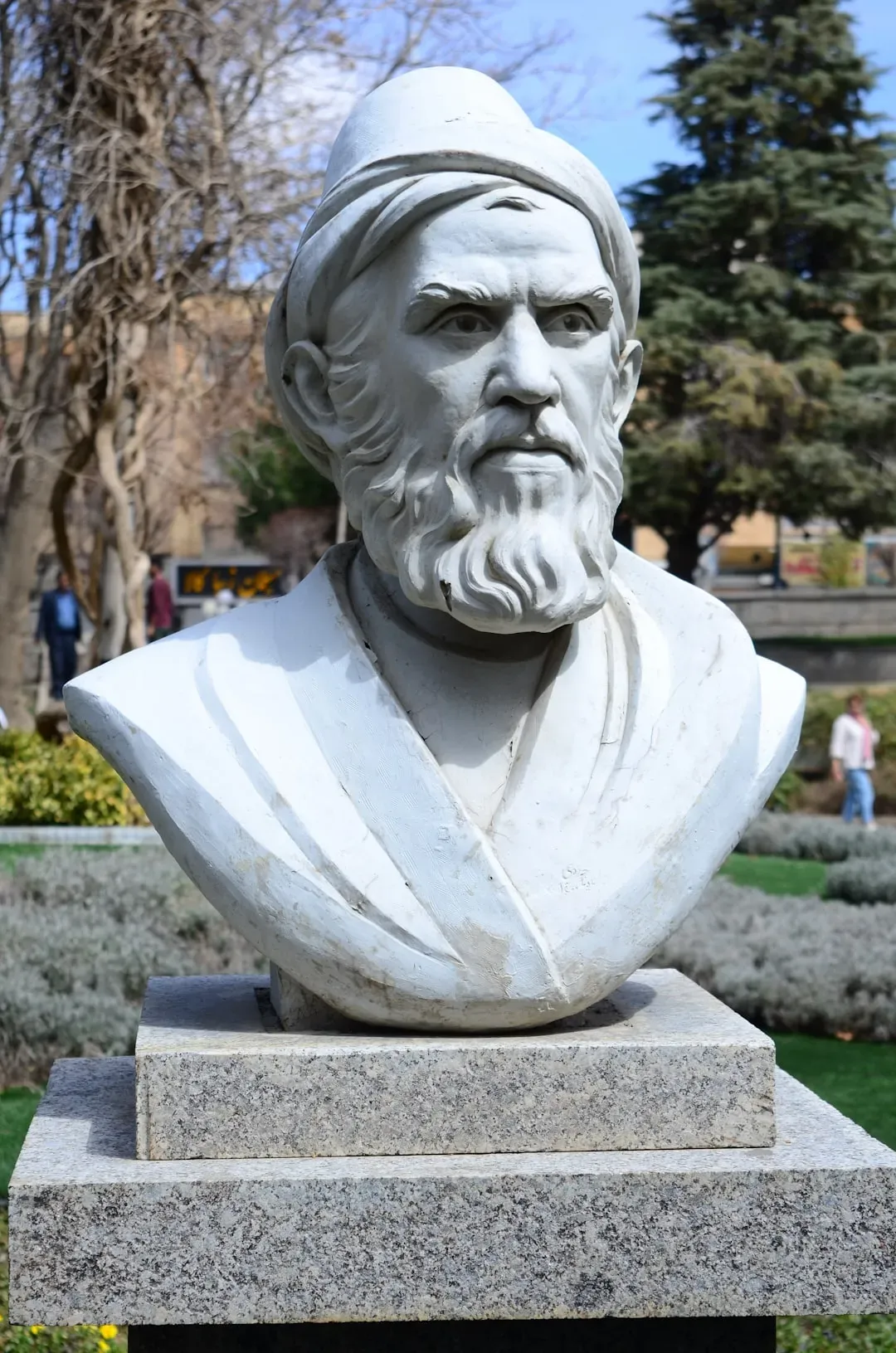
Solzhenitsyn didn’t just write about prison. He survived it. And he turned that survival into one of the most important literary and historical documents of the twentieth century. Hunger, exhaustion, cold, illness and death, the Russian writer and system critic Alexander Isayevich Solzhenitsyn experienced all of these first-hand. Solzhenitsyn was sentenced without trial to eight years and eternal exile for criticising Stalin. Writing under those conditions required extraordinary courage.
Partner offer

The Nobel Prize winner for literature recorded his experiences in the Soviet labour camp in several books, including the now famous The Gulag Archipelago. The work is not only a testimony and contemporary document of the dehumanising forced labour that became the death sentence of many during the time of Soviet oppression but also a remembrance of those who lost their lives there. It’s a monument built from words rather than stone.
Solzhenitsyn won the Nobel Prize for Literature in 1970 and continued to publish pieces critical of the Soviet Union. He was deported in 1974 and only reentered the country after the dissolution of the Soviet Union nearly 20 years later. The Soviet government tried to silence him. What they got instead was a text that would outlast their entire regime. History has a sense of irony.
7. Our Lady of the Flowers – Jean Genet

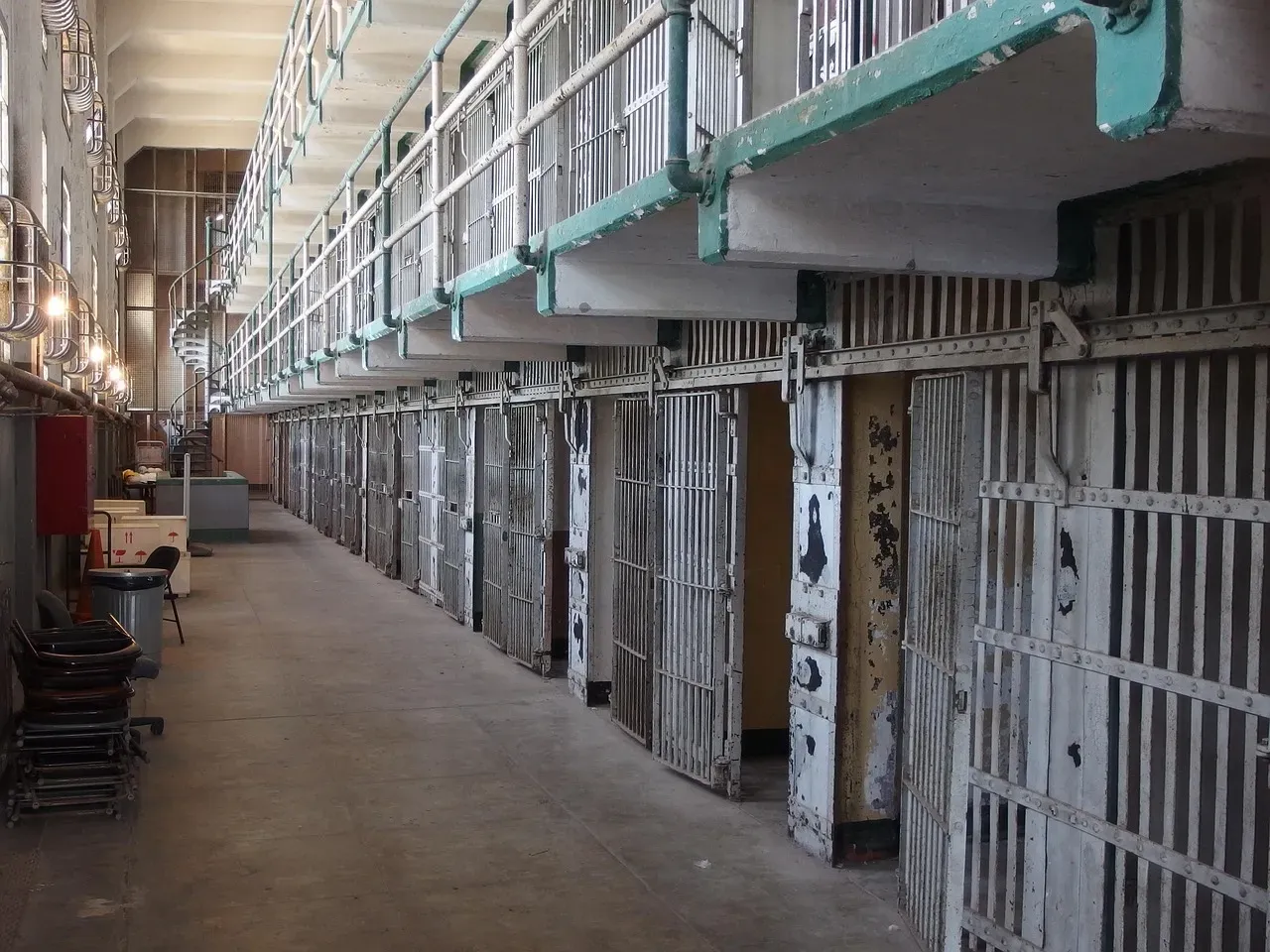
Jean Genet’s story is one of the most unusual in literary history. Born into poverty and raised in state care, he spent much of his early life cycling in and out of prison. In 1942, Jean Genet wrote his first novel Our Lady of the Flowers while near Paris, scrawled on scraps of paper. The conditions were about as far from ideal as you can imagine.
In 1944, Genet described his prison experiences in his celebrated debut novel Our Lady of the Flowers, written while Genet was serving a sentence for burglary. The novel is raw, strange, and entirely unlike anything else written at the time. It’s a work about the criminal underworld of Paris, about outsiders and outcasts, written by one of their own. The authenticity is visceral.
Let’s be real: there is something deeply poetic about the fact that Genet, a man whom society had repeatedly discarded, produced a work that would be championed by Jean-Paul Sartre and recognized as a masterpiece of twentieth-century French literature. Sometimes the most crushing circumstances produce the most transcendent art. Genet is proof of that.
8. Shantaram – Gregory David Roberts


This one is a more modern entry, and it comes with a story that reads almost like fiction itself. In 1978, Roberts was sentenced to 19 years for armed robbery with a plastic weapon. He escaped and spent eight years in Bombay as a fugitive. After being recaptured, he was returned to Australia to serve out the remainder of his sentence.
During his second stay in Australian prison, he began writing Shantaram. The manuscript was destroyed twice by prison staff while Roberts was writing it. After leaving prison, Roberts was finally able to finish and publish his novel Shantaram. Think about what that takes. To have your work destroyed, not once but twice, and to start over again from scratch. Most people would simply give up.
Shantaram is a 2003 novel by Australian author Gregory David Roberts, in which a convicted Australian bank robber and heroin addict escapes from an Australian prison and flees to India, where he lived in a Bombay slum. The novel is commended by many for its vivid portrayal of life in Bombay in the 1980s. In October 2022, the TV series Shantaram based on the book aired on AppleTV+. A prison-written manuscript eventually became a global television production. You honestly couldn’t make this up.
9. No Friend But the Mountains – Behrouz Boochani


This might be the most remarkable entry of all, because it was written in a way no one else had ever attempted before. Behrouz Boochani authored No Friend But the Mountains in 2018 by using a mobile phone to send thousands of text messages during his incarceration by the Australian government on Manus Island. Thousands. Of. Text. Messages. A full literary work, composed one message at a time.
Behrouz Boochani authored No Friend But the Mountains by using a mobile phone to send thousands of text messages during his incarceration by the Australian government on Manus Island. The book tells his story as a Kurdish-Iranian journalist who was detained after attempting to seek asylum in Australia. He was never charged with any crime. His imprisonment was indefinite.
The novel won the Victorian Prize for Literature in 2019, Australia’s richest literary prize, and was later translated into multiple languages. It stands as one of the most extraordinary acts of resistance through writing in recent memory. In a world where we complain about having no signal, Boochani wrote an award-winning book from a detention center using a smuggled phone. Perspective shifts fast when you read this one.
10. The Consolation of Philosophy – Boethius

We close this list with perhaps the oldest and most philosophically profound entry of all. Boethius’s Consolation of Philosophy, written in 524 AD, has been described as “by far the most interesting example of prison literature the world has ever seen.” That’s a staggering claim, but when you understand the circumstances under which it was written, it’s hard to argue against it.
Boethius was a Roman philosopher and statesman who had served at the highest levels of government under the Ostrogothic king Theodoric. He was then accused of treason and thrown to await execution. Facing death, he wrote a dialogue between himself and Lady Philosophy, exploring fate, free will, and the nature of true happiness. It is calm. It is rational. It is extraordinary.
The Consolation of Philosophy became one of the most widely read texts of the Middle Ages, translated by King Alfred the Great, Geoffrey Chaucer, and Queen Elizabeth I, among others. Written in the shadow of a death sentence, it outlived every empire that tried to silence its author. Prison literature is the literary genre of works written by an author in unwilling confinement, such as a prison, jail or house arrest. The writing can be about prison, informed by it, or simply incidentally written while . It could be a memoir, nonfiction, or fiction. Boethius used every remaining hour he had to write something that would endure for fifteen centuries and counting.
Conclusion
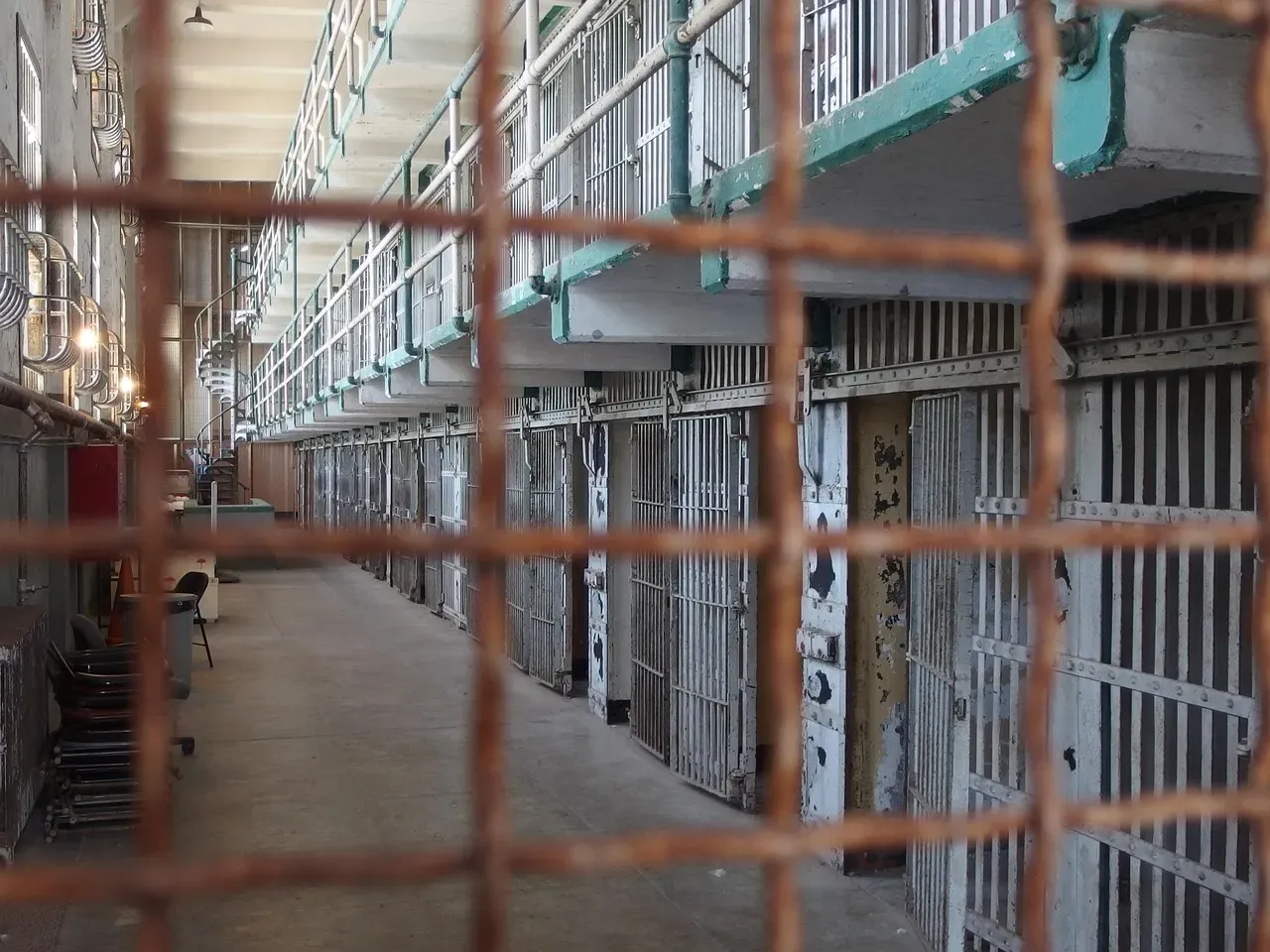
What unites all ten of these works is something that feels almost impossible to explain logically. Freedom, or the loss of it, seems to unlock something in the human mind. A cell can strip away everything comfortable and distracting, leaving a writer with nothing but thought, time, and will. The results, as this list shows, can be extraordinary.
From Cervantes in a Seville jail to Boochani tapping messages on a smuggled phone in a Pacific detention center, the story of prison literature is ultimately a story about the indestructibility of human expression. No wall, no sentence, no confiscation of paper can permanently stop a writer with something urgent to say.
Did you expect that some of the greatest works in world literary history came from behind bars? Which of these ten surprised you the most? Tell us in the comments.
Partner offer
Planning a trip to Vegas?
Compare hotel rates and show tickets on VEGAS.com.