Some sentences do more than begin a story. They shatter something. They rearrange the air in the room, and nothing about how you read – or think – is ever quite the same again. Literature is full of remarkable lines, sure, but only a handful have genuinely redirected the entire river of human storytelling.
A great first line can spur intense readerly attraction and provoke a compulsion to know more. Scholars have called it “love at first sentence.” That’s a romantic idea, but there’s real force behind it. As Ursula Le Guin wrote in her essay “The Fisherwoman’s Daughter,” “First sentences are doors to worlds” – in the hands of great writers, opening lines cast an immediate spell and set the tone for everything that comes after. Let’s step through ten of those doors.
1. “It was the best of times, it was the worst of times…” – Charles Dickens, A Tale of Two Cities (1859)
![1. "It was the best of times, it was the worst of times…" - Charles Dickens, A Tale of Two Cities (1859) (National Portrait Gallery, London [1], Public domain)](https://nvmwebsites-budwg5g9avh3epea.z03.azurefd.net/lasvegasnews/48629a20006e3bf1fc8eb6d88eb0b3b3.webp)
Few sentences in the English language have been quoted more than this one. Dickens’ opening to A Tale of Two Cities is a contrast masterclass, setting the stage for turbulent events and introducing the central theme of duality, highlighting the contradictions of life during the French Revolution. The rhythm is hypnotic. It pulls you forward almost against your will.
The opening line’s rhythmic quality and repetitive phrase structure create a sense of urgency, drawing the reader in and refusing to let go. Honestly, there is something almost musical about it. In a recent survey from Amazon Literary Partnership, British book lovers voted for this timeless French Revolution-era classic as one of their most beloved works. It is a sentence that taught generations of writers how contrasts, when stacked with precision, can carry the weight of an entire civilization.
2. “Call me Ishmael.” – Herman Melville, Moby-Dick (1851)
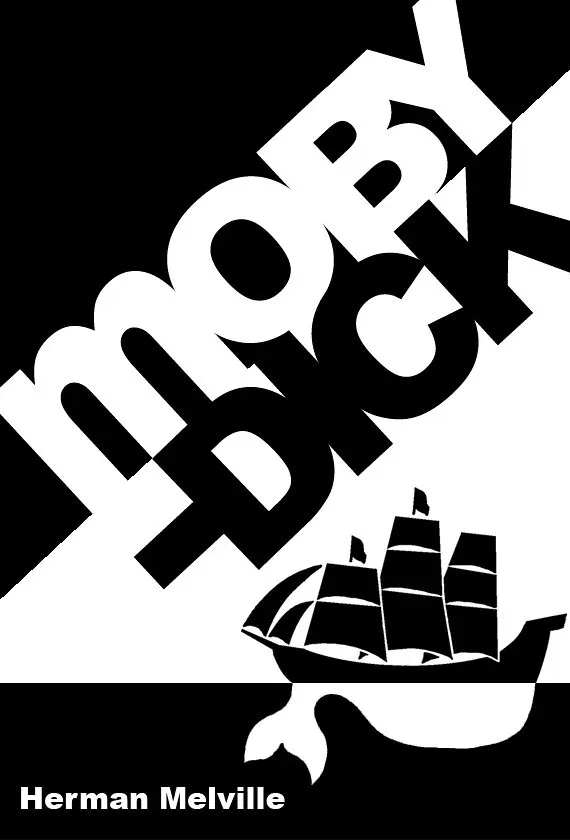
This simple yet enigmatic line introduces the reader to one of literature’s most famous narrators, setting the stage for an epic tale of obsession and adventure on the high seas. The name “Ishmael” evokes the biblical outcast, hinting at themes of isolation and existential searching. Three words. That’s all it takes. It may be the most efficient opening in all of American literature.
The narrator’s tone is conversational and almost detached, contrasting with the intense and often harrowing journey that unfolds. Melville’s genius here was the casual intimacy – like he’s pulling up a chair and leaning in close. That “Call me Ishmael” tells us the narrator probably isn’t really named Ishmael, but that for some reason he finds it necessary to present himself this way – and that small suggestion of unreliability cracks the entire novel wide open with ambiguity. It’s hard to say for sure when that trick was invented, but Melville perfected it.
3. “It was a bright cold day in April, and the clocks were striking thirteen.” – George Orwell, Nineteen Eighty-Four (1949)
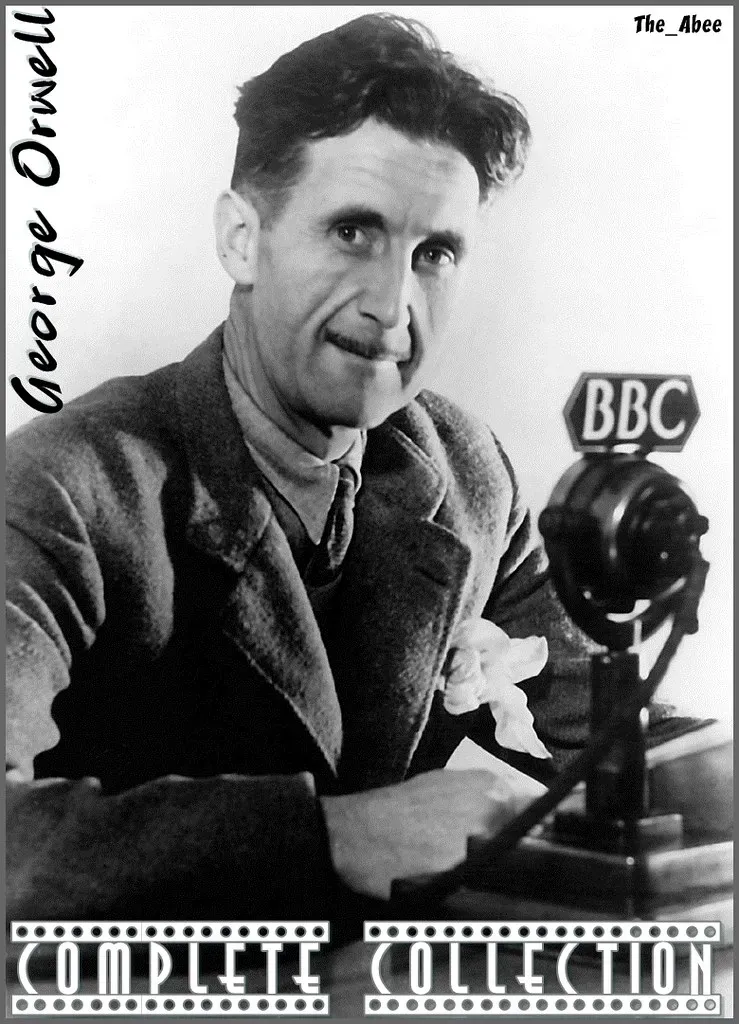
Since those words were first published in 1949, they have joined the pantheon, the literary canon, of great opening lines. The sentence looks ordinary until the final word slams into you: thirteen. Clocks don’t strike thirteen. References to a thirteenth stroke of the clock indicate that some event calls into question everything previously believed – put another way, the thirteenth stroke calls into question not only itself but the previous twelve.
In this world, the clocks striking thirteen is not an aberration, but a normal way of life – Orwell subtly alerts the reader that statements of truth in this fictional society should be called into question. That’s a masterpiece of framing. Newspeak, Doublethink, Big Brother, the Thought Police – Orwell’s novel coined new and potent words of warning for us all. The opening sentence was the first crack in that warning bell, and its echo still rings through political discourse today.
4. “As Gregor Samsa awoke one morning from uneasy dreams he found himself transformed in his bed into a gigantic insect.” – Franz Kafka, The Metamorphosis (1915)
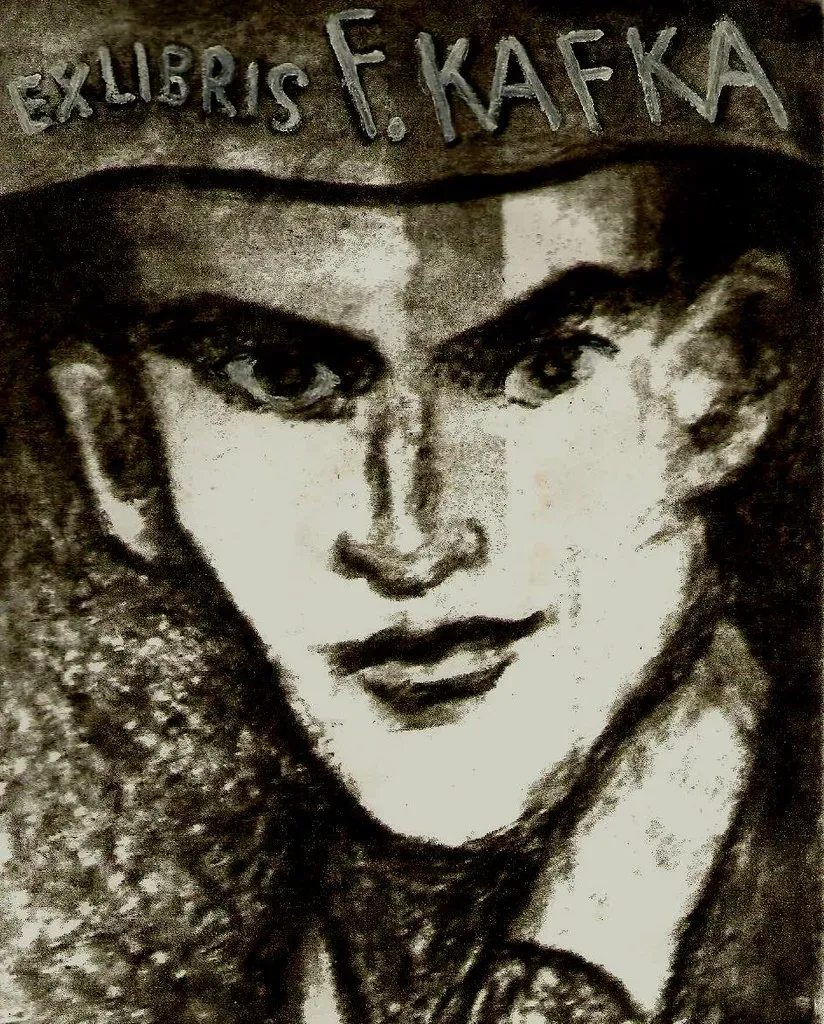
The novella, first published in German as Die Verwandlung in 1915, became one of the most celebrated works of literary fiction in history. It is one of the few stories authored by Kafka that was published during his lifetime. Kafka’s fablelike storytelling in The Metamorphosis enchanted many readers from the very first sentence, which – while spawning endless debates about literary translation – also summarizes the plot.
Beginning with its first sentence, The Metamorphosis deals with an absurd, or wildly irrational, event, which in itself suggests that the story operates in a random, chaotic universe. By midcentury, Kafka’s name had become synonymous with the modern theme of alienation, and The Metamorphosis was often singled out as the seminal piece of fiction developing that theme. The sentence is both the plot and a philosophical statement. Nothing is explained, nothing is apologized for – and that cold confidence changed fiction permanently.
5. “It is a truth universally acknowledged, that a single man in possession of a good fortune, must be in want of a wife.” – Jane Austen, Pride and Prejudice (1813)
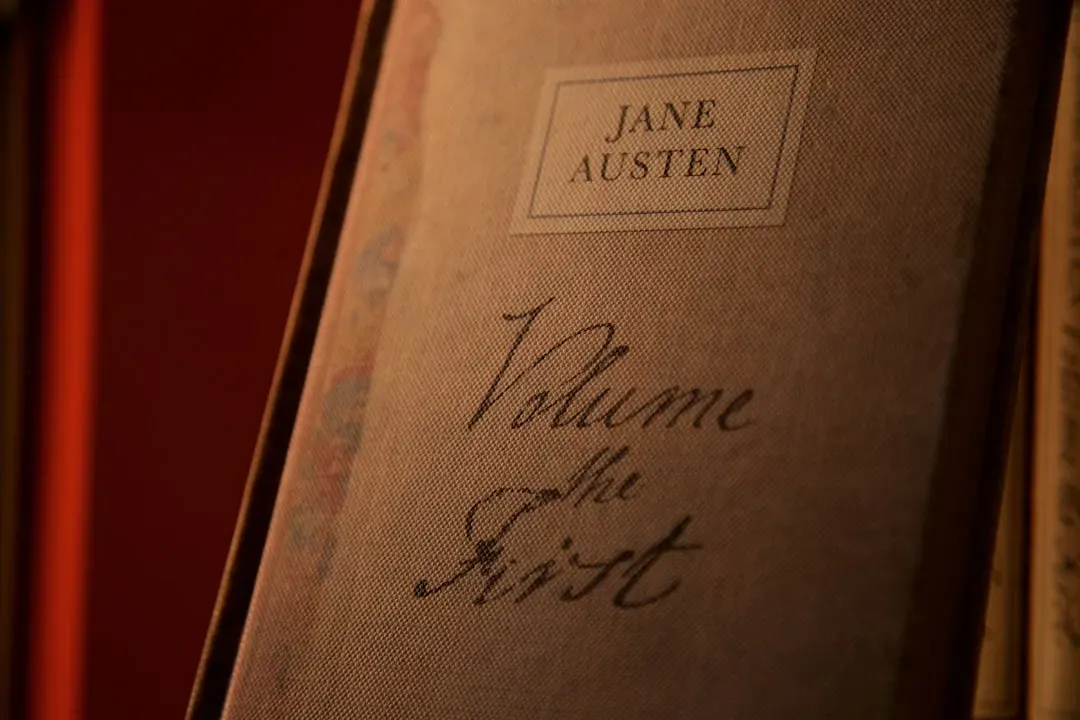
Here is a sentence that says one thing and means the precise opposite. Austen’s irony is so fine-edged it could cut glass. Known for her sharp social commentary and clever romantic dialogue, Austen is a master of irony and character-driven narratives whose influence extends to modern feminist literature, with her novels becoming the subject of a great many modern film adaptations.
It is a truth universally acknowledged that a single man in possession of a good fortune must be in want of a wife – and yet, every reader immediately senses that it is the women and their scheming families who are in want of the man. That double meaning stuffed into a single sentence is Austen’s signature technique writ large. It took courage to open with that kind of social subversion in 1813. The fact that the sentence still reads as sharp and funny two centuries later says everything about its staying power.
Partner offer
6. “In the beginning God created the heavens and the earth.” – Genesis 1:1 (Hebrew Bible)

It would be dishonest to write about sentences that changed literature without acknowledging this one. Recorded literature first emerged around 2500 BCE in Sumeria, but this particular sentence from the Hebrew scriptures arguably cast the longest shadow over all subsequent Western writing. It established the idea that a narrative could begin at the absolute beginning – not in the middle, not with a character, but with creation itself.
History has shown that some books have a way of reaching and impacting large groups of people so that they are forever changed – these books can share knowledge, inspiration, and discoveries in various fields. They teach, influence, and alter the way we think. The Genesis sentence did all of that before fiction as a form even existed. It modeled the structure of grand narrative for every epic, every myth, and every cosmological novel that followed. Writers from Milton to Tolkien felt its gravitational pull.
7. “Happy families are all alike; every unhappy family is unhappy in its own way.” – Leo Tolstoy, Anna Karenina (1878)
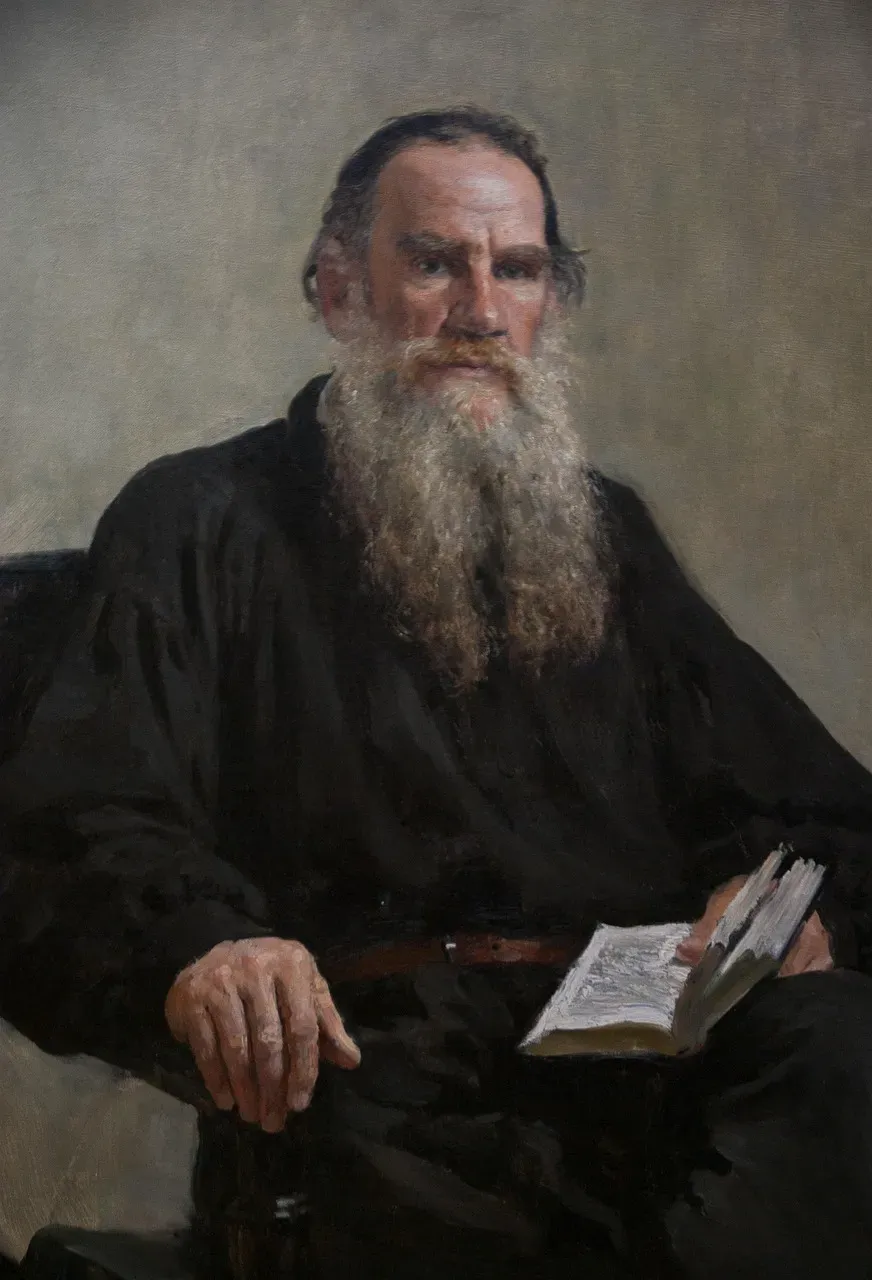
This is, honestly, one of the most argued-about opening lines in the entire European tradition. Some scholars love it. Others find it factually dubious. Either way, it changed how writers think about the relationship between the universal and the particular. Nearly all truly memorable first lines give readers an elegantly balanced dose of clarity and curiosity – seductive first sentences ground a reader in a situation while also prompting a question that propels them forward.
Tolstoy’s sentence does both. It grounds you in a philosophical claim and immediately makes you wonder: which kind of family is this story about? The implied answer arrives in the very next line. Words change the way people think and feel, toppling long-held assumptions about truth, justice, and morality. The writers who endure are not simply talented, but took their unique historical perspective and sculpted it into writing that pushed the boundaries of their day. Tolstoy did exactly that – in one sentence, he invented a new way of entering a tragedy.
8. “Sing, O goddess, the anger of Achilles son of Peleus…” – Homer, The Iliad (circa 8th century BCE)
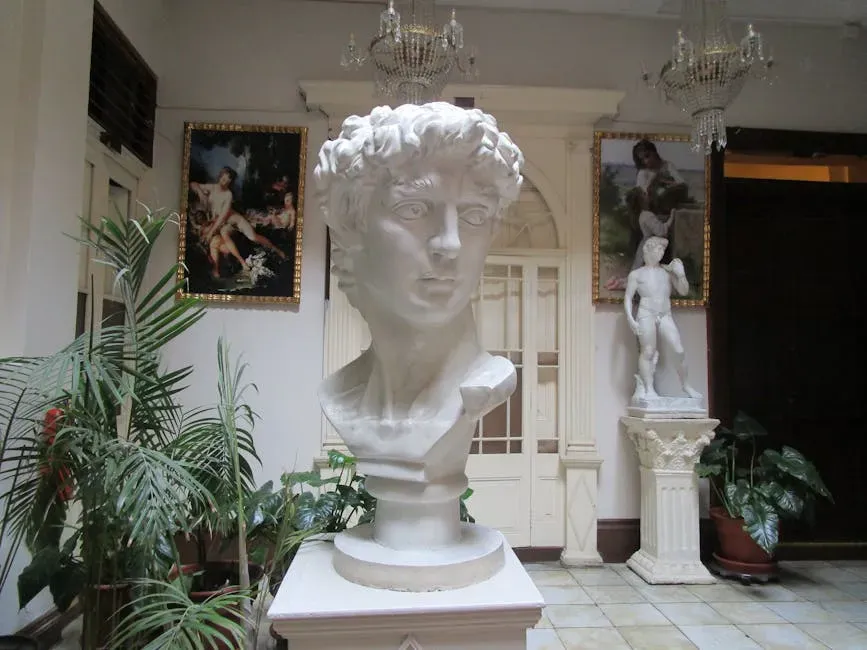
The ancient Greek epic poems of Homer are not only the preeminent works in ancient Greek literature, but also incredibly influential texts for all forms of art, thought, and music in Western civilization. The Iliad details a few weeks during the end of the Trojan War. This opening sentence did something no writer had done before in recorded Western literature – it addressed the muse directly, invoking divine inspiration as an artistic and structural device.
It established the epic invocation as a genre convention that would be repeated, echoed, and subverted from Virgil to Milton to the present day. These works are important for their detail of Greek history and legend, the composition of story, and the development of themes. Think of how enormous that is. Literature is a natural reflection of the society that produces it, and to study the history of literature is to study one aspect of history itself. Homer’s first line was not just an opening – it was a template. Every poet who ever called upon a muse was bowing to this sentence.
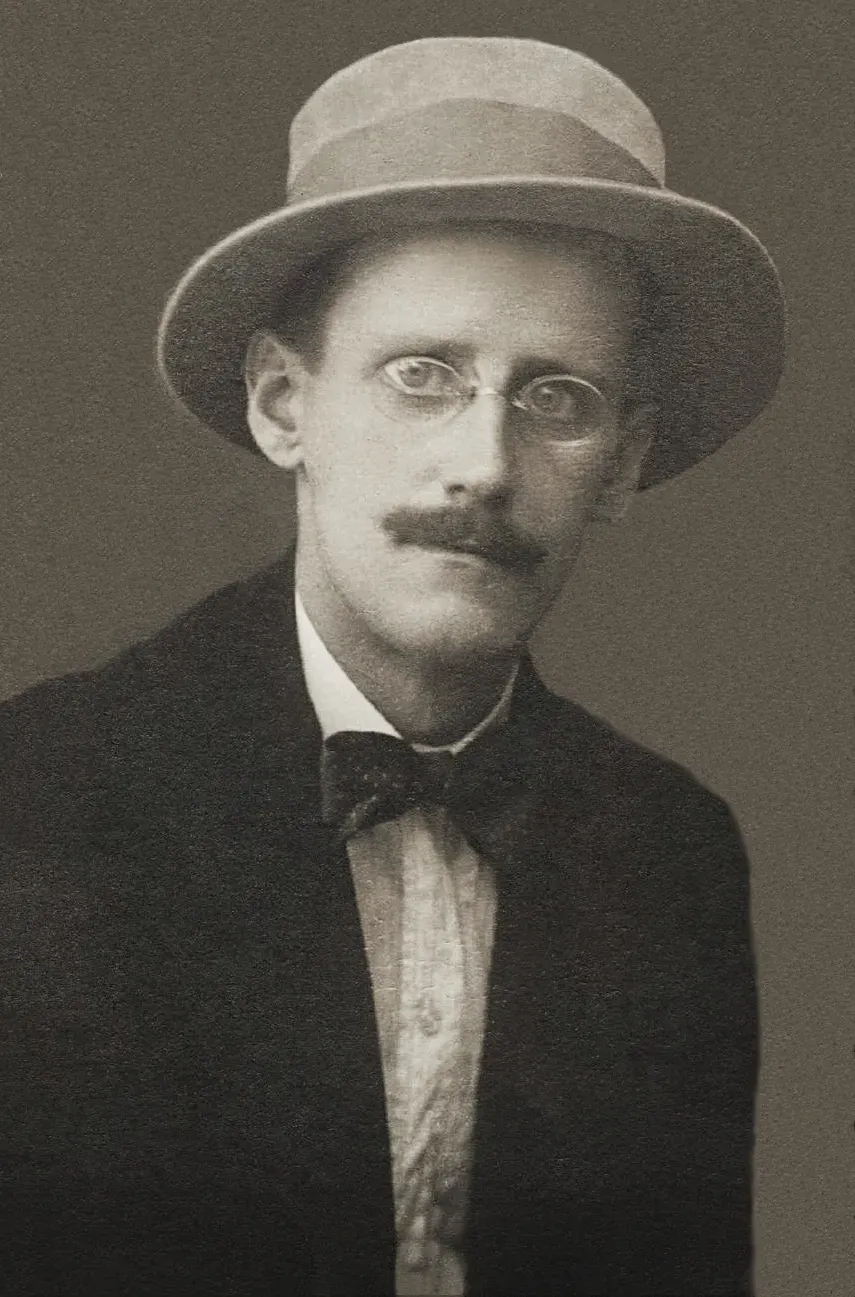
9. “riverrun, past Eve and Adam’s, from swerve of shore to bend of bay, brings us by a commodius vicus of recirculation back to Howth Castle and Environs.” – James Joyce, Finnegans Wake (1939)
derivative work: RedAppleJack (talk)
derivative work: Missionary (talk), Public domain)
Here’s the thing about this sentence – it doesn’t begin with a capital letter. That alone was a declaration of war on convention. Joyce took his penchant for experimental writing to a new level with Ulysses, structured to align with Homer’s Odyssey and featuring a wide array of narrative styles – but Finnegans Wake went even further, treating language itself as the subject matter. The opening sentence is actually the end of the last sentence in the book, completing a circular structure that had never been attempted before in fiction.
Postmodernism is a literary movement that began in the mid-to-late twentieth century, characterized by its focus on fragmented structures, irony, and a lack of certainty. Its authors challenge conventional ideas and ideologies, creating works that are often highly reflective of society’s current state. Joyce’s circular sentence anticipated all of that by decades. Great canonical literature would have to abandon the very idea of “good” writing if the short, utilitarian sentence were taken as the only gold standard – writers like Joyce, Cervantes, Faulkner, and Nabokov prove that point emphatically. Finnegans Wake remains one of the most demanding texts ever written, but its opening changed what a sentence was allowed to be.
10. “The sky above the port was the color of television, tuned to a dead channel.” – William Gibson, Neuromancer (1984)
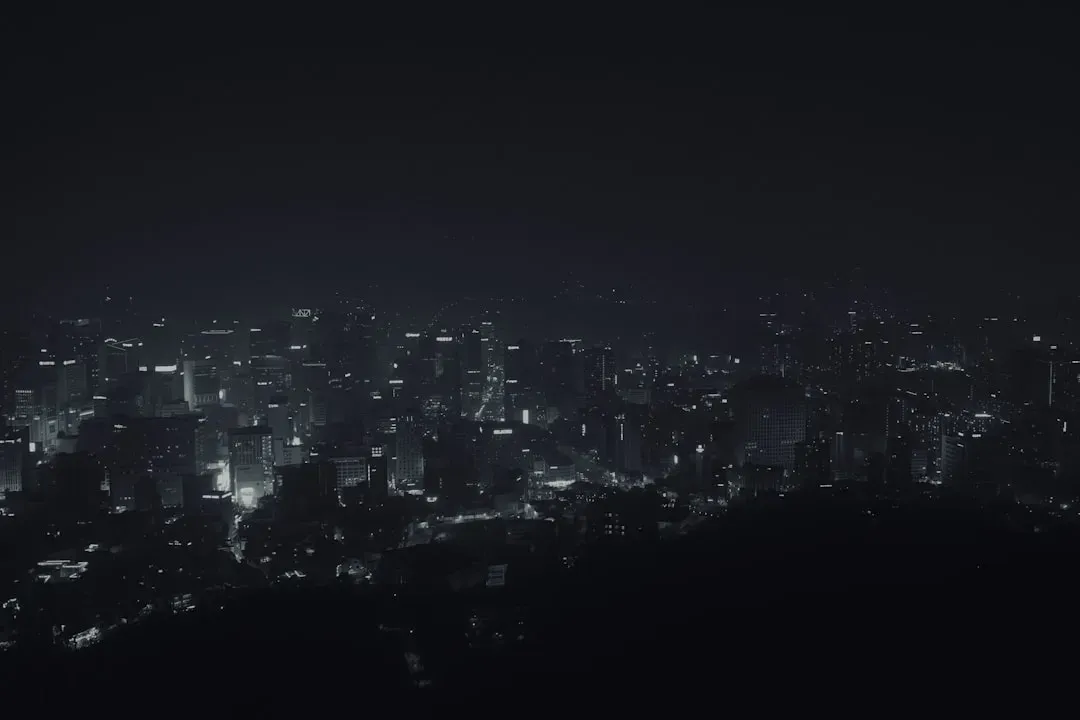
This sentence launched a genre. Science fiction had existed for decades, but dystopian novels and speculative fiction works continue to influence political discourse and demonstrate how imaginative literature can serve as warning systems for society and provide frameworks for understanding contemporary technological challenges. Gibson’s line was different because it used technology not as a subject but as a lens – the sky is described through a television metaphor, placing media and machinery at the center of how this character perceives reality.
That one move seeded the entire cyberpunk movement. It told future writers that the urban landscape of the digital age needed its own vocabulary, its own imagery, its own poetic grammar. It takes something special for a first line to capture the heart of a reader – to propel a text out of obscurity and transform a work of literature from stranger to intimate. Gibson’s first line did precisely that and kept doing it for forty years. A novel is made up of many thousands of sentences, but none as deeply important as the opening line. Neuromancer proves that rule with the force of a neon punch.
A Final Thought
What all ten of these sentences share is an almost reckless confidence. They don’t ease in. They don’t apologize. They arrive fully formed and demand your attention. History is not only characterized by the rise and fall of empires, but by the quiet revolutions sparked by the power of the pen. Words change the way people think and feel, toppling long-held assumptions about truth, justice, and morality.
The authors probably never imagined the weight those first sentences would carry long after they left the world. Some were written in a single evening. Some were agonized over for years. The result, in every case, was the same: a sentence that didn’t just begin a book but altered what books could be. Which of these ten would you have thought to be the most influential – and did any of them surprise you?
Partner offer
Planning a trip to Vegas?
Compare hotel rates and show tickets on VEGAS.com.