Most travelers know the obvious rule: don’t check your passport. But honestly, that barely scratches the surface of what can go wrong when you hand over your bag at the counter and trust it to the abyss known as the cargo hold. Bags get tossed, stacked, delayed, pilfered, and sometimes just vanish entirely.
The truth is, the checked bag danger zone is far bigger than most people realize. From fire hazards to theft magnets to outright TSA confiscation, what you pack below the plane matters enormously. So before your next trip, read every single one of these. Be surprised by what makes the list.
1. Spare Lithium Batteries and Power Banks

This one is not just a recommendation. It is a federal rule with real consequences. Spare uninstalled lithium metal and lithium ion batteries are always prohibited in checked baggage and must be placed in carry-on. The reason is terrifying when you think about it.
Lithium batteries found in cell phones, computers, portable chargers, hearing aids, and other devices can malfunction and create “thermal runaway events,” where pressure and temperature rapidly increase and can ignite a fire onboard. Down in the cargo hold, where nobody can see or react, that kind of fire is a nightmare scenario.
Last year, the FAA recorded the highest-ever number of incidents, with 89 lithium battery episodes on commercial and cargo flights in 2024. That number has been climbing every single year. In 2024, an average of two flights per week experienced a thermal runaway incident.
Here is the part that is genuinely alarming: approximately two in five passengers admit to putting lithium-ion powered products in their checked luggage. Vapes or e-cigarettes are put in checked luggage nearly a third of the time, and portable chargers are placed in checked luggage more than a quarter of the time. People simply do not know. Now you do.
2. Your Prescription Medications

Imagine landing in a foreign city, exhausted and jet-lagged, only to find out your checked bag has been delayed by 48 hours. Now imagine your blood pressure medication, insulin, or anxiety prescription is sitting in that missing bag. That scenario is not rare. It is disturbingly common.
Essentials such as medications should never be in your checked luggage, which could be delayed or lost. Medications should be accessible in your carry-on bag during travel delays or layovers. It really is that simple, yet travelers make this mistake constantly.
Packing medications in your checked bag increases the risk that they will be lost or stolen, and you could need them if you face travel delays or a long layover. Beyond the inconvenience, there is also a legal dimension. Highly regulated drugs such as ADHD stimulants, opioids, and anti-anxiety medications, including Adderall, Ritalin, Xanax, and Oxycodone, can present challenges when traveling if they end up in a missing bag with no documentation attached.
3. Valuables, Jewelry, and Irreplaceable Items

Let’s be real: the cargo hold is not a safe. Checked baggage is no place for heirlooms, glassware, or valuable electronics. Bags get tossed, stacked, and handled roughly behind the scenes. Jewelry, laptops, cameras, and other precious items are better off in your carry-on, where you can keep an eye on them.
Theft from checked luggage is a real and organized problem. Theft from luggage requires time because the thief needs to open the bag and look for valuables. As a result, theft from luggage usually occurs in restricted areas where the criminal can get some privacy. In other words, your bag enters a zone you cannot access, and that is exactly where the problem unfolds.
Over one in four flyers have experienced lost bags, and over one in three have had damaged bags. The financial hit is real too. On average, flyers lost $457 in value, and nearly half were not compensated by the airline. That is a painful lesson to learn the hard way.
4. E-Cigarettes and Vaping Devices

This one catches a lot of travelers off guard, especially since vaping has become so normalized. People toss their vape pen into a checked bag without thinking twice. That is a mistake with safety consequences. Electronic smoking devices have a separate entry in FAA packing guidance – they are always prohibited in checked baggage.
From March 2006 to August 2025, the FAA recorded 648 verified lithium battery incidents, with 138 of those caused specifically by e-cigarettes or vaping devices. That makes vaping devices the second-largest individual category of inflight battery incidents. Think about that next time you stuff one in a suitcase without thinking.
The logic is the same as with standalone batteries. In a cargo hold, a thermal event cannot be detected or contained. The TSA announced a slew of new items, including portable chargers and power banks, now banned from checked bags in 2025, and vaping devices have been on the prohibited list for years. Carry it on, or leave it at home.
5. Flammable Liquids and Hazardous Materials

People sometimes try to pack things like paint thinner, lighter fluid, or even heavily perfumed aerosols in their checked bags, thinking the hold is more forgiving than the cabin. It is not. Gasoline, lighter fluid, alcohol over 70 percent, paint thinners, and any highly flammable solvents are banned.
Flammable paints cannot be checked or brought in your carry-on. Oil-based paints, acetone, turpentine, and paint thinner all fall under this category. The same logic applies to certain aerosols. You can pack hair spray and bug spray in your checked luggage if you do not exceed the quantity limit per person, which stands at 70 ounces. No aerosol container with more than 18 ounces is allowed.
Partner offer
Ignoring these rules is not just reckless. You will be in violation of U.S. Federal Law if you do not declare any dangerous items. This means you could face up to five years imprisonment and a fine of $250,000. Pack smart. The cargo hold is a pressurized, confined environment. Think of it like a sealed metal tube, because that is exactly what it is.
6. Laptops and High-Value Electronics

I know it sounds tempting to stuff your laptop in the main suitcase to save space in your carry-on. Resist the urge. Devices containing lithium metal batteries or lithium ion batteries, including smartphones, tablets, cameras, and laptops, should be kept in carry-on baggage, according to the FAA’s own PackSafe guidelines.
Beyond the fire risk, there is the very real danger of damage and theft. Checked baggage is no place for valuable electronics. Bags get tossed, stacked, and handled roughly behind the scenes. A laptop that cost you over a thousand dollars can come out of a cargo hold cracked, dented, or simply missing.
It is hard to say for sure exactly how often electronics specifically get stolen, but the pattern is clear. After luggage is checked in and handed off to airport and TSA employees, there is no effective way for the passenger to guard against luggage theft. Data suggests that theft by employees is more likely than theft by other people. Keep your screen in your sight.
7. Fireworks, Explosives, and Party Poppers

This might seem obvious, but people try it more often than you would think. Fireworks and any items that can ignite or explode are completely banned from both checked and carry-on luggage. That means no firecrackers, sparklers, novelty explosives, or even tiny poppers. The cargo hold’s pressurized environment can turn these items into serious threats.
Here is a surprising one most travelers overlook: Christmas crackers. Christmas crackers may seem like harmless party favors, but they contain a tiny bit of gunpowder inside them. For this reason, the TSA has banned them in checked bags and carry-ons. Yes, even those little festive table decorations. Party poppers fall under the same rule.
The reason is not bureaucratic overcaution. Even a small sparkler can pose a huge risk to the safety of everyone on board. That pressurized hold amplifies everything. Think about it like a chemistry experiment in a sealed container, and suddenly the rule makes complete sense.
8. Alcohol Over 70 Percent Volume

Picking up a bottle of something strong on your travels? Fine, within limits. Trying to sneak home a bottle of grain alcohol or overproof rum in your checked bag? That is where the rules step in. If you plan on packing alcohol in your checked luggage, that is okay as long as it is not over 140 proof. Alcoholic beverages with more than 70 percent alcohol, along with 151 proof rum and grain alcohol, are not allowed in checked bags or carry-on bags.
The concern here is flammability. Strong liquor like grain alcohol is flammable and hence dangerous during aviation, even when stored in the cargo hold. It is the same category of thinking that keeps lighter fluid off your packing list.
Moderate strength spirits are fine within quantity limits, so there is no reason to smuggle anything extreme. And honestly, the customs rules at many destinations add another layer of complexity to high-proof alcohol. Just know the rules before you pack the bottle.
9. Important Documents and Irreplaceable Paperwork
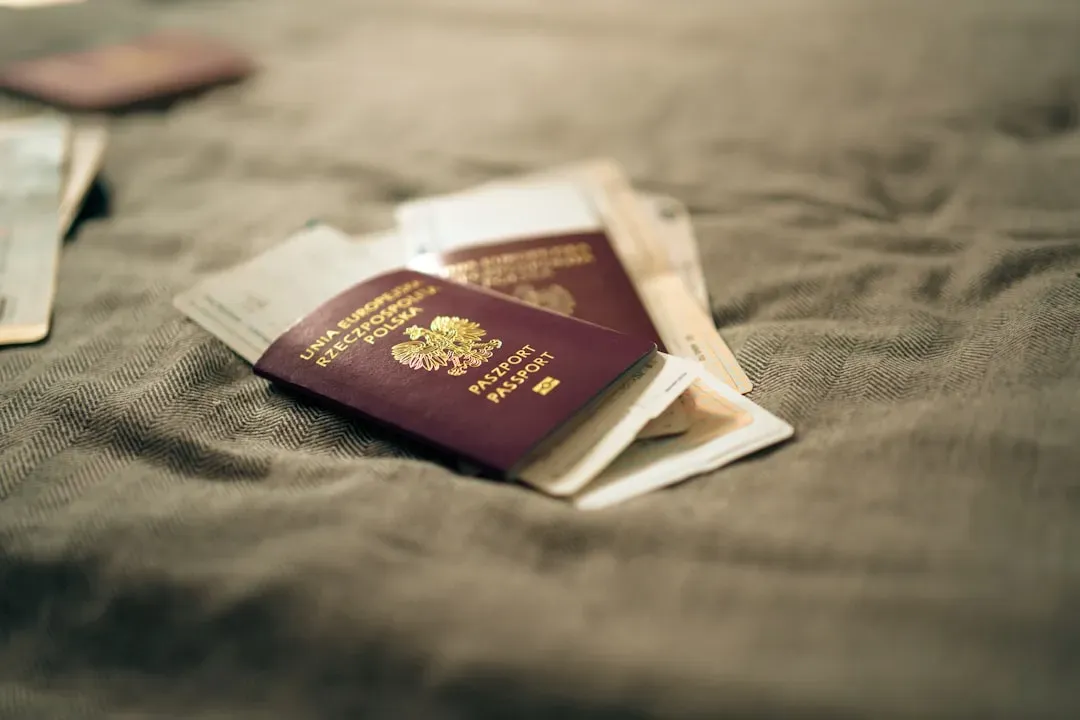
Everyone knows not to check their passport. But travel documents go far beyond a single booklet. Think about this: birth certificates, medical records, contracts, tickets, insurance paperwork, notarized letters. If any of that ends up in a checked bag that goes missing, your trip does not just become inconvenient. It can collapse entirely.
International routes are five times more likely to lose luggage than domestic flights. That means on the exact journeys where your documents matter most, your checked bag is at the highest risk. One in five bags is damaged or pilfered, and one in twenty bags is lost or stolen, which accounts for about 1.8 million bags annually. Staggering numbers when you think about it.
Keep all irreplaceable paperwork in your personal item or carry-on, full stop. Scan everything digitally as a backup before you travel. Nearly half of all flyers avoid checking their bags altogether to prevent possible loss or damage – and this kind of hard-won wisdom is exactly why.
The Bottom Line: Your Checked Bag Is Not a Safe
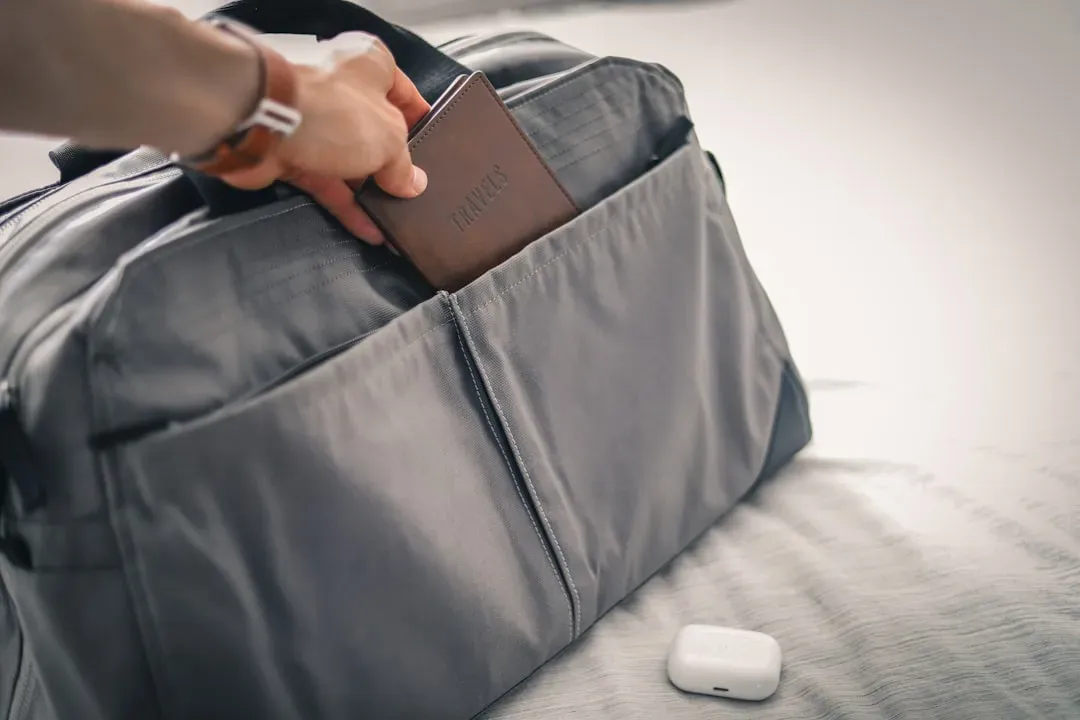
The checked bag is a convenience, not a vault. TSA screens approximately 1.3 million checked bags for explosives and other dangerous items daily, which means countless bags are opened, handled, and inspected by strangers before they ever reach the carousel. Anything valuable, fragile, flammable, battery-powered, or irreplaceable belongs in your hands, not in a bag you cannot see.
The data makes a compelling case for caution. Nearly a third of travelers avoid flying with an airline again after it loses their luggage. That tells you just how damaging these experiences can be. The bigger the airport, the more likely your bag might be targeted. The latest research shows that Dallas-Fort Worth leads the U.S. for the highest incidence of baggage theft, followed by Los Angeles and Atlanta.
Pack smart. The rules around checked baggage exist for safety reasons – some obvious, some genuinely surprising. The nine items on this list cover both ends of that spectrum, from life-threatening fire hazards to quietly stolen medications and irreplaceable memories. A little awareness before you zip up that suitcase goes a very long way.
What would you have packed in your checked bag without a second thought? Tell us in the comments.
Partner offer
Planning a trip to Vegas?
Compare hotel rates and show tickets on VEGAS.com.