Hollywood loves a sure thing, and few bets feel safer than a franchise that has already proven itself somewhere else. For decades, that “somewhere else” has increasingly meant a controller in someone’s hands rather than a script on a desk. When a video game adaptation connects with players and turns a profit, studios take notice, and suddenly a sequel that nobody expected starts moving through development. The pattern shows up again and again once you start looking for it. A game based on a movie, or a game that became a movie, performs well at retail or the box office, and that success becomes the argument for greenlighting a follow-up. Here are ten cases where the numbers behind a video game version did the heavy lifting for a sequel that came after.
1. Mortal Kombat and the arcade cabinet that built a franchise

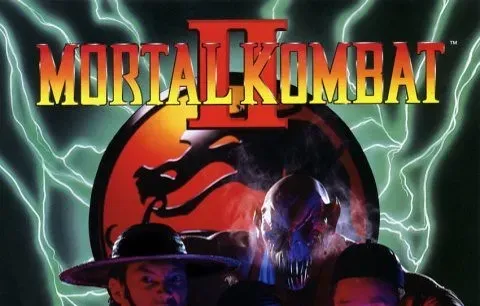
Before there was a movie, there was a fighting game that dominated arcades in the early nineteen nineties with its violent finishing moves and photorealistic digitized characters. That commercial success convinced New Line Cinema to greenlight a film adaptation in 1995, which itself became profitable enough to justify a fast sequel, Mortal Kombat: Annihilation, released just two years later.
The chain reaction did not stop there. The games kept selling through the 2000s and 2010s, and that continued commercial strength eventually led to a 2021 reboot film and a confirmed sequel, proving the original arcade hit’s financial pull still shapes decisions three decades later.
2. Resident Evil turned survival horror sales into six movies

Capcom’s original Resident Evil sold millions of copies on PlayStation in 1996, establishing survival horror as a commercially viable genre almost overnight. That sales performance is why Constantin Film pursued the movie rights, resulting in a 2002 film that made back its budget many times over.
Because the first movie performed well financially, the studio kept the sequels coming, eventually stretching to six entries between 2002 and 2016. Each new game release along the way reinforced the built-in audience that made the film sequels a low-risk proposition for the studio.
3. Tomb Raider’s game sales built Lara Croft’s movie career


Lara Croft was already a bestselling video game character years before Angelina Jolie put on the character’s signature outfit. The original Tomb Raider games sold strongly enough on PlayStation that Paramount Pictures moved quickly to secure film rights, banking on the character’s proven commercial pull.
Lara Croft: Tomb Raider opened in 2001 and performed well enough at the box office to justify a follow-up, Lara Croft Tomb Raider: The Cradle of Life, in 2003. Without the game’s retail success establishing the character’s value first, there is little reason to think a studio would have taken the financial risk on a female led action franchise at that time.
4. Street Fighter’s arcade dominance paved the way for a film sequel

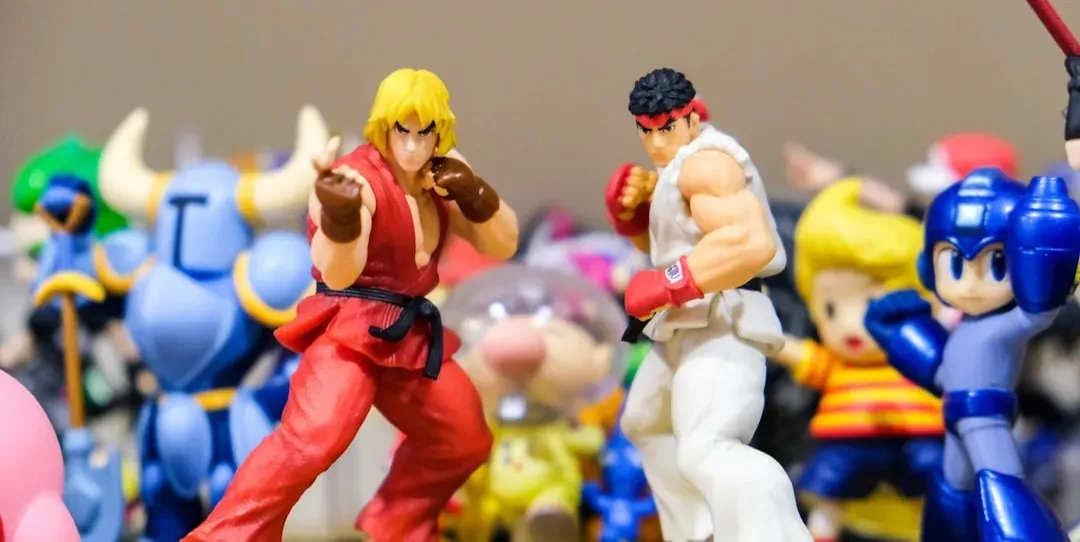
Street Fighter II became one of the defining arcade hits of the early nineties, and its commercial reach across arcades and home consoles gave Capcom significant leverage when negotiating a film deal. The resulting 1994 movie starring Jean Claude Van Damme was not critically praised, but the underlying game’s popularity was strong enough that the franchise continued in other forms.
An animated sequel, Street Fighter II: The Animated Movie, followed the same year in Japan, and later Street Fighter: Assassin’s Fist and other spinoffs kept the film side of the franchise alive. The connective thread through all of it remains the arcade game’s original sales figures, which gave the property enough weight to survive a rocky live action start.
5. Silent Hill’s game success justified a horror movie sequel


Konami’s Silent Hill built a dedicated following through psychological horror mechanics that stood apart from other survival horror titles of its era, and the series sold well enough across multiple platforms to attract film interest. The 2006 movie adaptation, directed by Christophe Gans, grossed close to ninety seven million dollars worldwide against a much smaller budget.
That box office return, paired with the game franchise’s continued sales through new entries, gave Silent Hill: Revelation a green light in 2012. The sequel underperformed compared to the original, but it would not have existed at all without the underlying game series proving there was an audience willing to pay for the experience in any format.
6. Angry Birds turned mobile downloads into an animated franchise

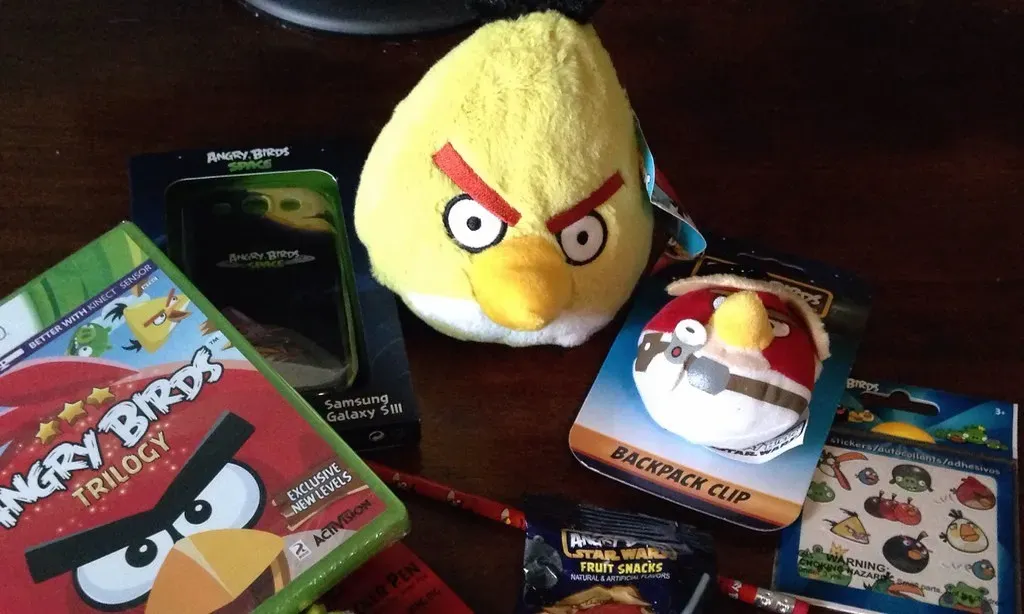
Rovio’s Angry Birds became one of the most downloaded mobile games in history after its 2009 launch, eventually surpassing several billion downloads across its various versions. That staggering reach on phones is the direct reason Sony Pictures Animation and Rovio partnered on The Angry Birds Movie, which opened in 2016 and grossed over three hundred fifty million dollars worldwide.
The film’s box office performance, layered on top of the mobile game’s enormous built in fan base, made The Angry Birds Movie 2 a straightforward decision for the studio. It arrived in 2019, and while it did not match the commercial heights of the first film, it still reflected how thoroughly the mobile game’s popularity had de-risked the entire venture from the start.
7. Sonic the Hedgehog’s game legacy carried three movies and counting

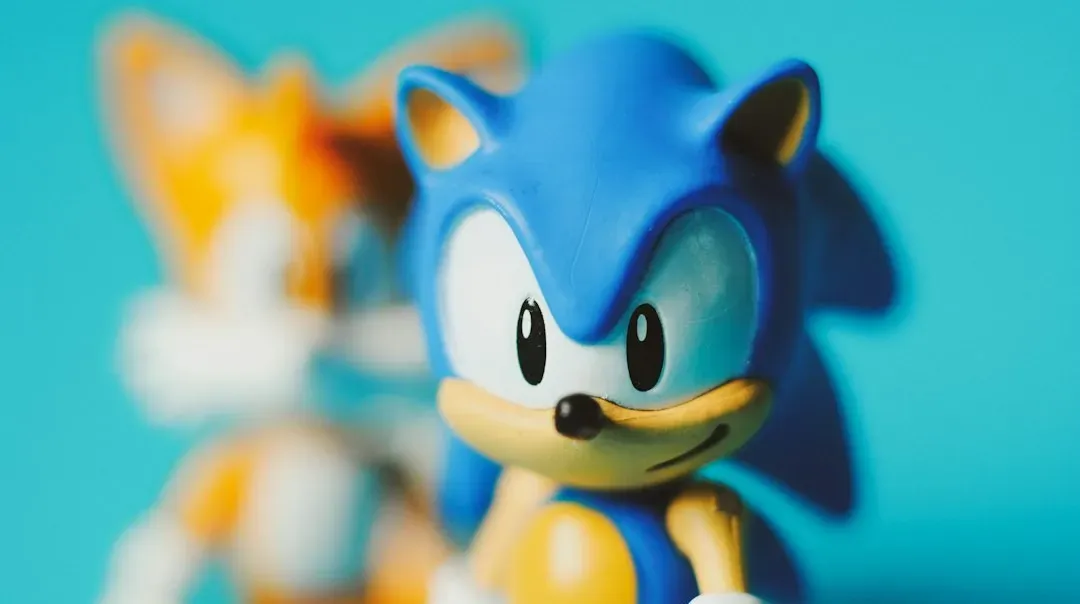
Sonic the Hedgehog debuted on the Sega Genesis in 1991 and became one of gaming’s most recognizable characters, selling tens of millions of copies across decades of sequels and spinoffs. That decades long sales record is why Paramount Pictures pursued a live action hybrid film in 2020, which opened stronger than expected after early character redesign backlash was addressed.
Sonic the Hedgehog grossed over three hundred million dollars worldwide, leading directly to Sonic the Hedgehog 2 in 2022 and Sonic the Hedgehog 3 in 2024, each outperforming the last. The franchise’s continued theatrical momentum traces back to a character whose commercial value was proven on cartridges and discs long before it ever appeared on a movie screen.
8. Uncharted’s game sales made the case for a treasure hunting movie

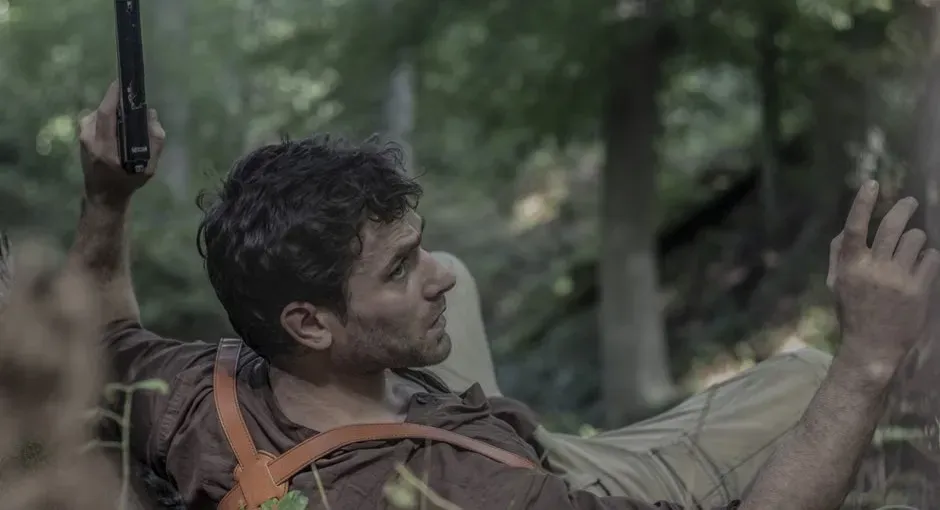
Naughty Dog’s Uncharted series sold tens of millions of copies across the PlayStation 3 and PlayStation 4 generations, built around Nathan Drake’s globe trotting adventures and cinematic set pieces. Sony Pictures spent years developing a film adaptation specifically because the games had already demonstrated there was a large audience for this exact kind of story told through a game console.
The 2022 film starring Tom Holland grossed more than four hundred million dollars worldwide, a result strong enough that a sequel was reported to be in active development in the years that followed. The entire project’s existence, from the first pitch meeting to the sequel talks, rests on the commercial foundation the games built over roughly a decade of releases.
9. Five Nights at Freddy’s turned indie game sales into a horror sequel machine

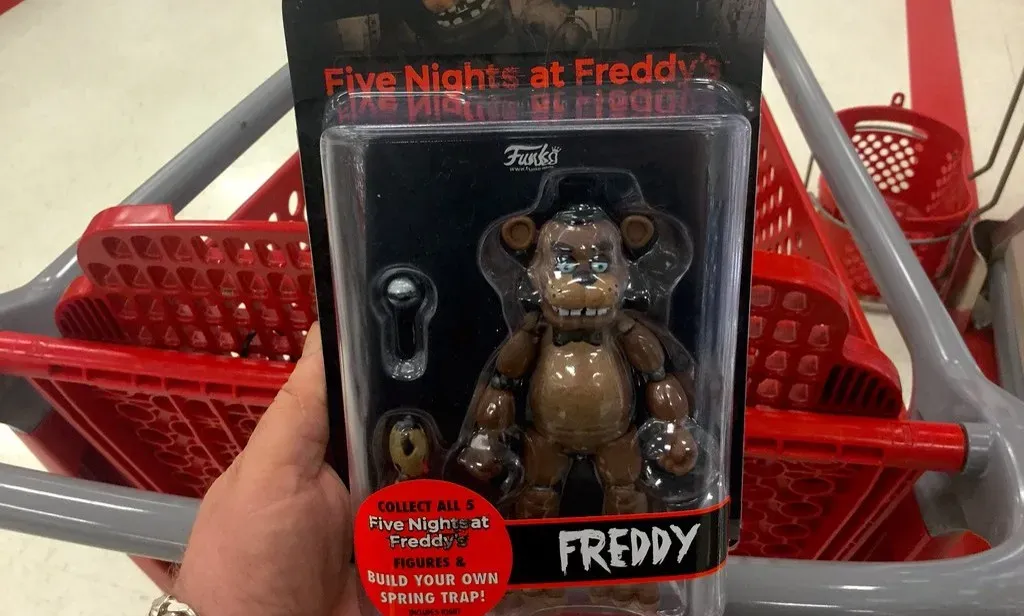
In August 2018, Cawthon said that if the first film were to be successful, there could be a second film that follows the events of the second game. That comment captured exactly how closely tied the film side of this franchise was to the underlying game series, which had already sold enormous numbers of copies and spawned an devoted fan community well before any studio got involved.
The film received generally negative reviews from critics, though it was better received by audiences and fans of the source material, and was a commercial success, grossing $297 million on a budget of $20 million. A sequel, Five Nights at Freddy’s 2, based on the second video game, was released in 2025, with most of the crew returning and most of the main cast reprising their roles. The sequel hit $201.8 million at the worldwide box office within its third week, with a reported production budget between $36-50 million, making it hugely profitable for Universal and Blumhouse.
10. The Super Mario Bros. Movie’s record breaking run guaranteed a follow-up

The 2023 film received mixed reviews from critics but grossed $1.360 billion worldwide, breaking multiple box-office records, including becoming the highest-grossing film based on a video game and the first film based on a video game to reach the billion-dollar mark. That result made a sequel nearly inevitable, and following its box office success, a new animated Mario film was announced to be in development at Illumination in March 2024, with Horvath and Jelenic returning as directors and Fogel as screenwriter.
The follow up, titled The Super Mario Galaxy Movie, is based on the 2007 video game Super Mario Galaxy and its 2010 sequel, as well as Nintendo’s broader Mario franchise, and the sequel to The Super Mario Bros. Movie. It became the first 2026 release to cross one billion dollars at the global box office, showing once again how the decades of accumulated game sales behind Mario gave the studio confidence to keep expanding a franchise that started, quite literally, as a side scrolling cartridge.
Taken together, these ten cases show a consistent pattern rather than a string of coincidences. Studios rarely gamble on a sequel without evidence that an audience already exists, and video game sales figures have become one of the clearest signals available. As game libraries keep growing and crossing into billions of dollars in lifetime revenue, this pipeline from console to theater is likely to keep producing sequels that owe their existence to a joystick rather than a script.