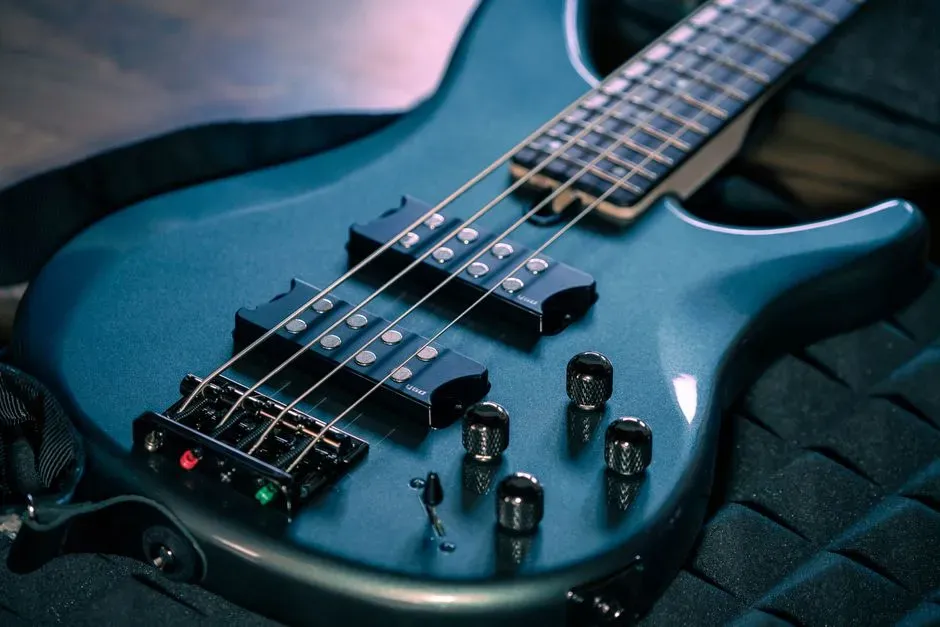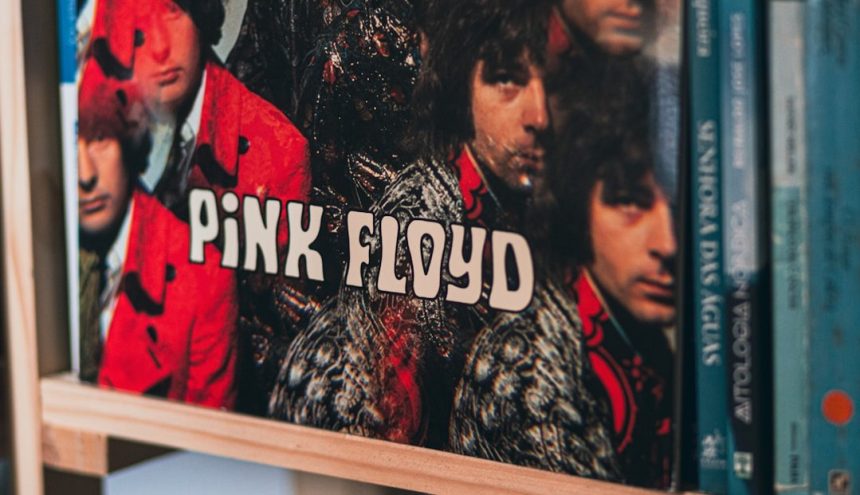
There’s a certain kind of music fan who doesn’t need the vocals to kick in. The moment a bassline drops, they’re already nodding, already naming the track, maybe even mouthing the album title before the singer opens their mouth. Basslines carry a strange kind of memory. They’re rhythmic, they’re physical, and somehow they stick in the brain longer than most melodies ever do. This gallery walks through some of the most instantly recognizable basslines in popular music history, along with the albums that housed them. Some are funky, some are menacing, some are deceptively simple. All of them prove that a great bass part can define a song just as much as any chorus.
Another One Bites the Dust – The Game

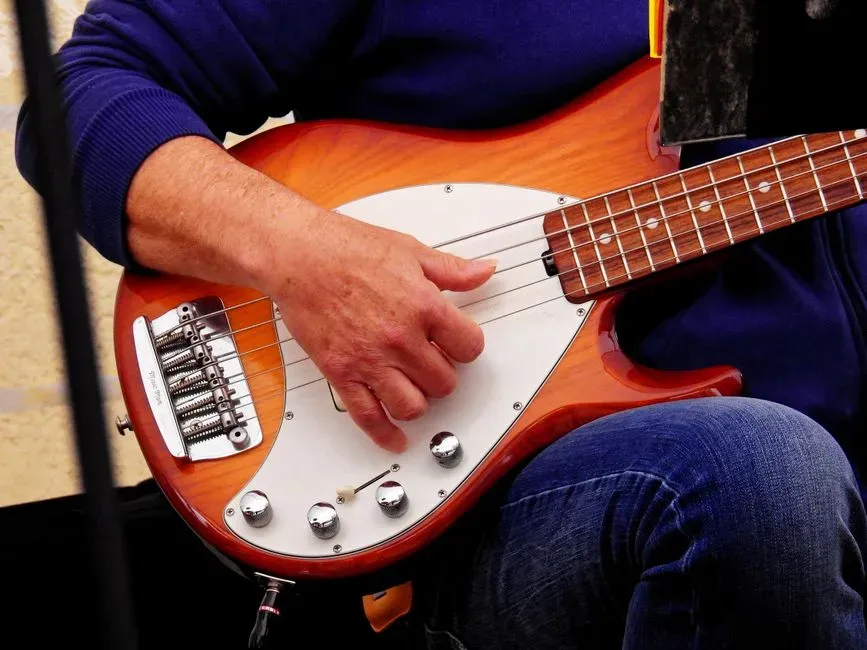
Queen’s 1980 record The Game marked a shift toward a leaner, groove-driven sound, and nowhere is that clearer than on this track. Bassist John Deacon wrote the song almost entirely around a single repeating bass figure, reportedly inspired by his admiration for Chic’s rhythm section. That bassline became so widely sampled and referenced in hip hop that many younger listeners discovered it through other songs before ever hearing the Queen original.
The Game itself was Queen’s first album to go number one in the United States, and this track played a major role in that success. It’s a strange twist that a rock band from London ended up writing one of the most sampled basslines in hip hop history. The simplicity is the trick here, just a handful of notes looped with total confidence.
Billie Jean – Thriller

Thriller remains the best selling album of all time, and the bassline on its lead single is one of the reasons the record still feels alive decades later. Session musician Louis Johnson played the part, built on a synth bass and electric bass combination that gives it an unusually deep, rounded texture. Producer Quincy Jones reportedly kept the drum and bass intro running for almost a minute before Michael Jackson wanted vocals to enter, a decision that became part of the song’s signature tension.
That patience paid off. The groove alone is recognizable within two seconds on nearly any sound system, from car speakers to club systems. It’s one of those basslines that feels engineered for maximum physical response, not just melodic interest.
Come Together – Abbey Road

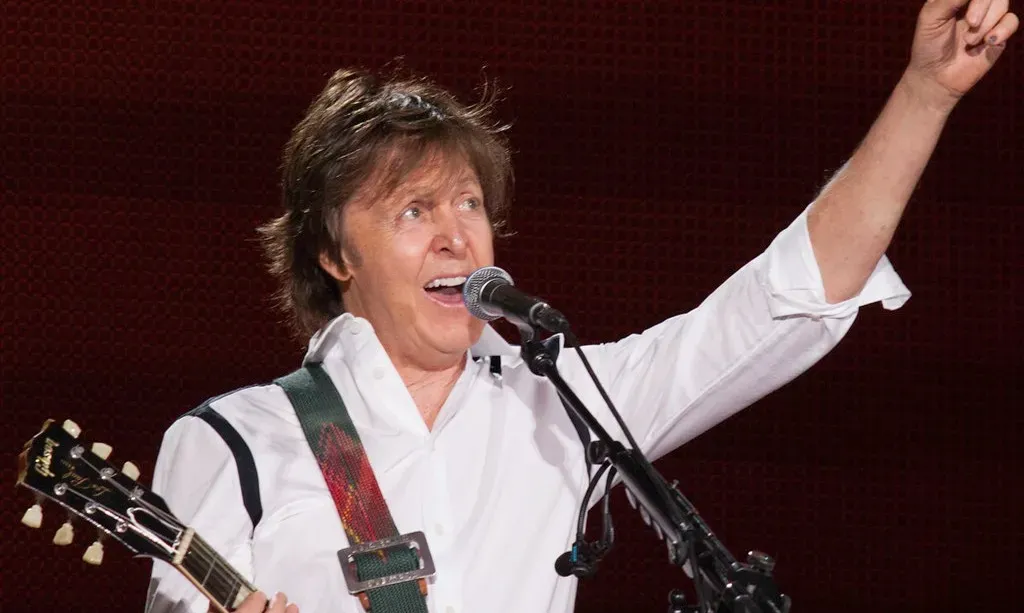
Paul McCartney’s bass work on this Beatles track slithers rather than marches, matching the slow, swampy feel John Lennon wanted for the song. Abbey Road, released in 1969, leaned into more layered production than earlier Beatles records, and the bass sits right at the center of that mix. The line moves independently of the vocal melody, almost like its own separate conversation happening underneath the lyrics.
McCartney has often been credited as one of rock’s most inventive bassists precisely because of tracks like this one, where the bass isn’t just holding down the bottom end but actively shaping the song’s mood. Abbey Road closed out the band’s recording career, and this opening track remains one of its most studied basslines among musicians.
Money – The Dark Side of the Moon

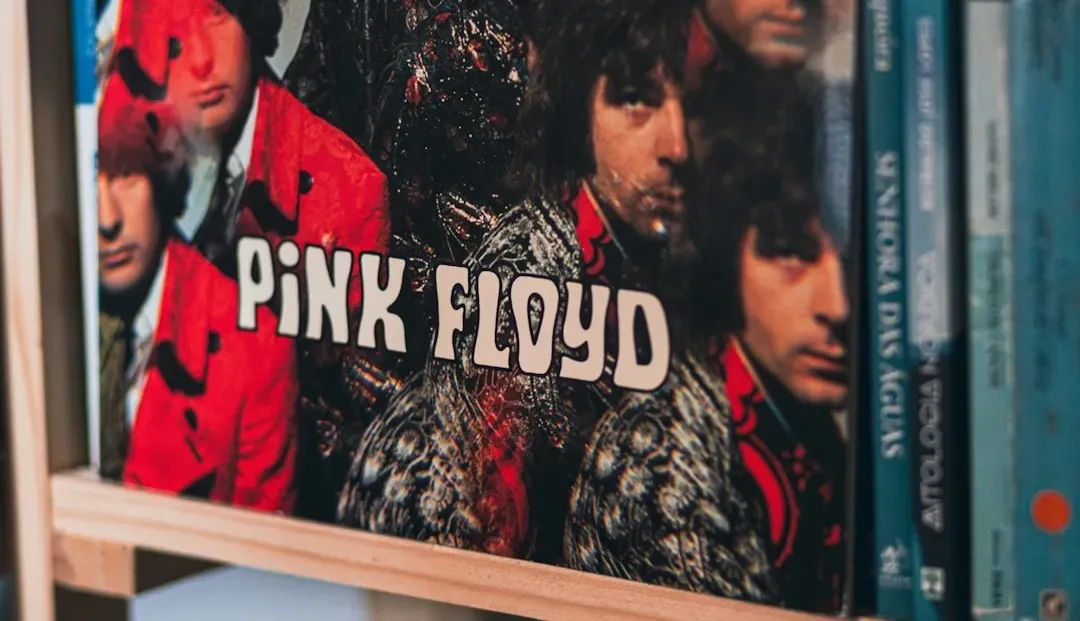
Pink Floyd built this track around an unusual seven beat time signature, and bassist Roger Waters wrote the riff that anchors the whole thing. The 1973 album became a commercial phenomenon, staying on the Billboard 200 for an extraordinarily long stretch of years after its release. The bassline here does something clever, it makes an odd time signature feel completely natural to move to.
Cash register sound effects were layered over the intro, but once the bass and drums lock in, the groove takes over entirely. It’s a good example of a bassline carrying structural weight, not just decoration. Musicians still point to this riff as a masterclass in writing something technically tricky that still sounds effortless.
Good Times – Risqué

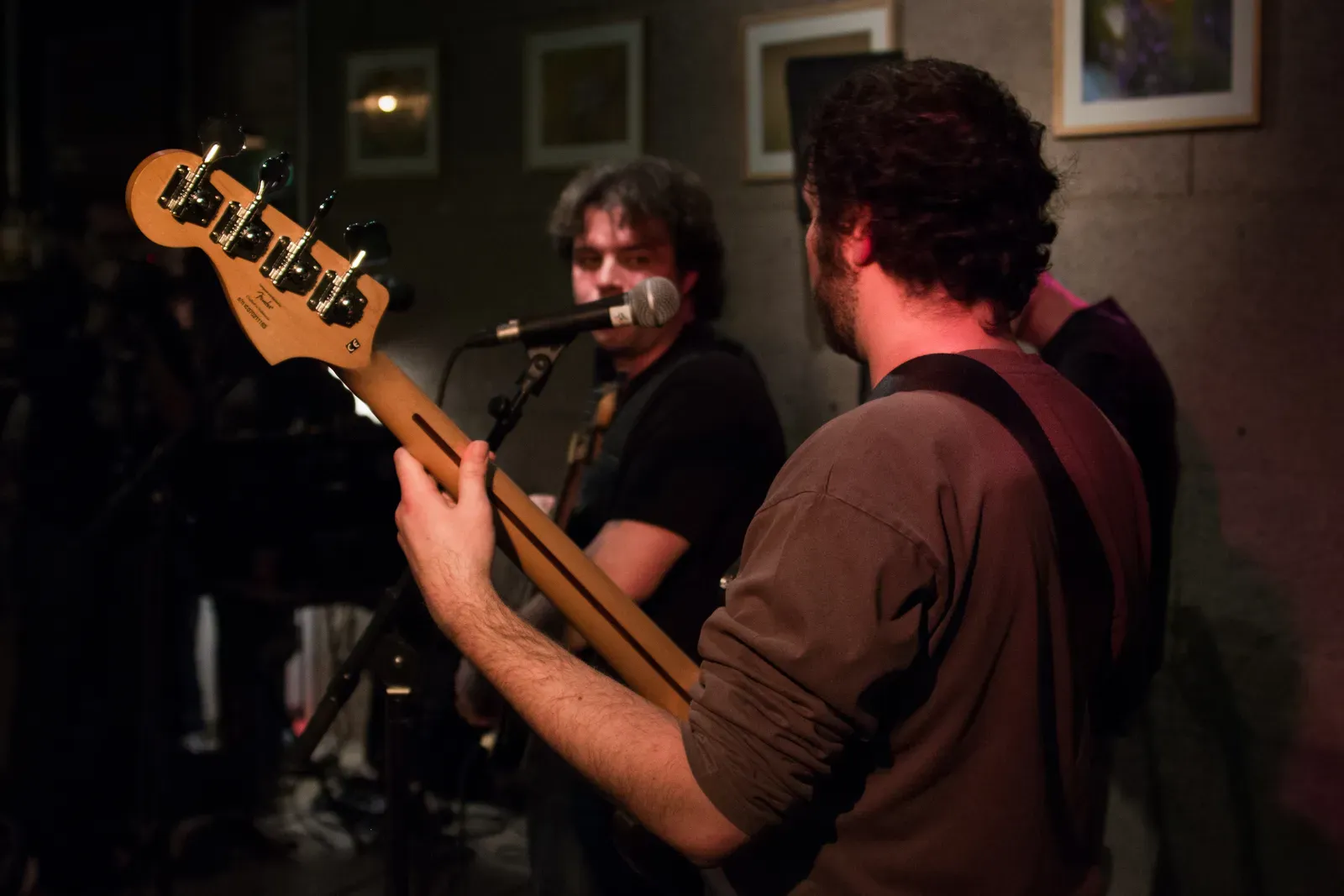
Chic’s Bernard Edwards created one of the most influential basslines in modern music history on this 1979 track from the album Risqué. That same bass pattern was later used as the foundation for The Sugarhill Gang’s Rapper’s Delight, which effectively helped launch hip hop into the mainstream. Few basslines can claim to have shaped two entirely different genres, but this one managed it.
Edwards played with a percussive, almost slap-adjacent style that gave disco a harder, funkier edge than a lot of its contemporaries. Risqué didn’t reach the commercial heights of some other disco records at the time, yet its influence on sampling culture arguably outlasts most of them. That bassline still shows up in remixes and covers on a regular basis.
Seven Nation Army – Elephant

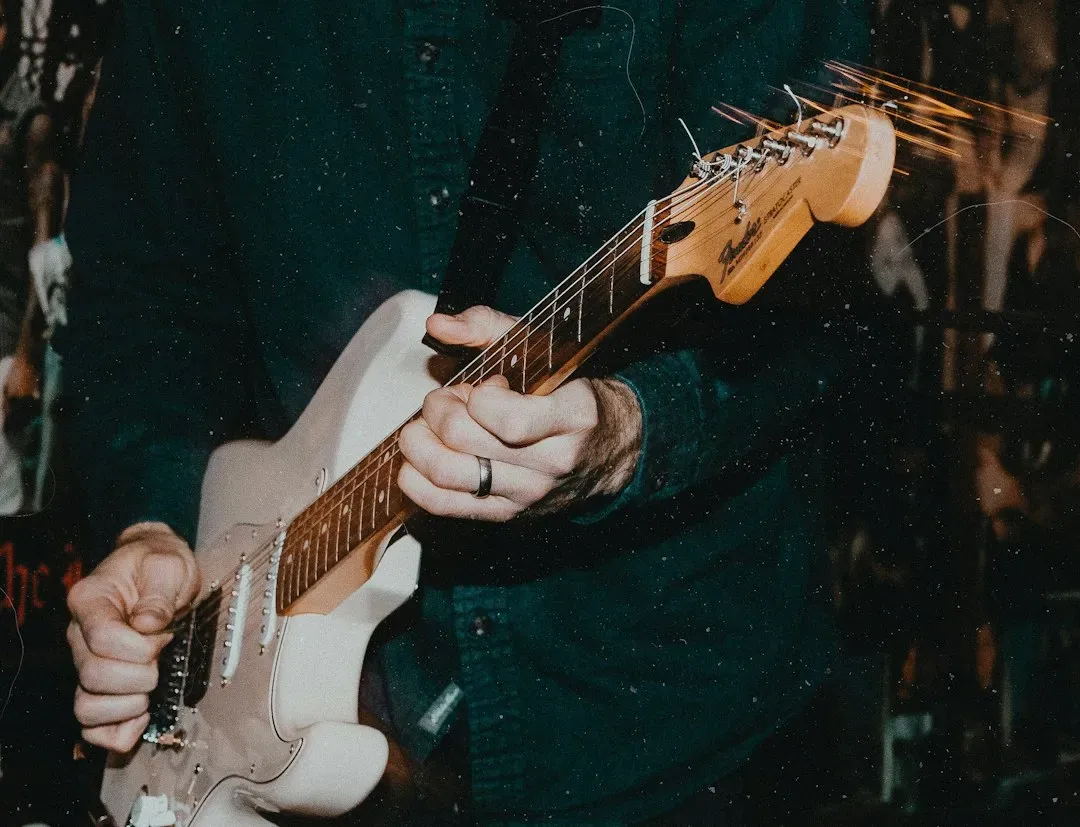
Here’s a twist for the trivia lovers: that iconic descending riff isn’t actually a bass guitar at all. Jack White played it on a guitar run through a pitch-shifting effects pedal called a DigiTech Whammy, making it sound an octave lower than it really is. The trick worked so well that most listeners assume it’s bass, and the riff has become one of the most recognizable in modern rock regardless of the technicality.
Elephant, released in 2003, won the Grammy for Best Alternative Music Album, and this opening track became the band’s signature song. Sports stadiums around the world adopted the riff as a chant, stripped of the guitar entirely and hummed by crowds. It’s proof that a great low-end hook doesn’t need an actual bass guitar to feel like one.
Longview – Dookie

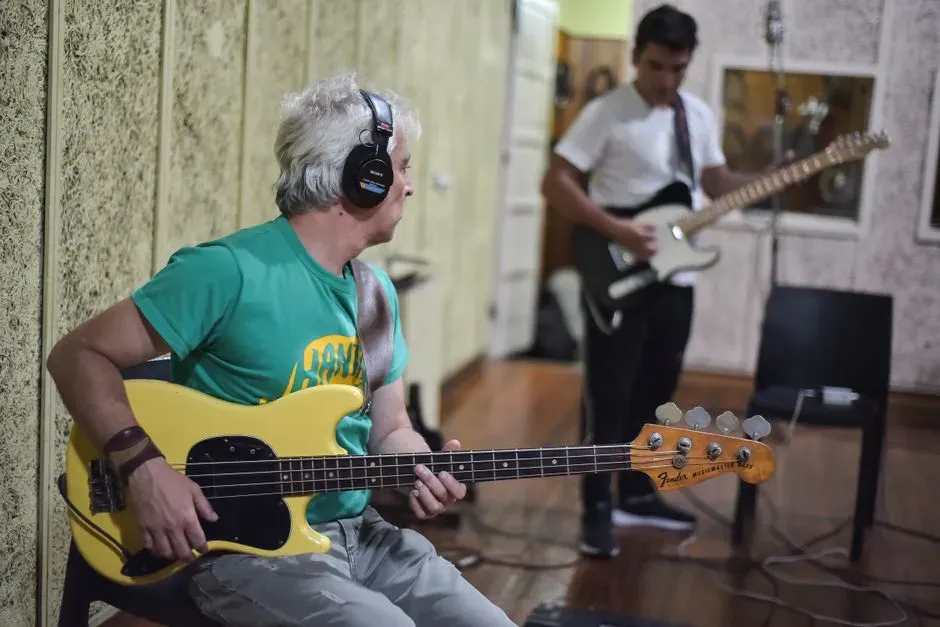
Green Day bassist Mike Dirnt reportedly wrote this bassline while experimenting during a period the band has described as creatively frustrating, and it ended up becoming the backbone of one of the defining songs on Dookie. Released in 1994, Dookie helped push pop punk into mainstream rock radio and MTV rotation. The bass carries almost the entire verse on its own before the guitars crash in for the chorus.
That contrast, a loose and slightly sloppy verse groove versus an explosive chorus, became something of a blueprint for the genre going forward. Dirnt’s playing on this track is often cited by bass students as an entry point into punk bass technique. It sounds simple on the surface, but the timing and feel are harder to replicate than they seem.
Higher Ground – Mother’s Milk

Red Hot Chili Peppers bassist Flea took Stevie Wonder’s original composition and gave it a slap-heavy, aggressive reinterpretation on their 1989 album Mother’s Milk. Flea’s playing style, influenced by funk pioneers like Larry Graham, brought a percussive intensity that turned the cover into something distinct from the Motown original. It became one of the tracks that helped introduce the band to a wider rock audience heading into the 1990s.
Flea has often been ranked among the most technically skilled and physically expressive bassists in rock music, and this track is frequently used as an example of why. The bassline doesn’t just support the song, it practically leads it. For a lot of listeners, this cover was their introduction to just how much personality a bass part can carry.
My Generation – The Who

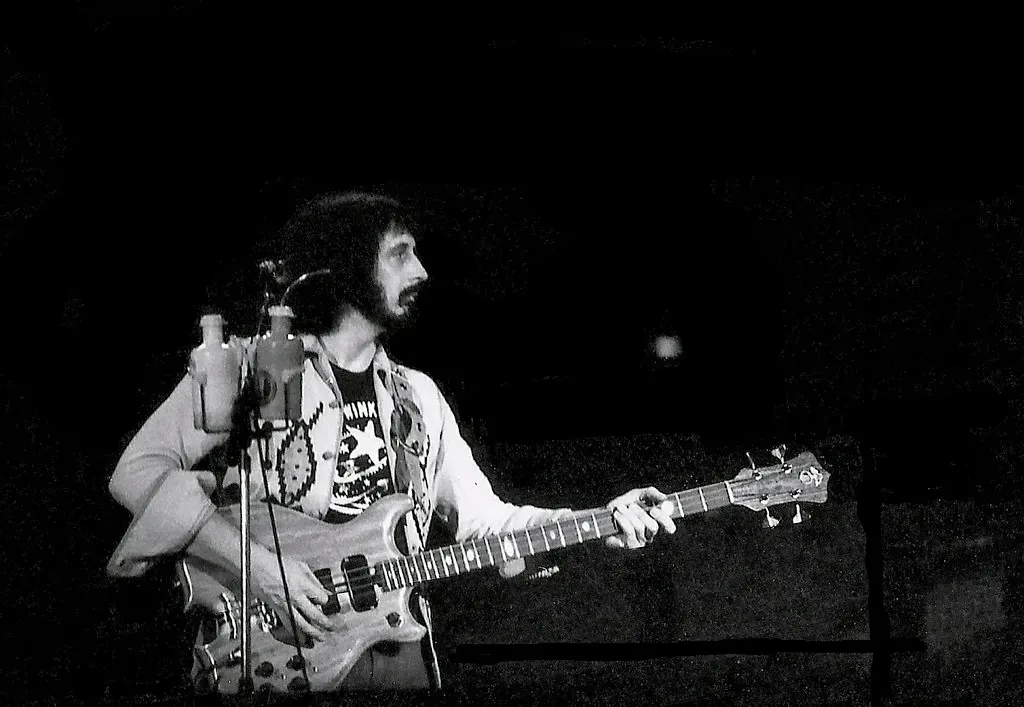
John Entwistle’s bass solo on this 1965 track was considered groundbreaking at the time, partly because bass solos in rock music were still a rare concept. Entwistle played with a speed and clarity that pushed the instrument beyond its usual rhythm section role, treating it almost like a lead guitar. The song appeared on The Who’s debut album, also titled My Generation, and it helped establish the band’s reputation for aggressive, boundary pushing musicianship.
Entwistle later became known among musicians as one of the first bassists to genuinely front a rock arrangement rather than sit behind it. His playing style influenced generations of rock and metal bassists who wanted the instrument to do more than hold down a root note. This track remains a touchstone anytime the conversation turns to bass players who changed what the instrument could do.
Final Thoughts