
Music history is full of songs that arrived quietly, misunderstood or simply ignored, only to be discovered years later by an audience that finally caught up with them. Some were too long for radio. Others were too strange, too honest, or just unlucky with timing. A handful of record labels even shelved them entirely, convinced nobody would care.
What follows is a look at ten songs where the initial reaction ranged from lukewarm to outright dismissal, and where legacy turned out to be a very different story from the chart position. These are songs that genuinely took time to become what they are today.
1. “Hallelujah” – Leonard Cohen (1984)

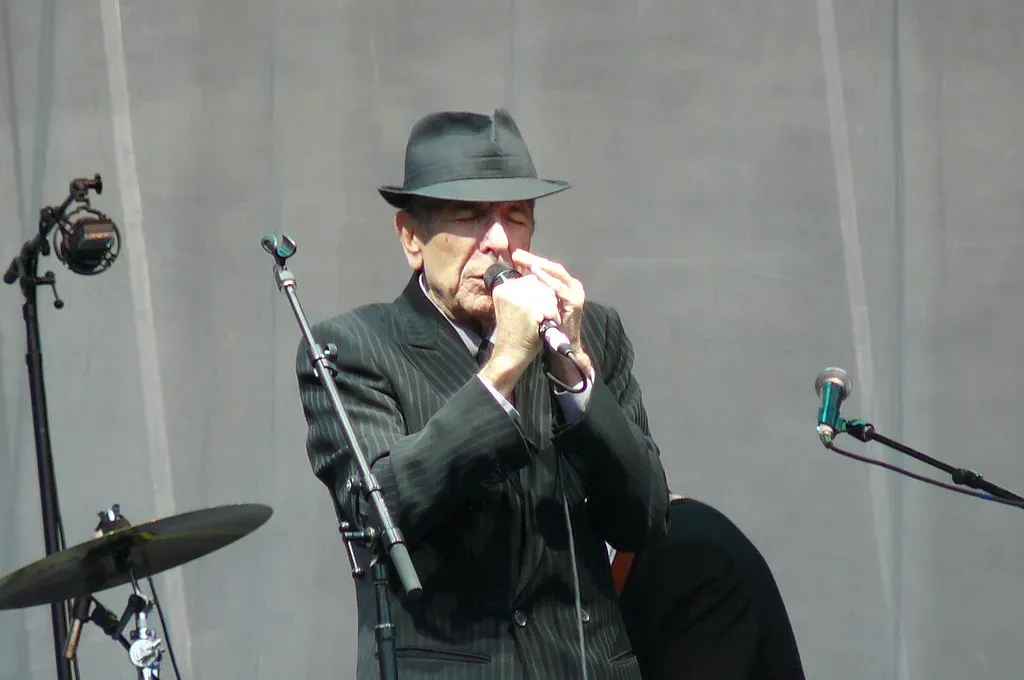
Leonard Cohen’s “Hallelujah,” released in 1984, is now recognized as one of the most covered and revered songs in music history. At first, though, Cohen’s version was largely overlooked, with his album “Various Positions” even being rejected by his American label. The song’s dense biblical imagery and shifting, ambiguous lyrical structure puzzled critics who expected something more straightforward from Cohen.
The tide began to turn a decade later when Jeff Buckley recorded his haunting, ethereal cover in 1994. Even so, Buckley’s version didn’t chart until years after his own tragic death in 1997. During the early 2000s, “Hallelujah” appeared in key moments on television shows like “The O.C.” and in films, sparking a resurgence, and by 2008, Buckley’s version reached the top spot on Billboard’s Hot Digital Songs chart. Today the song has been recorded by well over 300 artists and stands as one of the most covered pieces in the history of popular music.
2. “Creep” – Radiohead (1992)

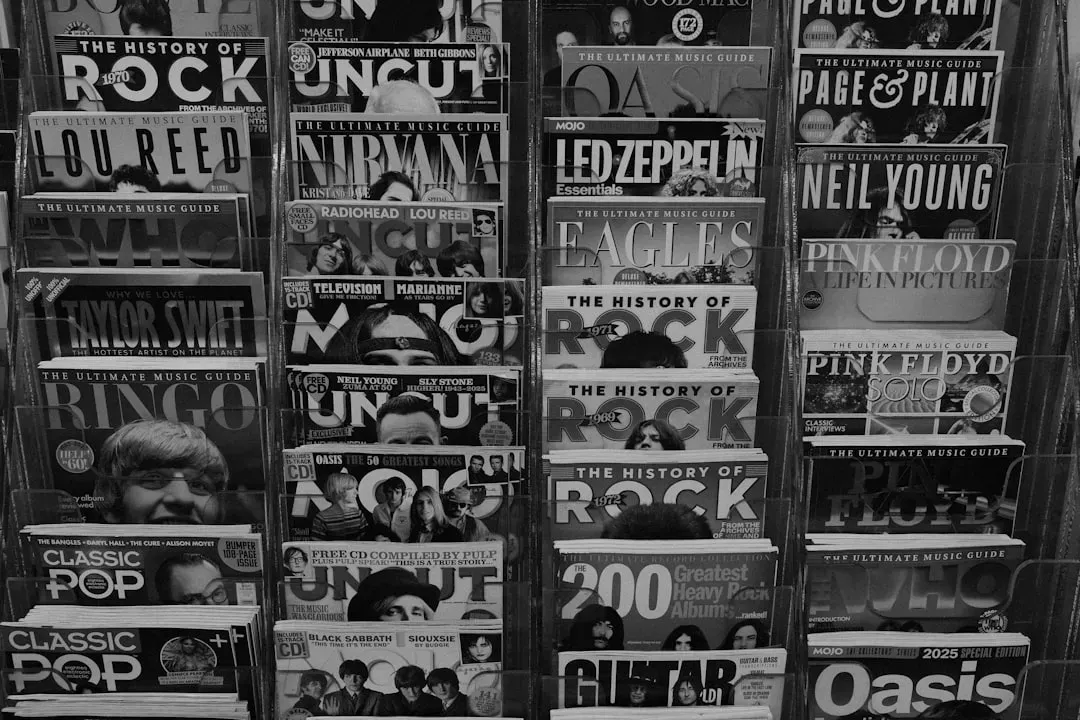
Back in 1993, Radiohead’s first single release “Creep” failed to make an impression, missing the UK Top 75 altogether. It wasn’t all over for the future classic though, as it had another go and reached number 7. After recording “Creep,” Radiohead and their label deemed it too depressing and shelved it. Months later, a radio DJ found the promotional single and started playing it, generating unexpected demand from listeners.
The song that would define an entire generation’s angst was initially deemed too weird, too depressing, too everything. Radio programmers didn’t get it, and record executives scratched their heads. Even after its official release, the band grew to dislike performing their breakthrough hit, derisively nicknaming it “Crap.” None of that stopped “Creep” from becoming a defining anthem of alternative rock, still played at sold-out arenas decades later.
3. “Layla” – Derek and the Dominos (1970)


The album “Layla and Other Assorted Love Songs” opened to lacklustre sales, as the Derek and the Dominos album never actually reached the music charts in the United Kingdom, possibly in part because Clapton’s name was found only on the back cover. The song’s length also proved prohibitive for radio airplay. As a result, a shortened version of the song, consisting of the first 2:43 of Part I, was released as a single in March 1971 by Atco Records in the United States, and that version peaked at number 51 on the Billboard Hot 100.
When “Layla” was re-released on the 1972 compilations “The History of Eric Clapton” and Duane Allman’s “An Anthology,” and then released as the full 7:10 version as a single, it charted at number seven in the United Kingdom and reached number 10 in the United States. “Layla” is now featured on a number of “greatest ever” lists, including the Rock and Roll Hall of Fame’s 500 Songs that Shaped Rock and Roll and 27th place on Rolling Stone’s The 500 Greatest Songs of All Time. The irony is that Clapton deliberately hid his own name to avoid the limelight, and nearly buried the song in the process.
4. “Heroes” – David Bowie (1977)

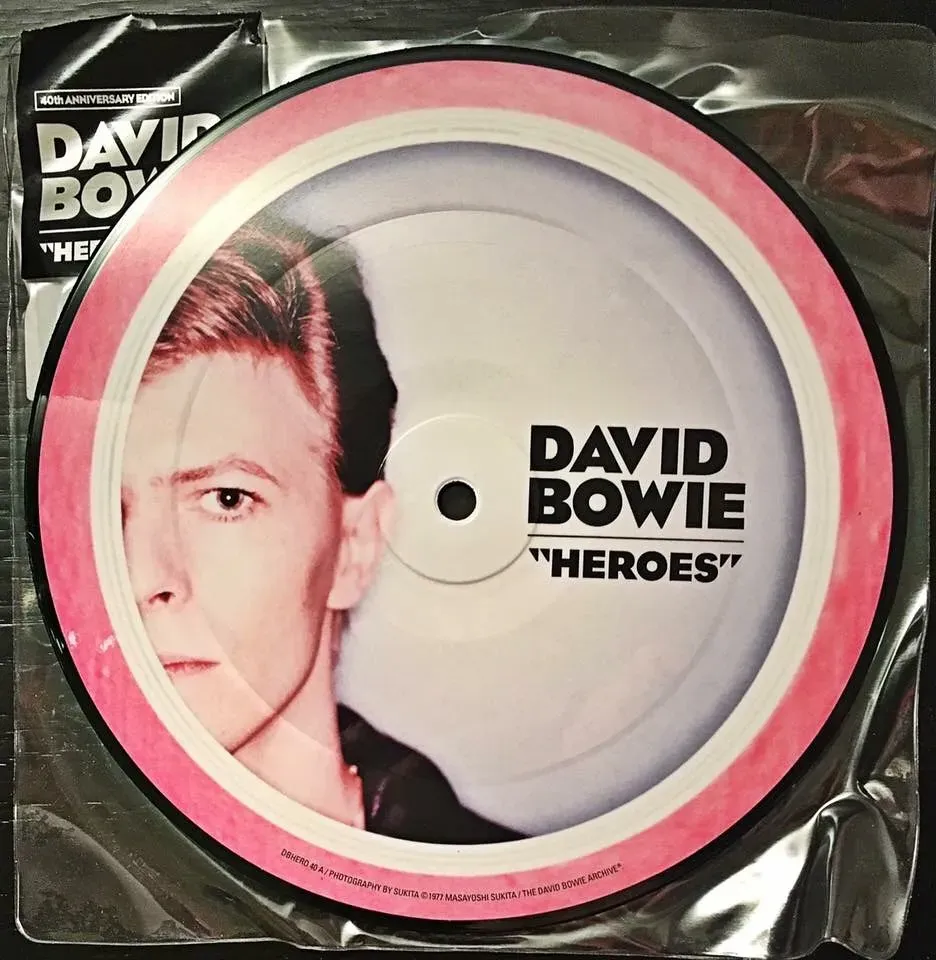
David Bowie’s “Heroes” wasn’t a commercial juggernaut when it debuted in 1977. It barely made a dent in the UK or US charts, surprising fans and critics alike. The song’s powerful story, two lovers meeting at the Berlin Wall and dreaming of freedom, wasn’t immediately embraced. Bowie was deep in his experimental Berlin period, and the sound was far removed from what casual listeners expected from him.
With time, “Heroes” became an anthem for resilience and hope, especially after Bowie’s death in 2016, when its streaming numbers soared. The song’s meaning expanded well beyond its original recording, becoming a reference point for everything from stadium sport to political change. It’s now considered one of the greatest rock recordings ever made, a status that was completely invisible to most people in 1977.
5. “God Only Knows” – The Beach Boys (1966)

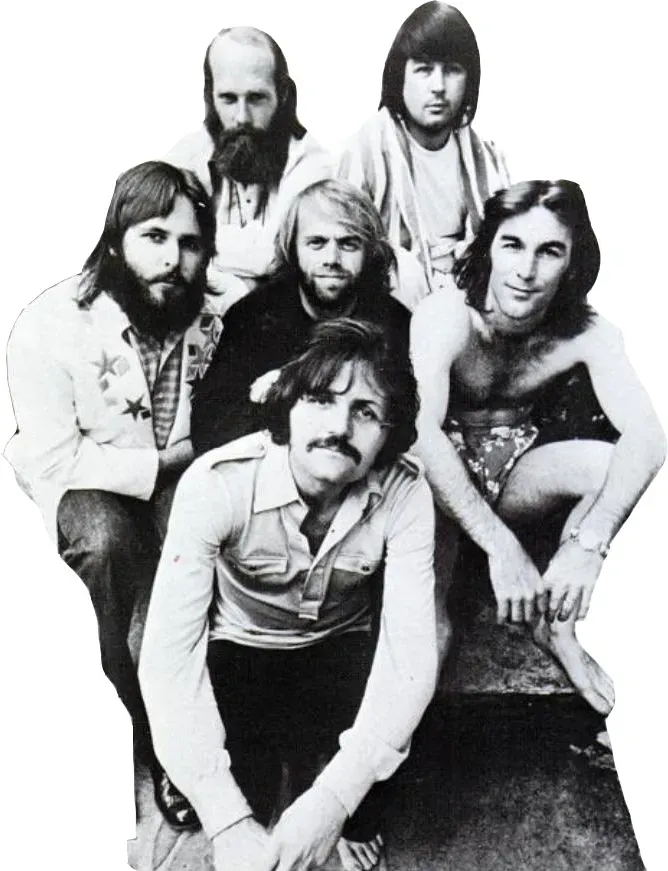
When The Beach Boys released “God Only Knows” in 1966, it was tucked away as a B-side in America, a risky move considering the use of the word “God” in the title was controversial at the time. Critics and radio programmers were hesitant, and it didn’t immediately catch fire on the charts. The song’s orchestral arrangements and unusually confessional tone set it apart from everything else on the radio, which turned out to be both its burden and its gift.
Beach Boys fans expecting more carefree celebrations of cars and girls and surfing rendered in precise All-American harmonies wouldn’t have been sure what to make of the intricate, impressionistic orchestral-pop arrangements Brian Wilson laid on them. Though “Sloop John B” and “Wouldn’t It Be Nice” were both Top 10 hits, “Pet Sounds” was the group’s lowest-charting LP of original material since their 1962 debut. Decades of critical reassessment have since placed “God Only Knows” among the finest pop songs ever written.
Partner offer

6. “Redemption Song” – Bob Marley (1980)

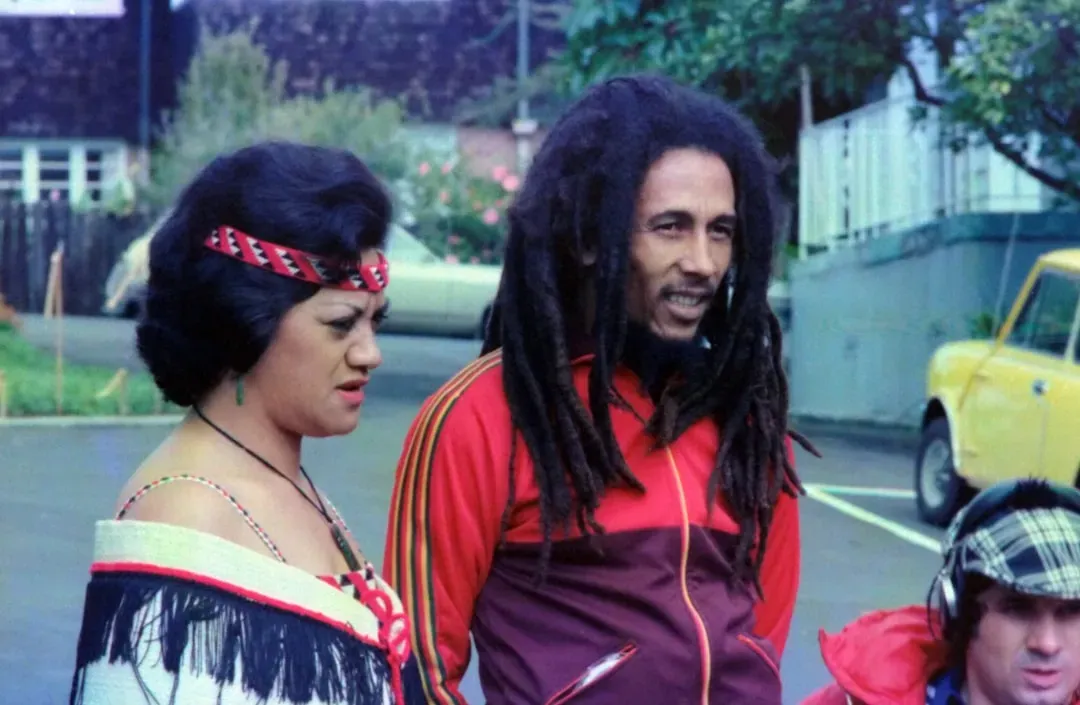
Released as part of his final album, “Redemption Song” wasn’t an immediate chart success for Bob Marley. It didn’t have the reggae bounce of his other hits, and some listeners overlooked its acoustic simplicity. But over time, its message of freedom, hope, and the power to overcome adversity began to resonate more deeply. The sparse acoustic guitar arrangement felt almost radical for an artist whose sound was so closely tied to a full band.
Countless artists, from Johnny Cash to Rihanna, have covered the song, giving it new life and meaning with every generation. “Redemption Song” remains one of Marley’s most widely recognized and impactful works, often cited in discussions about music’s role in activism and change. It’s remarkable that a song recorded as Marley was battling terminal illness, and released with relatively little fanfare, ended up becoming his most enduring statement.
7. “Truth Hurts” – Lizzo (2017)

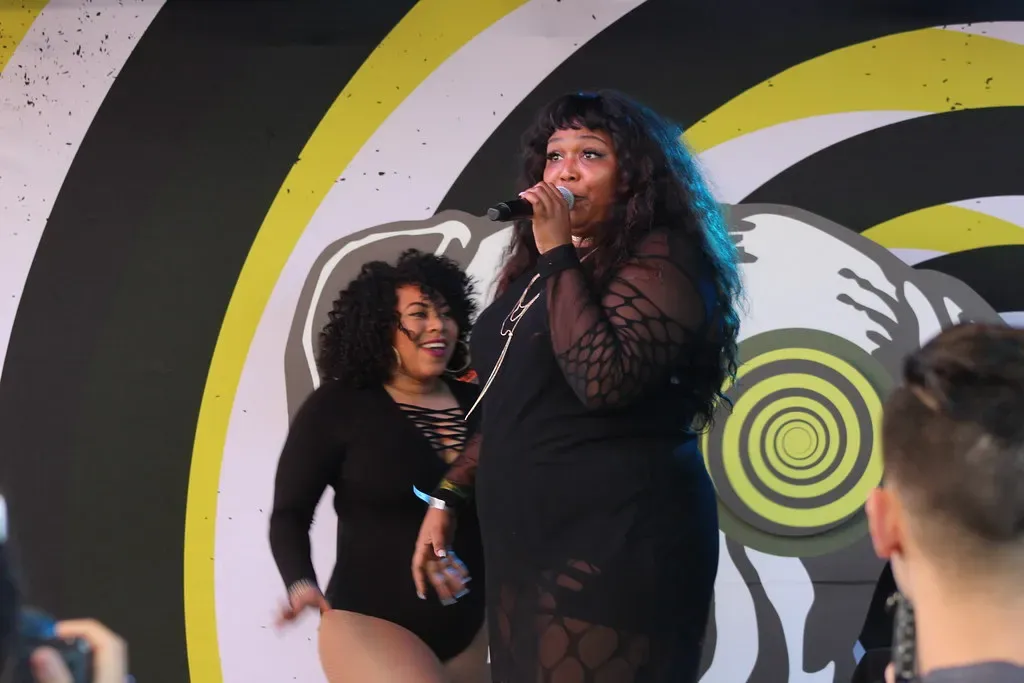
While “Truth Hurts” initially came out in 2017, it didn’t really blow up until 2019 when it was picked up by TikTok users. On the social media platform, Lizzo found newly dedicated fans who championed the song and sent it climbing the charts. For two years it had sat largely dormant, an afterthought on an independent release with minimal promotion and no real radio support.
In 2019, “Truth Hurts” rocketed to number one on the Billboard Hot 100 and stayed there for seven weeks. Lizzo’s journey with “Truth Hurts” proves how a single moment in pop culture can revive a song, transforming it from forgotten to unforgettable. The delayed success also made Lizzo the first Black solo female R&B singer to top the Hot 100 since Rihanna in 2012. The song’s second life was arguably bigger and more culturally significant than anything a conventional release could have generated.
8. “Running Up That Hill” – Kate Bush (1985)

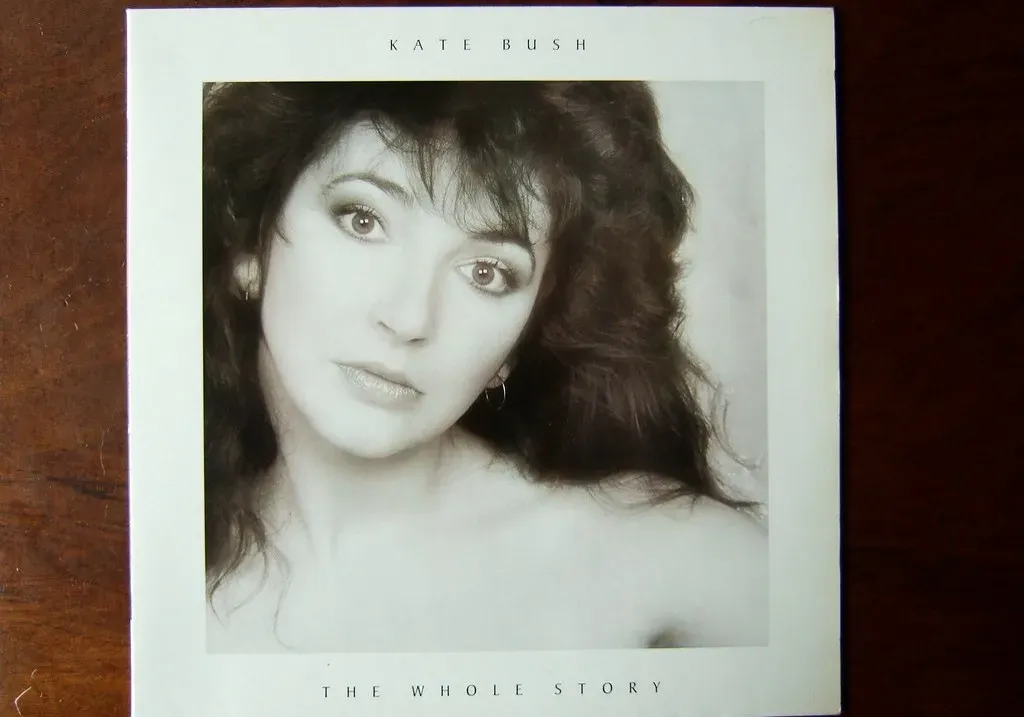
Kate Bush’s “Running Up That Hill” was a UK hit in 1985, reaching number three on the British charts, but it only managed a modest peak on the US Billboard Hot 100. For decades, the song remained a cult favorite, beloved by fans but largely forgotten by the mainstream. It had the feel of a song that serious music listeners knew and loved quietly, without it ever breaking into wider popular consciousness.
In 2022, the supernatural drama “Stranger Things” featured the track in a pivotal scene, sparking a massive resurgence. The song shot to number one on charts in Australia, Sweden, and several other countries, and became Bush’s first US top 10 hit, thirty-seven years after its release. The astonishing revival demonstrated just how powerful a television show can be in reintroducing classic music to new generations. Few comebacks in modern pop history have been as dramatic or as earned.
9. “Tiny Dancer” – Elton John (1971)

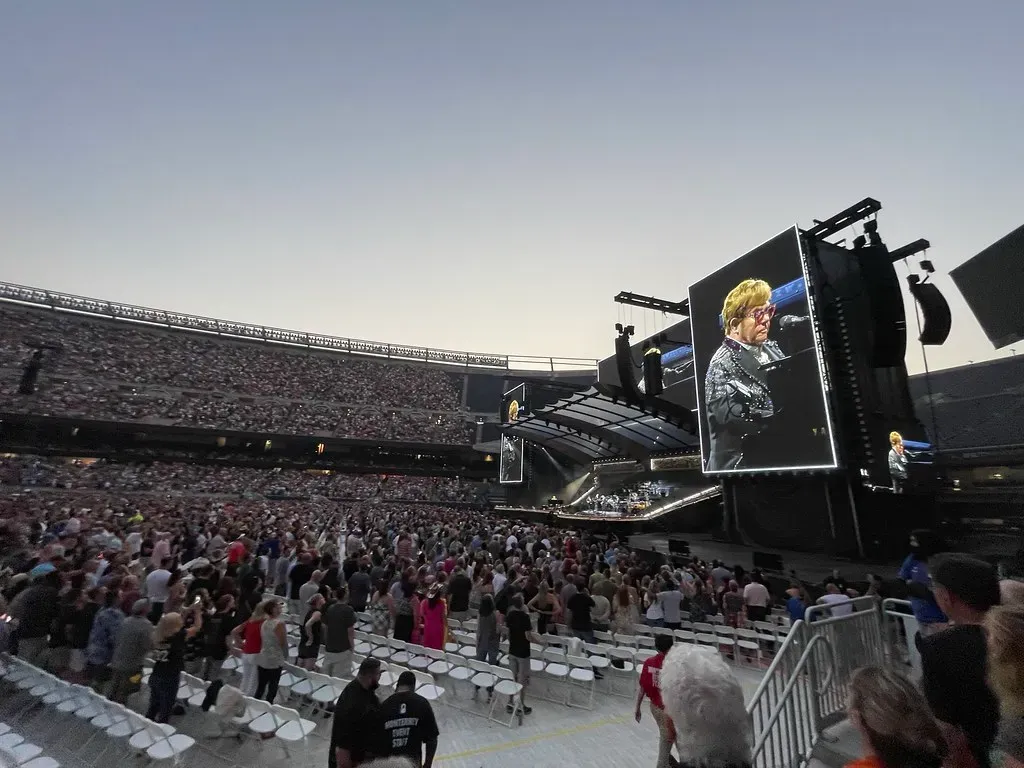
Elton John’s “Tiny Dancer” peaked at number 41 in 1972. It achieved iconic status decades later, especially after its prominent use in the Cameron Crowe film “Almost Famous.” Part of the reason it didn’t get enough radio play was its running time of over six minutes. Today that length adds to its appeal, as the listener gets to enjoy two and a half minutes of colorful, picture-painting lyrics before the payoff of that first chorus.
The song was simply too long and too cinematic for the radio format of its era. It drifted into the background of Elton John’s catalog, sandwiched between bigger commercial hits. The “Almost Famous” scene changed everything: suddenly “Tiny Dancer” had a visual memory attached to it, and a whole new generation heard it as if for the first time. It’s now one of the most recognizable songs in classic rock, which says something about the gap between chart performance and actual staying power.
10. “Bohemian Rhapsody” – Queen (1975)

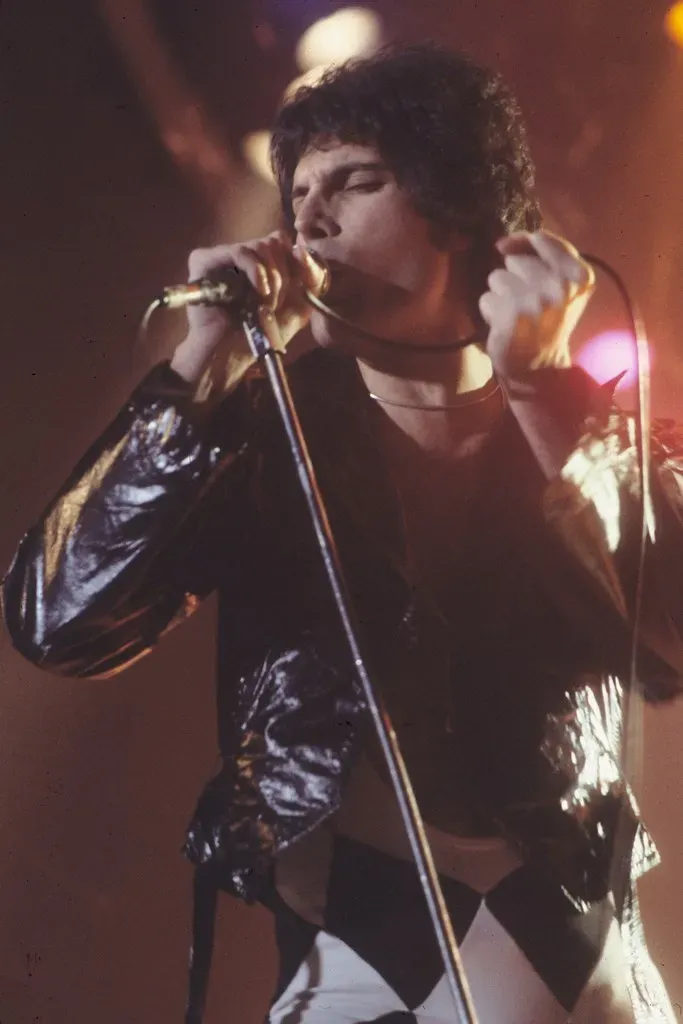
The nearly six-minute song was an intimidating length for radio programmers at the time, and the record company, along with several fellow musicians, doubted that it would be a hit because it went on too long. The song got its big break after Kenny Everett played it on his Capital Radio show in fragments to tease listeners, managing to play it fourteen times within two days. Although the song has become one of the most revered in popular music history, the initial critical reaction was mixed. UK music papers reacted with bemusement, recognizing that the song was original and technically accomplished, but mostly remaining indifferent.
In the US, “Bohemian Rhapsody” hit the Billboard Top 40 charts in three different decades, reaching number nine on its original release in 1975, number two in 1992 after being featured in the film “Wayne’s World,” and hitting the Top 40 once more in 2018 upon the release of the Queen biopic. In November 2025, the track topped the Official Singles Sales chart in the United Kingdom, more than fifty years after it was first released, because it was re-released on vinyl to celebrate its 50th anniversary. A song that was once considered too strange for radio is now the only single to have been UK Christmas number one twice with the same version. That might be the most extraordinary second act in the history of popular music.
What connects all ten of these songs is not genius, or at least not genius alone. It’s timing, context, and the strange, unpredictable way that culture catches up with art. Radio gatekeepers rejected several of them outright. Others simply needed a film scene, a TV show, or a social media moment to find the audience that was always waiting. The chart position on release week turned out to be nearly meaningless. What stuck was everything else.
Partner offer
Planning a trip to Vegas?
Compare hotel rates and show tickets on VEGAS.com.