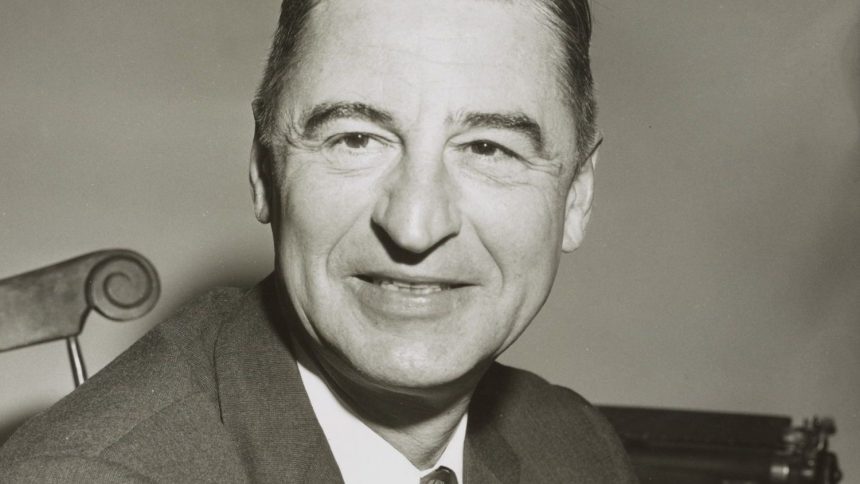
Publishing a book is rarely just about putting words on a page. For some of history’s most celebrated authors, the harder fight was simply agreeing to let their work exist at all. Whether they threw manuscripts in the trash, buried them in hat boxes, or paid out of their own pockets just to get them printed, these writers needed someone else to believe first.
The stories behind these books are, in many ways, more compelling than the rejection letters. They reveal writers gripped by self-doubt, practical exhaustion, or a fundamental belief that their work wasn’t worth finishing. What changed their minds was rarely a sudden surge of confidence. More often, it was a spouse, a daughter, a friend, or a stranger who stepped in and said: keep going.
1. Stephen King – Carrie

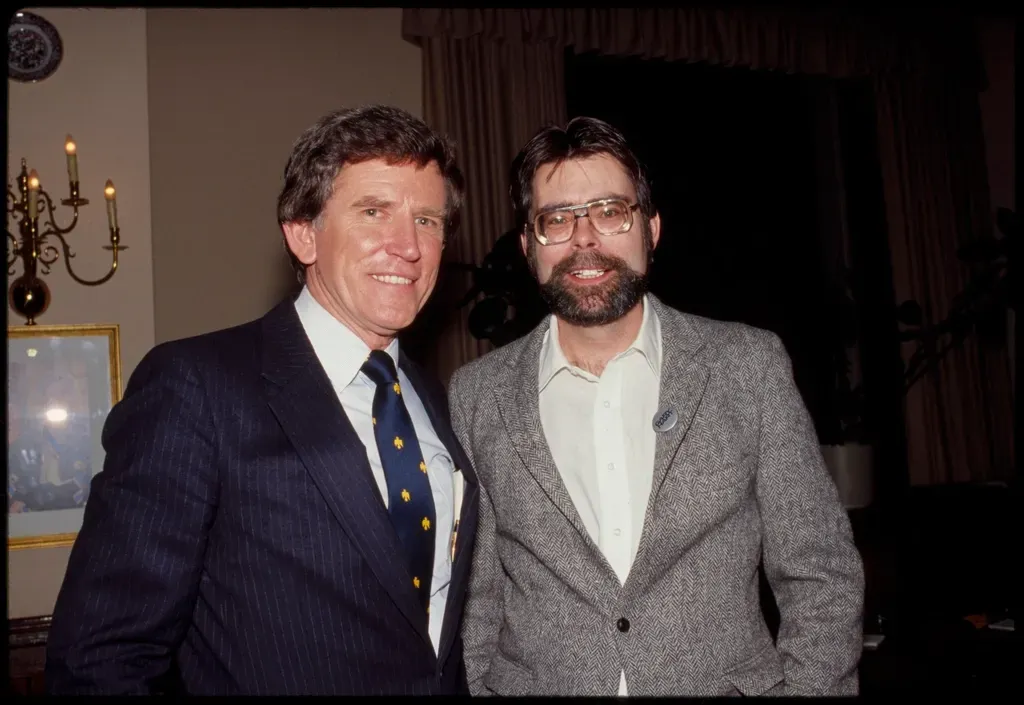
King wrote the first three pages of Carrie, then tossed them in the trash because he “hated it,” explaining he couldn’t relate to Carrie’s problems and the story “didn’t move him emotionally.” He was working multiple jobs at the time, living under real financial pressure, and couldn’t imagine the story going anywhere worth reading.
Though King initially gave up on Carrie due to discomfort and apathy, and felt it would never be successful, his wife Tabitha persuaded him to continue writing, and rescued the first three pages of the story from the trash. Carrie was then rejected by publishers a whopping 30 times before it finally found a home. The book launched what became one of the most prolific careers in modern fiction.
2. Marcel Proust – Swann’s Way

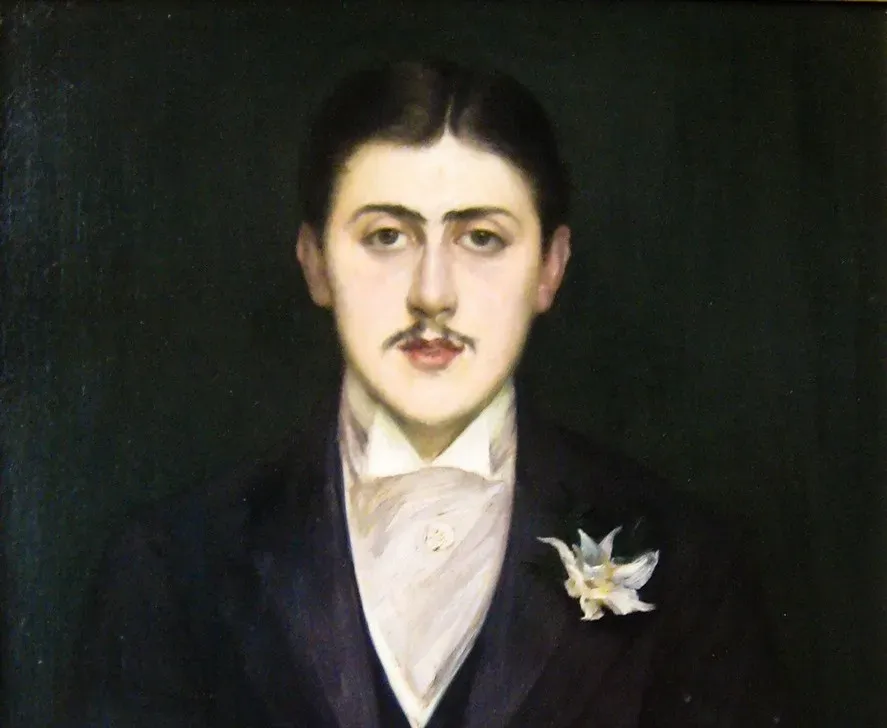
In 1912, Marcel Proust sent the manuscript of Swann’s Way, the first book of the seven-volume In Search of Lost Time, to three publishers, who rejected it. One of them, La Nouvelle Revue Française, where André Gide was on the editorial board, supposedly did not even deign to read it; another, Fasquelle, wrote, “At the end of 712 pages one has absolutely no idea what this manuscript is about.” Proust published it at his own expense.
André Gide, famously given the manuscript to read to advise the NRF on publication, leafed through the seemingly endless collection of memories and philosophizing episodes, came across a few minor syntactic errors, and decided to turn the work down. Proust eventually arranged with the publisher Grasset to pay the cost of publication himself. Following the eventual success of Swann’s Way, Gallimard recognized its earlier mistake and acquired the rights to Proust’s work, and his subsequent volumes were published by Gallimard, cementing his status as one of the leading literary figures of the 20th century.
3. Dr. Seuss – And to Think That I Saw It on Mulberry Street

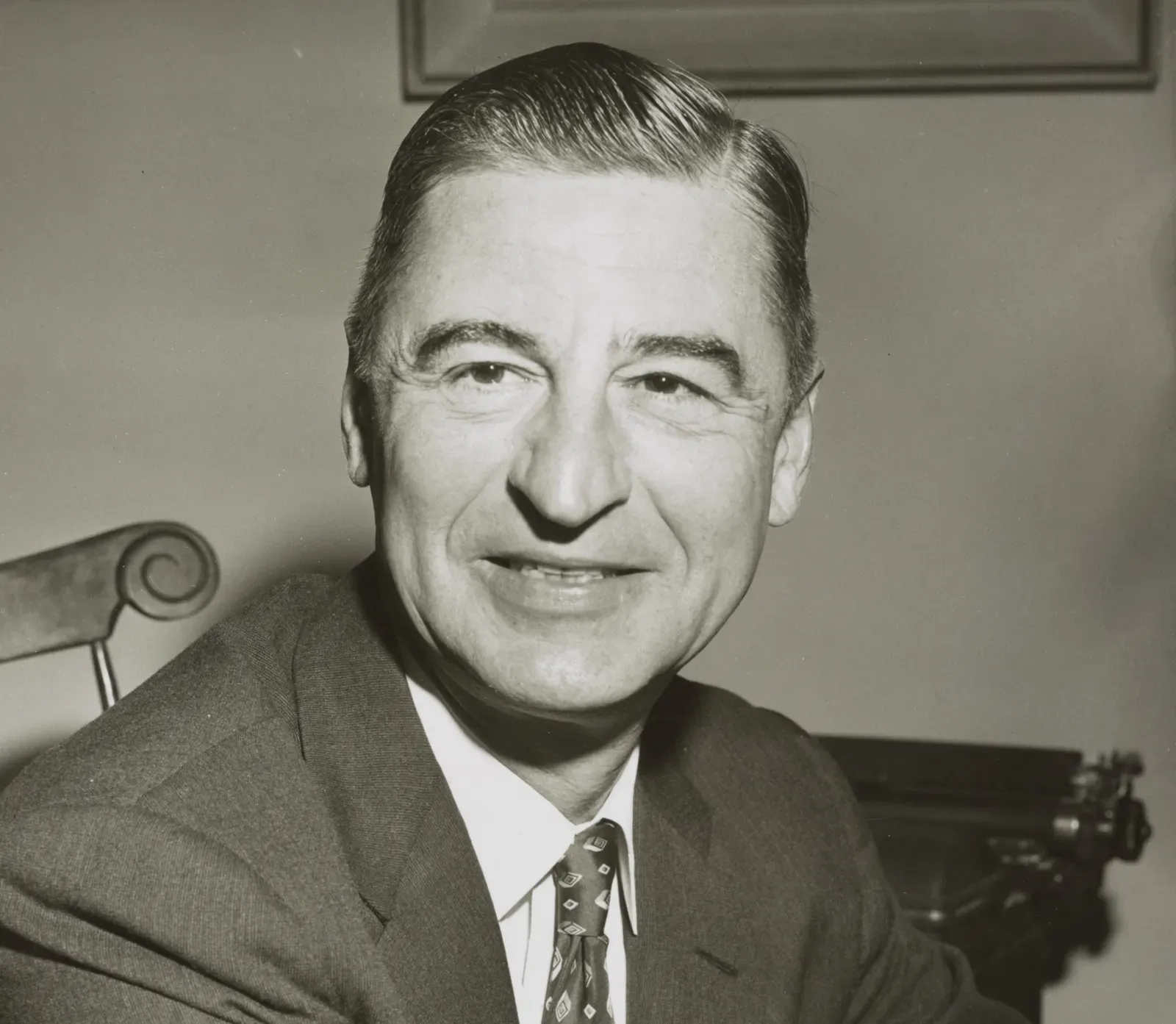
Theodor Seuss Geisel, better known as Dr. Seuss, had his first book, On Mulberry Street, rejected 27 times before it was accepted. He had been collecting rejection letters long enough that by the time it was finished, he genuinely believed the manuscript had no future.
Dr. Seuss was planning on giving up and burning his manuscript. On his way home, he ran into an old school acquaintance. When asked what he was carrying, Seuss replied “a book no one will publish. I’m lugging it home to burn.” Luckily for him, his acquaintance just so happened to be an editor for children’s books. The book was published with rave reviews and Dr. Seuss went on to write over 60 children’s books. The chance encounter on Madison Avenue changed the trajectory of children’s literature entirely.
4. Madeleine L’Engle – A Wrinkle in Time


Madeleine L’Engle’s A Wrinkle in Time was rejected by 29 publishers. The novel defied easy categorization – part fantasy, part science fiction, part philosophy – and most publishers simply didn’t know what to do with it or who its audience was supposed to be.
Shortly after turning 40 with no literary success, L’Engle nearly threw in the towel. But after a 10-week cross-country road trip, she found the inspiration for A Wrinkle in Time. A friend eventually connected her with Farrar, Straus and Giroux, who took the risk. The book went on to win the Newbery Medal and became a cornerstone of American children’s literature.
5. William Golding – Lord of the Flies
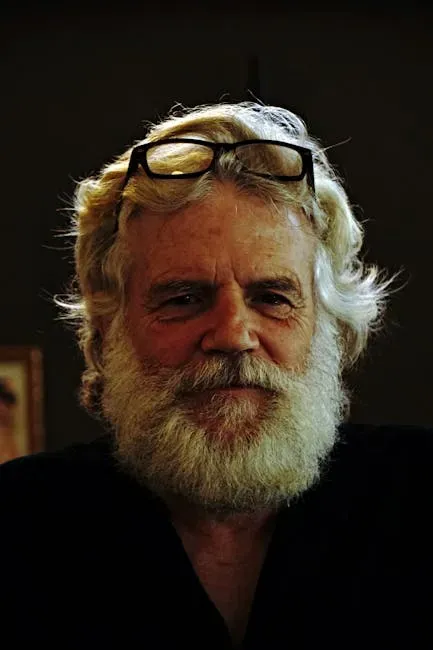
Lord of the Flies is now a staple of most secondary school curricula, but William Golding’s novel was turned down by no fewer than 20 publishing houses before it eventually saw the light of day. In 1953, Golding was a school teacher who had written snatches of his seminal work during his lunch breaks. Virtually every major publishing house rejected it until, by a stroke of luck, one publisher at Faber and Faber pulled his manuscript back off the rejection pile and gave him a second chance.
The novel went on to become one of the most studied works of the twentieth century and is now routinely ranked among the greatest novels in the English language. One rejection from that period noted the book alongside others as commercially unviable; it is now frequently listed among the best novels ever written. Golding later received the Nobel Prize in Literature in 1983.
Partner offer

6. Frank Herbert – Dune

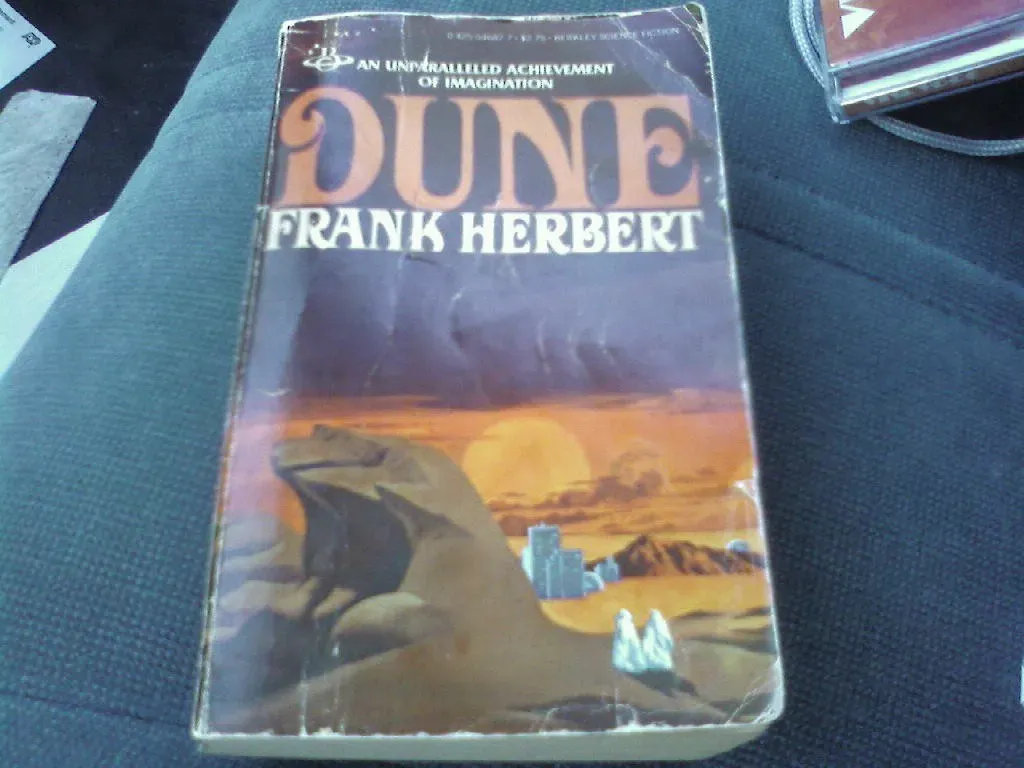
Frank Herbert’s Dune received 23 rejections from publishers. First serialized in Analog, Dune was widely rejected by publishing houses until finally accepted by Chilton Books, a company known mostly for their automotive manuals. The irony of one of science fiction’s most ambitious novels finding its first home in a car repair manual publisher is difficult to overstate.
With 23 rejections, Frank Herbert finally landed a publisher, and Dune became the bestselling science-fiction novel of all time. The book went on to win both the Hugo Award and the Nebula Award, and has since sold tens of millions of copies across multiple generations of readers. Herbert had nearly shelved it entirely before it found its unlikely home.
7. Joseph Heller – Catch-22

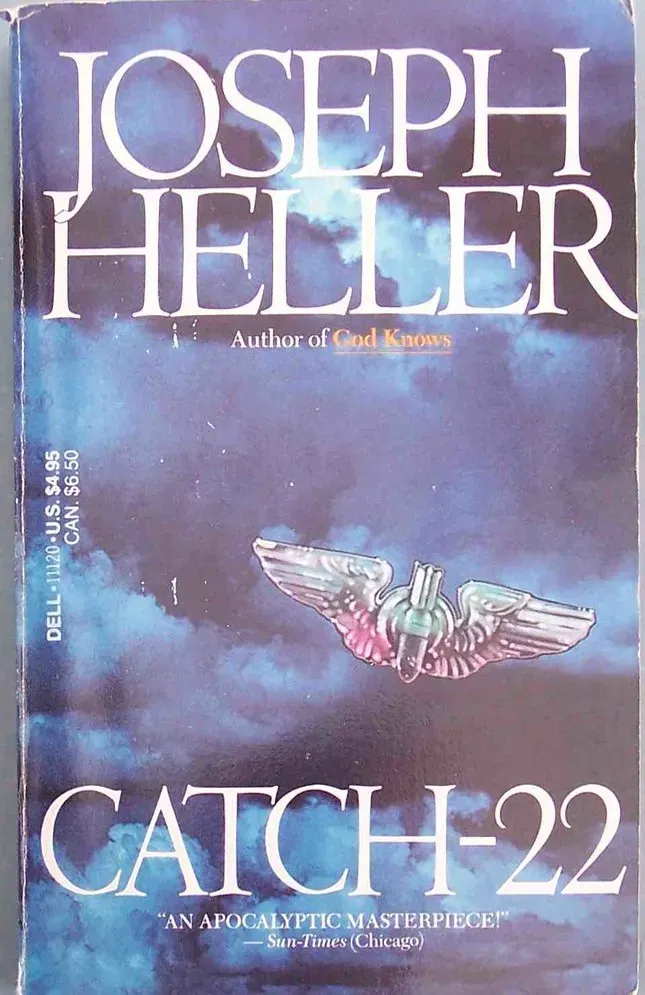
Joseph Heller’s World War Two-based masterpiece was rejected 22 times before making it to print. The novel’s non-linear structure and darkly comic treatment of war confused and irritated many editors who couldn’t place it neatly within a genre. Some dismissed it as having no coherent point at all.
One publisher wrote, “I haven’t really the foggiest idea about what the man is trying to say.” While it received mixed reviews on publication, the text went on to be very influential and became something of a cult hit. Heller went on to write multiple novels, short stories, and plays, although Catch-22 remains his most famous work. The title itself has since entered everyday language.
8. Robert Pirsig – Zen and the Art of Motorcycle Maintenance


Robert Maynard Pirsig is in the Guinness Book of Records for having written the best-selling book that received the most rejections – Zen and the Art of Motorcycle Maintenance, which was rejected 121 times. After so many refusals, any reasonable person might have quietly abandoned the project, and by many accounts, Pirsig very nearly did.
Before the book’s publication, Pirsig’s editor James Landis wrote: “The book is brilliant beyond belief. It is probably a work of genius and will, I’ll wager, attain classic status.” He was right; it sold millions of copies and continues to be a literary touchstone for many. The editor who finally decided to take a chance on the book later said, “It forced me to decide what I was in publishing for.”
9. L.M. Montgomery – Anne of Green Gables

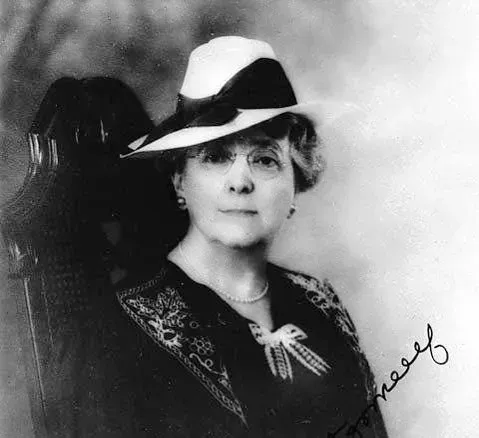
L.M. Montgomery’s Anne of Green Gables was turned down by several publishers, so she stored the manuscript away in a hat box for two years. Then she decided to submit it to one more place. The image of a future classic sitting folded in a hat box for two years captures something quietly poignant about how close literary history comes to not happening at all.
That final submission found a willing publisher, and the novel was released in 1908. It became an immediate success, praised by critics and adored by readers, and has never gone out of print. Montgomery went on to write seven more Anne books, each building on the world she had almost put away permanently in a box and forgotten.
10. Kathryn Stockett – The Help


Kathryn Stockett’s book The Help was rejected by 60 literary agents. Stockett spent years revising the manuscript between rejections, often unsure whether she was simply telling a story no one wanted to read or whether the book itself needed more work. The answer, as it turned out, was neither.
Stockett later reflected on the experience: “It was rejected 60 times. But letter number 61 was the one that accepted me. Three weeks later we sold the book to Amy Einhorn Books.” The novel spent more than a hundred weeks on the New York Times bestseller list and was later adapted into an Academy Award-nominated film. Sixty rejections separated a discarded manuscript from one of the most widely read American novels of the past two decades.
What these ten stories share is not talent overcoming adversity in some generic sense. It’s something more specific: the role of another person’s conviction at exactly the right moment. A spouse emptying a trash can. A stranger on a street corner. An editor who changed his mind. Literary history is full of near-misses, and these are the ones that were saved, often barely, by someone else seeing what the author could not yet see in themselves.
Partner offer
Planning a trip to Vegas?
Compare hotel rates and show tickets on VEGAS.com.