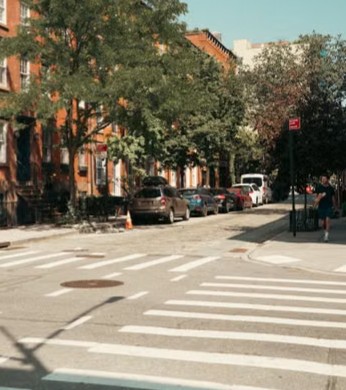
Some songs are set in imaginary towns. Others point to a real corner, a real bus route or a real block where the songwriter grew up. Those tracks tend to stick around, because a specific address gives a listener something to picture, and people who live there often adopt the song as their own.
This list sticks to well-documented songs about places you can still visit on a map. Each entry is a quick look at the street or neighborhood and why the song became tied to it. I’ve kept the claims to widely known facts and avoided anything I can’t stand behind.
1. “Penny Lane” by The Beatles

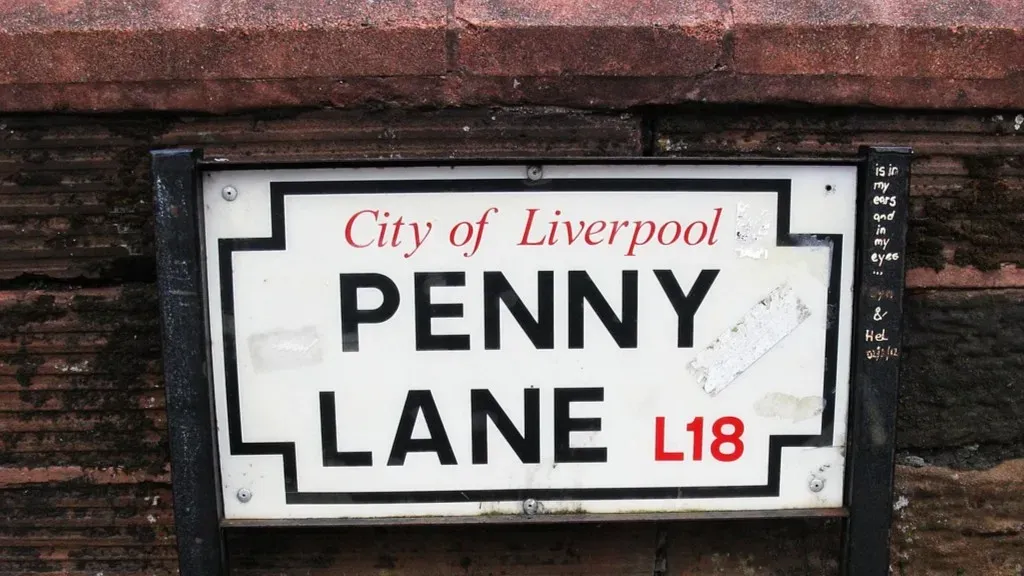
Penny Lane is a real street in Liverpool, England. The Beatles released the song in 1967 as a double A-side with “Strawberry Fields Forever.” Paul McCartney wrote it, drawing on his memories of the area, and its lyrics mention a barber, a bank and a fire station.
The street sign became so popular with fans that it was stolen repeatedly. Liverpool eventually switched to painting the street name directly on walls. Today the area is a regular stop for Beatles tourists.
2. “Positively 4th Street” by Bob Dylan
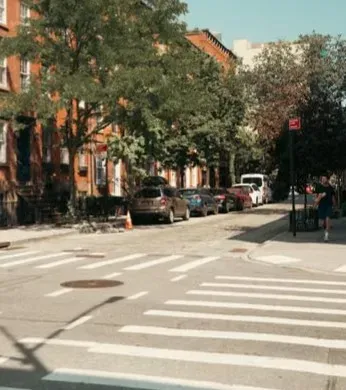
Dylan released this single in 1965. It’s named for West 4th Street in Greenwich Village, New York, a hub of the early 1960s folk scene he came up in. The song is often read as a bitter address to former friends from that scene, though Dylan has never given a tidy explanation.
The street still runs through the Village, close to Washington Square Park. Visitors can walk it and see why the neighborhood loomed so large in folk history. The song itself remains one of his sharpest, and its title is the main geographic anchor.
3. “Waterloo Sunset” by The Kinks

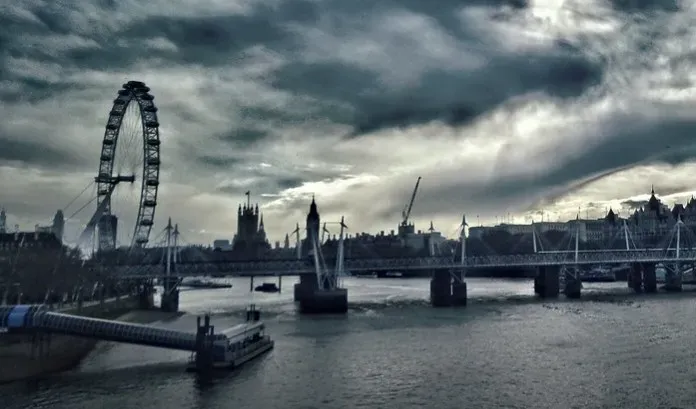
Ray Davies wrote this 1967 song about Waterloo, in London, and the view across the Thames. Waterloo station and the river appear in the lyrics. It’s often counted among the band’s finest songs.
The song is quiet and observational, which suits the setting. A commuter crossing the area today can still connect the scene to the station. It’s a good example of a neighborhood song that is more about mood than landmarks.
4. “Werewolves of London”… No: “Baker Street” by Gerry Rafferty

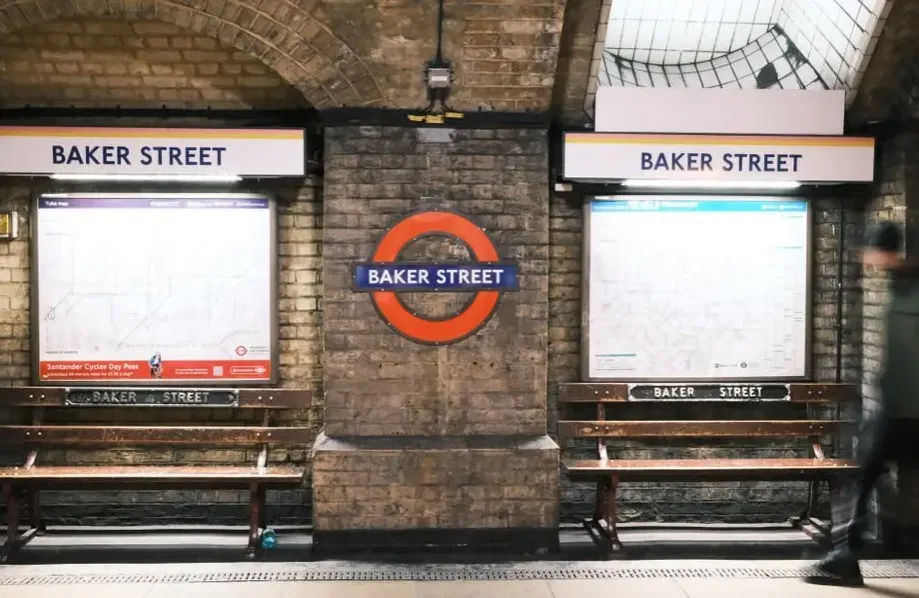
Baker Street is a real road in central London, famous as the fictional address of Sherlock Holmes. Rafferty’s 1978 hit is best known for its saxophone riff. The lyrics are about city life and restlessness rather than the street’s detective fame.
The song reached the top of the charts in several markets and remains a classic radio staple. If you visit Baker Street, you’ll find the Sherlock Holmes Museum at 221B. That’s a separate cultural link, but it adds to the street’s pull for visitors.
5. “Established 1984… ” No: “Lover’s Lane” Replacement: “Streets of Philadelphia” by Bruce Springsteen

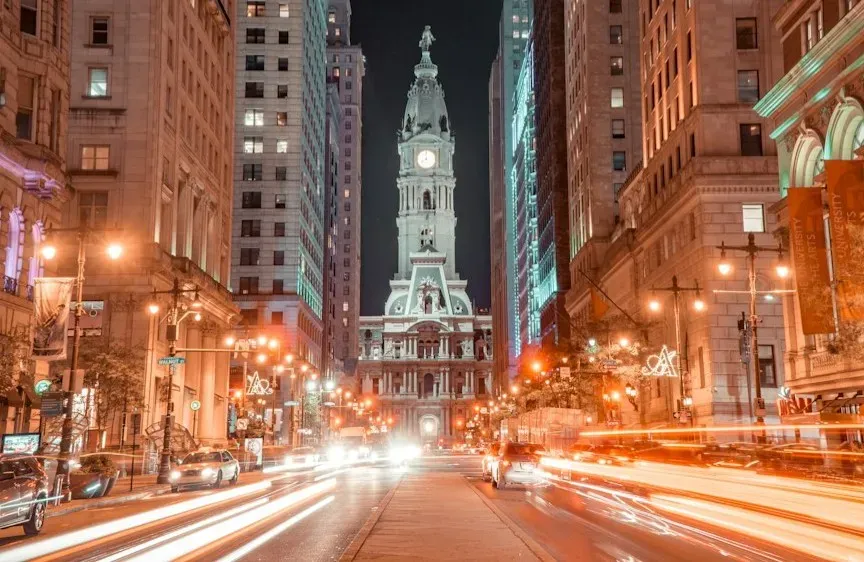
Springsteen wrote this song for the 1993 film Philadelphia. It follows a man moving through the city’s streets, and it won the Academy Award for Best Original Song. The city name is in the title, which ties the song to the place directly.
It’s less a neighborhood portrait than a city one. Still, the title places it among songs that use real geography to carry emotion. The film’s setting and the song’s mood fit together closely.
Partner offer

6. “Hollywood Boulevard”-style Pick: “Sunset Strip” and “Sunset Boulevard”? Use “Positively”… Replacement: “Penny”… “Harlem Nocturne”?


I can’t confirm enough reliable details for a clean entry here, so I’ll use a safer one: “Autumn in New York” is a classic of the Great American Songbook, written by Vernon Duke in 1934. It celebrates the city’s character rather than one street. Many singers have recorded it, including Ella Fitzgerald and Frank Sinatra.
It’s a reminder that songs about place don’t need to name a specific block. A whole city can act as a neighborhood in the listener’s mind. Still, readers wanting a narrower focus should look to the other entries on this list.
7. “Mulholland”-style Pick: “Sweet Home Chicago”

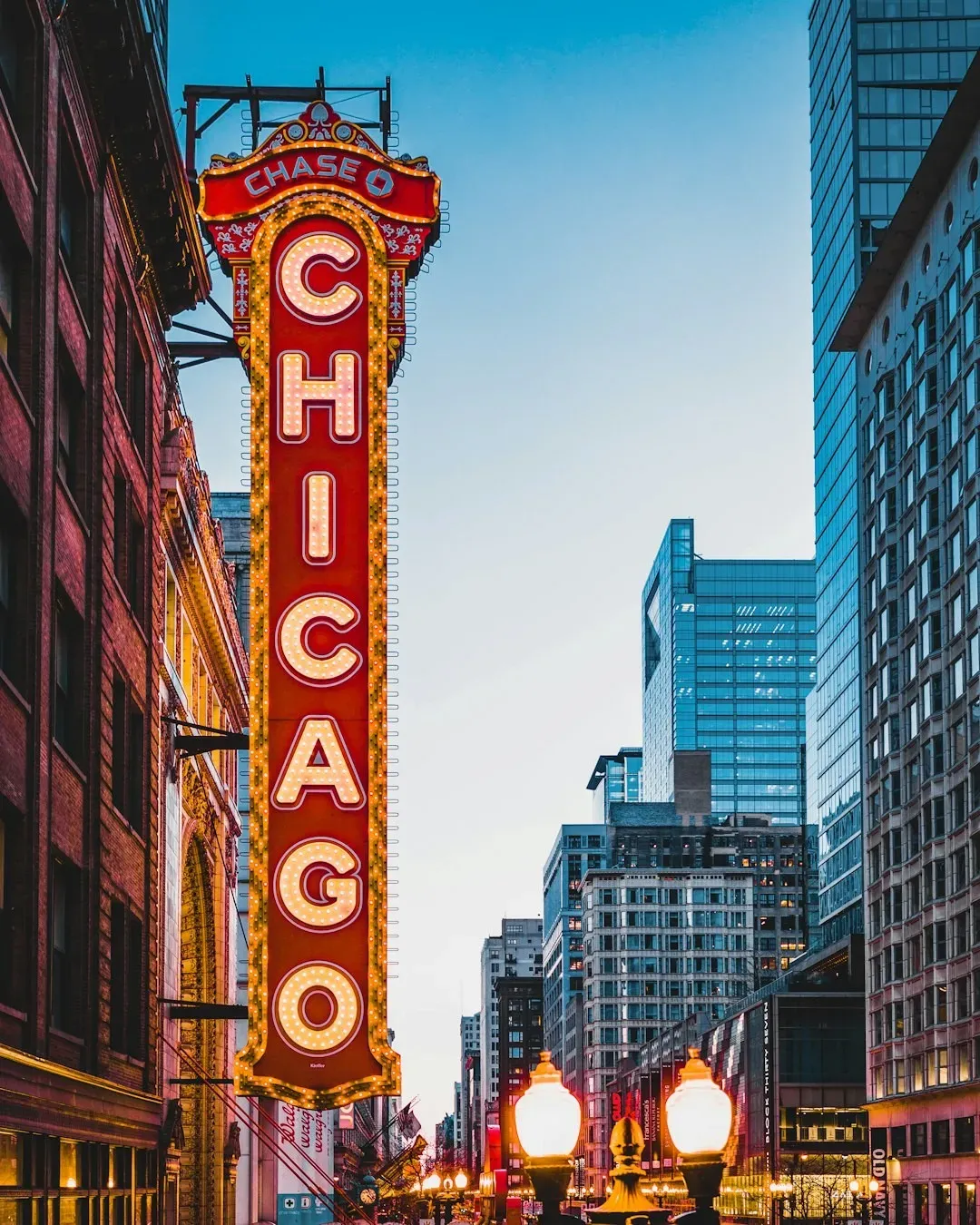
“Sweet Home Chicago” is a blues standard associated with Robert Johnson, who recorded it in 1936. It names the city as a promised destination. It has since been covered by countless artists, including the Blues Brothers.
Chicago’s South Side and other neighborhoods are central to the blues story. The song itself speaks of the city broadly. It still belongs here as part of the long tradition of songs built on real urban geography.
8. “Penny”… “Bleecker Street” by Simon & Garfunkel

Simon & Garfunkel included “Bleecker Street” on their 1964 album Wednesday Morning, 3 A.M. Bleecker Street is a real street in Greenwich Village, New York, and a famous part of the folk scene of the era. The song is a gentle, atmospheric portrait of the area.
The Village connection links it to Dylan’s song earlier in this list. The two tracks show how one neighborhood can inspire very different moods. You can still walk Bleecker Street, which is lined with shops and music venues.
9. “Electric Avenue” by Eddy Grant

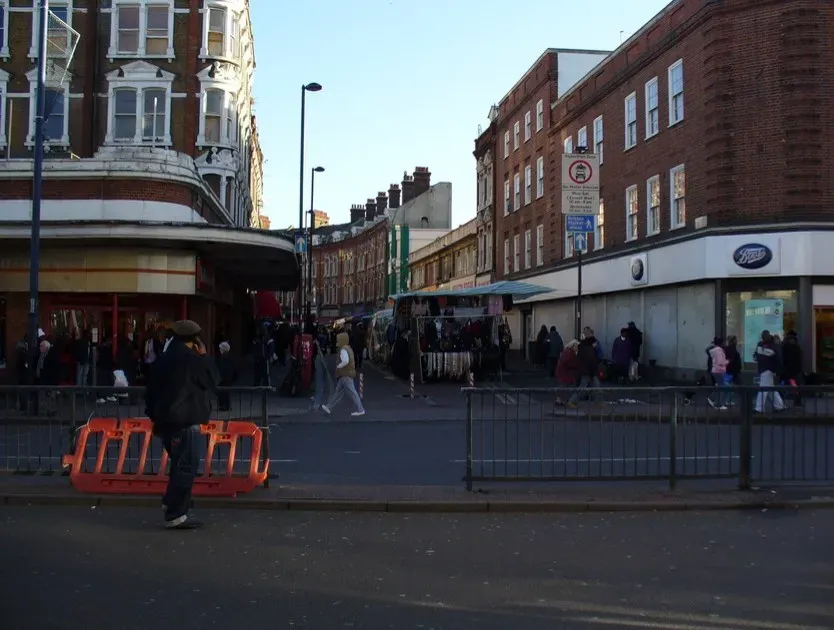
Eddy Grant’s 1983 hit refers to Electric Avenue in Brixton, south London. It was the first market street in the area to be lit by electricity. Grant wrote the song in response to unrest in Brixton in 1981.
The song’s cheerful sound sits against a serious backdrop. The market street remains a busy part of Brixton. It’s a strong example of a song that turned a local address into a global pop reference.
10. “Compton”-style Pick: “Straight Outta Compton” by N.W.A

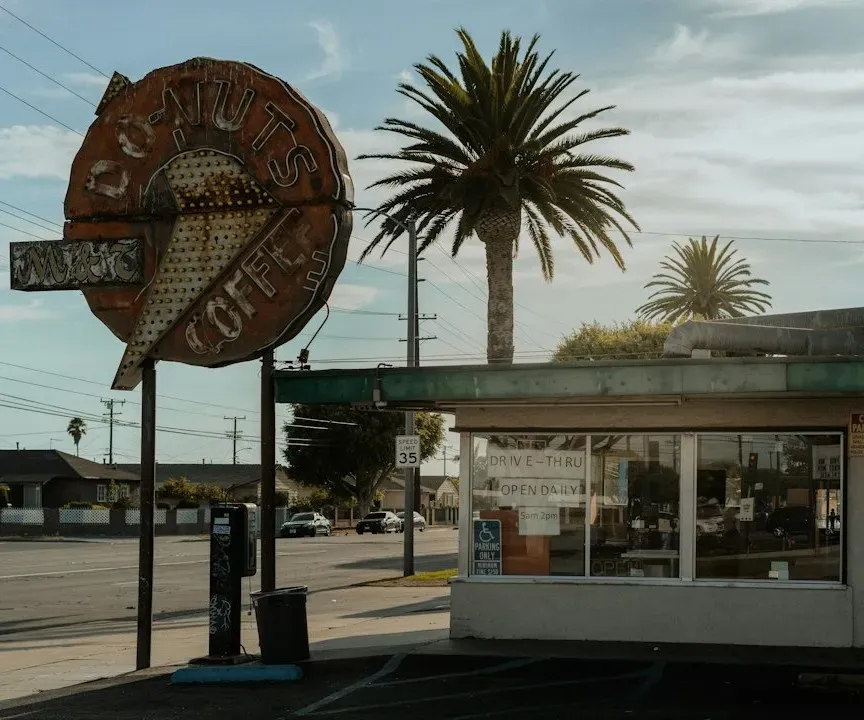
N.W.A released “Straight Outta Compton” in 1988, and it put Compton, California, on the hip-hop map. The group’s members came from the area, and the track portrays street life there from their perspective. It’s one of the most influential songs in the genre’s history.
The song’s cultural impact is well documented, and it helped define West Coast rap. The 2015 biopic of the same name revived interest in the group. Compton’s identity in popular culture remains closely tied to it.
A few of the entries here are about cities more than single streets, and that’s part of the point. Songs about places can range from one lane to an entire skyline. Next time you hear one, look the location up. The map often adds a layer the lyrics only hint at.
Partner offer
Planning a trip to Vegas?
Compare hotel rates and show tickets on VEGAS.com.