
Every year, networks and streamers pay for far more pilots than they will ever air. The pilot is a kind of audition for an entire show, and most of them don’t get a second act. The reasons are rarely about one single scene or one actor’s performance.
The decision is usually a mix of creative judgment, business planning and timing. Exact internal processes differ from company to company and aren’t often made public. Still, the broad pattern is well understood across the industry, and it helps explain why some strong pilots die while some uneven ones get a full order.
What a Pilot Is Actually Meant to Prove


A pilot is a sample episode made to show executives what a series could look like. It tests the premise, the tone, the cast and the central characters. It also has to suggest that the idea can sustain many more episodes, not just one good hour.
That last point matters more than many viewers realize. A pilot can be entertaining and still fail if it doesn’t show where the story goes next. Executives often look for a repeatable engine, such as a workplace, a case structure or a family dynamic, that can generate stories season after season.
The Traditional Pilot Season and Why It Has Faded


Historically, broadcast networks ordered a batch of scripts in the fall, shot pilots in winter and spring, and announced their fall schedules in May. That rhythm shaped Hollywood hiring for decades. Networks would then choose a small share of pilots to become series.
That structure has loosened considerably in recent years. Trade outlets such as Variety and The Hollywood Reporter have described pilot season as diminished, as networks and streamers order shows year round and sometimes skip the pilot entirely. Straight-to-series orders are now common, especially for streamers, which means many projects never face the classic pilot test.
Executive Feedback and Internal Testing


Once a pilot is delivered, programming and studio executives watch it and share notes. They weigh whether the show matches what was pitched and whether it feels distinct from what’s already on the schedule or platform. Revisions, recasting or reshoots can follow before any decision is made.
Some networks have also used audience testing in the past, though the weight given to it has varied and details are mostly private. Today, many executives say they lean on instinct and strategy as much as on test results. The honest answer is that no universal formula exists.
Fit With the Schedule and Brand

A pilot isn’t judged in a vacuum. A network needs to know where a show would air, what it would follow and whether it complements existing hits. A good comedy may lose out simply because the network already has enough comedies, or because the slot it needs is filled.
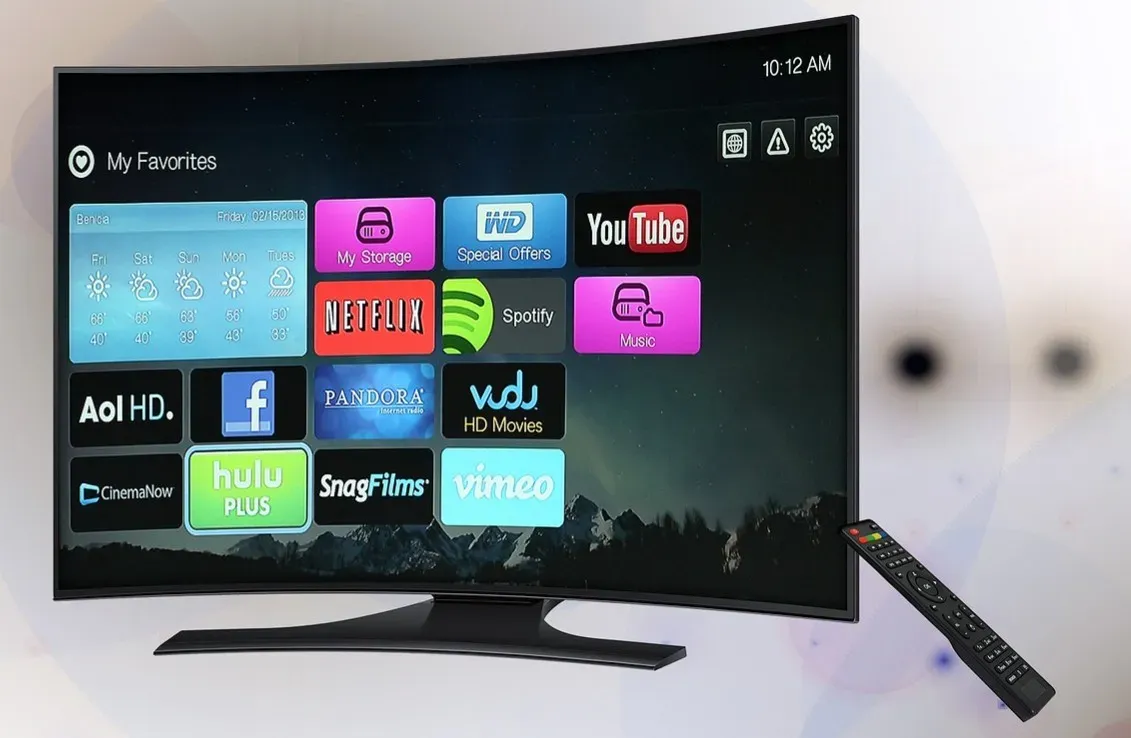
Streamers think about fit differently, but the logic is similar. They consider whether a show adds something to their library, serves a particular audience or supports the brand they’re building. A show that is great but doesn’t match a platform’s identity can still be passed over.
Partner offer

Cost, Ownership and the Economics


Money plays a large role. A series order commits a company to producing many episodes, so budget per episode, cast deals and production complexity all matter. A visually ambitious drama is a bigger gamble than a low-cost sitcom.
Ownership also counts. Networks often prefer shows produced by their own affiliated studios, because they share in long-term revenue from syndication and licensing. Industry reporting has pointed to this vertical integration as a major factor in what gets greenlit, though it doesn’t guarantee success.
Cast, Creators and Track Record

Who’s attached to a pilot can tip the scales. An established showrunner with a successful past, or a star with a strong following, lowers perceived risk. Executives often view experienced creators as more likely to deliver a stable production over many episodes.
That doesn’t mean newcomers have no chance. Fresh voices break through regularly, especially when a pilot feels unmistakably original. Still, a proven track record helps the pitch, and it’s one reason familiar names appear so often in new series announcements.
Audience Data and Streaming Metrics


Broadcast networks traditionally judged shows by live ratings, and a pilot’s early promise was weighed against likely ratings in its time slot. Over the last decade, measurement has expanded to include delayed viewing and streaming. Nielsen, for example, now reports streaming viewing as a large share of total television use, which pushes companies to think beyond live broadcast numbers.
Streamers keep most of their data private, though some release limited viewing figures. Because of that, outsiders can only infer what a platform values. Executives generally look for signs a show will attract new subscribers or keep existing ones, not just draw a big opening audience.
Strikes, Industry Shifts and Cautious Spending


The 2023 writers’ and actors’ strikes disrupted development and production schedules across the industry. In the aftermath, many companies reported tighter budgets and fewer scripted orders. Trade coverage through 2024 and 2025 described a more cautious approach to new series, with greater attention to profitability.
For a pilot, this environment means higher expectations. A show may need to be both creatively strong and financially sensible to get a green light. Conditions continue to change, so what applies in one season may not hold in the next.
Conclusion


A pilot becomes a series when creative quality, schedule needs, cost, talent and strategy line up at the right moment. Strong work isn’t always enough, and timing can matter as much as talent. That’s why even insiders find the outcomes hard to predict.
The next time a promising show vanishes after one episode shot, remember that the verdict rarely came from the screen alone. Behind every pickup is a spreadsheet, a schedule and a bit of luck.
Partner offer
Planning a trip to Vegas?
Compare hotel rates and show tickets on VEGAS.com.