There are voices that entertain you, and then there are voices that change you. Somewhere deep in the history of recorded music, a handful of singers crossed a line that separated the technically great from the transcendently unforgettable. They didn’t just carry melodies. They carried grief, joy, protest, and longing in a way that made strangers feel seen.
Some of them are gone. Some are still with us. All of them live on in ways that keep surprising people who discover them decades later. Whether you’re hearing “Respect” for the first time or rediscovering “Bohemian Rhapsody” on a late night drive, the feeling is unmistakable. Let’s dive in.
1. Aretha Franklin – The Undisputed Queen

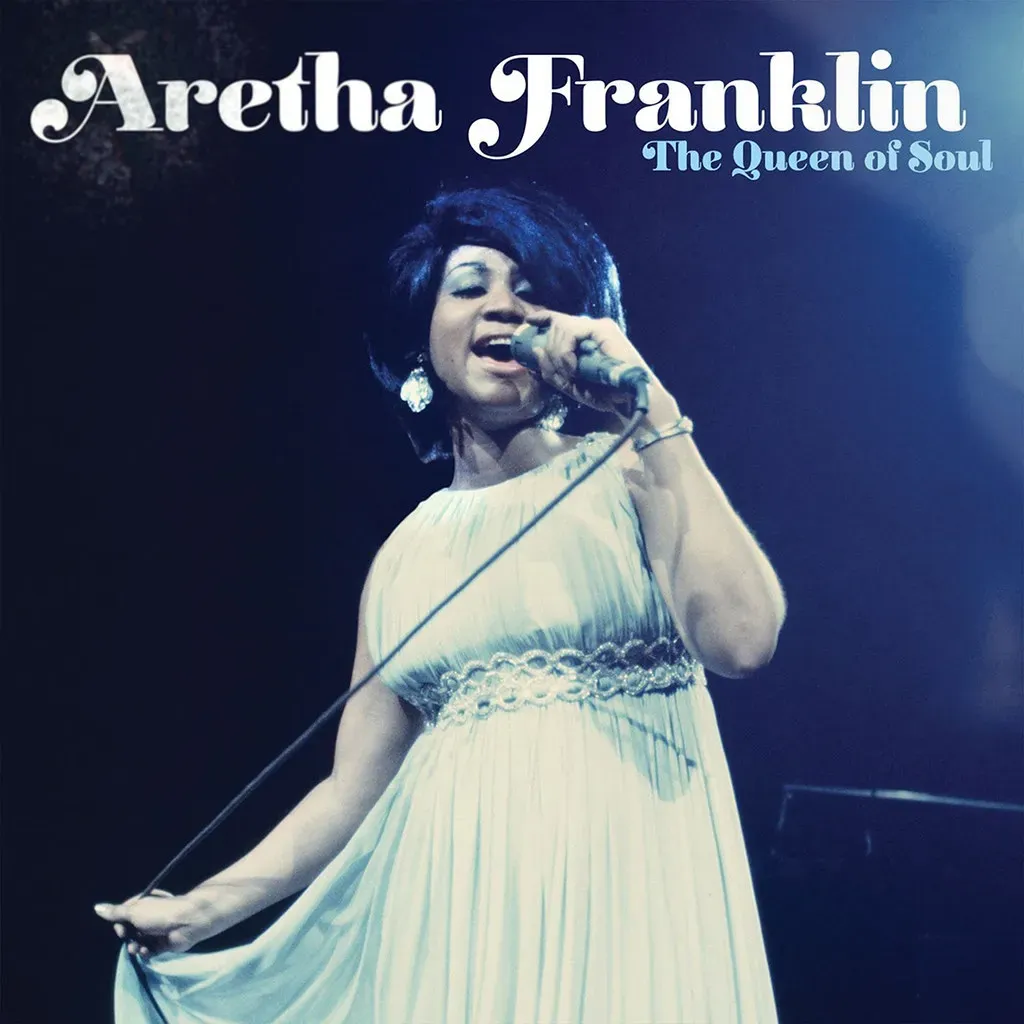
Honestly, where do you even begin? Aretha Franklin is one of the best-selling music artists, with more than 75 million records sold worldwide. That number barely scratches the surface of what she meant to music.
She won 18 Grammy Awards out of 44 nominations, including the first eight awards given for Best Female R&B Vocal Performance from 1968 to 1975, as well as a Grammy Living Legend Award and Lifetime Achievement Award. Those aren’t just numbers. That’s dominance.
In 1987, she became the first female artist to be inducted into the Rock and Roll Hall of Fame. On September 15, 2021, Rolling Stone released its list of the “500 Greatest Songs of All Time,” and Aretha Franklin’s “Respect” topped the list at No. 1.
It was she who brought the melisma, singing a series of notes over a single syllable, into popular music. Think about that. A vocal technique now used by virtually every R&B singer alive traces a direct line back to Aretha’s church roots in Detroit. That is an immortal kind of influence.
2. Whitney Houston – The Voice That Redefined the Possible

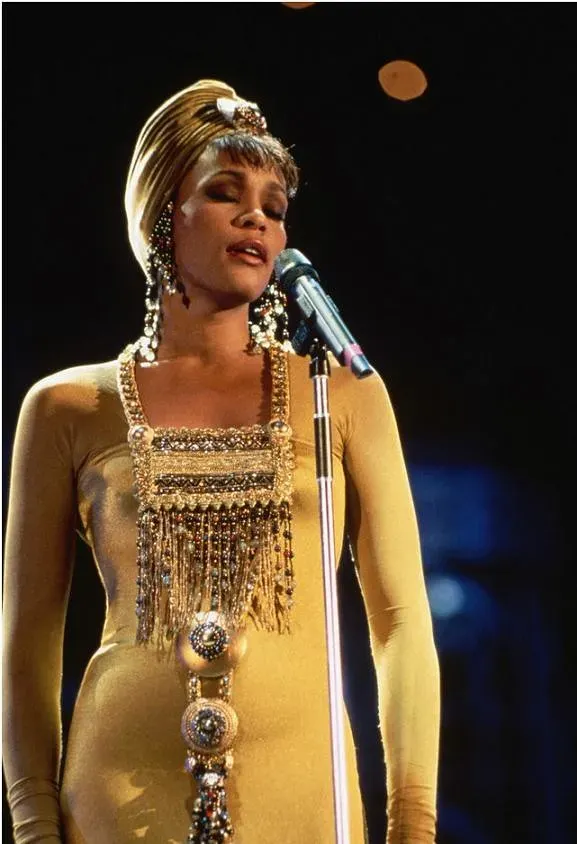
Houston set an all-time chart record during her era, being the first and only artist to produce seven consecutive number one singles on the Billboard Hot 100. Seven in a row. Nobody has matched it since.
The pinnacle of her album sales came with The Bodyguard soundtrack in 1992, which has sold over 45 million copies globally, making it the best-selling soundtrack album ever and the highest-selling album by a female artist. That single album outsold the entire catalogs of most artists who ever lived.
On Spotify, “I Will Always Love You” stands as one of the most-streamed songs from the 1990s by a female artist, with over 880 million streams as of November 2025. Similarly, “I Wanna Dance with Somebody” has surpassed 1.5 billion streams on the platform.
Widely considered one of the best female singers of all time, Whitney Houston possessed one of the most technically perfect voices ever recorded. Her five-octave range allowed her to hit notes with crystal clarity and emotional depth that few singers have ever matched. Her voice wasn’t just powerful. It was architectural.
3. Sam Cooke – The King Who Invented Soul

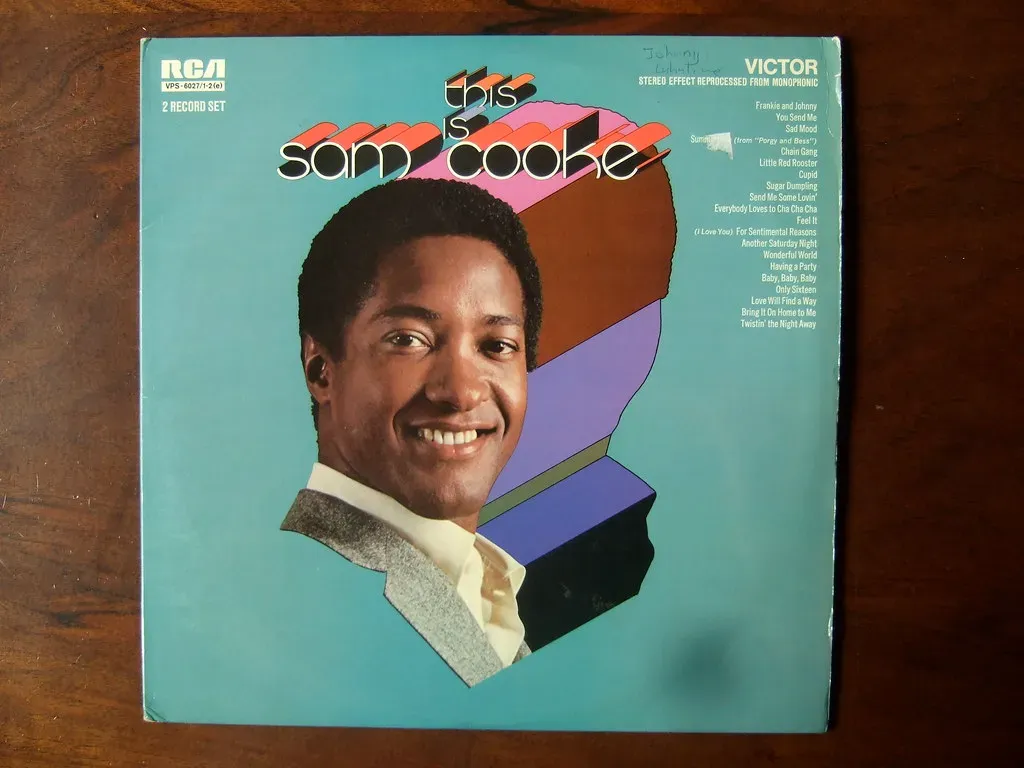
Considered one of the most influential artists of all time, Cooke is commonly referred to as the “King of Soul” for his distinctive vocals, pioneering contributions to the genre, and significance in popular music. I think what sets Cooke apart is the terrifying smoothness of it all.
During his eight-year career, Cooke released 29 singles that charted in the Top 40 of the Billboard Hot 100 chart, as well as 20 singles in the Top 10 of Billboard’s Black Singles chart. Eight years. Most artists spend careers chasing that kind of productivity.
AllMusic biographer Bruce Eder wrote that Cooke was “the inventor of soul music,” and possessed “an incredible natural singing voice and a smooth, effortless delivery that has never been surpassed.”
In 2025, Rolling Stone placed “A Change Is Gonna Come” at number 1 on its list of “The 100 Best Protest Songs of All Time.” A song recorded in 1964 still holds the top protest song ranking over 60 years later. That is not nostalgia. That is permanence.
4. Billie Holiday – Jazz, Pain, and Undying Poetry

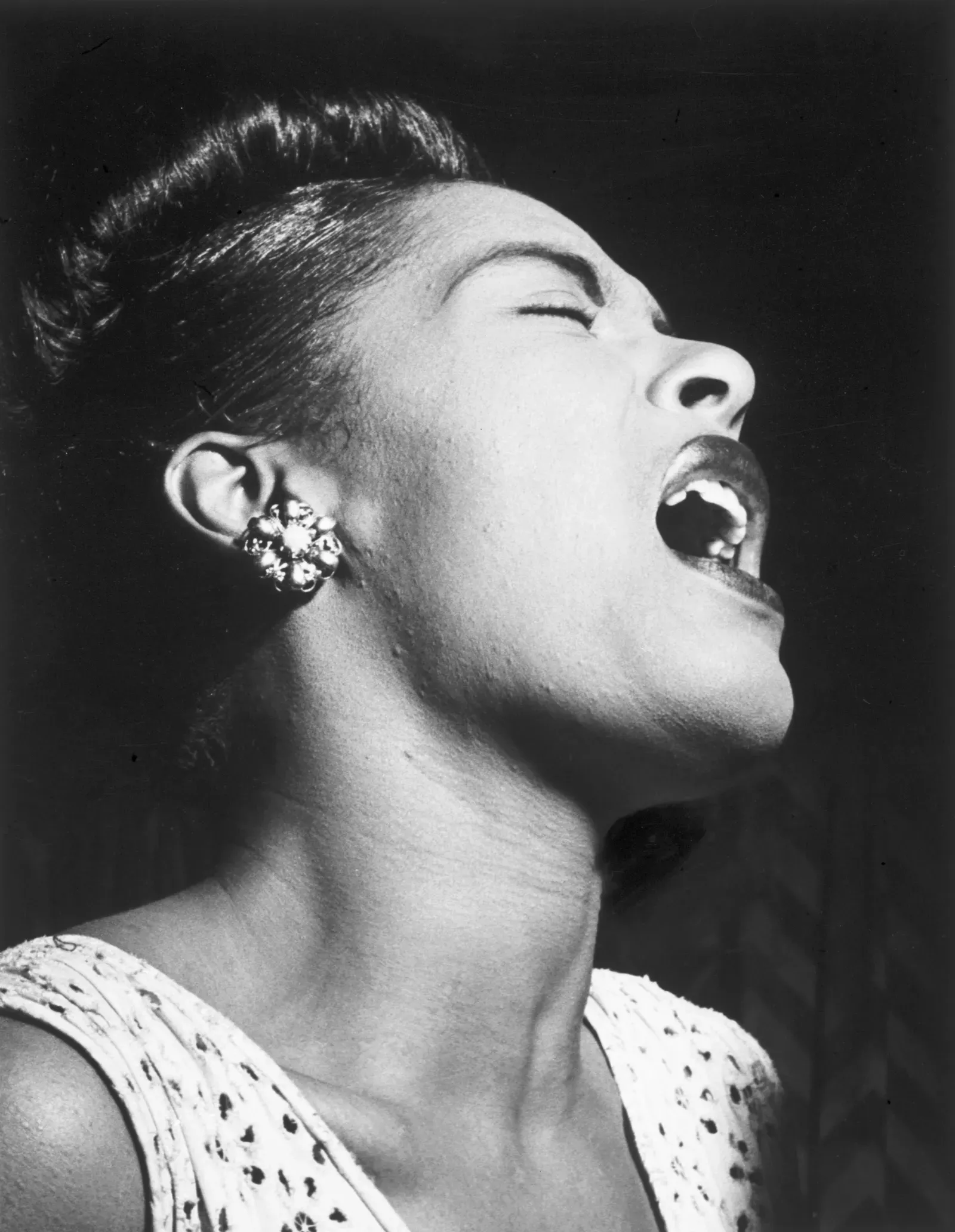
Known by her contemporaries as the legendary Lady Day, Billie Holiday’s voice is arguably the most recognizable and influential in jazz music. There’s something impossible to replicate about what she did. Her voice sounded like it was confessing something every single time she sang.
Holiday ranked fourth on Rolling Stone’s definitive list of the 200 Greatest Singers of All Time, placing ahead of legends like Ray Charles and Stevie Wonder. She came in just behind Aretha Franklin at number one and Whitney Houston at number two, with Sam Cooke at three and Billie Holiday at four.
Her legacy defines classic jazz storytelling. Songs like “Strange Fruit,” her haunting protest against racial violence, still appear on playlists and in classrooms today, nearly a century after she first recorded it. That is a kind of cultural longevity most artists could never dream of.
5. Marvin Gaye – The Soul Visionary

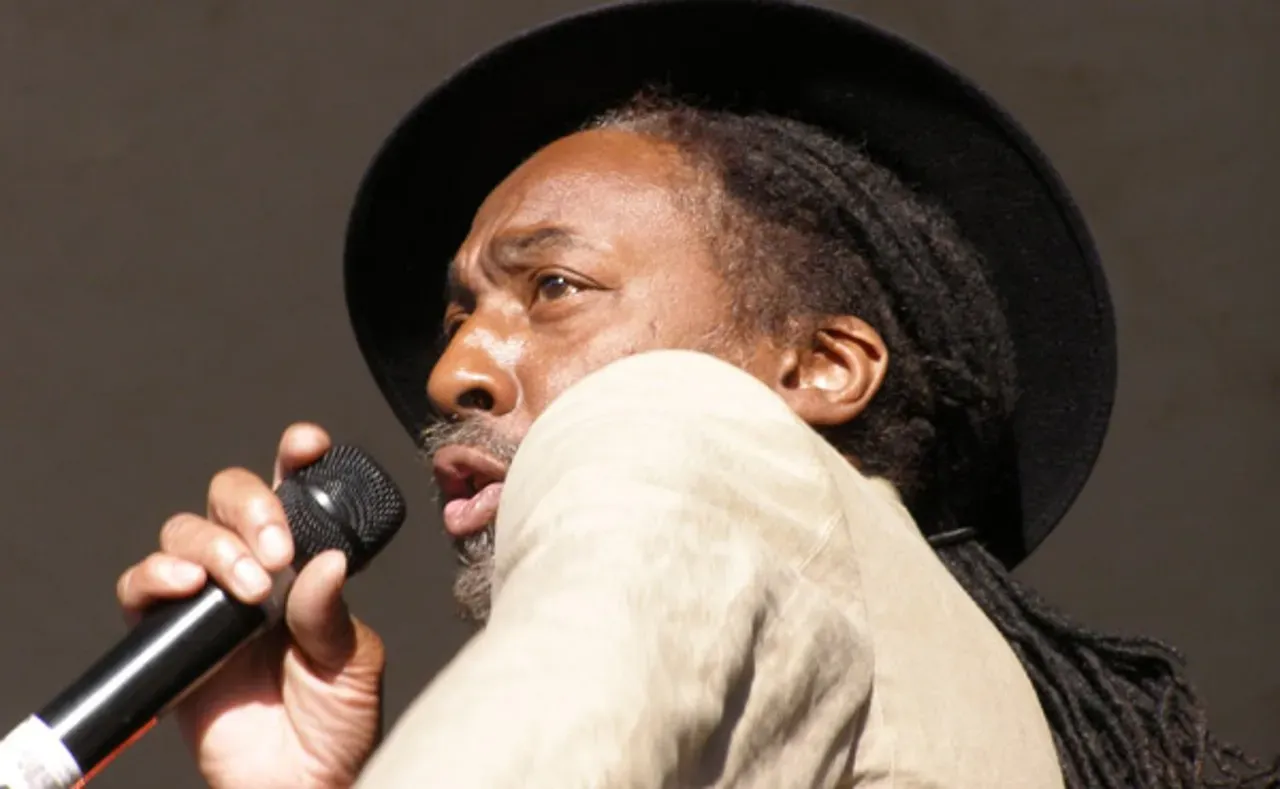
Marvin Gaye, often referred to as the “Prince of Soul,” possessed a silky-smooth tenor voice that exuded passion and vulnerability, a blend of lyric tenor with baritone qualities that resonated deeply with fans throughout his prolific career.
Transitioning from doo-wop to soul tenor styling, he became a cornerstone of Motown Records with timeless hits such as “What’s Going On” and “Let’s Get It On.” His ingenious use of falsetto technique beautifully complemented his tenor range, enhancing the emotional depth of his performances.
During the 1970s, Gaye recorded the albums What’s Going On and Let’s Get It On and became one of the first artists in Motown to break away from the reins of a production company. His later recordings influenced several contemporary R&B subgenres, such as quiet storm and neo-soul.
Partner offer

Marvin Gaye placed at number 20 on Rolling Stone’s 200 Greatest Singers of All Time list. Honestly, some would argue that ranking is far too low. His ability to sound intimate even on records that reached millions of people was something genuinely rare in music history.
6. Freddie Mercury – The Rock Deity

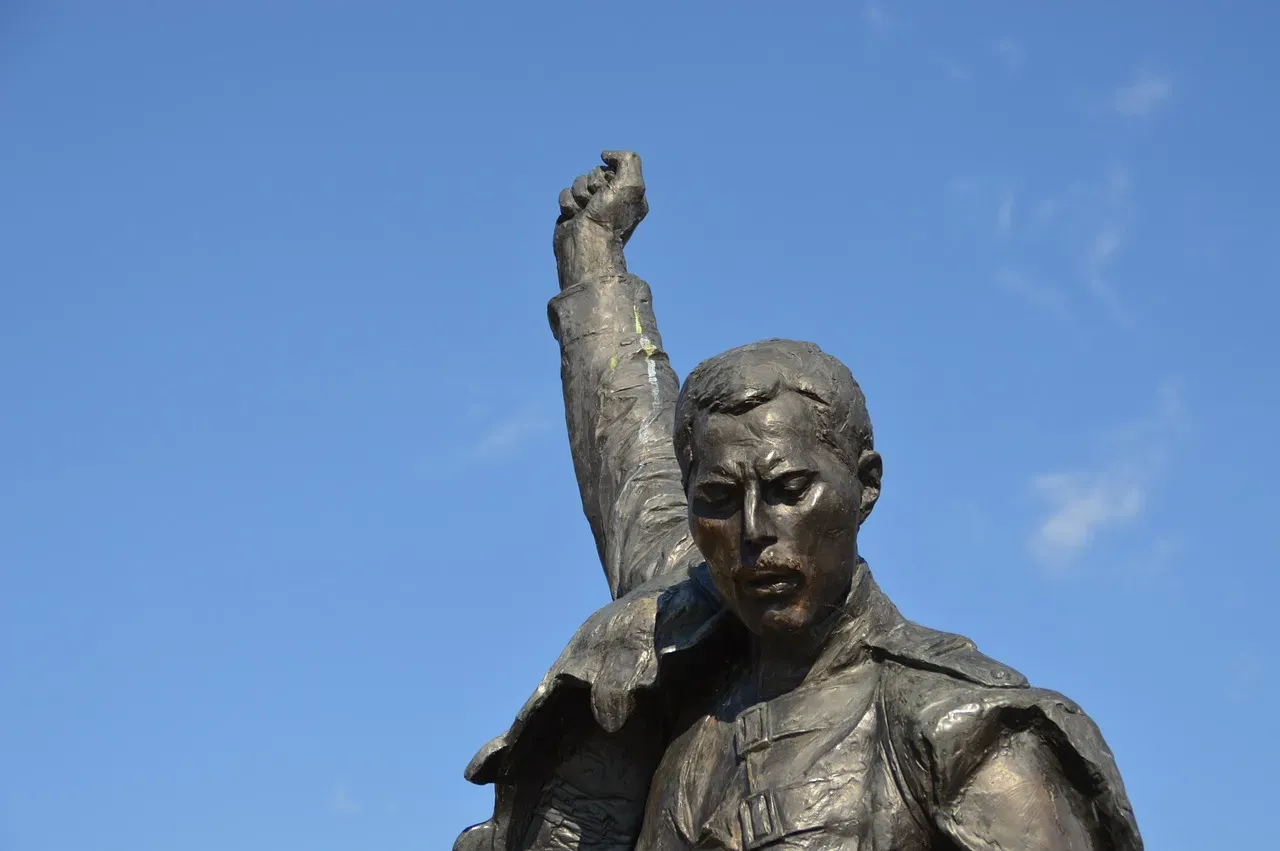
Any list of top tenor vocalists must include the incomparable Freddie Mercury, renowned for his remarkable four-octave range and the ability to hit power notes with a bright, resonant timbre. Queen’s lead singer had, arguably, one of the greatest voices in rock, or any genre, combining technical mastery with raw emotional delivery.
Besides being an amazing singer and performer, Mercury was also a great songwriter. He wrote 10 out of 17 Queen hit songs. It’s one thing to sing with genius. Doing it while simultaneously writing the songs is another thing entirely.
After his death, Mercury’s charisma is still present, as it increased Queen’s popularity. As a result, they have global sales of over 300 million records. Think of it like a fire that burned brighter after the flame was extinguished. That is Freddie Mercury’s legacy in a single sentence.
7. Stevie Wonder – The Living Legend Who Transcends Genre

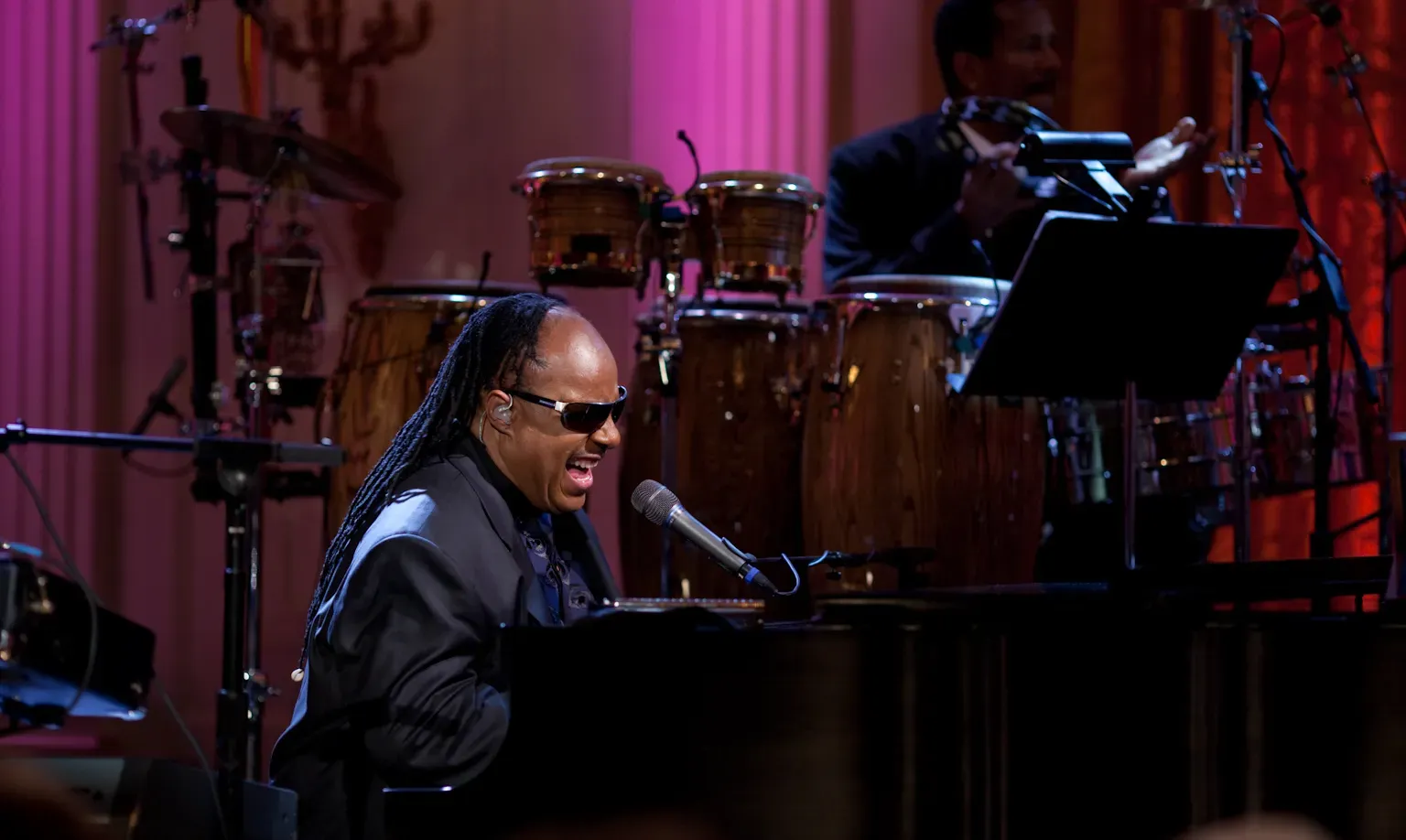
Record in source catalog
DPLA identifier: 17a9cb3db2d99ef3600f78d29be34f84
National Archives Identifier: 178207872, Public domain)
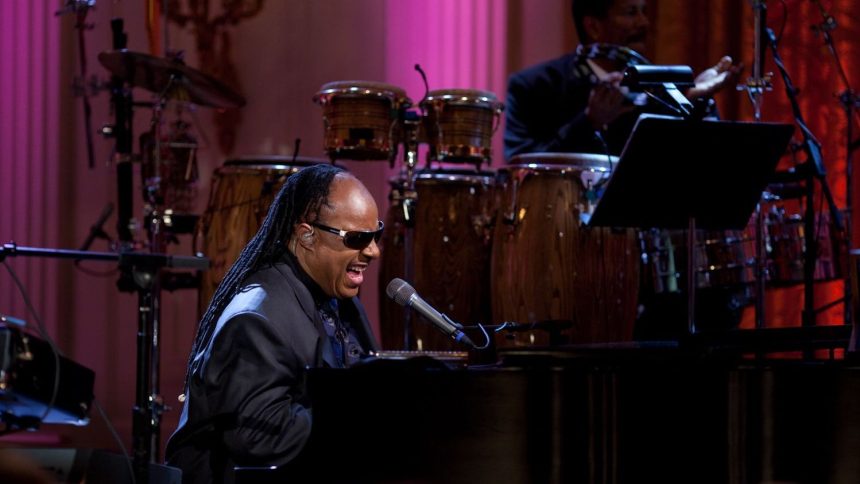
Stevie Wonder had major influence on many genres including rhythm and blues, soul, funk, gospel, jazz, and pop. Wonder was also famous for his “one-man-band” performances. He often used synthesizers and various electronic musical instruments. I know it sounds like exaggeration, but Stevie Wonder really did inhabit multiple eras of popular music simultaneously and thrived in all of them.
He received several honorary degrees and awards including 25 Grammy Awards. Besides his music, Stevie Wonder will also be remembered for his work as an activist for political causes.
Stevie Wonder’s voice rings out over his impeccable piano playing on songs like “Superstition” and “Isn’t She Lovely,” the latter of which was written about Wonder’s daughter, Aisha. That combination of technical brilliance and pure emotional warmth is something you simply cannot manufacture.
8. Frank Sinatra – The Chairman of the Board

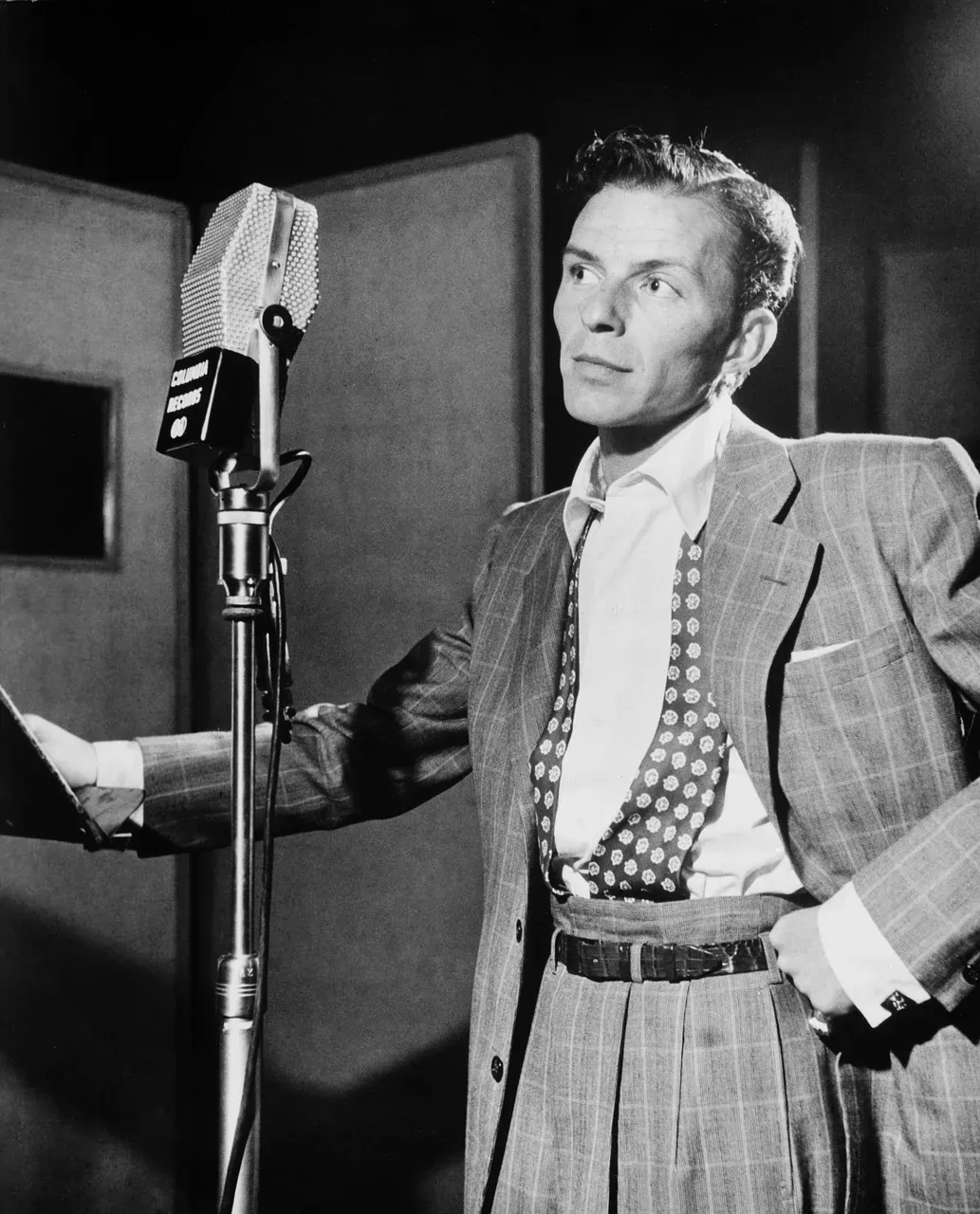
Sinatra’s ability to infuse a song with his own personality, combined with his impeccable phrasing and timing, made him a true master of interpretation. He could deliver a poignant ballad with the same skill and grace as an upbeat swing number, leaving listeners captivated by his charm and charisma.
An actor, singer, and godfather of blue-eyed soul, Sinatra’s distinctive crooning turned songs like “Fly Me to the Moon” and “My Way” into hallmarks of American music. Despite a tumultuous life and inspiring plenty of controversy, Sinatra’s influence can still be seen today in artists like Michael Bublé.
Frank Sinatra’s smooth phrasing and charisma made him a legendary entertainer. His film and music career elevated popular music to a sophisticated art form. Sinatra’s timeless style and expressive storytelling captivated audiences. He’s been gone since 1998. Yet new generations keep discovering him with the same shock of recognition as always. That is what it means to truly .
9. Sam Cooke’s Heir: Otis Redding – Raw Soul in Concentrated Form

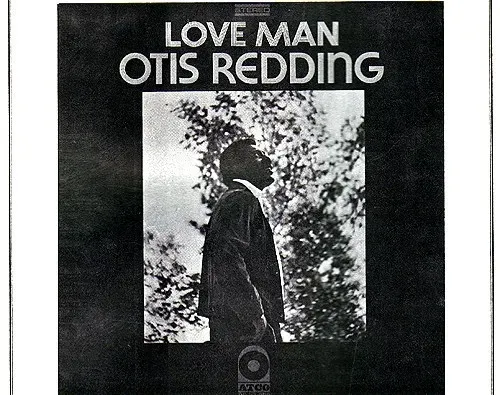
Redding is well known for his open-throated, electrifying, and sincere emotional delivery during his performances. He was given the honorific nickname “King of Soul,” an honor shared with legendary James Brown and Sam Cooke. Otis Redding was the kind of singer who made you feel like he was performing for you and only you, even in a packed stadium.
Rolling Stone placed Otis Redding at number nine on their list of the 200 Greatest Singers of All Time. Rounding out the top 10 were Ray Charles at six, Stevie Wonder at seven, Beyoncé at eight, Otis Redding at nine, and Al Green at ten.
We’ve always wondered how his music career would be today if his life was not cut short at only twenty-six years old. It’s too bad that the world was deprived of more of his vocal mastery. He died in a plane crash in 1967, just three days after recording “(Sittin’ On) The Dock of the Bay,” which went on to become his first posthumous number one hit. Hard not to feel the weight of that.
10. Celine Dion – The Soprano Who Conquered the World

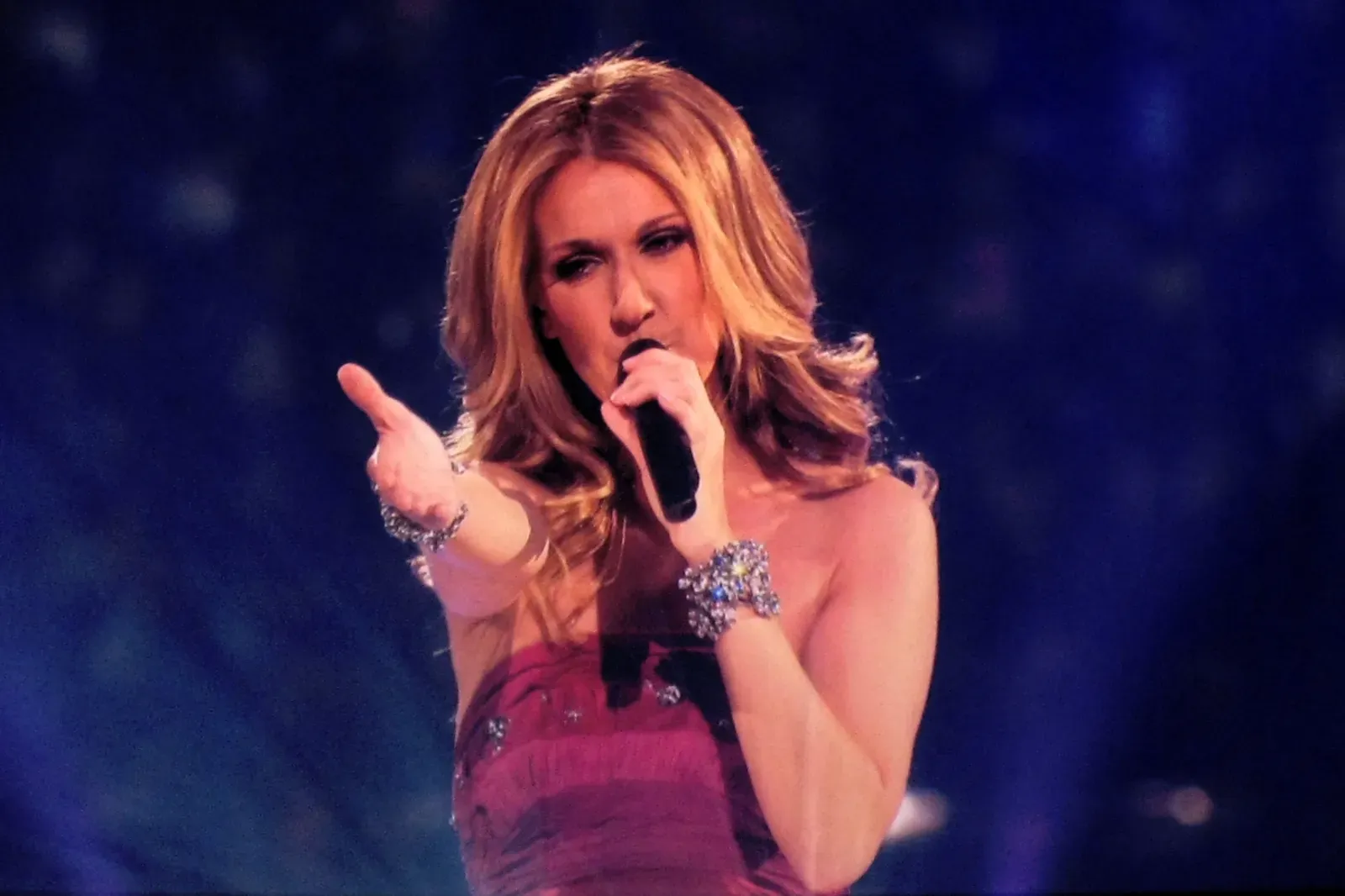
Dion has sold more than 250 million albums globally, won 5 Grammy Awards, and holds multiple Billboard chart records. In sheer commercial terms, few human beings have ever been heard by more people on the planet. That alone earns her place in this gallery.
Dion’s accolades include 5 Grammy Awards, 20 Juno Awards, seven American Music Awards, nine Billboard Music Awards, and stars on the Hollywood Walk of Fame and Canada’s Walk of Fame. Seven of her albums have sold at least 10 million copies worldwide, the second most among women in history.
She was ranked among the greatest women in music by VH1 and the greatest voices in music by MTV. Dion is one of the highest-grossing touring artists in history, the second woman to accumulate one billion dollars in concert revenue, and one of the wealthiest musicians in the world. Her soprano is not simply loud or technically impressive. It reaches somewhere inside listeners that few voices ever manage to touch.
There’s a reason her fans were furious when Rolling Stone omitted her from their Greatest Singers list. She was ranked among the greatest women in music by VH1 and the greatest voices in music by MTV. Recognition, whether from institutions or from millions of tearful fans singing “My Heart Will Go On” in their cars at midnight, tells its own undeniable story.
—
These ten voices share something that has nothing to do with chart positions or Grammy counts. Each one found a way to make music feel personal, even when heard by millions of strangers. They remind us that some things genuinely do not age.
What voice on this list still gives you chills? Tell us in the comments.
Partner offer
Planning a trip to Vegas?
Compare hotel rates and show tickets on VEGAS.com.