Throughout history, words have proven mightier than swords in the most unexpected moments. While armies clash and nations bleed, sometimes a single voice rises above the chaos to shift the course of human conflict. These aren’t your typical political addresses filled with empty promises and diplomatic doublespeak. These are raw, powerful moments when leaders spoke truth so profound that warriors laid down their weapons and adversaries chose peace over bloodshed.
What makes a speech powerful enough to stop violence? Is it the eloquence, the timing, or something deeper that touches our shared humanity? The speeches we’re about to explore didn’t just change minds. They changed the world. From ancient battlefields to modern war rooms, these addresses remind us that compassion and reason can triumph even in our darkest hours. Let’s dive into these extraordinary moments when words became weapons of peace.
Ashoka’s Edicts After the Kalinga War (261 BCE)
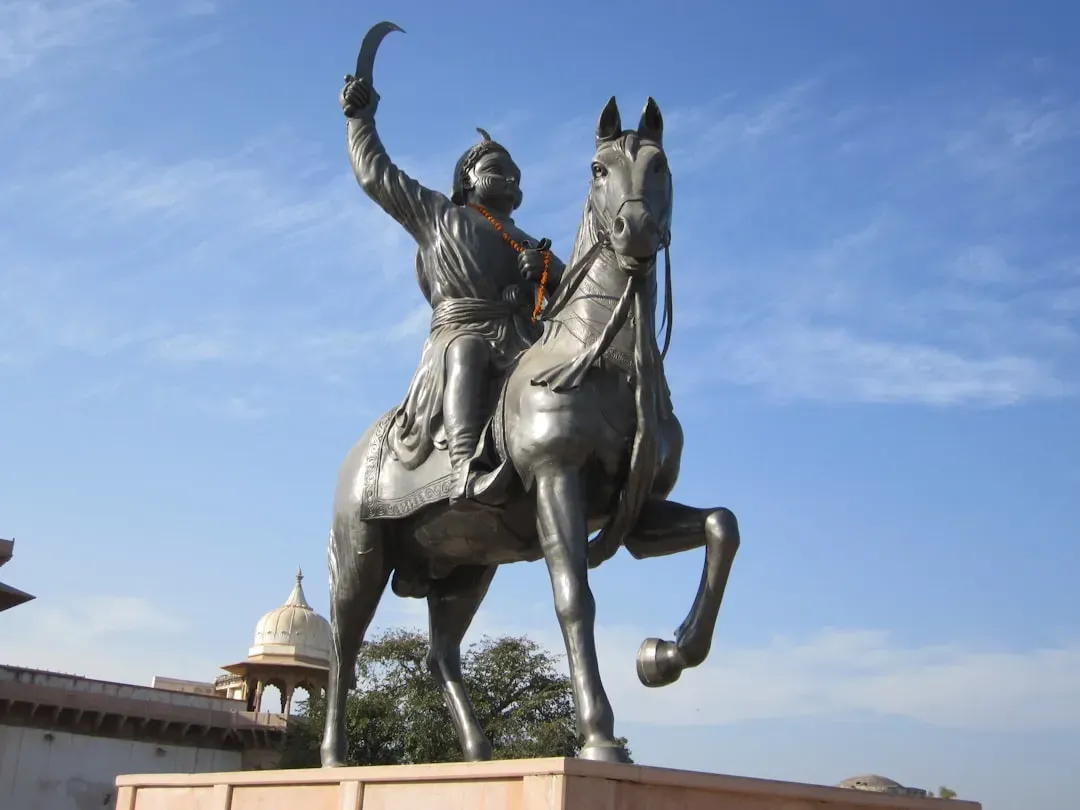
The Indian emperor Ashoka stood among the corpses of over 100,000 dead soldiers after conquering Kalinga, and something inside him shattered. His inscriptions on stone pillars across his empire weren’t delivered as traditional speeches, but they carried a message so revolutionary it transformed an entire continent. He publicly renounced violence and embraced Buddhism, declaring that conquest by dharma was superior to conquest by the sword.
His words spread across rock edicts throughout India, expressing genuine remorse for the suffering he’d caused. “The Beloved of the Gods felt remorse, for when an independent country is conquered the slaughter, death, and deportation of the people is extremely grievous,” one edict reads. This wasn’t political posturing. Ashoka actually ended his military campaigns and dedicated the rest of his reign to spreading Buddhist principles of non-violence.
What’s remarkable is how his message resonated across generations. His promotion of religious tolerance, animal welfare, and peaceful coexistence became foundational to Indian culture. The Mauryan Empire shifted from expansion through warfare to influence through moral authority, proving that a leader’s genuine transformation could redirect an entire civilization’s trajectory.
Pope Urban II’s Speech at the Council of Clermont (1095)
Now here’s where things get complicated, because Pope Urban II’s speech technically started the Crusades rather than ended a war. However, his words ended centuries of Muslim and Christian skirmishes in the Byzantine Empire by redirecting European aggression toward a unified cause. His rhetoric was so powerful that thousands of knights who’d been fighting each other suddenly found common purpose.
Urban’s speech promised spiritual redemption and forgiveness of sins for those who took up the cross. “Undertake this journey for the remission of your sins, with the assurance of the imperishable glory of the Kingdom of Heaven,” he proclaimed. Within months, internal European conflicts dramatically decreased as warriors turned their attention eastward. The feudal warfare that had plagued Europe diminished substantially.
The First Crusade succeeded partly because Urban’s words unified fractured Christian kingdoms. While the long-term consequences were catastrophic, his immediate impact was undeniable. He channeled violence away from Christian-on-Christian warfare into what he framed as a holy mission. It’s a dark example of how powerful oratory can redirect human aggression, even if the ultimate outcome contradicts the initial peace achieved.
Chief Joseph’s Surrender Speech (1877)
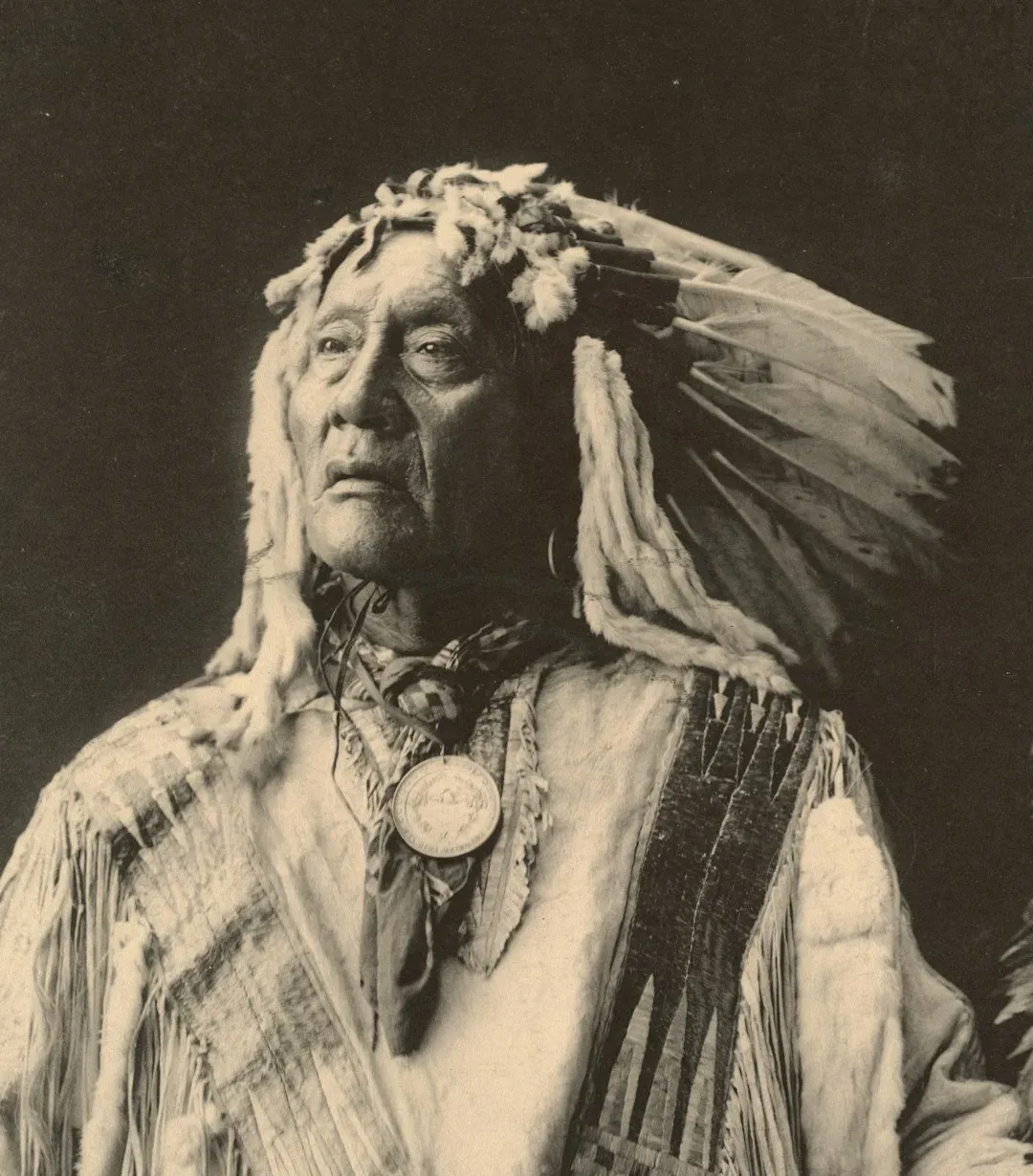
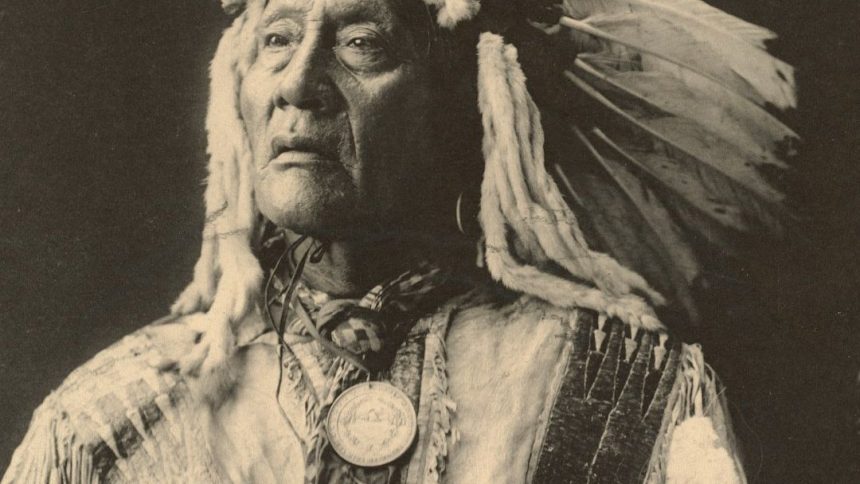
“I will fight no more forever.” These six words from Chief Joseph of the Nez Perce tribe ended a 1,170-mile running battle through Montana, Wyoming, and into northern territories. After months of tactical brilliance that stunned U.S. military commanders, Chief Joseph recognized that continuing would only lead to the complete annihilation of his people, particularly the elderly, women, and children suffering in the brutal cold.
His full speech, delivered through an interpreter, carried profound dignity despite devastating circumstances. “Hear me, my chiefs. I am tired. My heart is sick and sad. From where the sun now stands, I will fight no more forever.” There was no bitterness in his tone, just exhausted acceptance. The speech wasn’t about victory or defeat but about survival and the unbearable cost of continued resistance.
What ended wasn’t just a military campaign but also the hope of the Nez Perce maintaining their traditional way of life. Chief Joseph’s words acknowledged a painful reality that many indigenous leaders would face. His eloquent surrender became a symbol of Native American resilience and tragic loss. The speech resonated so deeply because it combined warrior dignity with heartbreaking humanity, choosing his people’s survival over his own pride.
Woodrow Wilson’s Fourteen Points Address (1918)
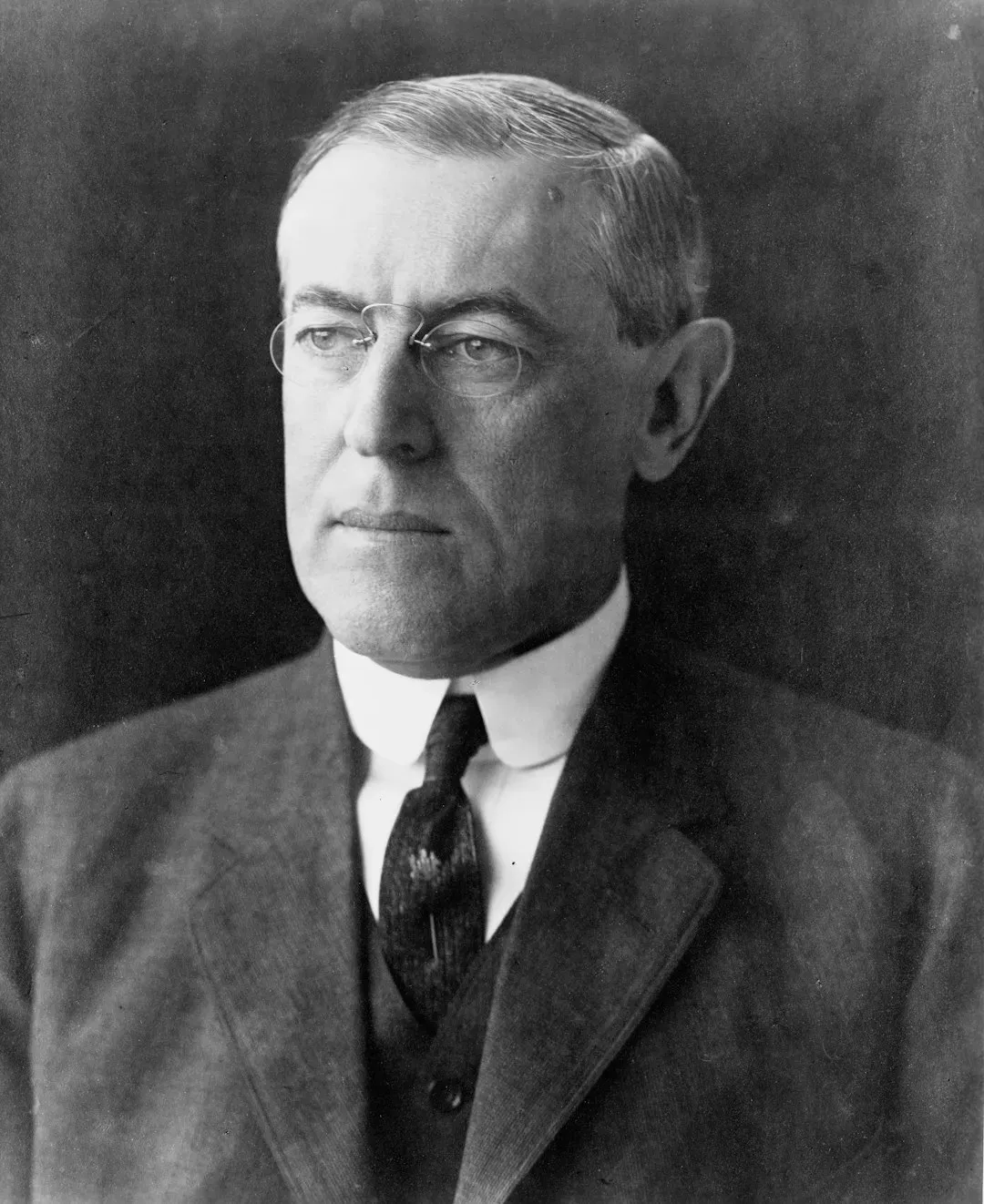
President Woodrow Wilson addressed Congress in January 1918, laying out his vision for ending World War I and preventing future conflicts. His Fourteen Points weren’t just peace terms but a complete reimagining of international relations. Open diplomacy, freedom of the seas, arms reduction, and most revolutionary of all, the concept of self-determination for nations. Wilson believed transparency and fairness could replace the secret treaties and imperial ambitions that had triggered the war.
His fourteenth point called for “a general association of nations” that would become the League of Nations. While the speech didn’t immediately end the fighting, it fundamentally changed how world leaders approached peace negotiations. Germany accepted armistice partly because Wilson’s terms seemed more reasonable than the harsh demands from Britain and France. His idealistic framework gave exhausted nations a roadmap toward ending the bloodshed.
The speech’s impact extended far beyond 1918. Wilson’s principles influenced decolonization movements worldwide and established new norms for international conduct. Not everyone embraced his vision, and ironically, the U.S. Senate rejected joining the League of Nations he’d championed. Still, his words shifted global consciousness about how nations should interact, making future wars harder to justify and easier to resolve through diplomatic means.
Neville Chamberlain’s “Peace for Our Time” Speech (1938)
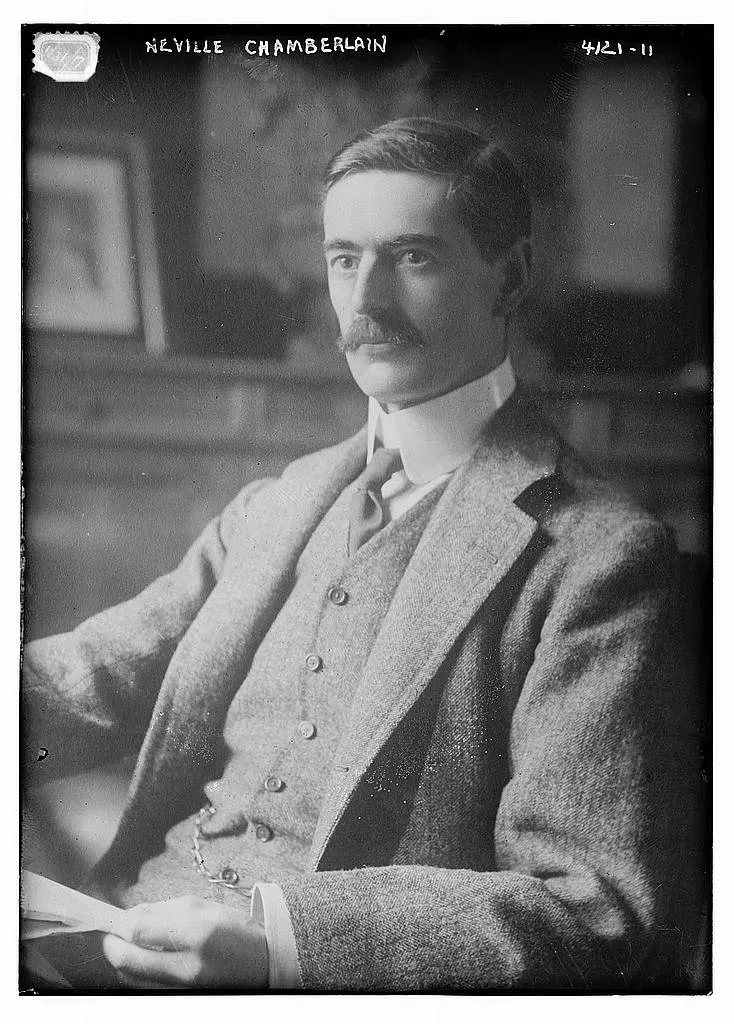
Let’s be real, Chamberlain’s speech announcing the Munich Agreement is remembered more for its naivety than its success. After meeting with Hitler, he returned to Britain waving a signed agreement and declaring “peace for our time.” In the immediate sense, his words did temporarily avert war between Britain and Germany over Czechoslovakia. The British public, still traumatized from World War I losses, desperately wanted to believe him.
Chamberlain’s speech reflected genuine conviction that diplomacy and concession could satisfy Hitler’s territorial ambitions. “My good friends, for the second time in our history, a British Prime Minister has returned from Germany bringing peace with honour,” he announced to cheering crowds. The relief was palpable. Nobody wanted another devastating European conflict, and Chamberlain’s optimistic rhetoric gave people permission to hope.
History judges him harshly now, but his speech genuinely delayed British involvement in World War II by a year. That delay allowed Britain crucial time to rearm and prepare, even if unintentionally. The speech didn’t end war permanently, but it postponed British military engagement long enough to make eventual victory possible. Sometimes the wrong words at the right time serve purposes their speaker never intended.
Emperor Hirohito’s Surrender Broadcast (1945)
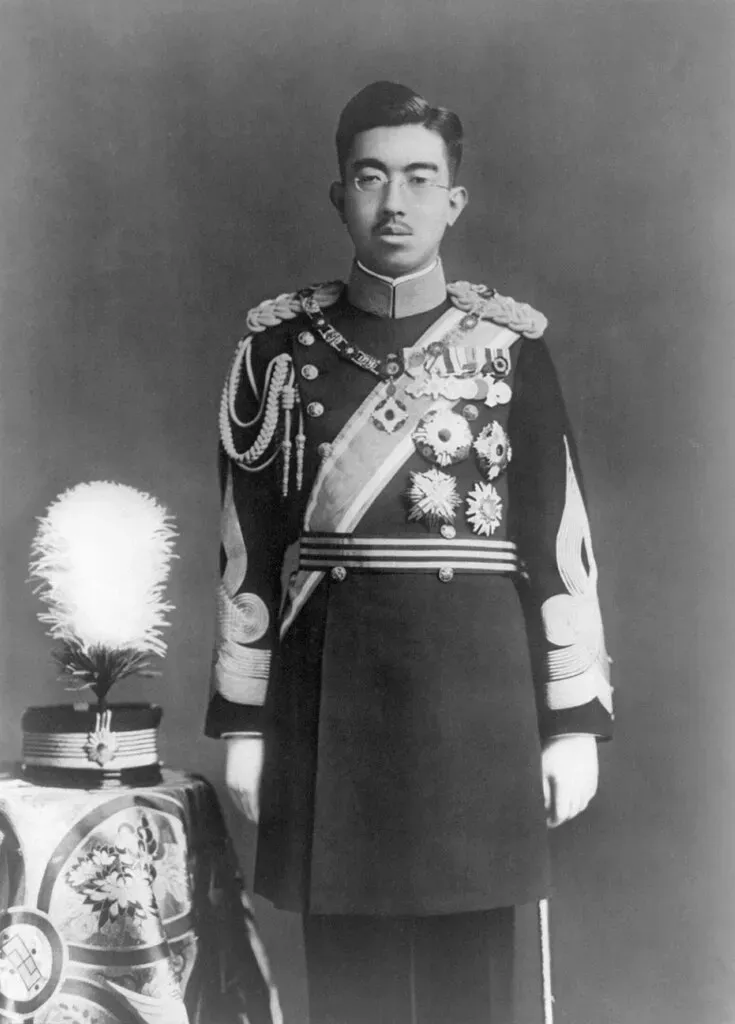
On August 15, 1945, Japanese citizens heard their emperor’s voice for the first time ever via radio broadcast. Emperor Hirohito announced Japan’s acceptance of the Potsdam Declaration, effectively ending World War II. His speech was deliberately vague, never using the word “surrender” but instead referring to “enduring the unendurable and suffering what is insufferable.” For a culture where imperial divinity was foundational, hearing their god-emperor admit defeat was earth-shattering.
The speech prevented what would have been a catastrophic invasion of the Japanese mainland. Military estimates suggested such an invasion could have cost millions of lives on both sides. Hirohito’s words gave Japanese soldiers permission to lay down their arms without dishonor, framing capitulation as obedience to imperial command rather than cowardice. His unique position made this rhetorical framing possible in ways a political leader never could have achieved.
What’s fascinating is how the speech navigated cultural complexities while achieving its practical goal. Hirohito acknowledged the “new and most cruel bomb” that had devastated Hiroshima and Nagasaki, but he emphasized preserving Japanese civilization and preventing further suffering. His broadcast ended the largest conflict in human history through carefully chosen words that balanced tradition with pragmatic necessity. It remains one of the most consequential speeches ever delivered.
Anwar Sadat’s Address to the Knesset (1977)
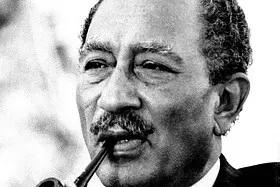
When Egyptian President Anwar Sadat flew to Jerusalem and addressed the Israeli parliament, jaws dropped worldwide. No Arab leader had ever formally recognized Israel’s right to exist, let alone stood before its legislative body proposing peace. His speech was electric with historical significance. “I come to you today on solid ground to shape a new life and to establish peace,” he declared to stunned Israeli lawmakers who had considered Egypt their mortal enemy for decades.
Sadat’s words directly addressed psychological barriers preventing Middle East peace. He spoke of fear, suspicion, and the need to break down mental walls before physical ones. “There are facts that should be faced with courage and clarity. There are land, airplanes, and positions that Israel insists on keeping,” he acknowledged, refusing to pretend disputes didn’t exist. His honesty was refreshing after years of hollow diplomatic rhetoric that accomplished nothing.
The speech led directly to the Camp David Accords and ended thirty years of hostility between Egypt and Israel. It cost Sadat his life when an extremist assassinated him four years later, but his courage changed regional dynamics permanently. By speaking to Israeli citizens over their government’s head, he built grassroots support for peace that politicians couldn’t ignore. His address proved that acknowledging your enemy’s humanity can accomplish what military force never could.
Mikhail Gorbachev’s UN Address (1988)
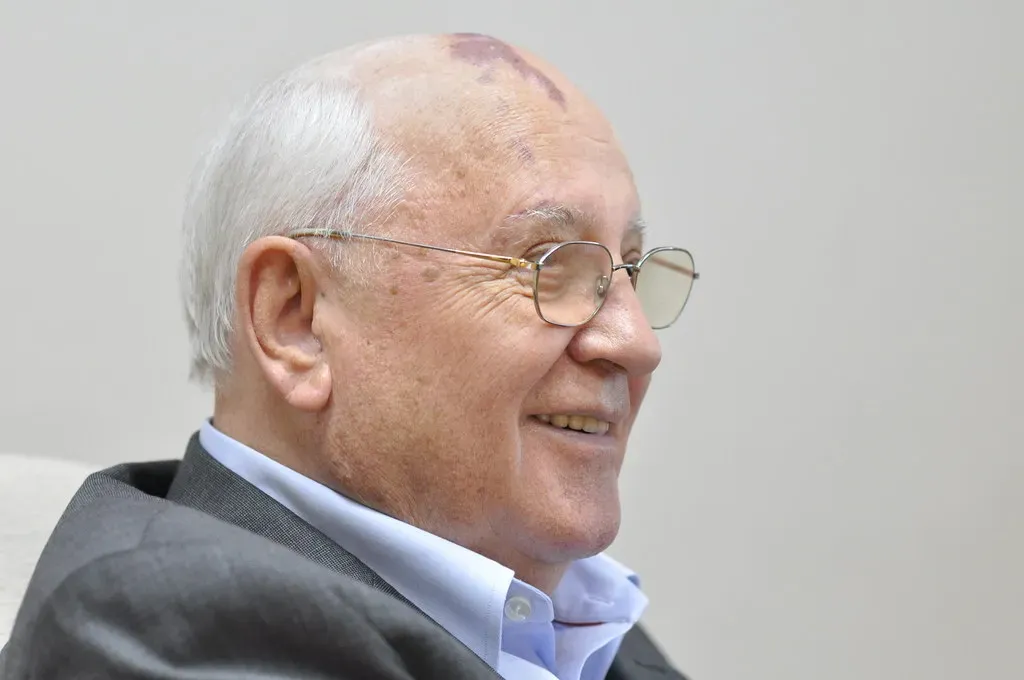
Soviet leader Mikhail Gorbachev stood before the United Nations and announced unilateral military reductions without demanding reciprocal Western concessions. This unprecedented move signaled the beginning of the Cold War’s end. “Force and the threat of force can no longer be, and should not be instruments of foreign policy,” he declared, fundamentally contradicting decades of Soviet military doctrine and Communist ideology.
His speech outlined concrete troop withdrawals from Eastern Europe and reduction of Soviet conventional forces by 500,000 personnel. Western leaders initially suspected a propaganda trick, but Gorbachev was deadly serious. He recognized that the Soviet economy couldn’t sustain military competition with the West while also providing for its citizens. His words acknowledged what previous Soviet leaders had refused to admit: the Cold War was bankrupting his nation.
Within three years, the Soviet Union would cease to exist, but Gorbachev’s UN address had already ended the ideological conflict that threatened nuclear annihilation. His willingness to choose economic survival over military prestige gave reformers throughout the Eastern Bloc permission to demand change. The speech didn’t just end a specific war but dissolved the philosophical framework that had divided the world for over forty years. It takes extraordinary courage to admit your entire system has failed.
Nelson Mandela’s Inauguration Speech (1994)
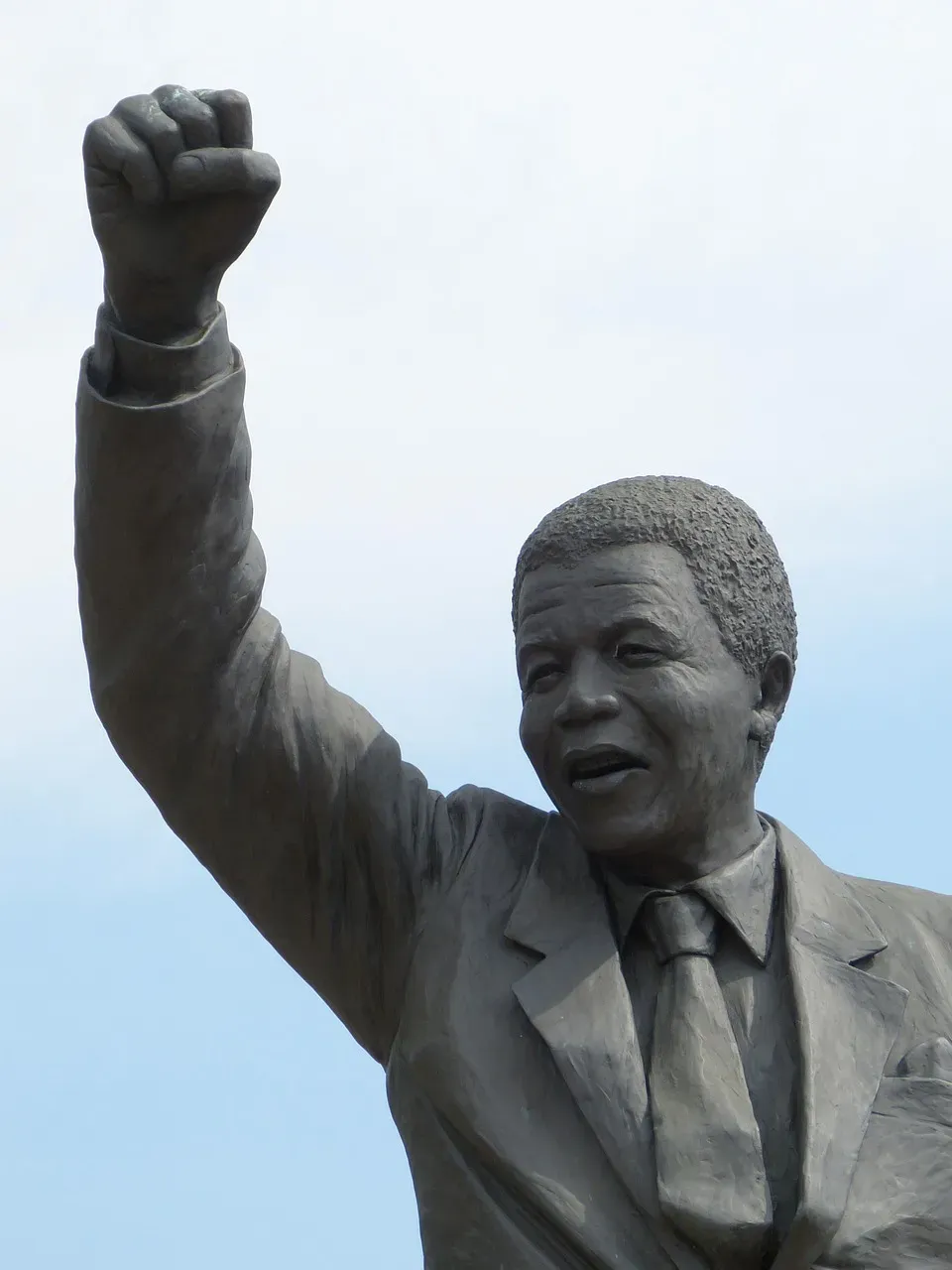
After twenty-seven years in prison, Nelson Mandela became South Africa’s first Black president and immediately used his platform to end the violent conflict threatening to tear the nation apart. His inauguration speech called for reconciliation rather than revenge, a message many in the international community doubted could succeed. “Never, never, and never again shall it be that this beautiful land will again experience the oppression of one by another,” he proclaimed, setting a tone of unity that seemed impossible given apartheid’s brutal legacy.
Mandela’s words explicitly rejected the cycle of vengeance that had characterized liberation movements elsewhere in Africa. He spoke of healing and building together, inviting white South Africans to be part of the new nation rather than flee or resist. “We must therefore act together as a united people, for national reconciliation, for nation building, for the birth of a new world,” he declared. This wasn’t weakness but strategic brilliance, preventing the civil war that many predicted.
His speech ended decades of violent resistance and state oppression by offering a third path forward. The Truth and Reconciliation Commission that followed embodied his philosophy of restorative justice over retribution. South Africa avoided the bloodbath that seemed inevitable, largely because Mandela’s moral authority made forgiveness seem not just possible but necessary. His inauguration address became a template for conflict resolution in divided societies worldwide.
Juan Manuel Santos’s FARC Peace Agreement Speech (2016)
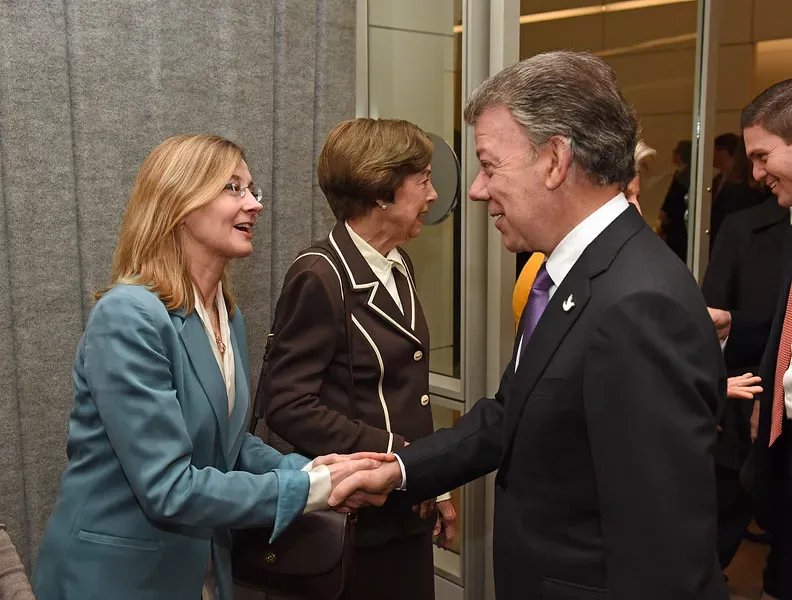
Colombian President Juan Manuel Santos announced a peace agreement with FARC rebels, ending over fifty years of civil war that had killed more than 220,000 people. His speech acknowledged the deep pain on all sides while insisting that continued conflict served no one’s interests. “The war with the FARC is over,” he declared simply, stating what many Colombians had thought impossible. The guerrilla organization that had terrorized the countryside would lay down their weapons and enter the political process.
Santos’s rhetoric balanced justice with pragmatism, recognizing that perfect accountability for decades of atrocities might prevent any peace at all. He spoke of Colombia’s children and grandchildren deserving to grow up without violence, making the argument generational rather than political. His framing helped skeptical Colombians accept compromises they found personally painful. The speech didn’t pretend past horrors hadn’t occurred but insisted future generations shouldn’t inherit them.
The peace process faced significant opposition, and a referendum initially rejected the agreement. However, Santos’s persistent messaging eventually succeeded in building enough support for a revised deal. His 2016 Nobel Peace Prize recognized not just the agreement itself but his rhetorical skill in convincing a traumatized nation that reconciliation was possible. Colombia’s transformation from South America’s most dangerous country to a growing tourism destination validates his conviction that words can heal even the deepest wounds.
Conclusion

These ten speeches remind us that humanity’s capacity for change often hinges on a single person finding the right words at the crucial moment. What’s striking isn’t just their eloquence but their courage. Each speaker risked something profound: reputation, political power, even their lives to speak truth that could end suffering. They understood that winning arguments matters less than ending violence.
The common thread through all these addresses is their appeal to our better nature. They acknowledged pain and injustice while insisting that revenge and continued bloodshed would only perpetuate cycles of suffering. These leaders chose to believe in humanity’s capacity for growth, forgiveness, and change even when evidence suggested otherwise. Their speeches didn’t erase the past but offered permission to imagine a different future.
Words alone don’t end wars, but they can create the psychological space where peace becomes imaginable. These speeches worked because they combined moral clarity with practical pathways forward, giving people reasons to hope without denying harsh realities. In our current era of endless conflicts and bitter divisions, perhaps we need leaders willing to speak with similar courage and vision. What speech do you think had the greatest impact? Tell us in the comments.