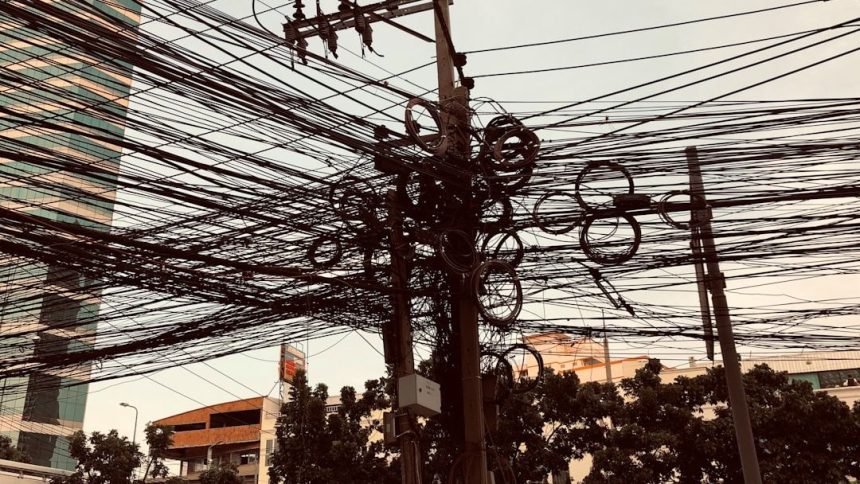
Silicon Valley powers the world. It hosts the servers, the algorithms, the cloud systems that millions of people rely on daily. But here’s the uncomfortable truth: the region that builds the most sophisticated technology on earth is sitting on some deeply fragile infrastructure foundations.
A single prolonged power outage in the Valley wouldn’t just dim the lights. It could cripple hospitals, silence data centers, stress water supplies, and cascade into a crisis that nobody is fully prepared for. The vulnerabilities are real, they’re documented, and honestly, they don’t get nearly enough attention. Let’s dive in.
Weak Point #1 – The Overloaded Electrical Grid That’s Already Buckling
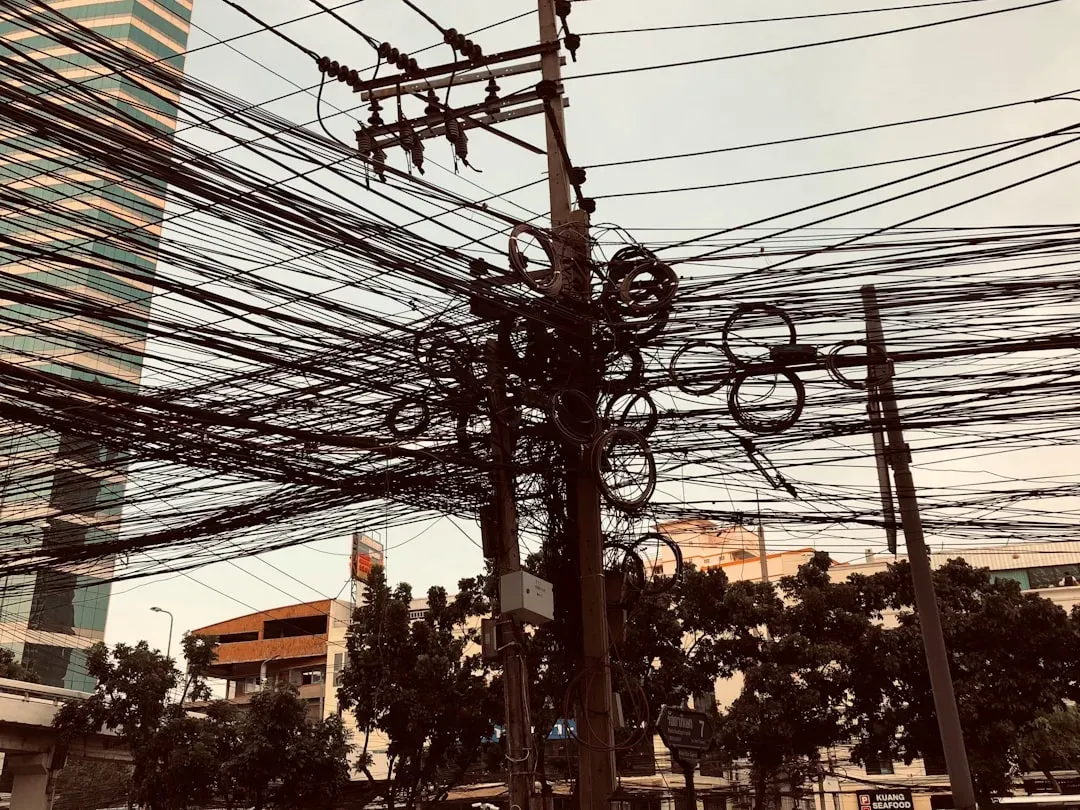
Think of the grid as a highway. Now imagine that overnight, everyone in the city bought three extra cars. That’s essentially what’s happening in Silicon Valley right now. Pacific Gas and Electric, California’s largest investor-owned utility, reported a 40% jump in data center hookup requests that would require 3.5 gigawatts of electricity to operate, which is equivalent to the output of three nuclear reactors. The grid was simply not designed for this.
Data centers require copious amounts of electricity at a time when the capacity of California’s electrical grid is already strained to the point where brownouts are a threat. Brownouts are not theoretical warnings for some distant future. They are a present danger, today, in 2026.
Santa Clara, a town of about 130,000 people, is beginning to feel a strain on its power grid. Officials say data centers now consume about 60% of Santa Clara’s power. That concentration is remarkable. One city. One local grid. Sixty percent of its power feeding machines, not people.
Weak Point #2 – Data Centers Are Growing Faster Than the Grid Can Follow
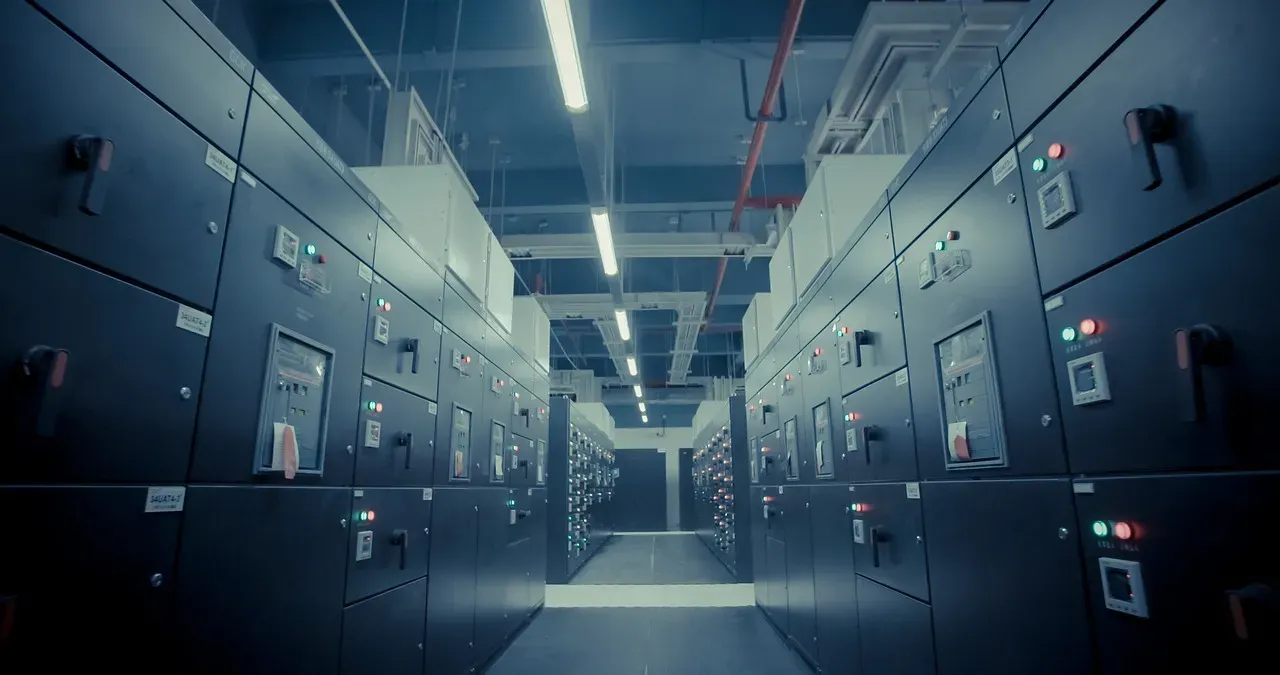
Huge, electricity-gobbling data centers are being developed faster than the generation and transmission infrastructure needed to support them, a dilemma that threatens grid reliability, according to the 2025 State of Reliability assessment by the North American Electric Reliability Corp. That’s not an opinion from an advocacy group. That’s the grid’s own watchdog sounding the alarm.
Data centers are often built within two years, much faster than traditional industrial loads. Infrastructure takes a decade. The math doesn’t work. The gap between what’s being built and what the grid can safely support keeps widening every single quarter.
Developers have requested 18.7 gigawatts of service capacity for data centers, more than enough to serve every household in the state, according to the California Energy Commission. Let that sink in. More power than every California household uses – requested by data centers alone. A major outage event in this environment wouldn’t just knock systems offline. It could trigger a chain reaction across the region.
Weak Point #3 – The Aging Transmission Network That Keeps Failing
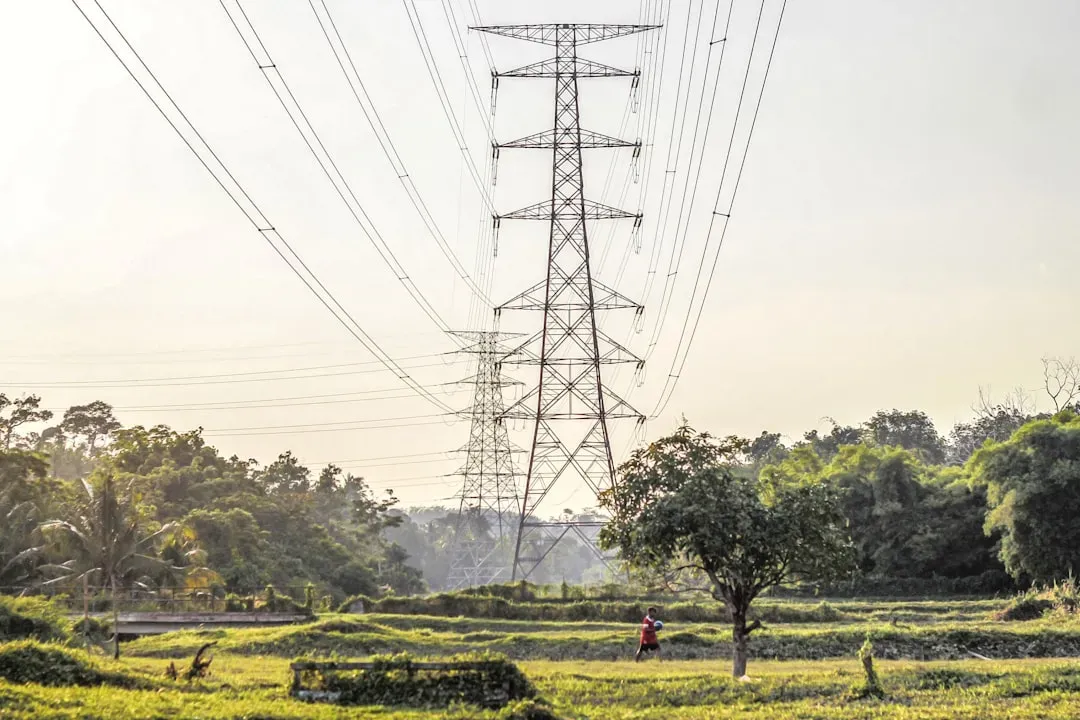
Here’s a detail that tends to get buried in the headlines: the actual transmission lines and substations that carry power through Silicon Valley are old, and they’re showing it. PG&E’s 2024 Electric Annual Reliability Report reveals a System Average Interruption Duration Index of 276.4 minutes per customer and a System Average Interruption Frequency Index of 1.832 outages per customer. Nearly 5 hours of lost power per customer, per year. That is a grid under serious stress.
Aging infrastructure in older neighborhoods has been blamed for regular electrical failures, with underground power lines in areas like the Val Vista neighborhood on the city’s northwest side singled out as a specific area of concern. Underground lines are expensive to inspect and notoriously difficult to repair quickly when they fail.
In 2023, state officials gave LS Power approval to build a 13-mile-long high-voltage transmission line from San Jose to Coyote Valley. The project is needed to expand the amount of electricity that can flow in and out of Silicon Valley to handle a big jump in demand from more electric cars, artificial intelligence expansion, and population growth. The fix is underway, but construction is expected to start next month and finish in 2028. That leaves years of exposure on the table.
The Substation Bottleneck: One Failure, Many Consequences
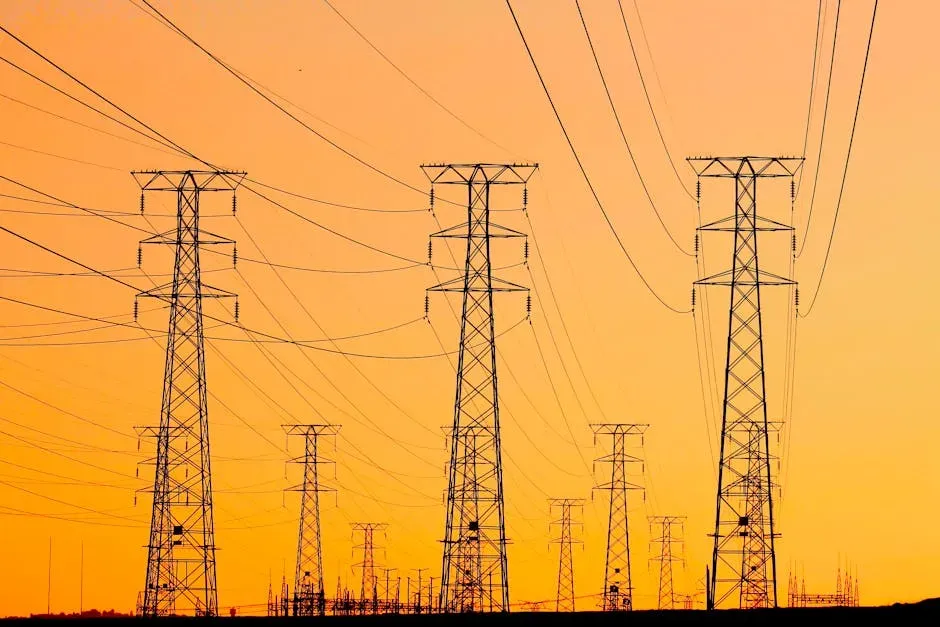
Substations are the silent workhorses of the electrical system. Most people have never thought about them. They should. PG&E is rebuilding Substation A near the downtown San Jose market center and upgrading Substation B on Coleman Avenue in order to increase capacity and prepare for the construction of two major high-voltage transmission lines.
The urgency behind these upgrades tells its own story. When a single substation serving a dense cluster of data centers and hospitals fails, there is no quick workaround. In May 2025, CAISO approved a cluster of transmission network upgrades in the South Bay Area largely intended to serve 2.5 gigawatts of concentrated data center and electrification load growth between 2026 and 2039. The cost of these upgrades exceeds two billion dollars.
Two billion dollars just for one portion of upgrades. Meanwhile, the data keeps pouring in. Data centers are unique in their extraordinary energy intensity, consuming 10 to 50 times more energy per square foot than a typical commercial office building. A neighborhood of office buildings can fail and the grid adjusts. A data center cluster failing is a different story entirely.
The Water-Power Connection Nobody Talks About Enough

Most people think of a power outage as a lights-off problem. They’re missing the bigger picture. Because energy and water are so interdependent, the availability and predictability of water resources can directly affect energy systems. It works both ways. Water systems need power to pump, treat, and distribute water. Power systems need water to cool and generate. Cut one, and you weaken the other.
California experienced record heat and dry conditions during the summer of 2024, leading parts of the state back into drought. Despite late 2024 storms in Northern California, January 2025 saw statewide precipitation fall below average. Snowpack, which accounts for roughly a third of the state’s water supply, remained below average in the Central and Southern Sierra Nevada mountains. This is the reality feeding into the Valley’s compounding risks.
Water infrastructure serving the Bay Area must also be resilient to shocks and stressors, like earthquakes, floods and climate change. In a prolonged power outage scenario, pumping stations stop. Water pressure drops. Firefighters lose their ability to respond effectively. The cascade is faster and more dangerous than most residents imagine.
The Earthquake Factor: Silicon Valley’s Underground Wildcard
Let’s be real about one thing most infrastructure discussions conveniently skip. Silicon Valley sits in one of the most seismically active regions in the United States. A serious earthquake doesn’t just crack roads. It ruptures underground power lines, disables substations, and can take a grid down for days or weeks. PG&E’s challenges are deeply intertwined with seismic risks. While specific earthquake-related vulnerabilities in PG&E’s infrastructure remain underreported, the company’s 2027-2030 General Rate Case proposal highlights proactive measures to address these gaps.
The utility plans to underground 307 miles of powerlines and replace 164 miles of gas pipelines to address earthquake vulnerabilities. That’s a meaningful commitment, but it’s worth noting that this work is still in progress. The vulnerabilities exist now, not in some theoretical future state.
For planning purposes, customers are suggested to always prepare for outages that could last longer than 48 hours whether due to extreme weather, earthquake or another event. The utility itself is telling you to plan for multi-day outages. That’s a remarkable admission from the people running the system.
When the Grid Fails, Data Centers Don’t Quietly Go Offline
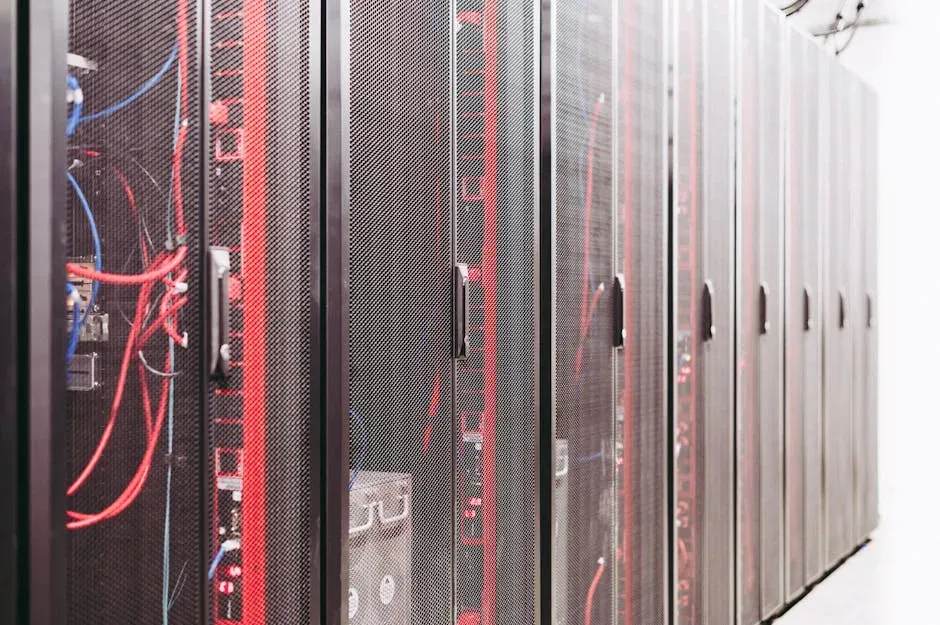
Here’s something that genuinely surprised me when I looked into it. The way data centers disconnect from the grid during a power event isn’t passive. It’s actually a threat in itself. The behavior of large data centers during normal grid faults is an emerging concern because customer-initiated automatic disconnecting of sizeable load can cause operating issues.
In July of 2024, 1,500 megawatts of load exclusively associated with a data center was lost across 60 different points and 25 substations due to a 230 kV transmission line fault. NERC stated that this voltage-sensitive load disturbance had not been anticipated by power system operators and, consequently, the voltage rose beyond normal operating levels. That event happened in Virginia, but the exact same dynamic is present in Silicon Valley’s increasingly dense data center corridor.
Authors of a recent environmental report pointed out that regions dense with data centers, particularly Santa Clara County, home to Silicon Valley, could face higher localized risks from diesel backup generators. Those generators kick in during an outage, but they bring their own set of pollution and operational risks, especially in a region with already stressed air quality.
The Ratepayer Trap: Who Actually Pays When Things Break?
There’s a financial dimension to this crisis that doesn’t get discussed in technical infrastructure reports. When the grid needs to be upgraded to serve enormous new data center loads, somebody pays. And it’s increasingly looking like that somebody is you. Interconnecting these data centers to the grid poses risks for ratepayers because of the enormous infrastructure costs required to serve them. These costs may ultimately be passed on to all ratepayers, especially if the facilities use less energy than projected or shut down before the utility has recovered its associated interconnection costs.
The Public Advocates Office, an independent consumer watchdog within the California Public Utilities Commission, recently warned that rapid data-center growth could leave Californians paying for billions of dollars in grid upgrades if projects never materialize or use far less power than promised. “Ratepayers could end up paying for costly infrastructure upgrades that may not be needed for many years or at all,” the office said.
I think this is the part of the story that most people miss entirely. The infrastructure fragility isn’t just a technical problem. It’s a financial one. And when the grid breaks, the cost of fixing it gets baked into your electricity bill whether you like it or not.
The Regulatory Gap: Rules That Can’t Keep Up With Reality
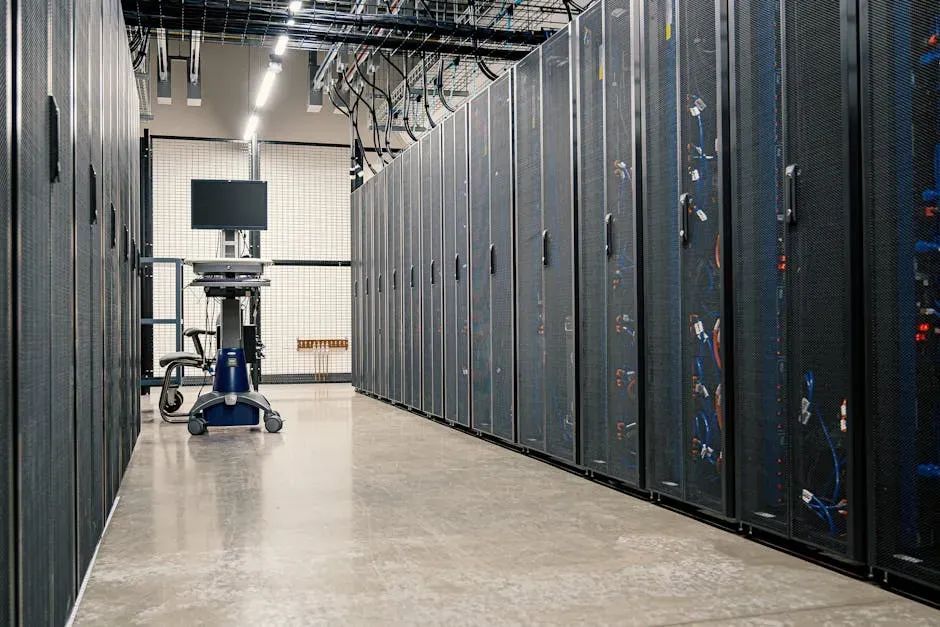
Silicon Valley’s infrastructure crisis is also, at its core, a governance crisis. The technology is moving at one speed. The regulations are moving at a completely different, much slower one. Efforts to regulate the energy usage of data centers ran headlong into Big Tech, business groups and the governor. California’s push to regulate AI data center energy use was reduced to a 2027 report after Big Tech lobbied against stricter rules.
California data center developers and operators are facing increasing logistical and political headwinds due to inadequate electric grid infrastructure and growing concerns about the impact of data center operations on retail electricity prices and water supplies. Yet meaningful oversight keeps getting delayed, diluted, or vetoed.
A 2024 report by the Department of Energy said data centers consumed about 4.4% of total U.S. electricity in 2023 and are expected to use up to 12% by 2028. The trajectory is steep. The regulatory apparatus to manage it is, at best, still being built. It’s a bit like designing seatbelt regulations after the cars are already on the freeway at full speed.
What Resilience Actually Looks Like Going Forward

The Silicon Valley Clean Energy Community Resilience Program aims to help the region reduce the impacts of power outages from events such as earthquakes, PG&E Public Safety Power Shutoffs, floods, and wildfires while supporting decarbonization and local job creation. Programs like this exist, and they matter. Distributed solar and battery storage systems are one of the more promising buffers against a major outage event.
Electricity demand from data centers worldwide is set to more than double in the coming five years, according to a report released by the International Energy Agency, with electricity demand from AI-optimized data centers projected to more than quadruple by 2030. That pace of growth means the window for proactive infrastructure investment is narrowing fast. What gets built in the next two to three years will largely determine how vulnerable the Valley actually is.
Climate change has fundamentally altered the state’s hydrologic system, intensifying severe weather as California swings from extreme dry to extreme wet situations. The infrastructure beneath Silicon Valley needs to be hardened not just for the next sunny afternoon, but for a future that is guaranteed to be more volatile, more unpredictable, and far more demanding than anything the engineers who first built it ever anticipated. The question isn’t whether a major power outage will test these weak points. It’s whether the Valley will be ready when it does. What do you think – is Silicon Valley doing enough to protect itself?