


Sequels are supposed to be a sure thing in Hollywood. Bring back the cast, keep the formula, collect the box office. Yet every so often an actor looks at the follow-up script, the pay offer, or the whole direction of a franchise and simply says no. What follows is a rundown of ten performers whose absence from a sequel changed the shape of a franchise, sometimes for the worse, sometimes in ways audiences barely noticed.
Michael Keaton walks away from Batman Forever

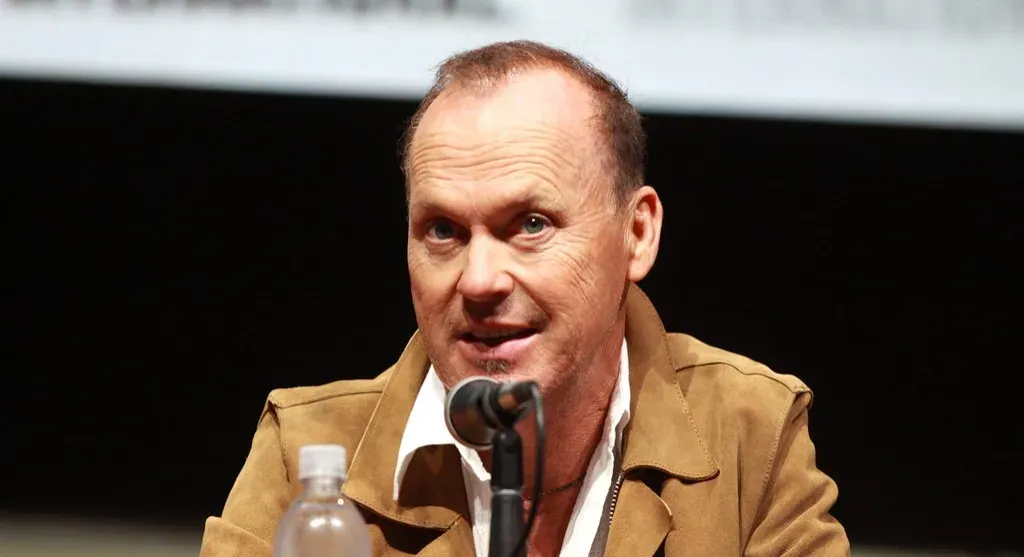
Michael Keaton had defined the modern screen Batman across two Tim Burton films, but he balked when Joel Schumacher took over the franchise for its third entry. Keaton’s decision to exit the franchise ahead of Batman Forever was due to a difference in vision over the title character with director Joel Schumacher. The disagreement reportedly boiled down to tone, with Schumacher pushing for something lighter than the gothic version Keaton and Burton had built.
Keaton declined to return for 1995’s Batman Forever after seeing the script. The role went to Val Kilmer instead, and the franchise pivoted into a brighter, campier style that many fans still debate to this day.
Katie Holmes steps back from The Dark Knight

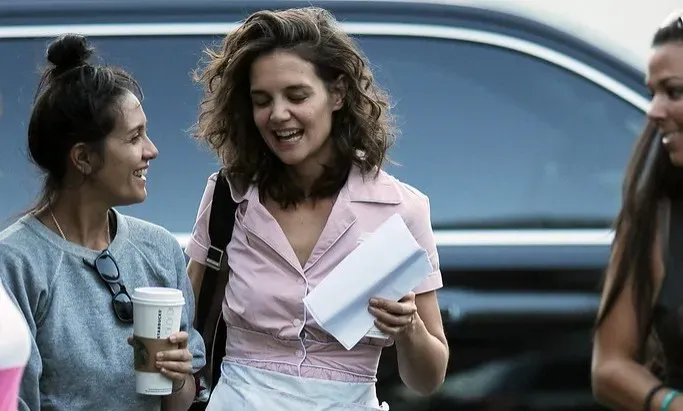
Katie Holmes played Rachel Dawes in Batman Begins, a character positioned as central to Bruce Wayne’s emotional arc. When it came time for The Dark Knight, Katie Holmes was to reprise as Rachel in The Dark Knight, but turned it down in order to star in Mad Money instead. Christopher Nolan had wanted her back and was candid about his disappointment.
Nolan told the outlet, “Katie wasn’t available for the role, which I wasn’t very happy about, but these things happen, and I was very, very fortunate that Maggie Gyllenhaal was able to take it over.” Maggie Gyllenhaal stepped into the part with Holmes’s blessing, and the character’s fate in the film ended up being one of the more consequential swaps in modern blockbuster history.
Terrence Howard walks away over pay

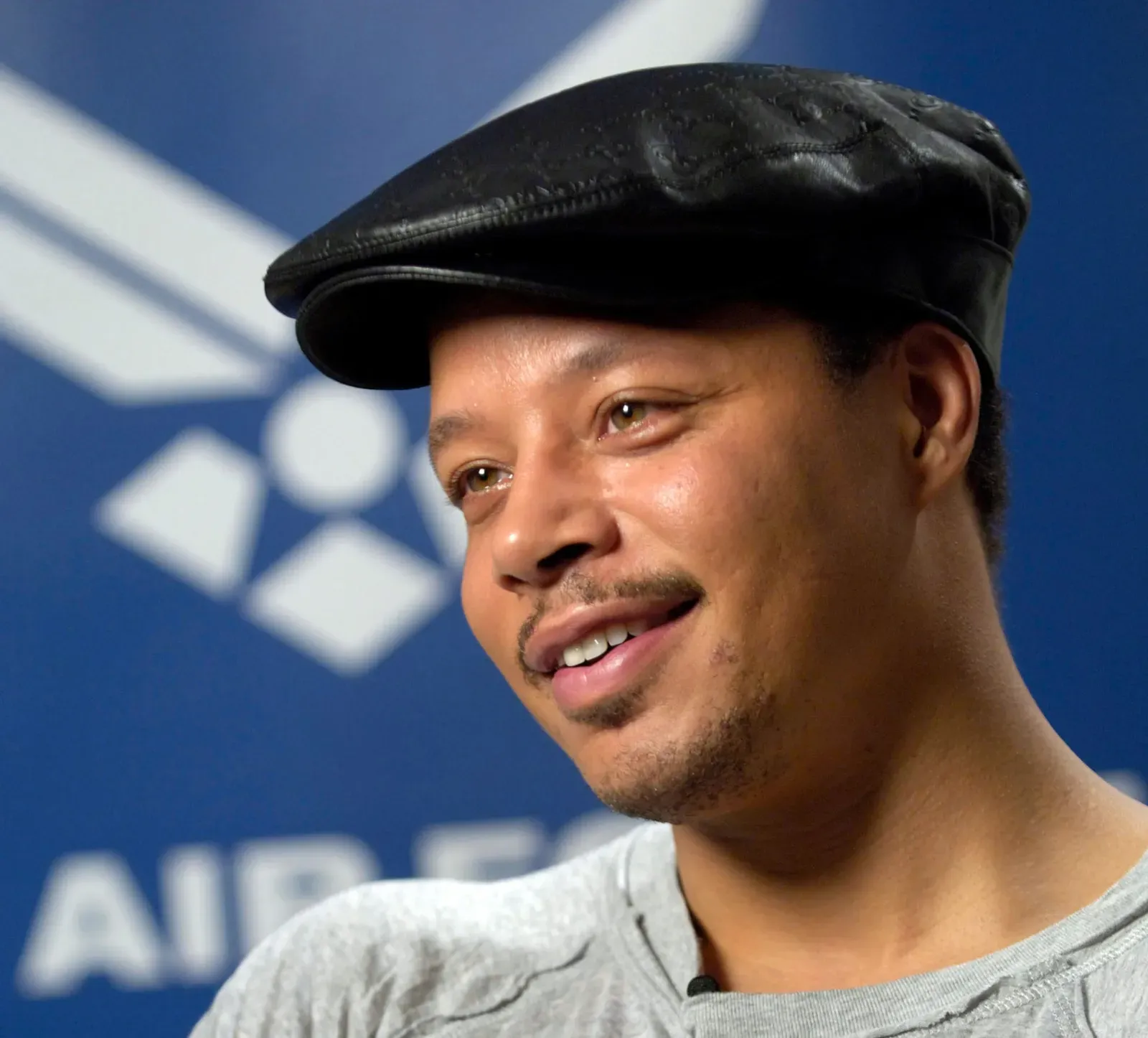
Terrence Howard played Colonel James Rhodes in the original Iron Man and was reportedly the highest paid actor on that film. Trouble started when the sequel came around, since Terrence Howard did not reprise his role in Iron Man 2 due to a salary dispute with Marvel Studios, having been set to earn 8 million dollars in the second film only to be informed he would be paid far less. Rather than accept the reduced offer, he chose to leave the role behind entirely.
When Howard refused to accept the offer, Don Cheadle was offered the role instead and took over as War Machine. Cheadle has played the character in every Marvel film since, while Howard’s early exit remains one of the more talked about pay disputes in superhero movie history.
Edward Norton doesn’t come back as the Hulk

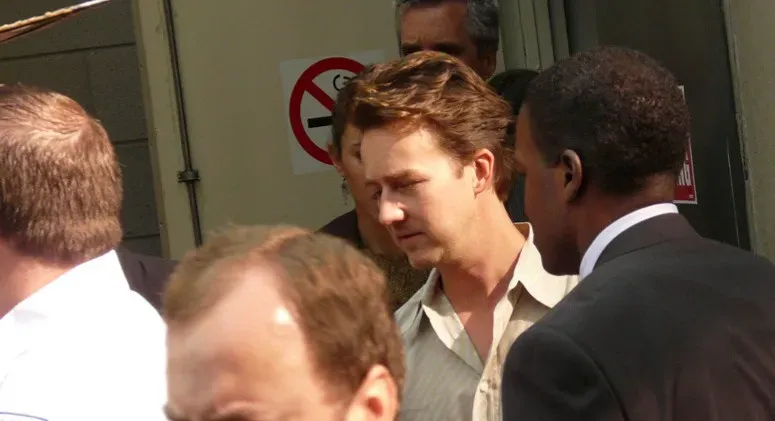
Edward Norton played Bruce Banner in 2008’s The Incredible Hulk, a film meant to launch the character inside the newly forming Marvel Cinematic Universe. By the time The Avengers was being cast, Norton was replaced in the role of Hulk by Mark Ruffalo from 2012’s The Avengers onward, due to creative differences. Norton had reportedly wanted more creative input than the studio was willing to give.
Norton himself later gave a mixed explanation, saying his choice partly reflected wanting variety in his career rather than committing to years of sequels and promotional obligations. Marvel confirmed plainly that it had made the decision not to bring Norton back to portray the title role of Bruce Banner in The Avengers. Ruffalo has since played the character in nearly every major Marvel release, making the swap one of the studio’s most consequential early recasts.
Rachel Weisz sits out The Mummy 3

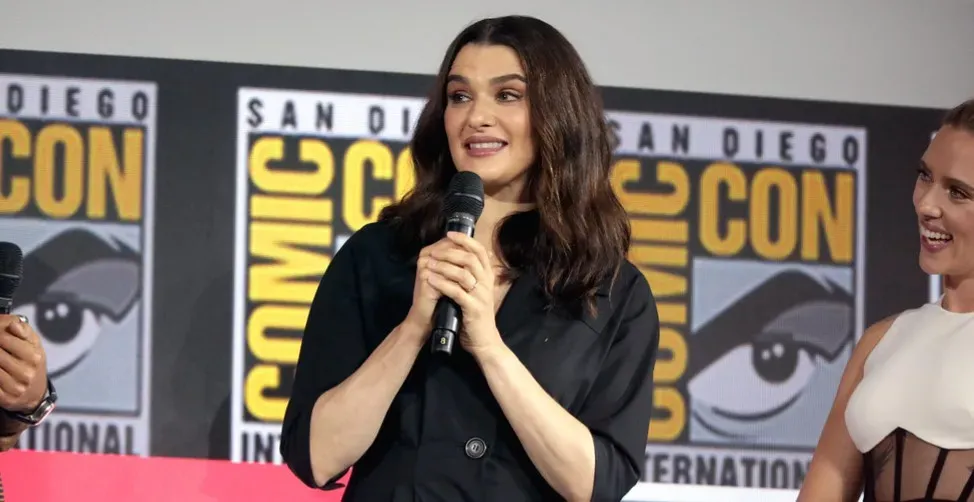
Rachel Weisz helped anchor the first two Mummy films as Evelyn Carnahan, but she was absent when the third installment went into production. Multiple explanations circulated at the time, including a suggestion that Weisz didn’t want to play a character with an adult son. Her own team offered a different account tied to family and scheduling.
According to her representatives, Weisz was unable to join the cast because she had a young son she did not want to leave behind for a five month shoot in China. Maria Bello took over as Evie for The Mummy: Tomb of the Dragon Emperor, a film that underperformed critically compared to its predecessors and effectively closed the door on further sequels.
Jodie Foster passes on Hannibal

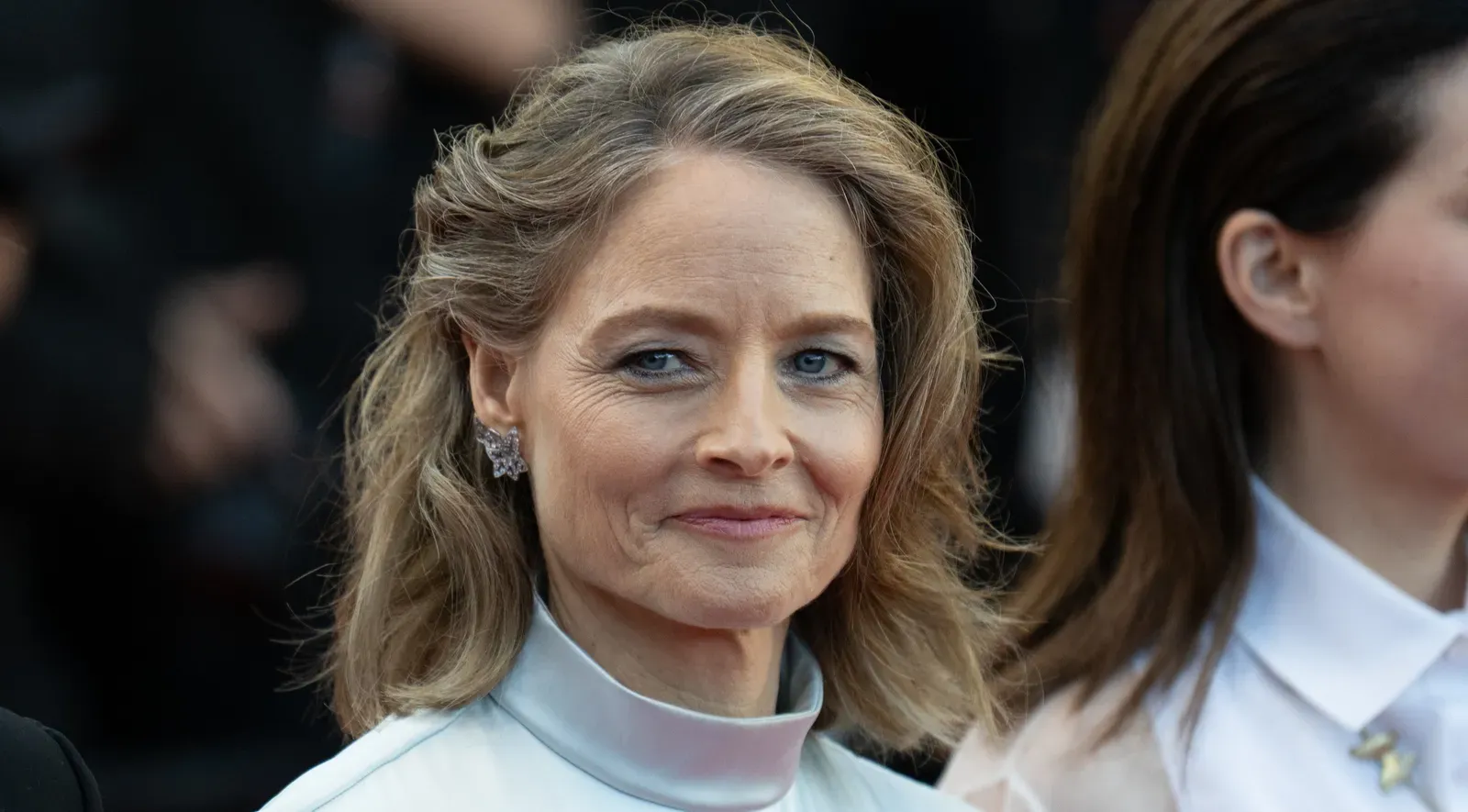
Jodie Foster won an Academy Award for playing Clarice Starling in The Silence of the Lambs, one of the most acclaimed thriller performances of its era. Despite the character’s popularity, Foster declined to return as Clarice Starling in Hannibal, reportedly feeling the script did not honor the character development from the first film. Scheduling conflicts were also cited as a secondary factor.
Julianne Moore eventually stepped into the role while Foster pursued other directing and acting projects. The decision is still referenced as a defining example of an actor prioritizing artistic judgment over a guaranteed franchise paycheck.
Val Kilmer leaves the cowl after one film

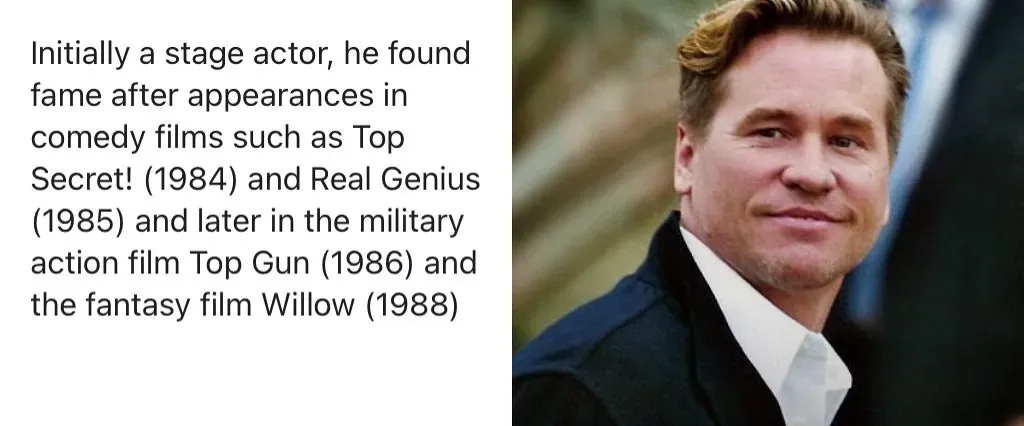
Val Kilmer took over as Batman for Batman Forever after Michael Keaton departed, but his own run in the cape lasted only a single movie. Kilmer has said publicly over the years that scheduling conflicts with another project, The Saint, made it difficult for him to commit to a second outing as the Dark Knight. Warner Bros. moved on with George Clooney for Batman & Robin, closing out one of the shortest tenures any actor has had in a major superhero role.
The quick turnover meant three different actors played Batman across three consecutive films released in the 1990s alone. Kilmer’s version is often remembered fondly by fans even though it never got a second chance to build on the character, a reminder that a single film’s box office success does not always guarantee a sequel invitation is accepted.
Shia LaBeouf stays away from Indiana Jones 5

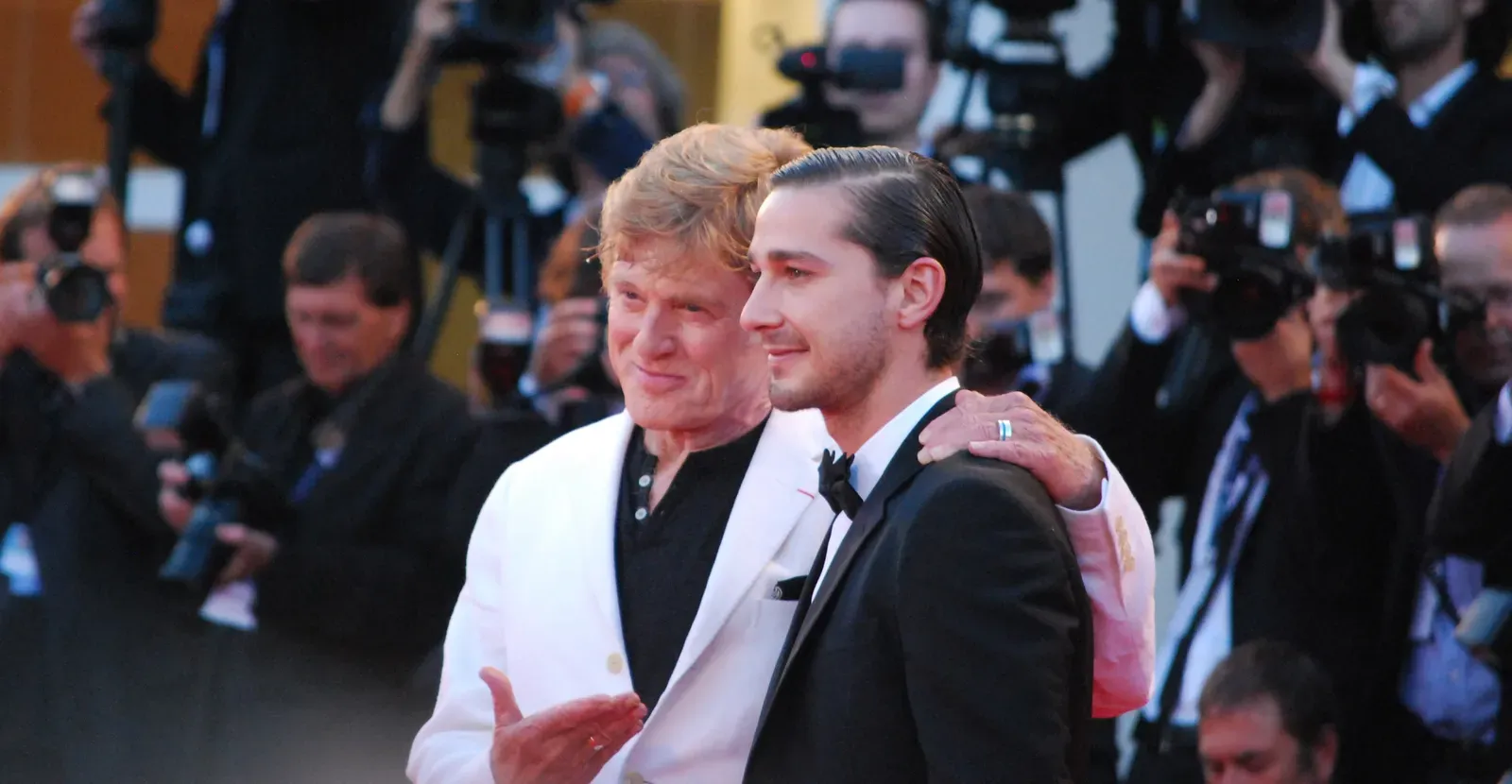
Shia LaBeouf played Mutt Williams, Indiana Jones’s son, in 2008’s Indiana Jones and the Kingdom of the Crystal Skull. The film drew heavy criticism from fans, and LaBeouf later said in interviews that he felt responsible for some of that backlash and would not return for another entry in the series. When Indiana Jones and the Dial of Destiny arrived in 2023, Mutt Williams was written out entirely rather than recast.
Lucasfilm instead built the fifth film’s family dynamic around a new character played by Phoebe Waller-Bridge. LaBeouf’s absence meant the Crystal Skull storyline was largely left behind rather than continued, an unusual choice for a franchise that typically leans on legacy characters to bridge films together.
Linda Hamilton sits out Terminator 3

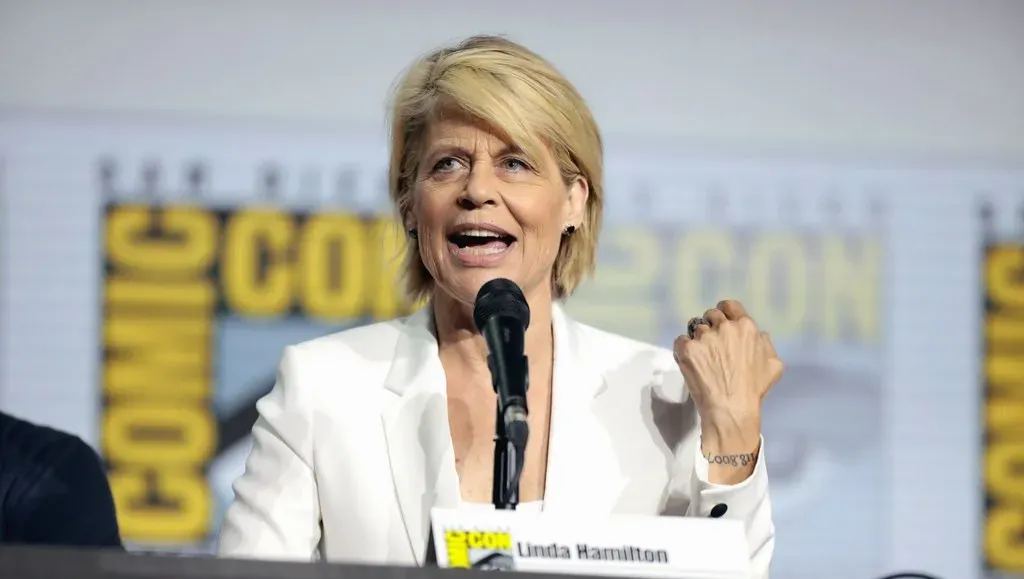
Linda Hamilton’s performance as Sarah Connor in Terminator 2: Judgment Day is still considered one of the defining action roles of the 1990s. She did not appear in 2003’s Terminator 3: Rise of the Machines, with the film instead explaining her character’s absence through a brief line of dialogue about her having died off screen. Hamilton has spoken about being unhappy with the direction the story took without her involvement in that installment.
She returned to the franchise years later for Terminator: Dark Fate in 2019, reclaiming the role after a sixteen year gap from the character. The detour through Terminator 3 without her is generally viewed by longtime fans as the point where the original storyline lost some of its footing.
Rooney Mara steps away from The Girl in the Spider’s Web

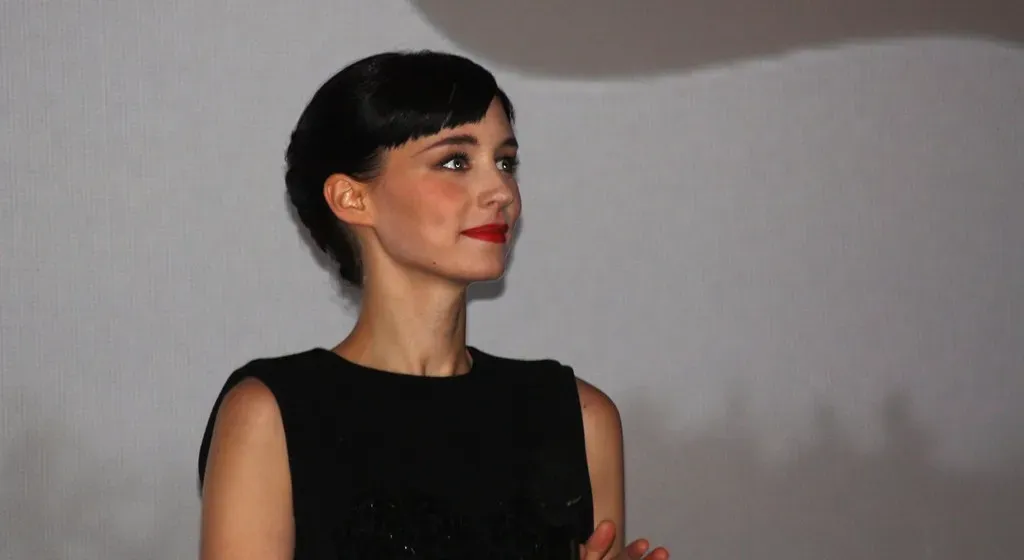
Rooney Mara earned an Academy Award nomination for playing Lisbeth Salander in David Fincher’s 2011 adaptation of The Girl with the Dragon Tattoo. When the franchise resumed years later with a different creative team, Rooney Mara did not reprise her role as Lisbeth Salander in the sequel The Girl in the Spider’s Web. The long gap between films and a change in studio direction were widely reported as factors in her decision not to continue.
Claire Foy took over the role for the 2018 sequel, which was based on a different novel in the Millennium series than the ones Fincher had been developing. The recast meant two very different screen versions of Lisbeth Salander now exist within the same overall franchise, separated by a seven year gap and a noticeably different visual style.
These ten cases show that the reasons behind walking away from a sequel are rarely simple. Sometimes it comes down to money, sometimes to creative disagreements, and sometimes to nothing more dramatic than a scheduling conflict that could not be worked out in time. What they share is a willingness to step away from a guaranteed paycheck and a built in audience, which is a harder decision than it might look from the outside.

