


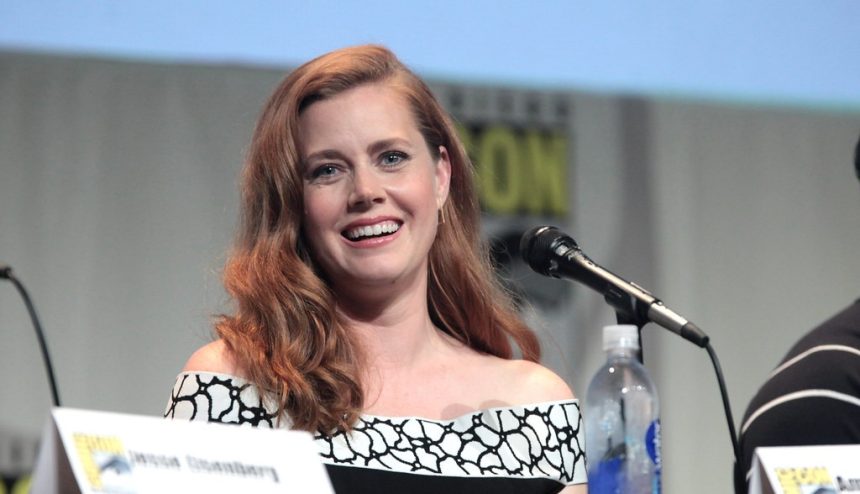
Every awards season, the same conversation resurfaces: how does someone with a career full of iconic performances leave the Dolby Theatre empty-handed, year after year? It’s a strange quirk of Hollywood history that some of the most influential faces on screen never got to hold that little gold man, at least not for the reason most audiences assume. Their absence from the winners’ list says less about their talent and more about the odd, often political nature of Oscar voting itself.
Glenn Close

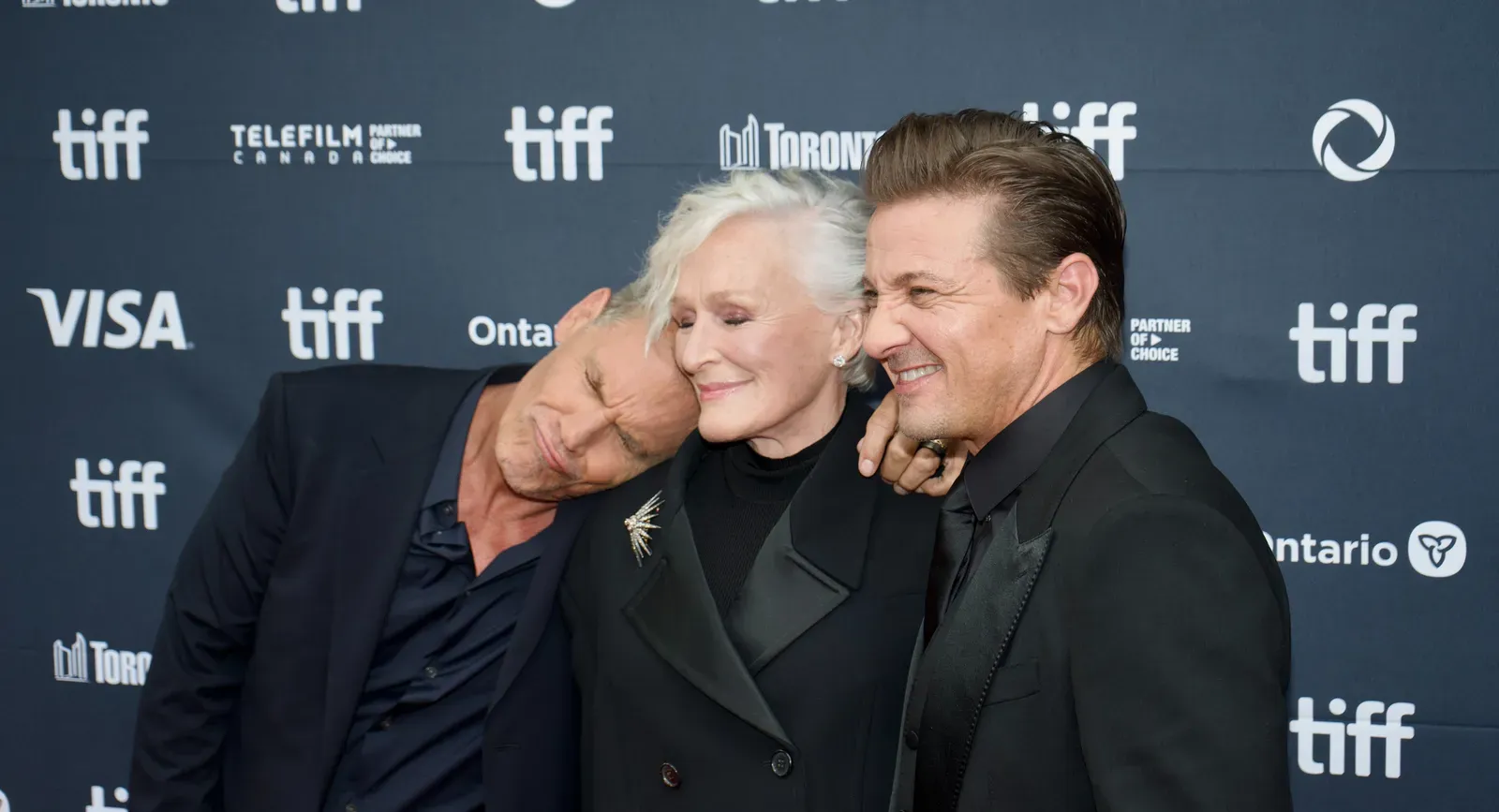
Glenn Close has spent more than four decades building one of the most respected filmographies in American acting, and yet the Academy has never once handed her the statue. She has been nominated eight times for an Academy Award, holding the record for the most Oscar nominations in an acting category without a win, tied with Peter O’Toole. Her nominated work spans wildly different registers, from three Best Actress nods and five Best Supporting Actress nominations across films like Fatal Attraction, Dangerous Liaisons, and The Wife.
Her closest brush with victory came in 2019, when she was widely expected to win for The Wife. Instead, the statue ended up going to The Favourite’s Olivia Colman, who spent part of her acceptance speech apologizing to Close. Close has been characteristically unbothered by the narrative that surrounds her, once flatly telling reporters she doesn’t consider herself a loser for it. Her influence on how Hollywood treats character actresses who refuse to fade after fifty is arguably bigger than any single trophy could measure.
Peter O’Toole

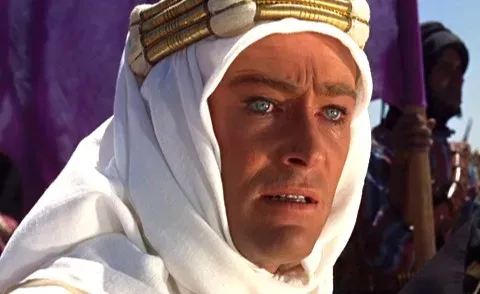
Peter O’Toole redefined what a leading man could look like the moment he stepped into T.E. Lawrence’s robes in 1962, and the Academy noticed immediately, just never enough to give him the win. He received his first Academy Award nomination for Best Actor for portraying T. E. Lawrence in Lawrence of Arabia, and was further nominated for Becket, The Lion in Winter, Goodbye Mr. Chips, The Ruling Class, The Stunt Man, My Favorite Year, and Venus. Eight nominations, zero wins, across a span of more than four decades.
The Academy eventually tried to make amends. In 2003 the Academy of Motion Picture Arts and Sciences’ Board of Governors decided to award an Honorary Oscar to the then 70 year old O’Toole “whose remarkable talents have provided cinema history with some of its most memorable characters”. O’Toole initially resisted accepting it, reportedly hoping he might still win competitively, before relenting and joking at the ceremony that he now had his very own Oscar to keep him company. His willingness to bring theatrical intensity to blockbuster-scale films changed how audiences expected classically trained actors to behave on the big screen.
Cary Grant

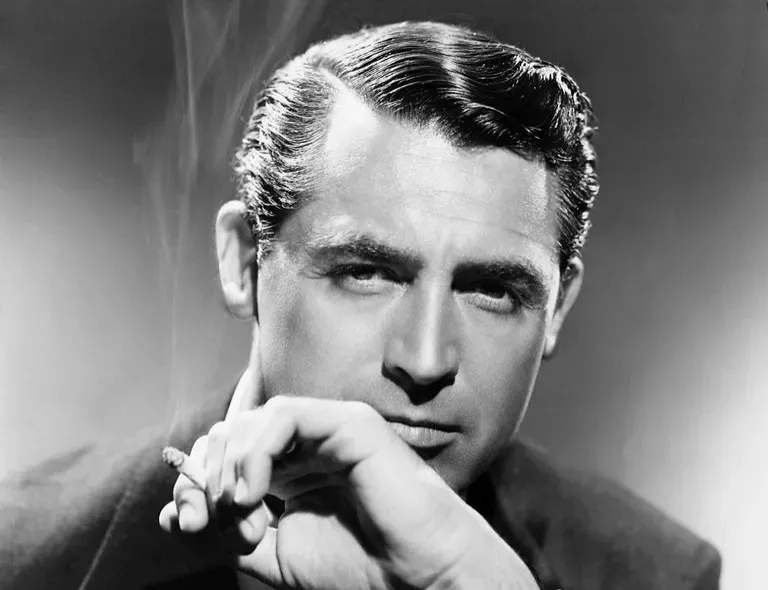
Cary Grant essentially invented the template for the modern movie star, the effortlessly charming leading man who could pivot from screwball comedy to Hitchcock thriller without missing a beat. Despite starring in classics like The Philadelphia Story, North by Northwest, and Notorious, he was only nominated twice for a Best Actor Academy Award and never won, receiving his Oscar in 1970. Remarkably, none of his most celebrated screwball or thriller roles even earned him a nomination.
The Academy finally caught up with his legacy years after he’d stopped making films. It took until 1970 when the Academy finally awarded Grant an Honorary Academy Award, presented by Frank Sinatra “for his unique mastery of the art of screen acting with the respect and affection of his colleagues.” Grant’s onscreen persona, elegant, dryly funny, quietly vulnerable, became the blueprint that countless leading men have chased ever since.
Deborah Kerr

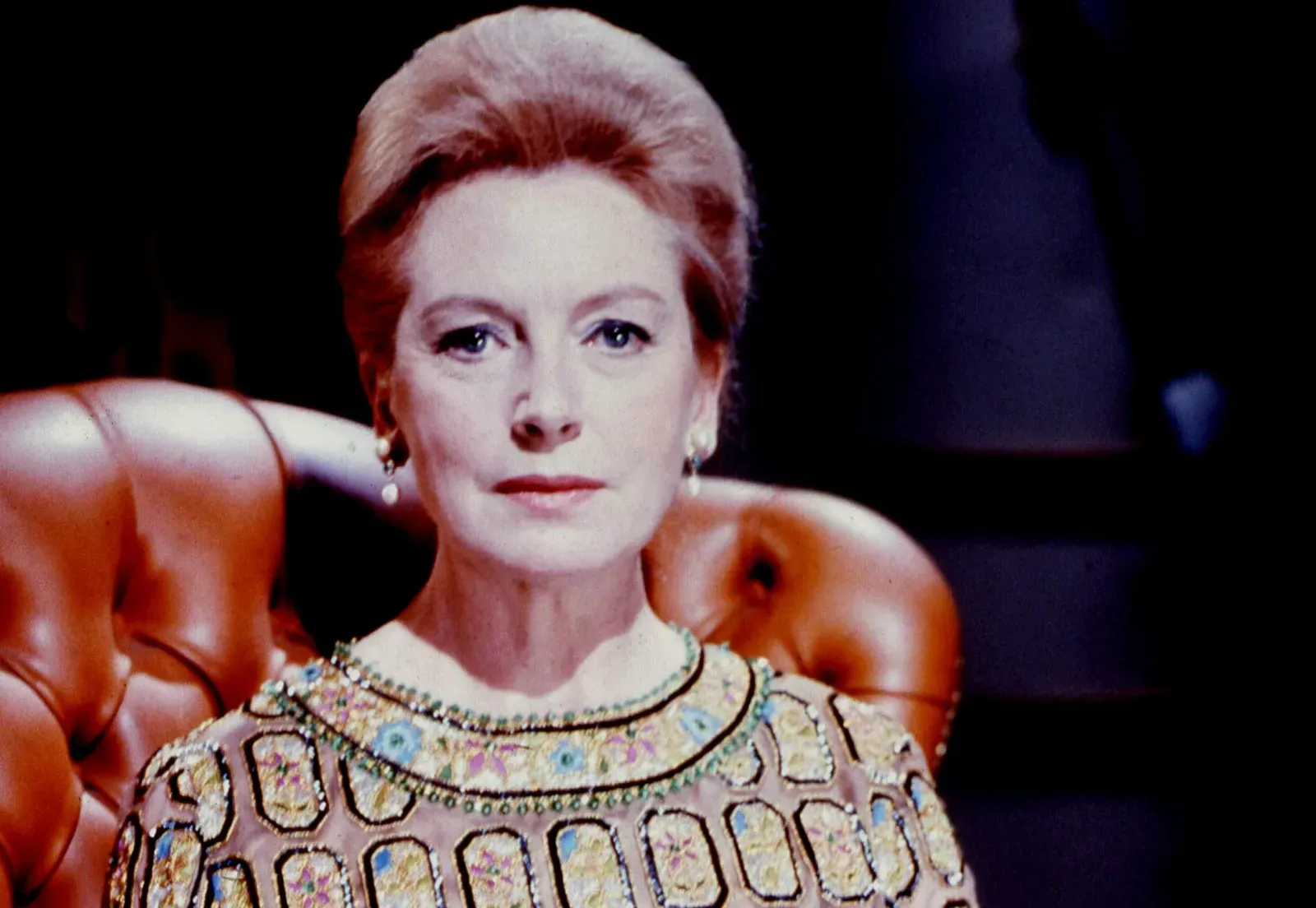
Deborah Kerr brought a rare combination of restraint and simmering emotion to roles that could easily have tipped into melodrama in lesser hands. Over the course of her illustrious career, she received six Best Actress nominations from the Academy for mesmerising performances in films like The King and I as well as From Here to Eternity. Her nomination streak stretched across more than a decade of consistently acclaimed work.
Recognition eventually arrived in a different form. The Academy finally recognised her brilliance in 1994 when they awarded her with an honorary Oscar. Kerr’s work helped prove that leading ladies didn’t need to rely on theatrics to command a scene, a lesson that still shapes how dramatic actresses approach quieter, more internalized performances today.
Richard Burton

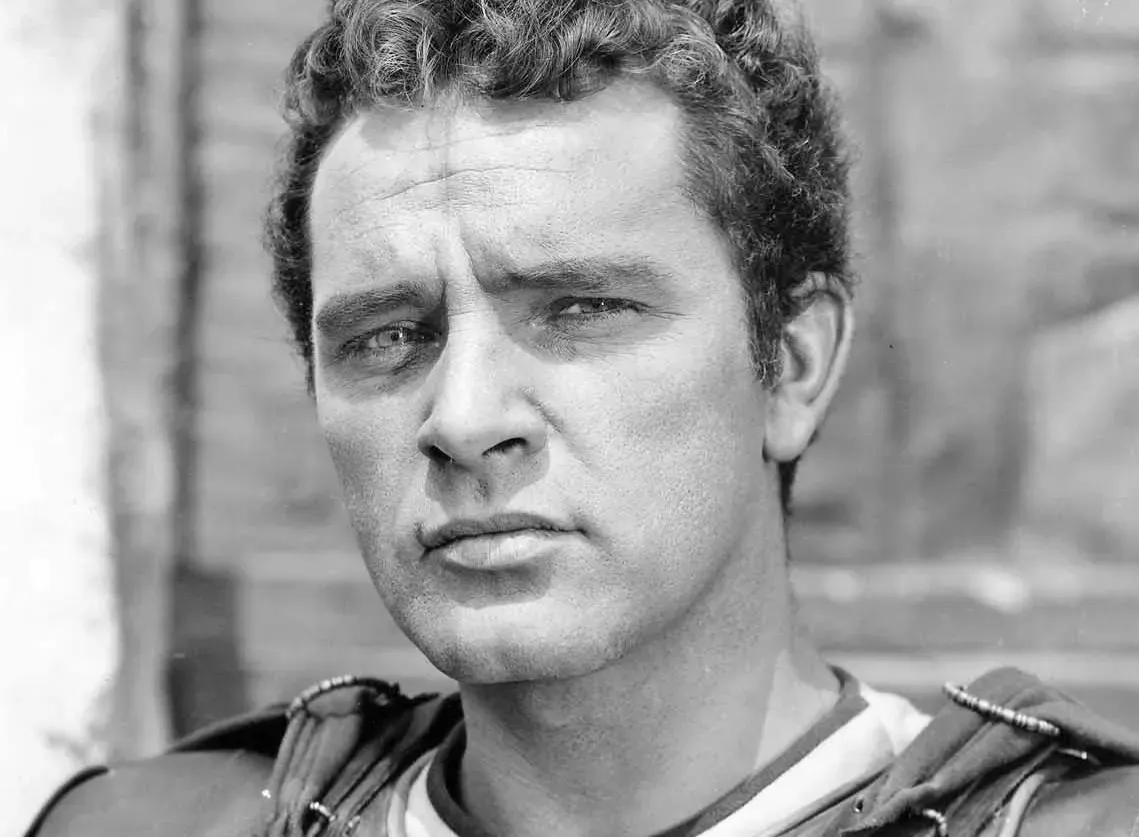
Richard Burton had one of the most instantly recognizable voices in film history, a gift that made even ordinary dialogue sound like Shakespeare. Richard Burton had one of the most magnetic voices and presences in cinema history, and yet he never won an Oscar despite seven nominations, first catching the Academy’s attention in 1953 for My Cousin Rachel and continuing earning nods through the 1970s. Films like Who’s Afraid of Virginia Woolf? and Becket put him in direct competition with the best actors of his generation.
Unlike several names on this list, Burton never received an honorary Oscar to soften the blow, and he died in 1984 without ever holding a competitive statuette. His off-screen relationship with Elizabeth Taylor often overshadowed his acting in tabloid coverage, but his commitment to bringing literary, verbally dense material to mainstream audiences influenced a generation of stage-trained actors moving into film. Burton proved that raw vocal power and intellectual weight could carry a picture just as effectively as conventional star charisma.
Partner offer

Edward G. Robinson

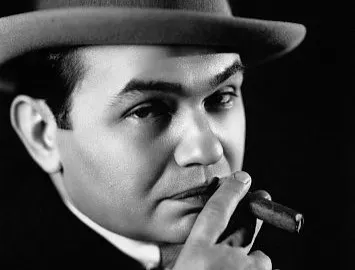
Before Edward G. Robinson, the gangster picture barely existed as a serious genre. Robinson became an overnight sensation with his portrayal of the short, snarling mob boss in the gangster film that established the genre in the 1930s and held sway until 1967’s Bonnie and Clyde and 1972’s The Godfather pulled it in a new direction. Despite that towering influence, the Academy overlooked him entirely during his lifetime.
Never having been nominated for an Academy Award during his 60-year career, he became a posthumous recipient of an Honorary Oscar in 1973, two months after his death. The Academy’s Board of Governors voted to confer the award on January 6, 1973, and Robinson passed away on January 26th, with the award accepted on his behalf by his wife. His portrayal of morally complicated, dangerous men gave later actors like James Cagney and eventually Robert De Niro a genre worth building a career around.
James Dean

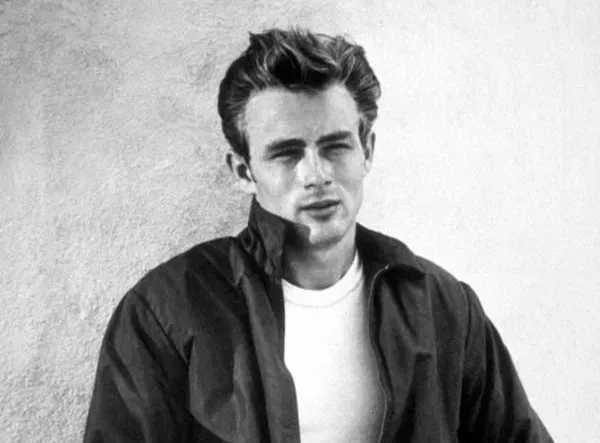
James Dean made only three films before his death at 24, yet his impact on screen acting still gets discussed in film schools today. Posthumously nominated twice for East of Eden and Giant, James Dean never won an Oscar. Both nominations arrived after his fatal car accident in 1955, a rare and eerie footnote in Academy history.
Dean’s naturalistic, almost improvisational style clashed with the more theatrical acting norms of early 1950s Hollywood, and that friction is exactly what made him magnetic to younger audiences. He helped popularize a looser, more emotionally raw approach to performance that later stars like Marlon Brando’s contemporaries and eventually the entire New Hollywood generation would run with. It’s a strange legacy: a career this short, with zero wins, still managing to reshape what “believable” acting looked like on camera.
Harrison Ford


Harrison Ford has anchored some of the highest grossing franchises in film history, from Star Wars to Indiana Jones, yet his relationship with the Academy has been almost nonexistent by comparison. Remarkably, Harrison Ford has only been nominated for one Oscar, for Best Actor, and lost, for 1985’s Witness. That’s a single nomination across a career spanning more than five decades and dozens of leading roles.
Ford’s absence from the winners’ circle is often cited as proof that the Academy has historically undervalued populist, effects-driven blockbusters compared to smaller dramas. Yet his everyman charisma, equal parts wit and weariness, arguably did more to define what a modern action hero should sound and feel like than any awards-friendly performance could. Few actors have shaped mainstream commercial cinema as thoroughly while collecting so little formal recognition for it.
Samuel L. Jackson

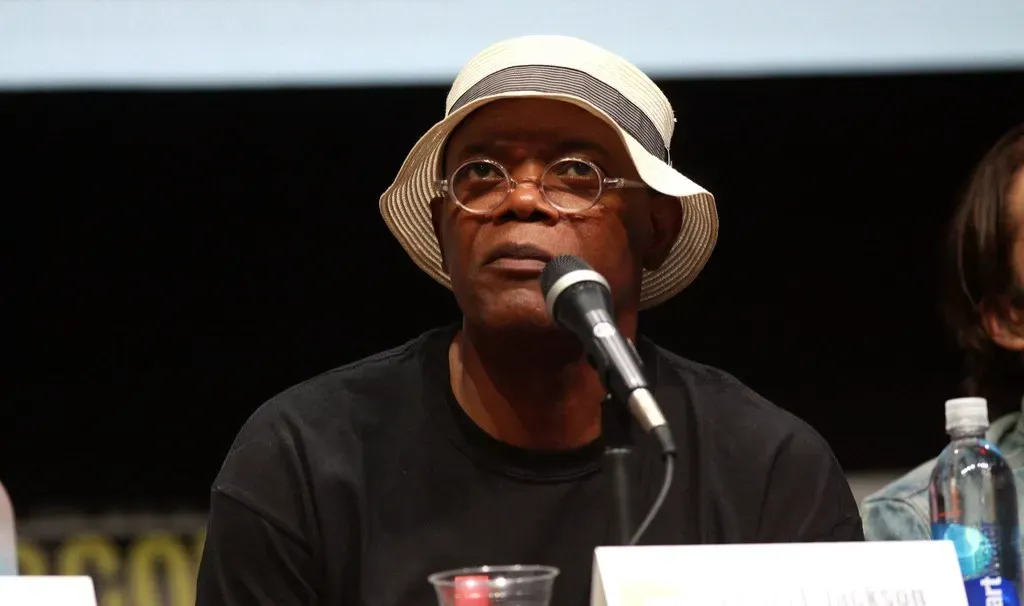
Samuel L. Jackson has appeared in an almost absurd number of films, yet the Academy has taken notice exactly once. Like Harrison Ford, Samuel L. Jackson has only been nominated for one Oscar, for Best Supporting Actor for 1994’s Pulp Fiction. That performance as Jules Winnfield remains one of the most quoted and imitated in modern film history, yet it never translated into a statue.
The Academy eventually acknowledged the gap in its own record. Jackson was given an Honorary Oscar recognizing his contributions to the movie industry in 2022. His prolific output across genres, from Tarantino crime dramas to Marvel blockbusters, has made him one of the most recognizable actors alive, proof that box office ubiquity and Oscar recognition don’t always travel together.
Amy Adams

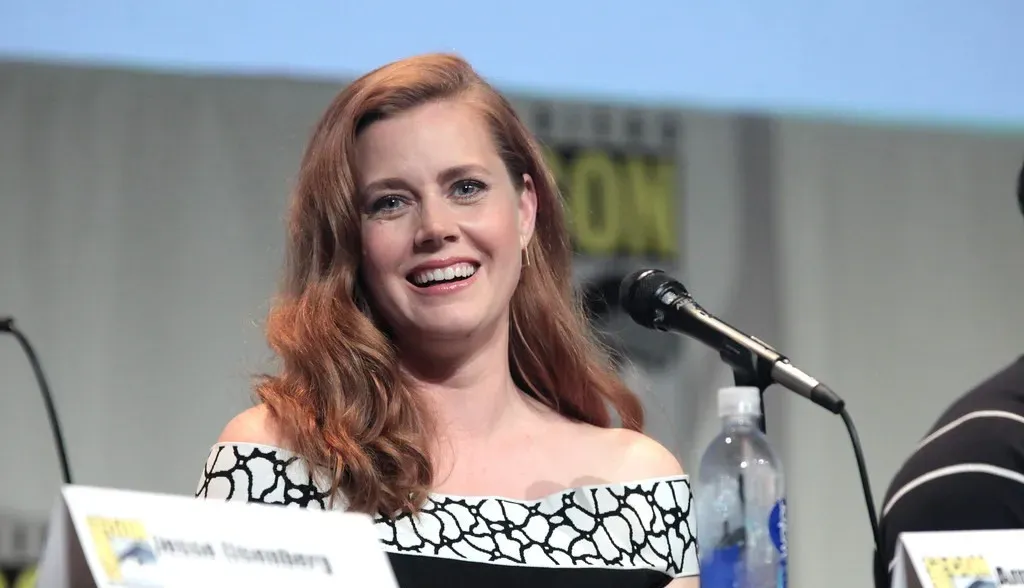
Amy Adams has built a reputation as one of the most reliably excellent actresses working today, capable of sliding between comedy, science fiction, and prestige drama without ever seeming out of place. Adams has been nominated for six Academy Awards, five for best supporting actress and one for best actress, but perhaps surprisingly, she’s never won. Her nominated roles include Junebug, Doubt, The Fighter, The Master, American Hustle, and Vice.
Even performances widely considered among her best haven’t guaranteed recognition. She was snubbed altogether for her role in 2016’s Arrival, which many believe is her best performance to date. Adams has helped normalize the idea that an actress can move fluidly between blockbuster franchise work and intimate character studies without losing critical credibility, a flexibility that’s become far more common among leading actresses in the years since her early career choices.
Ten careers, dozens of nominations combined, and not a single competitive Oscar among them. What ties these actors together isn’t bad luck exactly, it’s a reminder that the Academy’s voting body has always been a snapshot of taste at a particular moment, not a definitive scoreboard of talent. Cary Grant’s charm, O’Toole’s intensity, Dean’s rawness, and Jackson’s sheer ubiquity all shaped how Hollywood tells stories, regardless of what the Academy decided to reward in any given year.Partner offer
Planning a trip to Vegas?
Compare hotel rates and show tickets on VEGAS.com.


