
Spotify launched in Sweden in 2008, and Apple Music followed in 2015. Since then, the way most people get music has changed more than it did in the previous fifty years. Industry reports from IFPI, the global recording industry body, show streaming now makes up roughly two thirds of worldwide recorded music revenue.
That shift quietly removed a whole shopping list from our lives. Some of these purchases disappeared completely, while others became optional. Here are ten things most listeners can now skip.
Compact Discs Just to Try a New Band

Buying a CD used to be a gamble. You paid for a full album on the strength of one radio single and hoped the rest was decent. If it wasn’t, you were stuck with it.
Streaming flipped that. Spotify, Apple Music, YouTube Music and Amazon Music all let subscribers play entire catalogs on demand. Trying an unknown artist now costs a few minutes instead of a record store receipt.
Individual Song Downloads

When Apple opened the iTunes Store in 2003, paying for a single track was a big step forward from buying a whole album. Digital downloads grew for years afterward. Then they started shrinking once subscriptions took hold.
IFPI’s annual reports have shown download revenue falling steadily in the years since. For most listeners, a monthly fee now covers more music than they could ever buy track by track. Downloads still exist, but they’re a niche habit.
Dedicated MP3 Players

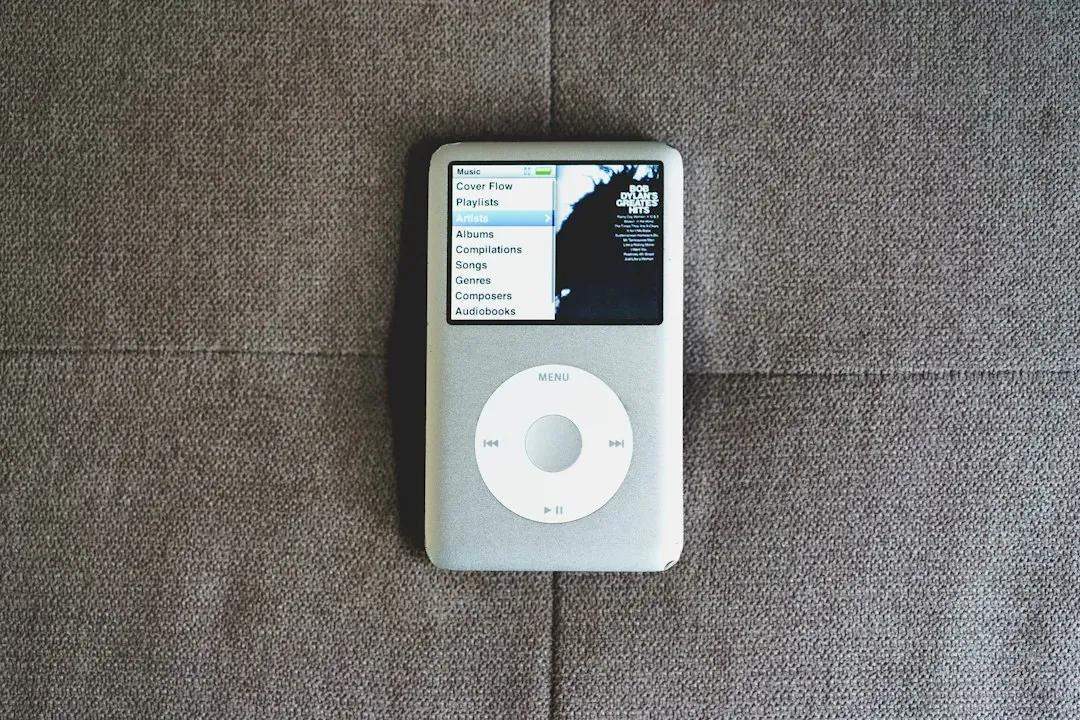
The iPod defined the 2000s, and it was built around a library you loaded by hand. Apple discontinued the last iPod model, the iPod touch, in May 2022. Phones had already absorbed its job years earlier.
Streaming apps made the old workflow feel clunky. You don’t sync, sort or drag files anymore. You open an app, and offline downloads inside the service handle the flights and subway rides.
Blank Cassettes and CD-Rs for Mixes

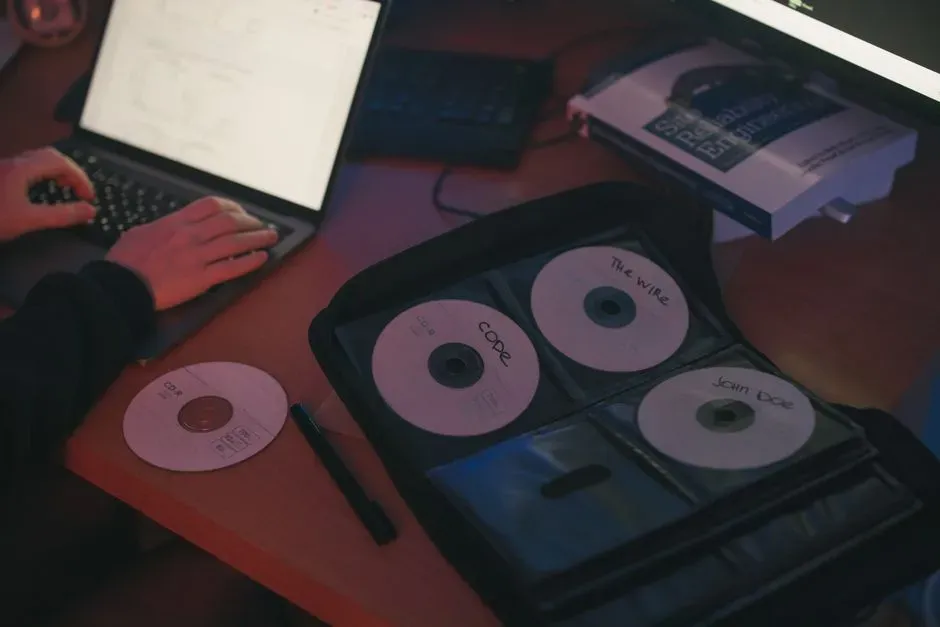
Making a mixtape meant hovering over the radio with a finger on the record button. Burning a CD was easier, but it still required blank discs and some patience. Both were labors of love that also cost money.
Playlists replaced them, and they’re free to build on every major service. You can share a playlist with a link, and the recipient can listen right away. It’s less romantic, perhaps, though far faster.
Ringtones

There was a stretch in the early 2000s when ringtones were a serious business. People paid a few dollars for a short clip of a hit song, and the industry counted those sales as meaningful revenue. Phones even marketed themselves on how well they played polyphonic tunes.
Partner offer

Today most people leave their phones on silent or use the default sound. Anyone who does want a custom tone can set one from their own files at no charge. The paid ringtone store has largely faded from memory.
Compilation and Sampler Albums
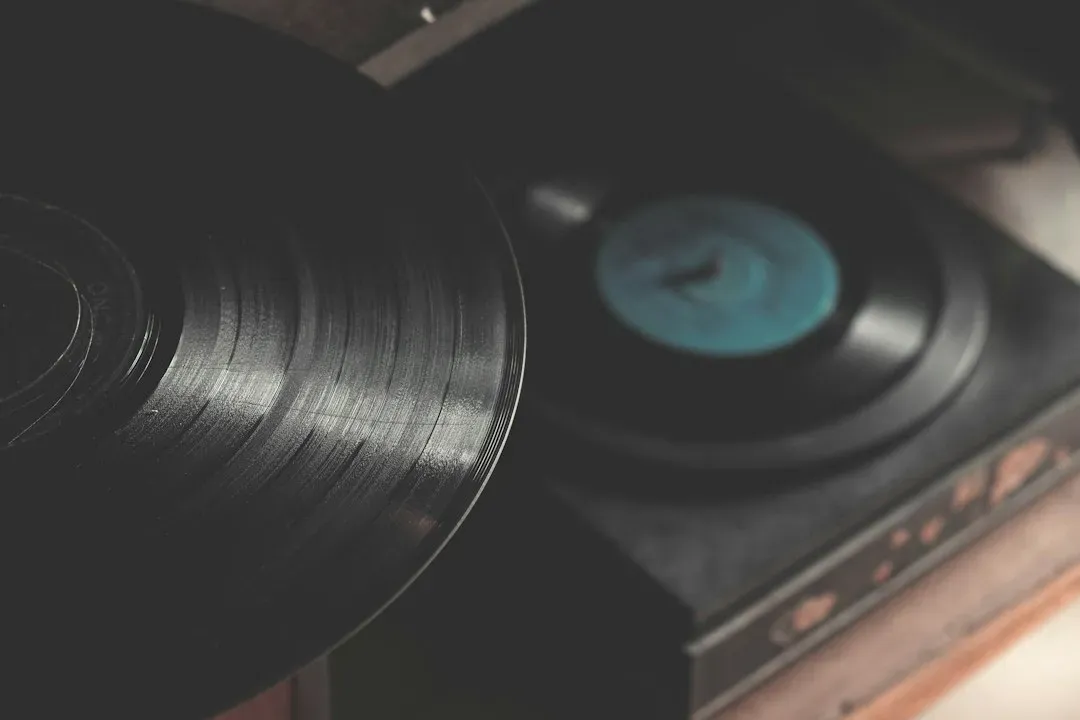
Compilation CDs once served an obvious purpose. They bundled current hits or genre favorites onto one disc so you didn’t have to buy ten albums. Series like the Now That’s What I Call Music brand built a big business on that convenience.
Streaming services do the same job through editorial and algorithmic playlists. Discovery features such as Spotify’s Discover Weekly assemble a fresh set for each listener every week. The compilation still exists, but it competes against something free and personalized.
Physical Copies for Release Day Listening

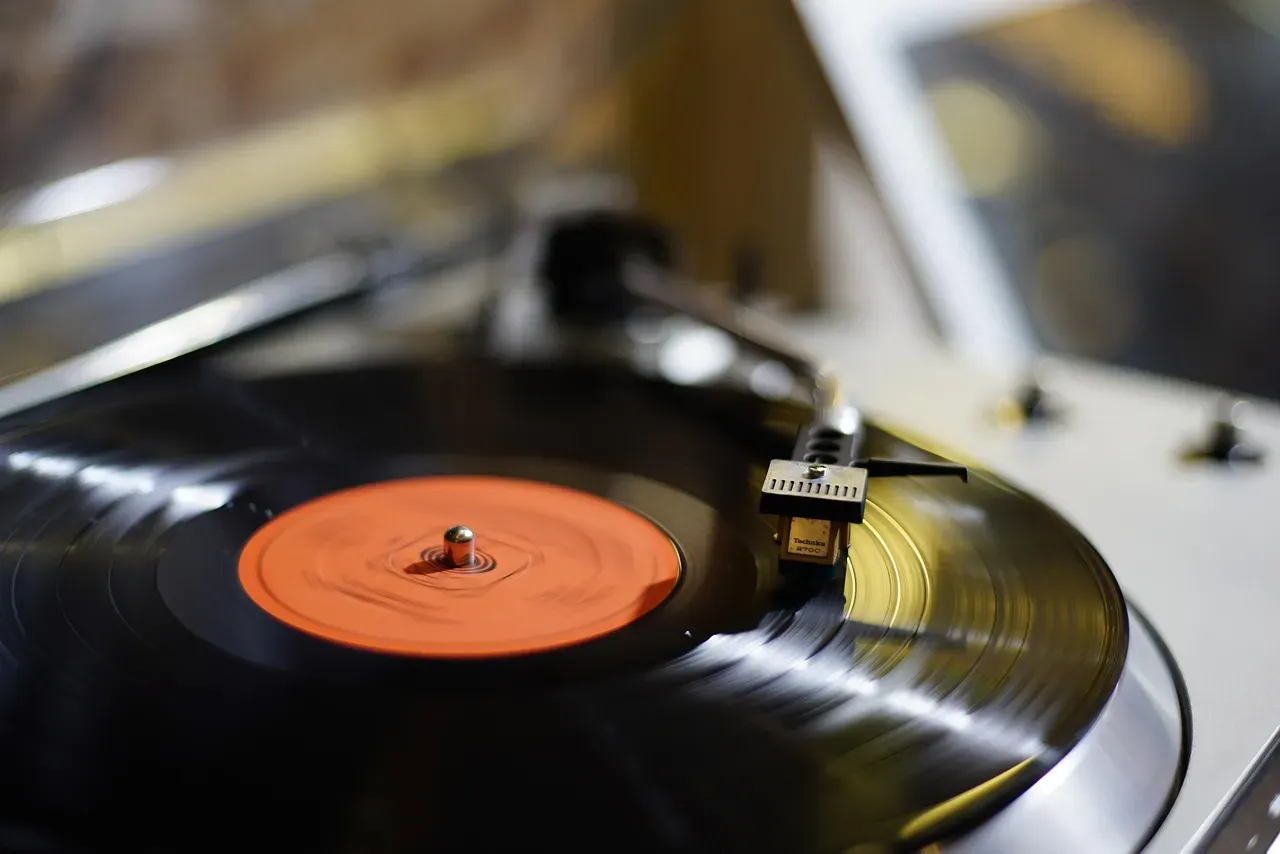
Fans used to line up or pre order to hear a new album the moment it came out. Missing that window meant waiting for a friend or the radio. Now new albums usually arrive on streaming platforms at midnight on release day, worldwide.
That doesn’t mean physical media is dead. Vinyl has had a notable comeback, and the RIAA has reported vinyl outselling CDs in the United States in recent years. The difference is that physical copies are now bought as keepsakes, not as the only way in.
Shelves and Towers for Storing Discs
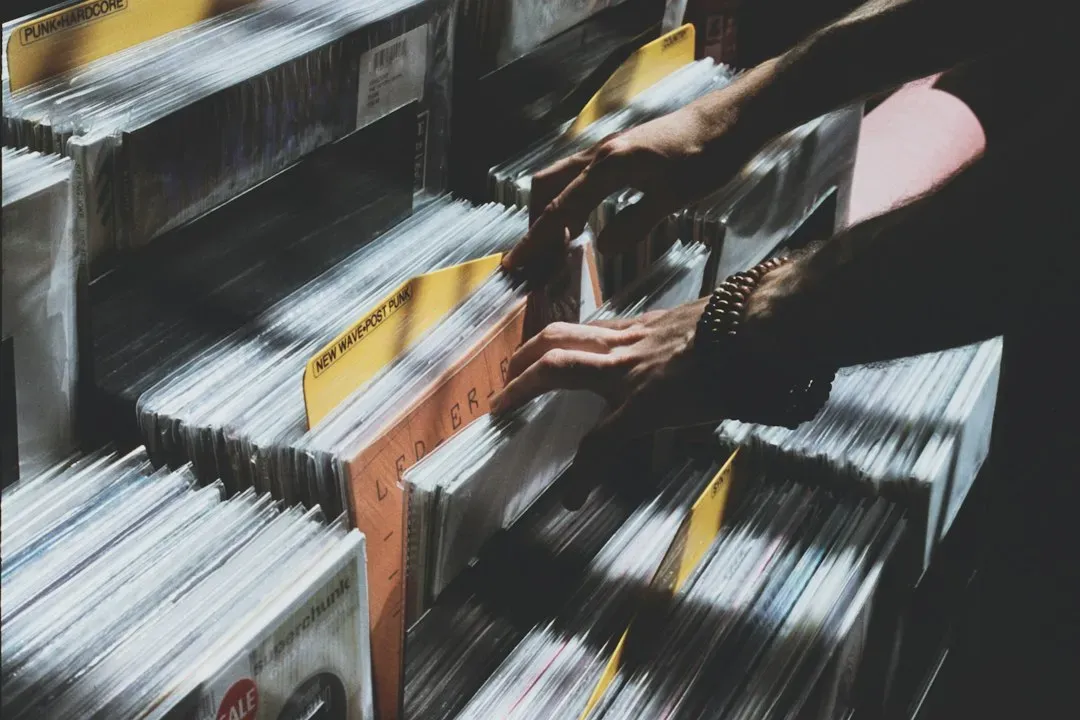
Anyone who owned several hundred CDs knows the furniture problem. Towers, racks, binders and storage boxes took over living rooms and closets. Moving house meant carrying heavy crates of plastic cases.
A streaming library takes up no space at all. You can browse a catalog of tens of millions of songs without clearing a single shelf. Collectors still display records, but they’re doing it by choice.
External Drives for Digital Music Libraries
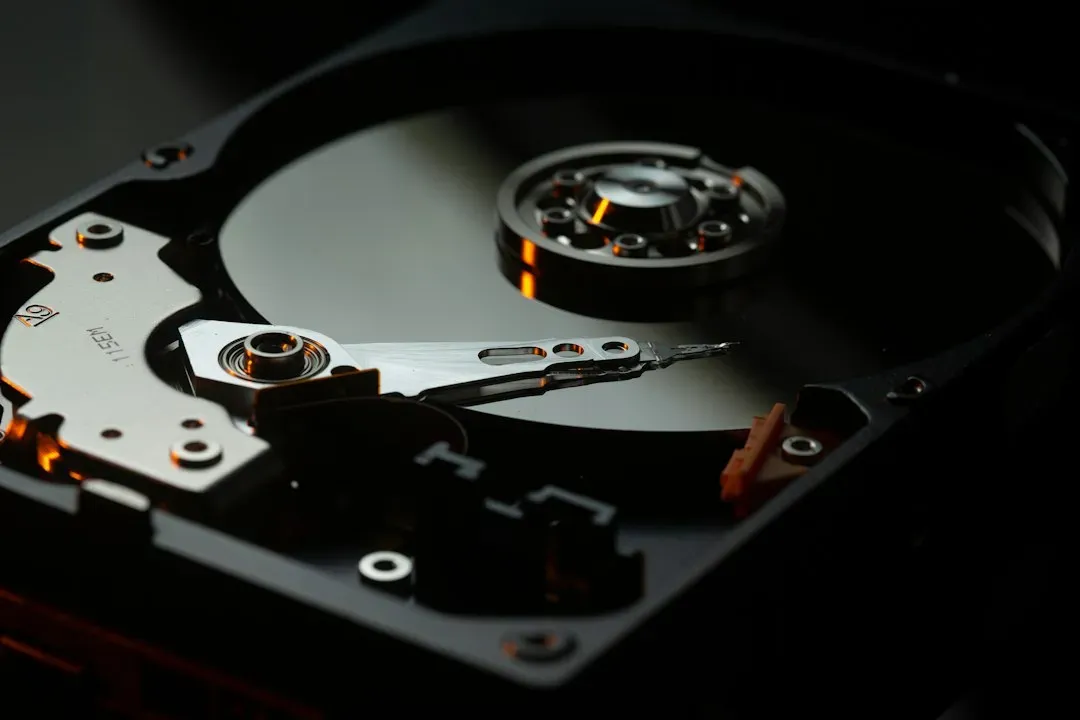
In the file sharing and download era, a serious music fan often kept a hard drive full of MP3s. It needed backups, folder organization and fixing of tags. Losing the drive could mean losing years of collecting.
Streaming moves the storage problem to the service’s servers. Your saved songs and playlists follow you across phones, laptops and speakers once you sign in. Local files still matter to audiophiles, though most casual listeners no longer need them.
Printed Lyric Booklets
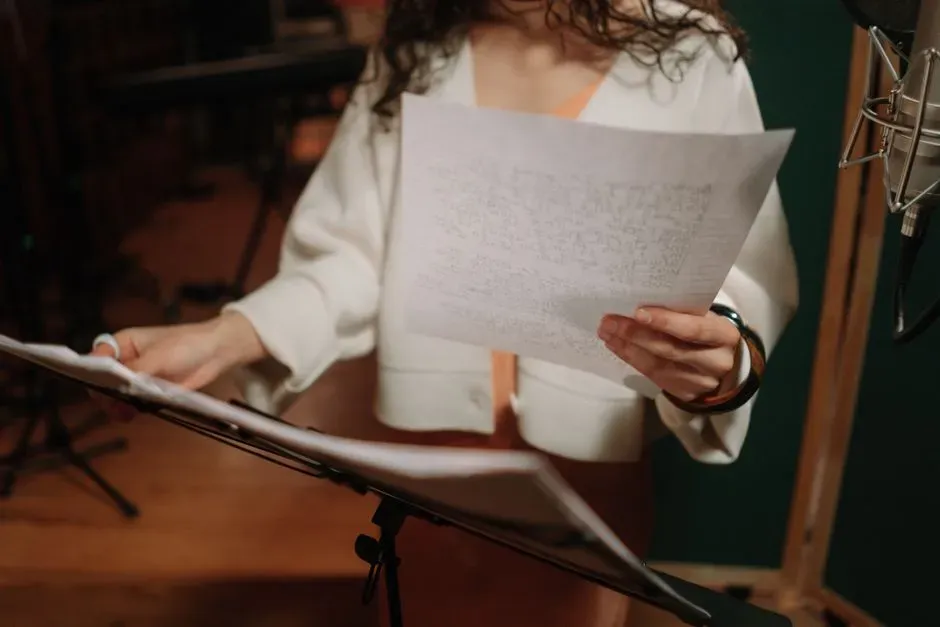
Liner notes and lyric sheets were once part of the reason to buy an album. If you wanted to know what a singer was actually saying, you opened the booklet. Otherwise you guessed, sometimes for decades.
Spotify, Apple Music and other services now display lyrics inside the app, and many scroll along with the song. The partnership between Spotify and the lyrics company Musixmatch helped make that standard. Booklets remain a nice extra, but nobody needs one to sing along.
Partner offer
Planning a trip to Vegas?
Compare hotel rates and show tickets on VEGAS.com.