
Remember when we thought smartphones were the pinnacle of tech innovation? We had no idea what was just around the corner. The past six years have transformed the job market in ways nobody truly predicted. Entire professions have sprung up overnight while traditional roles evolved so drastically they became unrecognizable. The pandemic accelerated digital transformation to warp speed, and artificial intelligence moved from science fiction to everyday reality.
If you told someone in 2020 that companies would soon be hiring prompt engineers or metaverse experience designers, they’d probably wonder what language you were speaking. Yet here we are. The jobs shaping our present were barely imaginable just a handful of years ago. What’s even more fascinating is how quickly these new roles went from experimental to essential, from niche to mainstream. Let’s dive into the careers that literally didn’t exist before the world changed forever.
1. AI Prompt Engineer


Generative AI tools like ChatGPT and similar platforms created the demand for specialists who can craft and optimize AI inputs. This role simply wasn’t needed before 2020 because the technology didn’t exist yet. Roles like Prompt Engineer grew by over 135 percent in demand in 2025, making it one of the fastest-growing tech positions out there. The global market for prompt engineering is projected to grow at a compound annual growth rate of 32.8 percent between 2024 and 2030. Companies are paying serious money for people who can teach AI systems to think and respond exactly the way businesses need them to. It’s like being a translator between human intention and machine understanding.
2. Metaverse Experience Designer


In 2024, the metaverse market was worth 105.4 billion dollars, and by 2030, experts anticipate it to reach 936.57 billion. This hybrid creative-tech role focuses on building interactive virtual worlds, driven by explosive growth in VR and AR technologies plus massive brand investments in metaverse spaces. These jobs focus on building immersive digital spaces, enhancing user experiences, and integrating VR technology into various industries like gaming, education, and business. Think of them as architects and interior designers, except the buildings don’t exist in physical space. They create environments where people shop, socialize, attend concerts, and live entirely digital lives.
3. Quantum Machine Learning Analyst


Cognizant proposed 21 new jobs that will emerge, including Quantum Machine Learning Analyst. This role reflects growing commercial and research interest in applying quantum computing to AI and complex data problems. Quantum Machine Learning is a challenging task as it needs knowledge about both quantum physics and machine learning, requiring a dedicated person to fulfill this position. Individuals in this role conduct research and development on next-generation solutions by combining quantum information processing and machine learning, using quantum technologies to improve the speed and performance of learning algorithms. The industry is only emerging in the past few years, and most people still can’t wrap their heads around what these professionals actually do all day.
4. Sustainability Data Analyst


Among the top 10 fastest-growing jobs in the US for 2024, three are focused on sustainability including Sustainability Analyst at fifth-fastest growing. This role appeared as companies incorporated environmental, social, and governance metrics into operations. ESG-related job postings rose by 26 percent in the past year alone, and a staggering 89 percent of investors now factor ESG criteria into their decisions. The role of an ESG and Climate Data Analyst has emerged as a crucial link between sustainability and data expertise. Companies aren’t just checking boxes anymore; they genuinely need people who can measure, track, and optimize their environmental impact because investors and customers demand it.
5. Drone Fleet Operator

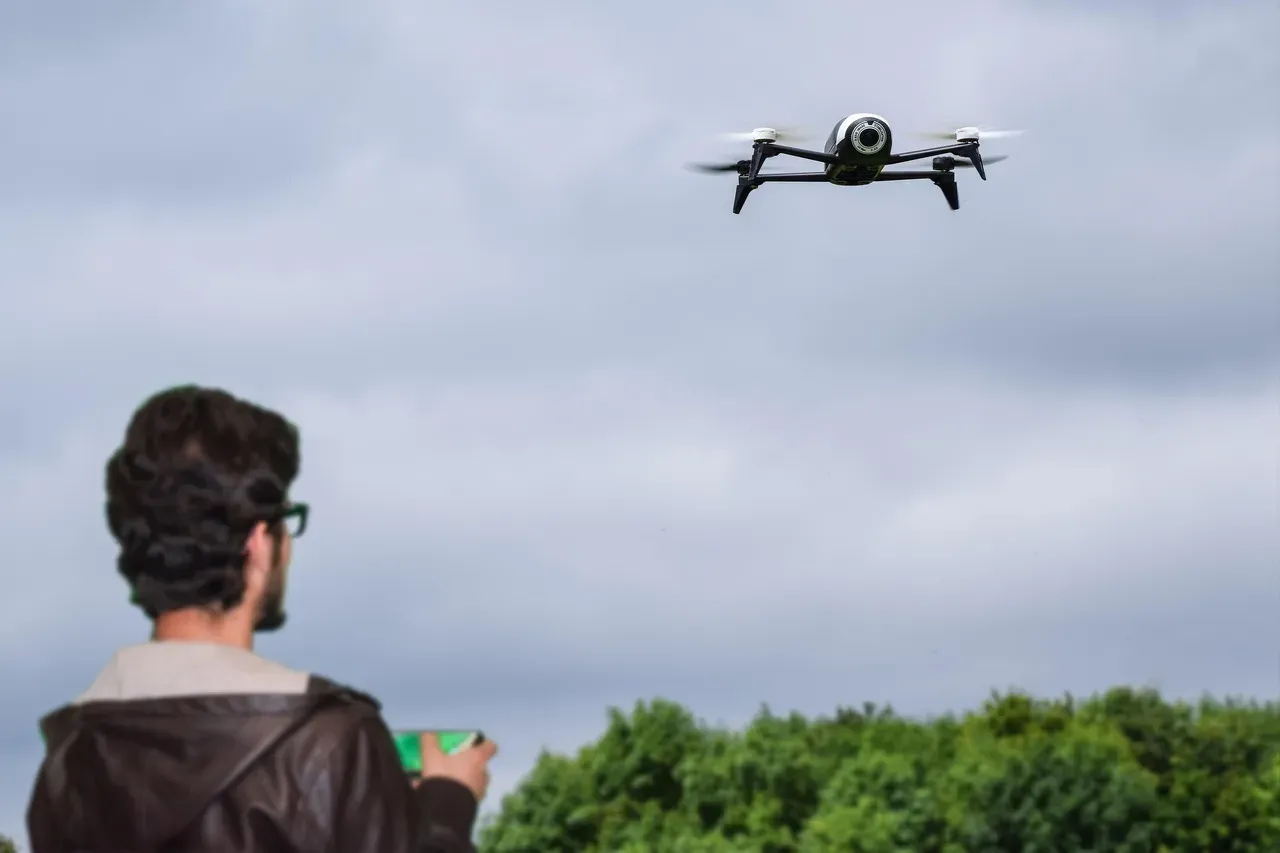
The drone industry is growing quickly, as more and more sophisticated aircraft take on various tasks including aerial photography, infrastructure inspection, agriculture, public safety, delivery logistics. This role is driven by expanded commercial uses of drones in sectors that grew rapidly after 2020. The global agriculture drones market is expected to grow from 2.63 billion dollars in 2025 to 10.76 billion by 2030, while the global medical drone market is projected to grow from 1.73 billion in 2025 to 4.68 billion by 2032. Whether it’s delivering packages, monitoring crops, or transporting medical supplies, drone operators have gone from hobbyists to essential infrastructure workers. I honestly think most people still underestimate just how transformative this technology is becoming.
6. Cybersecurity Threat Hunter


Traditional cybersecurity was reactive, waiting for attacks to happen and then responding. Threat hunters flip that script entirely. They proactively search through networks to detect and isolate advanced threats that evade existing security solutions. Automated cyberattacks and AI-driven threats now require this kind of proactive defense, not just response systems. These professionals essentially think like hackers, constantly asking themselves how a bad actor might breach systems before it actually happens. They’re the detectives of the digital world, and honestly, they might be the only thing standing between your data and some hacker halfway around the globe.
7. Digital Twin Engineer


This new tech role enables real-time virtual replicas of physical systems for simulation and analytics, forming a key part of Industry 4.0 digital transformation. Imagine creating a perfect digital copy of an entire factory, a wind turbine, or even a city’s infrastructure that updates in real time. Engineers can test changes, predict failures, and optimize performance without ever touching the actual physical asset. The technology sounds like something from a sci-fi movie, yet it’s become absolutely essential for manufacturing, logistics, and urban planning. Companies using digital twins can literally see the future of their operations before investing millions in physical changes.
8. AI Ethics Officer

As artificial intelligence systems make increasingly consequential decisions about hiring, lending, healthcare, and criminal justice, someone needs to ensure these systems aren’t perpetuating bias or causing harm. AI ethics officers develop frameworks and policies to ensure responsible AI development and deployment. They ask the uncomfortable questions nobody wants to hear like whether your facial recognition system works equally well on all skin tones or if your hiring algorithm discriminates against women. This role emerged because we learned the hard way that algorithms trained on biased data produce biased results. These professionals are essentially the conscience of the tech industry.
9. Remote Work Coordinator

When the pandemic hit, companies scrambled to figure out how remote work actually worked. By 2026, that chaos evolved into a specialized profession. Remote work coordinators manage distributed teams, optimize virtual collaboration tools, and create policies that keep remote and hybrid workers engaged and productive. They handle everything from coordinating across time zones to ensuring remote employees feel connected to company culture. It’s way more complex than just scheduling Zoom calls. These coordinators have become the glue holding geographically dispersed teams together, and frankly, most companies can’t function without them anymore.
10. NFT Community Manager

Non-fungible tokens exploded onto the scene in 2021, creating an entirely new digital economy. NFT community managers build and nurture communities around digital collectibles, art projects, and blockchain-based assets. They engage holders, organize events, manage Discord servers, and create strategies to maintain value and excitement around digital assets. The role requires understanding blockchain technology, digital culture, social media dynamics, and community psychology all at once. Sure, the NFT market has had its ups and downs, yet the role evolved into broader Web3 community management that’s here to stay.
11. TikTok Content Strategist

TikTok launched globally in 2018, yet it didn’t become the cultural juggernaut demanding specialized strategists until around 2020 and beyond. Now brands hire entire teams dedicated solely to TikTok. These strategists understand the platform’s unique algorithm, trending sounds, hashtag challenges, and the mysterious art of going viral. They create content calendars, identify influencers, and decode what makes Gen Z actually pay attention. It’s completely different from managing Instagram or Facebook. The platform’s explosive growth created demand for people who live and breathe its specific culture and mechanics.
12. Carbon Accountant


Companies facing pressure to reach net-zero emissions need professionals who can actually measure their carbon footprint accurately. Carbon accountants track greenhouse gas emissions across supply chains, calculate carbon credits, and help organizations meet regulatory requirements and sustainability goals. They use specialized software to measure Scope 1, 2, and 3 emissions and create strategies for reduction. Before the massive push for corporate climate commitments post-2020, this role barely existed. Now every major corporation needs someone who can turn vague sustainability promises into actual numbers and actionable plans. It’s accounting, except instead of dollars, you’re counting tons of CO2.
13. Influencer Relations Manager

Influencer marketing existed before 2020, sure, yet it was mostly handled by regular marketing teams. The explosion of creator economy platforms like Substack, Patreon, and the expansion of TikTok and Instagram created so much complexity that companies needed dedicated specialists. Influencer relations managers identify creators, negotiate partnerships, manage campaigns, track ROI, and navigate the increasingly complicated landscape of sponsored content regulations. They need to understand contract law, FTC guidelines, platform algorithms, and creator psychology. The professionalization of the creator economy transformed what was once a side responsibility into a full-time, high-stakes career.
14. Vaccine Supply Chain Specialist


The COVID-19 pandemic revealed how unprepared the world was for rapid vaccine distribution at global scale. Vaccine supply chain specialists emerged to manage ultra-cold storage requirements, coordinate distribution logistics, track inventory in real time, and ensure equitable access across regions. The complexity of mRNA vaccine storage, which requires temperatures of minus 70 degrees Celsius, created demand for specialists who understand both pharmaceutical logistics and crisis management. While the role emerged from pandemic necessity, it’s evolved to cover broader pharmaceutical cold chain management. These specialists literally helped save millions of lives through logistical expertise nobody knew we needed.
15. Personalization Engineer

Every app and website now seems to know exactly what you want before you do. That’s the work of personalization engineers who design algorithms and systems that customize user experiences based on behavior, preferences, and context. They use machine learning to predict what products you’ll buy, what content you’ll engage with, and what features you’ll use. The role requires skills in data science, user experience design, and software engineering all rolled into one. As competition for user attention intensified after 2020, companies realized generic experiences don’t cut it anymore. Personalization went from nice-to-have to absolutely essential for customer retention.
16. Virtual Event Producer
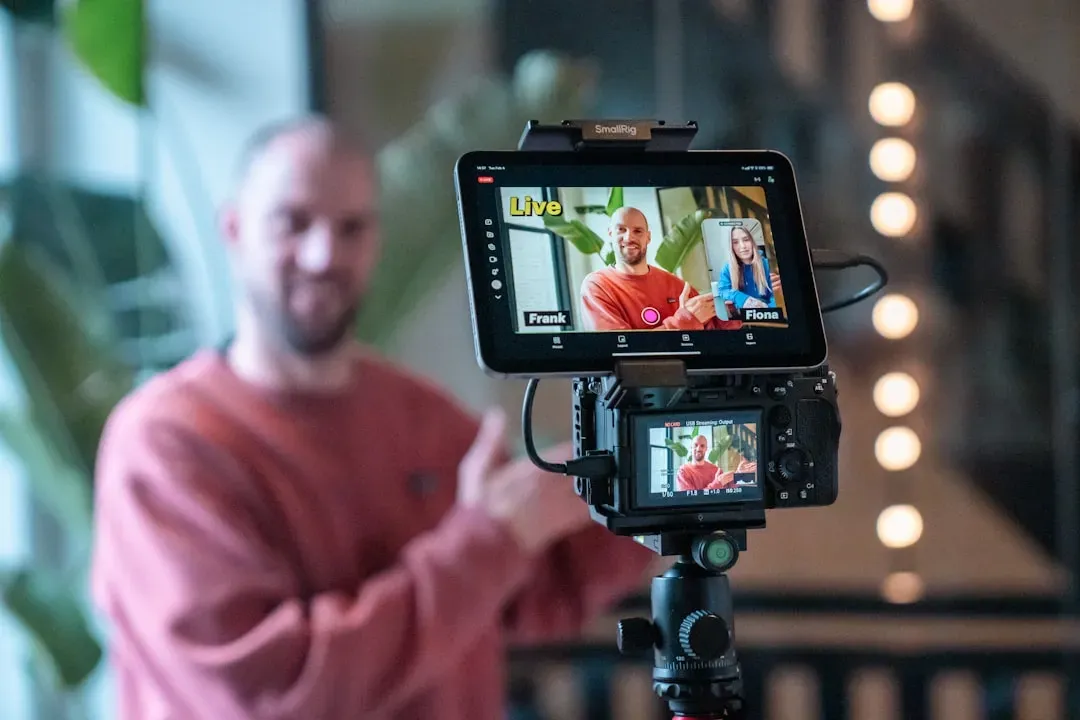
When the pandemic forced everything online, somebody had to figure out how to make virtual events not completely terrible. Virtual event producers emerged to manage online conferences, concerts, product launches, and experiences that engage audiences through screens. They coordinate streaming technology, manage virtual booths, create interactive elements, and troubleshoot technical issues in real time. The role combines skills from traditional event planning, broadcast production, and technology management. Even as in-person events returned, hybrid and virtual options remained standard, keeping these producers in high demand. Let’s be real, nobody wants to go back to the days of boring webinars with terrible audio.
17. Wellness Technology Specialist

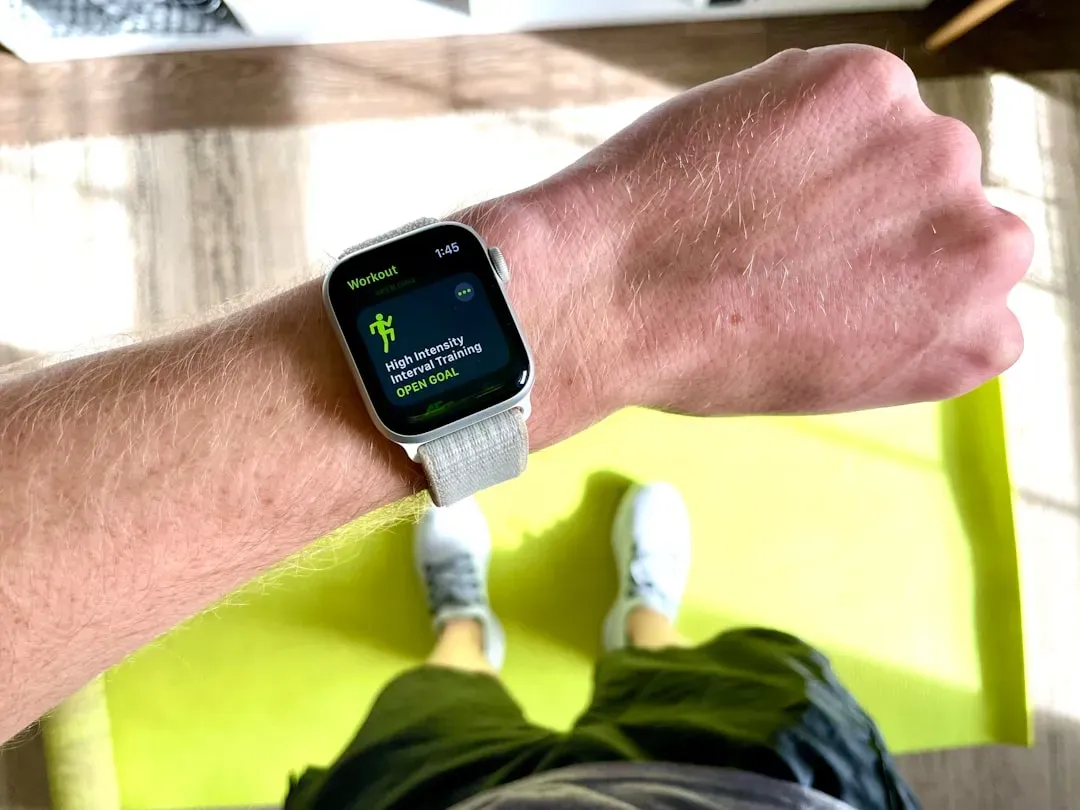
Mental health apps, meditation platforms, fitness trackers, sleep monitors – the wellness tech industry exploded during and after the pandemic. Wellness technology specialists help companies develop, market, and support digital health products. They understand both the technology side and the health science, ensuring products are effective, accessible, and evidence-based. The role might involve designing user interfaces for therapy apps, analyzing health data from wearables, or creating content for mental wellness platforms. The convergence of healthcare and consumer technology created a specialized niche that didn’t exist when wellness meant just going to the gym. These specialists bridge the gap between Silicon Valley and actual wellbeing.
18. Voice User Interface Designer


Smart speakers became ubiquitous, yet designing for voice interaction is completely different from designing for screens. VUI designers create conversational flows for Alexa, Google Assistant, and other voice-activated systems. They script dialogues, anticipate user questions, and design error handling that sounds natural rather than robotic. The role requires understanding linguistics, user psychology, and technical constraints of voice recognition technology. As voice interfaces expanded beyond simple commands to complex transactions and conversations, companies needed specialists who could make talking to computers feel intuitive. It’s way harder than it sounds to design a conversation that works for everyone.
19. eSports Coach and Analyst


Competitive gaming transformed from basement hobby to professional sport with massive audiences and prize pools. eSports coaches analyze gameplay, develop strategies, manage player psychology, and prepare teams for tournaments. The role combines elements of traditional sports coaching with deep gaming knowledge and data analytics. Some coaches earn six figures working with professional teams, analyzing thousands of hours of gameplay footage to find competitive edges. The legitimization and commercialization of gaming post-2020 created career paths that would have seemed absurd to previous generations. Parents who once told kids to stop playing video games now watch them earn college scholarships and professional contracts.
20. Synthetic Media Detection Specialist


Deepfakes and AI-generated content became frighteningly convincing, creating urgent need for people who can detect synthetic media. These specialists use forensic techniques and AI tools to identify manipulated images, videos, and audio. They work for social media platforms, news organizations, governments, and cybersecurity firms to combat misinformation and fraud. The role requires understanding both how generative AI creates fake content and the subtle artifacts that reveal manipulation. As AI-generated content became indistinguishable from reality, someone had to become the expert at telling the difference. Honestly, it’s terrifying how good fake content has become, making this role absolutely critical for maintaining any sense of truth online.
The Future Is Already Here
The quantum job market is growing at 25 percent each year in the US, with analysts expecting an additional 5,000 to 7,000 quantum jobs created by 2027. Technology and societal shifts are creating professions faster than universities can design programs to train people for them. The jobs dominating 2026 were science fiction in 2020.
What’s your take on these emerging careers? Would you consider pivoting into any of these fields? The transformation is only accelerating, and who knows what jobs will exist in another six years that we can’t even imagine today.