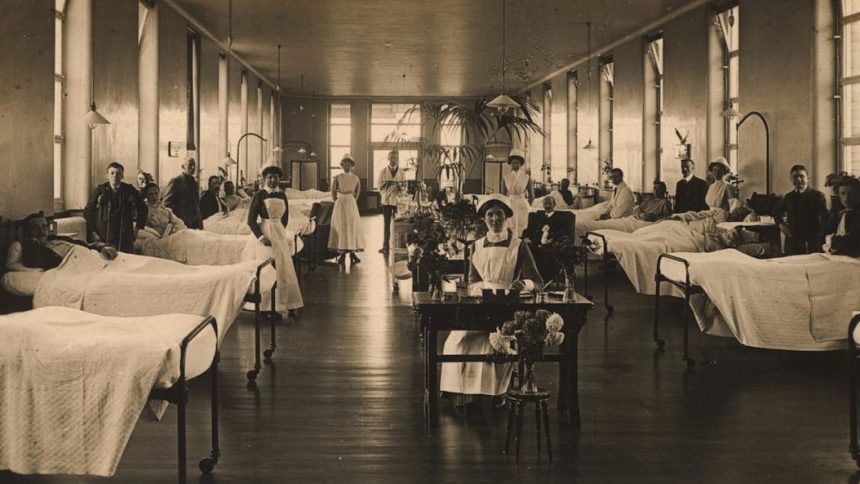
Punctuality rarely feels like a matter of life and death. Most of us experience lateness as a minor embarrassment – a missed bus, a cold cup of coffee waiting on the table. But on certain days, in certain places, the difference between arriving on time and arriving late has reshaped entire civilizations. Wars have been lost. Invasions have collapsed. A single car stopping to reverse has sent the world careening in a direction nobody anticipated.
The following ten moments are not thought experiments. They are documented, real, and sobering. Each one is a reminder that history is less a clean sequence of inevitable events and more a fragile chain of timing decisions, some made deliberately, most made by accident.
1. The Wrong Turn That Started World War I (1914)

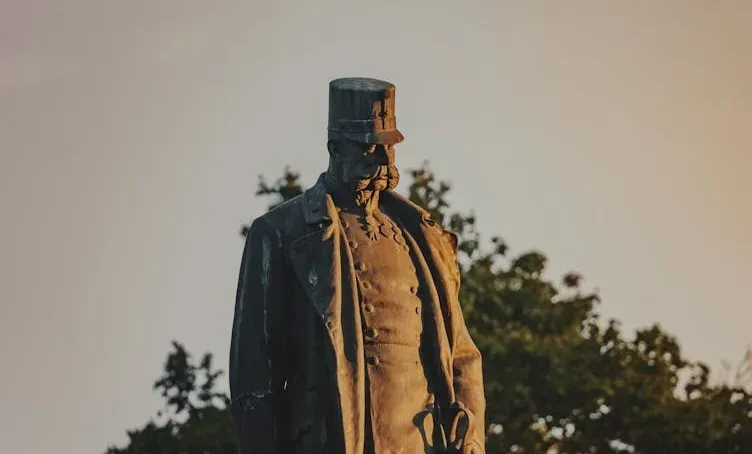
On June 28, 1914, a driver made a wrong turn in Sarajevo, and the world stumbled across an unseen geopolitical tripwire. After a failed earlier assassination attempt on Archduke Franz Ferdinand’s motorcade, the royal couple had decided to visit the wounded at a hospital. No one told the driver. At that fateful intersection, the car was supposed to go straight – but it turned right. A general in the motorcade shouted, “You’re going the wrong way!” – and the driver stopped the car right in front of assassin number seven.
Oskar Potiorek shouted to him to stop, as this was “the wrong way,” and to turn around. When the driver shifted into reverse gear to back up the vehicle, it stood still for a few seconds. At that moment, Gavrilo Princip was standing on the side of the road at the exact spot where the vehicle stopped. He used the opportunity to fire two shots at the occupants at close range. These fatally injured Franz Ferdinand and his wife Sophie. On July 28, 1914, one month after Franz Ferdinand’s death, Austria-Hungary declared war on Serbia, beginning a chain reaction that would lead to four years of horrific conflict with millions of people dead.
2. Marshal Grouchy’s Fatal Hesitation at Waterloo (1815)

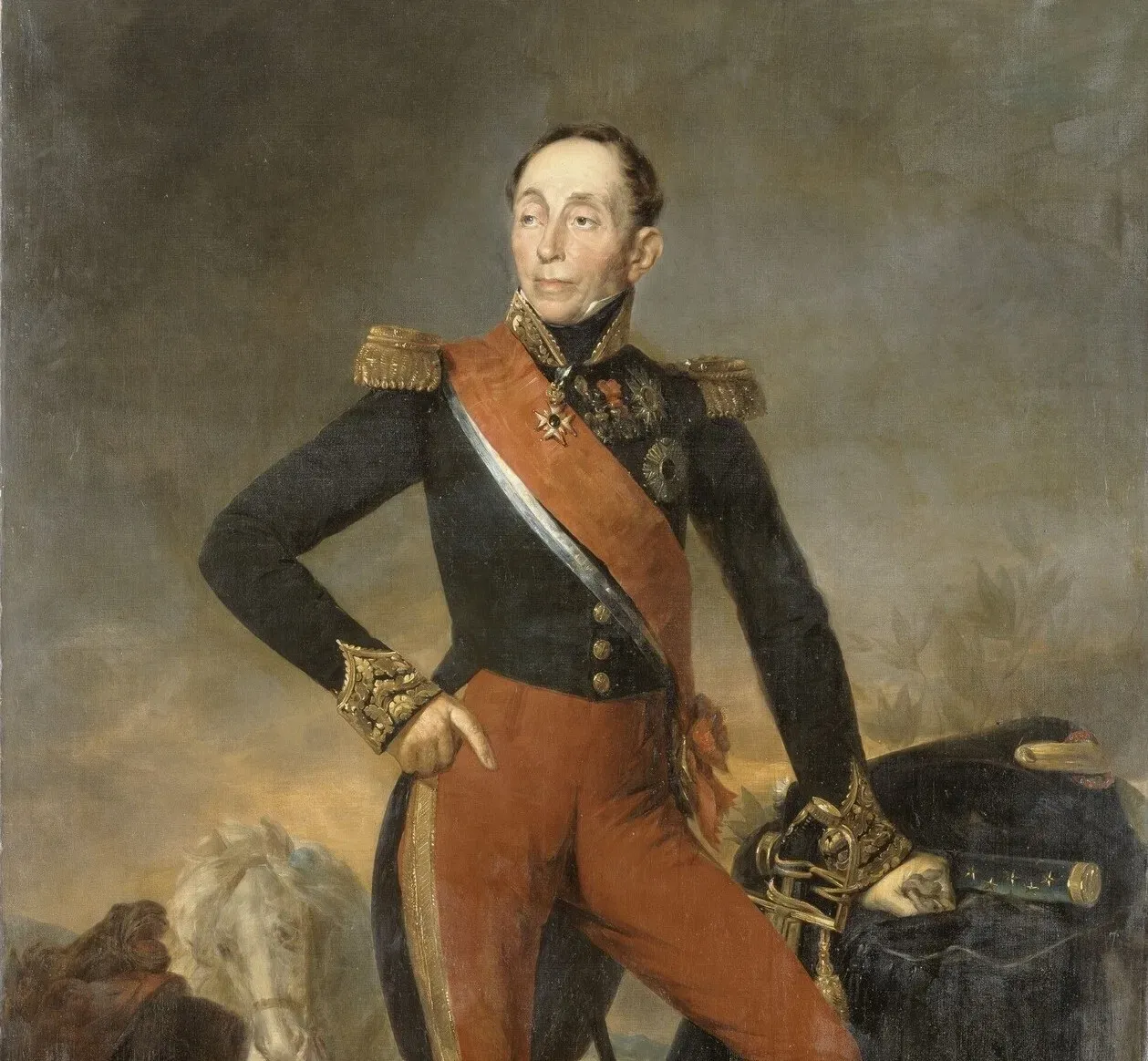
A late start, uncertainty about the direction the Prussians had taken, and the vagueness of the orders given to him meant that Grouchy was too late to prevent the Prussian army reaching Wavre, from where it could march to support Wellington. Napoleon had sent Marshal Grouchy with roughly 33,000 men to pursue the Prussians after the Battle of Ligny, believing he could keep Blücher’s army from rejoining Wellington’s forces at Waterloo. At 11:30 a.m., Grouchy, apparently while enjoying a breakfast of strawberries at Sart-a-Walhain, was violently awoken by the unmistakable distant rumble of a great artillery barrage – the fanfare for Waterloo. A council of war was held where Gérard demanded that the army immediately march towards the sound of the guns. Grouchy decided against such a move; Napoleon had not sent any orders for him to join him.
The Prussians left a strong rearguard at Wavre. Grouchy successfully defeated them on June 18 to 19; however, this rearguard concealed the bulk of the Prussian force, which marched under Blücher to join the Duke of Wellington at Waterloo, ensuring an allied victory over Napoleon on June 18. Many have accused Grouchy of intentionally holding back his men and not marching to join Napoleon when the sound of the gunfire at Waterloo could clearly be heard, and he has been widely blamed for Napoleon’s defeat. Napoleon’s empire effectively ended that afternoon.
3. The Bay of Pigs Invasion’s One-Hour Time Zone Blunder (1961)


The exiles had trained on Eastern Standard Time, but Cuba was operating on Daylight Saving Time. Somebody forgot to account for the one-hour difference, meaning the bombers arrived too late. By the time they showed up, the sun was already high in the sky, Cuban defenses were on full alert, and any element of surprise had been obliterated. Instead of hitting airfields before planes could take off, the bombers found themselves dodging anti-aircraft fire and Castro’s fully operational air force.
President Kennedy authorized an “air-umbrella” at dawn on April 19 – six unmarked American fighter planes took off to help defend the brigade’s B-26 aircraft. But the planes arrived an hour late, most likely confused by the change in time zones between Nicaragua and Cuba. They were shot down by the Cubans, and the invasion was crushed later that day. Some exiles escaped to the sea, while the rest were killed or rounded up and imprisoned by Castro’s forces. Almost 1,200 members of Brigade 2506 surrendered, and more than 100 were killed. The Bay of Pigs failure also led directly to Castro cozying up to the Soviet Union, which in turn led to the Cuban Missile Crisis.
4. The Delayed Prussian Response at the Battle of Gettysburg (1863)

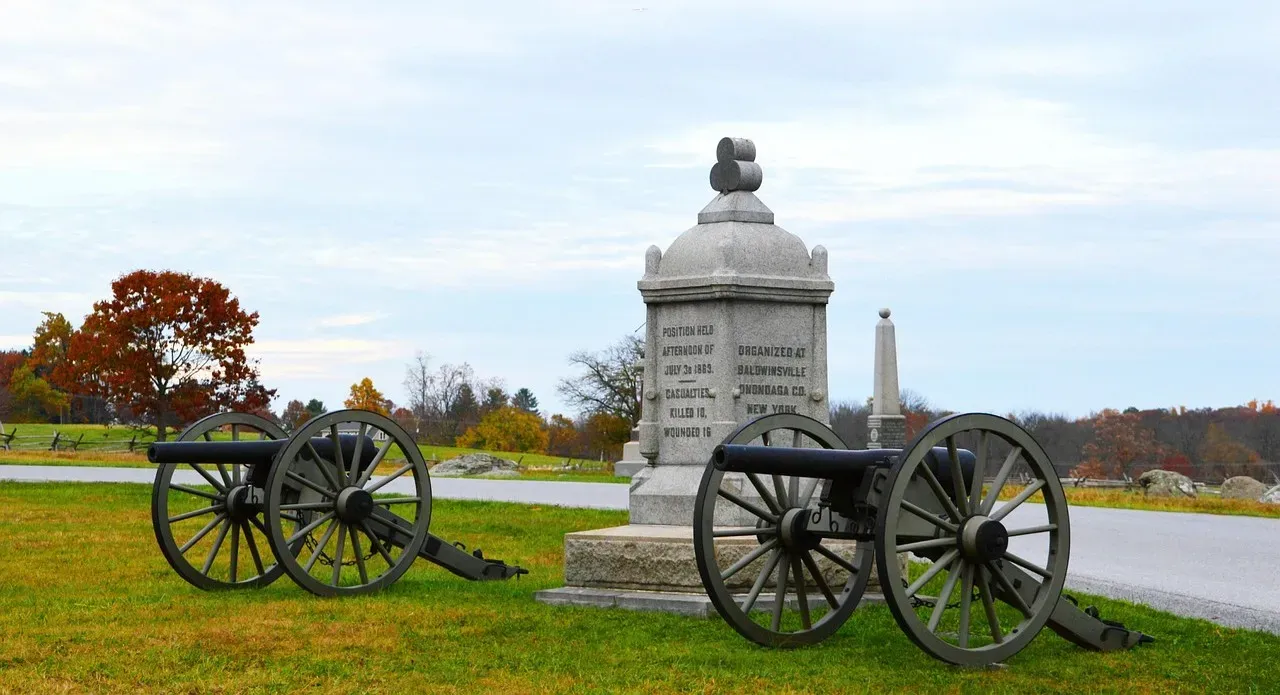
At Gettysburg in 1863, Confederate command timing and delayed reinforcements influenced the outcome. On July 1, Lee’s army failed to capitalize decisively on early Confederate successes; delayed coordination of attacks and mis-timed Pickett’s Charge on July 3 produced catastrophic Confederate losses and a turning point in the American Civil War. Confederate General Richard Ewell’s failure to press the Union retreat on the evening of the first day – a delay widely analyzed by historians – allowed the Union army to occupy the high ground on Cemetery Ridge overnight. That ground would prove unassailable the next day.
Pickett’s Charge on the third day, launched far later than Lee had intended, sent roughly twelve thousand Confederate soldiers across nearly a mile of open field in the afternoon heat. The Union lines had time to regroup, reinforce, and wait. The charge was devastated. The Confederacy never mounted a comparable offensive into Union territory again, and the battle is broadly considered the strategic turning point of the entire war.
5. The Charge of the Light Brigade: Late Clarity in the Crimea (1854)
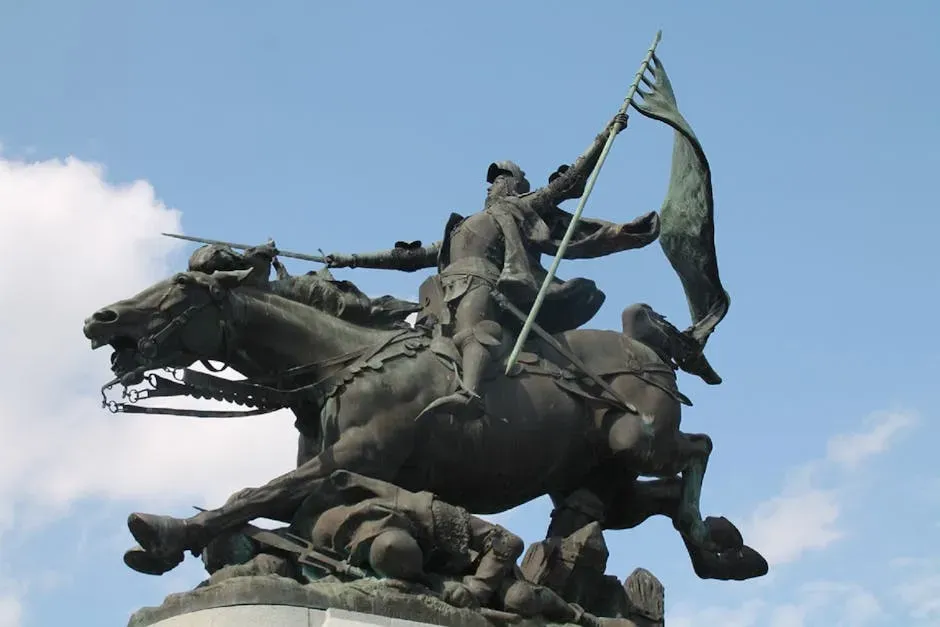
Miscommunication and delayed clarification of orders during the Crimean War led to a frontal assault against well-prepared artillery. The cavalry’s late realization of the proper target produced heavy, avoidable casualties. The infamous charge on October 25, 1854, sent the British Light Brigade galloping directly toward Russian cannons positioned at the end of a valley, a catastrophic misreading of Lord Raglan’s ambiguous orders. By the time officers on the ground questioned the command, the signal to advance had already been delivered.
The delay in seeking clarification – or the failure to deliver clear orders in the first place – cost the Brigade dearly. Of roughly 670 men who rode into the valley, over a hundred were killed and nearly another hundred and thirty were wounded. The event became one of the most analyzed military disasters in British history, and it prompted lasting reforms in how the army communicated orders under battlefield conditions.
Partner offer

6. Napoleon’s Late Start on the Morning of Waterloo (1815)
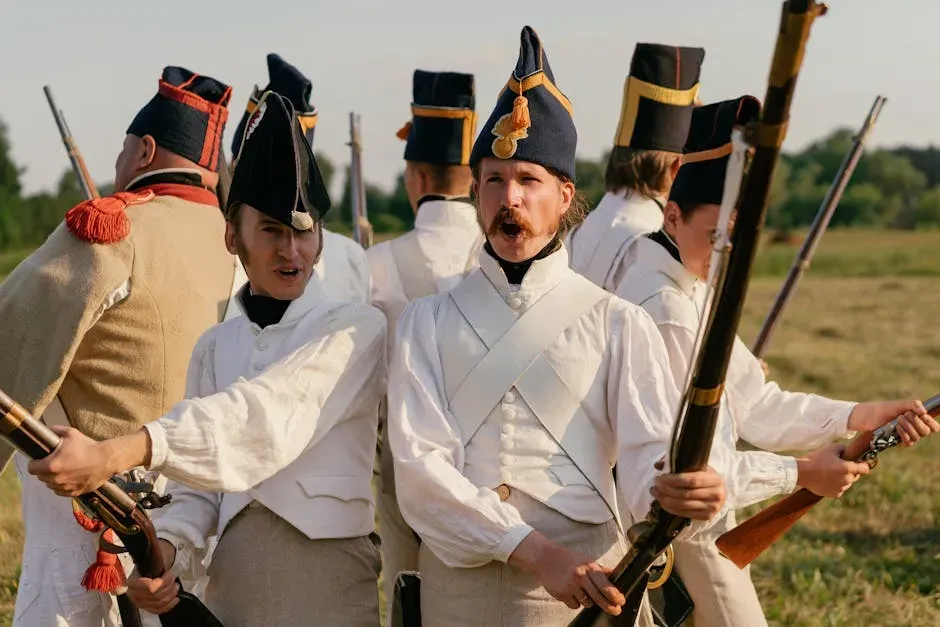
Napoleon delayed the start of the battle owing to the sodden ground, which would have made manoeuvring cavalry and artillery difficult. In addition, many of his forces had bivouacked well to the south of La Belle Alliance. This decision to wait for the ground to dry pushed the opening of the battle back by several hours. It seemed tactically sensible at the time, but it had a consequence Napoleon had not fully calculated: it gave the Prussian army more time to march toward Wellington’s position.
He also assumed that it would take the Prussians at least two days to regroup, unaware that in fact Blücher would lead his army back to the fray about five hours after it began. At about 13:15, Napoleon saw the first columns of Prussians around the village of Lasne-Chapelle-Saint-Lambert, four to five miles away from his right flank – about three hours’ march for an army. The late morning start had handed Blücher exactly the window he needed. Napoleon’s final campaign collapsed before dusk.
7. Spanish Flu: Cities That Responded Late Paid in Lives (1918)

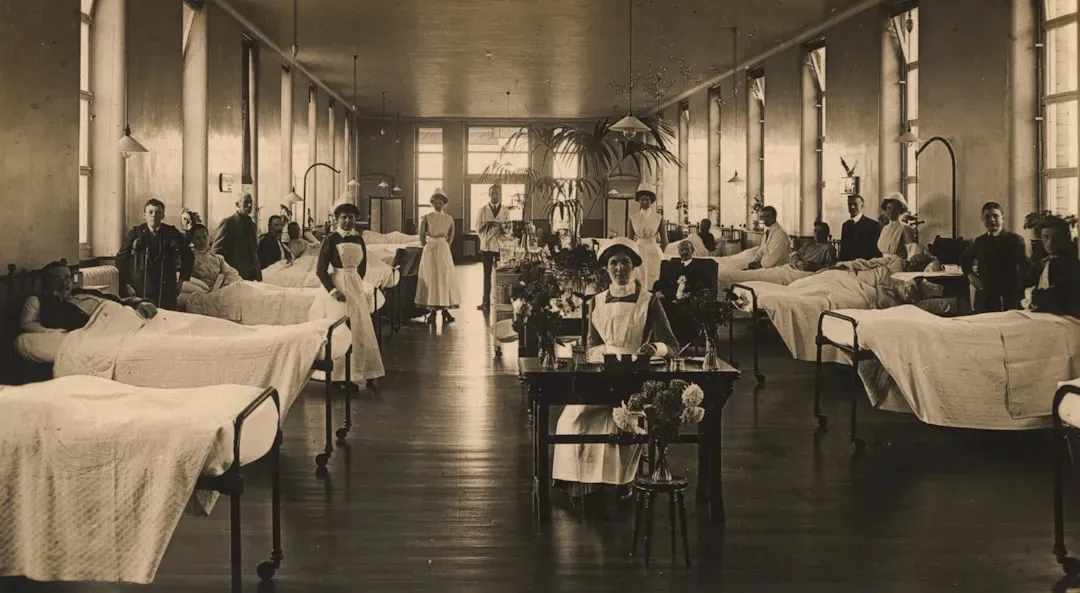
Many cities that delayed implementing social-distancing measures, canceling public gatherings, or closing schools during the 1918 Spanish flu experienced higher death rates than cities that acted early. Timing of interventions markedly changed epidemic outcomes. Philadelphia is the most widely cited example. City officials allowed a large Liberty Loan parade to proceed on September 28, 1918, just as the flu was accelerating. Within days, hospitals were overwhelmed. Within weeks, the city was burying its dead in mass graves.
St. Louis, by contrast, moved quickly to ban public gatherings and shut schools just two days after its first cases were confirmed. The difference in mortality between the two cities was dramatic and well-documented by epidemiologists. Philadelphia’s death rate in the weeks following the parade was many times higher than St. Louis’s during the same period. The episode remains one of the most cited case studies in public health history, precisely because it illustrates what a matter of days can mean.
8. The Titanic’s Delayed Response to Iceberg Warnings (1912)


Miscommunications and delayed recognition of iceberg danger slowed full emergency response aboard the Titanic; nearby ships received distress signals but were too far or too slow to arrive before many lives were lost. Faster detection and earlier course changes could have reduced casualties. The ship had received multiple iceberg warnings from other vessels throughout April 14, 1912, but the Titanic maintained its speed and course. The watch spotted the iceberg at approximately 11:40 p.m. – too late for the ship to turn in time.
The nearest ship, the SS Californian, was positioned close enough that its crew had observed the Titanic’s distress rockets, but the wireless operator had gone off duty for the night and the ship did not respond in time to mount a rescue. More than 1,500 people died. The disaster fundamentally reshaped international maritime law, leading to the first International Convention for the Safety of Life at Sea in 1914, which mandated 24-hour wireless watches on ocean liners.
9. Confederate General Longstreet’s Delay at Gettysburg’s Second Day (1863)

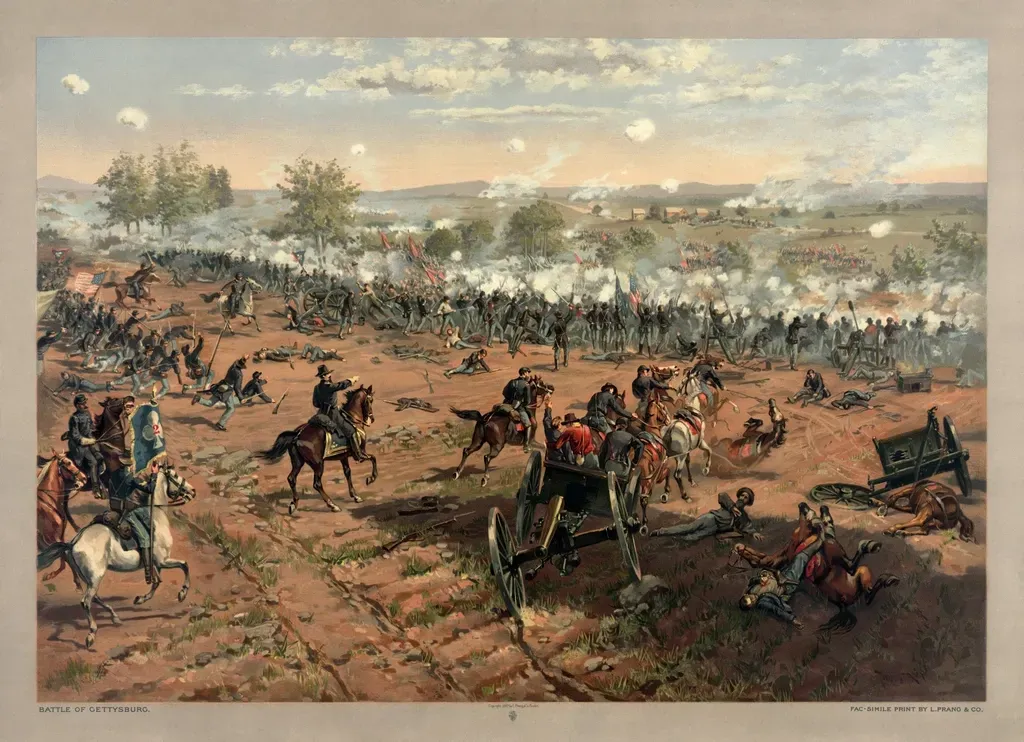
General James Longstreet’s delayed assault on the second day at Gettysburg, July 2, 1863, remains one of the most debated command decisions of the American Civil War. Lee had intended for the attack to begin as early as possible in the morning, hoping to hit the Union left flank before it was fully strengthened. Longstreet, who opposed the plan on strategic grounds, was slow to move his corps into position, and the assault did not begin until late afternoon.
By that point, Union forces had reinforced their positions along Little Round Top and the surrounding terrain. The attack came close to breaking the Union line – particularly at Devil’s Den and the Wheatfield – but ultimately failed to dislodge Union forces from the critical high ground. Historians have long argued that an earlier assault, launched before Union commanders had fully consolidated their defensive line, might have changed the entire course of the battle. The afternoon’s delay allowed the Union army to hold, and the Confederacy’s best offensive opportunity of the war slipped away with the fading light.
10. The Munich Appeasement: Europe’s Late Resistance to Hitler (1938)

Delays in forming firm resistance to Hitler’s early aggression and prolonged appeasement allowed Germany to grow stronger; later attempts to check expansion required a much costlier war than early decisive containment would have. The Munich Agreement, signed in September 1938, saw Britain and France concede the Sudetenland to Germany in the hope of avoiding war. It gave Hitler exactly the time and territory he needed to accelerate rearmament and prepare for the broader invasion of Europe that followed.
By the time Britain and France declared war in September 1939, Germany’s military capacity had grown substantially beyond what it had been in 1936 or 1937, when Hitler’s advances into the Rhineland had been largely uncontested. Military historians have noted that earlier, firmer opposition – when Germany was far less prepared for a sustained conflict – might have significantly shortened or even prevented the Second World War. The price of arriving late to that confrontation was measured in tens of millions of lives.
These ten moments share a quiet and unsettling common thread: in each case, someone or something was simply not where it needed to be, when it needed to be there. No grand villains, no elaborate conspiracies. Just the gap between when something happened and when it should have, stretched just far enough to let history slip through.
Partner offer
Planning a trip to Vegas?
Compare hotel rates and show tickets on VEGAS.com.